
Xàtiva
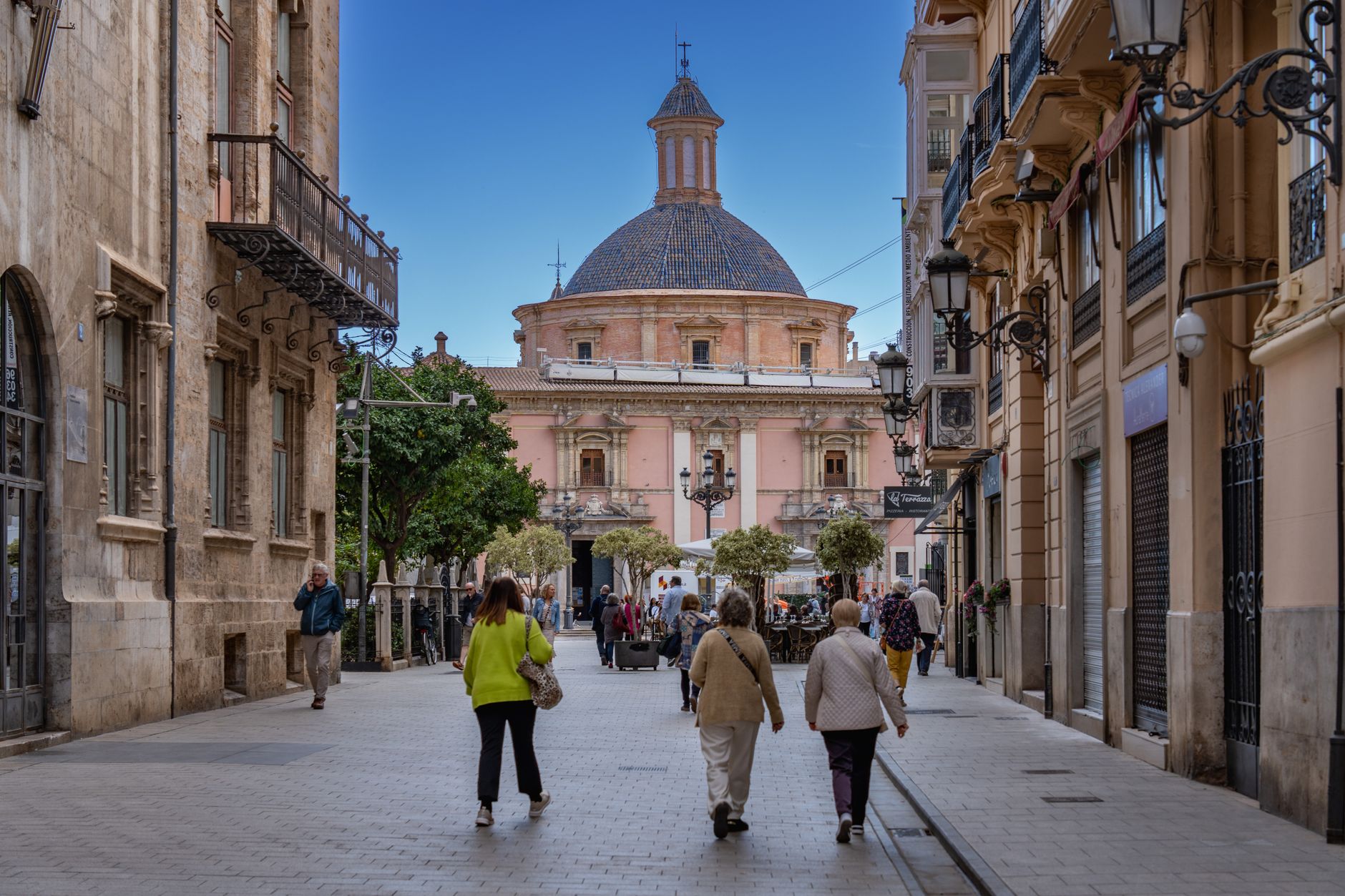
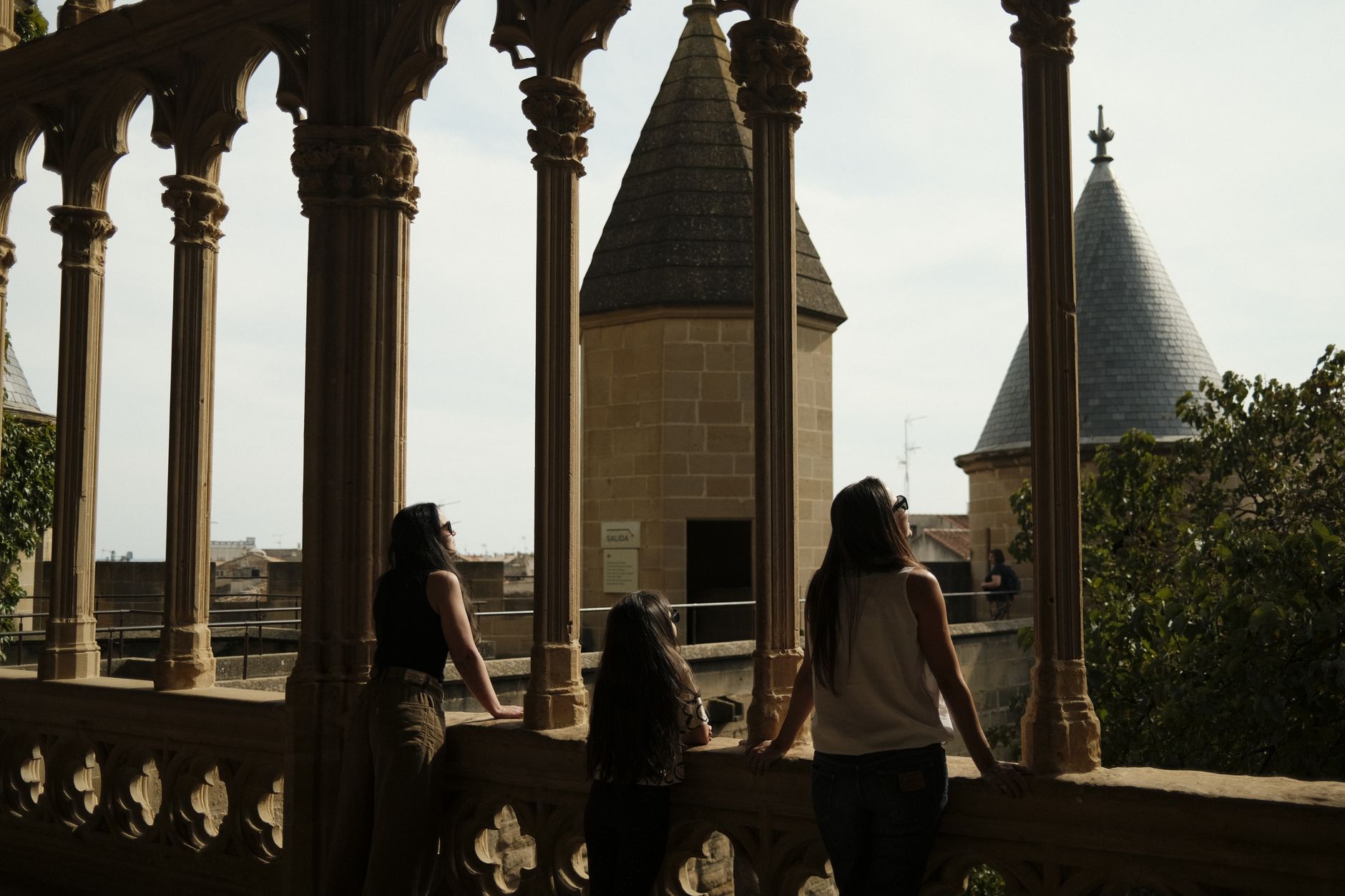
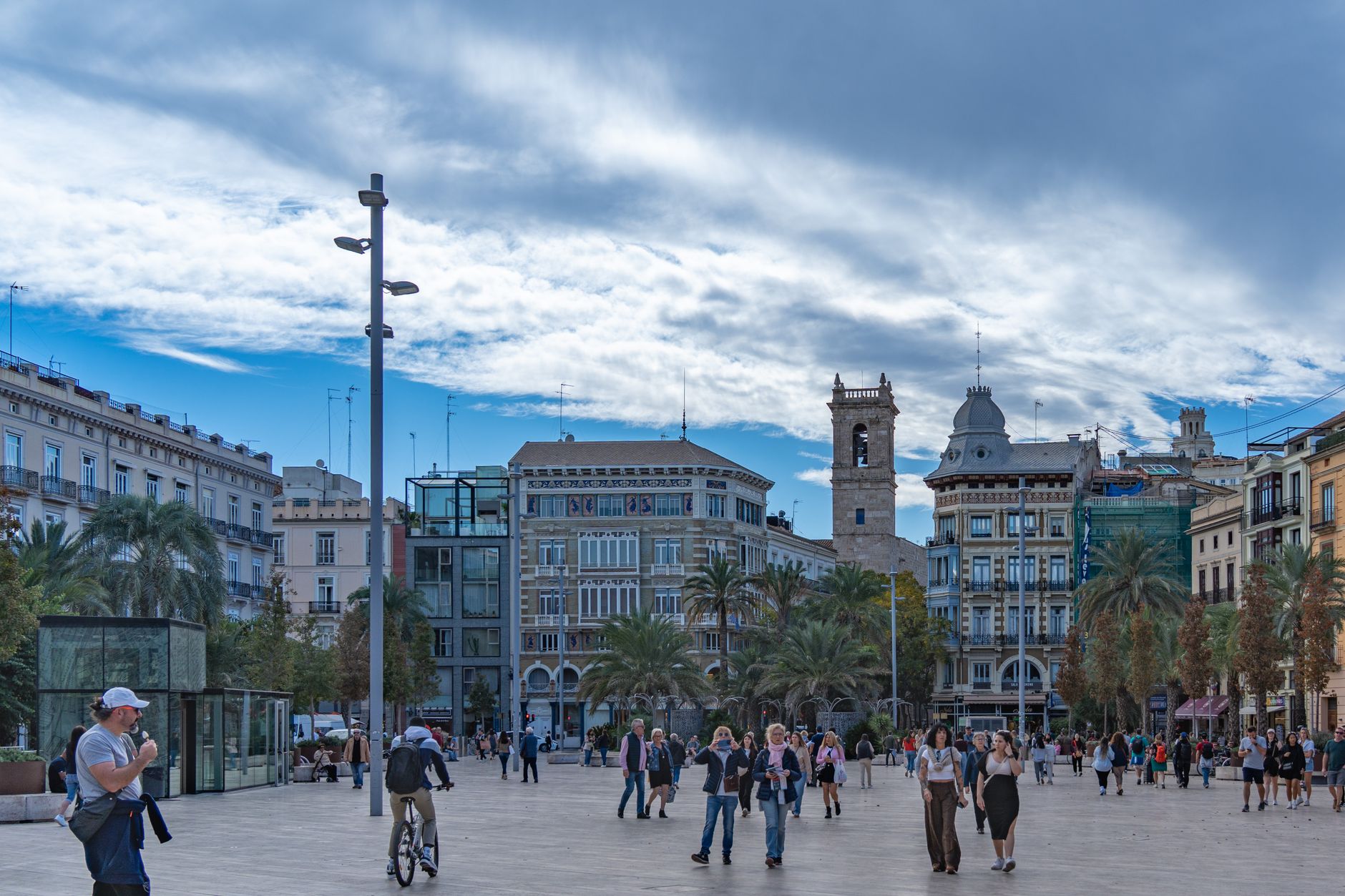
The portrait of Philip V hangs upside-down in Xàtiva's Fine Arts Museum, and nobody has moved it in over three centuries. That small act of defiance tells you most of what you need to know about this city on its ridge in the Valencian interior. Xàtiva gave the world two popes and a Baroque painter of the first order, manufactured paper before almost anywhere else in Europe, and was burned to the ground and salted in 1707 for backing the wrong side in a war of succession. It rebuilt itself and kept the grudge.
💛 What travellers fall for
People who come back tend to spend the second morning on the castle walk at first light, before the heat settles in. The twin fortifications — Castell Menor and Castell Major — are best read slowly, tower by tower. Save the Collegiate Basilica for the afternoon, when the Museo Colegial is quieter and you can stand in front of the chalice of Callixtus III without anyone hurrying you along.
Experiences you don't want to miss




Deals in Xàtiva
Book directly at the provider

How Xàtiva came to be
The Iberians called it Saiti; the Romans knew it as Saetabis and prized its linen so highly that Catullus and Ovid both mentioned the cloth by name. Arab scholars arrived in the 12th century, bringing paper manufacturing with them, and the city became a seat of learning. James I of Aragon took it in 1244 and made it the second city of the Kingdom of Valencia. The Borgia family — who produced two popes, Callixtus III and the more notorious Alexander VI — were born here.
On June 19, 1707, Philip V punished the city for its support of the Habsburg pretender during the War of Spanish Succession: he ordered Xàtiva razed, its roughly 14,000 inhabitants deported to La Mancha, and salt sown into the fields. He renamed the ruins San Felipe. It took until the Cortes of Cádiz in 1811 to restore the original name, and until a decree of January 7, 1980, to restore the Valencian spelling.
Who and what shaped it
People who shaped it
Landmark buildings
See Xàtiva in motion
Plan your visit
On the map
When to go
Summers are hot and dry, with the castle exposed to full sun from mid-morning — the ridge offers no shade. Spring (March to May) and autumn (September to November) bring mild days ideal for walking the fortifications and the old town on foot.
Right now
Background & history adapted from Wikipedia (CC BY-SA) · specs from Wikidata (CC0) · weather from Open-Meteo · map data © OpenStreetMap contributors · photos from Wikimedia Commons / Unsplash with per-image credit. No third-party reviews or social posts reproduced.