
Alicante
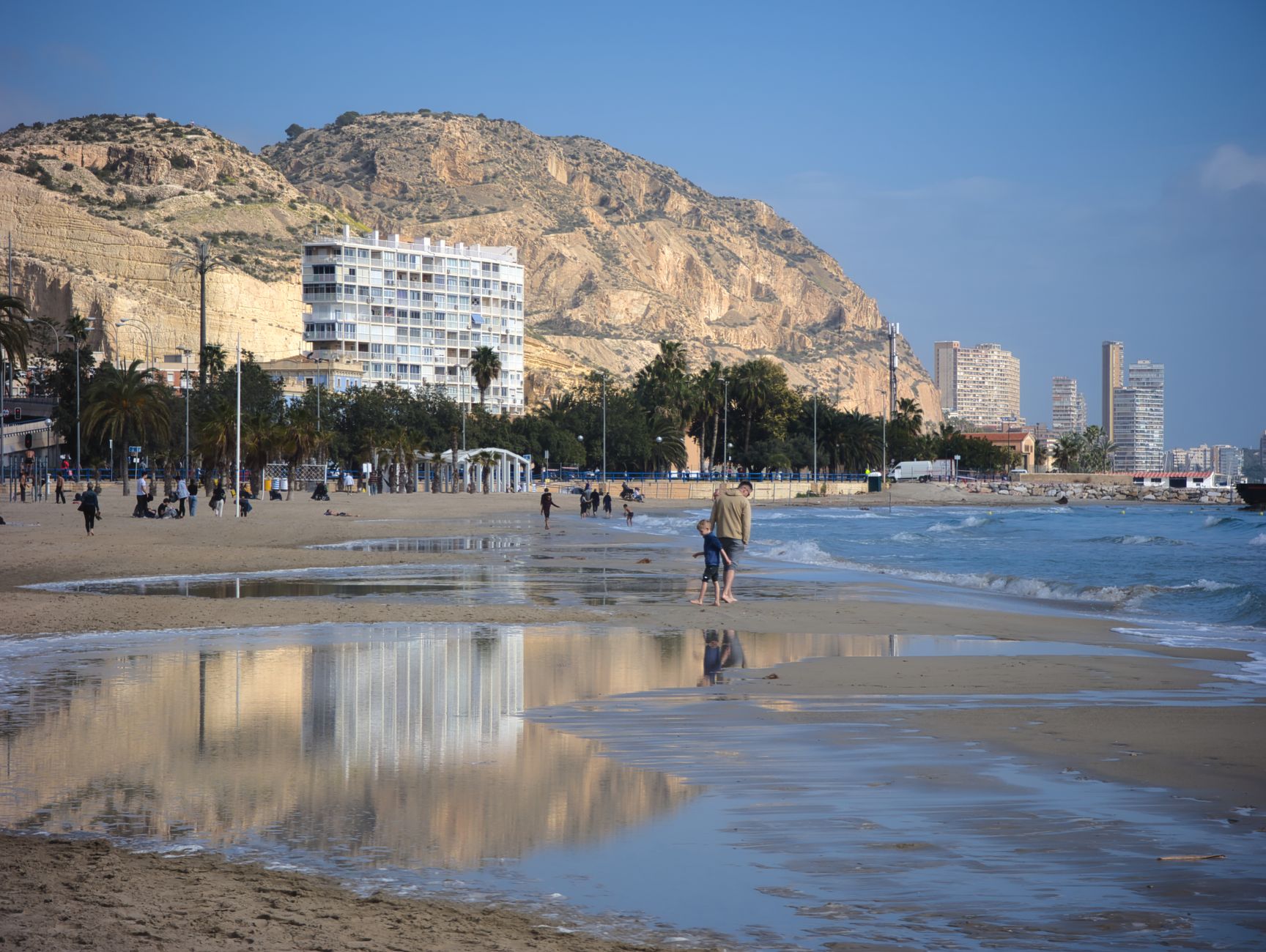
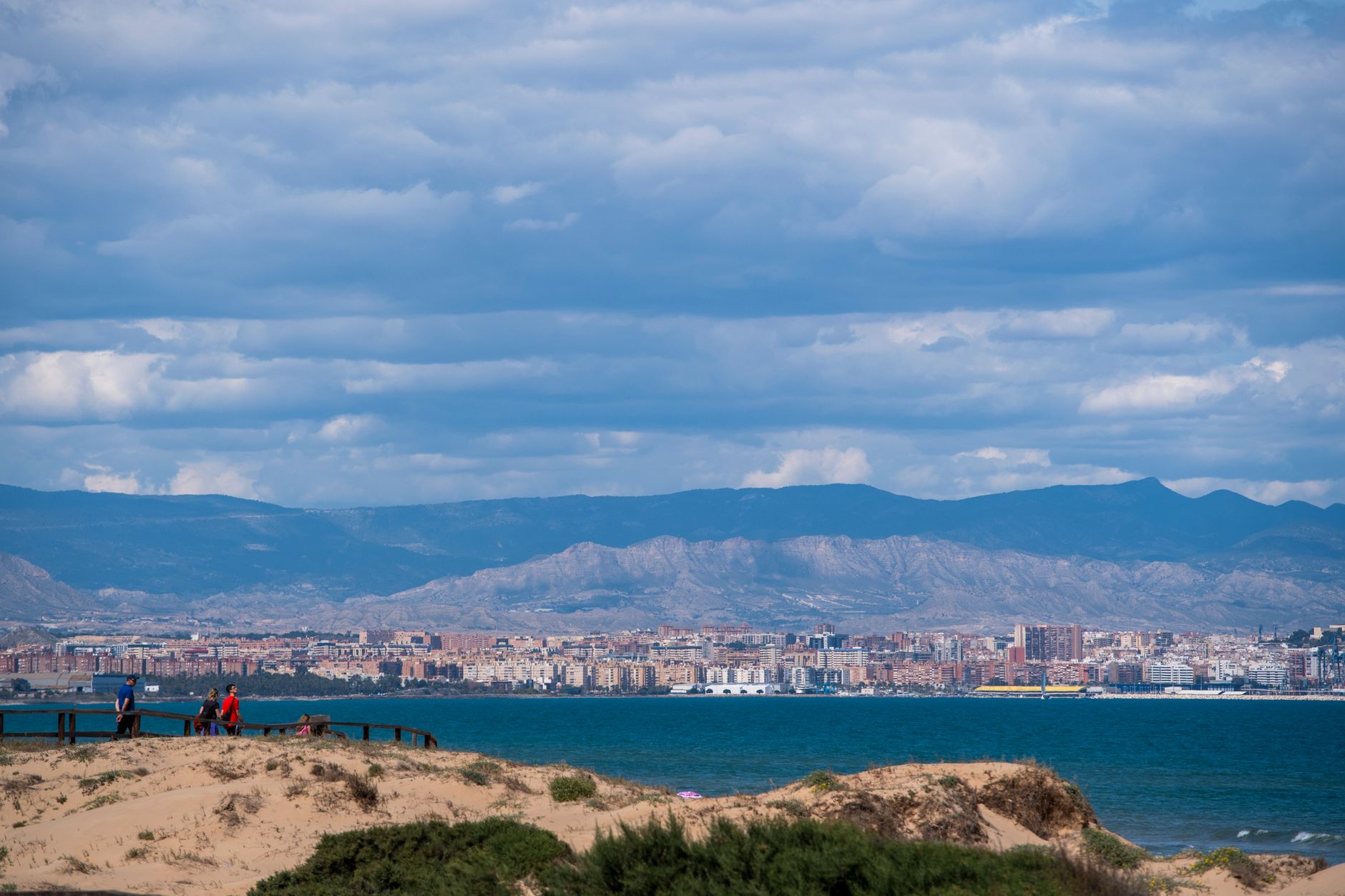
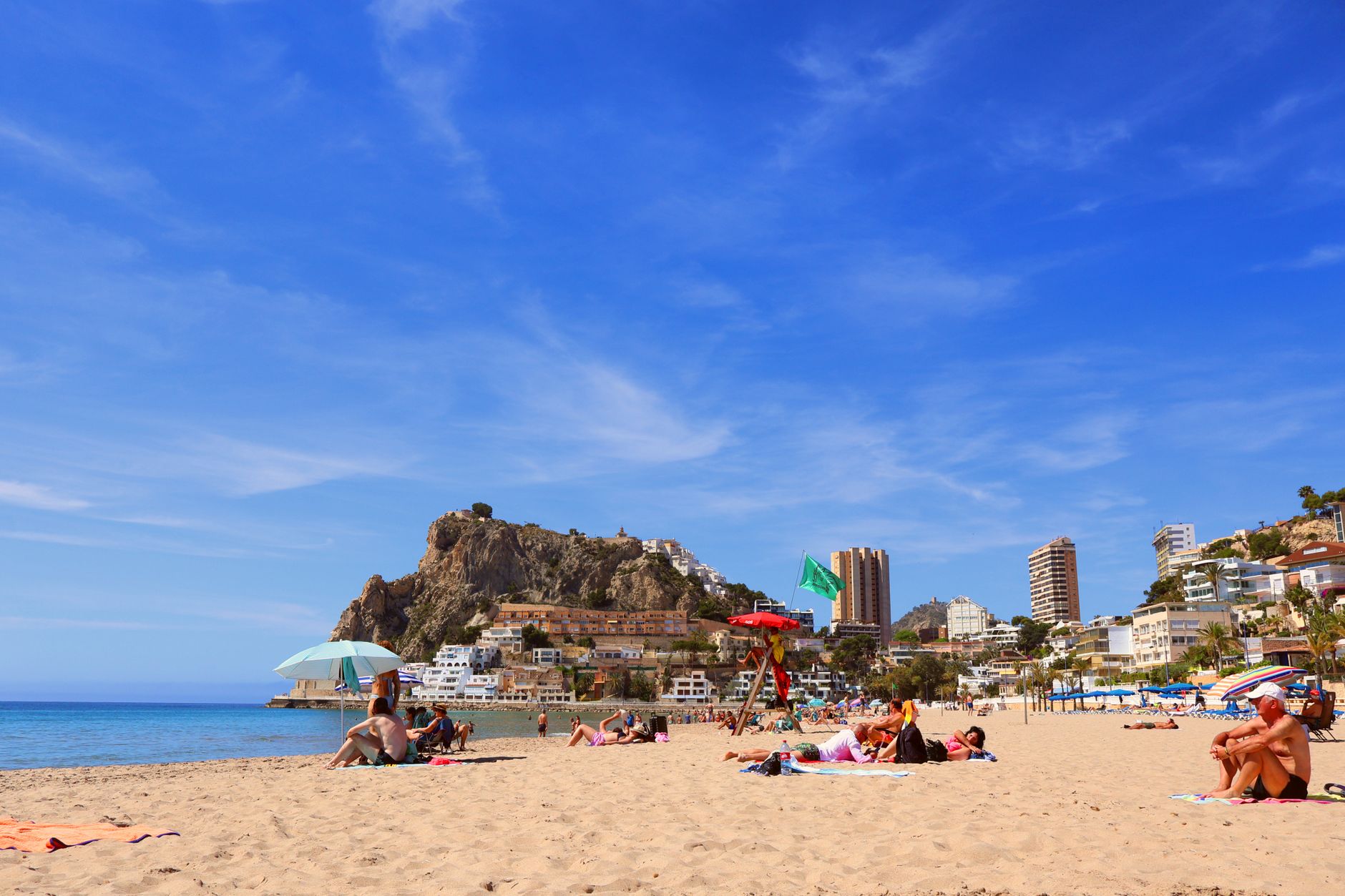
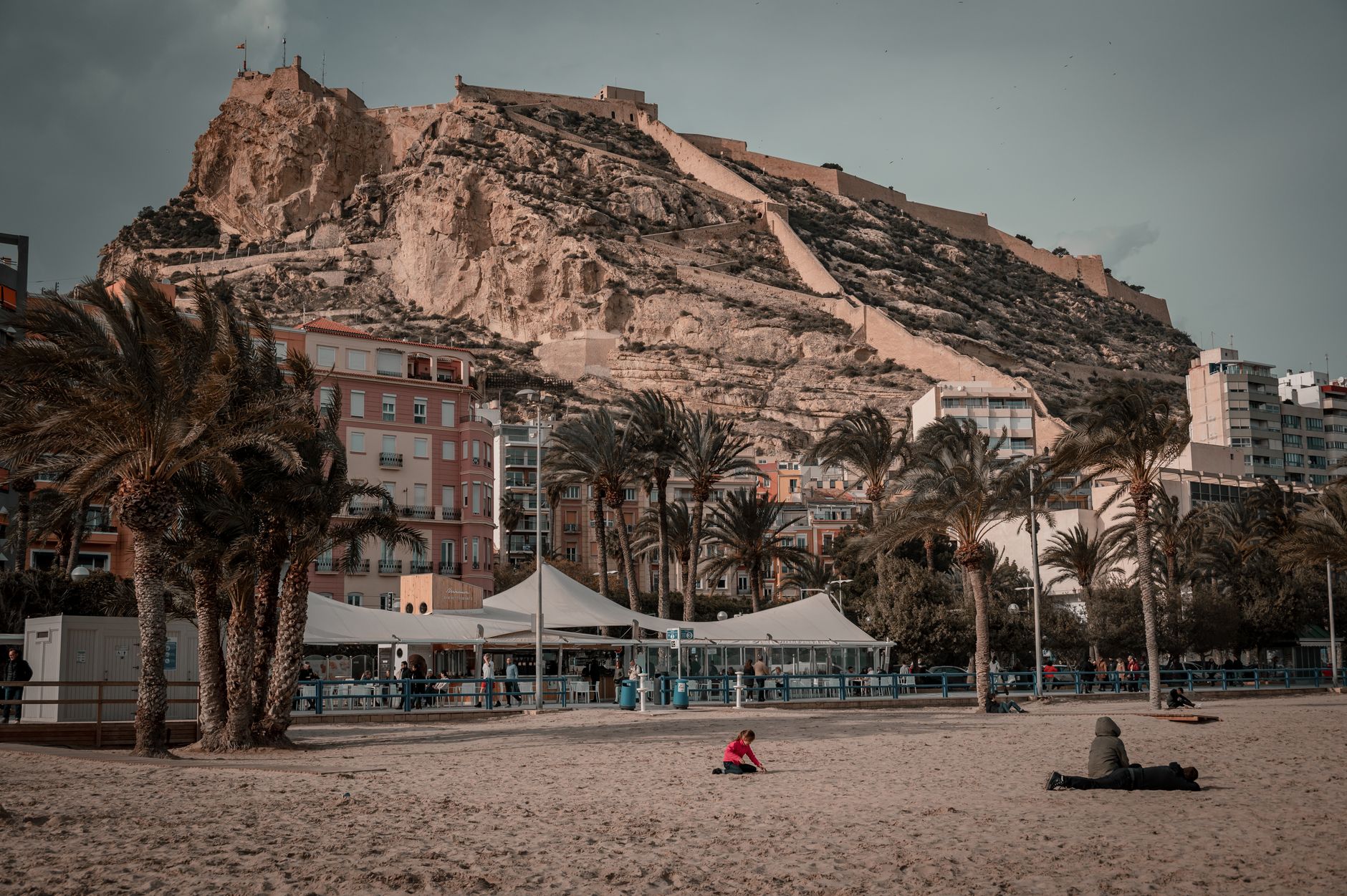
Stand on the Explanada de España at dusk and the pavement itself seems to move — six million marble tiles laid in an undulating mosaic that mimics the sea just beyond the railing. That promenade is Alicante's living room, and it tells you something about the city's character: unhurried, facing the water, built for the long evening.
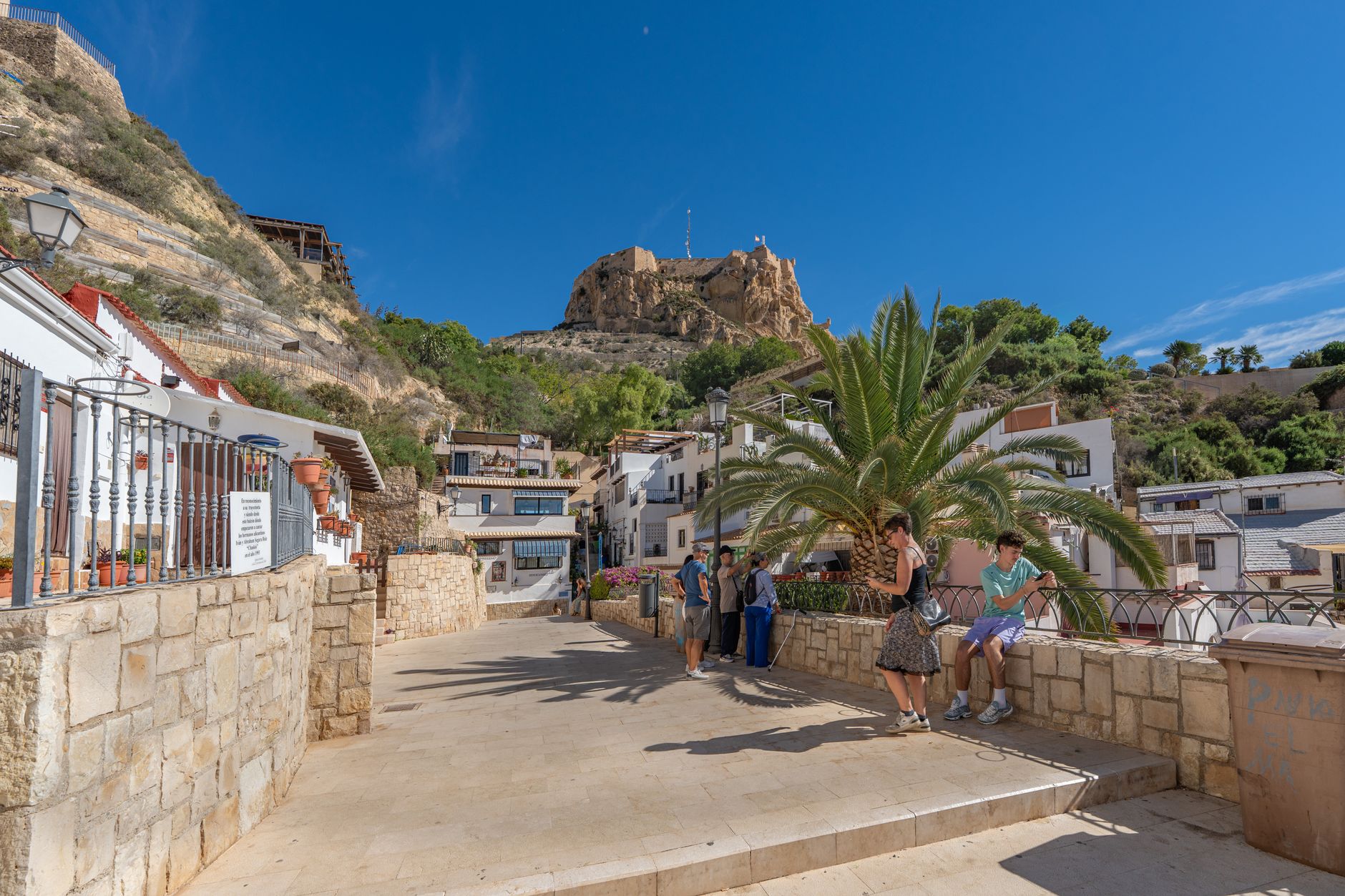
Above it all, the Castillo de Santa Bárbara watches from 160 metres up Mount Benacantil, its oldest stones dating to the 9th century. The city below it has been Greek, Roman, Moorish, Aragonese and Republican in turn — each layer still legible if you know where to look.
💛 What travellers fall for
People who come back tend to mention the same few things: taking the lift inside the mountain to reach Santa Bárbara at dusk rather than midday, picking up a Bono Móbilis card at Luceros station before anything else, and making at least one trip on the blue tram line out toward Benidorm just to watch the coast unspool.
Experiences you don't want to miss


Deals in Alicante
Book directly at the provider


How Alicante came to be
The site has been occupied for over seven thousand years, but the city's named history begins in 325 BCE when Phocaean Greeks founded Akra Leuke — "White Summit." Rome took it in 201 BCE and renamed it Lucentum, "City of Light," a name the place has never quite let go of. Muslim rule arrived in the 8th century, leaving behind the name Al-Laqant, before Alfonso X claimed it for Castile in 1247 and James II of Aragon recovered it in 1296.
The city backed the losing side in the War of Spanish Succession and paid for it when Philip V stripped the region of its autonomy in the early 18th century. Two centuries later, during the Spanish Civil War, Alicante was the last city still held by the Republican government before Franco's troops finally occupied it in 1939.
Who and what shaped it
People who shaped it
Landmark buildings
See Alicante in motion
Plan your visit
On the map
When to go
Summers are long, dry and genuinely hot — August averages 26°C with almost no rain — while winters stay mild and often sunny, rarely cold enough to require more than a jacket. The sweet spots are April through June and September through October, when the light is extraordinary and the city moves at its own pace.
Right now
Background & history adapted from Wikipedia (CC BY-SA) · specs from Wikidata (CC0) · weather from Open-Meteo · map data © OpenStreetMap contributors · photos from Wikimedia Commons / Unsplash with per-image credit. No third-party reviews or social posts reproduced.