
Dénia
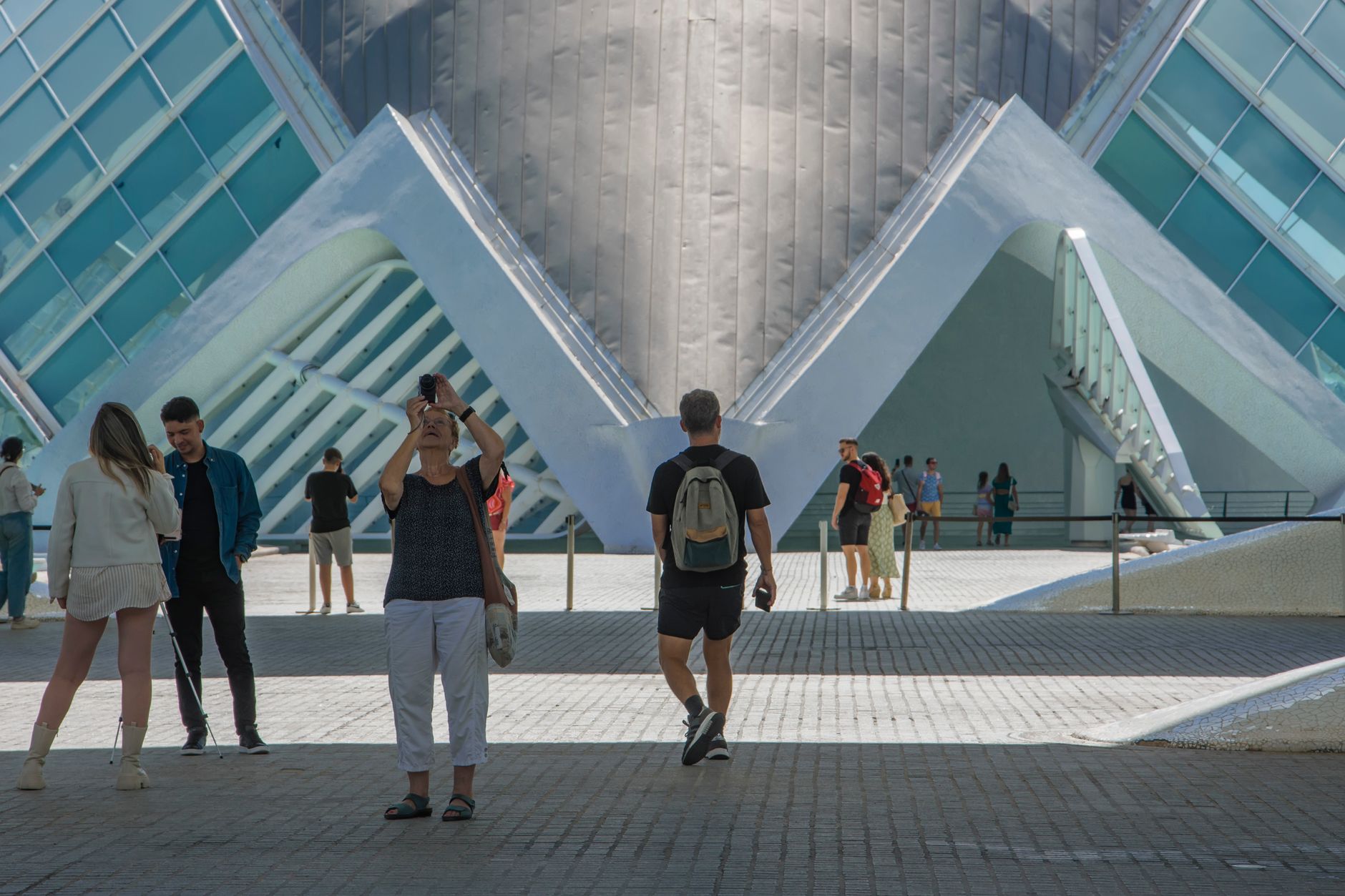
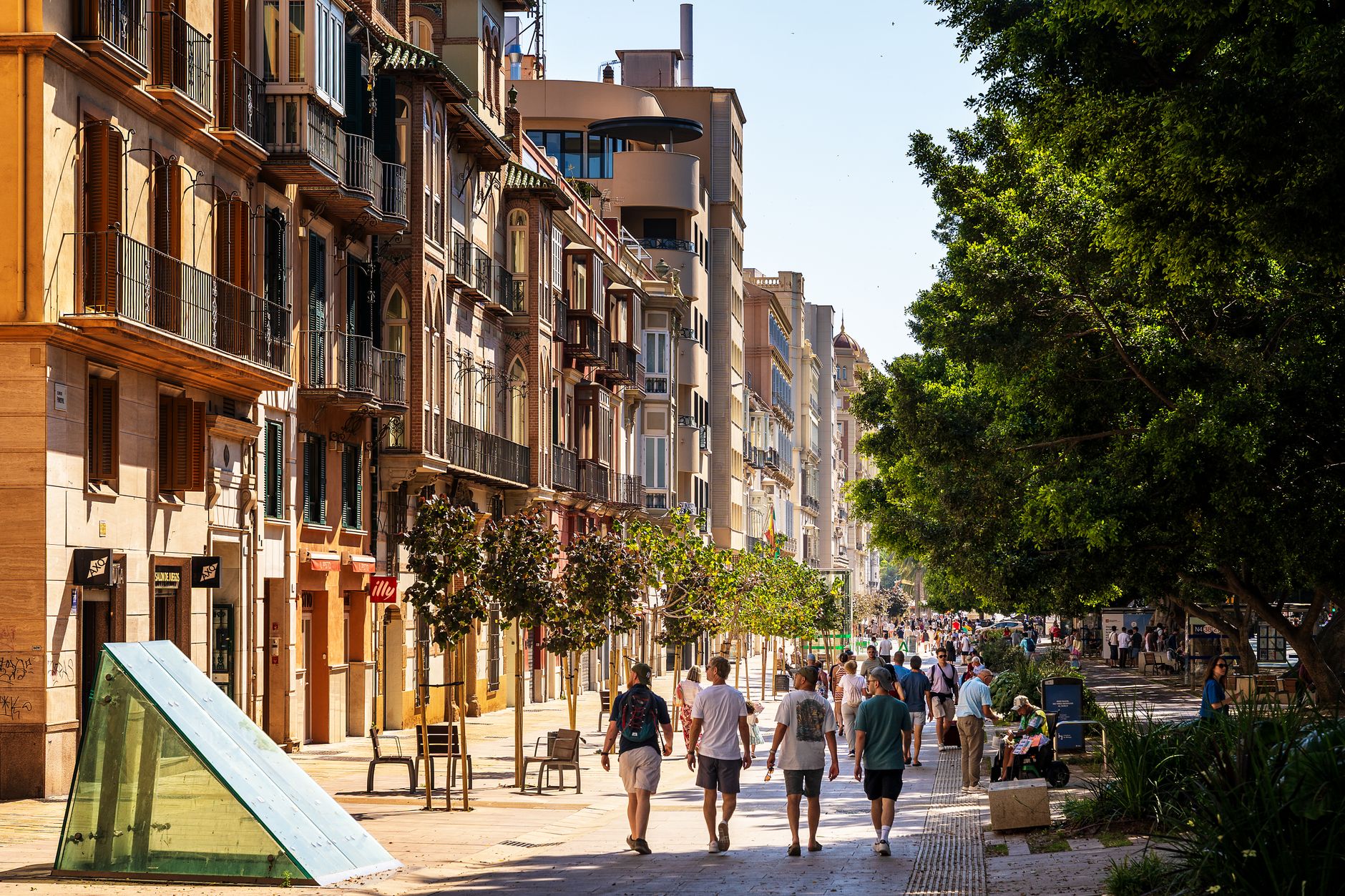
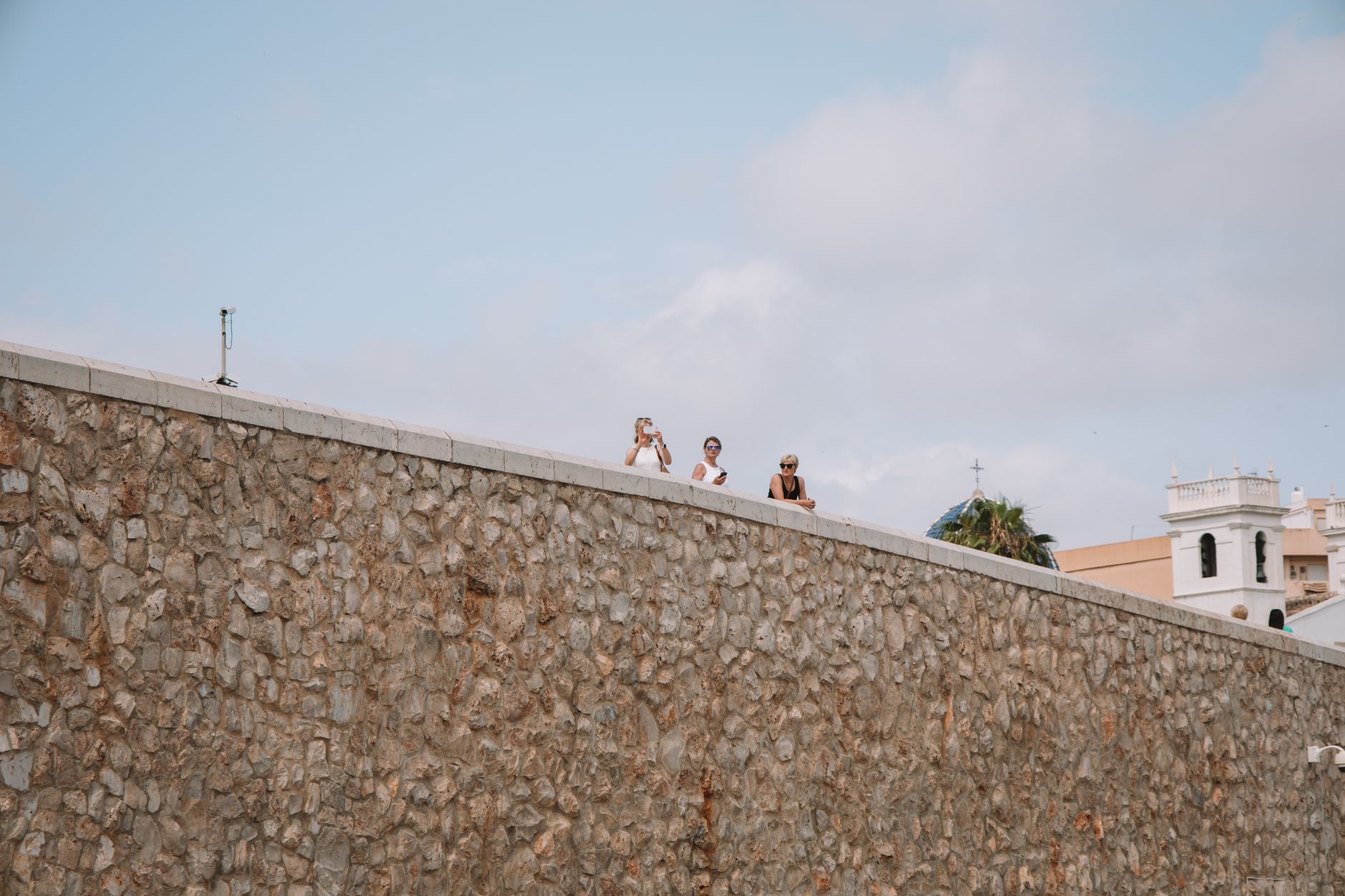
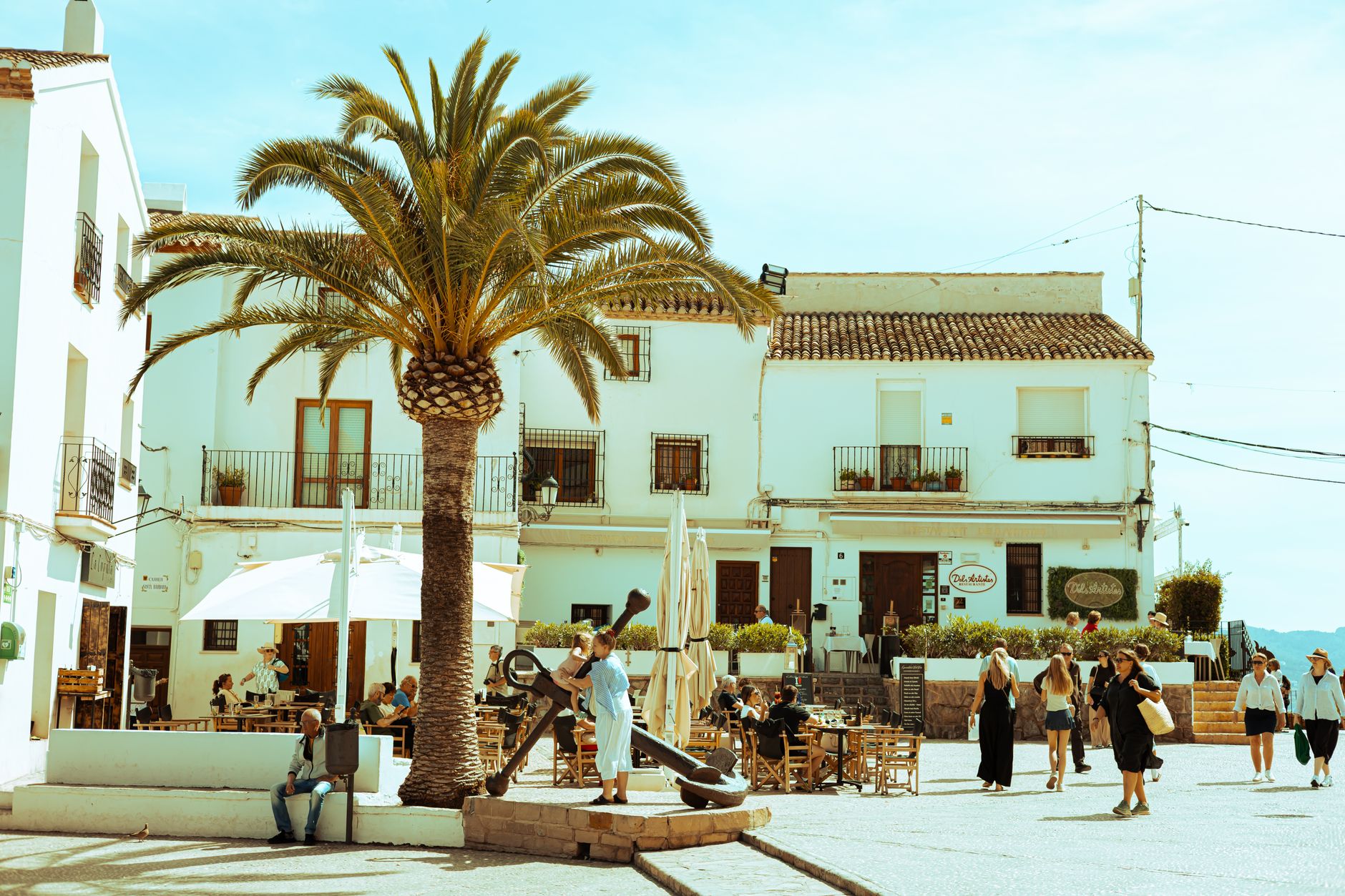
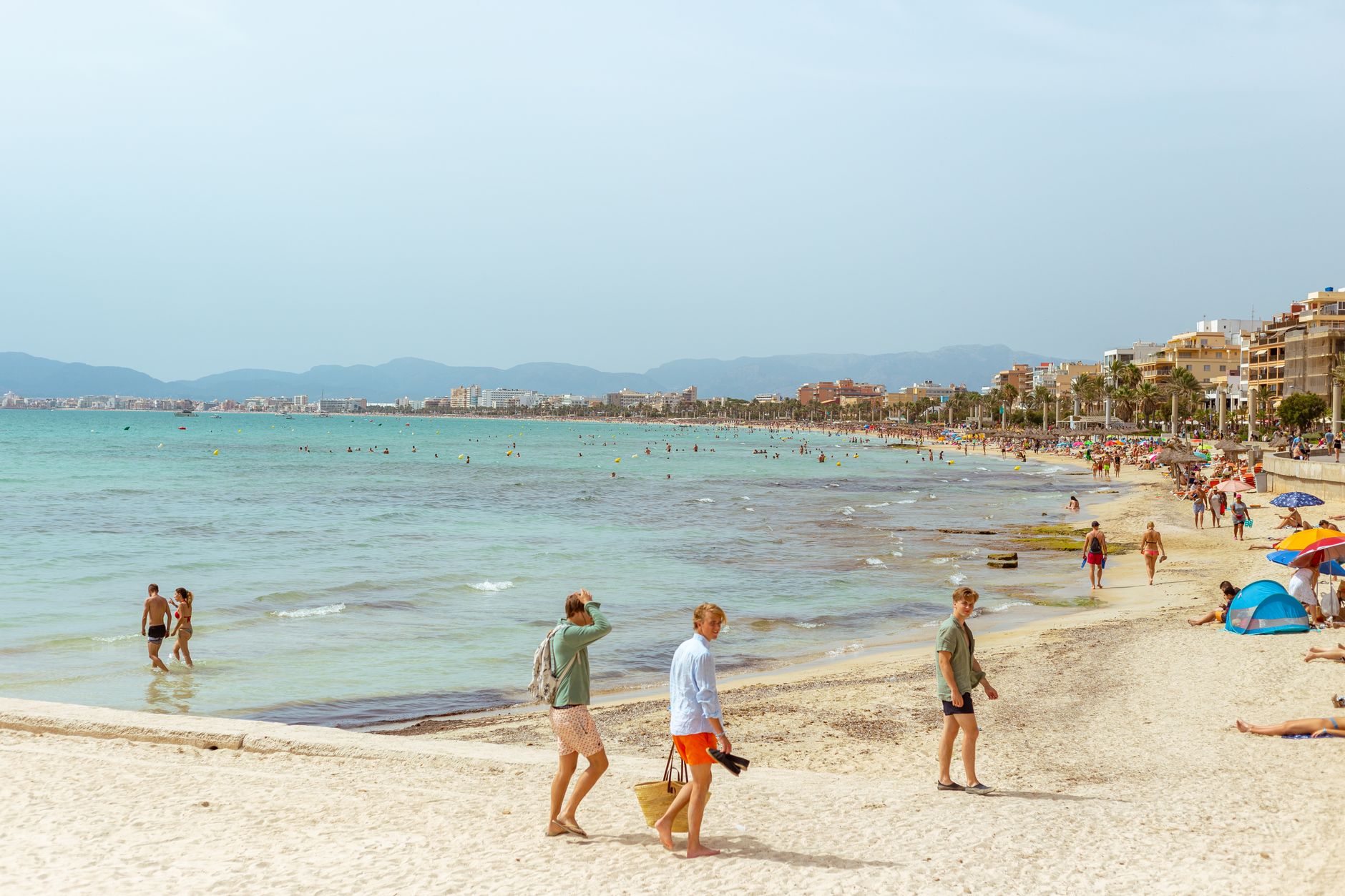
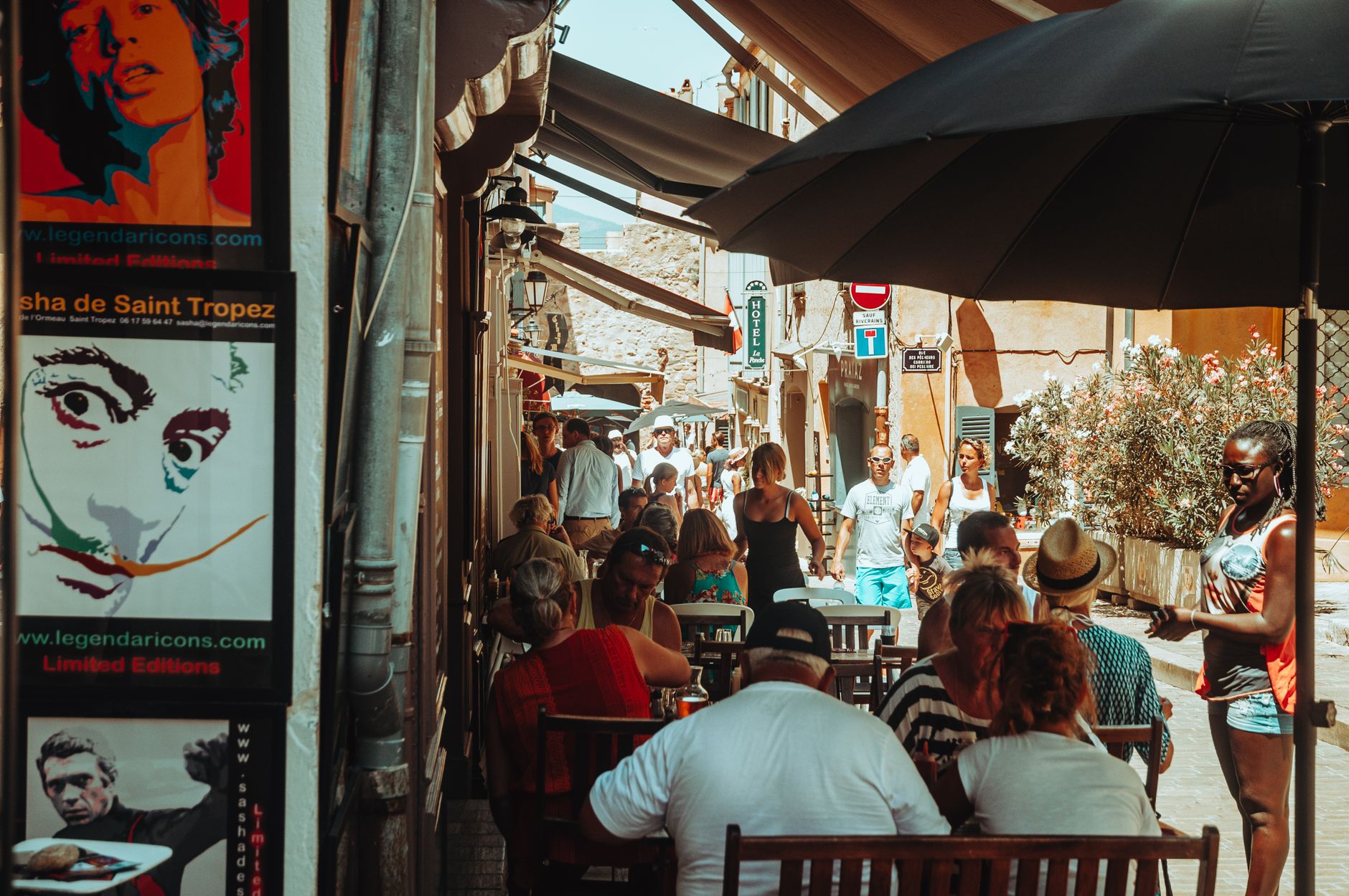
The Romans named it Dianium, after their goddess of the hunt, and something of that dual character — wild headland, cultivated port — still runs through Dénia today. The Montgó massif shoulders up behind the town while the harbour faces the Balearic Sea, ferries threading out toward Ibiza each morning. Between those two poles, a Moorish castle sits on its crag above terracotta rooftops, and in the Las Marinas district, one of Spain's most talked-about kitchens quietly holds three Michelin stars.
Dénia is a working city that happens to have a long coastline, not a resort that happens to have a town attached. The distinction matters when you're walking the port-side neighbourhood of Baix la Mar at dusk, or climbing the castle hill into Les Roques, where the streets narrow and the walls remember the taifa kingdom that once minted its own coins here.
💛 What travellers fall for
People who come back tend to say the same things: eat at least one meal somewhere on Les Marines road even if it isn't Quique Dacosta, walk the castle in the early morning before the heat settles, and take the TRAM south to Altea for an afternoon rather than driving — the coastal views repay the slower pace.
Experiences you don't want to miss


Deals in Dénia
Book directly at the provider

How Dénia came to be
Greeks from Massalia may have planted a trading post here as early as the 4th century BC — possibly the settlement called Hēmeroskopeion. Romans followed, rechristening it Dianium and folding it into their Hispania. Then, in 713, Muslim forces took the port, and it was under Islamic rule that Dénia had its most consequential chapter: in 1010, the Slavic warlord Mujāhid al-ʿĀmirī founded the Taifa of Dénia, an independent kingdom that struck its own currency, launched naval expeditions across the western Mediterranean and cultivated genuine cultural weight.
James I ended that in 1244, bringing Dénia into the Kingdom of Valencia. It became a marquisate in 1487, and Francisco Gómez de Sandoval y Rojas — the Duke of Lerma, Philip III's powerful favourite — gave the city a period of privilege before the 1609 expulsion of the Moriscos emptied the marquisate of some 25,000 people almost overnight. By 1803, reacquired by the Spanish crown, Dénia had reinvented itself as a trading port, and for over a century a small colony of English raisin merchants lived and worked along its waterfront.
Who and what shaped it
People who shaped it
Landmark buildings
See Dénia in motion
Plan your visit
On the map
When to go
Summers are long, dry and genuinely hot — coastal breezes help, but midday in July is not the moment to climb the castle hill. Spring (April–May) and autumn (September–October) bring warm, clear days without the August crowds; winters are mild enough for walking, though some seafront businesses close or reduce hours.
Right now
Background & history adapted from Wikipedia (CC BY-SA) · specs from Wikidata (CC0) · weather from Open-Meteo · map data © OpenStreetMap contributors · photos from Wikimedia Commons / Unsplash with per-image credit. No third-party reviews or social posts reproduced.