
Calpe
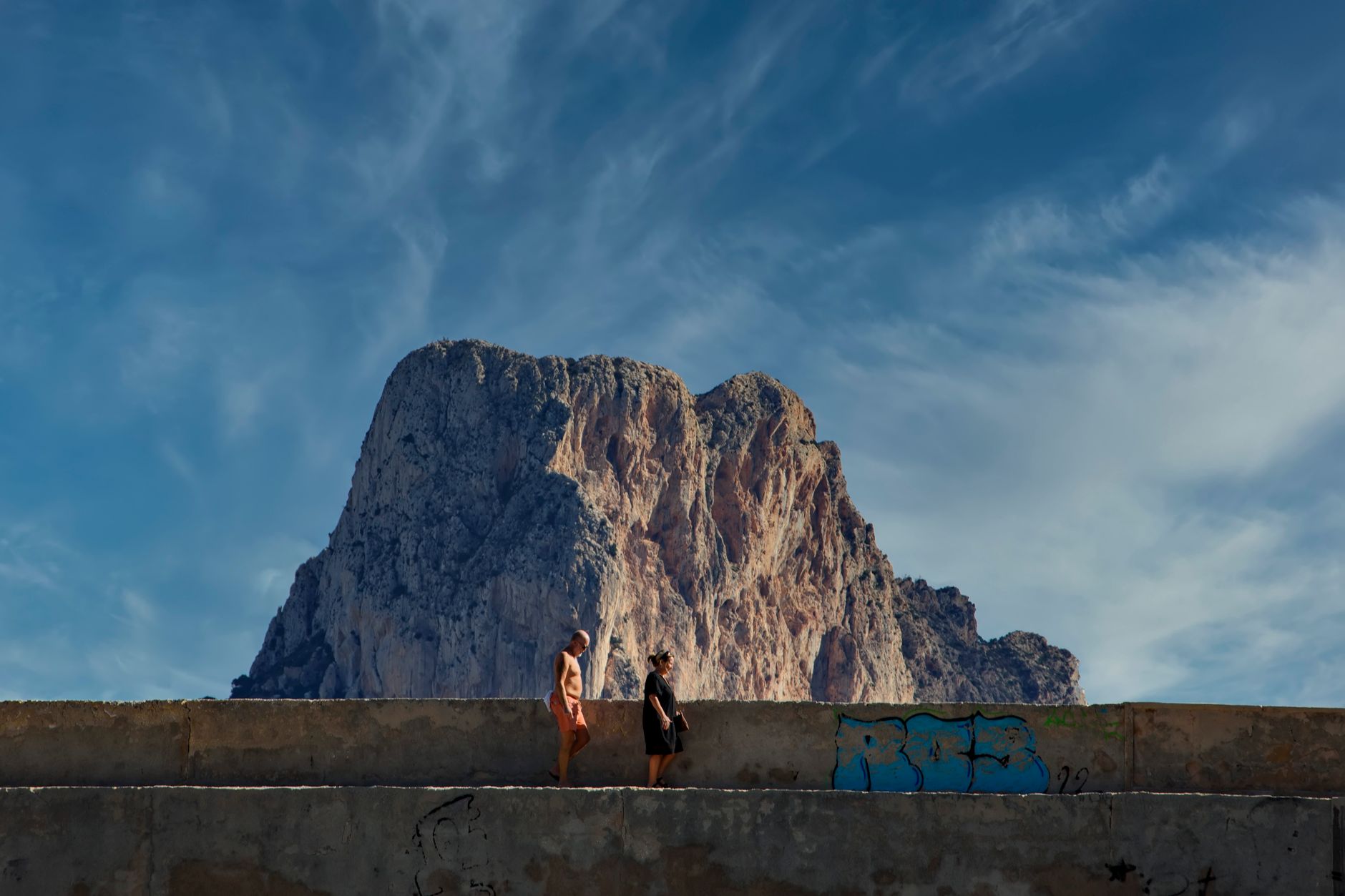
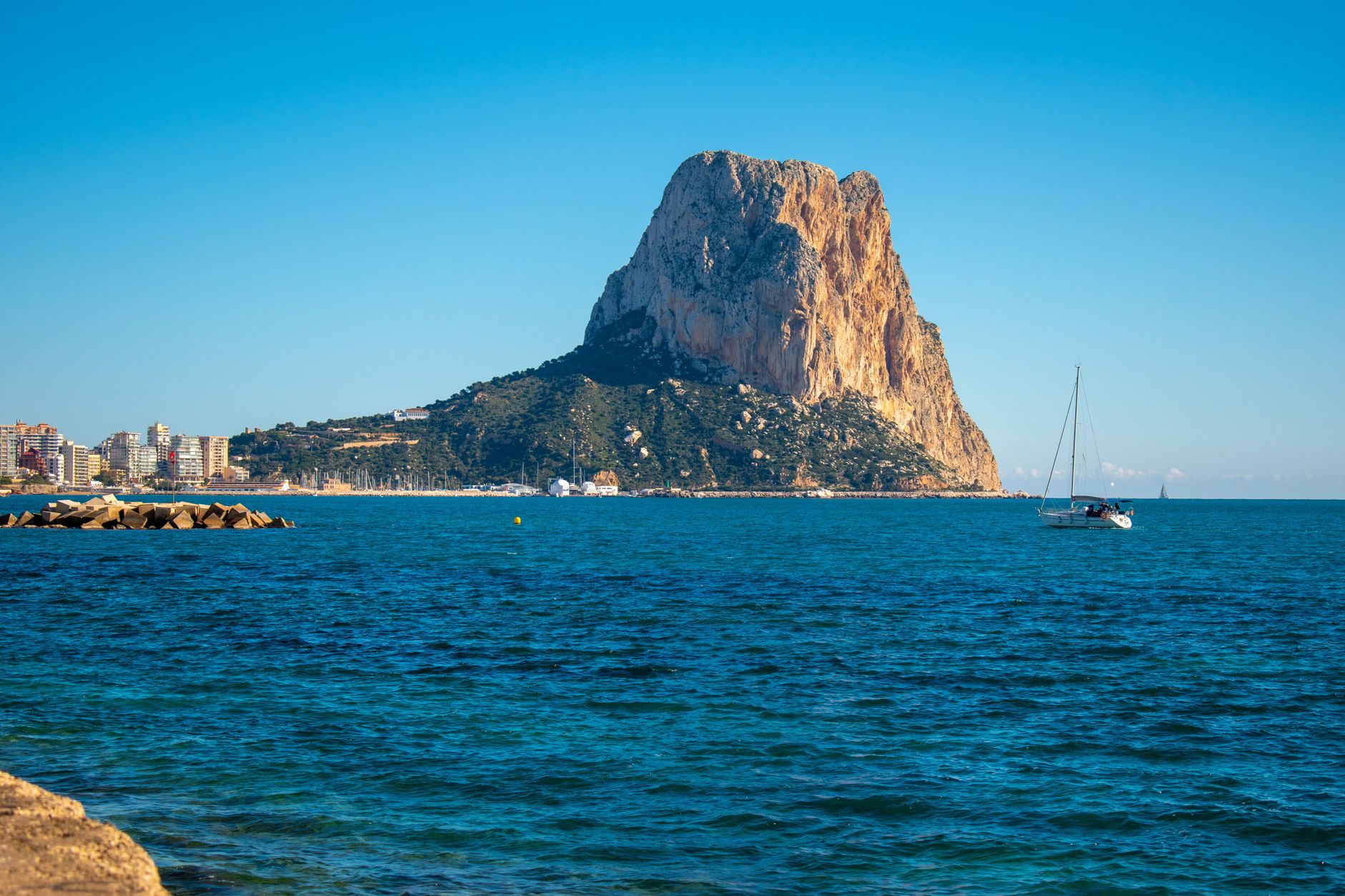
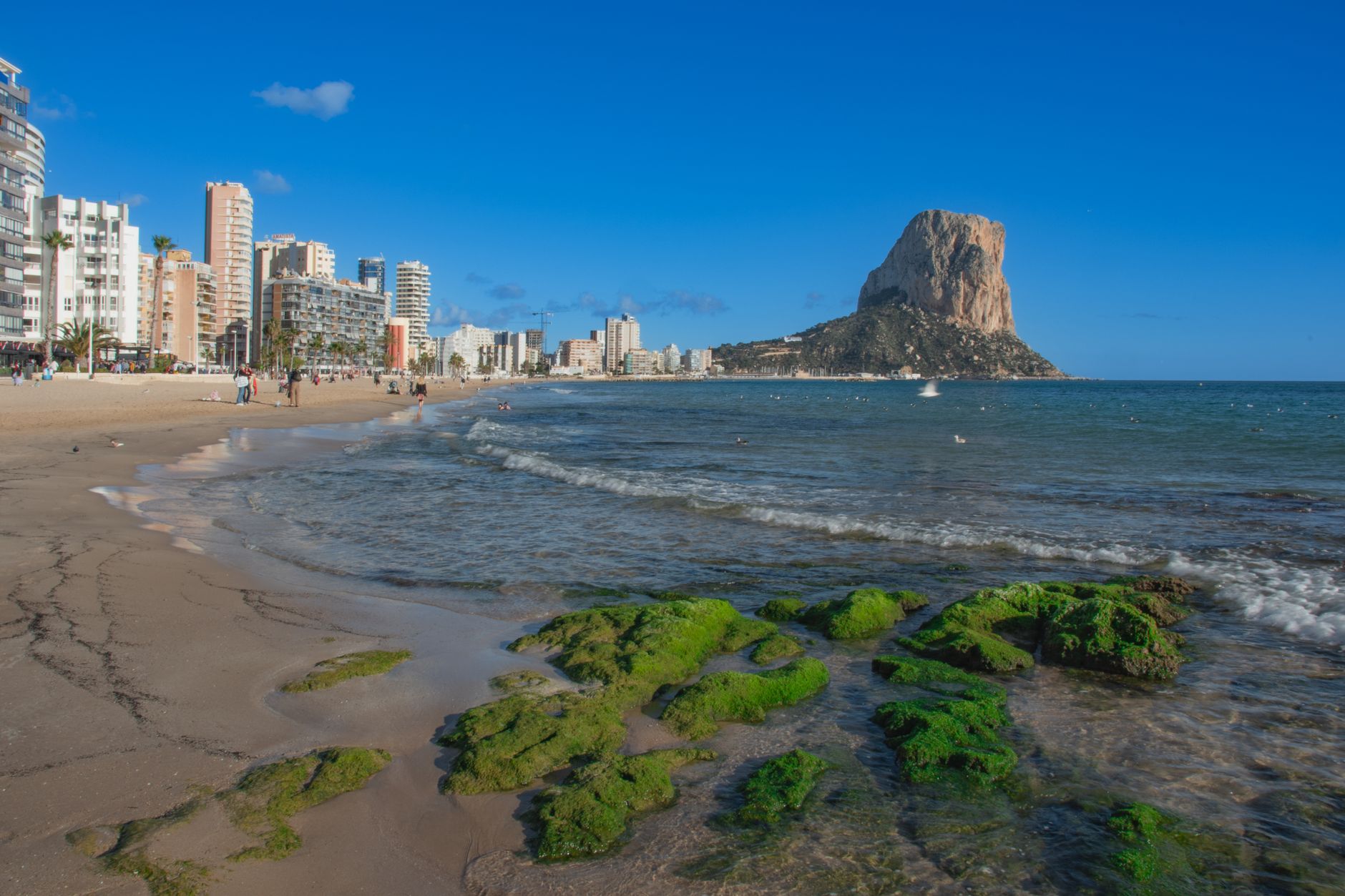
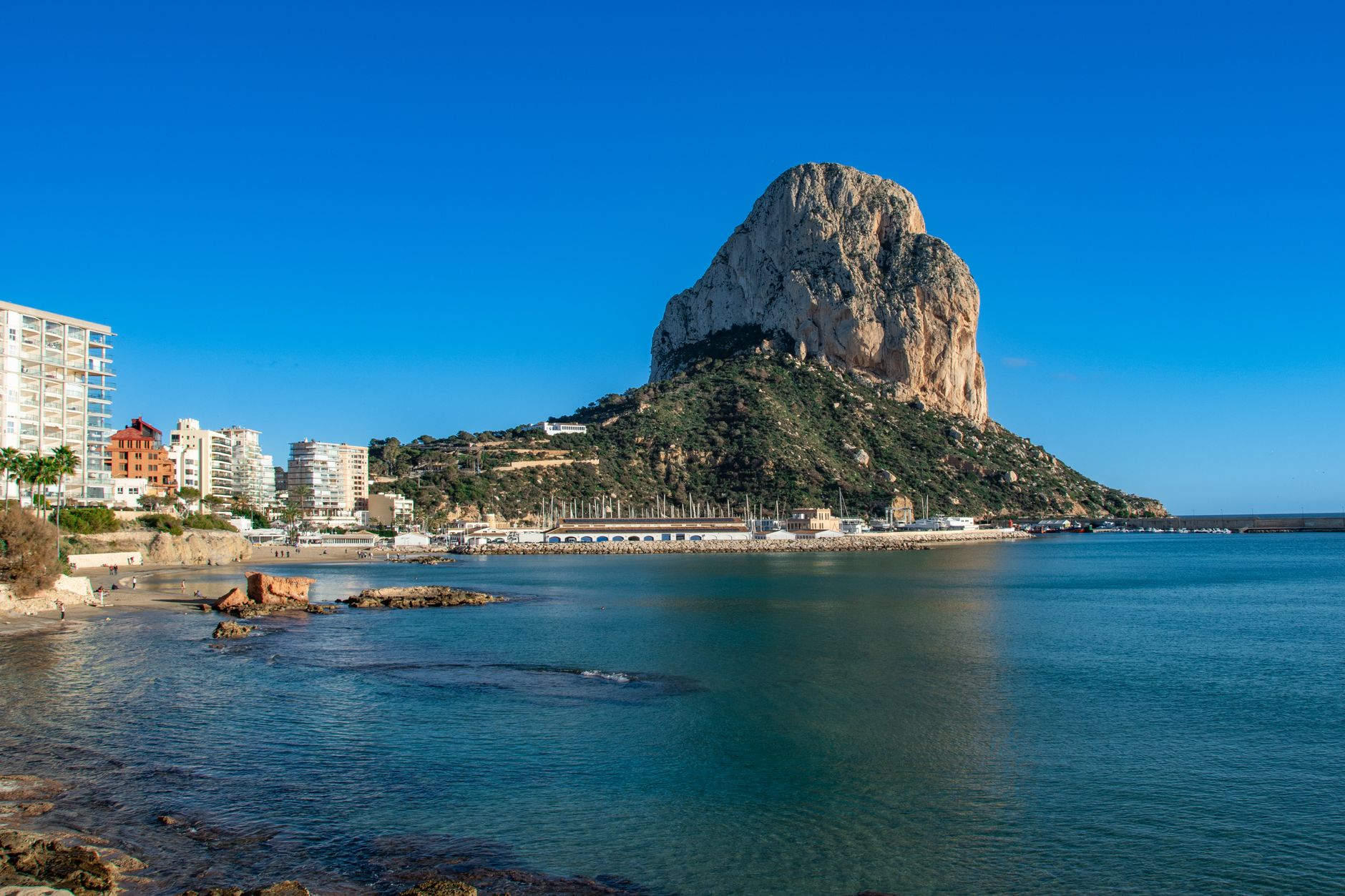
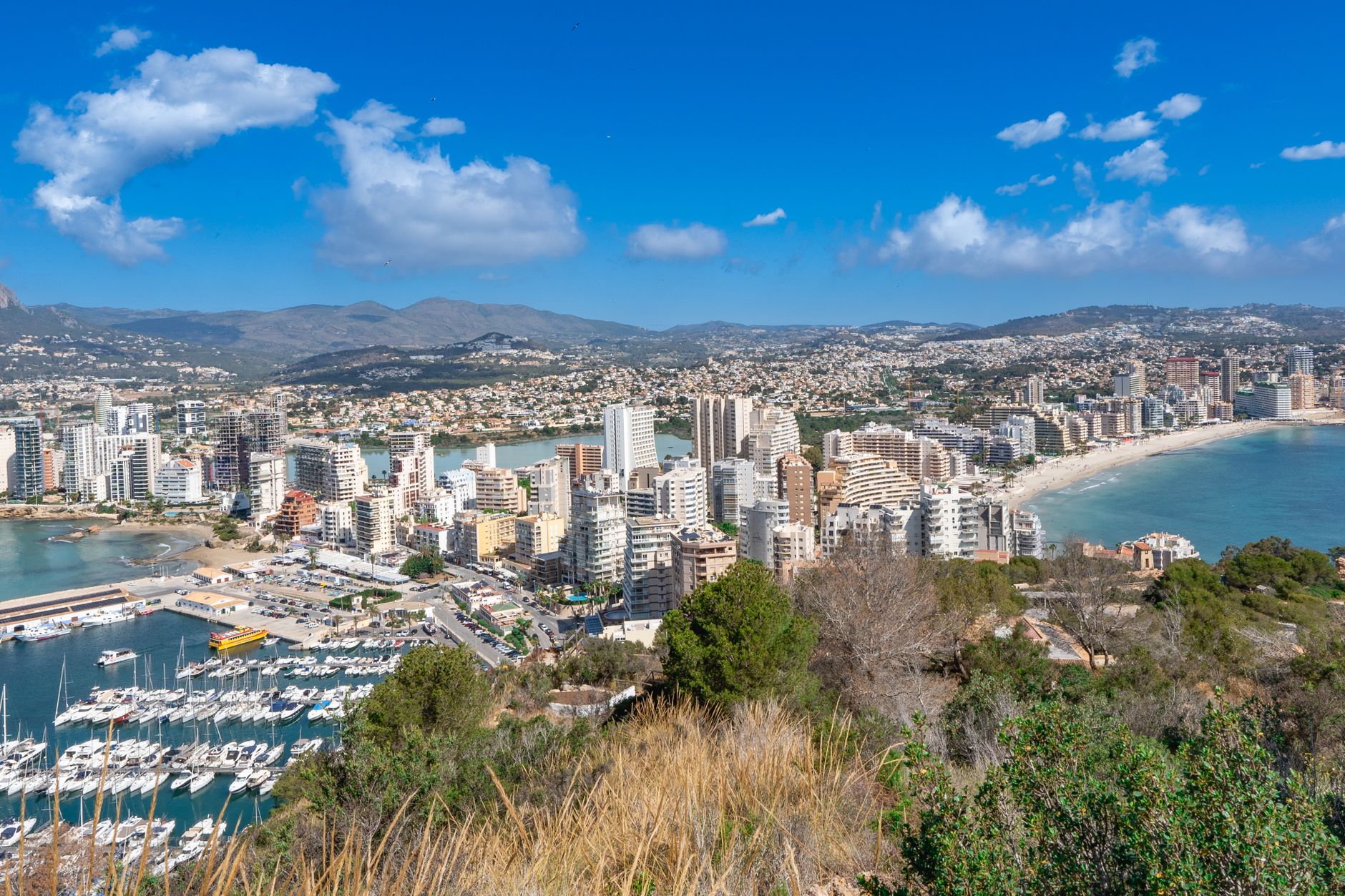
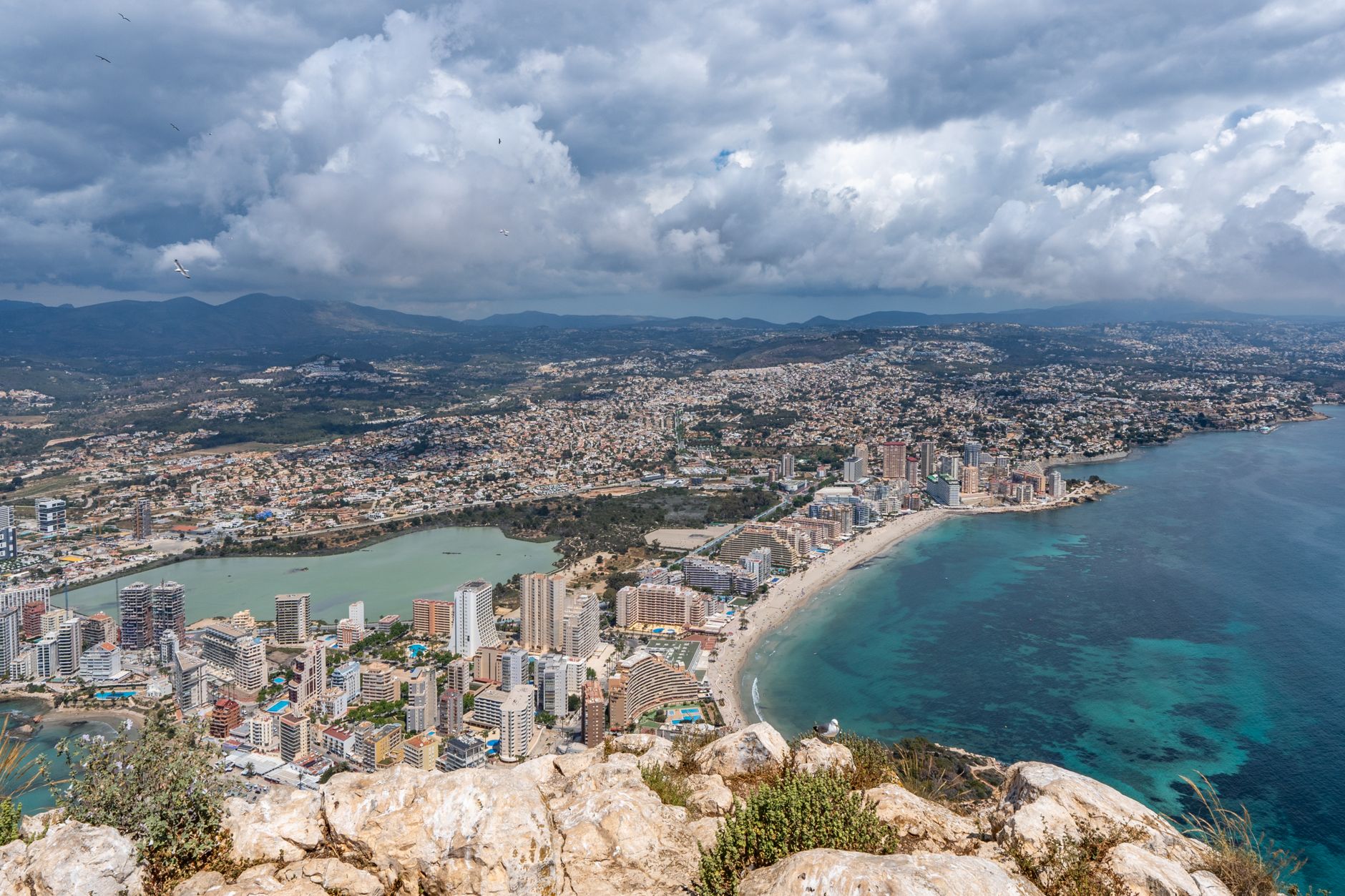
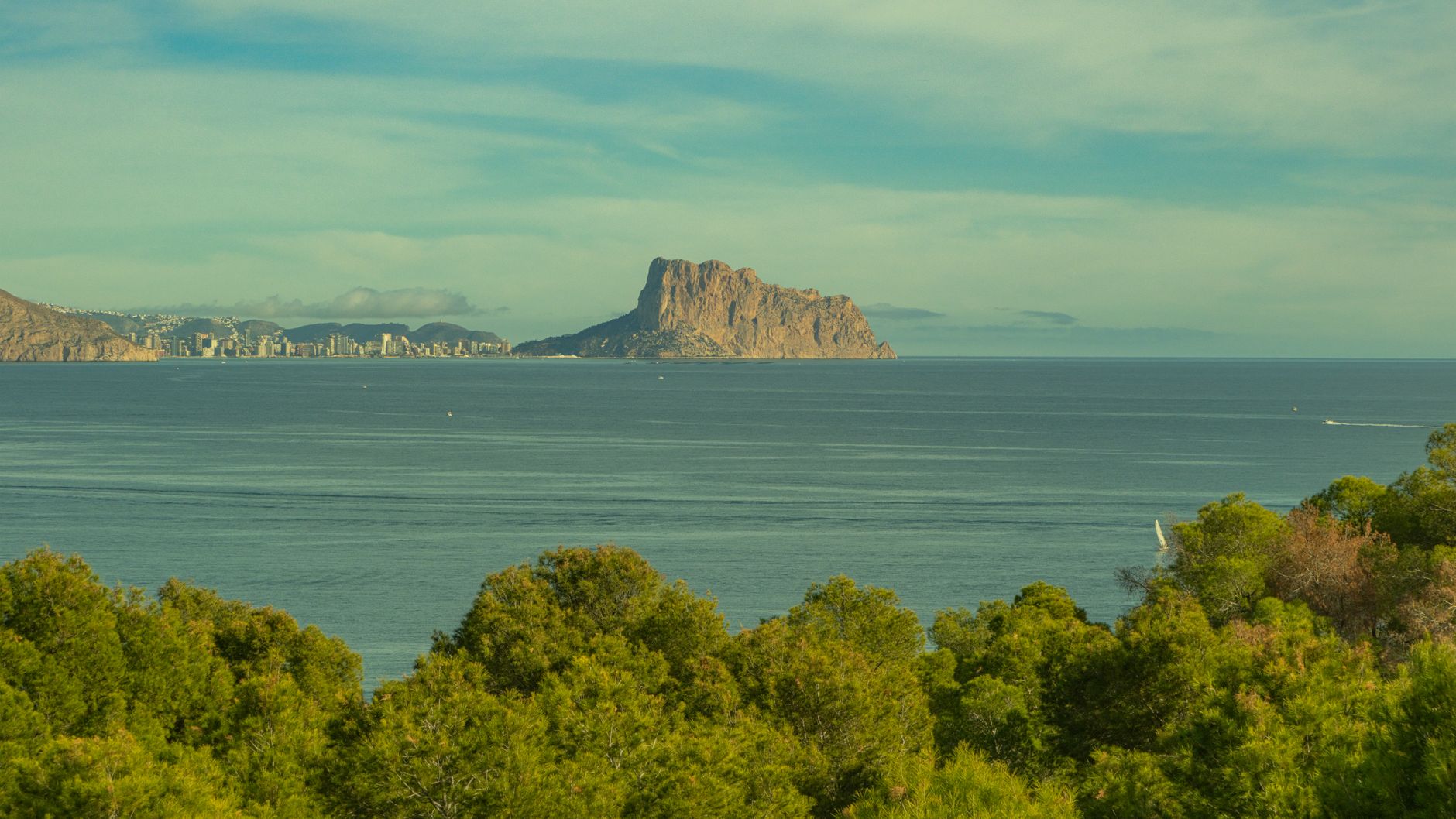
Calpe is the kind of town that announces itself before you arrive: a 332-metre limestone monolith rising straight from the sea, visible from the coast road long before you reach it. The Peñón de Ifach — roughly 50,000 square metres of rock, a kilometre long, the anchor of Spain's smallest natural park — shapes everything here, from the sightlines to the daily rhythm of the 300 walkers who queue each morning for a permit to climb it.
Beyond the rock, Calpe holds its own texture: Roman baths cut into the waterfront stone, a Mudejar-Gothic church that survived when newer buildings didn't, and salt flats where more than 170 bird species pass through. The 1960s construction boom left its mark on the skyline, but the old town's painted staircase and narrow lanes keep a different conversation going.
💛 What travellers fall for
People who come back tend to book the Peñón climb for early morning before the day's 300-person cap fills, walk the tunnel cut into the rock in 1918, and save the afternoon for the Baños de la Reina — the Roman waterfront site about 200 metres from Playa del Arenal Bol, free to enter, almost always quiet by late afternoon.
Experiences you don't want to miss

Deals in Calpe
Book directly at the provider
How Calpe came to be
Bronze Age peoples were here first, then Iberians on the high ground, then Romans who founded a port colony in the 3rd century BC — their baths, built between the 2nd and 4th centuries, still sit at the waterfront. Arabs later raised a castle over the Mascarat Ravine. In 1290, Admiral Roger of Lauria took control and ordered a new village, Ifach, built near the rock; his wife Saurina de Entez ran the town during his absences at sea.
The settlement's shape shifted violently in 1359 when the War of the Two Peters destroyed Ifach, pushing population inland. In 1637, Algerian Barbary pirates raided Calpe and enslaved 315 people — a wound the town didn't forget. The 20th century brought a quieter transformation: holiday villas from the late 1940s, then the full construction surge of the 1960s that reshaped the coastline into what you see today.
Who and what shaped it
People who shaped it
Landmark buildings
See Calpe in motion
Plan your visit
On the map
When to go
Summers run hot and dry — August daytime temperatures reach 30–32°C, with nights staying around 22°C — while winters are short and mild, rarely dropping below 7°C at night. Spring and early autumn give you warm days, uncrowded trails, and the best light on the rock.
Right now
Background & history adapted from Wikipedia (CC BY-SA) · specs from Wikidata (CC0) · weather from Open-Meteo · map data © OpenStreetMap contributors · photos from Wikimedia Commons / Unsplash with per-image credit. No third-party reviews or social posts reproduced.