
Gandia
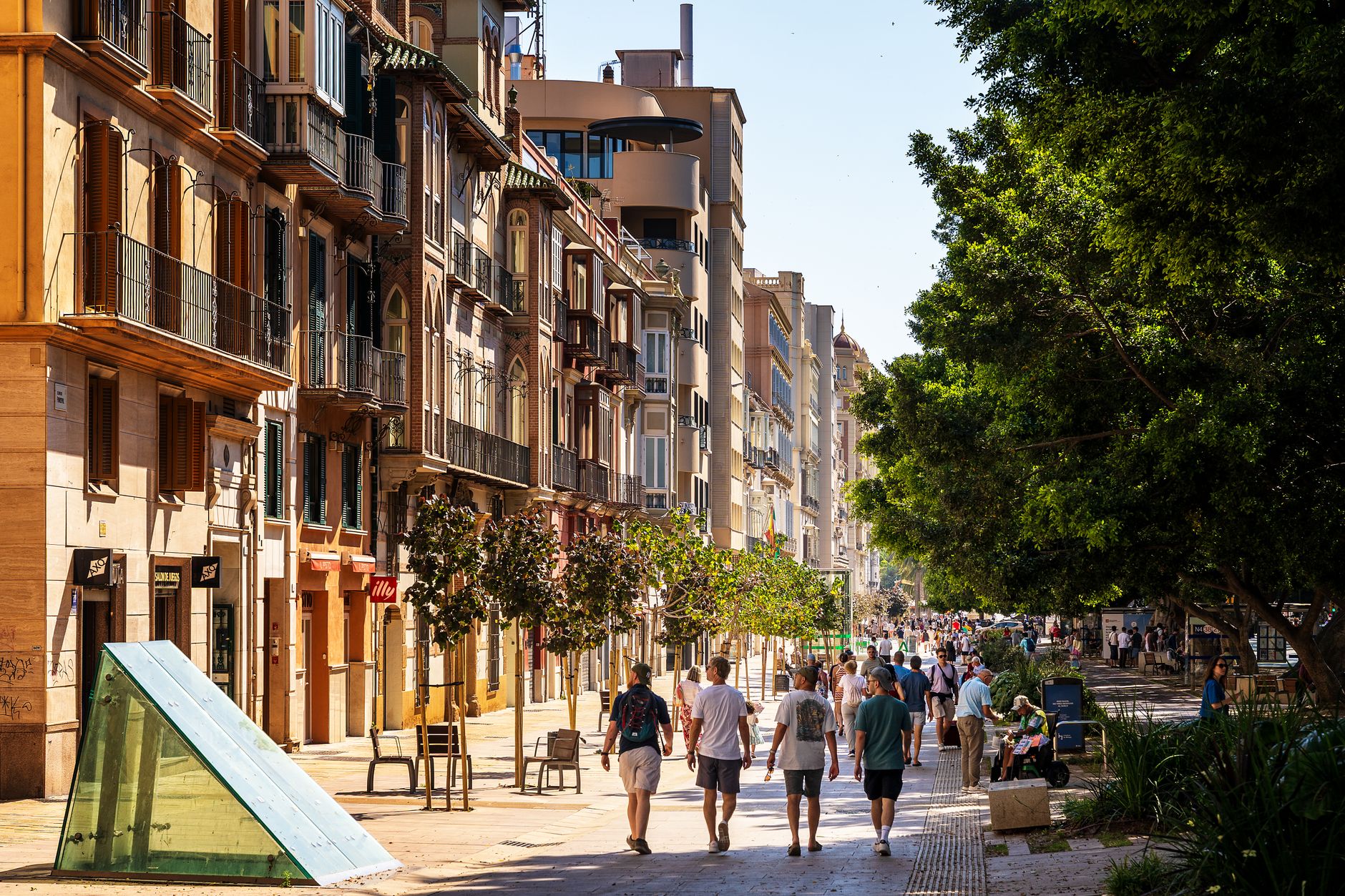
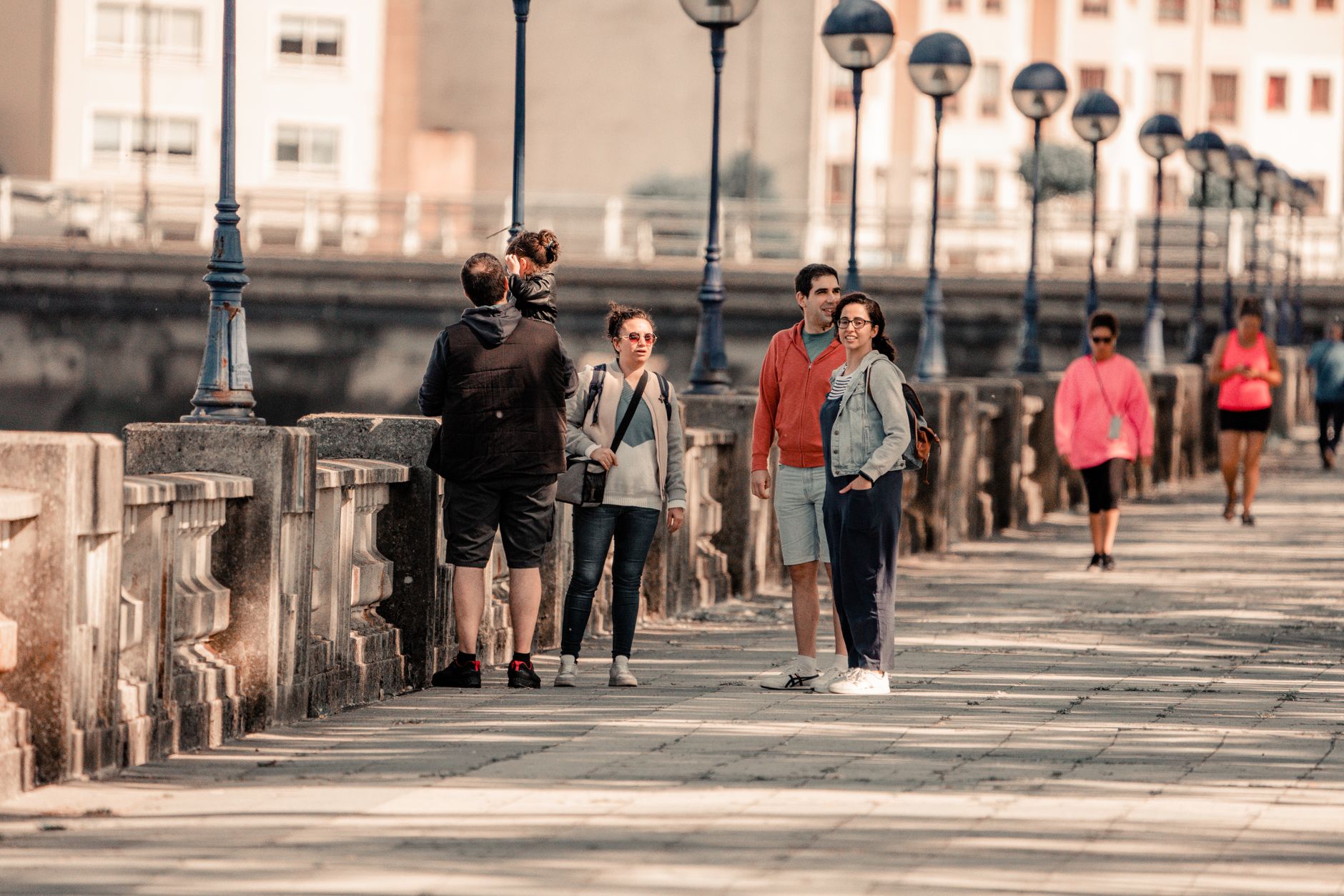
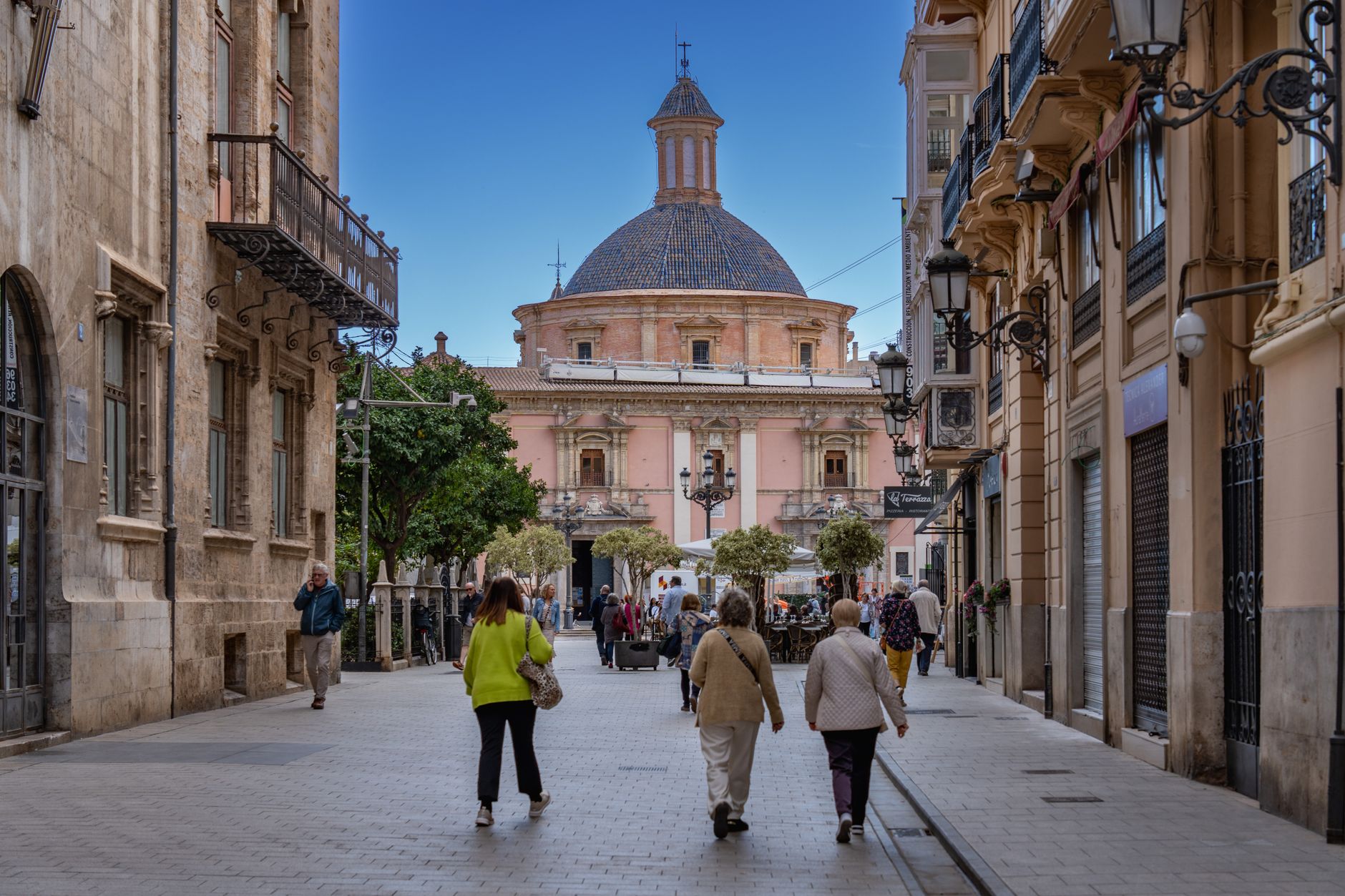
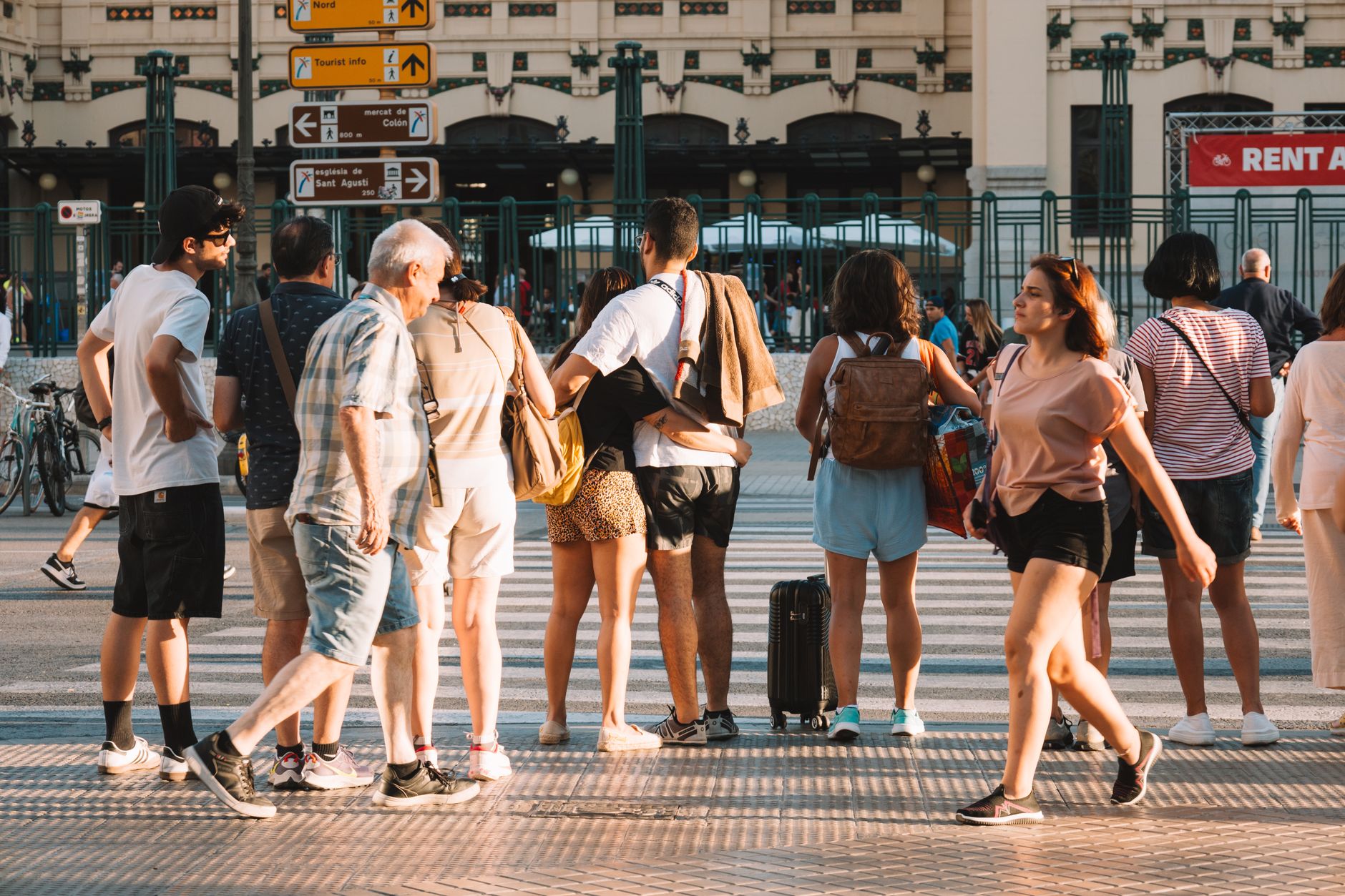
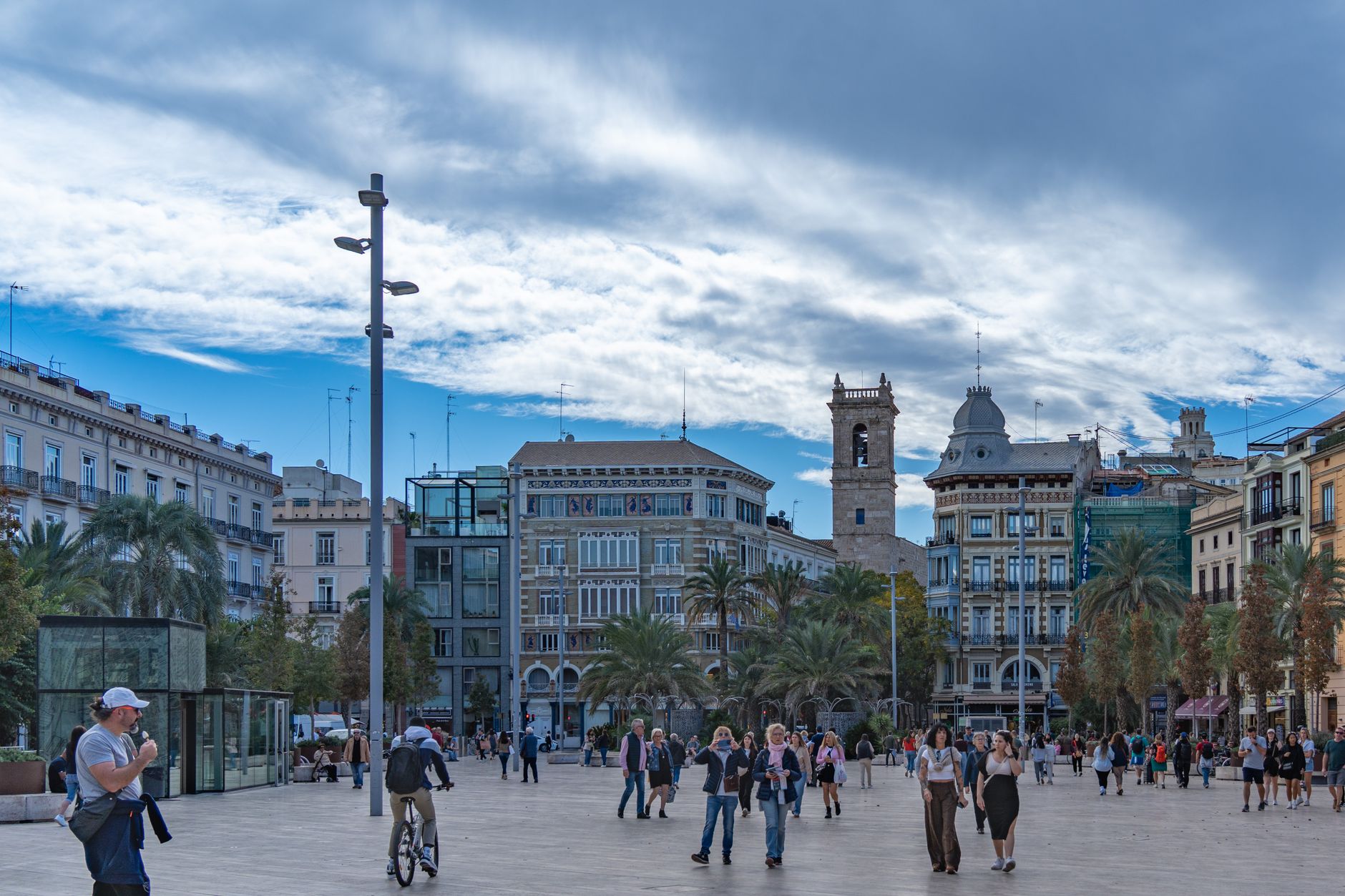
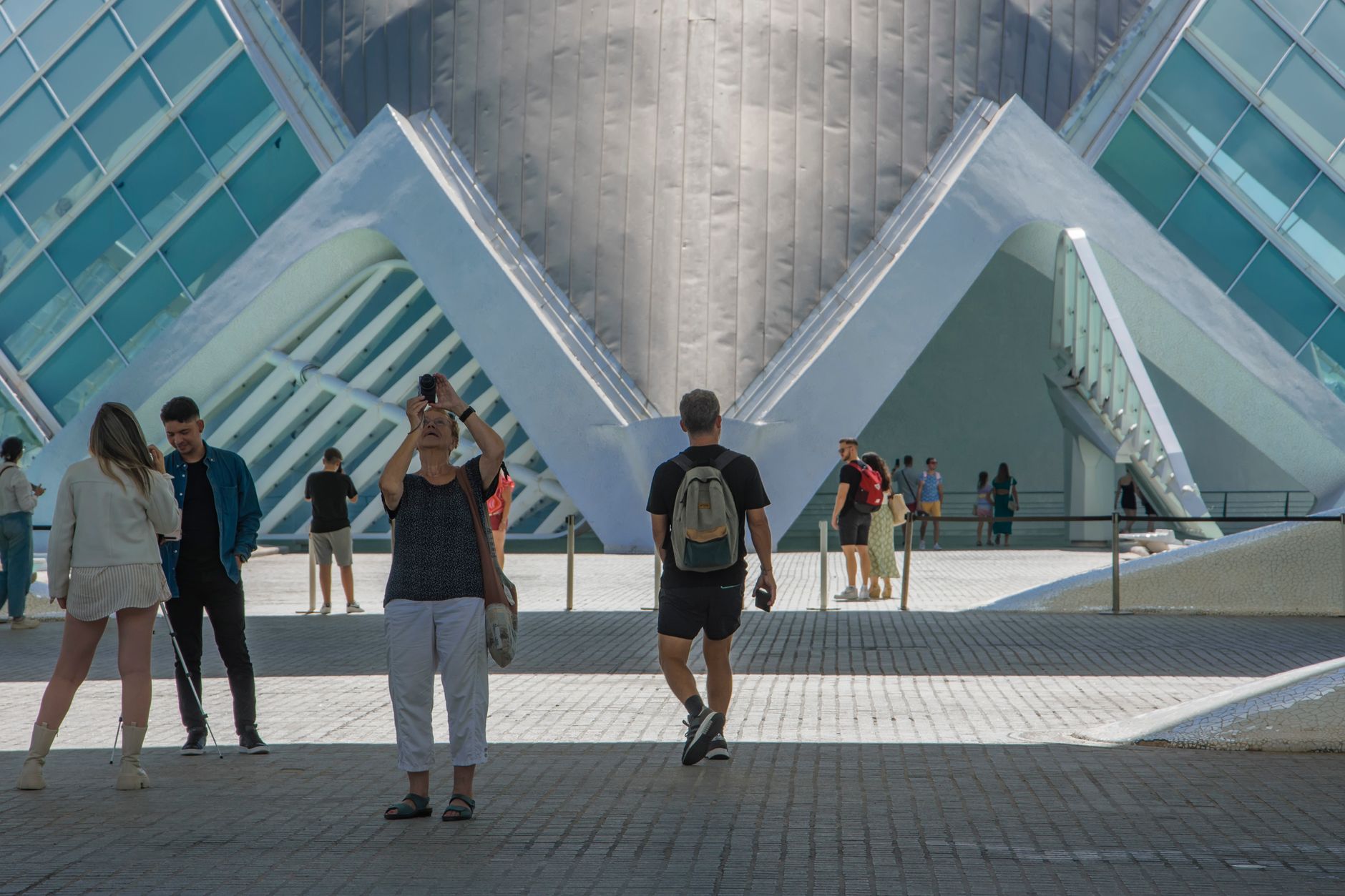
Gandia splits cleanly in two: a compact inland city of Gothic churches and Borgia palaces, and a long beach strip five kilometres away where Valencia families come to spend August. The distance between them is the point. The old town carries on — Saturday markets along the Paseo de las Germanías, fideuà on lunch menus, the Ducal Palace standing on the bones of a medieval Arab house — largely undisturbed by the seasonal tide at the shore.
The Borgia connection is genuine and strange. Pope Alexander VI bought the duchy for his son in 1485. A century later, Francisco de Borja, fourth duke, founded a university here, then abdicated everything to join the Jesuits. Gandia has been quietly trading on that story ever since.
💛 What travellers fall for
People who come back tend to arrive in late September, when the beach apartments empty and the town exhales. The L2 bus to Platja de Gandia costs €1.70 on a weekend and runs you down to a sea that is still warm. The Saturday market across the river bridge from the Paseo de las Germanías is worth the detour — produce, not souvenirs.
Experiences you don't want to miss


Deals in Gandia
Book directly at the provider


How Gandia came to be
James I of Aragon retook Gandia from Moorish rule in 1252 and ordered it rebuilt. The town became a Royal Duchy in 1399, but its most consequential chapter began in 1485, when Cardinal Rodrigo de Borja — not yet Pope Alexander VI — purchased the duchy for his son Pedro-Luis. The Borgias left their mark in stone and in reputation: the Ducal Palace, built on the site of a large Arab house beside the Serpis River, still carries Italianate detailing from that period.
Francisco de Borja, the fourth duke, founded what became the University of Gandia in 1549, then walked away from the title entirely to join the Society of Jesus. The port opened in 1886, the railway in 1893, and mass tourism arrived in the 1960s — each wave layering onto a city that had already seen more than most.
Who and what shaped it
People who shaped it
Landmark buildings
See Gandia in motion
Plan your visit
On the map
When to go
Gandia has a classic Mediterranean pattern: mild, dry winters around 15°C and hot summers peaking near 28°C in August. Most of the year's rain falls between September and November, though rarely for long — May, June, and October are the sweet spot, warm enough to swim without the August crowds.
Right now
Background & history adapted from Wikipedia (CC BY-SA) · specs from Wikidata (CC0) · weather from Open-Meteo · map data © OpenStreetMap contributors · photos from Wikimedia Commons / Unsplash with per-image credit. No third-party reviews or social posts reproduced.