
Peñíscola
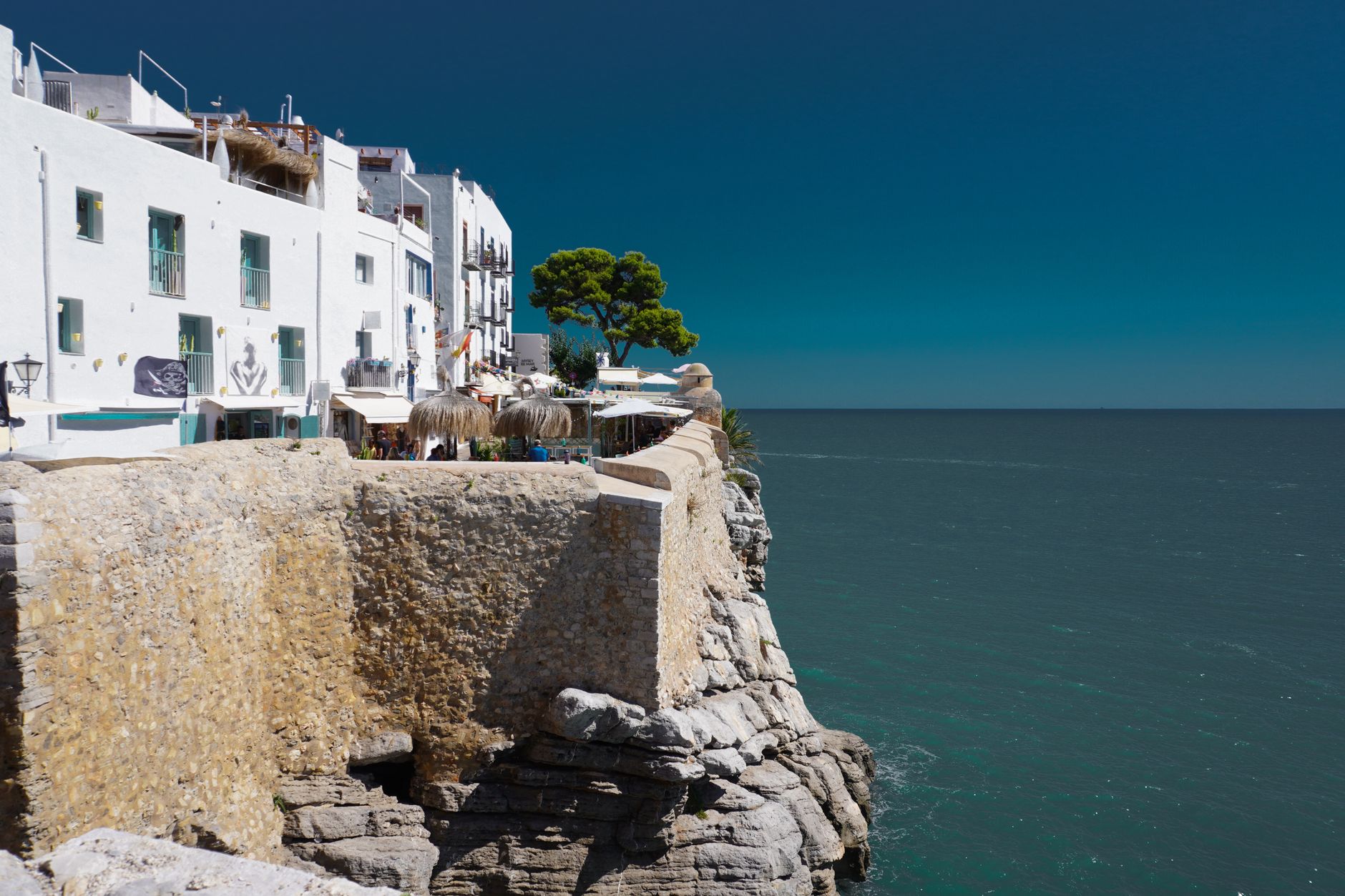
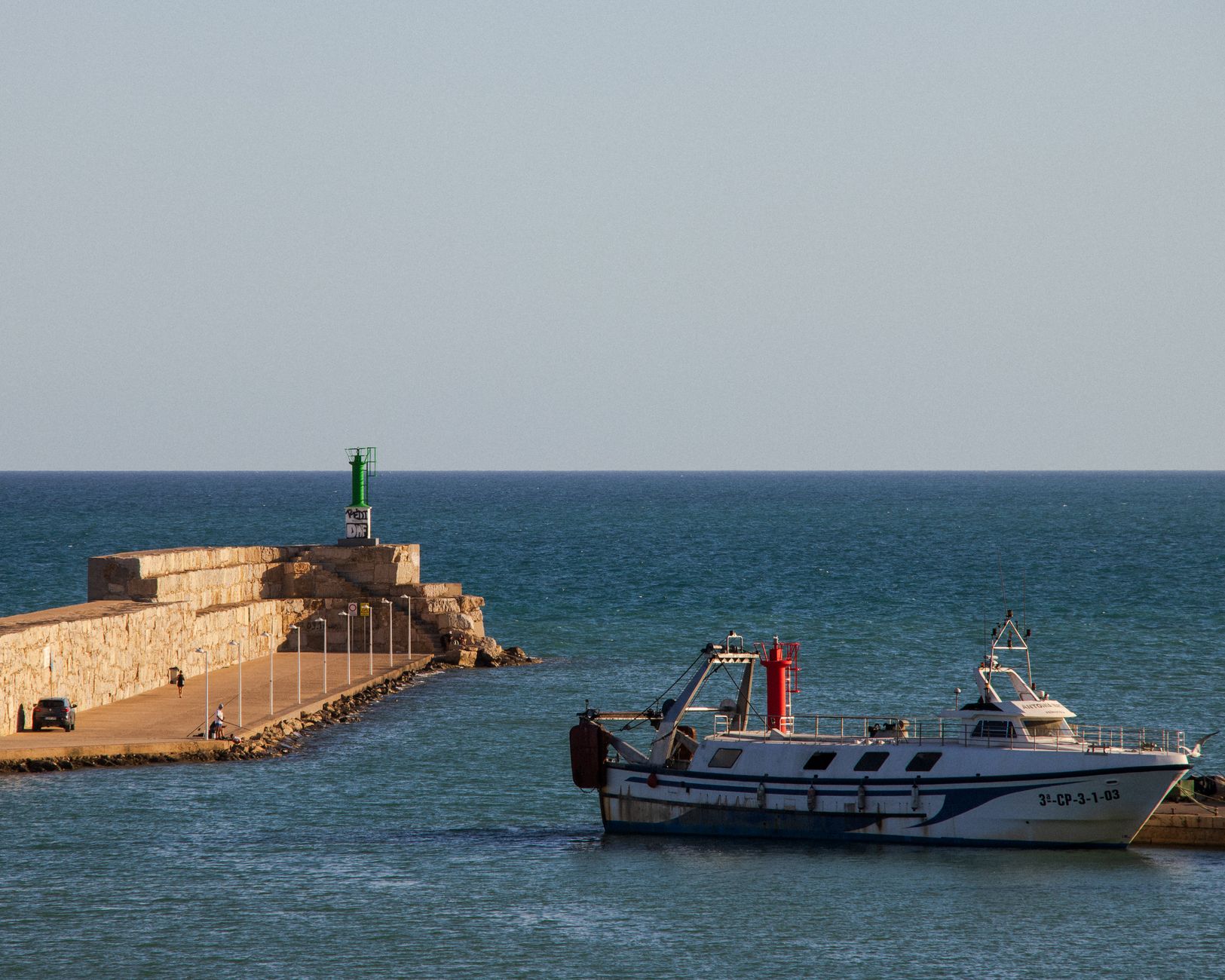
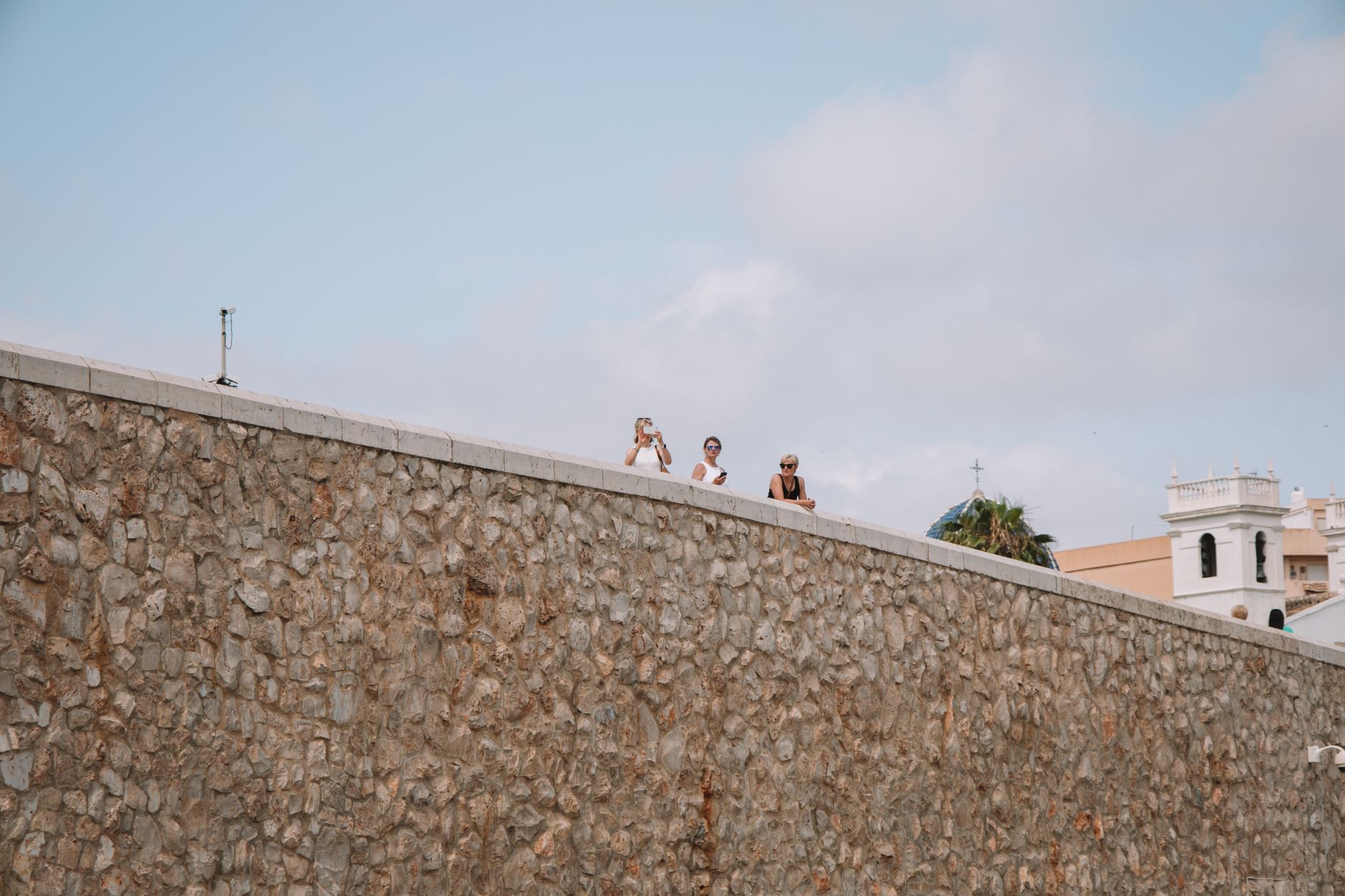
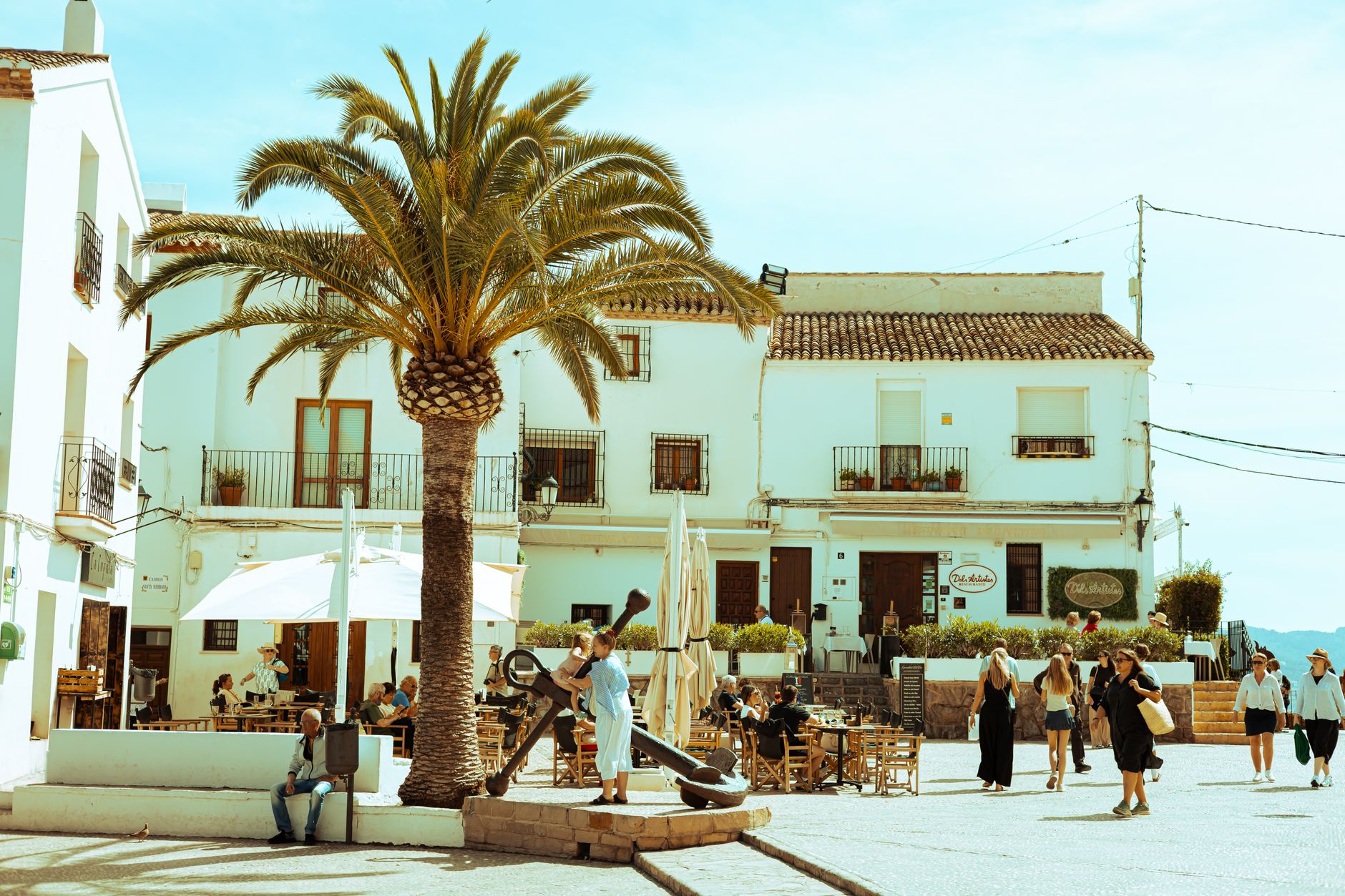
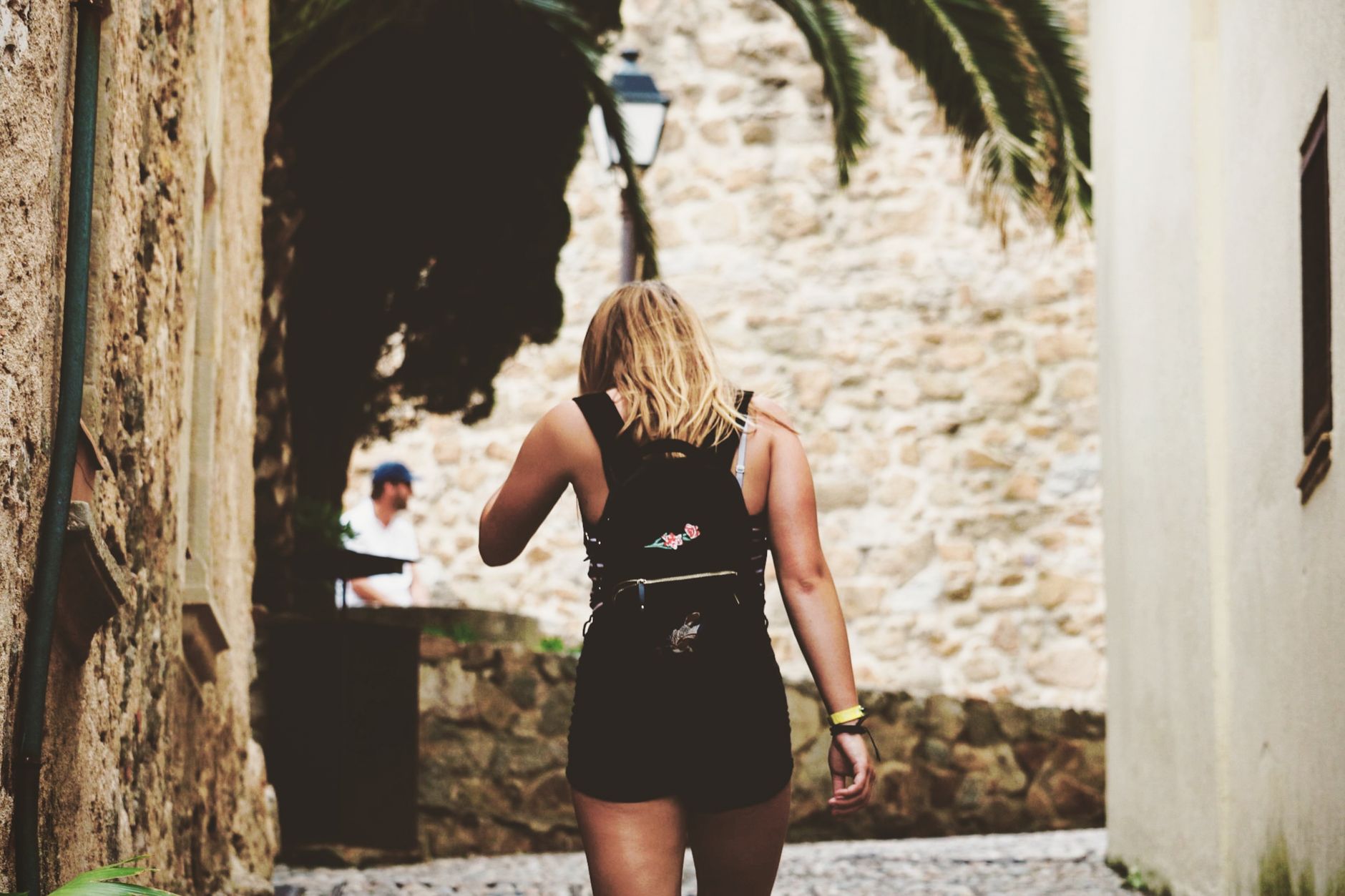
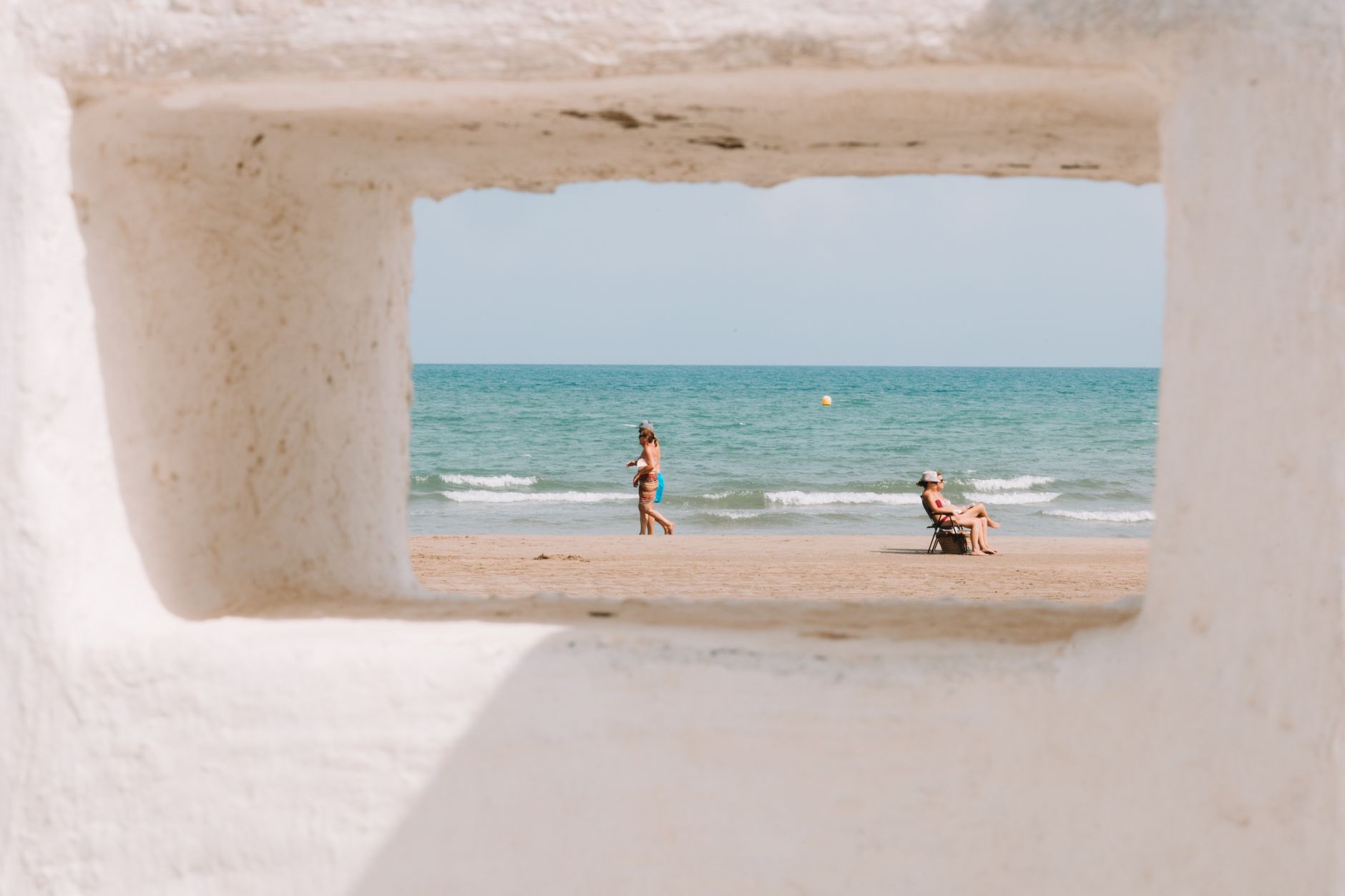
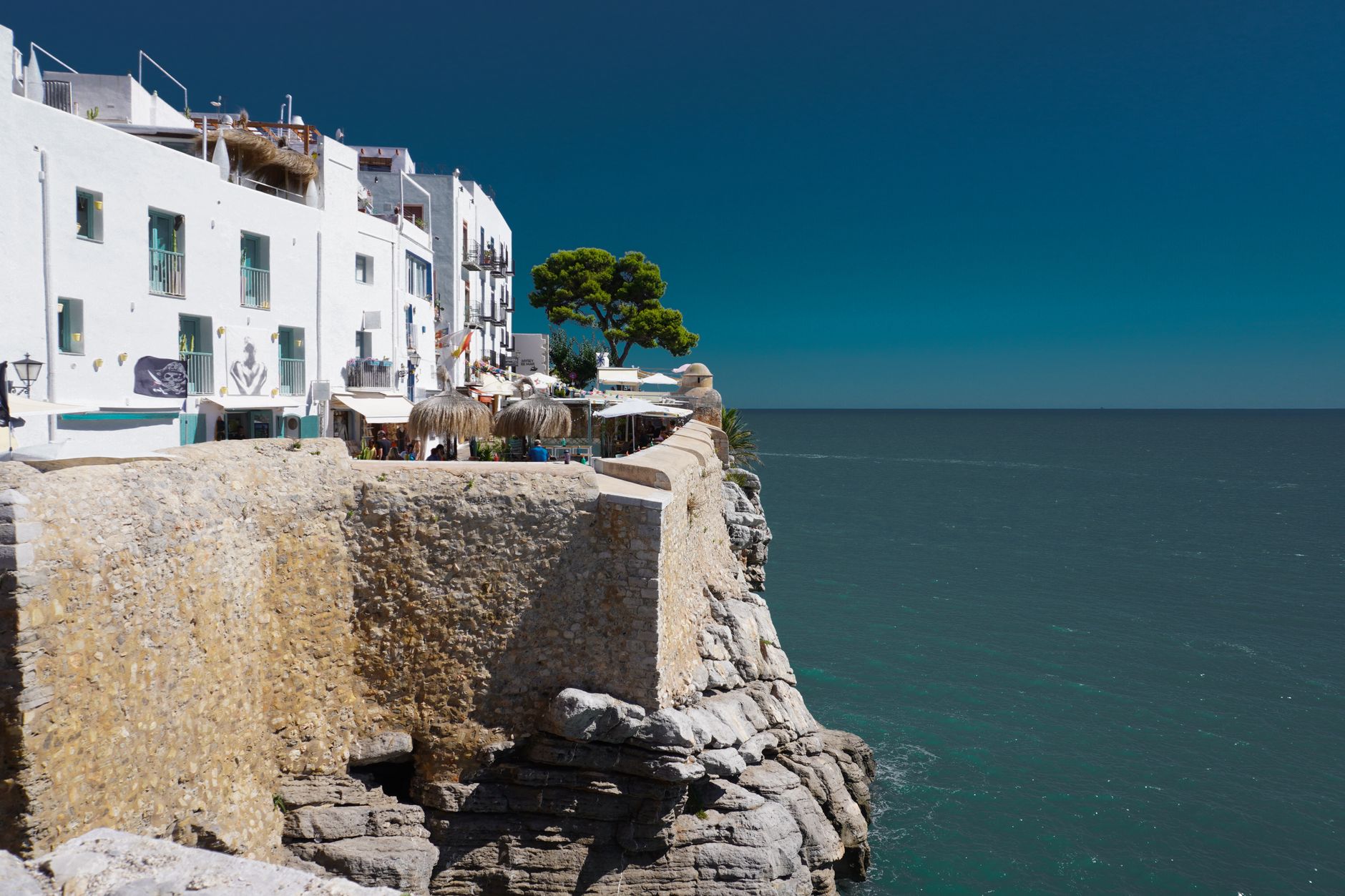
A rocky promontory rises sixty-four metres above the Mediterranean, connected to the Spanish mainland by nothing more than a narrow strip of sand. On top of it sits a castle, a church built over a mosque, and a tangle of whitewashed streets that have been occupied, contested and renamed by Iberians, Phoenicians, Carthaginians, Moors, Aragonese knights and a deposed pope who refused to leave. The old town of Peñíscola is compact enough to walk end to end in twenty minutes, yet the layers underneath take considerably longer to process.
Below the walls, a five-kilometre beach stretches north. The two Peñíscolas — medieval citadel and summer resort — coexist in a way that feels less contradictory than you might expect. Most visitors come for the sand; the ones who climb the cobbled lanes to the castle tend to stay longer than planned.
💛 What travellers fall for
People who come back tend to time it for late September — the summer crowds thin out, September is actually the wettest month but only just, and the castle opens until early evening. The Museu de la Mar gets overlooked; its three working aquariums and model ships are worth the detour before the tourist office closes for the day.
Experiences you don't want to miss



Deals in Peñíscola
Book directly at the provider
How Peñíscola came to be
The rock has been a stronghold for as long as people have needed one. Carthaginians used it, and the story — unverifiable but persistent — holds that Hamilcar Barca had his son Hannibal swear his oath against Rome here. Muslim rulers held it from 718, calling it Banaskula, before Jaume I of Aragon granted the town its charter on 28 January 1251. The Knights Templar built the castle that still stands, completing it in 1307; the Order of Montesa took it over twelve years later.
The figure who left the deepest mark was Pedro de Luna — Pope Benedict XIII to his supporters, antipope to Rome — who retreated here in 1411 after being deposed by the Council of Constance and lived in the castle until his death in 1423, continuing to issue papal bulls from a room overlooking the sea. His successor, Gil Sánchez Muñoz, held the line briefly as Clement VIII before the schism finally closed. The castle's current appearance owes something to a less ecclesiastical chapter: a 1960 restoration carried out for Anthony Mann's film El Cid.
Who and what shaped it
People who shaped it
Landmark buildings
See Peñíscola in motion
Plan your visit
On the map
When to go
Summers run hot — August days reach around 31°C — and the town fills accordingly. Spring and early autumn offer temperatures in the low-to-mid twenties with noticeably fewer people; winter days are mild at 13–18°C, the old town is quiet, and the castle keeps shorter hours.
Right now
Background & history adapted from Wikipedia (CC BY-SA) · specs from Wikidata (CC0) · weather from Open-Meteo · map data © OpenStreetMap contributors · photos from Wikimedia Commons / Unsplash with per-image credit. No third-party reviews or social posts reproduced.