
Elche
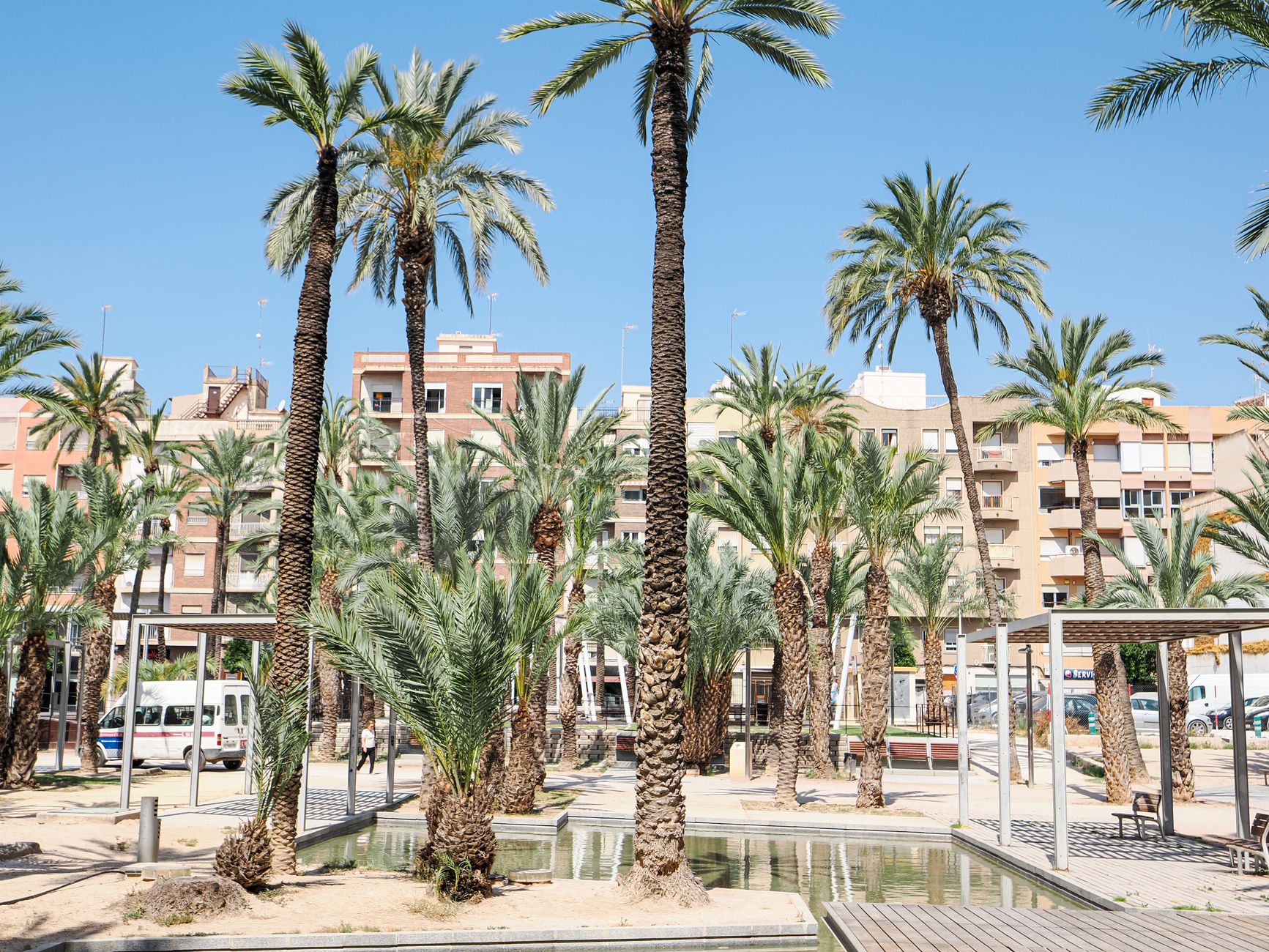
Stand anywhere in Elche's Palmeral and you lose the sense that you're in a Spanish city at all. Some 45,000 date palms — laid out across 144 hectares of orchards, fed by irrigation channels that Arab engineers designed in the tenth century — throw a particular kind of dappled shade that belongs more to North Africa than to the Costa Blanca. The palms are a UNESCO heritage site, and they earned it.
Beyond the groves, Elche runs on shoes. More than a thousand factories produce everything from Panama Jack boots to Kelme trainers, and the industry traces back to nineteenth-century espadrille workshops whose descendants still cut leather here. A Roman colony, a Moorish city, a medieval Christian prize — Elche carries each layer without making a fuss about any of them.
💛 What travellers fall for
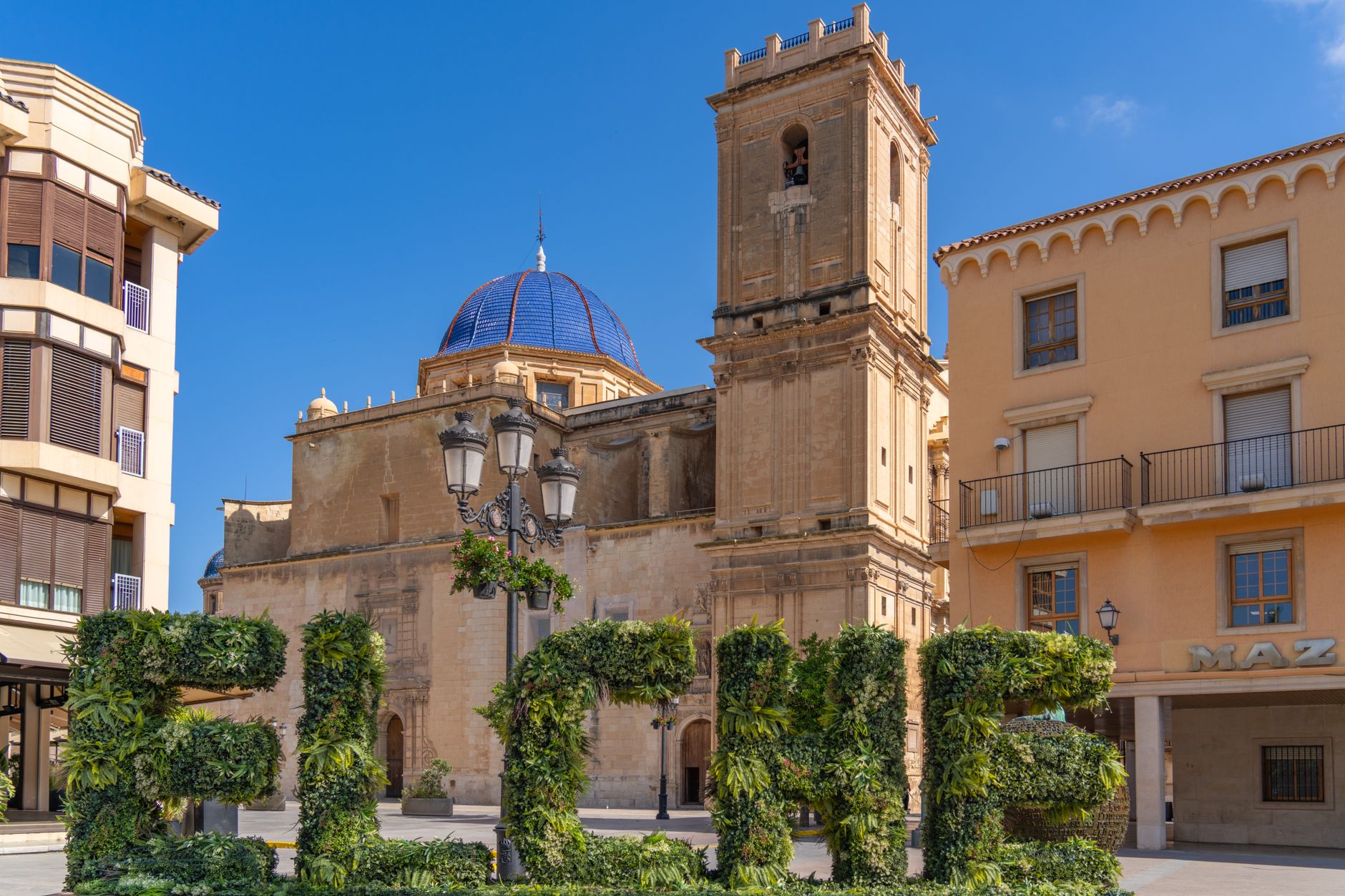
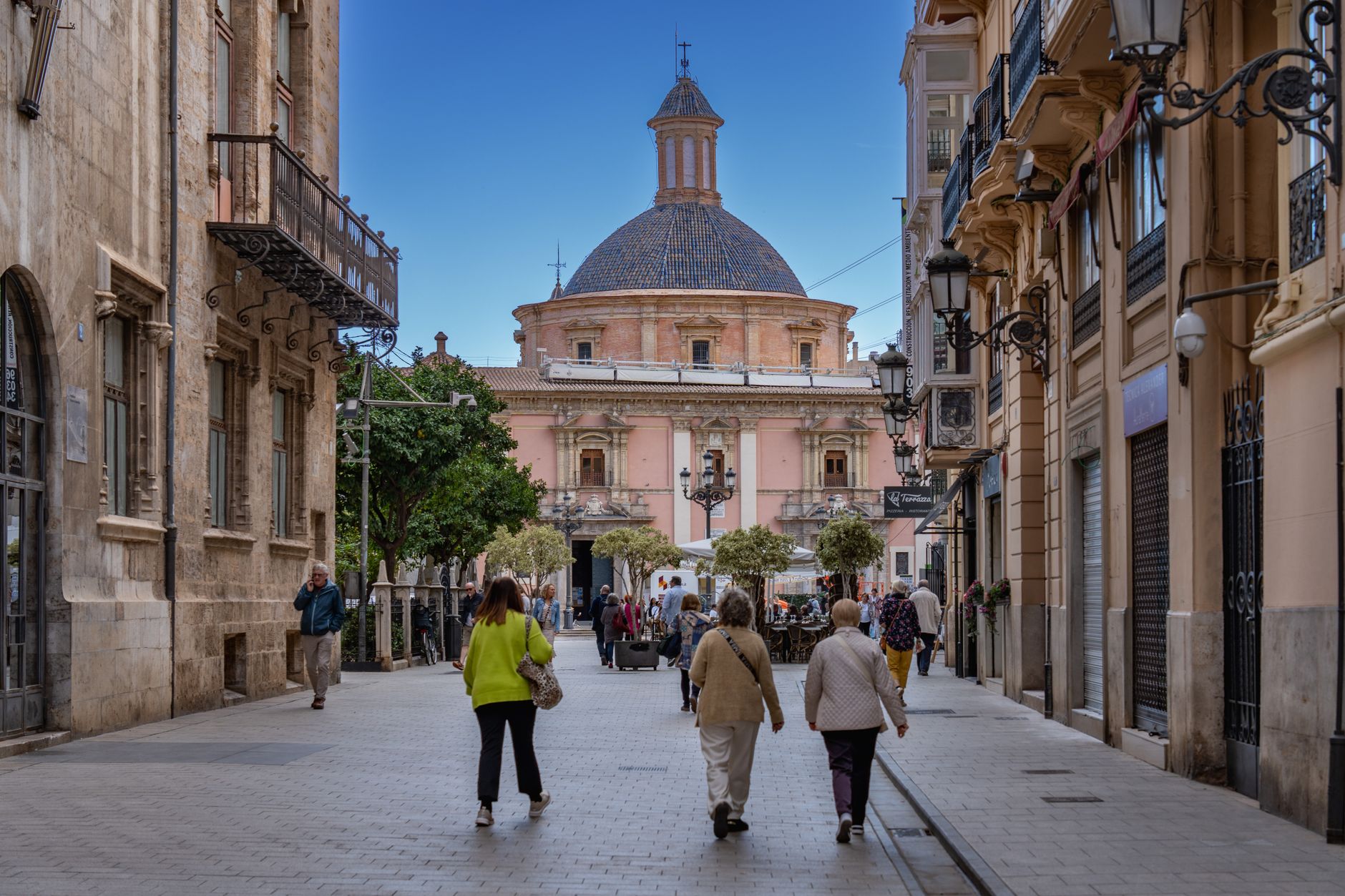
People who come back tend to mention the same things: climbing the bell tower of Santa María at dusk, when the blue-tiled dome catches the last light, and finding a table at Plaça de la Glorieta with an ice cream before the evening properly starts. If you're visiting in mid-August, the Misteri d'Elx — a medieval sacred drama performed inside the basilica — is worth arranging your trip around.
Experiences you don't want to miss


Deals in Elche
Book directly at the provider
How Elche came to be
The site has been inhabited since around 500 BC, when an Iberian settlement called Hélike stood here. Carthaginians displaced it, Romans took over in 209 BC, and by the first century AD the city carried the full title Colonia Iulia Illice Augusta. The Arab conquest of the eighth and ninth centuries relocated the city to its present position and gave it the Palmeral — the vast palm grove whose irrigation logic still functions today.
Jaime I took Elche for the Crown of Aragon in 1265, and the city spent the following centuries as a frontier place, culturally plural until the early seventeenth century, when the expulsion of the Moors removed roughly a third of its population at a stroke. The Lady of Elche — a painted Iberian stone bust of extraordinary refinement — was pulled from the earth at the nearby La Alcudia site on 4 August 1897, and instantly rewrote what Europe thought it knew about pre-Roman Iberian art.
Who and what shaped it
People who shaped it
Landmark buildings
See Elche in motion
Plan your visit
On the map
When to go
Elche is genuinely dry — just over 300 mm of rain a year — and summers push into the low thirties with close to twelve hours of sun in July. February through May and September through November are the sweet spot: warm enough to walk all day, cool enough to mean it.
Right now
Background & history adapted from Wikipedia (CC BY-SA) · specs from Wikidata (CC0) · weather from Open-Meteo · map data © OpenStreetMap contributors · photos from Wikimedia Commons / Unsplash with per-image credit. No third-party reviews or social posts reproduced.