
Altea
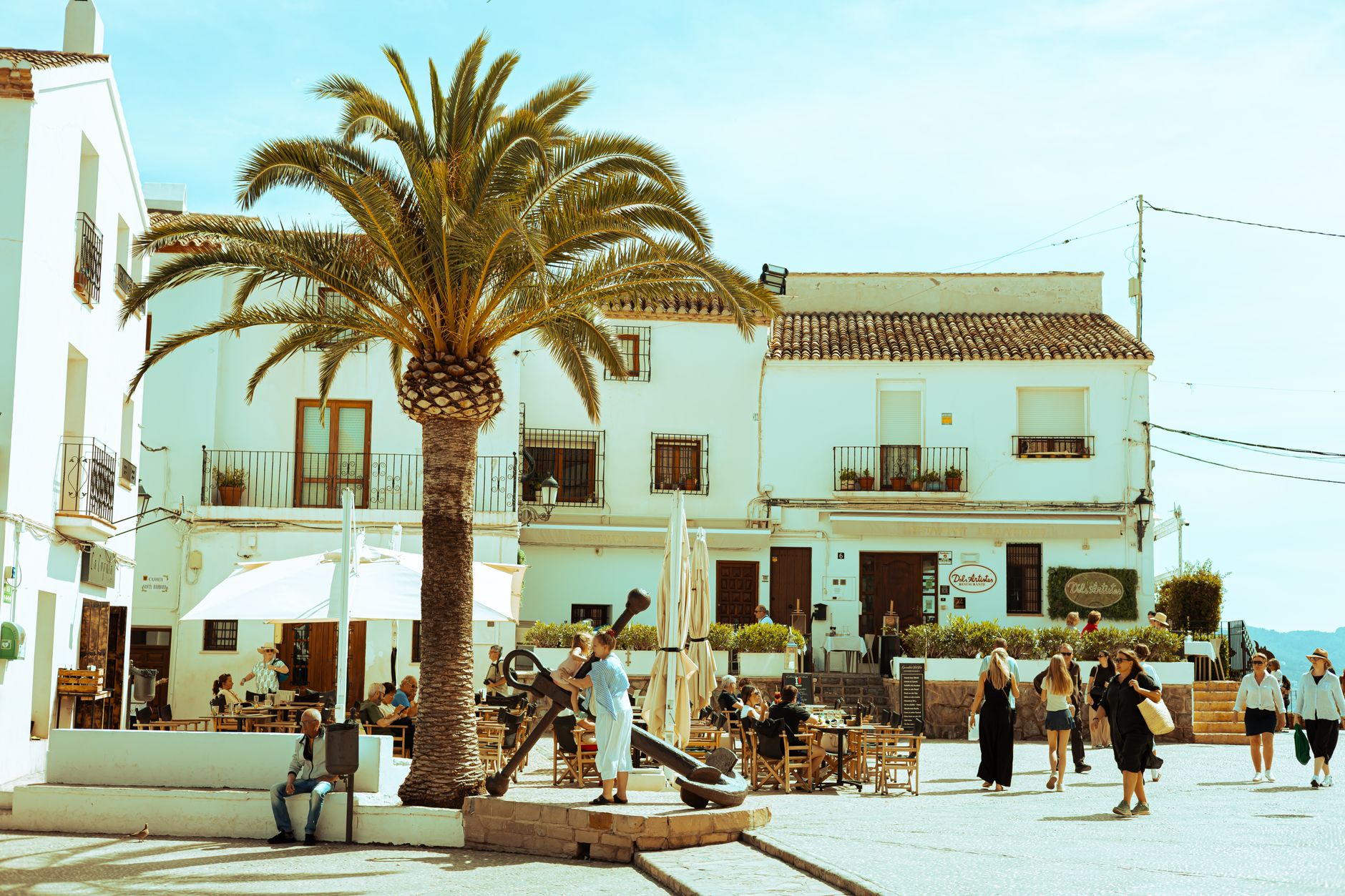
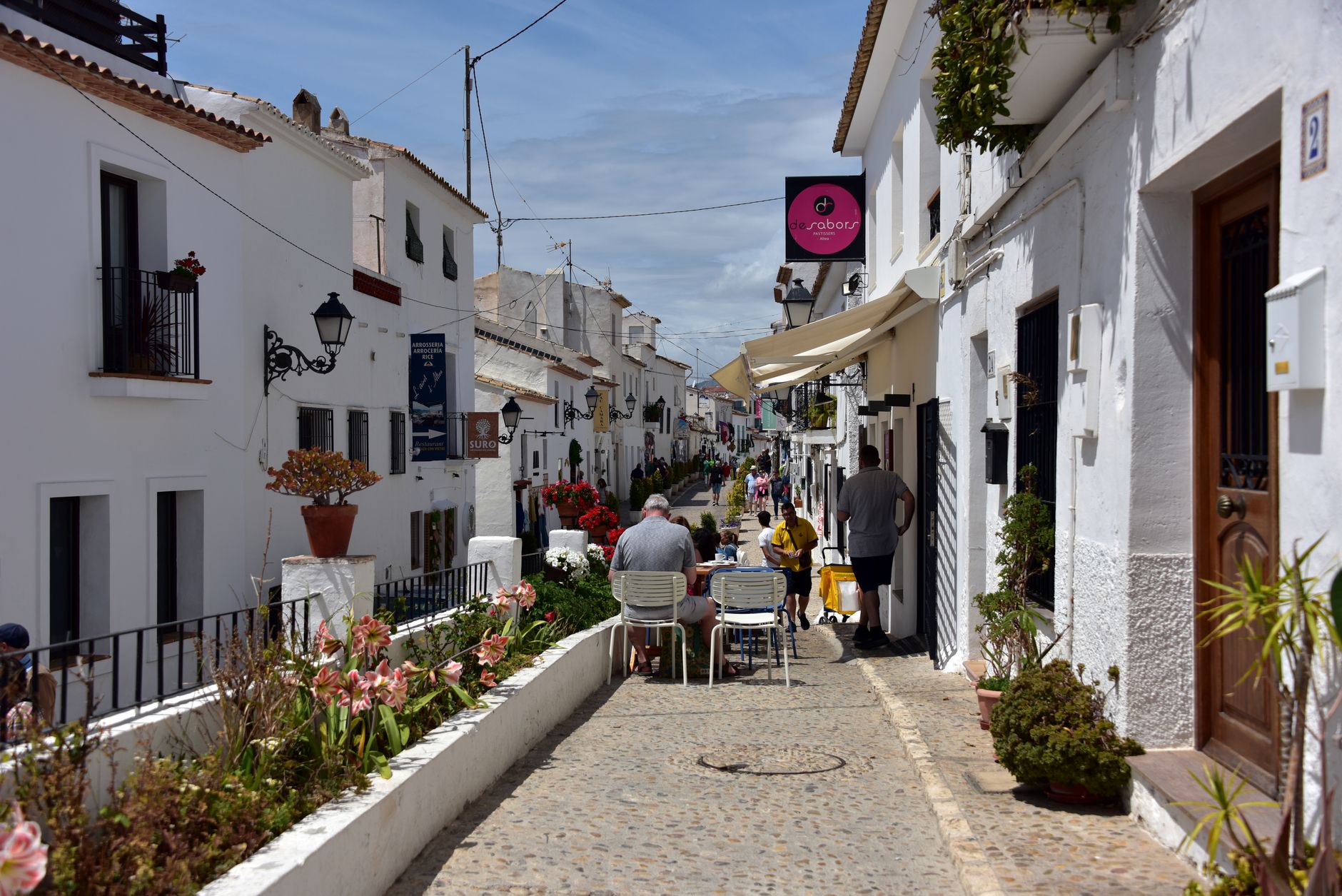
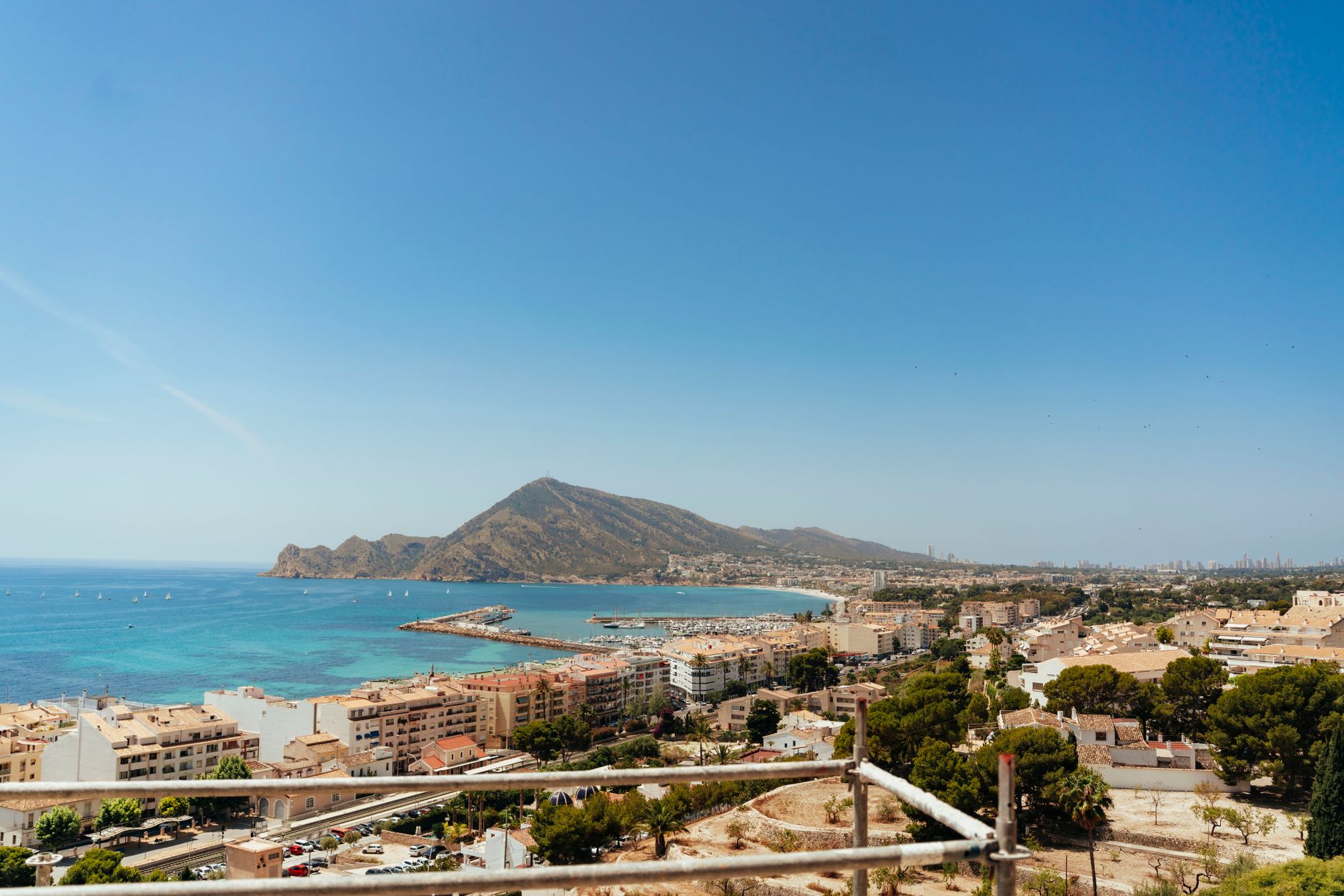
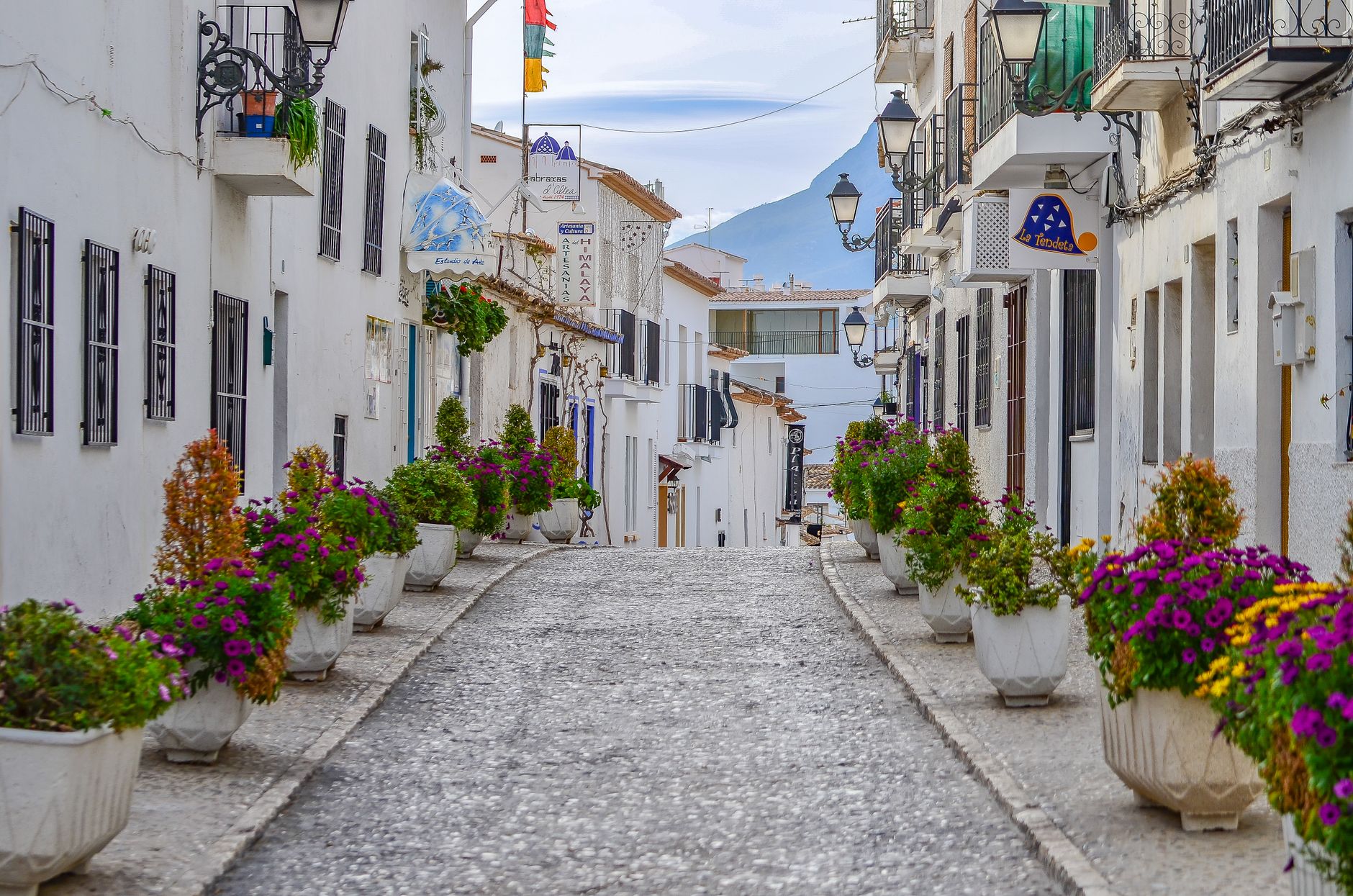
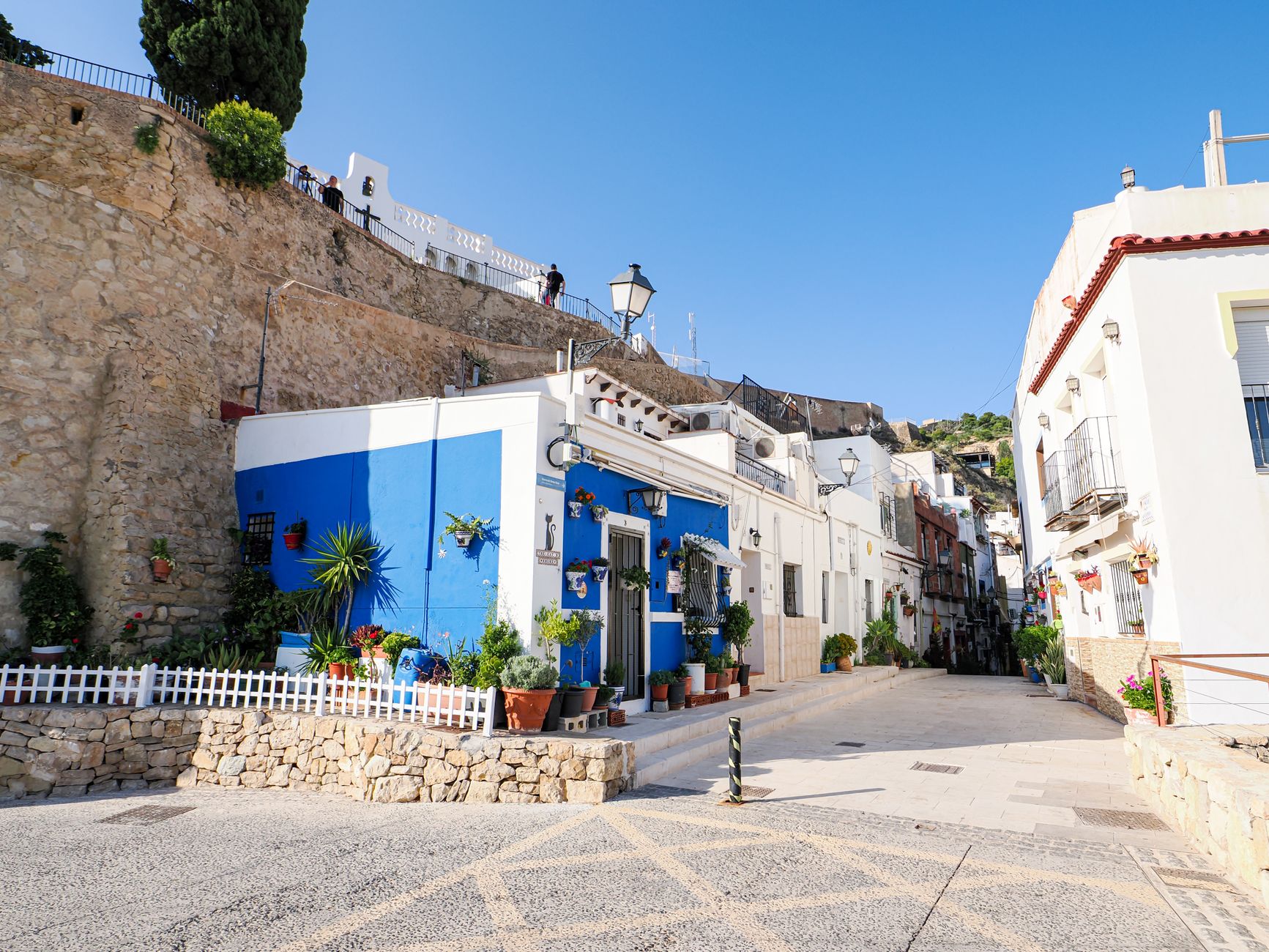
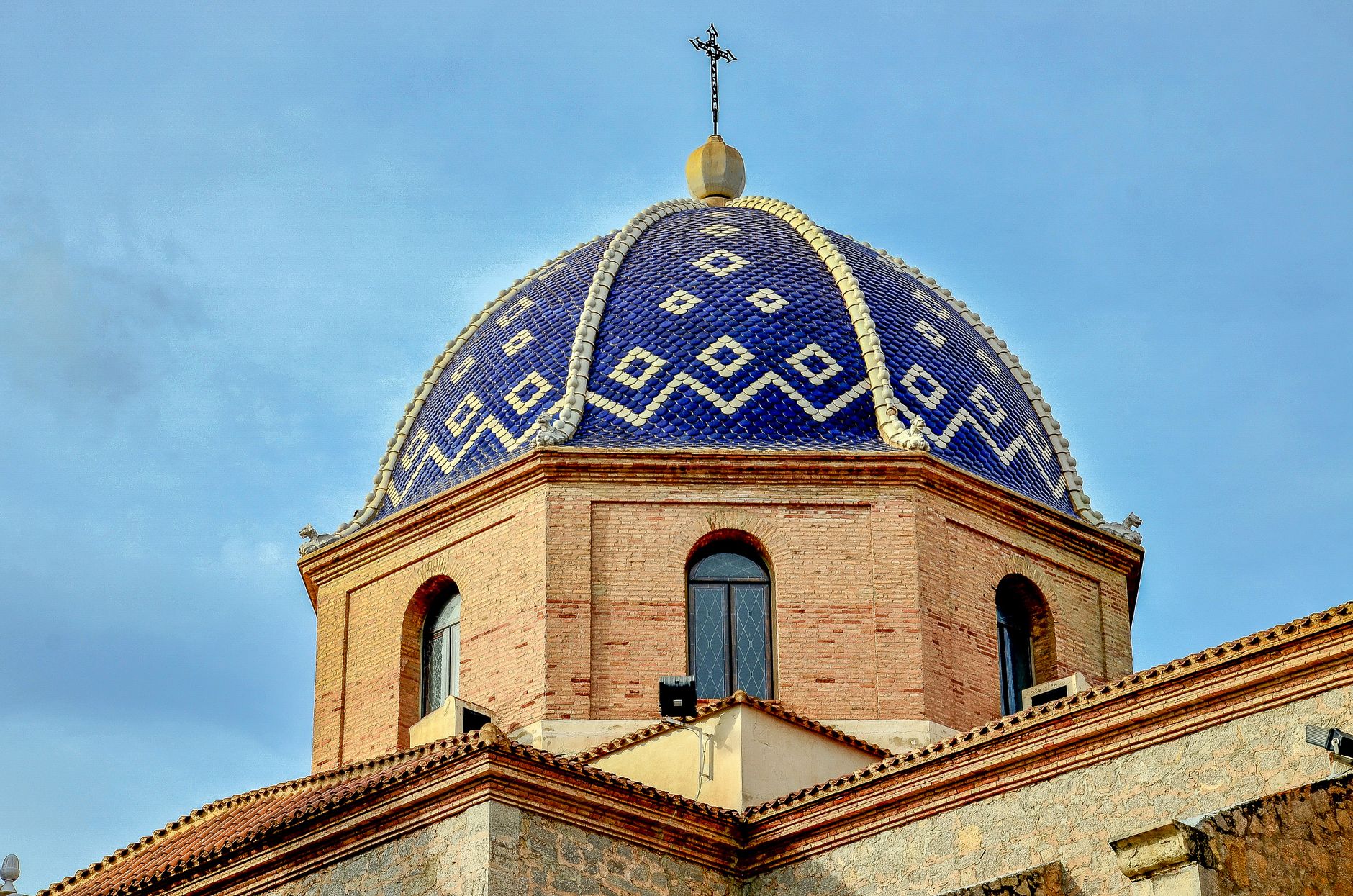
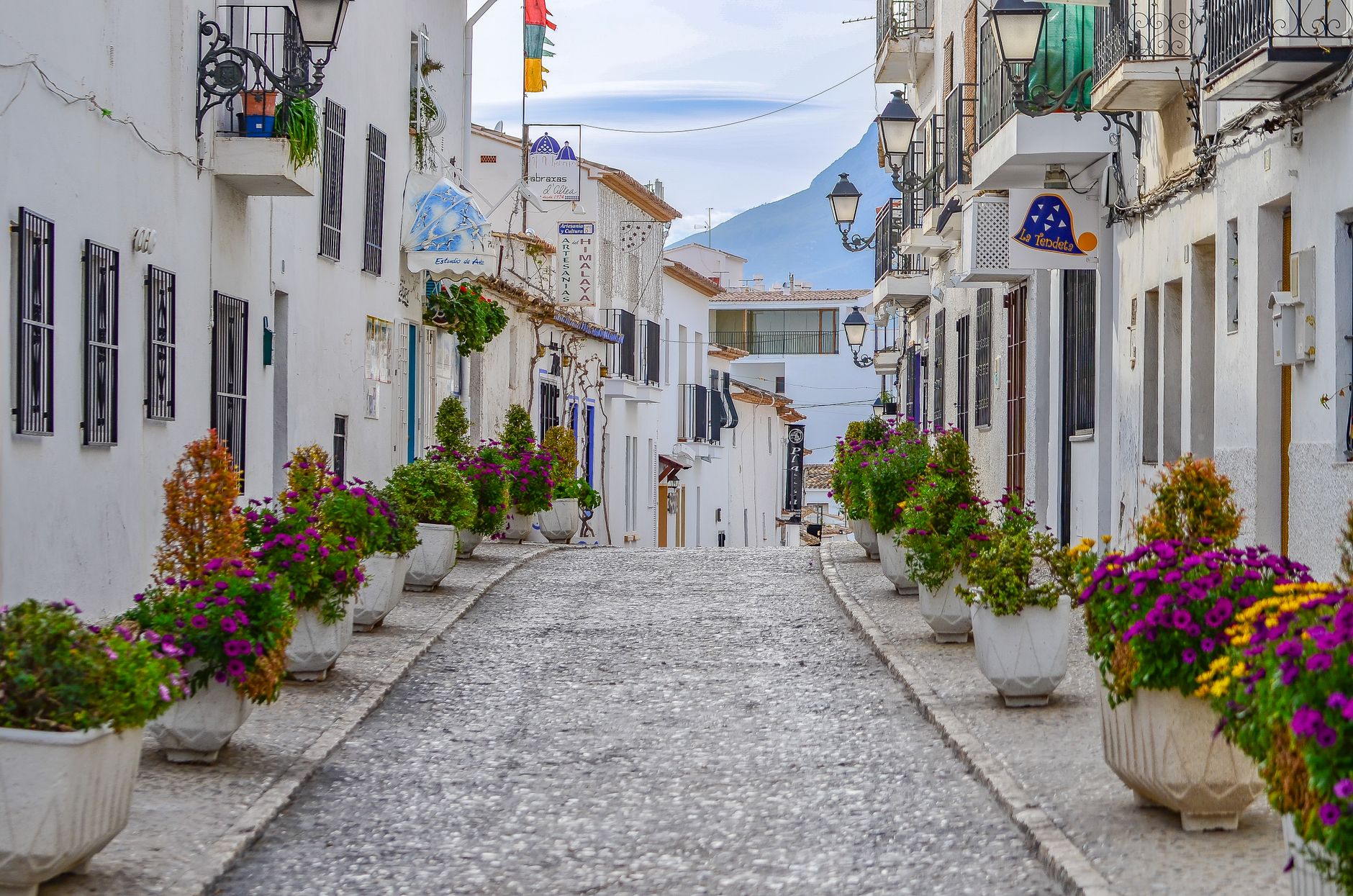
The thing you notice first in Altea's old town is the blue. Not the sea — though that's there too, spread wide below the headland — but the twin domes of the Church of Our Lady of Consolation, glazed in blue and white tile, catching the afternoon light from almost every angle in the upper streets. The whole hilltop quarter is pedestrian-only, whitewashed to a near-blinding pitch, and the church completed in 1910 anchors it all.
Altea has drawn painters for the better part of a century, which tells you something about the quality of its light. The Faculty of Fine Arts of Miguel Hernández University sits here now, and the town's relationship with art runs deeper than a scenic backdrop.
💛 What travellers fall for
People who come back tend to mention the same things: arriving on the TRAM from Benidorm and walking up through the old gates rather than driving, finding a table on the square before the lunch crowd, and taking the steep lanes slowly. The pebble beaches need sandals — don't forget that part.
Experiences you don't want to miss


Deals in Altea
Book directly at the provider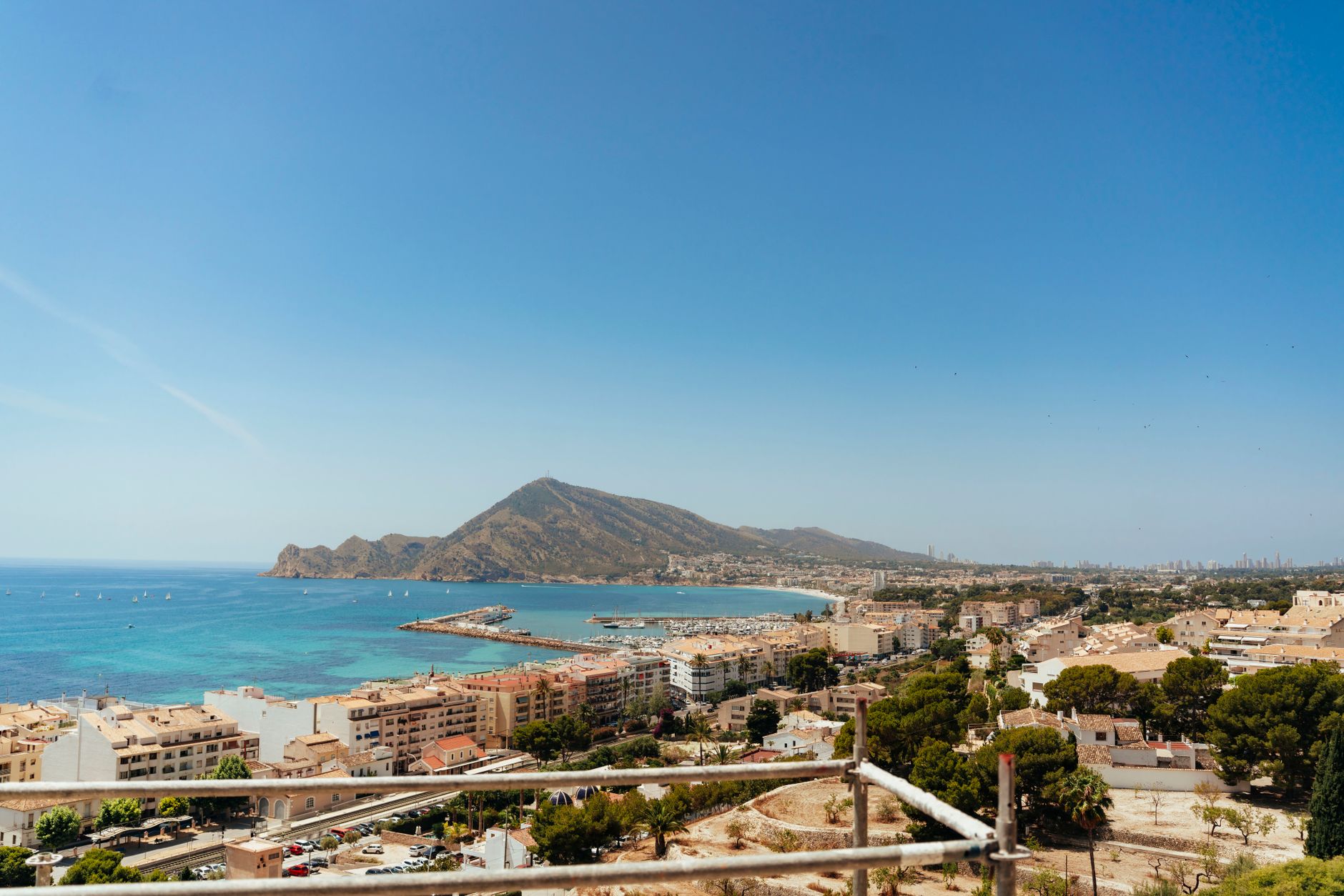
How Altea came to be
The name itself is Arabic — Althaya, meaning health to all — a trace of the Muslim rule that began in 711 and lasted through the 11th century under the Taifa kingdom of Denia. In 1244, the forces of King James I folded these lands into the Kingdom of Valencia, and the fortified walls whose two surviving gates, Portal Vell and Portal Nou, you can still walk through today date from that medieval reconfiguration. The 16th-century Bellaguarda Tower was rebuilt specifically to spot corsairs approaching from the sea.
The modern shape of the town owes something to a narrow-gauge railway, the Trenet de la Marina, launched in 1915, and to the painter Benjamín Palencia, who worked here in the mid-20th century and drew other artists in his wake. German painter Eberhard Schlotter arrived and stayed for more than fifty years, eventually donating over a thousand works to the town.
Who and what shaped it
People who shaped it
Landmark buildings
See Altea in motion
Plan your visit
On the map
When to go
Altea averages 17.3°C across the year, with mild springs — around 15–20°C March through May — and warm, dry summers when the Mediterranean reaches a comfortable swimming temperature. Winter is short and rarely harsh, though the old town's stone lanes hold the cold on grey January mornings.
Right now
Background & history adapted from Wikipedia (CC BY-SA) · specs from Wikidata (CC0) · weather from Open-Meteo · map data © OpenStreetMap contributors · photos from Wikimedia Commons / Unsplash with per-image credit. No third-party reviews or social posts reproduced.