
Benidorm
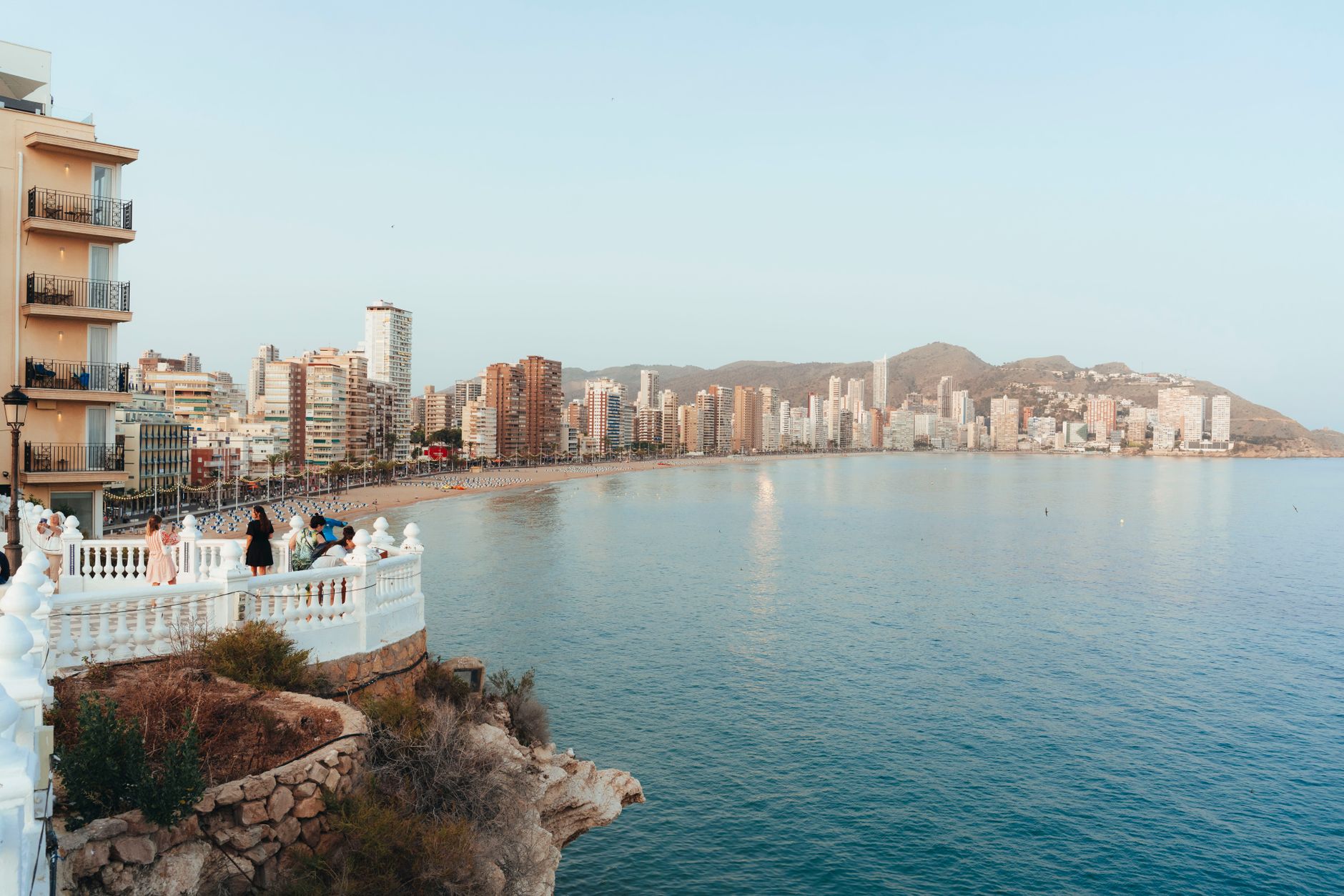
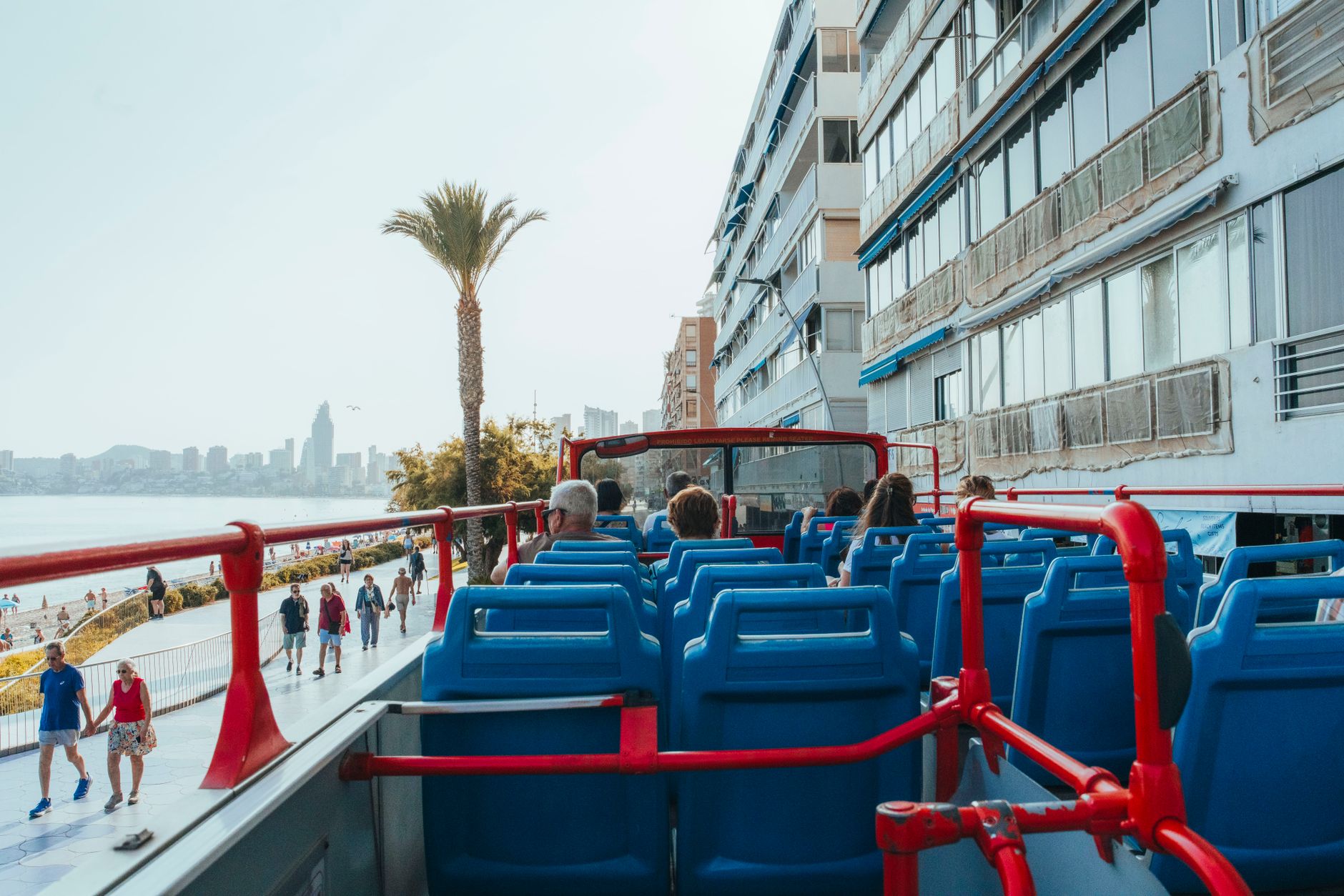
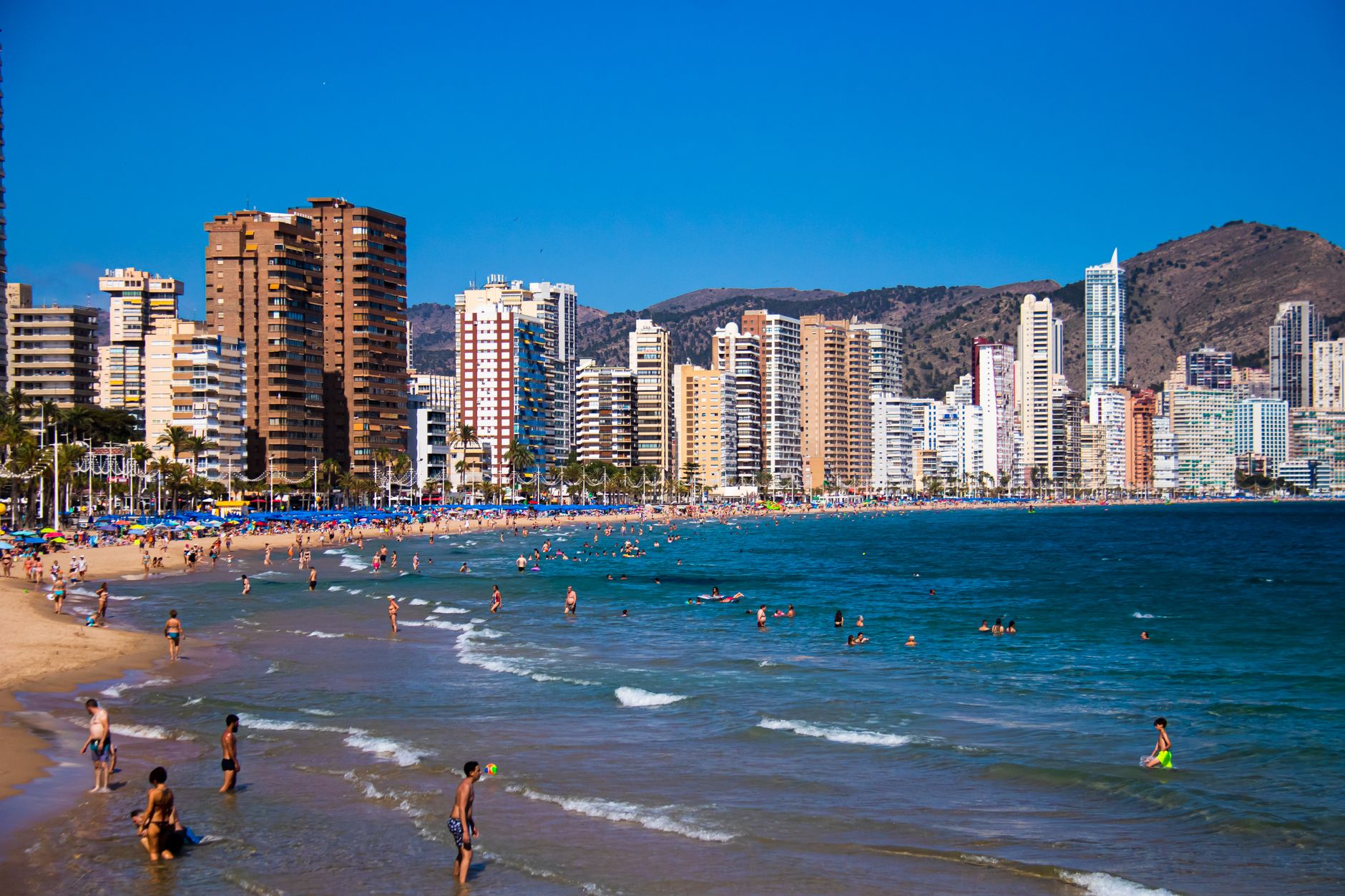
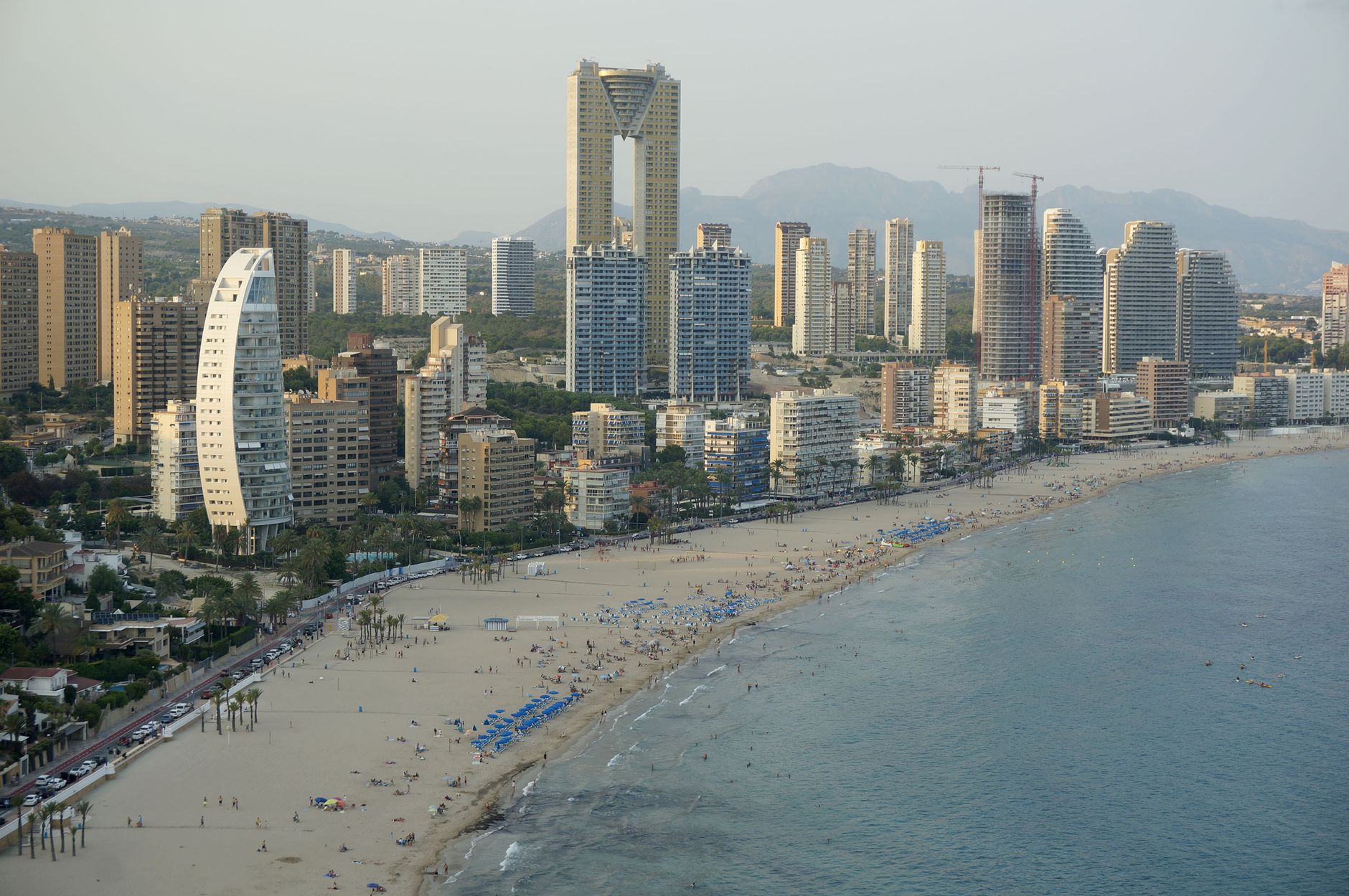
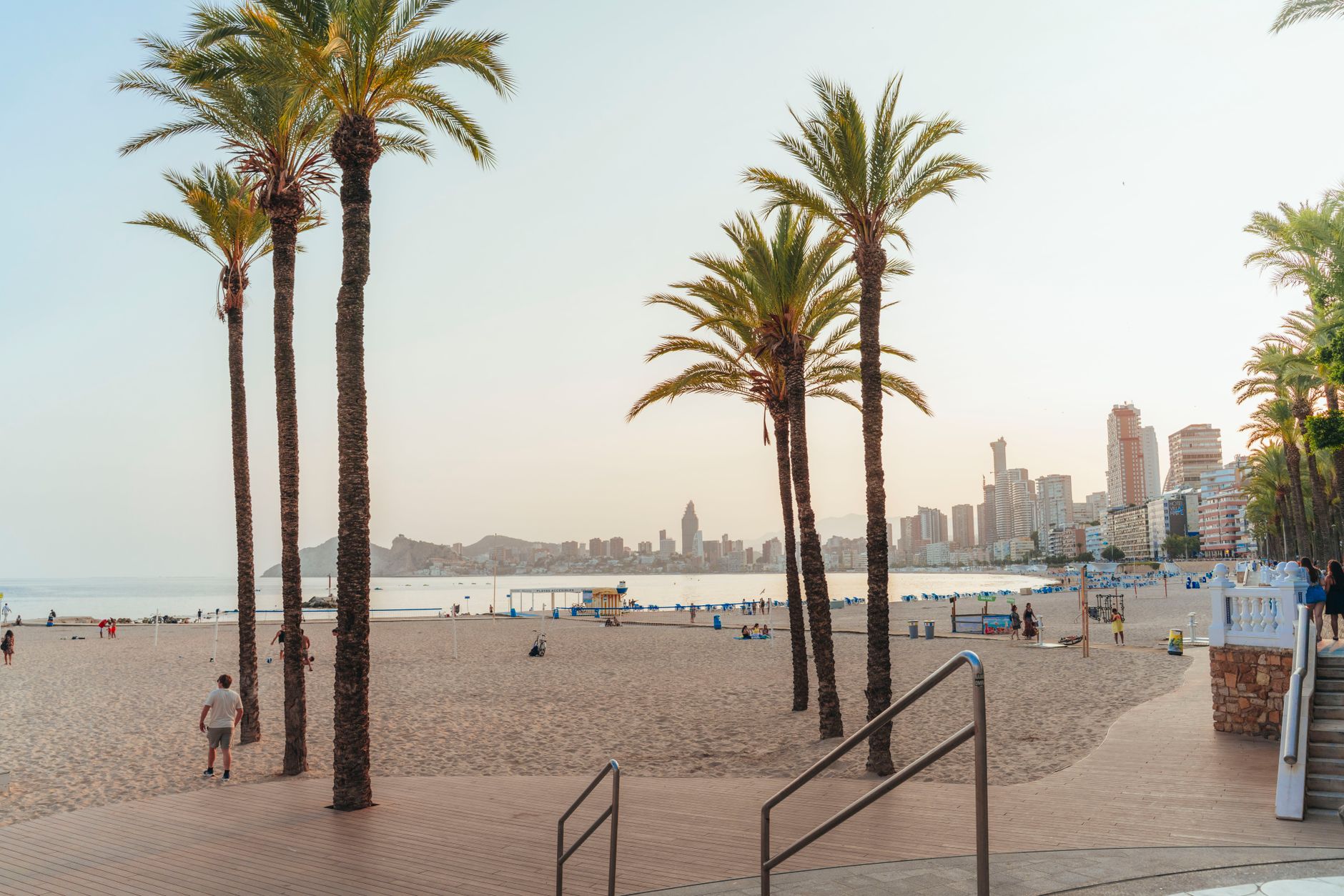
Stand at the Balcón del Mediterráneo and the city makes immediate sense: two great arcs of Blue Flag beach curving away on either side, and behind them a Manhattan-on-the-Med skyline of residential towers that shouldn't work but somehow does. The tallest of them, the 202-metre Intempo, connects two parallel shafts with an inverted cone near the crown — an architectural flourish visible from the Sierra Helada above.
Benidorm is one of the most densely built cities in Europe, and that density is the point. The vertical model was deliberate, even idealistic — a 1954 urban plan that required every building to preserve open leisure land at ground level. The beaches stay wide, the streets breathe, and the skyline keeps climbing.
💛 What travellers fall for
Regulars tend to head straight up to the Mirador de la Cruz on Sierra Helada before doing anything else — the full panorama of both Levante and Poniente beaches in one glance resets your sense of scale. The old town around San Jaime and Santa Ana is quieter than it looks on a map, and the church's blue dome is best seen in early morning light.
Experiences you don't want to miss


Deals in Benidorm
Book directly at the provider
How Benidorm came to be
Benidorm's origins are precise: on 8 May 1325, Admiral Bernat de Sarriá granted a town charter on behalf of King James II of Aragon, establishing the settlement at Punta Canfali beneath a castle already recorded four years earlier. For six centuries it remained a modest fishing and farming town, with an irrigation system added in 1666 and a small port expansion in 1925.
The transformation came through one man. Pedro Zaragoza Orts, mayor from 1950, pushed through a city building plan in 1954 that mandated vertical construction with ground-level open space — a rule Benidorm still enforces, uniquely in Spain. He also permitted bikinis on the beaches during Franco's dictatorship, a decision that required a personal trip to Madrid to defend. By 1977 the city was receiving 12 million visitors a year, a figure it has never exceeded.
Who and what shaped it
People who shaped it
Landmark buildings
See Benidorm in motion
Plan your visit
On the map
When to go
Summers are hot and reliably dry — the Mediterranean classification means July and August rarely disappoint if sun is what you're after. Spring and autumn bring mild temperatures in the mid-teens to low twenties with occasional short rains, making them the more comfortable seasons for walking the old town or climbing to the mirador.
Right now
Background & history adapted from Wikipedia (CC BY-SA) · specs from Wikidata (CC0) · weather from Open-Meteo · map data © OpenStreetMap contributors · photos from Wikimedia Commons / Unsplash with per-image credit. No third-party reviews or social posts reproduced.