
Cullera
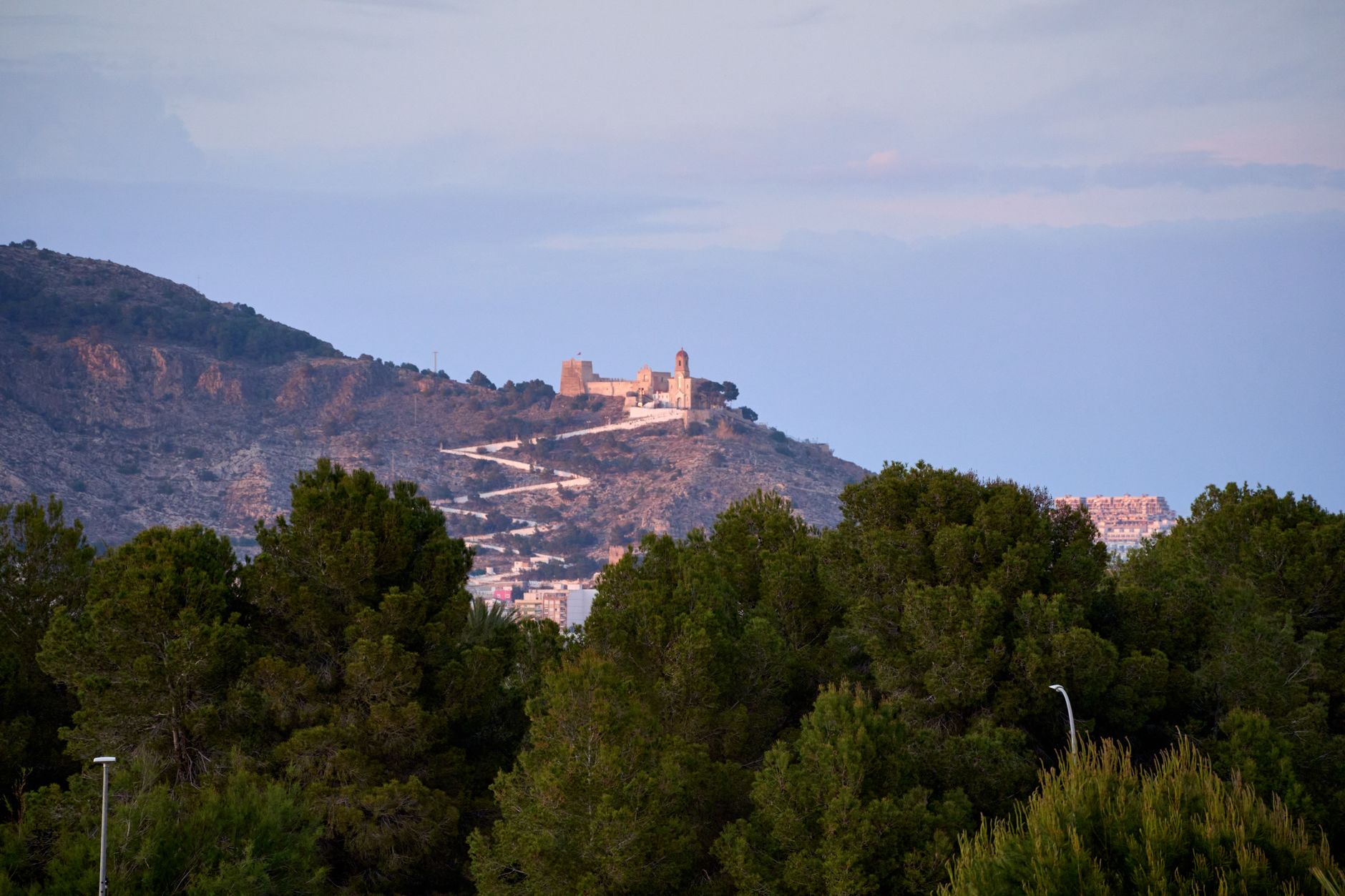
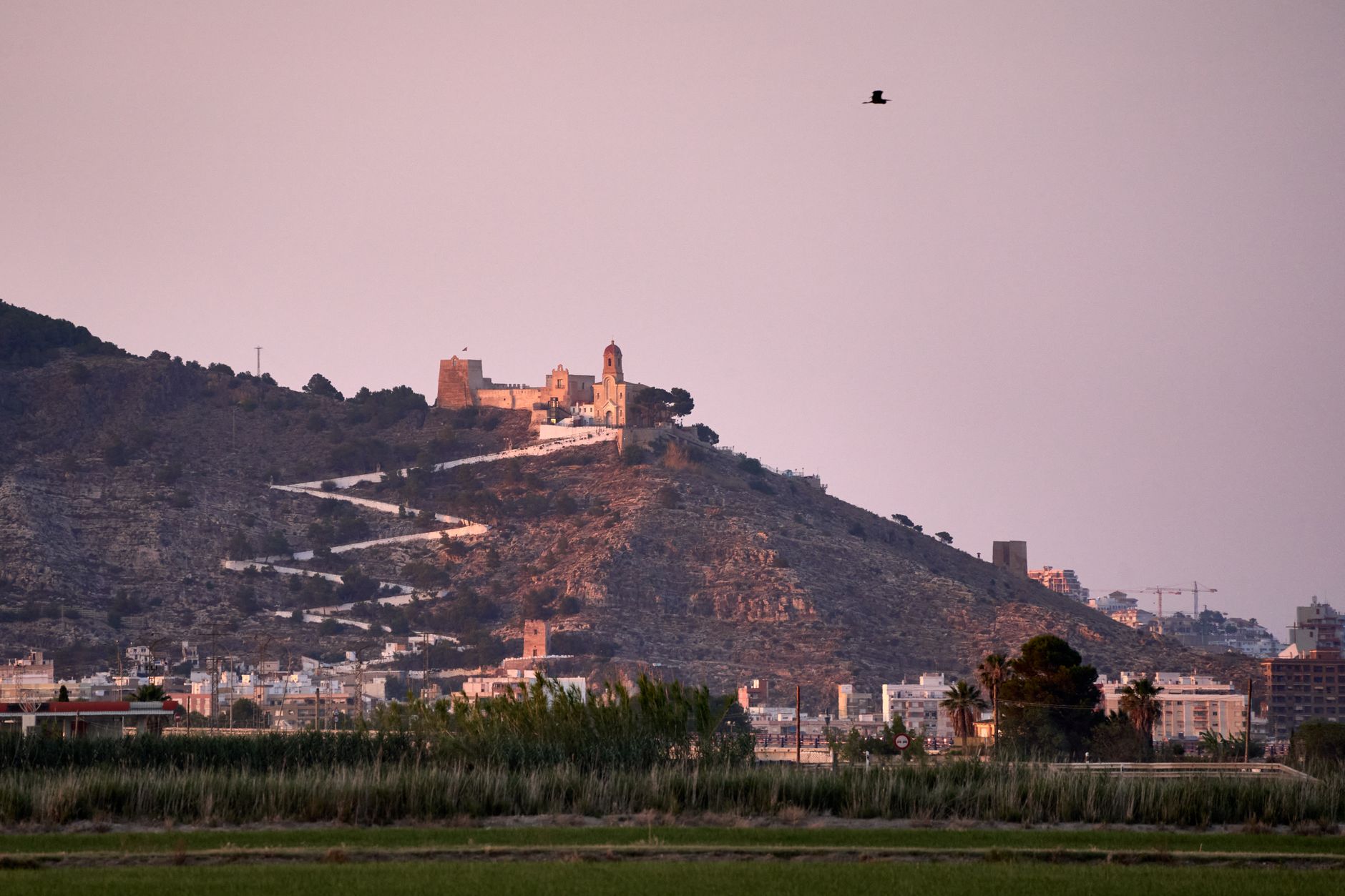
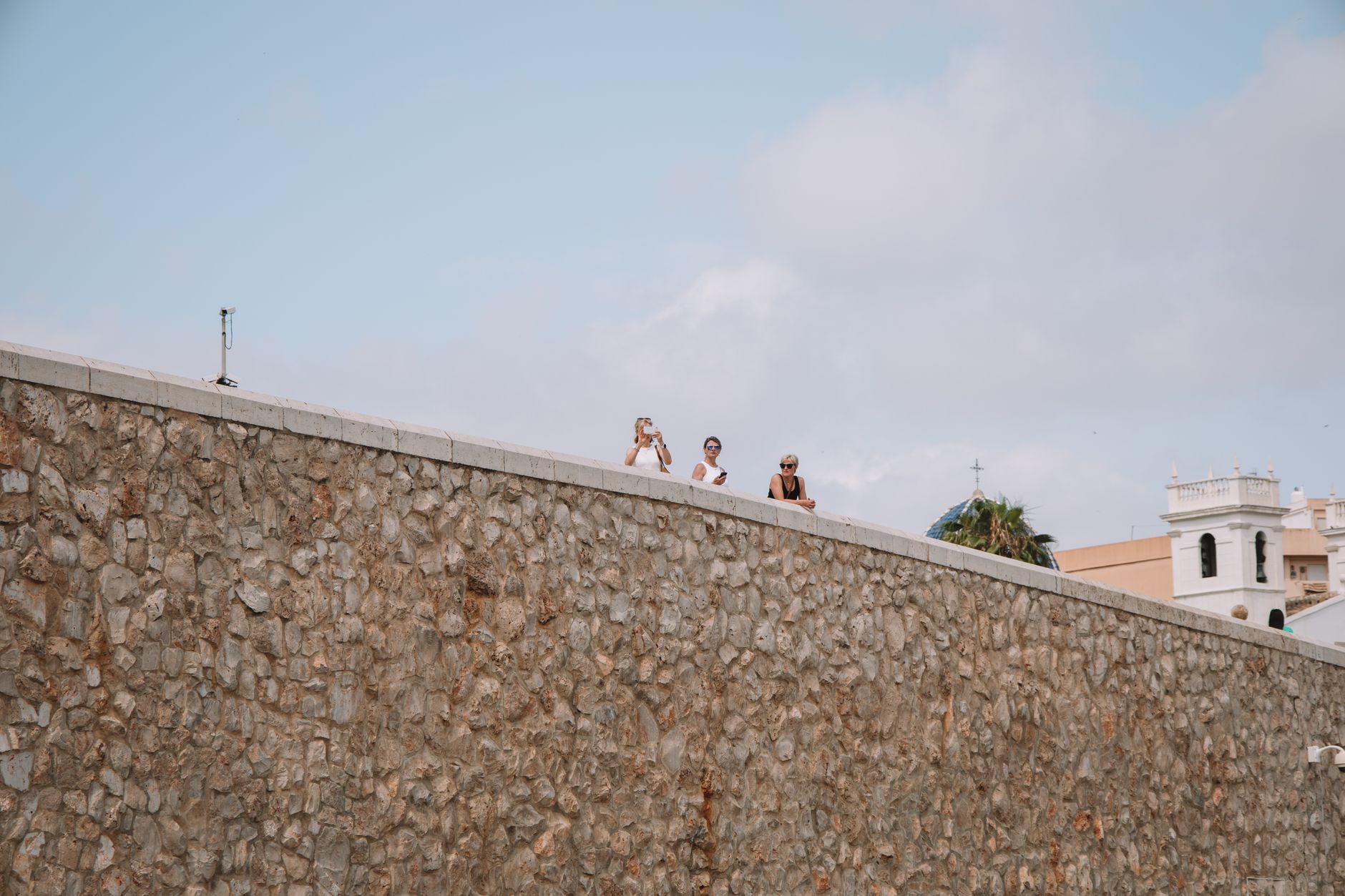
The thing that orients you in Cullera is the castle on the hill — a tenth-century Muslim fortress that King Jaime I took in 1239 and that still anchors the skyline above fifteen kilometres of sandy coast. The Júcar river meets the sea here, splitting the town between its old quarter and the beach strips that filled up fast during the 1960s tourism boom. Come for the archaeology and the tower walk; stay because the train from València takes 43 minutes and the crowds thin considerably once you move away from the waterfront.
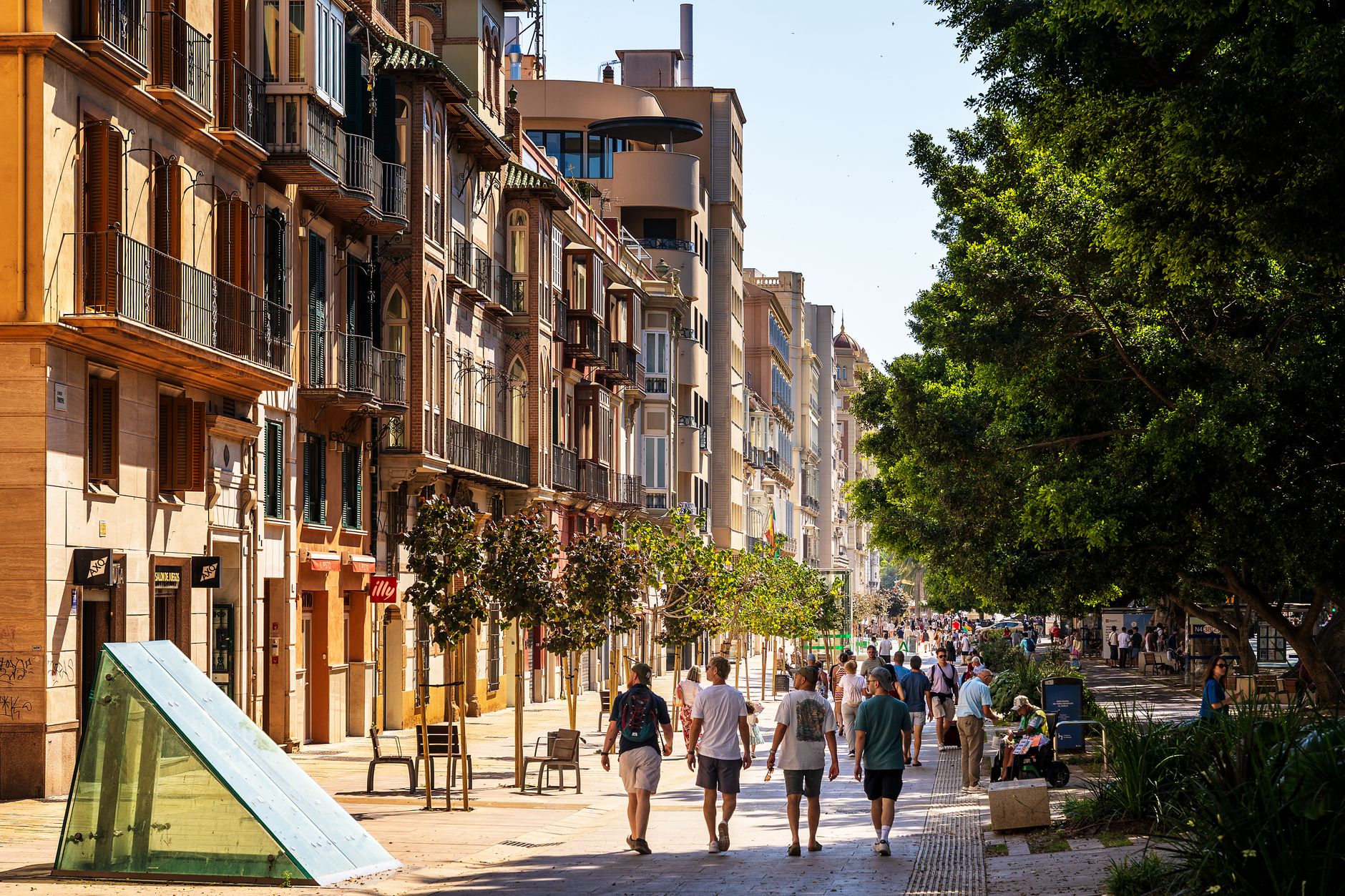
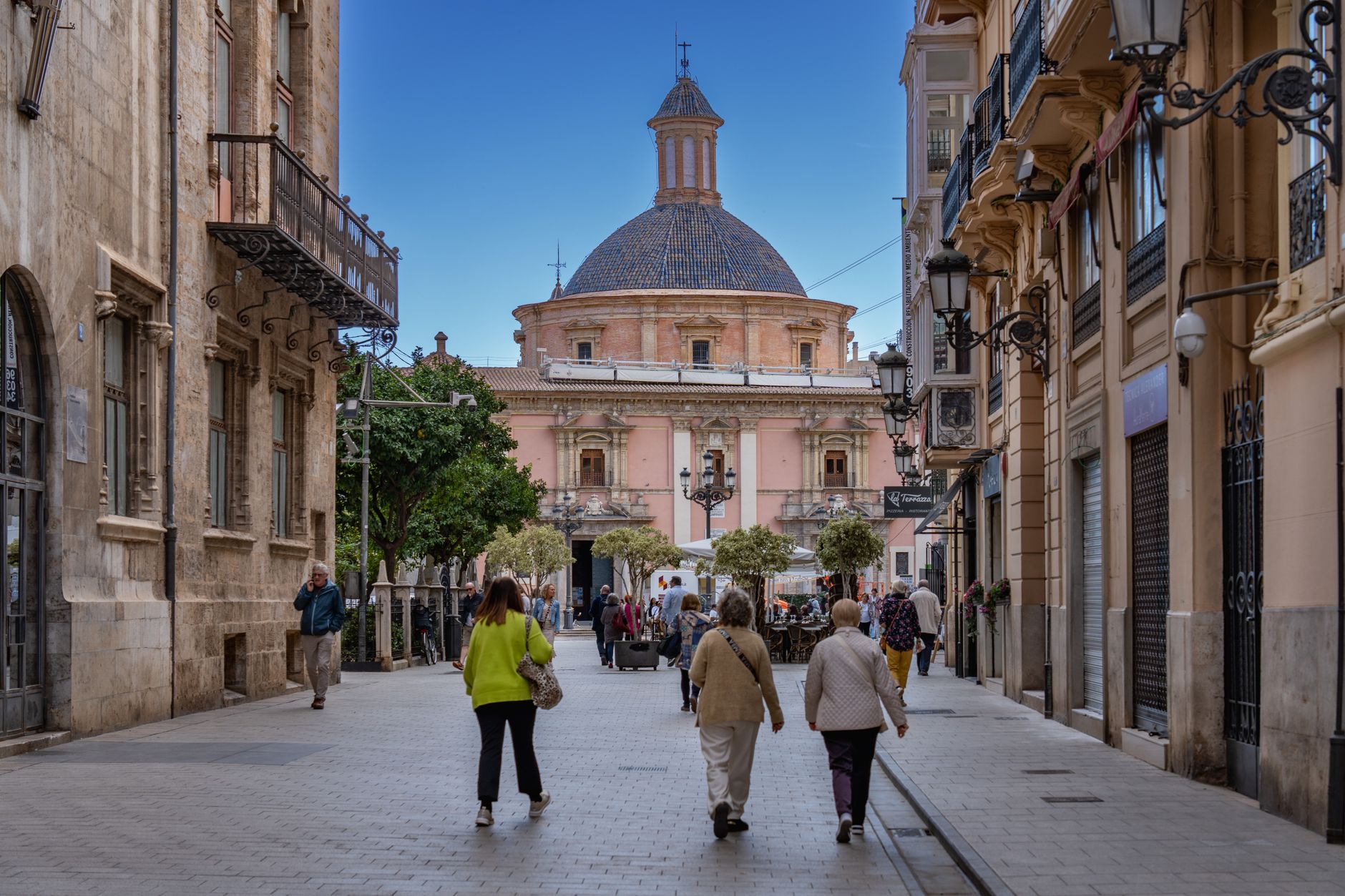
Below the castle, the streets around Cervantes and Valencia and the Paseo Dr. Alemany carry early twentieth-century facades in eclectic modernist styles — French and German touches on a Spanish Mediterranean street. It's a quieter kind of layering than the big Valencian cities nearby, but the layers are genuinely there.
💛 What travellers fall for
People who come back tend to walk up the Camino del Calvario on foot rather than taking the tourist train — it's the slower route through the old Barrio del Pozo quarter, and it earns the view. They also flag the Dragut Cave Museum as worth the €5: small, specific, and far more interesting than it sounds.
Experiences you don't want to miss


Deals in Cullera
Book directly at the provider
How Cullera came to be
People have been living around Cullera for roughly 25,000 years, and the caves nearby hold the archaeological evidence. The name itself comes from the Arabic Colla-Aeria — 'high peak' — given by Muslim settlers who built the original hilltop fortress during the Caliphal period in the tenth century. Jaime I of Aragon took the castle in 1239 during the Christian reconquest of Valencia.
The coast remained dangerous for centuries after. The Ottoman admiral and pirate Dragut attacked and devastated the town in 1550; the Torre del Marenyet was built as a direct response, part of a coastal defence network against Barbary raids. In 1911, Cullera made national news when a strike against conscription for the Morocco war turned deadly, and a crowd killed a judge who had fired into them. The 1960s brought a different kind of transformation: regime-backed mass tourism arrived, the Sicania Hotel opened near the port in 1960, and the beach strips were built out in the decades that followed.
Who and what shaped it
People who shaped it
Landmark buildings
See Cullera in motion
Plan your visit
On the map
When to go
Summers are hot and dry, with July and August reliably above 30°C on the beach — peak season in every sense. Spring (April–June) and autumn (September–October) offer warm, mostly sunny days without the midsummer intensity, and the town moves at a more comfortable pace.
Right now
Background & history adapted from Wikipedia (CC BY-SA) · specs from Wikidata (CC0) · weather from Open-Meteo · map data © OpenStreetMap contributors · photos from Wikimedia Commons / Unsplash with per-image credit. No third-party reviews or social posts reproduced.