
Orihuela
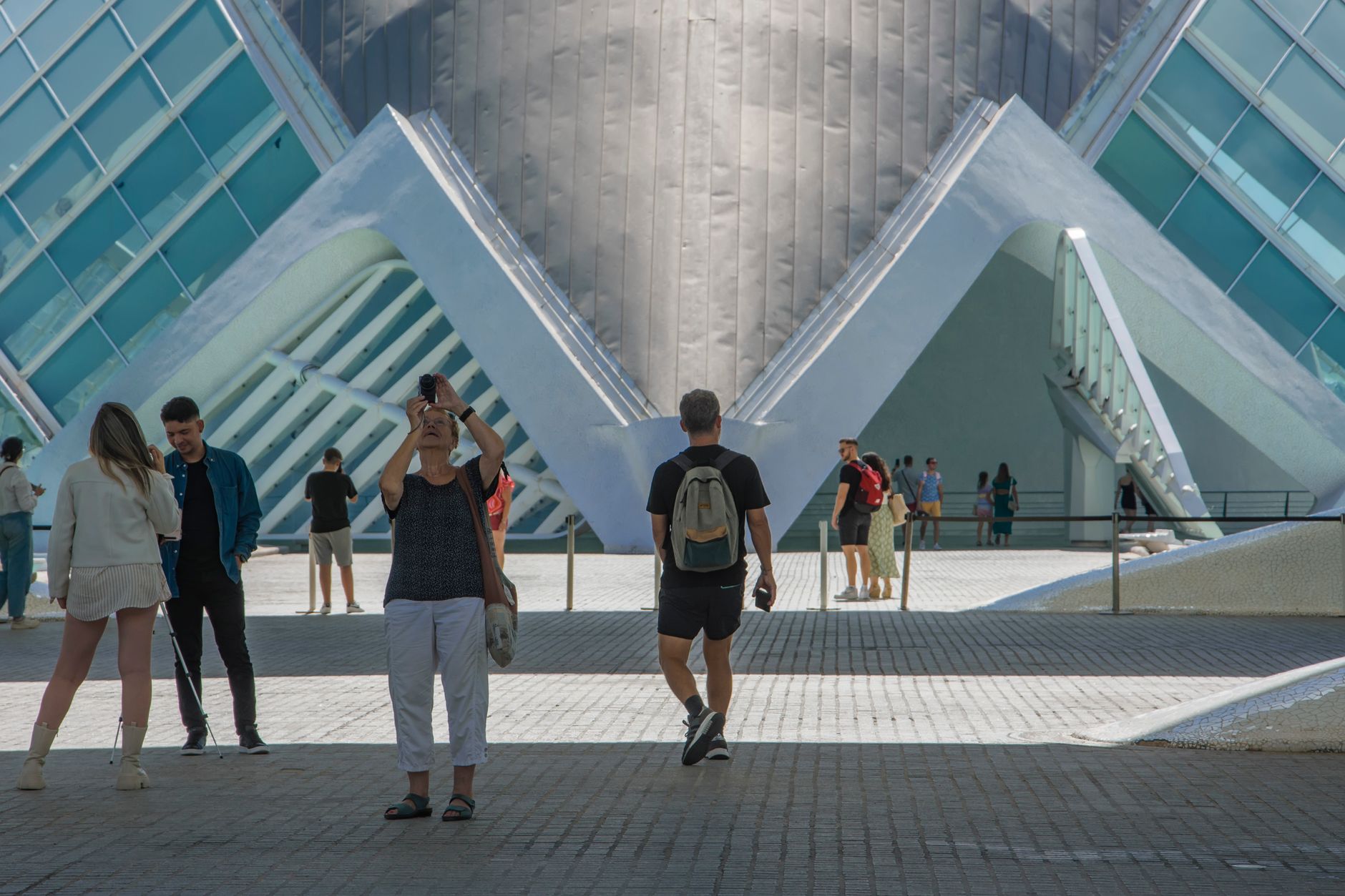
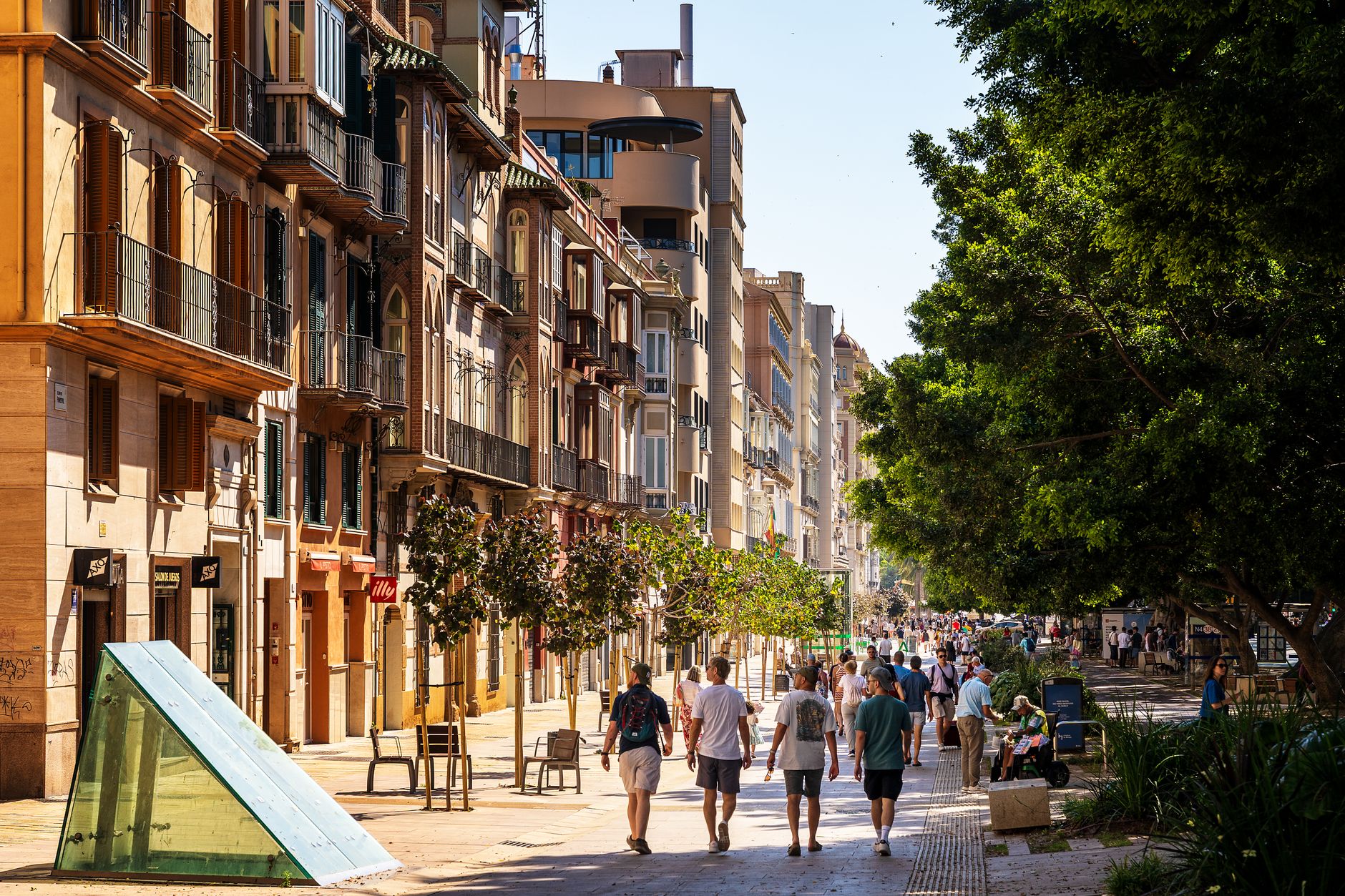
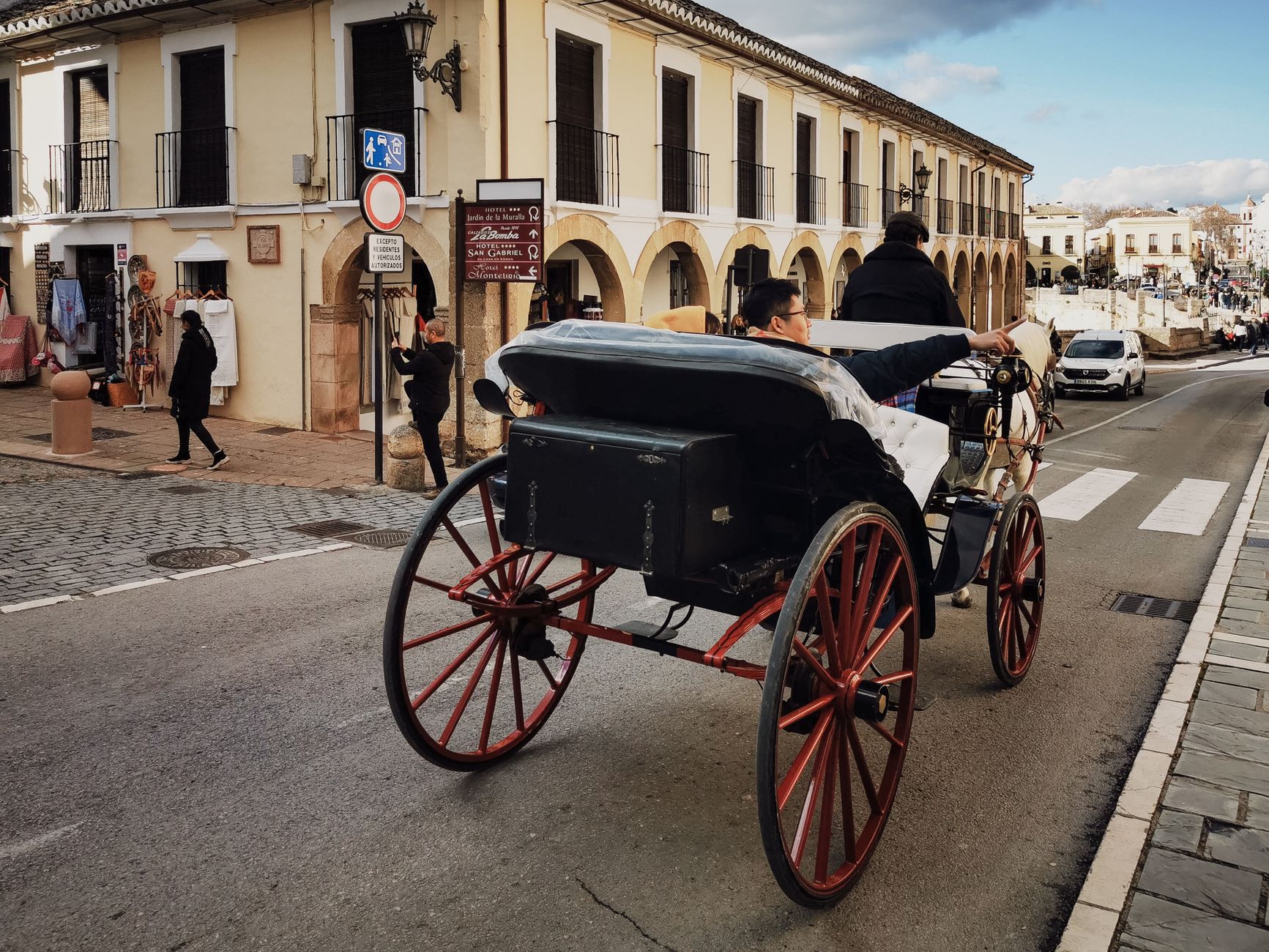
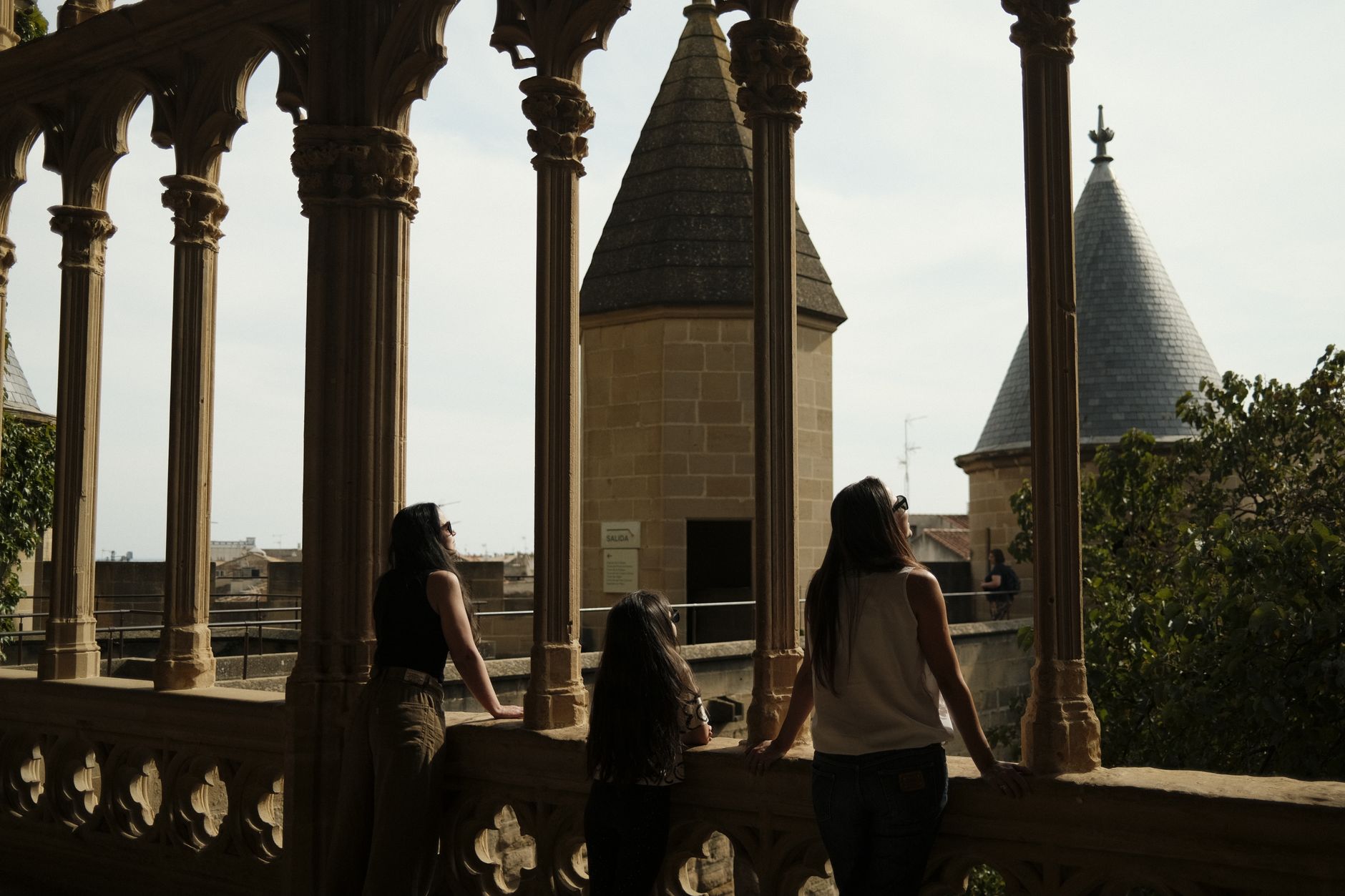
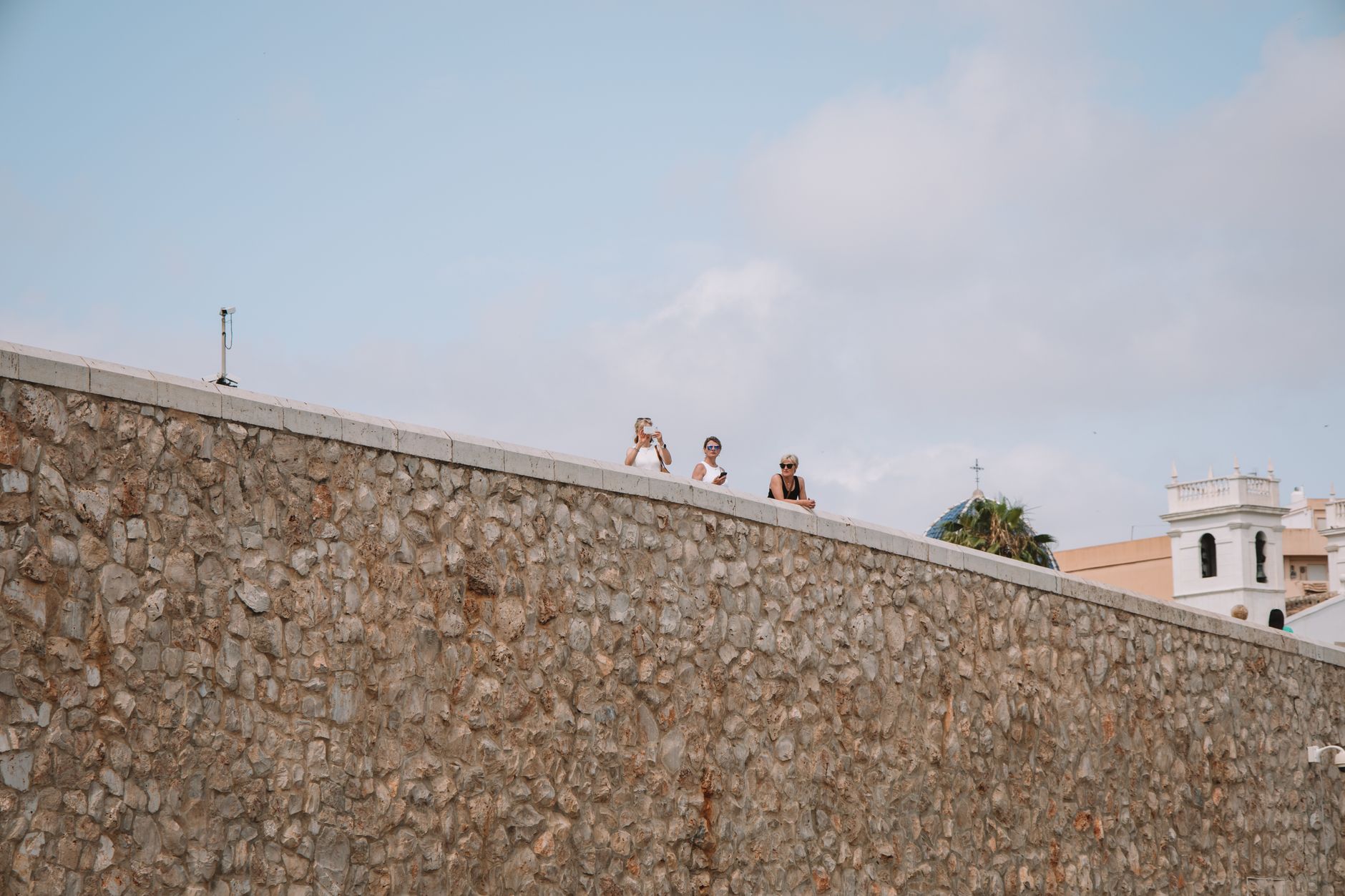
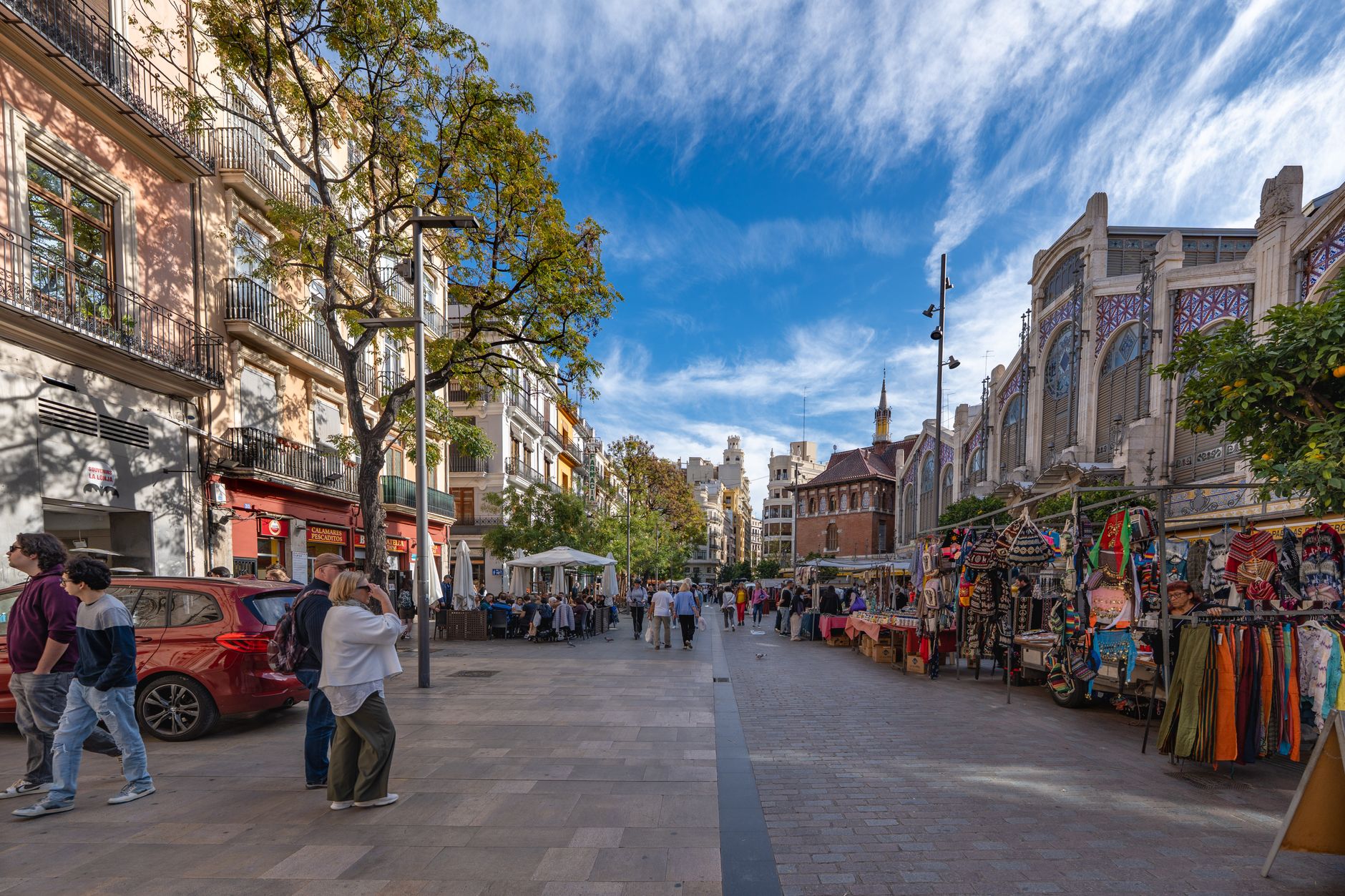
Orihuela sits in a river valley between two ranges of low, dry hills, and the first thing you notice is how much history the compact old town has absorbed without becoming a ruin of itself. The cathedral's blue-tiled dome catches the light above streets where you can still read the layers — Roman foundations, a Visigothic capital, a Moorish medina, and then centuries of Castilian stone-laying on top of all of it.
The poet Miguel Hernández was born here, and his presence runs through the city like a quiet current — there's a museum in his childhood home and a train station named after him. Five buildings carry National Monument status. The AVE brings you from Madrid in just over two hours.
💛 What travellers fall for
People who come back tend to time it around Holy Week, when the four-floor museum on Plaza la Merced makes more sense — you've seen the gigantic processional sculptures in context, moving through the streets. The Cathedral's Baroque organ, the only one of its kind in Spain, is worth asking about when you buy your two-euro ticket.
Experiences you don't want to miss



Deals in Orihuela
Book directly at the provider

How Orihuela came to be
The ground beneath Orihuela has been contested for a long time. Romans called it Orcelis; by 576 it was the capital of a Visigothic province. After the Moorish conquest, a local count named Teodomiro negotiated his own semi-autonomous kingdom — the Treaty of Tudmir, signed in 713, is one of the more unusual documents of early medieval Iberia. Vikings raided the city in the late ninth century, which is not something most inland Spanish towns can say.
Castilian forces under Prince Alfonso — later Alfonso X — took Orihuela in 1243. It was declared a city in 1437, made a provincial capital by Charles V in 1507, and then steadily overshadowed as Alicante grew. The College of Santo Domingo, founded in 1516 and covering fifteen thousand square metres, is the largest monument in the Valencian region and a reminder of how seriously Orihuela once took itself.
Who and what shaped it
People who shaped it
Landmark buildings
See Orihuela in motion
Plan your visit
On the map
When to go
Summers are long, dry and genuinely hot — the valley holds the heat. Spring and autumn are the more comfortable seasons for walking the old town; winters are mild and rarely wet.
Right now
Background & history adapted from Wikipedia (CC BY-SA) · specs from Wikidata (CC0) · weather from Open-Meteo · map data © OpenStreetMap contributors · photos from Wikimedia Commons / Unsplash with per-image credit. No third-party reviews or social posts reproduced.