
Bilbao
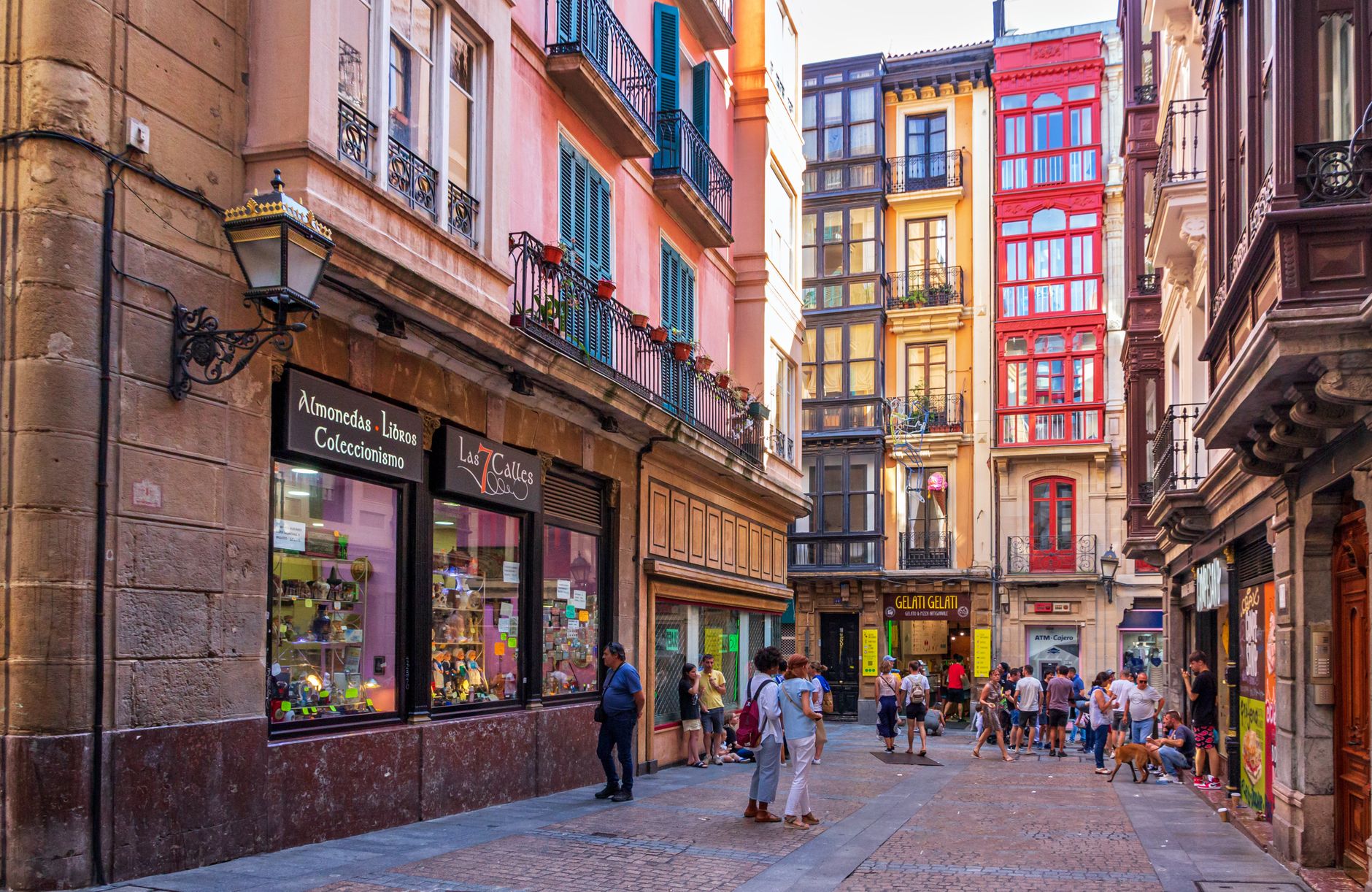
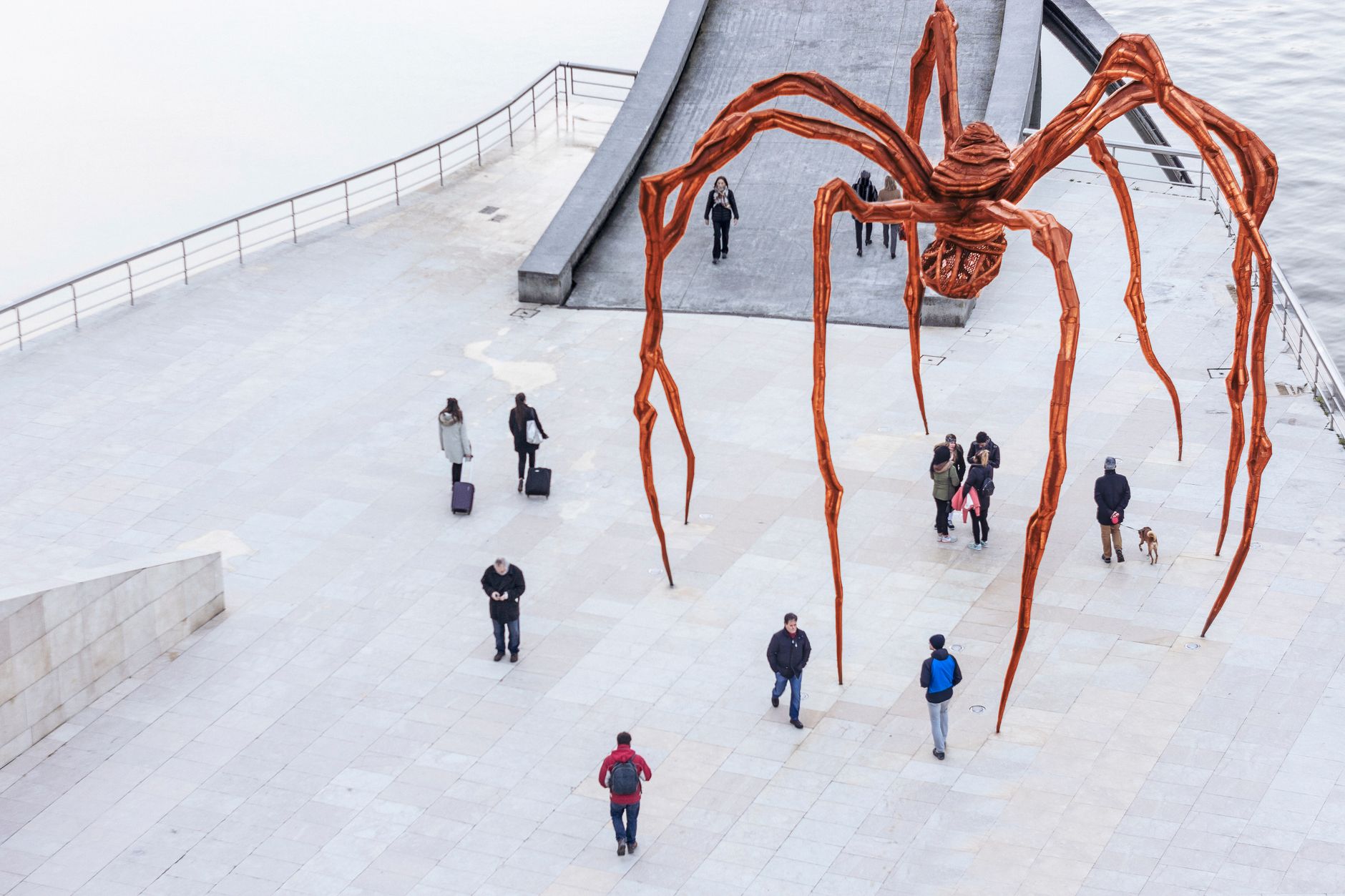
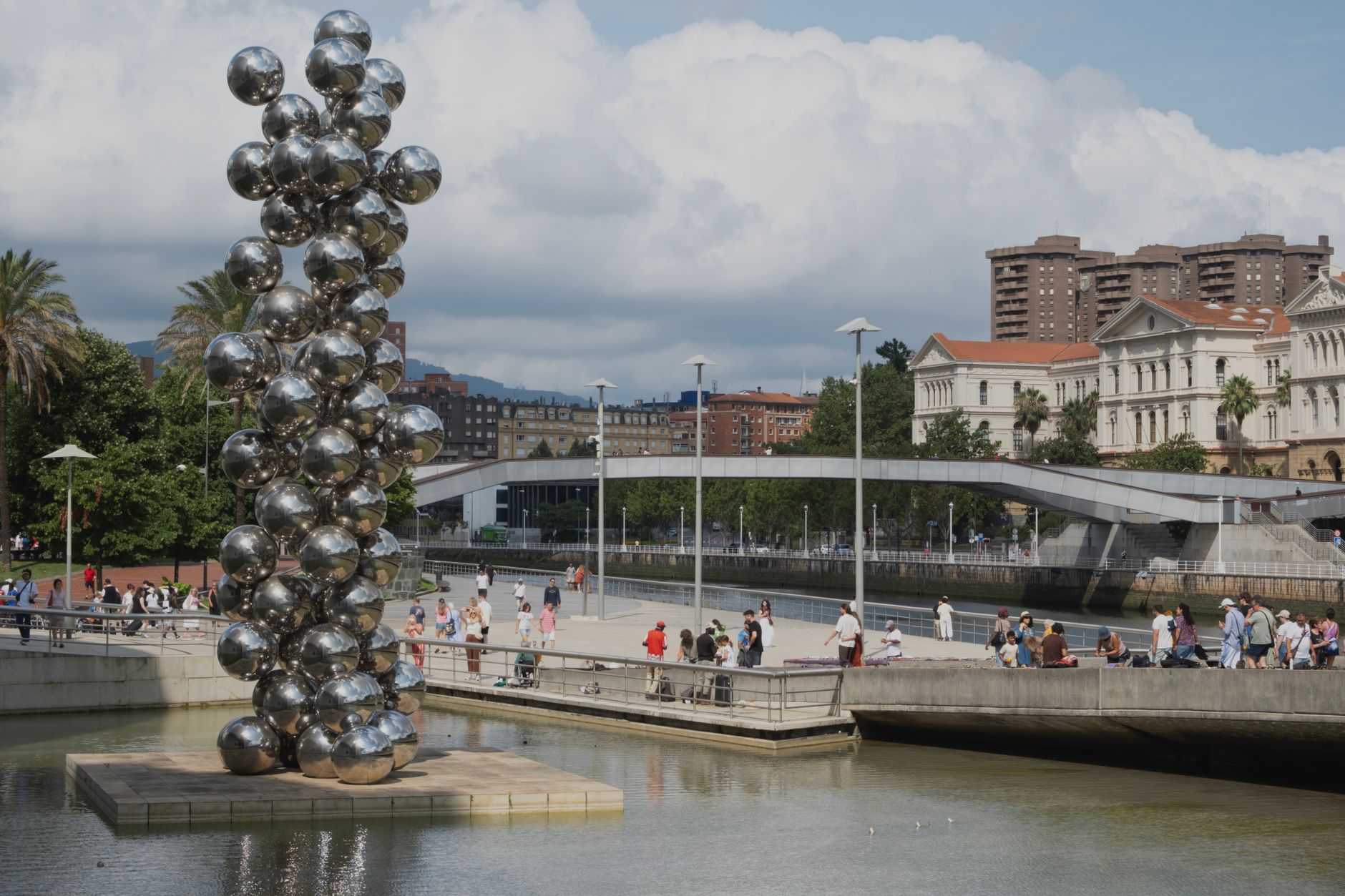
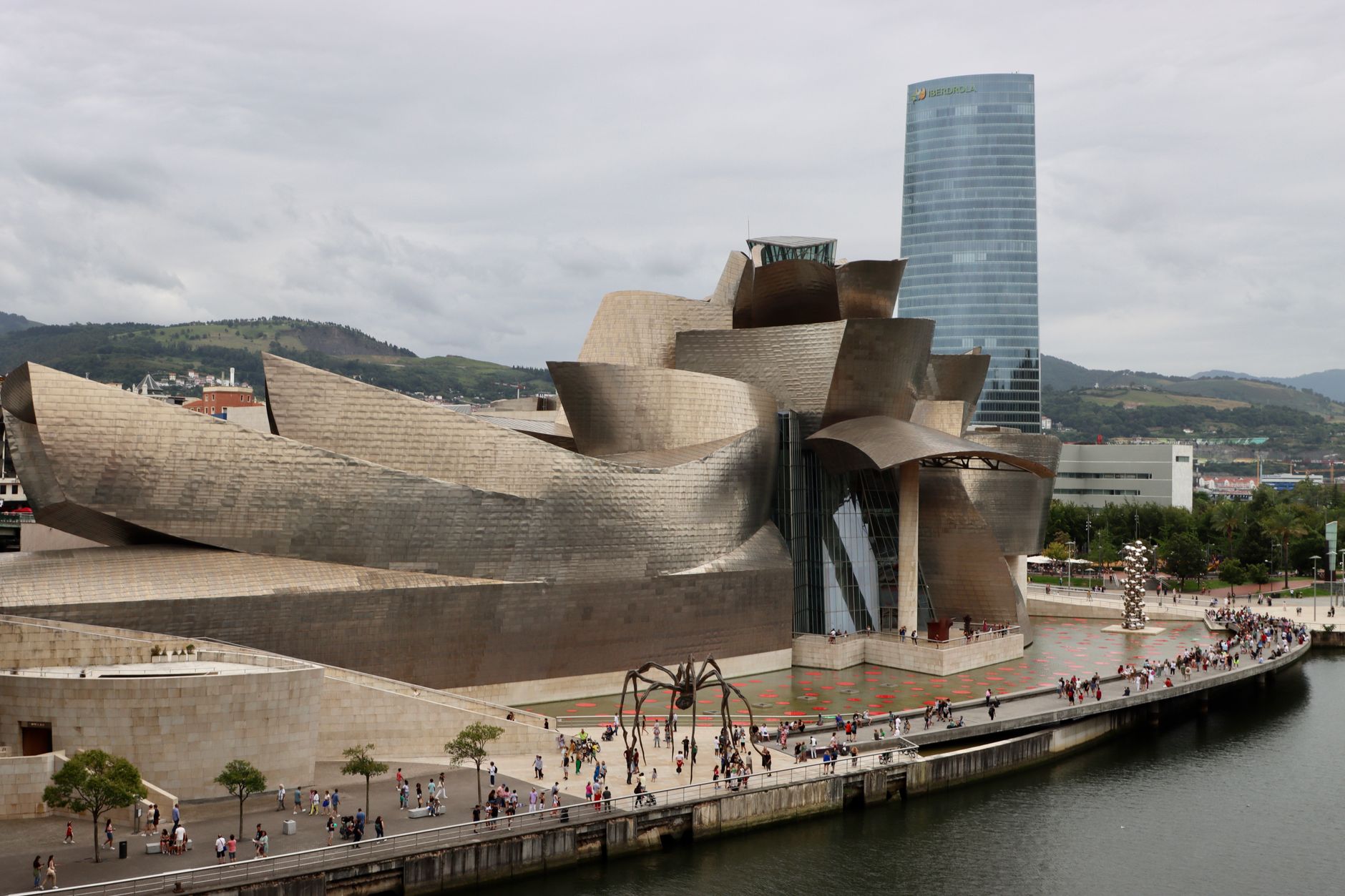
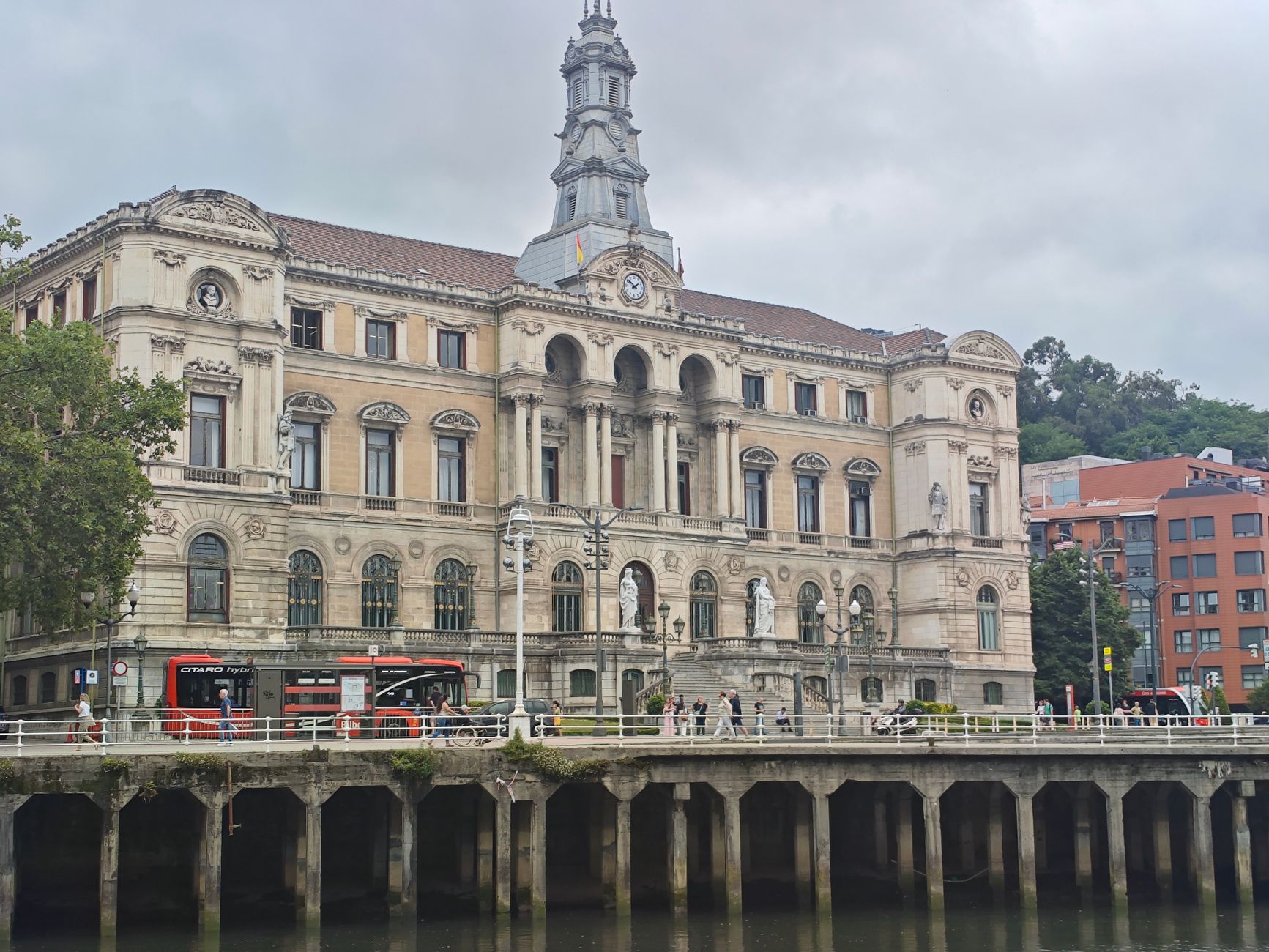
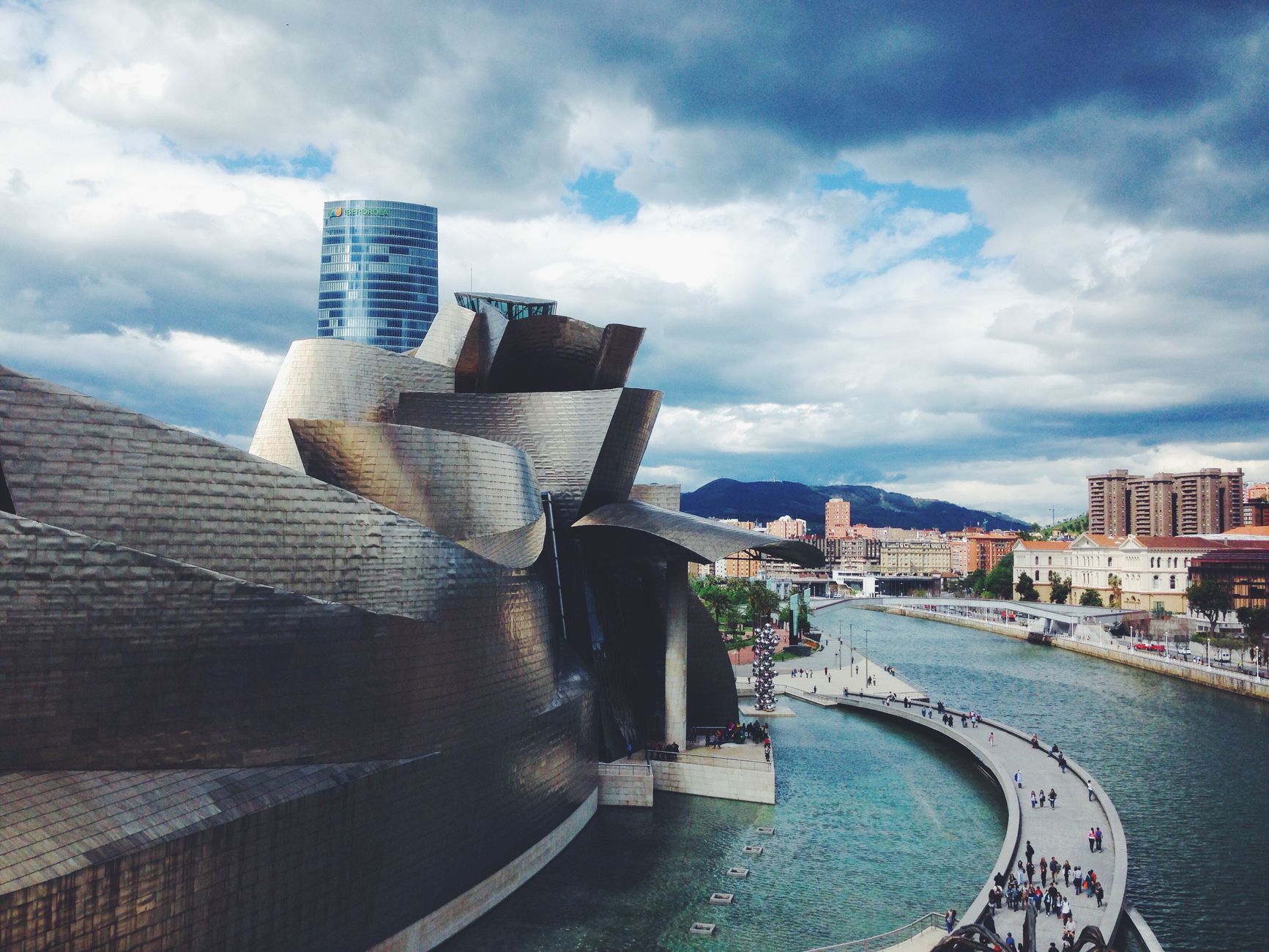
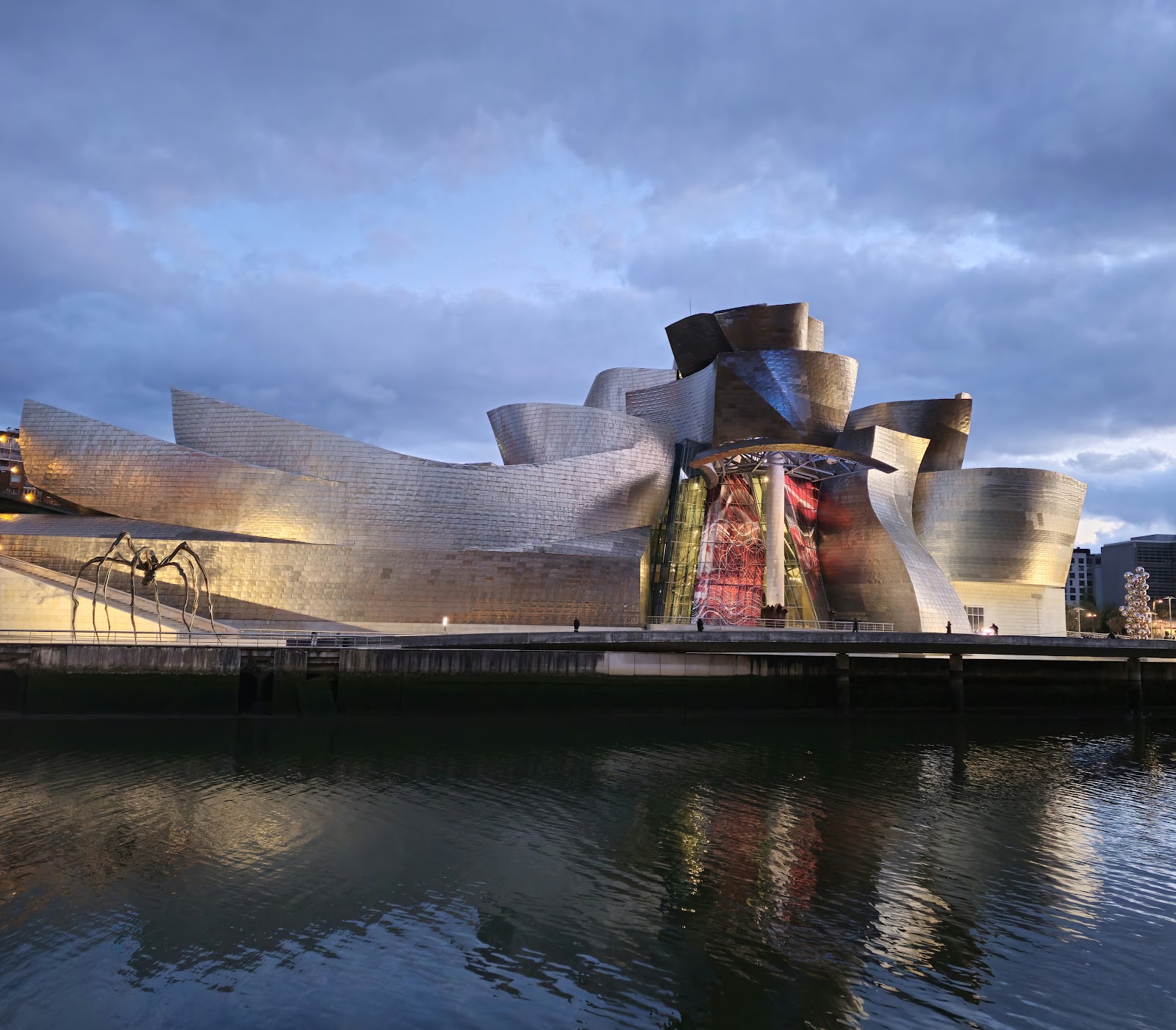
Bilbao earns its reputation through contradiction: a heavy-industry port city that turned its rusting riverside into one of Europe's most talked-about cultural quarters. The Guggenheim's titanium skin catches the Nervión's light in a way that still stops people mid-stride, even those who've seen it in a hundred photographs.
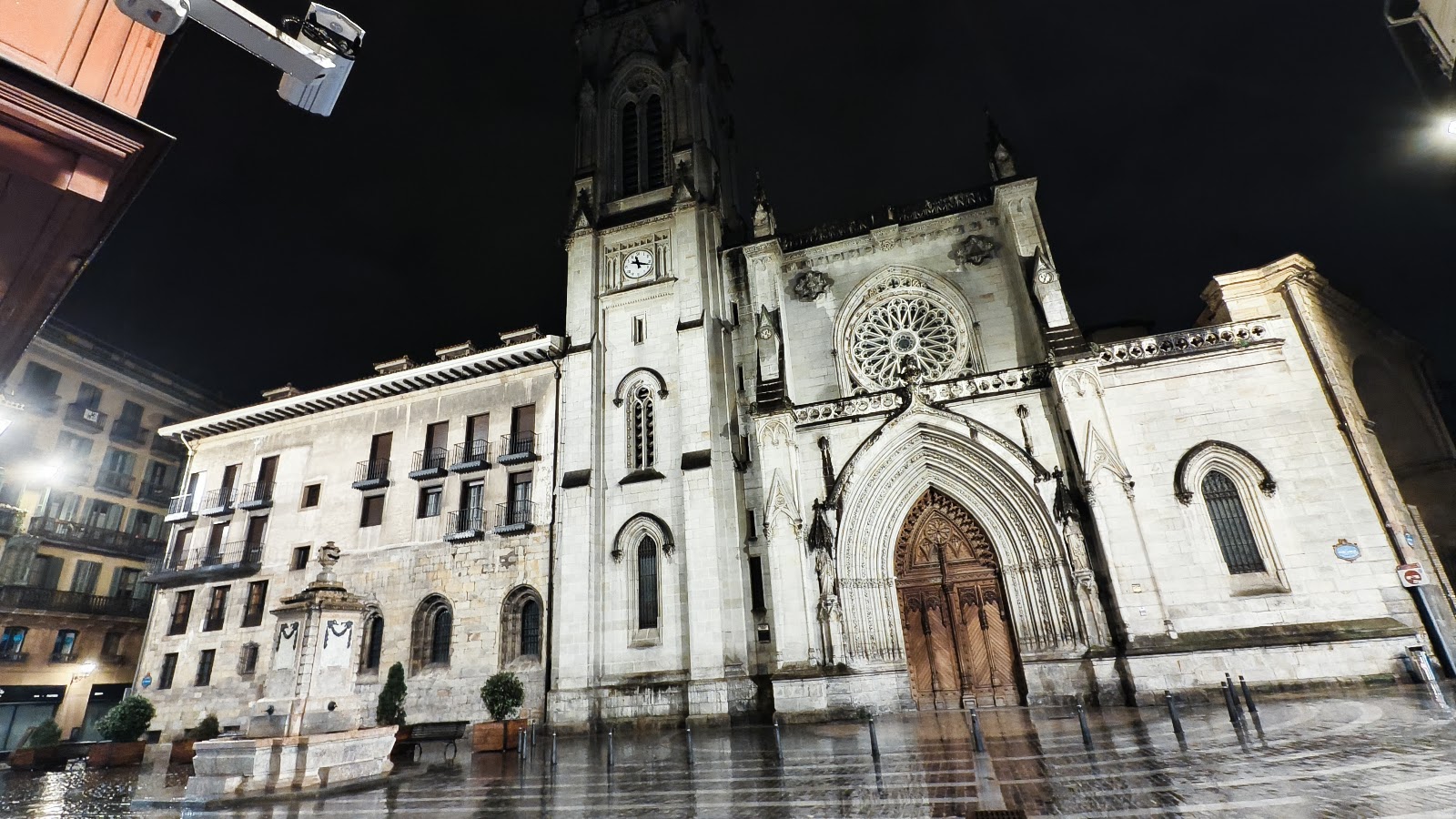
But the city runs deeper than that single building. The Casco Viejo's seven medieval streets — Somera, Artecalle, Tendería and the rest — were laid out in the 15th century and still function as a genuine neighbourhood, not a stage set. Bilbao is a place that rebuilt itself once already, and carries that confidence quietly.
💛 What travellers fall for
People who come back tend to sort out the Barik metro card on day one — a €3 card loaded at the machine, single journeys from €0.95, and those glass-tube Fosterito entrances that make arriving underground feel like a small event. They also tend to eat later than they planned, because the Casco Viejo has a way of extending evenings without asking permission.
Experiences you don't want to miss


Deals in Bilbao
Book directly at the provider
How Bilbao came to be
Diego López V de Haro founded Bilbao by charter on 15 June 1300, confirmed by King Ferdinand IV of Castile the following January. The city's position on the Nervión estuary made it commercially strategic almost immediately: in 1310, María Díaz de Haro extended trade privileges and made Bilbao the obligatory passage for Castilian goods bound for the sea. By 1372, King John I declared it a free port, waiving customs duties entirely.
For centuries it grew on trade, then on iron and steel. Population leapt from 11,000 in 1880 to 80,000 by 1900, driven by industrial expansion. By the mid-1980s that same industry had collapsed, leaving high unemployment and shuttered factories along the waterfront. The Guggenheim, inaugurated in October 1997, became shorthand for the city's reinvention — though the reinvention itself was more gradual, and more municipal, than any single building suggests.
Who and what shaped it
People who shaped it
Landmark buildings
See Bilbao in motion
Plan your visit
On the map
When to go
Bilbao is wet by Spanish standards — the Basque coast pulls Atlantic weather year-round, so rain is always possible. Summer (July–August) is mild and the driest stretch; spring and autumn bring green hills and manageable crowds; winter is cool and damp but rarely severe.
Right now
↡ Attractions

Background & history adapted from Wikipedia (CC BY-SA) · specs from Wikidata (CC0) · weather from Open-Meteo · map data © OpenStreetMap contributors · photos from Wikimedia Commons / Unsplash with per-image credit. No third-party reviews or social posts reproduced.