
Funicular de Artxanda
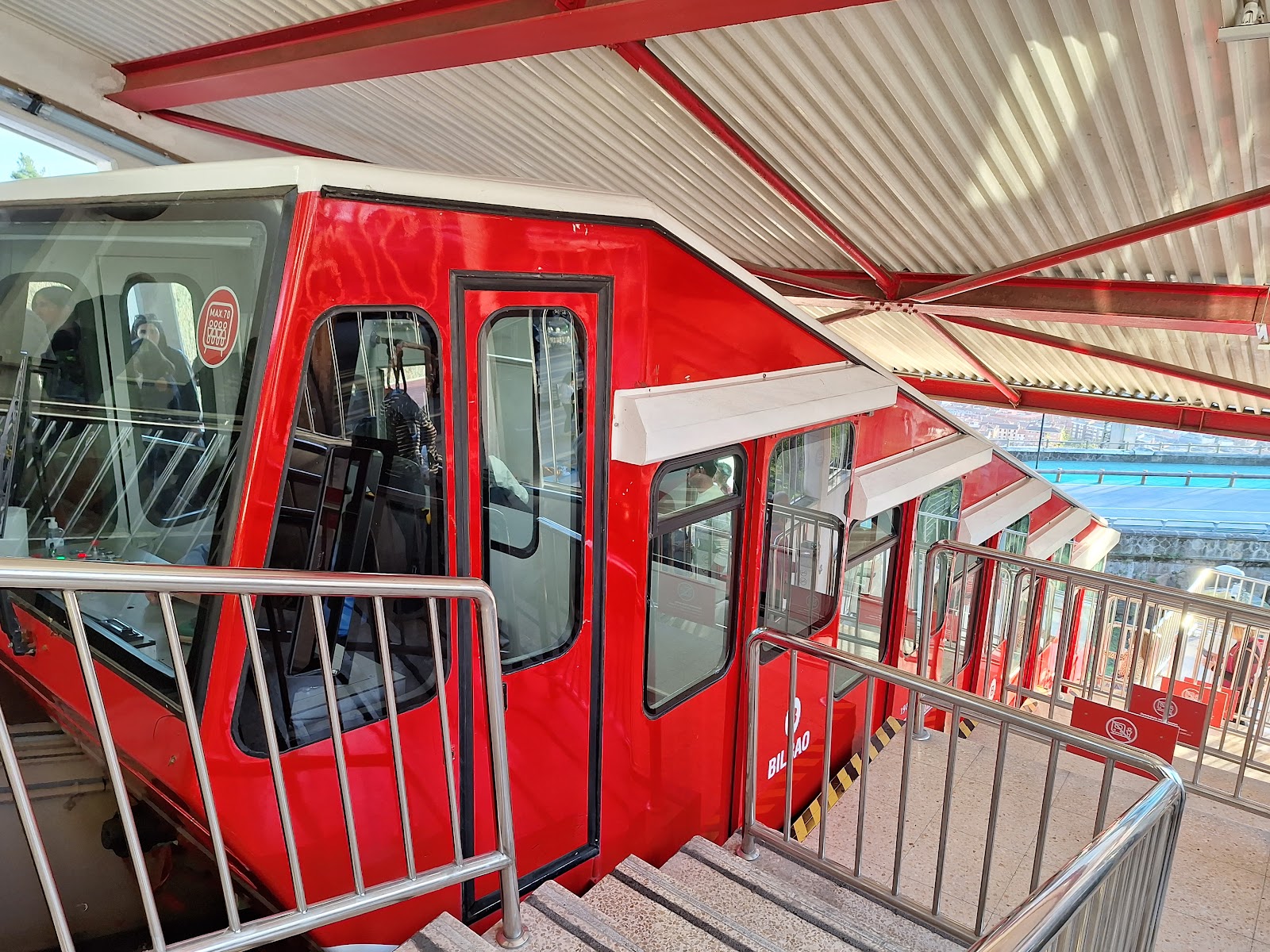
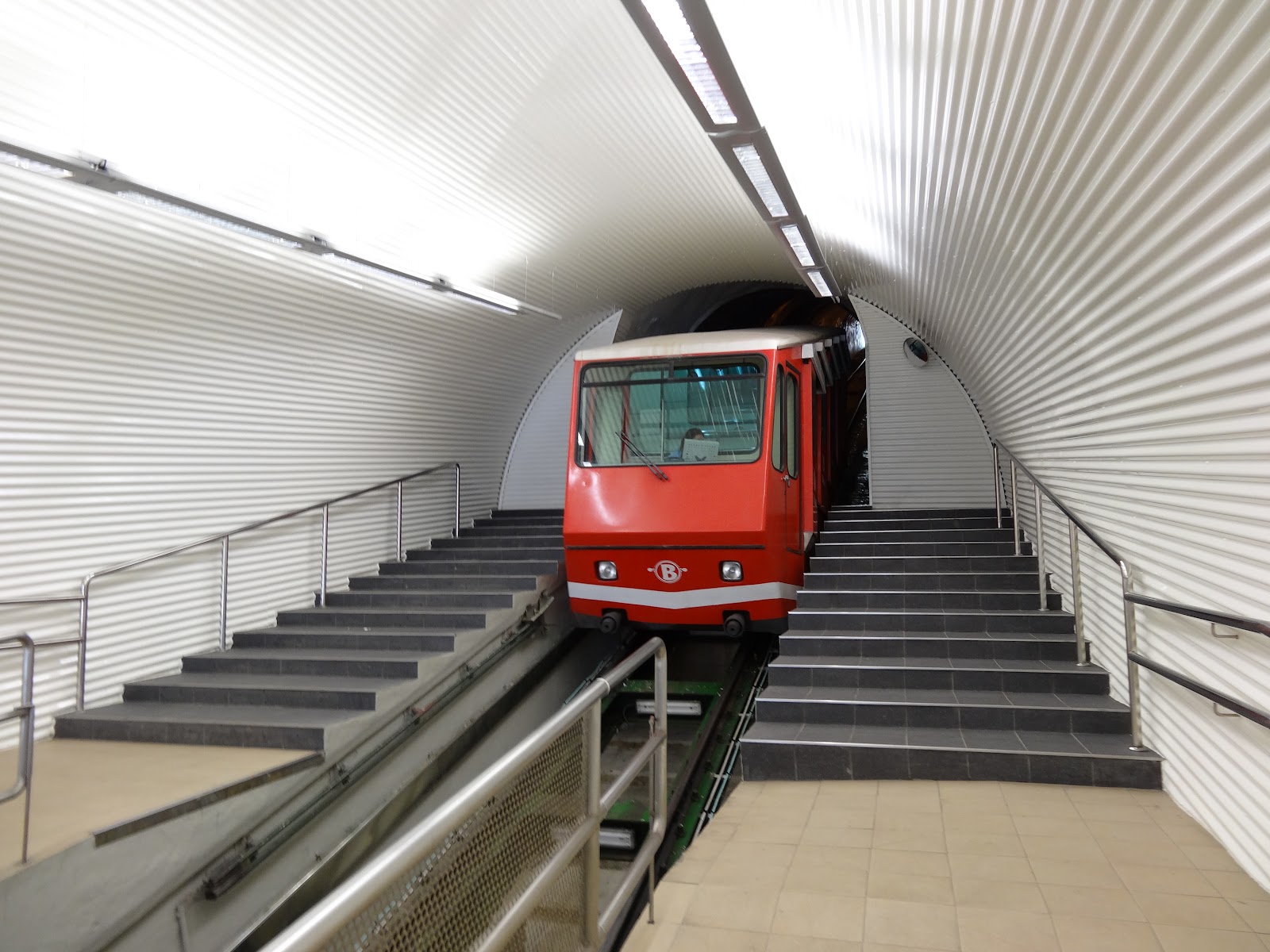
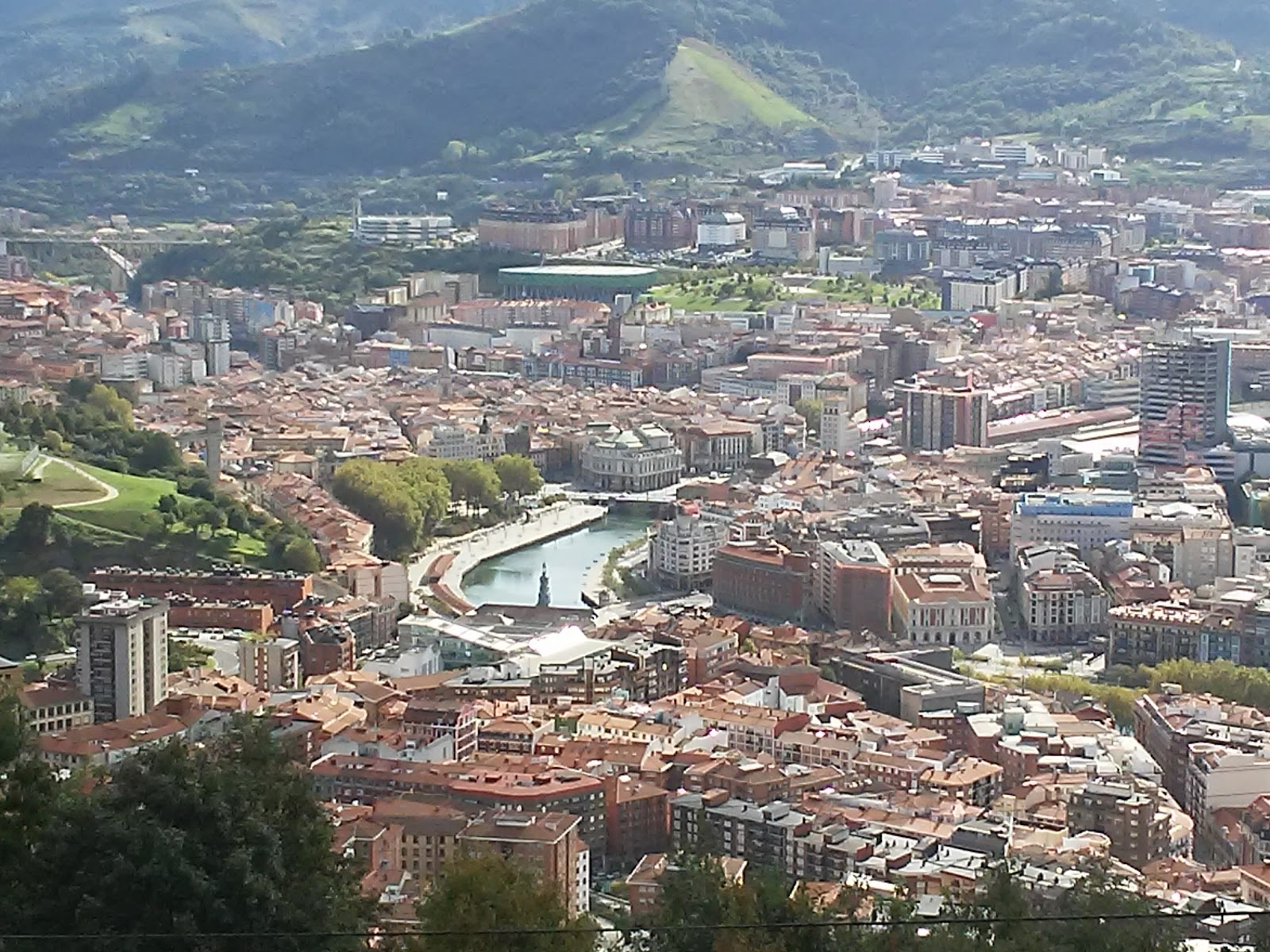
The funicular leaves from a quiet street just north of the Zubizuri bridge, and three minutes later you're standing 226 metres above the city, watching the Guggenheim shrink to a silver smudge beside the river. The cars follow a route that kinks mid-climb — an intermediate curve that sets this line apart from straighter mountain railways — and on a clear day the summit view opens past the Txorierri valley all the way to the sea.
At the top, the pace shifts. There are frontons, tennis courts, a hotel, and a couple of txakoli restaurants where Bilbainos have been eating grilled meat and drinking local wine since the line first ran in 1915.
💛 What travellers fall for
Regulars pick up a Barik card — the contactless transit card that cuts the round-trip cost from €4.30 to €1.30. They tend to go up late afternoon when the light flattens into something photogenic, eat at Txakoli Ballano or Txakoli Jatetxea, and walk back down past the Hermitage of San Roque rather than taking the return car.
The story behind Funicular de Artxanda
A cable railway to Artxanda was first floated in 1901, with engineer Bernardo Jiménez drawing up a cogwheel project, but funding never materialized. The idea waited until Evaristo San Martín y Garaz revived it — his design was approved by the Department of Public Works in 1915, built by Swiss mountain-railway specialists Von Roll, and the first car made the climb on October 7 of that year. The summit quickly became a retreat for Bilbao's bourgeoisie, drawn by a casino and open-air txakolis.
The line has survived two closures. Nationalist bombing in June 1937 destroyed the tracks and upper station; service resumed in July 1938. A 1976 accident shut it again, and flood damage in 1983 added another interruption before it reopened for good that November. The original gear mechanism from the early machinery survives near the lower station.
Good to know
The lower station is a short walk from the Guggenheim and Zubizuri Bridge. Trains run every 15 minutes; the first Saturday of each month a guided tour covers the funicular's history. Bikes and leashed pets travel in a dedicated compartment. Summer hours extend to 23:00 on Fridays and Saturdays.
Bilbao's Atlantic weather means rain is possible any month, and Artxanda sits exposed enough to feel it. Summer afternoons are the most reliable for long views toward the sea; autumn and winter visits are fine but come prepared for low cloud that can close in the panorama entirely.
Where is Funicular de Artxanda?
More tickets & tours for Funicular de Artxanda
Book directly at the provider
What travellers say about Funicular de Artxanda
Would have been better on a sunny day but the clouds did lift while we were there. The entrance to the funicular is tricky to find. At the top we walked up the road to the little church which has been tagged and has someone living in a tent in the verandah. You can see the airport and rural views as well as the city. The gardens were being manicured ready for summer rush.
Tremendous view of Bilbao plus a beautiful park. Worth a visit on any trip to Bilbao. Use your Barik card both ways (best deal). Dogs are welcome.
Definitely worth going in the morning to make the most of it. There are several parks and walking trails, which makes it perfect for a relaxed and scenic outing. A great way to enjoy nature and a fresh start to the day!
- Good view and an event for tourists. - You can climb here from 43°16'01.4"N 2°54'51.3"W by following the inside forest road that becomes a normal road after a while. It takes approximately 20 or 25 minutes to arrive the road below the funicular and you have to walk another 500 m to reach the top. Remember that it takes some effort since the road is elevated. So, please refer to the other resources before using inside forest road. - You can use your the card, Barik, here that you’ve probably already bought it at the airport. - The photos and the prices are from 09.02.2026.
Get barek card for travel around Bilbao, can get funicular, trams, buses and use the metro for pennies. Well worth it even if you’re there for few days. The funicular was great. At the stop the have Bilbao in red metal great for photo
More of Bilbao
Discover where to stay, what to do and the best deals for your trip.
Explore Bilbao →More attractions in Bilbao
All of Bilbao →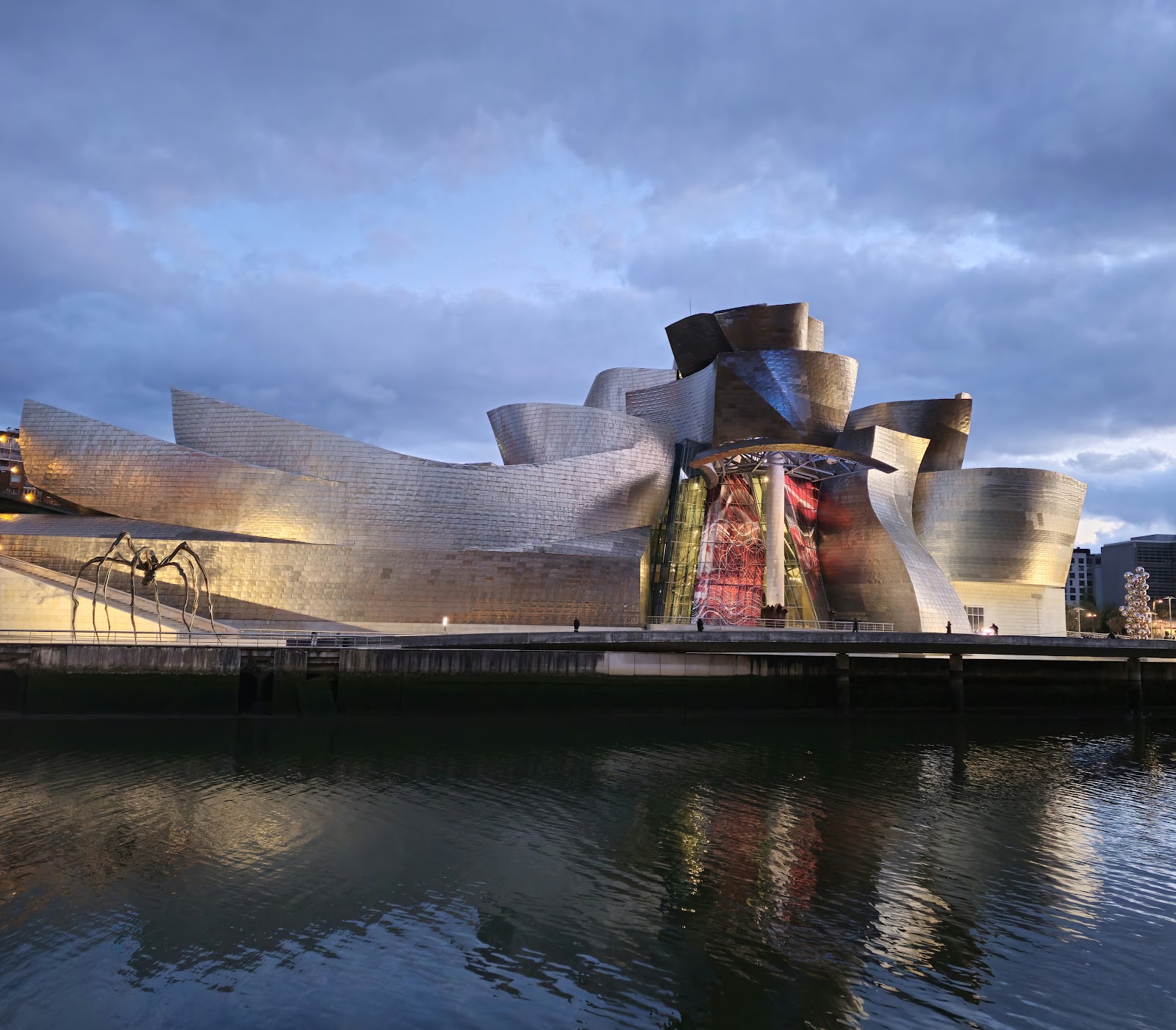
Background adapted from Wikipedia (CC BY-SA) · map data © OpenStreetMap contributors · ratings & place photos via Google · other photos with per-image credit. Ticket links may earn us a commission at no extra cost to you.