
San Mamés Stadium
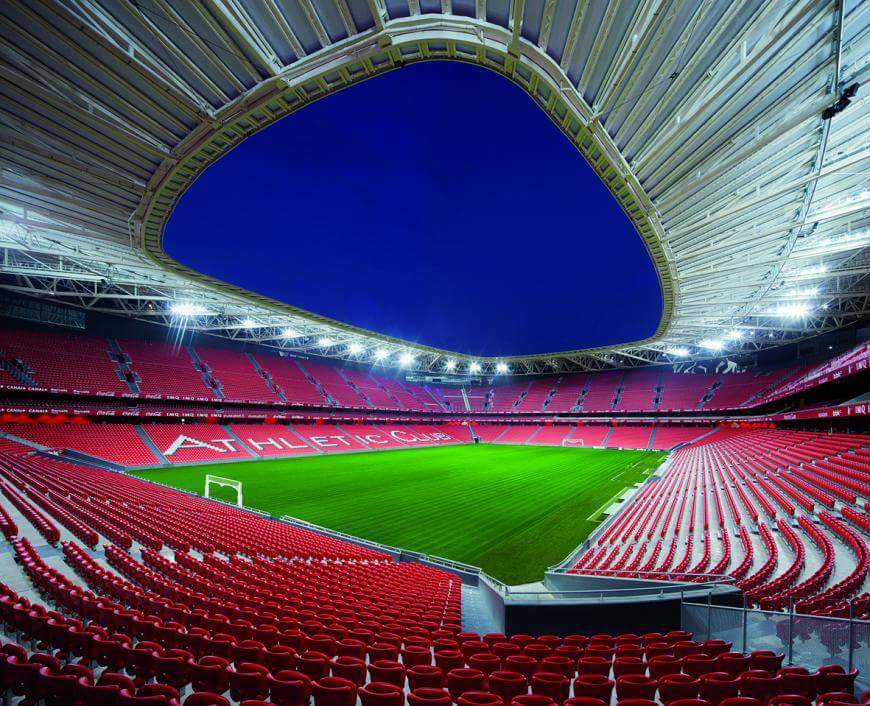
The pitch at San Mamés sits 7.8 metres below street level, so when you descend into the bowl for the first time, the scale of it arrives all at once — 53,331 seats stacked in three steep tiers, the white ETFE roof catching the Basque light overhead. This is Athletic Club's ground, and Athletic Club's alone: a club that has never been relegated from La Liga and has always fielded players from the Basque Country.
The current stadium opened on 16 September 2013, just 102 days after the last match was played on the old site. César Azcárate Gómez and the IDOM firm kept the address and the name, but built something entirely new around a pitch that now meets UEFA standard in every dimension.
💛 What travellers fall for
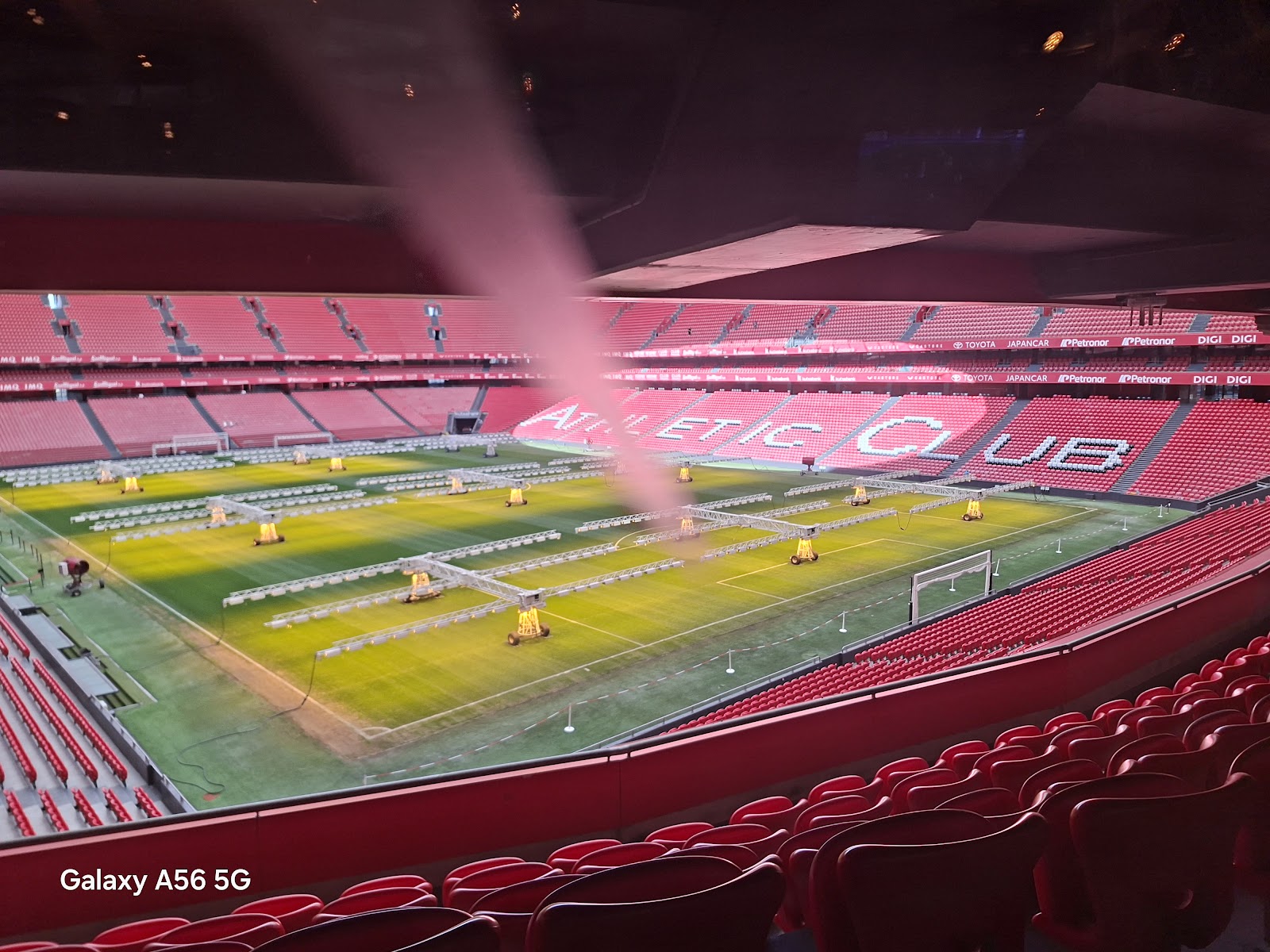
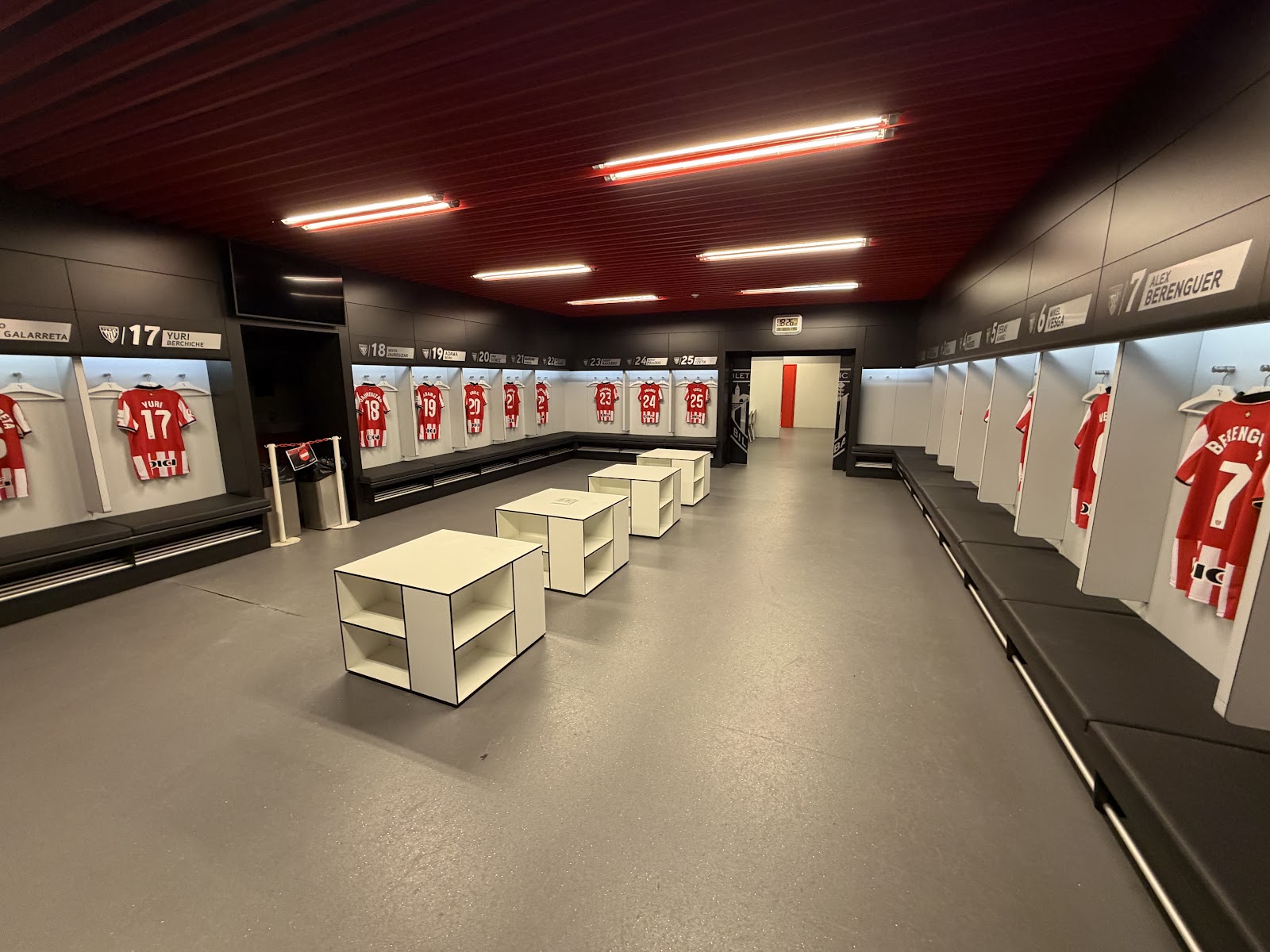
People who come back tend to walk Pozas Street about two hours before kick-off — the pintxos bars fill early and the chanting starts well before anyone's inside. On non-match days, the 45-minute pitch-level tour earns its ticket price: standing in the away changing room, then walking the tunnel to the edge of the grass, reorients the whole stadium.
The story behind San Mamés Stadium
The original San Mamés opened on 21 August 1913, designed by Manuel Maria Smith with an initial capacity of 7,000. Its first match was a replay of the Copa del Rey Final against Racing Club de Irún; the first goal was scored by the player known as Pichichi, whose name now graces La Liga's top-scorer award. The ground was expanded in 1952 and renovated again for the 1982 FIFA World Cup.
Planning for a replacement began in 2004, with ground broken on 26 May 2010. When Athletic played their last La Liga match at the old stadium — a 0–1 loss to Levante on 26 May 2013 — three-quarters of the new structure already surrounded it. The old ground was demolished around and beneath the new one, leaving the same address, the same name, and a roof extension that was completed in November 2016.
Good to know
The Metro drops you at San Mamés station on Lines 1 or 2 — the entrance is right there. Tours run daily except match days, when the museum closes two hours before kick-off and the stadium four hours before. Adults pay €14; children under five are free. No public parking on site.
Where is San Mamés Stadium?
More tickets & tours for San Mamés Stadium
Book directly at the provider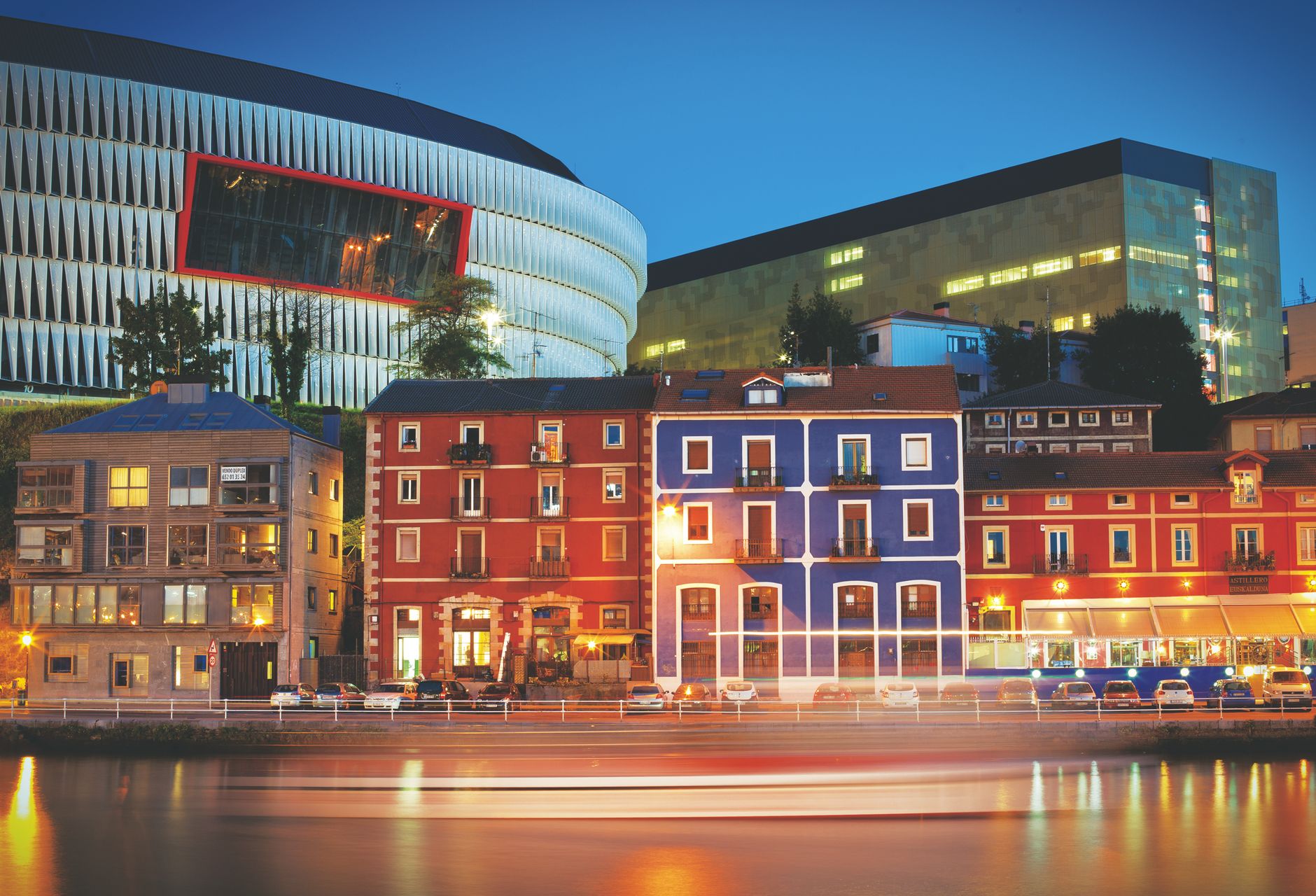
What travellers say about San Mamés Stadium
Amazing stadium.. was at the rugby Champions European cup final... located right in middle of city and lots of bars close by. Amazing atmosphere.. am sure a local game with Athletic Bilbao would be incredible!
i bought tickets (nosebleed section but EXCELLENT views) when I knew I would be in Bilbao the weekend they were playing Valencia. It was such a fun afternoon (even tho Bilbao lost 0-1). The stadium is incredible - it has a retractable roof that is highly transparent, letting in natural light while providing rain protection. The only reason I knew it had stopped raining and the roof was open was a slight breeze could be felt. Also, very impressed by the staff. I use a cane and they took me up to this top floor by elevator and very patient and kind. I did not buy any food or beverages so can't speak to that but the crowd was fantastic - rowdy but in a totally good way and security is very tight!! Absolutely loved it.
This stadium is the home of Athletic Club and was completed in 2013 to replace the historic old San Mamés ground. With a capacity of around 53,000 spectators, it was designed by the architectural firms ACXT and IDOM and named after Saint Mammes, preserving the legacy of its predecessor. More than just a football venue, the stadium stands as a powerful symbol of Basque identity and pride. Its famous nickname, La Catedral, reflects the almost religious devotion of Athletic Club supporters and the club’s deep roots in local culture and tradition. Architecturally, the stadium is distinguished by its semi-transparent exterior panels, which shift in color depending on matches and events, giving the building a striking and dynamic presence both day and night. Even on non-match days, visitors can take part in guided stadium tours, offering a chance to explore the interior and learn more about the club’s unique history and philosophy.
Beautiful stadium, exterior and interior. Easy to access via the many modes of public transport. Entrance gates moved fast and orderly. Lots of toilets inside. Did not seem like many food options though. Great atmosphere nonetheless.
This totally ‘refurbished’ stadium is in the centre of Bilbao. The best way to travel is by metro (just follow the crowd). On your way to the stadium you will find many overcrowded pubs 😀. The stadium is spectacular and is built to fully experience the game from close by, like the British. The acoustics are amazing and the crowds are unique, chanting whether the team is winning or losing. If you like football, this one should be on your list ⚽️🥅🏟️
More of Bilbao
Discover where to stay, what to do and the best deals for your trip.
Explore Bilbao →More attractions in Bilbao
All of Bilbao →
Background adapted from Wikipedia (CC BY-SA) · map data © OpenStreetMap contributors · ratings & place photos via Google · other photos with per-image credit. Ticket links may earn us a commission at no extra cost to you.