
Mercado de la Ribera
Stand at the entrance on the Nervión riverbank and the scale of it stops you: 134 metres of Art Deco façade, stained-glass panels catching the Basque morning light, the whole thing shaped — if you squint from the right angle — like an upturned hull. Step inside and the smell does the rest: cold seawater, cured fish, and somewhere underneath, the quiet sweetness of tomatoes just off a truck from a caserio.
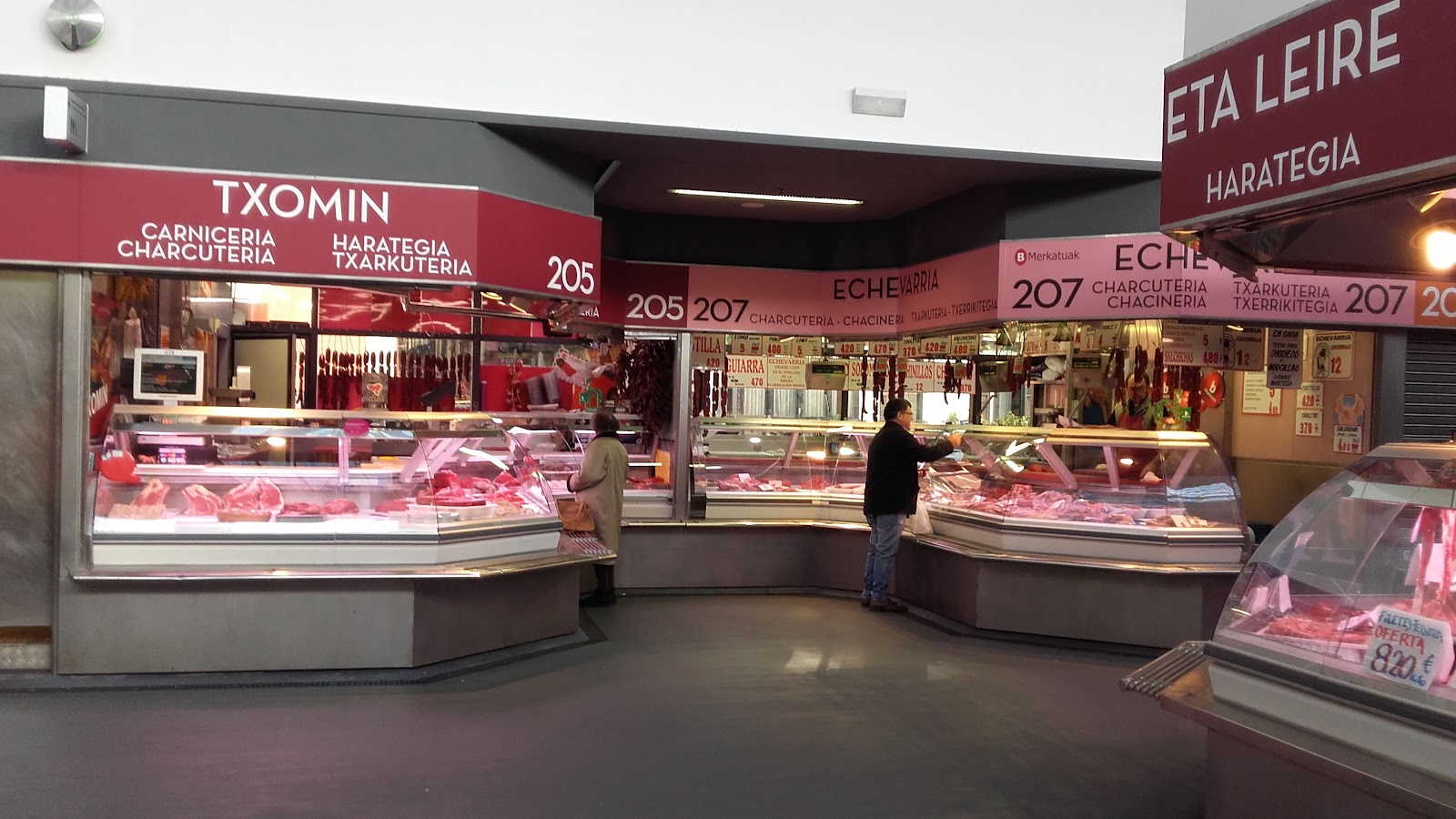
Mercado de la Ribera is a working municipal market, organised floor by floor — fish at ground level, meat above, then fruit and vegetables at the top. Stalls fly small Basque flags to mark local produce. The fishmongers wear white aprons and work fast over slick marble counters while live clams still click in their tanks.
💛 What travellers fall for
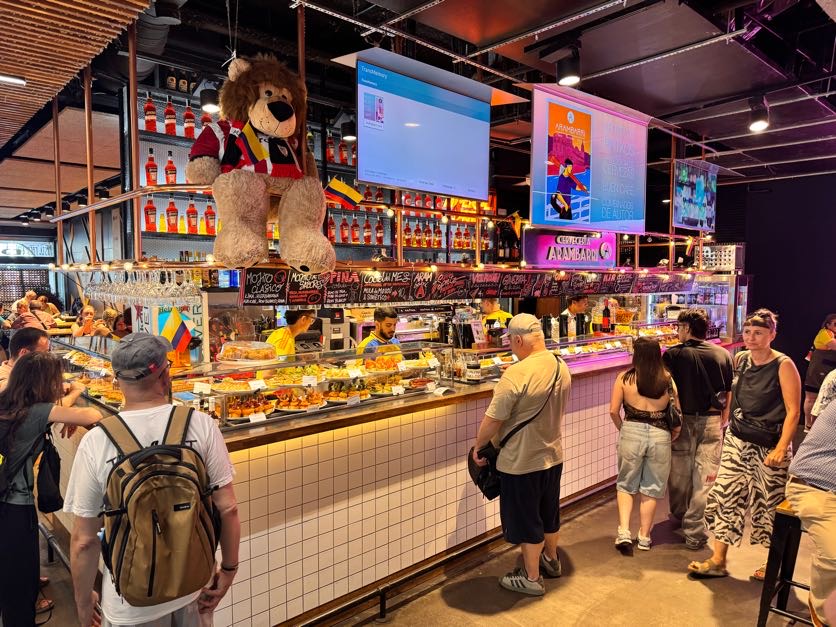
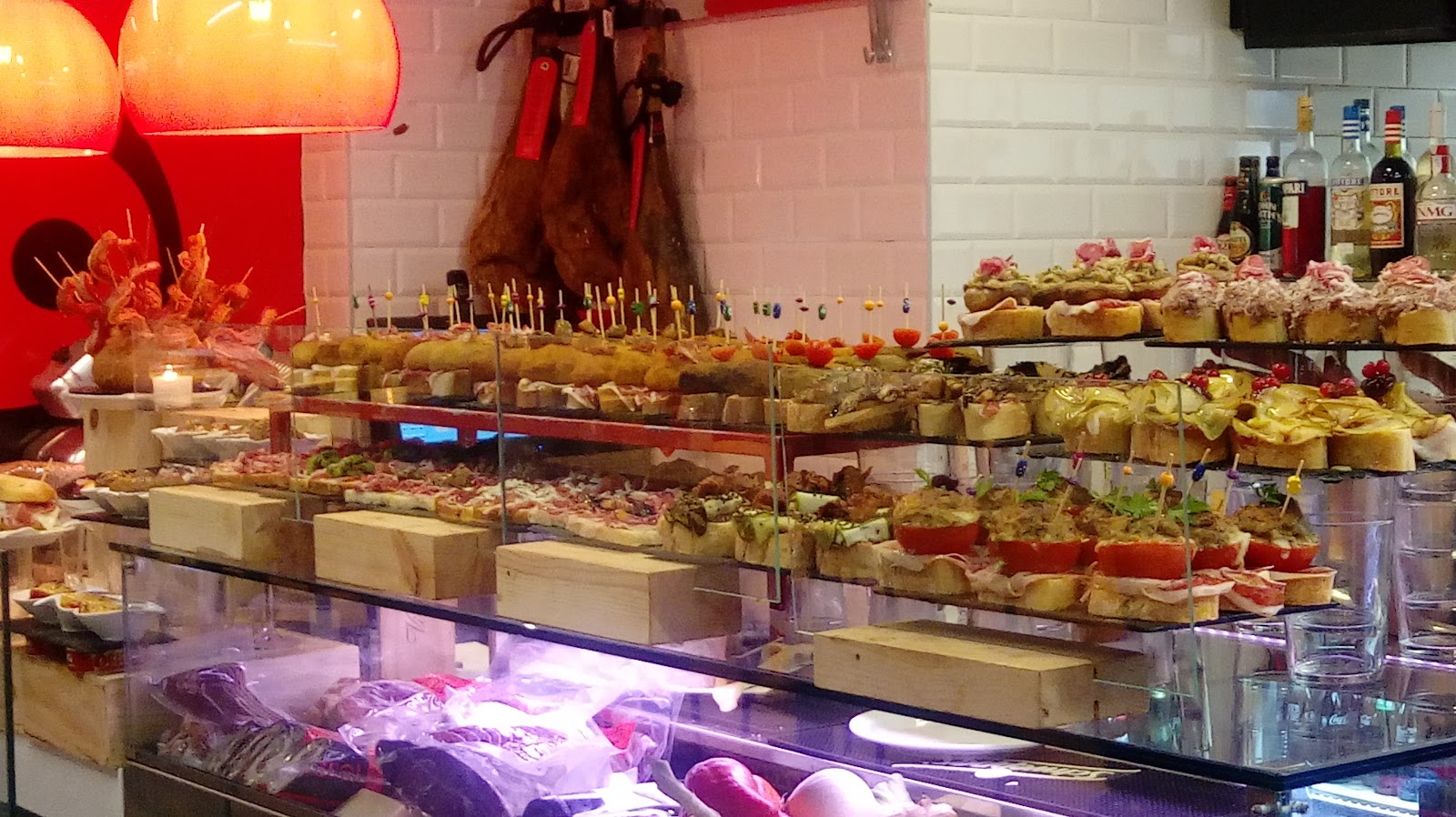
Regulars tend to arrive Tuesday through Thursday, somewhere between nine and noon — counters fully stocked, the lunchtime crowd not yet through the door. If you make it upstairs to the food court, La Bodeguilla is the place for a gilda: the classic guindilla-anchovy-olive pintxo, with more than thirty variations on offer. The ground-floor café has a terrace over the river and a modest stage that runs jazz most days.
The story behind Mercado de la Ribera
A market has stood on this stretch of the Nervión since at least the 15th century, and a municipal charter of 1300 already decreed a weekly market in Bilbao. The current building is the work of architect Pedro Ispizua Susunaga — who trained alongside Gaudí — commissioned after 1925 to replace whatever came before with something the city could be proud of. The structure was inaugurated on 22 August 1929 by General Miguel Primo de Rivera during Bilbao's Great Week celebrations.
In 1990 the Guinness World Records recognised it as the largest covered food market in the world. The 1983 floods damaged the building badly; the city restored it. A further renovation between 2009 and 2013 introduced universal-access ramps and elevators without dismantling the original logic of the place.
Good to know
Take the tram to the Ribera stop — it drops you at the entrance. Market stalls run Monday to Friday roughly 8am–2:30pm and again in the late afternoon, Saturday mornings only, closed Sundays. The gastrobar level keeps longer hours into the evening. Admission is free; elevators and ramps connect all floors.
Where is Mercado de la Ribera?
More tickets & tours for Mercado de la Ribera
Book directly at the provider
What travellers say about Mercado de la Ribera
This was on our list to see in Bilbao. While it was ok, there wasn’t much to see. Even the building itself is not too impressive as some Spanish markets are. On one side, it’s a (mostly fish) market. All the fish you’d like to see, and cuts of beef, and some vegetables. On the other side is the eating are with all the little local pintxos. The ones my husband got were warmed up in a microwave. It was ok to look at, but probably not the foodies’ place to eat. Budget an hour, if that, to check it off. One cool thing might be to take a cooking class here. The website/ QR code is one one of the pictures. The kitchen for the classes looked great, it’s on the second floor.
Quite the imposing, impressive building situated right on the riverfront - the market itself spans 2 floors and has a swathe of stalls within. Downstairs you can find a pleasant eating area with several small food stalls all selling similar pinchos, snack, and drinks, whilst opposite and upstairs you'll find your more traditional market stalls of butchers, fishmongers, bakers and more. Definitely worth a stop if you are in the area! Photos of some pinchos attached
Lively place to stop for some tapas. Great selection available. The upstairs market has good stalls including one that sells gf bread and pastries.
It's a nice covered market with a pintxos area, very good quality & taste, and you can enjoy your food & drink on the terrace overlooking the river. I visited first on a November Friday (early afternoon) and most of the market was close, only the pintxos area was open. Saturday morning was more lively, with locals coming to buy fresh fish and meat. I'd recommend checking the opening hours in advance, which I hadn't done. In fact, I expected something a bit like Mercado San Miguel in Madrid, which this market isn't. But it's nice and lively on a Saturday morning and definitely worth a visit.
At 6pm, the only stalls that work are the ones with pintxos. Everything else is closed. Pintxos did not look too appealing compared to the ones you can get in the bars in the old town. Probably this market is good if you visit early in the morning - I was misinformed by its working hours
More of Bilbao
Discover where to stay, what to do and the best deals for your trip.
Explore Bilbao →More attractions in Bilbao
All of Bilbao →
Background adapted from Wikipedia (CC BY-SA) · map data © OpenStreetMap contributors · ratings & place photos via Google · other photos with per-image credit. Ticket links may earn us a commission at no extra cost to you.