
Toledo
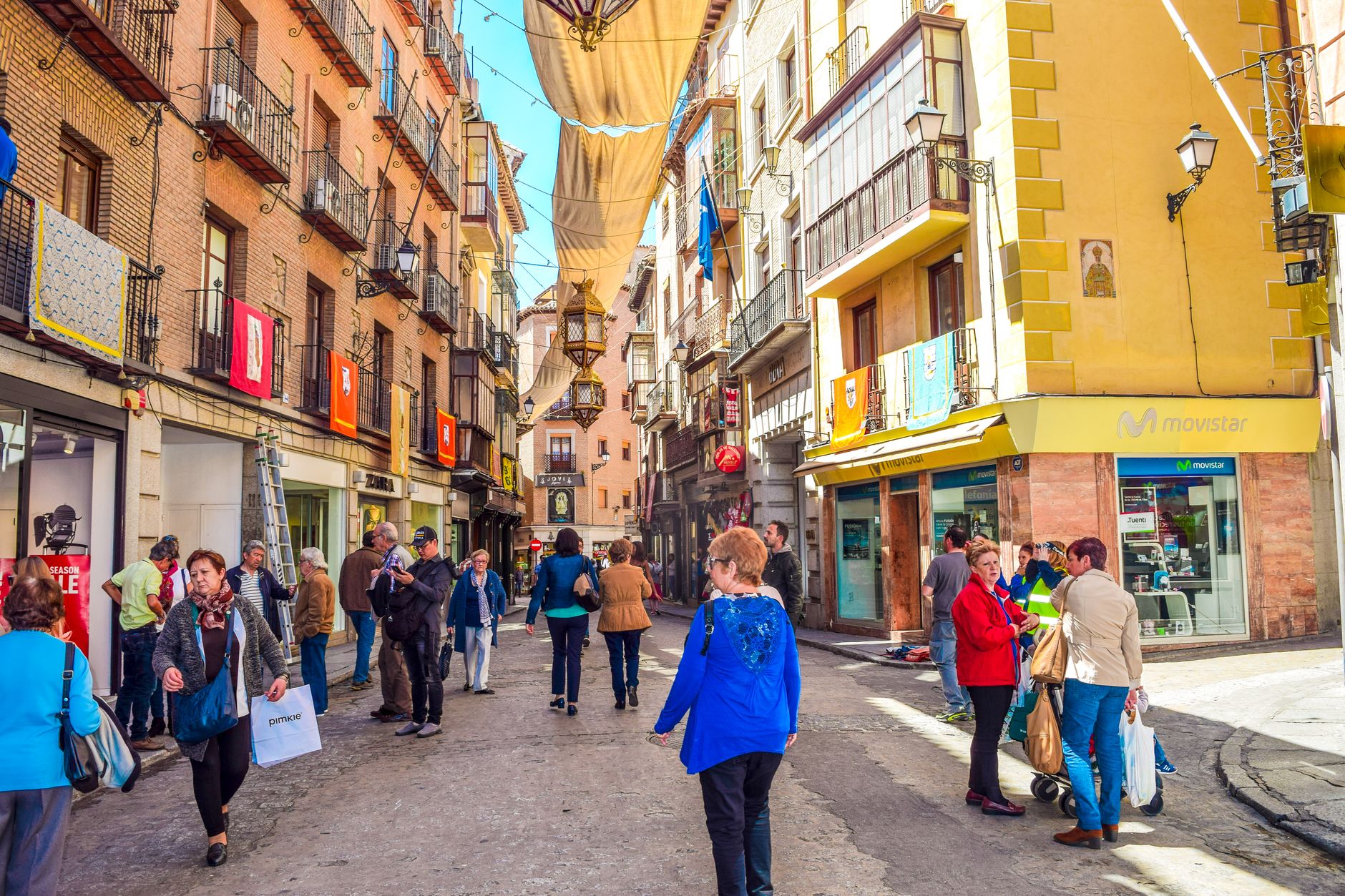
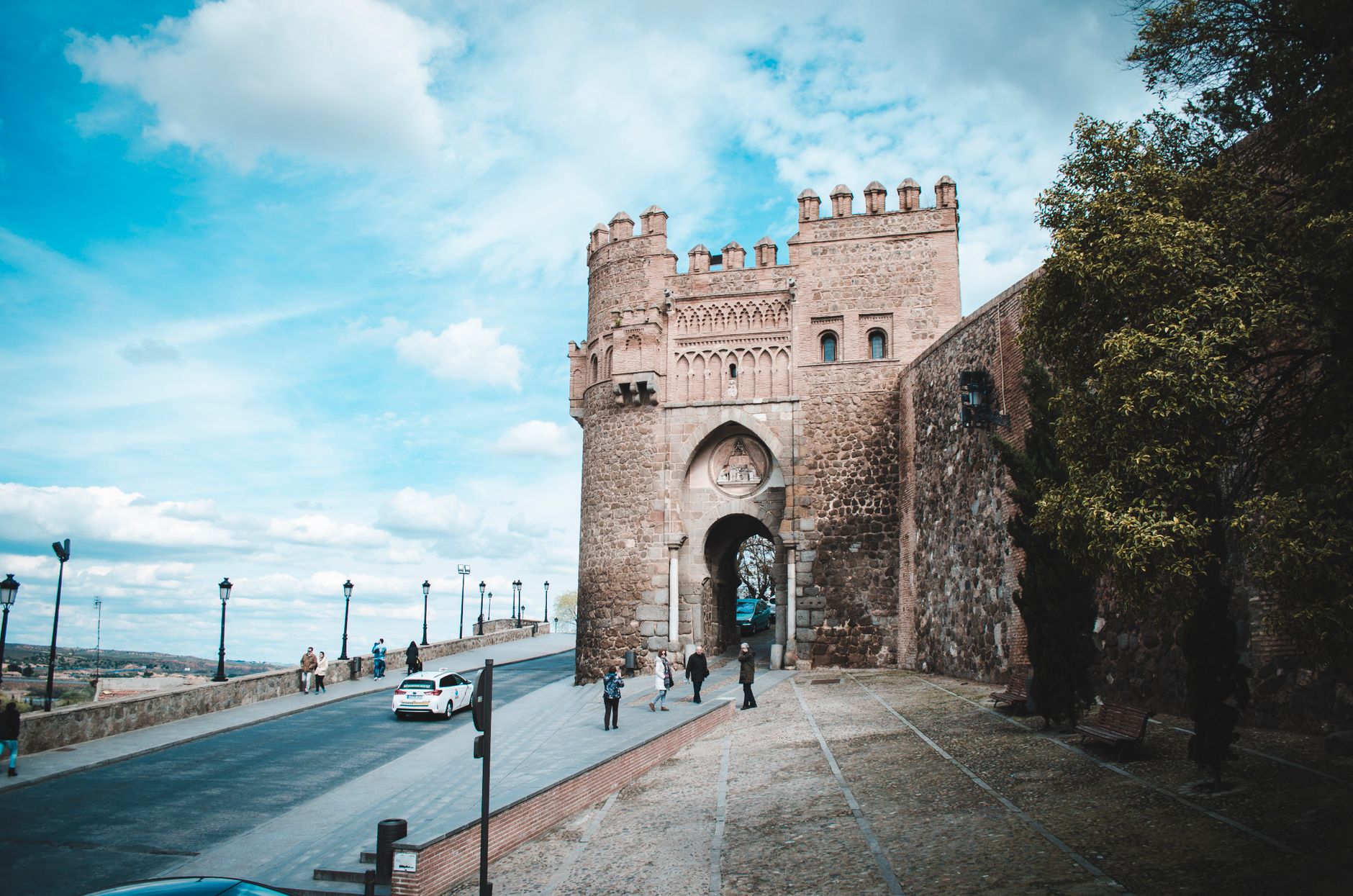
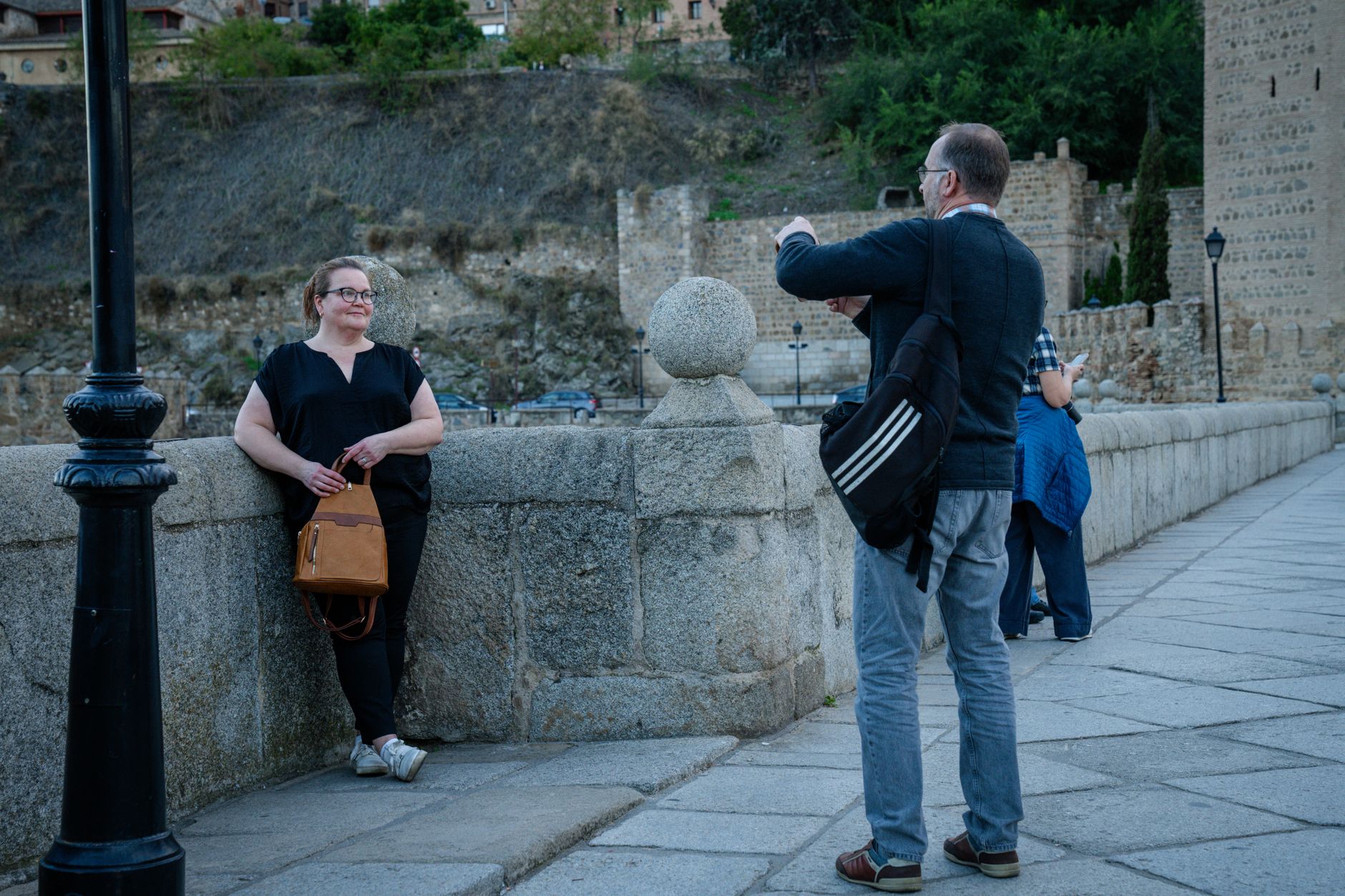
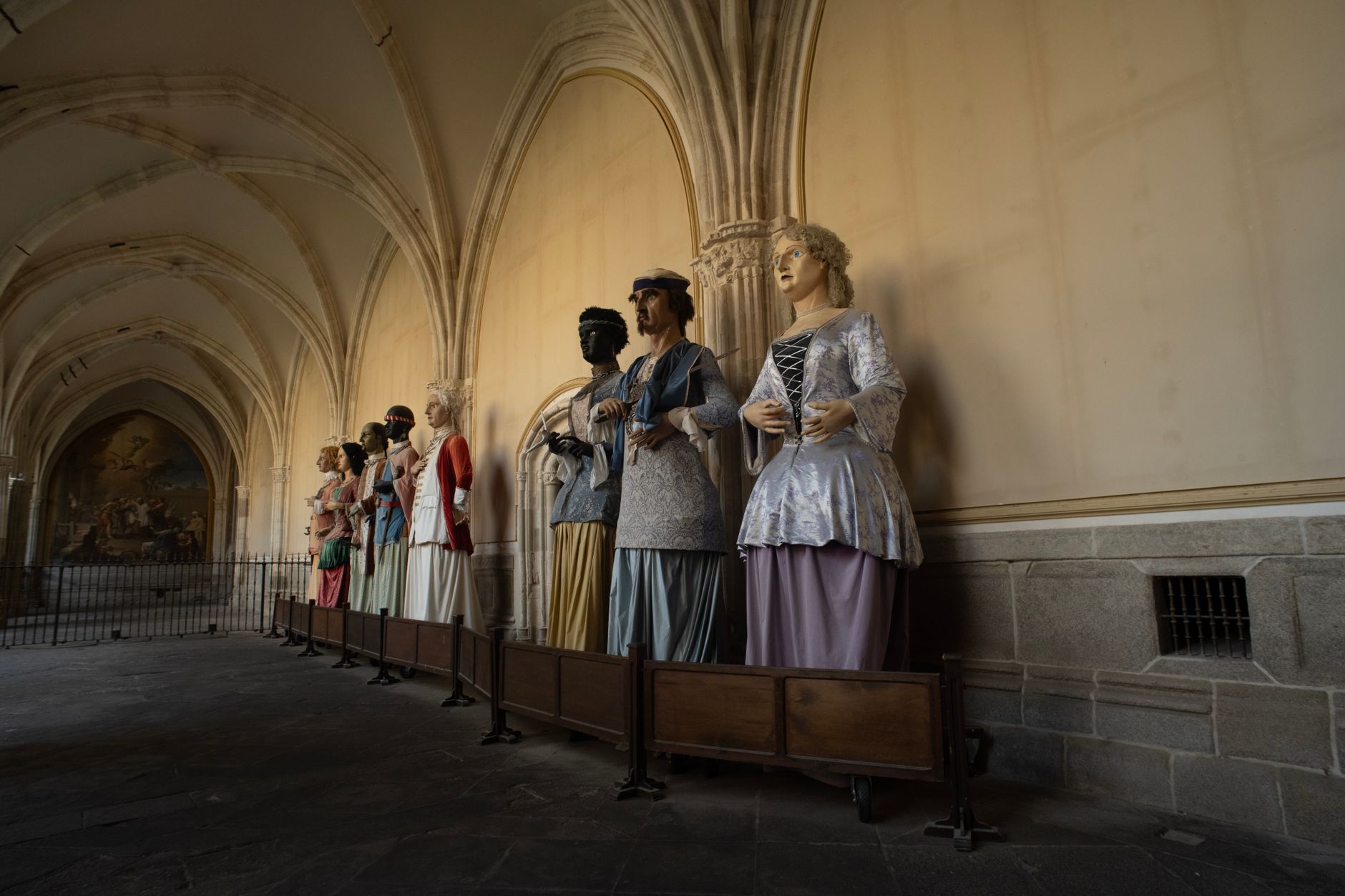
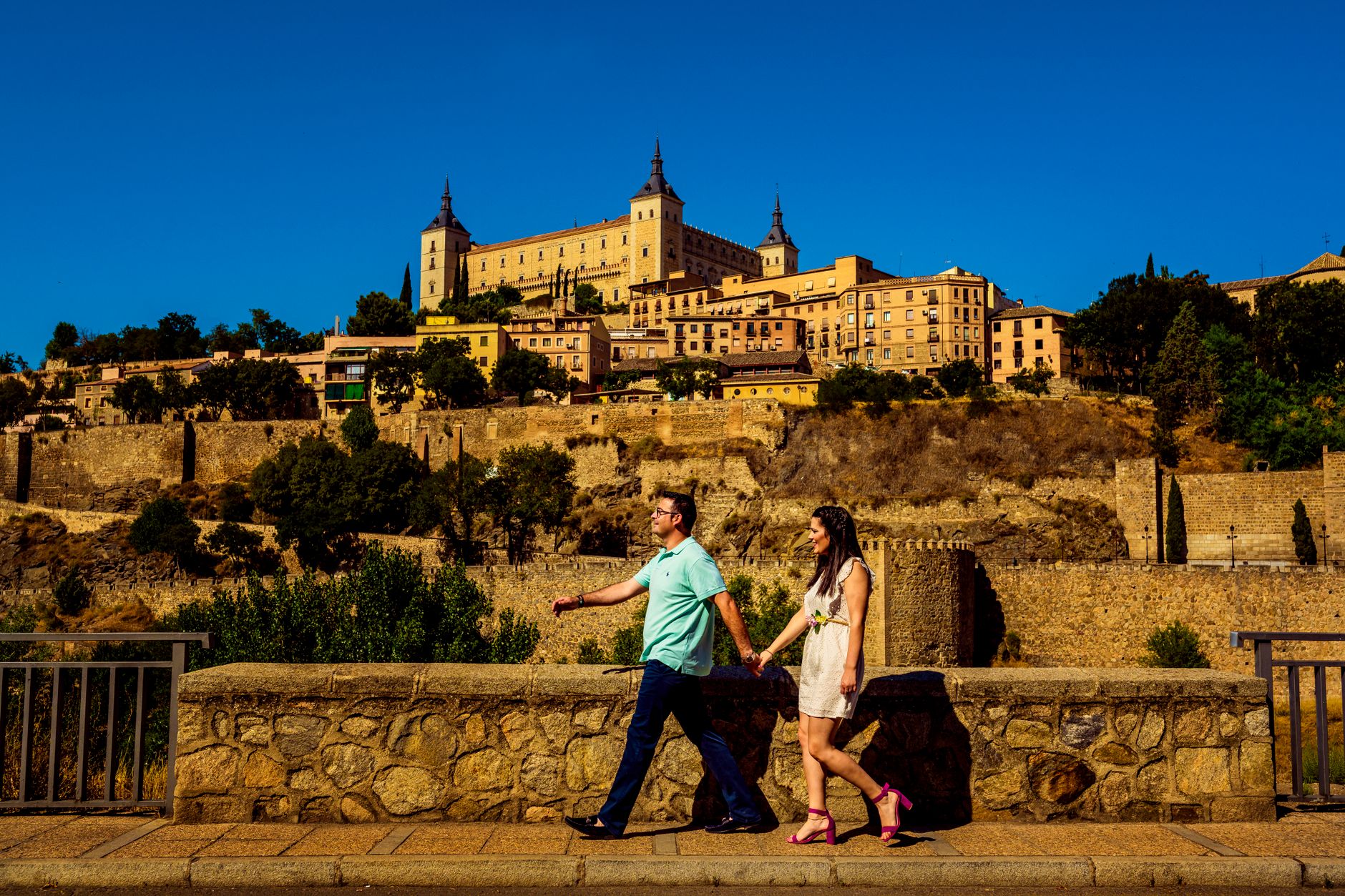
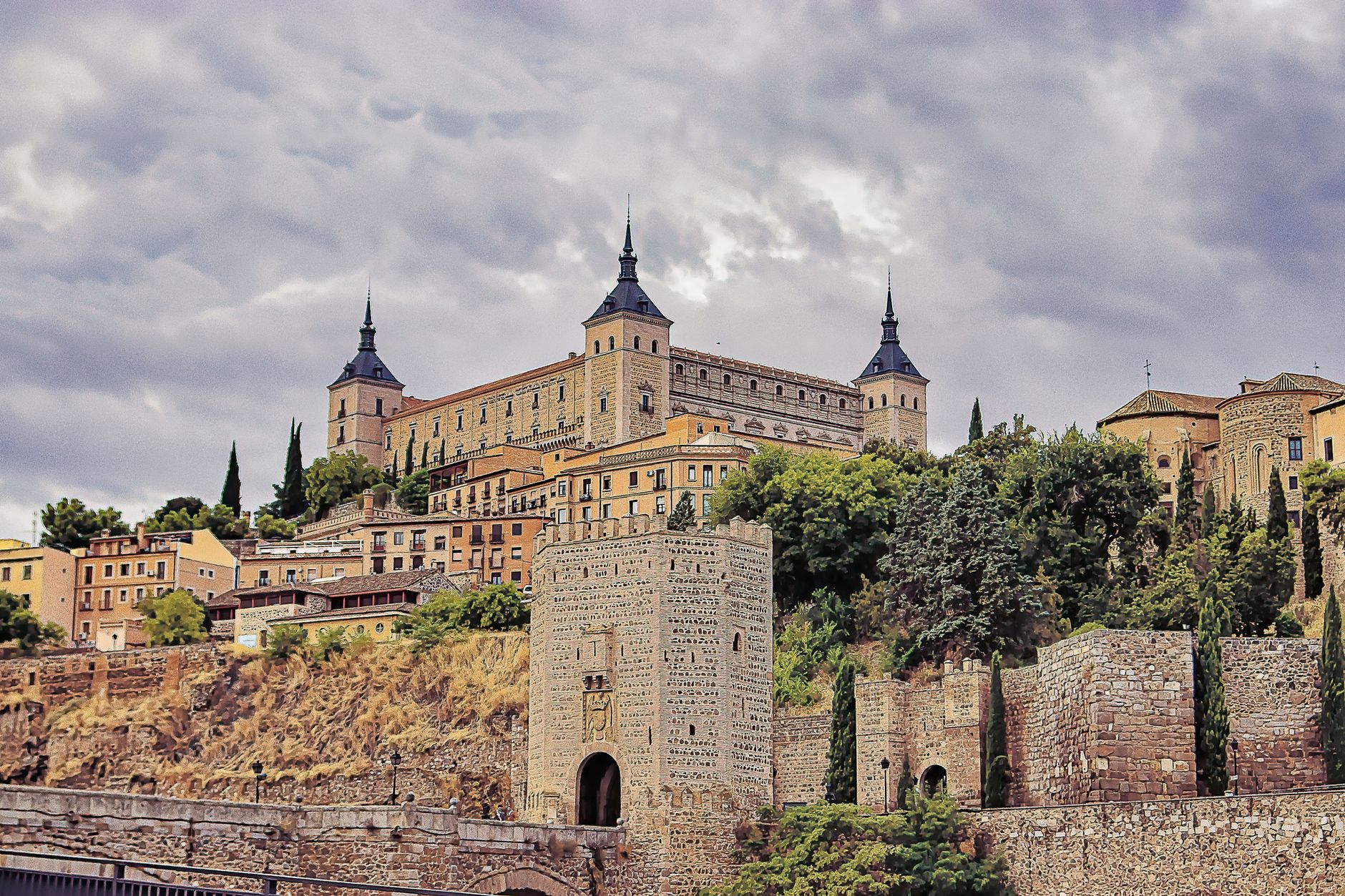
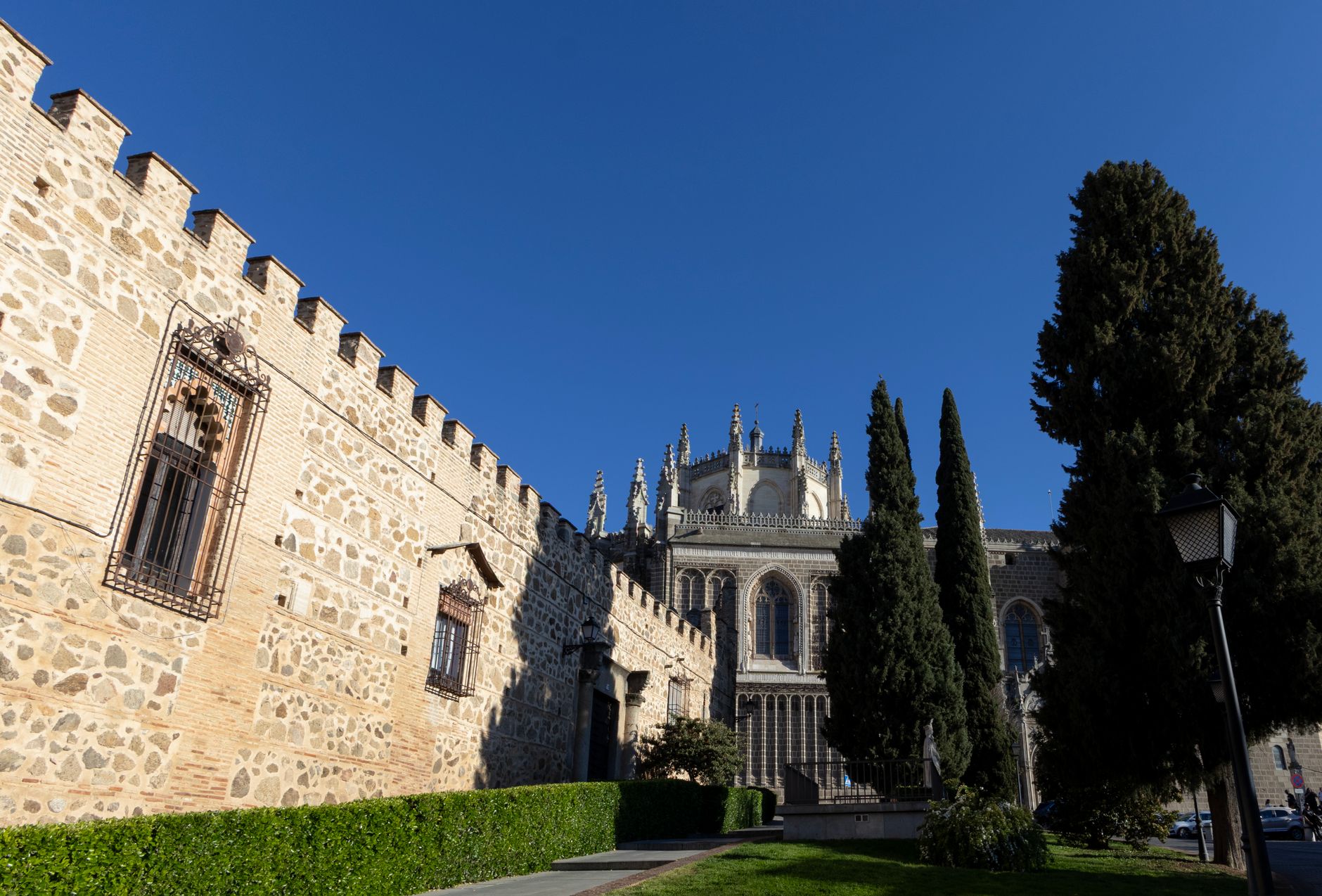
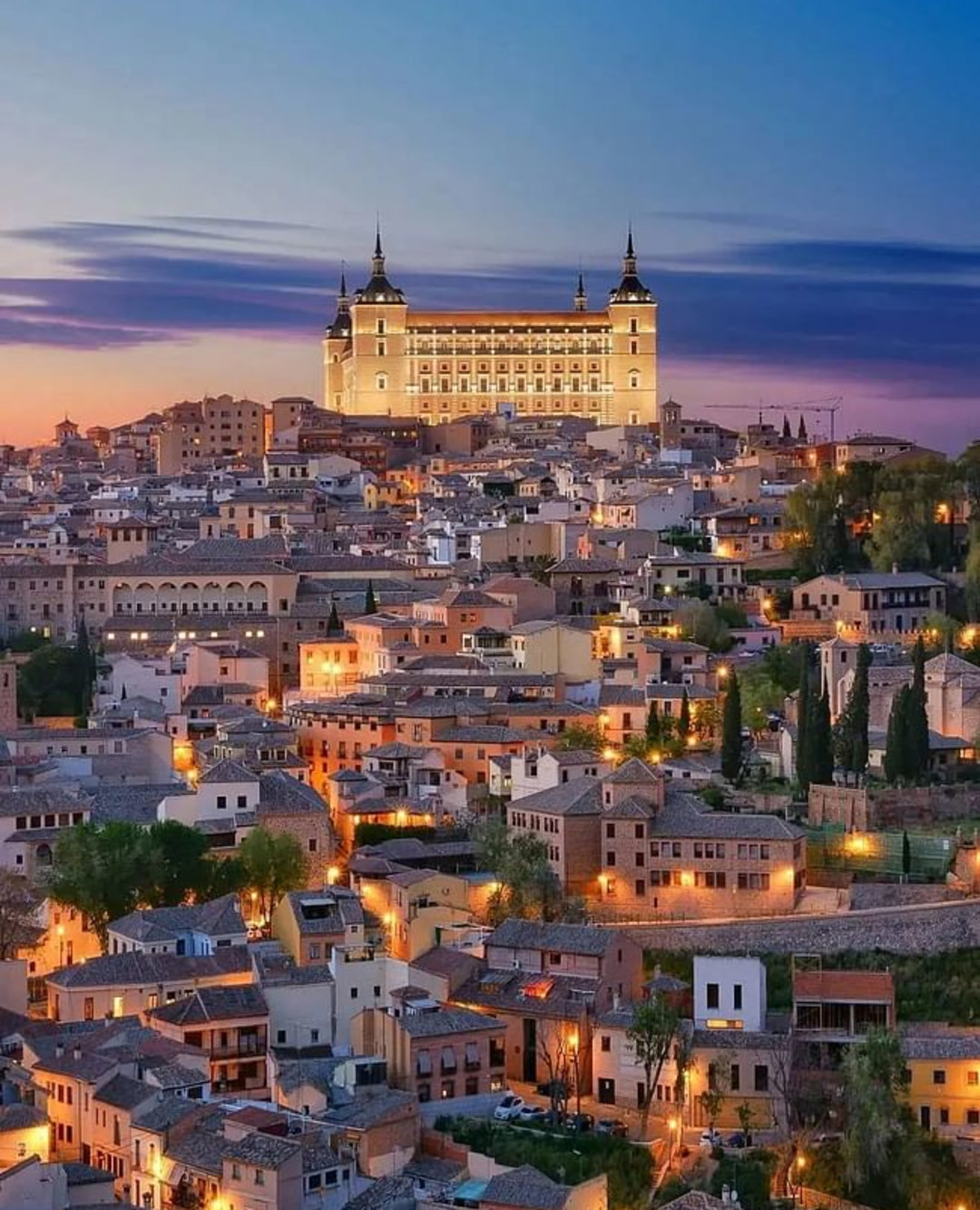
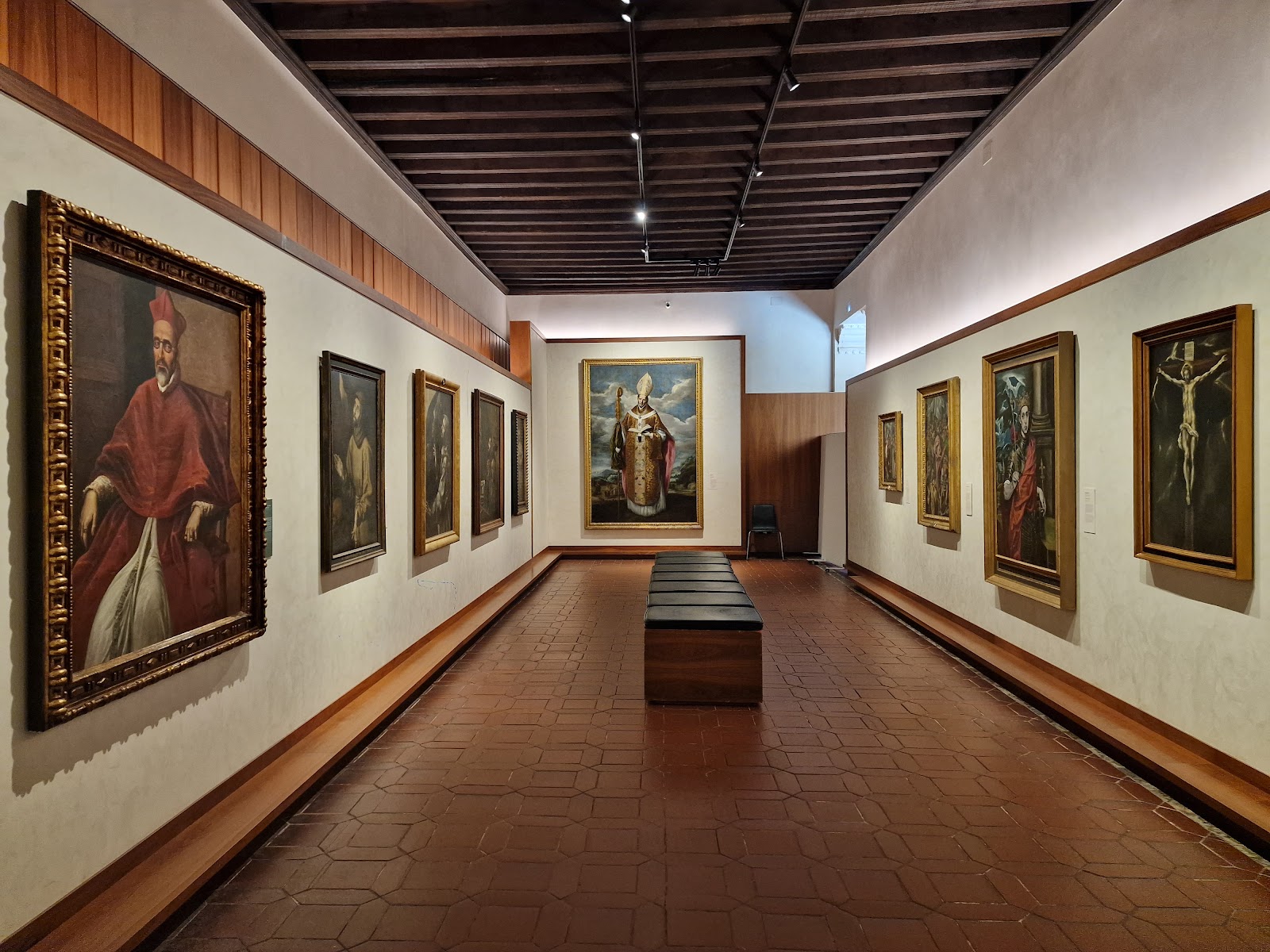
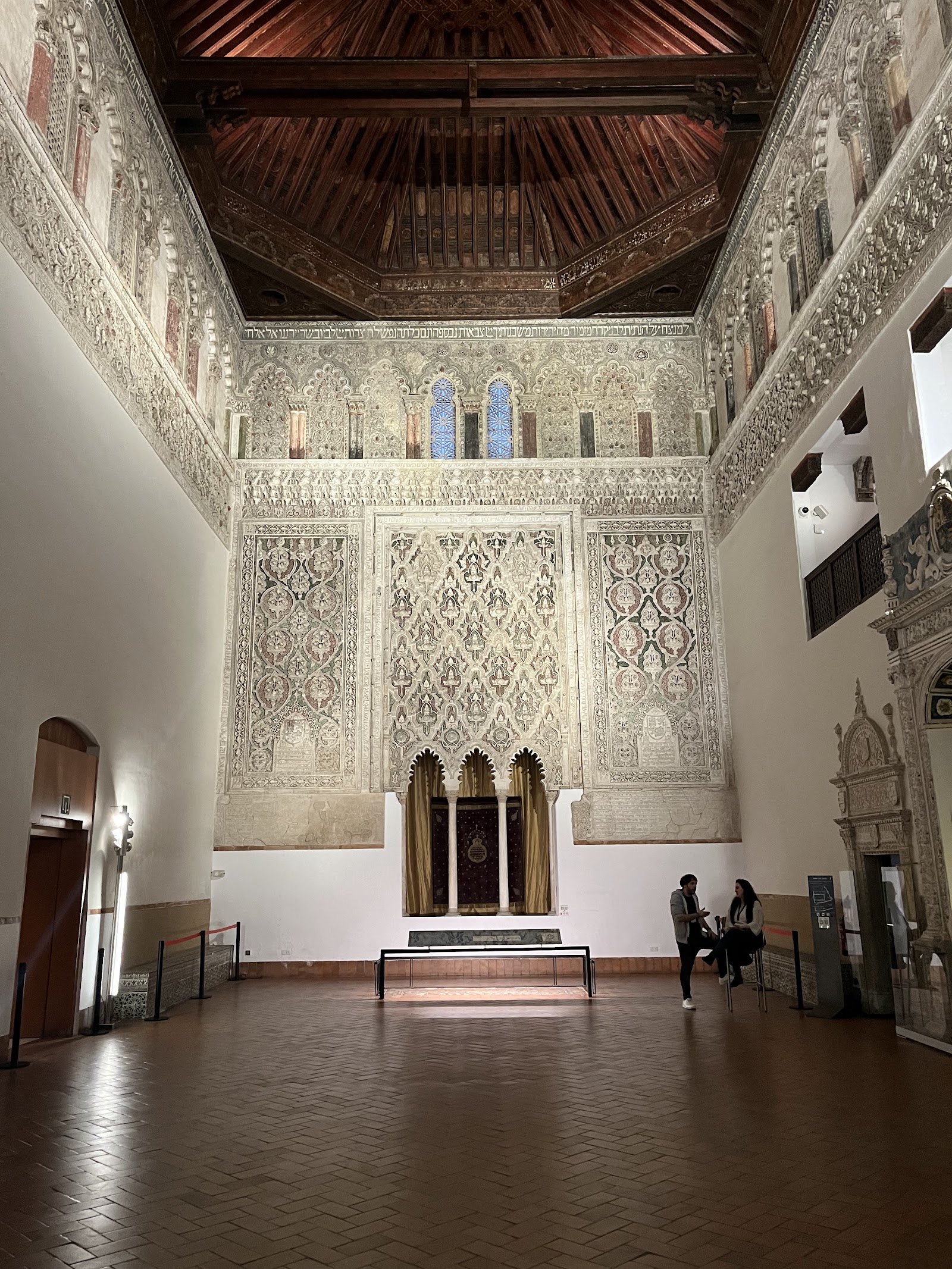
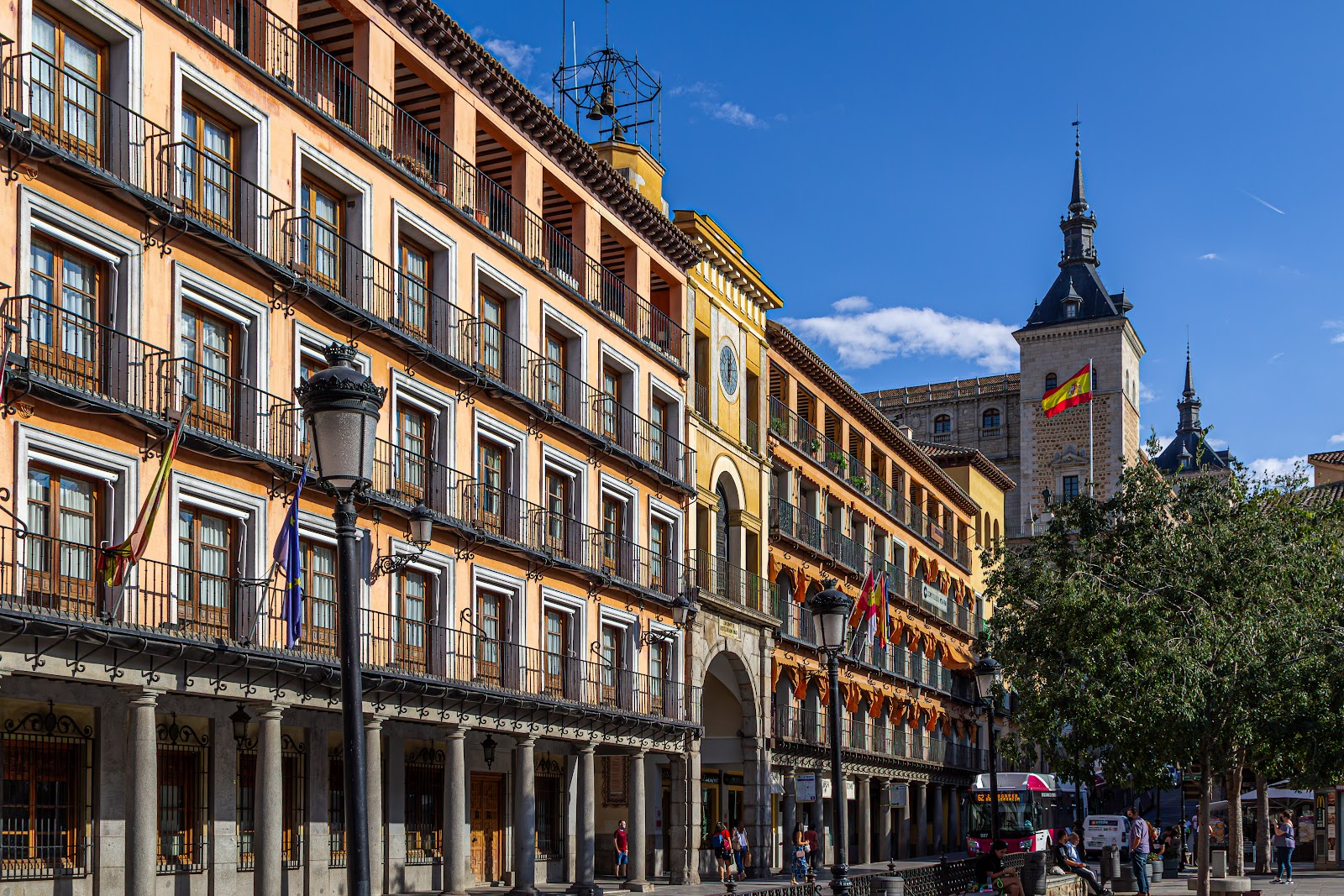
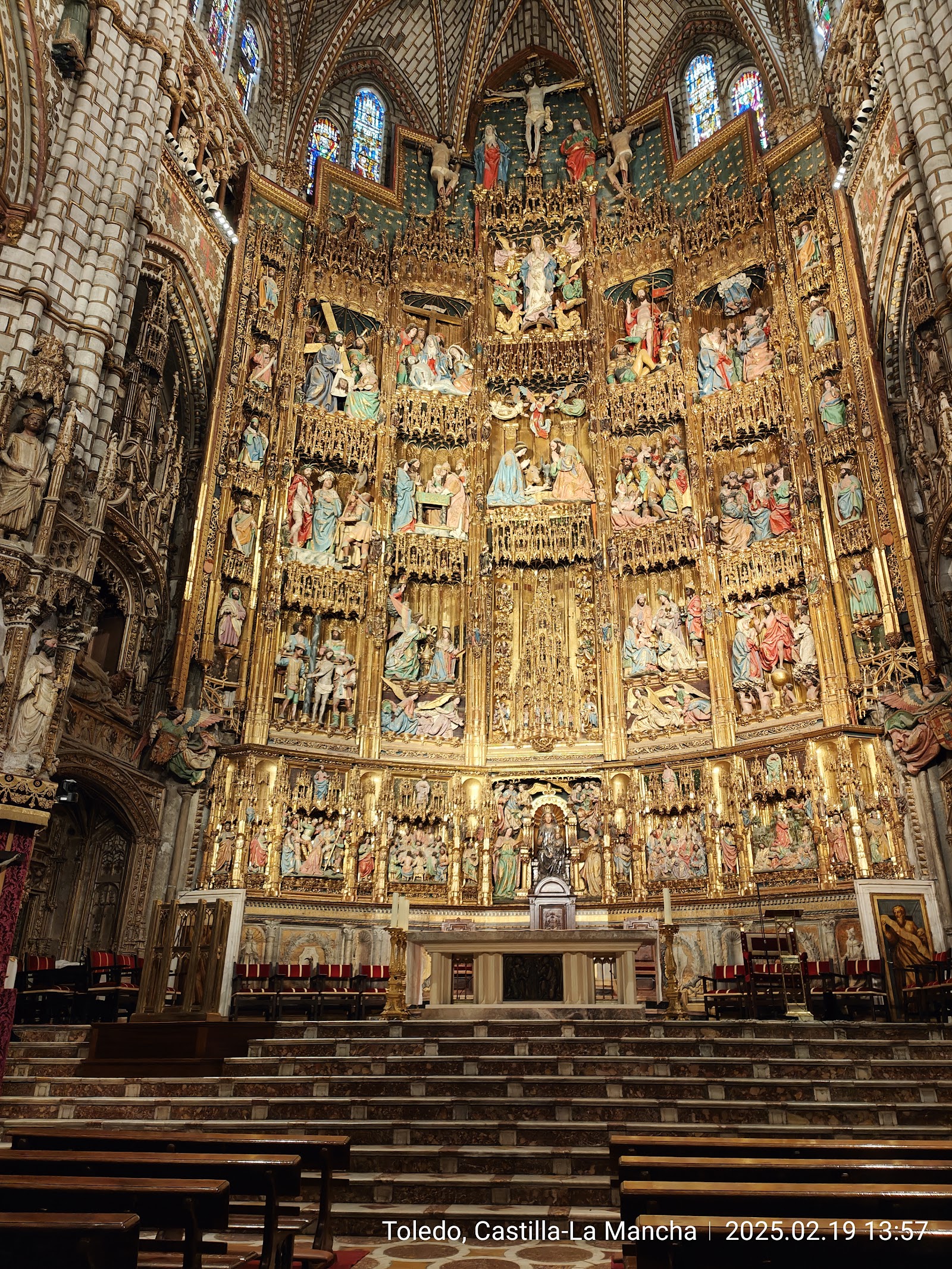
Toledo sits on a granite outcrop above a bend in the Tagus, and the river does most of the work — wrapping three sides of the old city in a natural moat that kept conquerors out for centuries, and keeps the modern world at arm's length today. Walk the tight lanes of the old town and you pass a synagogue built by Islamic architects for a Jewish congregation, a mosque that became a church that became a mosque again, and a cathedral whose sacristy holds a Caravaggio beside an El Greco beside a Velázquez, all in the same room.
This is a city where the three great medieval cultures of Iberia — Christian, Muslim, Jewish — left stone on top of stone, and you can read the sequence in a single afternoon.
💛 What travellers fall for
People who come back tend to do two things differently: they arrive on the first AVE from Madrid (33 minutes, and you beat the day-trippers by an hour) and they pay the cathedral entry before lunch, when the sacristy light is still cool and the Custodia de Arfe — 18 kilograms of gold, 260 statuettes — is yours to stand in front of without a crowd.
Experiences you don't want to miss




Deals in Toledo
Book directly at the provider
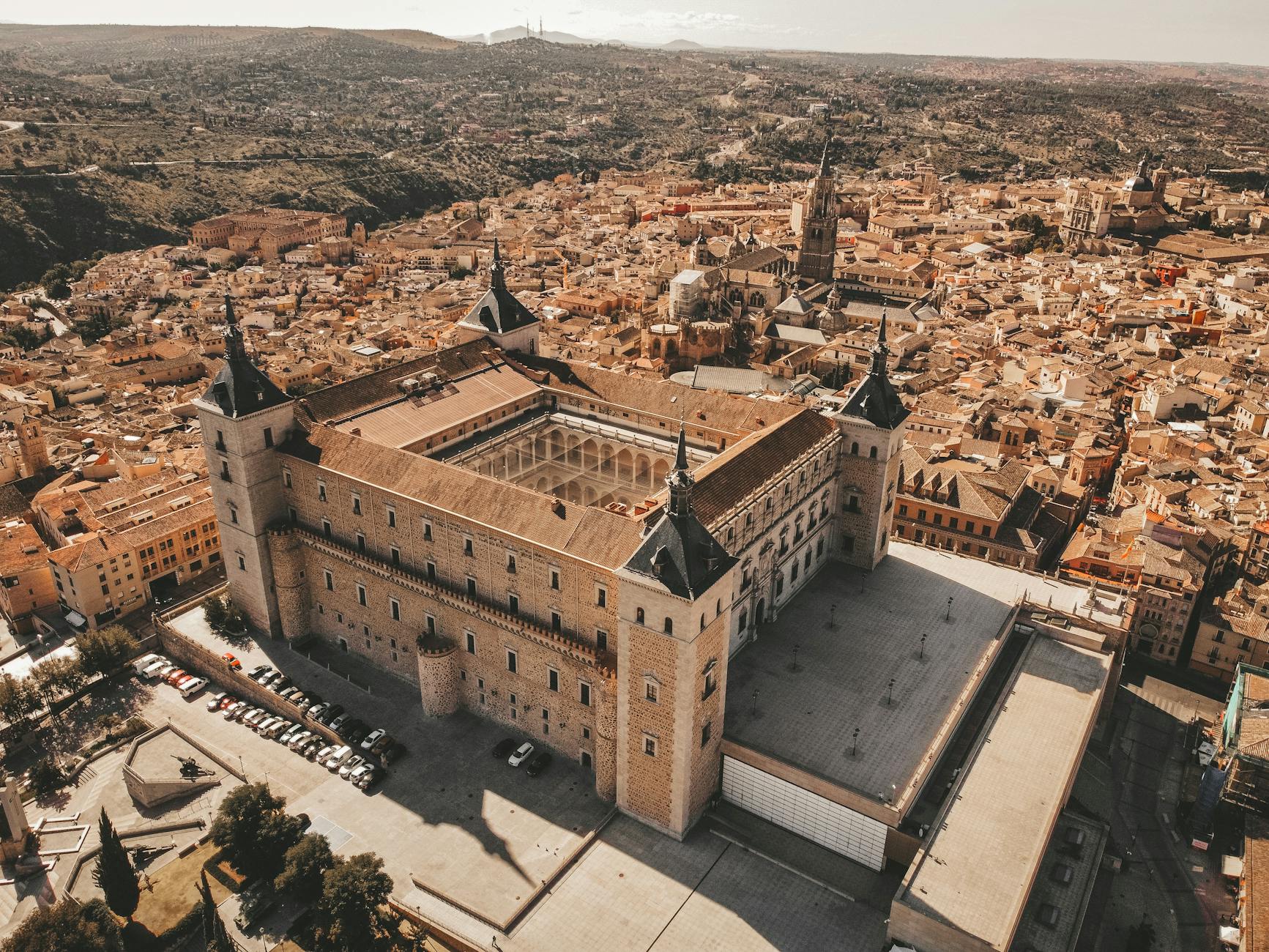
How Toledo came to be
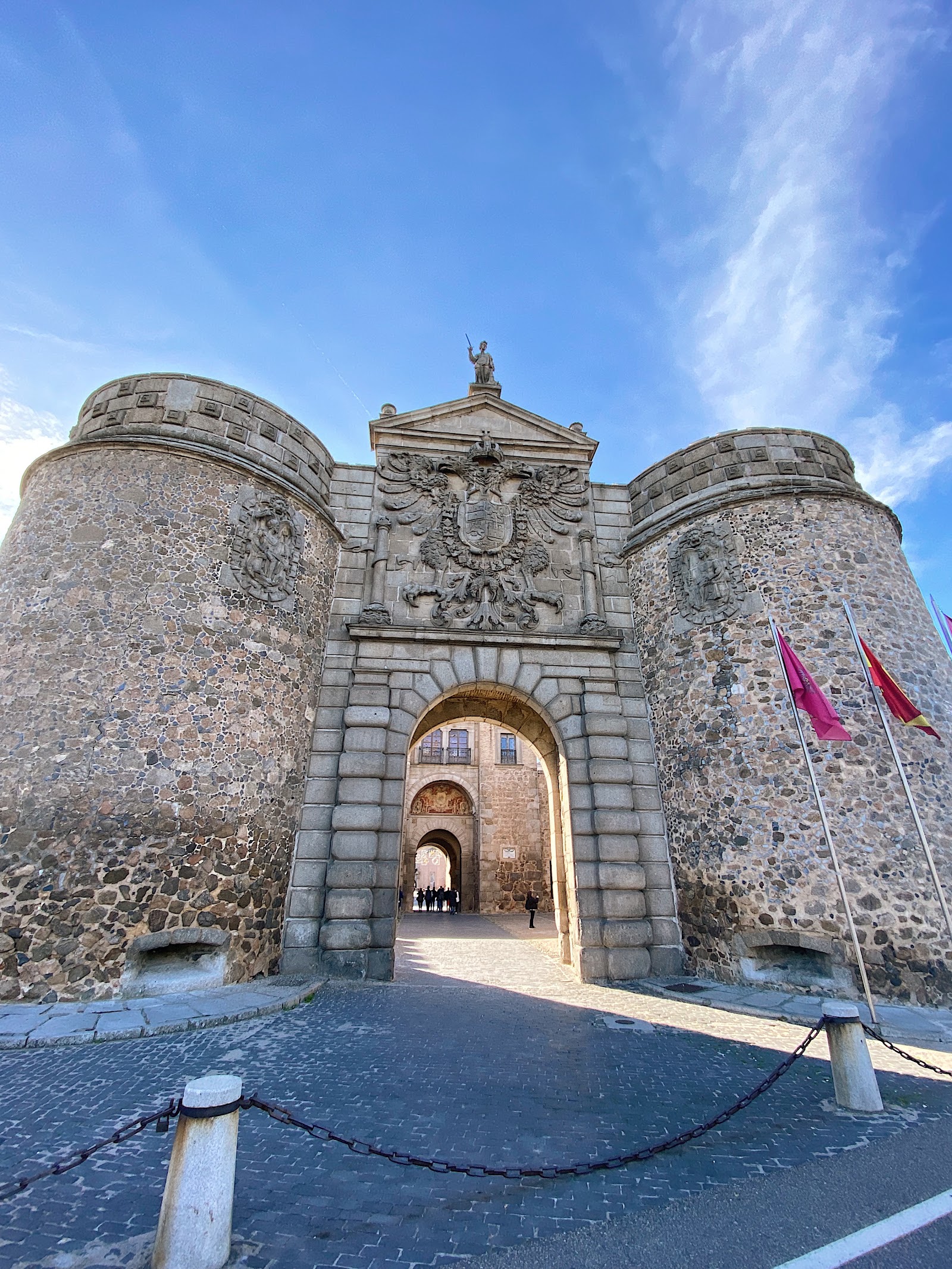
Spanish tradition places the city's founding at 540 BCE, and the Romans formalised it after Marcus Fulvius Nobilior defeated a confederation of Celtic tribes here in 193 BCE. Toledo became a significant Roman city, then the capital of the Visigothic Kingdom, then a prosperous city of Al-Andalus. In 1085, Alfonso VI of Castile took Toledo — the first major city of Moorish Iberia to fall to Christian forces — and the shift reshuffled the power of the entire peninsula.
Charles V made Toledo his preferred seat, residing there at least fifteen times from 1525 onward. Then in 1561, Philip II moved the royal court to Madrid, and Toledo's political moment ended. What remained was the architecture, the three-faith palimpsest, and El Greco, who arrived in the late sixteenth century and never left — he died here in 1614.
Who and what shaped it
People who shaped it
Landmark buildings
See Toledo in motion
Plan your visit
On the map
When to go
Summers on the Tagus outcrop are genuinely hot, with July and August regularly exceeding 35°C and little shade in the open plazas. March through June and September through November offer mild days and the best light for the stone; winters are cold and dry, with frost possible, but the city is quiet and the cathedral almost empty.
Right now
↡ Attractions




Background & history adapted from Wikipedia (CC BY-SA) · specs from Wikidata (CC0) · weather from Open-Meteo · map data © OpenStreetMap contributors · photos from Wikimedia Commons / Unsplash with per-image credit. No third-party reviews or social posts reproduced.