
El Greco Museum
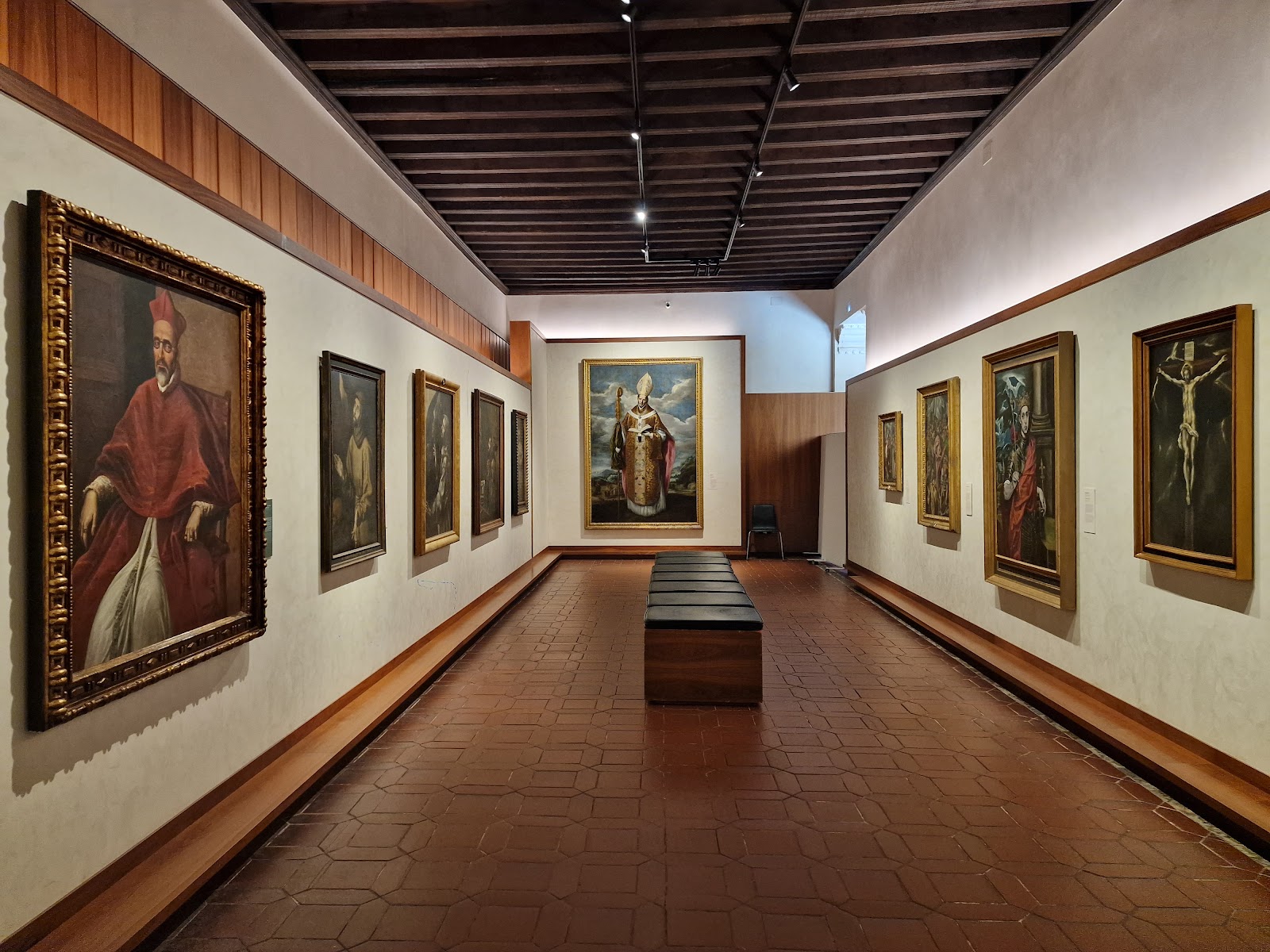
The first thing to understand about the El Greco Museum is that El Greco never lived here. The house on Paseo del Tránsito is a careful early-20th-century reconstruction — an imagined home for a painter whose actual Toledo residence is long gone. That honesty, once you sit with it, makes the place more interesting rather than less.
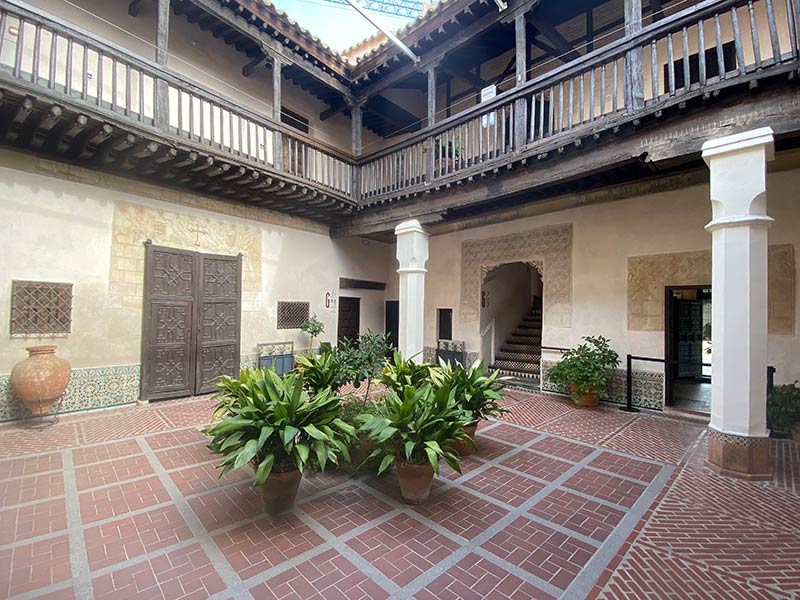
What you do get is a 16th-century house with a courtyard, a garden where occasional concerts take place, and a collection weighted toward El Greco's late period — including the full Apostolate series of thirteen paintings made for Hospital de Santiago between 1610 and 1614. Antique furniture and Talavera ceramics fill the rooms alongside work by other 17th-century Spanish painters.
💛 What travellers fall for
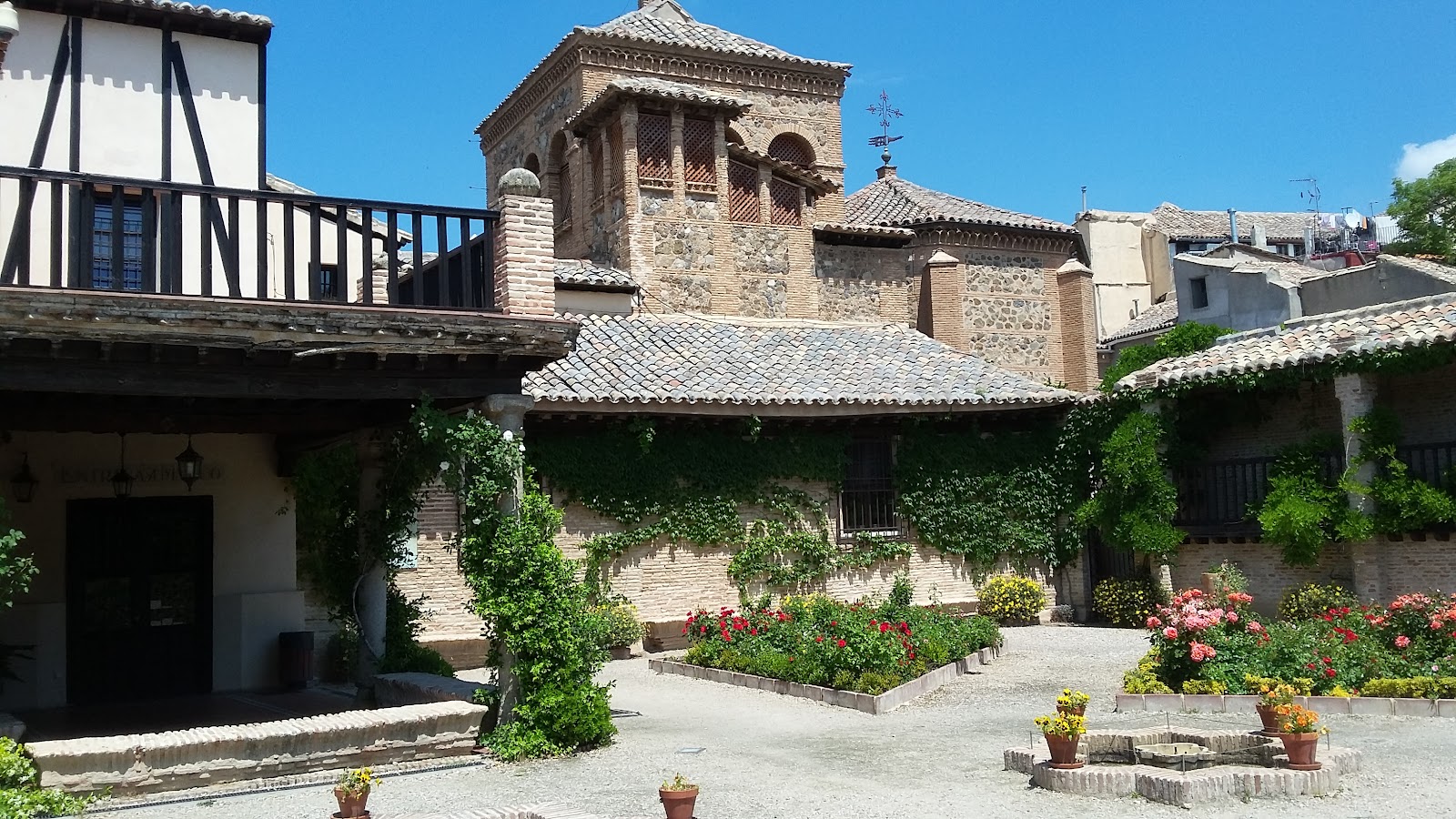
People who come back tend to linger in the courtyard longer than they planned, and many arrive on a Saturday afternoon specifically because admission is free after 2pm. The Apostolate room rewards a slow look — thirteen faces, each distinct, painted in the final years of El Greco's life.
The story behind El Greco Museum
The museum exists because of one man's obsession. The Marquis de la Vega-Inclán (1858–1942) commissioned architect Eladio Laredo to restore two old Toledo houses and transform them into a reconstruction of El Greco's domestic world. He donated the collection to the Spanish state in 1910, though he continued living in the house until his death in 1942, when it passed fully to public ownership.
Vega-Inclán went on to found the Casa de Cervantes in Valladolid (1915) and the Museo del Romanticismo in Madrid (1924) — he had a pattern of building memory-places around canonical figures. The museum was refurbished in 1925 to add rooms for 17th-century Spanish painting, then closed for a major renovation from 2006 to 2011, reopening in March of that year as one of Spain's National Museums.
Good to know
From Plaza de Zocodover it's about a 15-minute walk through the old Jewish Quarter — wear shoes that handle cobblestones. Admission is 3 euros, free on Sundays and Saturday afternoons. Tuesday through Saturday hours extend to 19:30 in autumn; check winter hours before you go.
Where is El Greco Museum?
More tickets & tours for El Greco Museum
Book directly at the provider
What travellers say about El Greco Museum
A very fine tribute to the now famous Cretan artist, whose elongated figures, bold choice of colour and disdain for detail are instantly recognisable. The collection is set in a peaceful garden, in a home in which such a man might have lived in 16th century Toledo.
Excellent tasting menu. And great value for money. Interesting to watch the final preparations of each dish across the counter. Presentation was great and each dish delicous.
A great representation of what could be El Greco's dwelling, workshop, and more. The garden was very nice.
The museum is interesting. The building in which it is located is very beautiful, as are the gardens. Worth a visit.
As a Greek visiting Toledo for the first time it was simply impossible not to pay a visit at the magnificent Museo de El Greco, former house of painter Dominikos Theotokopoulos. The museum was beautifully and peacefully organized where each guest could both wander on their own or be a private of a private tour. Extremely clean and beautiful all around the rooms as well as the flower-filled gardens! Congratulations to the people attending it! Don’t miss it if you ever find yourself walking in the old capital of Spain, Toledo !
More of Toledo
Discover where to stay, what to do and the best deals for your trip.
Explore Toledo →More attractions in Toledo
All of Toledo →


Background adapted from Wikipedia (CC BY-SA) · map data © OpenStreetMap contributors · ratings & place photos via Google · other photos with per-image credit. Ticket links may earn us a commission at no extra cost to you.