
Toledo Cathedral
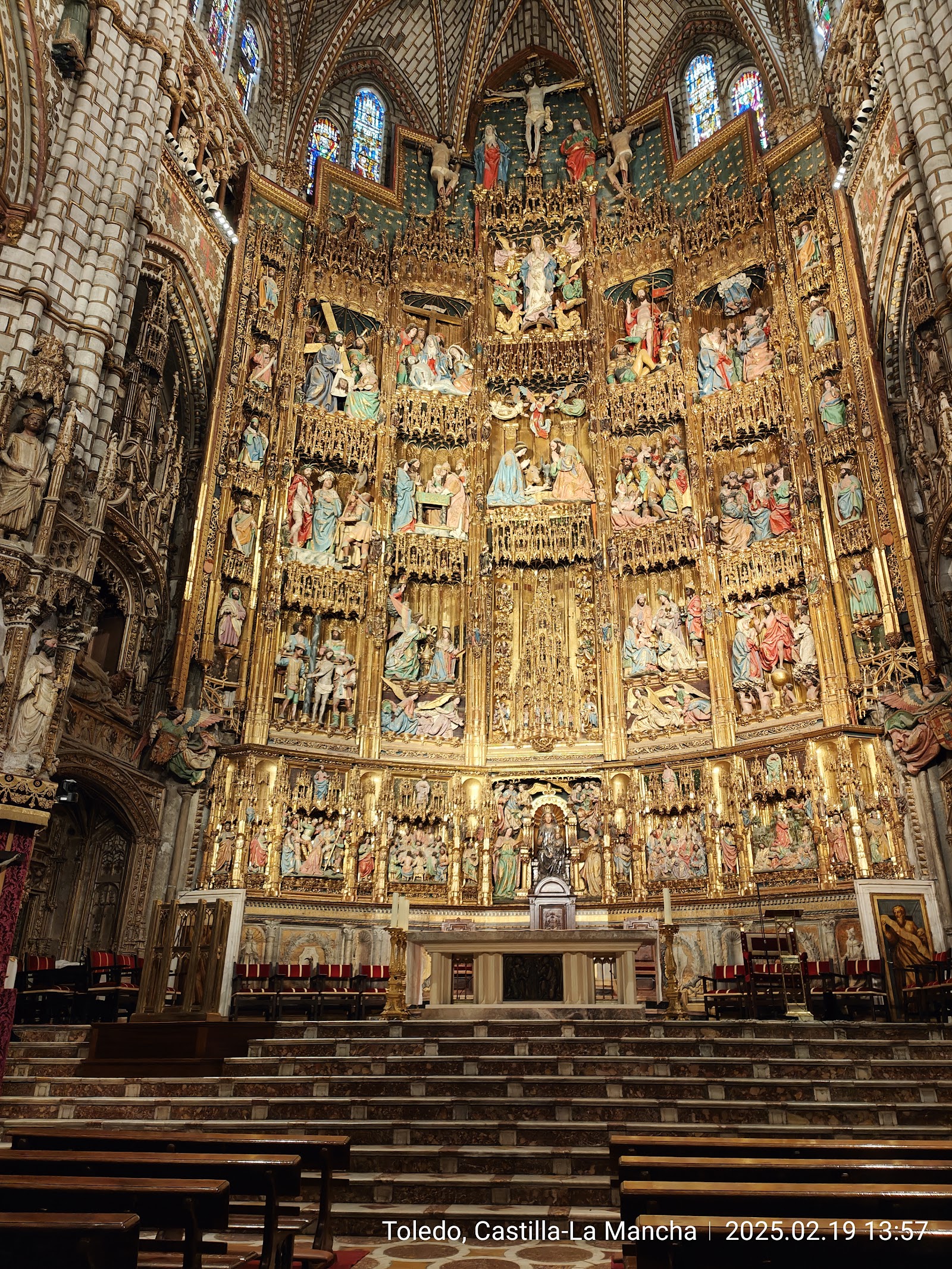
The first thing that stops you is the light — or rather, where it comes from. In most Gothic cathedrals, that's obvious. Here, Narciso Tomé cut a hole in the roof above the high altar in the 1720s and engineered the Transparente, a Baroque eruption of marble angels and painted clouds that channels daylight down onto the tabernacle in a way that still reads as slightly inexplicable.
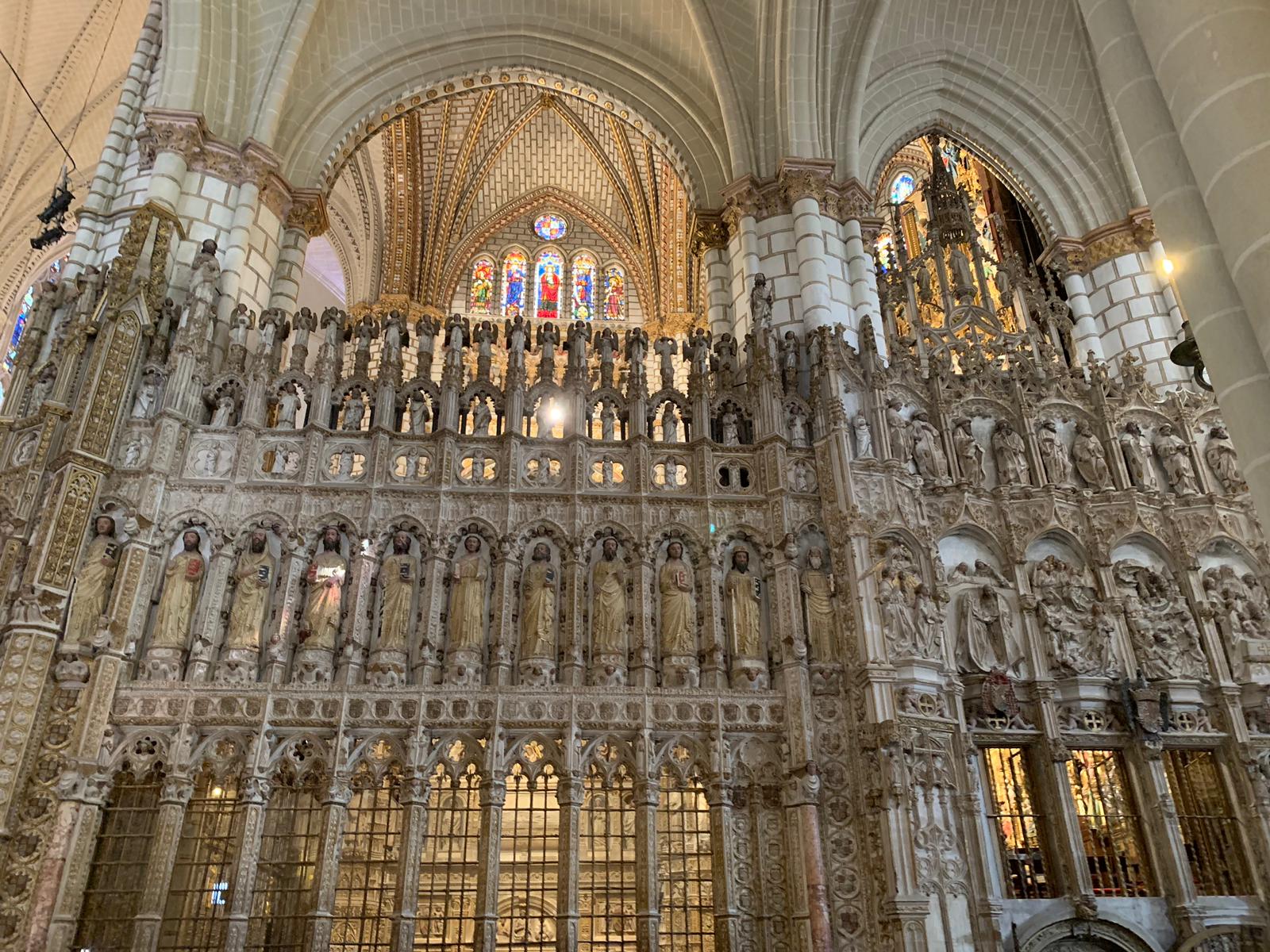
Five naves, 88 columns, 120 metres of stone laid over 267 years — Toledo Cathedral is the kind of building that rewards slow movement. The stained glass alone, polychromatic windows from the 14th, 15th and 16th centuries, amounts to the largest surviving collection of original medieval glass anywhere in the world.
💛 What travellers fall for
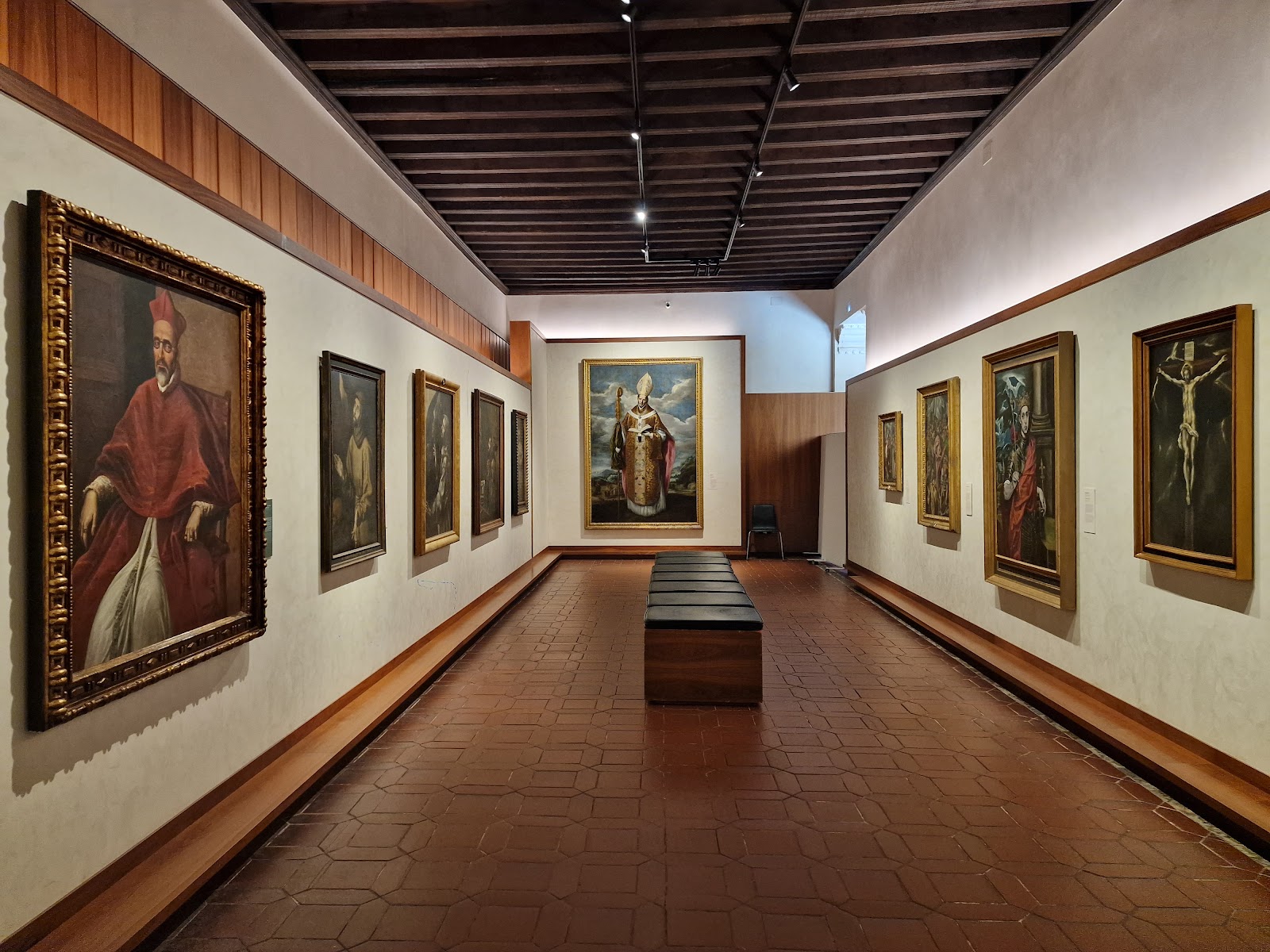
People who come back tend to head straight for the Sacristy, where El Greco's 'The Disrobing of Christ' hangs at eye level — no rope barrier, no glass. They also mention the cloister garden, orange trees and all, as the one quiet corner where the crowds thin out. Go on a weekday morning when the light through the nave windows is still moving.
The story behind Toledo Cathedral
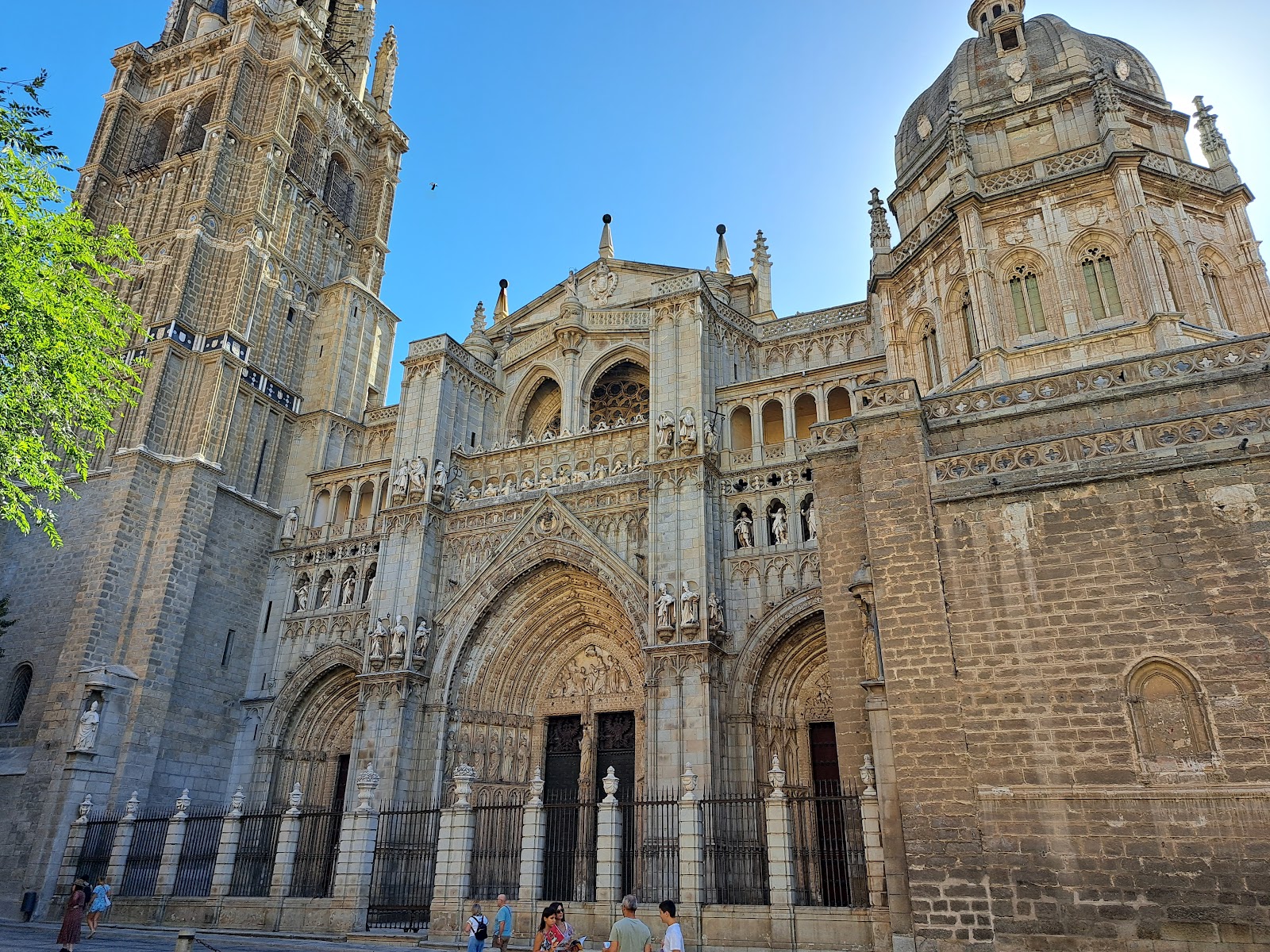
The site has been sacred longer than the cathedral has stood. A Visigothic church was consecrated here in 587, later converted to a mosque, then used as both mosque and church after Toledo's Christian reconquest, until King Ferdinand III and Archbishop Rodrigo Ximénez de Rada laid the foundation stone in 1226. A French master builder named Martín is documented from 1227; his successor, Petrus Petri, shaped the ambulatories and triforia in a distinctly Toledan manner.
Construction ran for 267 years. Cardinal Mendoza oversaw the closing of the final vault in 1493, during the reign of the Catholic Monarchs. Later hands added the Renaissance Chapel of New Kings (1531–1534, Alonso de Covarrubias) and the dome lantern designed by Jorge Manuel Theotocópuli. The monstrance — the Custodia — was commissioned by Cardinal Cisneros and finished in 1524 by Enrique de Arfe.
Good to know
Enter via the Puerta Llana on Calle Cardenal Cisneros. Tickets are €10, bought online or at the Cathedral Shop opposite the entrance. Sundays open only from 2 p.m. Budget at least 90 minutes; the chapels, treasury, chapter house and choir each earn their own time. Skip the taxi queue — it's a three-minute ride from Toledo station.
Where is Toledo Cathedral?
More tickets & tours for Toledo Cathedral
Book directly at the provider
What travellers say about Toledo Cathedral
Toledo is a historic city sitting on a hill above the Tagus River, with views that feel almost unreal. From viewpoints like Mirador del Valle, you see the whole skyline at once the cathedral rising in the center, the old fortress standing strong, and the city wrapped in warm stone light. Sunset here is especially memorable, everything turns golden and still. Inside the city, the Toledo Cathedral is massive and detailed, with stained glass light falling quietly across the space. It feels powerful, but calm at the same time. The real charm is in the narrow streets small stone alleys, hidden squares, and winding paths that make you slow down without noticing.
The Cathedral is absolutely beautiful. We were pleasantly surprised to discover that it contains paintings by famous artists, which made the visit even more special. The building itself is stunning and well worth seeing. However, our experience was somewhat spoiled by the attitude of one of the guards. There was an exhibition celebrating the Cathedral's 800th anniversary, featuring paintings and sculptures that we were very interested in seeing. When we approached the exhibition entrance, we were told that we could not enter, in a very strict and abrupt tone, without any explanation. Although we do not speak perfect Spanish, we asked why and were informed that a different type of ticket was required, separate from the €12 admission ticket we had already purchased for the Cathedral. Unfortunately, no one explained where these tickets could be obtained, how much they cost, or how we could access the exhibition. We were simply turned away. We found this interaction quite rude and unhelpful, and it left us with a bitter impression of what was otherwise a wonderful visit.
Toledo Cathedral is one of the city’s most important landmarks and definitely worth visiting, especially if you are interested in history, architecture, and religious art. The cathedral is large and very impressive, with classic Gothic architecture, high vaulted ceilings, and detailed interiors. Inside, there is a wide collection of chapels, paintings, sculptures, and religious artifacts. It’s the kind of place where you can take your time and keep noticing new details as you walk through. Some highlights include the main altar, the choir area, and the sacristy, which houses notable works of art. The craftsmanship throughout the cathedral is remarkable and reflects its historical and religious significance. A few practical points to keep in mind: • Allow at least 1.5 to 2 hours for your visit if you want to see the main sections without rushing. • It can get crowded, especially during peak tourist hours, so visiting earlier in the day is a better option. • The layout is quite extensive, so it helps to follow a map or audio guide to avoid missing key areas. • As it is an active place of worship, dress and behavior should be respectful. Overall, Toledo Cathedral offers a meaningful and worthwhile experience. It may not feel overwhelming at first glance, but the depth of detail and history becomes more apparent the more time you spend inside.
A highlight of visiting Toledo. The scale of the Gothic style church is impressive from the outside, and once you step inside you see an impressive display of historic craftsmanship, golden detailing, and religious art. The altarpiece in the main chapel is an incredibly intricate, massive golden work of art. Make sure to fully walk the interior perimeter to appreciate all the side chapels. Worth the 12 euro entry price.
An absolute masterpiece of Gothic architecture. You can really see the centuries of history and craftsmanship in every corner of this place. From the intricate facade to the breathtaking details inside—especially the 'El Transparente' and the incredible stained glass—it’s awe-inspiring. If you’re visiting Toledo, this is non-negotiable. Highly recommend taking your time to walk through the different chapels and really soak in the scale of it all.
More of Toledo
Discover where to stay, what to do and the best deals for your trip.
Explore Toledo →More attractions in Toledo
All of Toledo →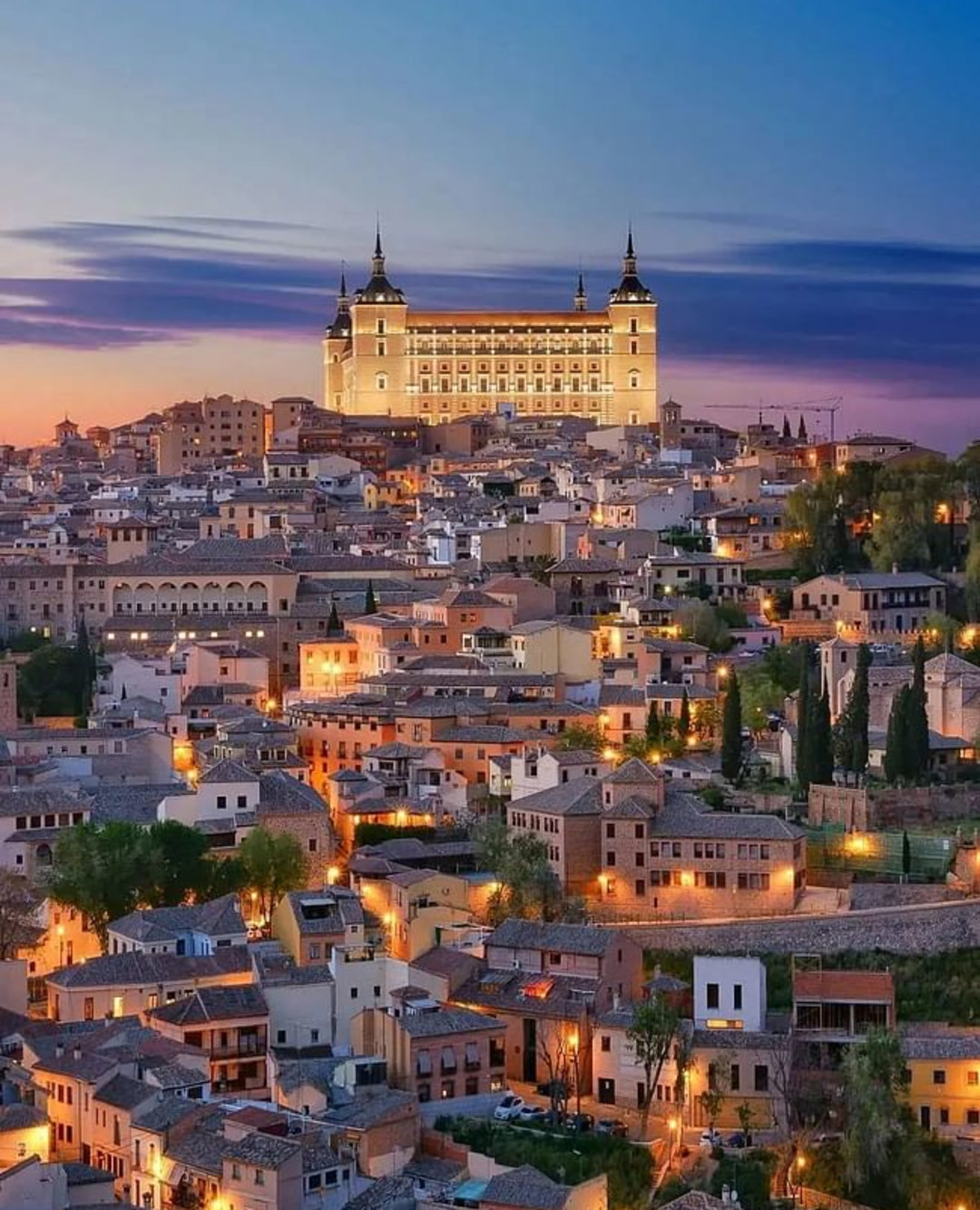


Background adapted from Wikipedia (CC BY-SA) · map data © OpenStreetMap contributors · ratings & place photos via Google · other photos with per-image credit. Ticket links may earn us a commission at no extra cost to you.