
Puerta de Bisagra
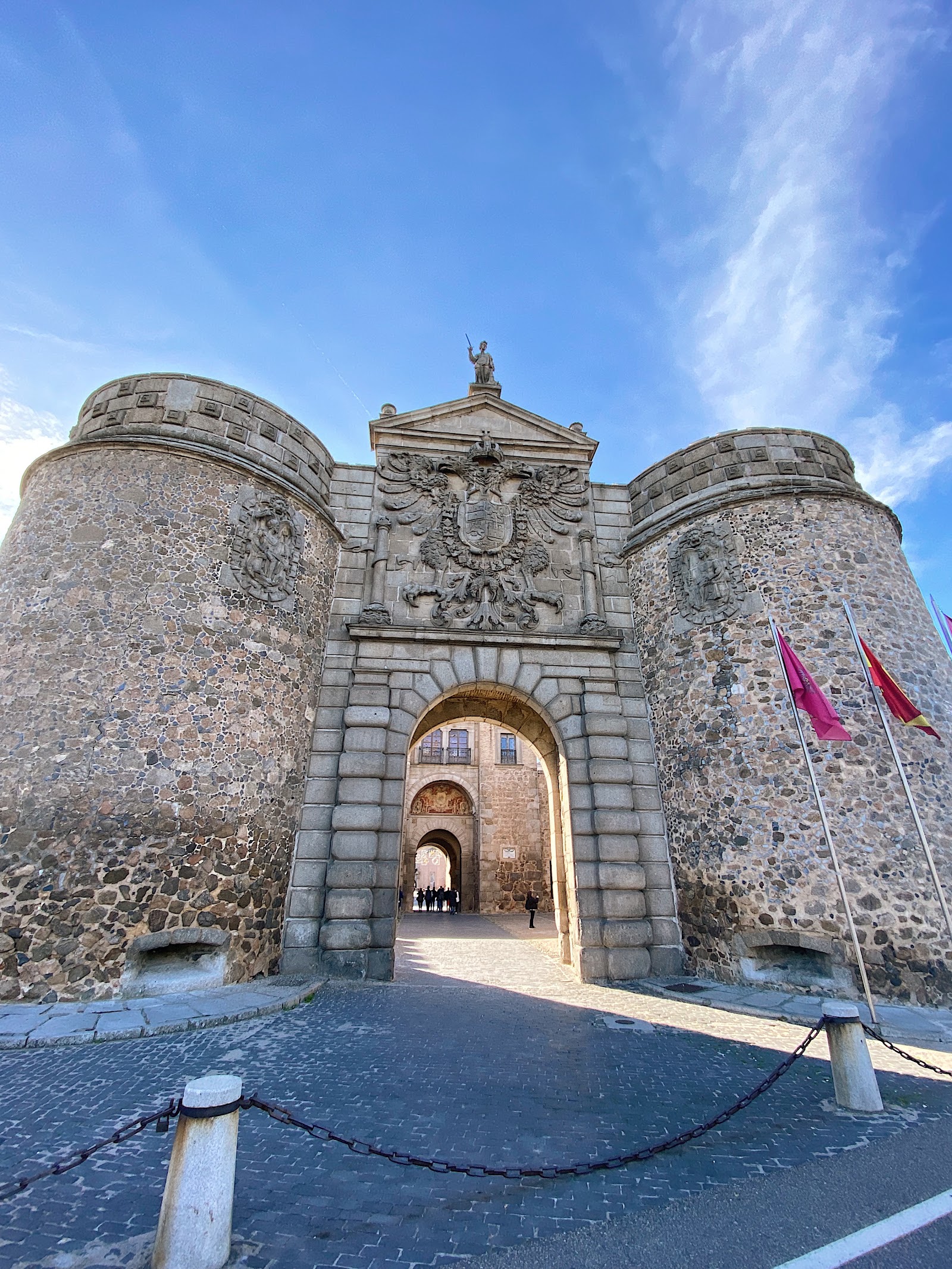
The first thing you notice about Puerta de Bisagra is the scale of the imperial shield above the arch — a double-headed eagle of Charles V, flanked by the "Plus Ultra" columns, staring down at everyone who walks into Toledo from the north. It is the city's formal threshold, and it was designed to read that way.
Two large semicircular towers in rubble masonry frame a triumphal arch in dressed stone, the whole composition a deliberate piece of Renaissance stagecraft. Walk through and you step from the modern road into a city that has been layered over itself for a thousand years.
💛 What travellers fall for
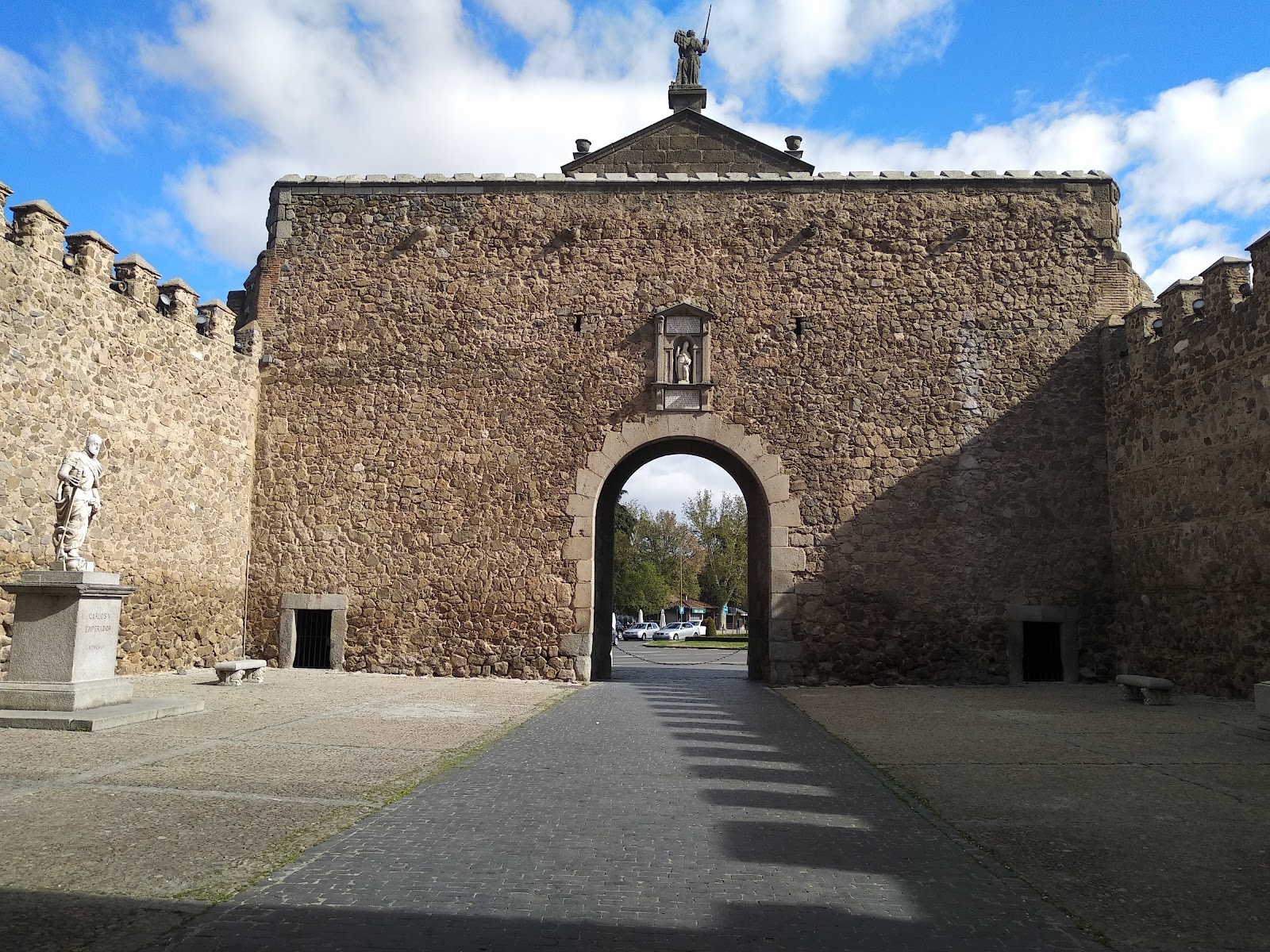
People who come back tend to time it for late afternoon, when the low sun catches the checkered ashlar band on the towers and the stone goes almost amber. Worth a slow lap around both sides of the gate — the exterior face and the interior face read quite differently, and most visitors only see one.
The story behind Puerta de Bisagra
A gate called Bab al-Saqra stood on this spot in the tenth century, during Toledo's Moorish period, and a document from around 1009–10 records it in connection with the burial of an Arab notable, Ibn Maymun. That original structure — three horseshoe arches, two flanking towers — still stands nearby and is now known as Puerta de Bisagra Antigua.
The gate you see today was built between roughly 1540 and 1576, during the reign of Charles V. Several masters worked on it — Nicolás de Vergara el Viejo, Juan de Benavides, Eugenio Sánchez among them — but the general design of the exterior, converting the entrance into a classical triumphal arch and a heraldic statement of imperial power, is credited to Alonso de Covarrubias. The older gate was bricked up when the new one opened, fell into abandonment, and was only restored and reopened in 1905.
Good to know
The gate is open at all times and costs nothing to walk through. From Toledo's train station it's a manageable uphill walk or a short taxi ride. Go in spring or autumn if you can; summer midday brings tour-group traffic and serious heat. Early morning is calm.
Toledo runs hot and dry, with around 2,900 hours of sunshine a year. Spring (mid-April to late May) and autumn (mid-September to mid-October) give you mild days and manageable crowds; July averages 27°C and twelve hours of direct sun, which makes standing in an exposed stone gateway feel like a different activity altogether.
Where is Puerta de Bisagra?
More tickets & tours for Puerta de Bisagra
Book directly at the provider
What travellers say about Puerta de Bisagra
normal gate, the view from inside the town is nicer. all gates are similar, you dont have to stop on this one in specific. going up the bridges all around can be more fun. enjoy inside the city in toledo, few hours can be enough to see the old town. be careful no taxi around almost and app dont work (uber, bolt).
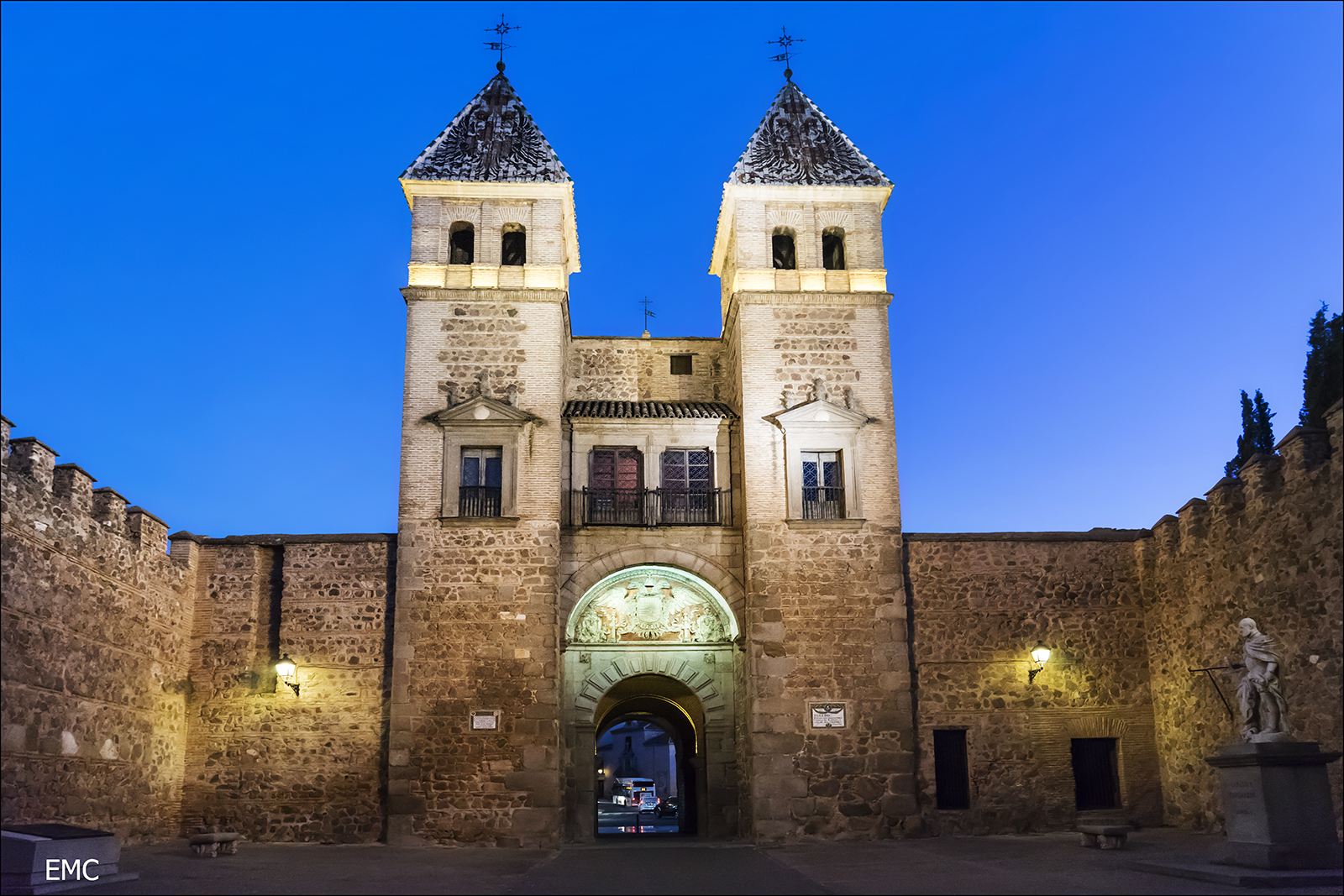
Puerta de Bisagra is one of Toledo’s historic and iconic gates, constructed in two distinct periods. The original gate was built in the 10th century during the Muslim rule in Al-Andalus and was known as Bab al-Saqra. It served as the main entrance to the city, featuring a horseshoe arch and two rectangular towers. The current version, known as Puerta de Bisagra Nueva or “New Bisagra Gate,” was constructed in 1559 under the orders of King Charles I (Charles V). Designed in the Renaissance architectural style, its exterior boasts a semicircular arch flanked by two large circular towers, while the interior showcases a horseshoe arch with voussoirs and two square towers with pyramid-shaped roofs. This gate not only served as the main city entrance during the Renaissance but also symbolized the power and grandeur of the Spanish monarchy of that era. Visiting Puerta de Bisagra offers a unique opportunity to appreciate the history and architecture of Toledo and Spain.
Amazing ancient gates in a great shape.
This was a stunning gate house back in history, where traffic would flow through it, nower days the traffic goes around it. Defo worth a visit..
Toledo ... a medieval town very well preserved. The city of Toledo well known for its steel. Knight armor and cutlery are icons of the city. At Easter, the city dresses up for the celebrations. It looks wonderful ...
More of Toledo
Discover where to stay, what to do and the best deals for your trip.
Explore Toledo →More attractions in Toledo
All of Toledo →


Background adapted from Wikipedia (CC BY-SA) · map data © OpenStreetMap contributors · ratings & place photos via Google · other photos with per-image credit. Ticket links may earn us a commission at no extra cost to you.