
El Transito Synagogue
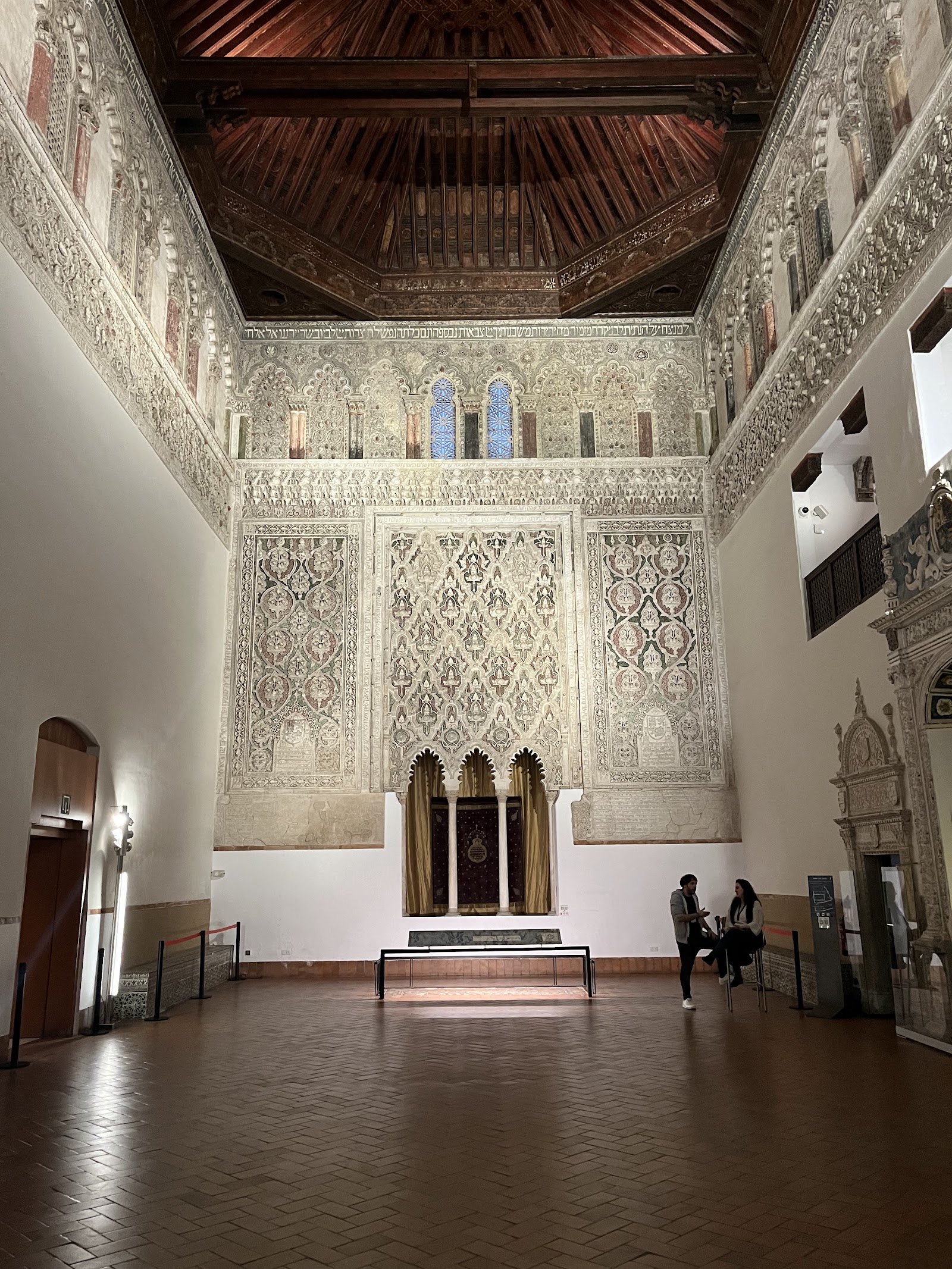
The outside of El Tránsito gives almost nothing away — plain brick and stone, an aljima window above the door, a roofline that only slightly clears its neighbours on Calle Samuel Levi. Step inside and the scale shifts completely. The main prayer hall runs twenty-three metres long and the walls dissolve into stucco relief: Hebrew psalms, Arabic arabesques, and septifoil arches carved with a precision that has survived more than six and a half centuries.
This is the Sephardi Museum now, but the building was raised in 1357 as a private synagogue and yeshiva for one of the most powerful men in Castile. The cedar of the eastern wall is said to have been imported from Lebanon in deliberate echo of Solomon's Temple.
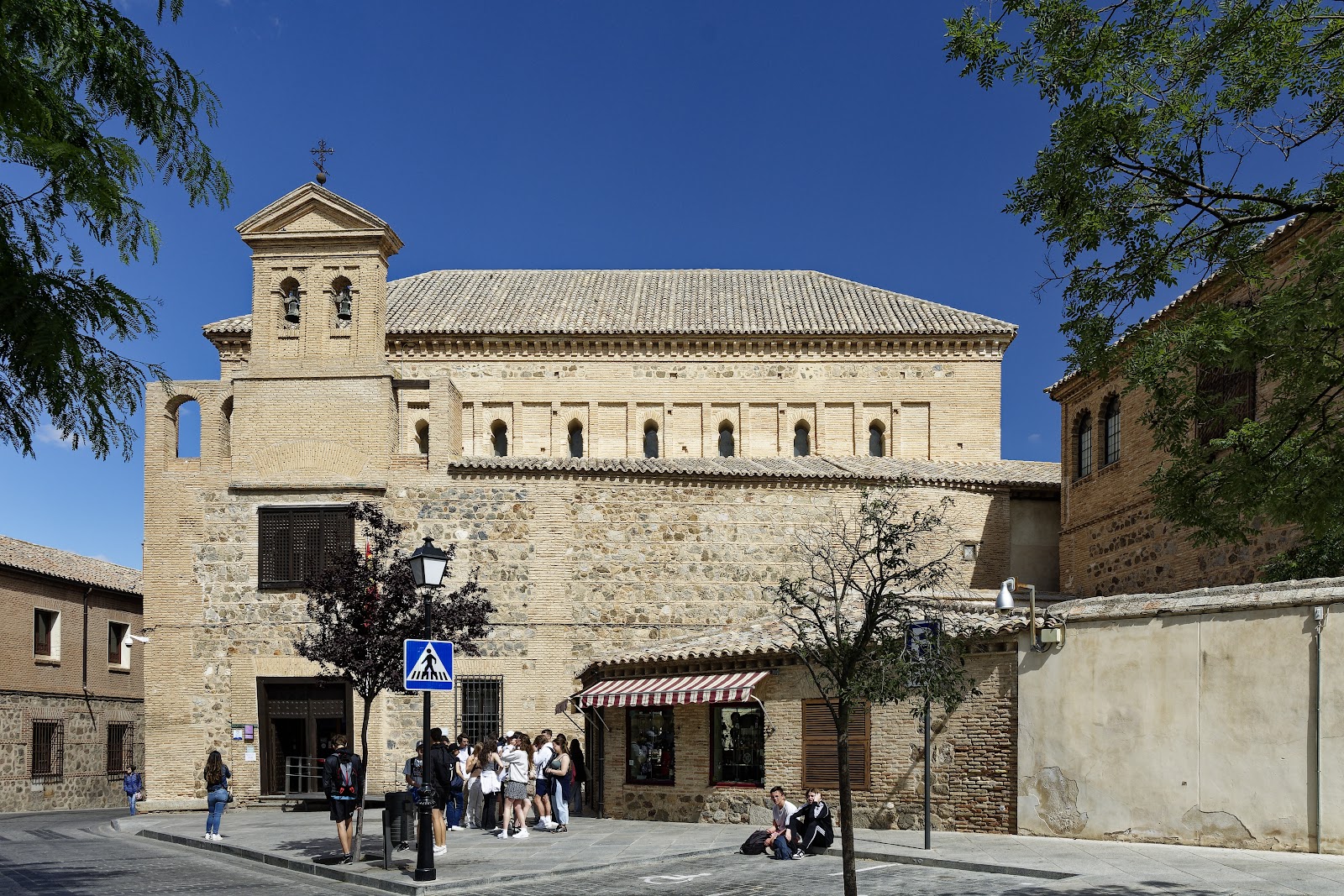
💛 What travellers fall for
People who come back tend to linger near the eastern wall, where the cedar panels and stucco inscriptions reward slow looking. Worth noting: the Arabic text here is decorative, not Quranic — placed deliberately higher and away from the focal wall as a gesture of interfaith goodwill. A guide or the museum's printed notes will tell you which is which.
The story behind El Transito Synagogue
Samuel ha-Levi Abulafia, treasurer to King Pedro I of Castile, commissioned the synagogue in 1357, engaging master mason Don Meir Abdeil to design it in the Mudéjar style. It functioned as both a private house of worship and a centre of Jewish learning, connected by a gate to Samuel's own palace next door. Samuel fell from royal favour and was executed in 1360, three years after the building was completed.
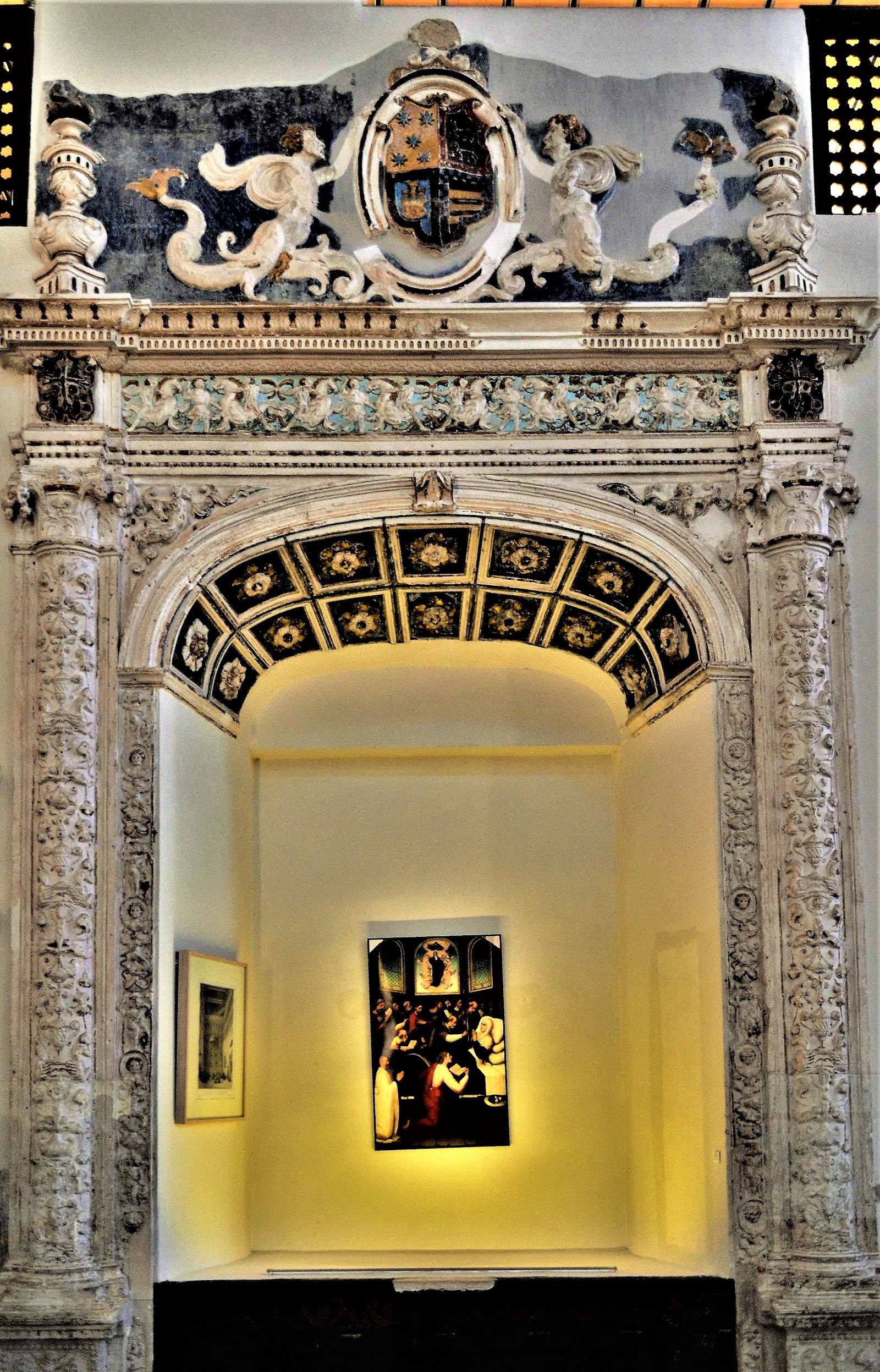
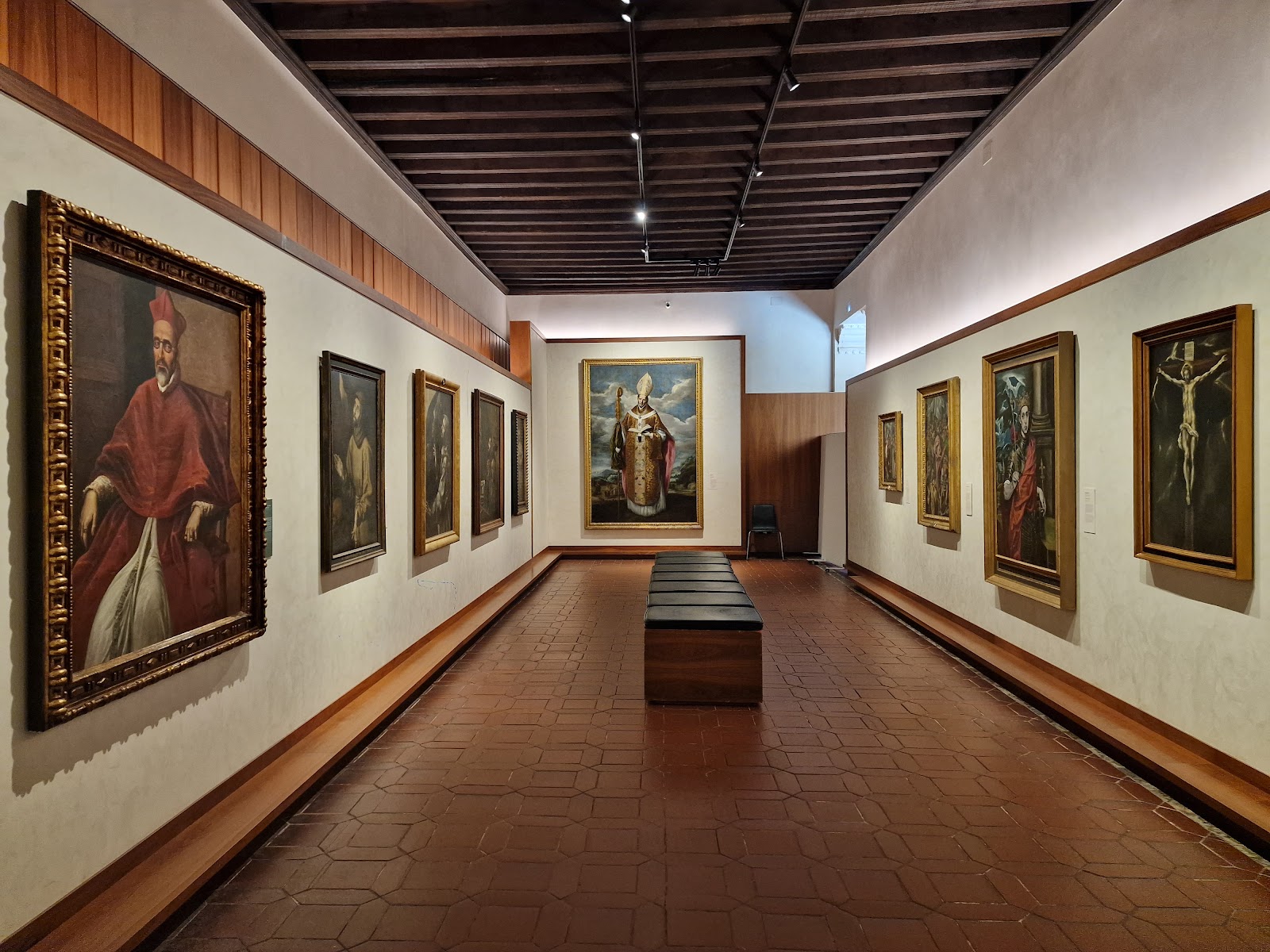
The synagogue survived the anti-Jewish massacres of 1391, but the 1492 expulsion of Jews from Spain ended its original purpose. Ferdinand and Isabella handed it to the Order of Calatrava, who converted it into a church — hence the name El Tránsito, a reference to the Assumption of the Virgin. It was briefly used as military barracks during the Napoleonic Wars, declared a national monument in 1877, and gradually transformed into the Museo Sefardí, which opened formally to the public on 13 June 1971.
Good to know
Admission is €3, free for EU citizens on Saturday afternoons and all day Sunday. Quietest windows are 9:30–11:00 and 15:00–19:00, Tuesday through Friday. Groups of eight or more need an online reservation. Plan around 90 minutes.
Where is El Transito Synagogue?
More tickets & tours for El Transito Synagogue
Book directly at the provider
What travellers say about El Transito Synagogue
Fantastic Museo of the culture the artifacts the timelines the development of the culture and the clothing and accessories of the Jewish people. Hard to believe the Jews Moors Catholics and Muslims all were so intertwined together long after the Visigoths were moved out …all Culminating to Catholicism in1492 when Catherine cleaned house...big reason for the growing popularity of the Iberica Jamon after 1492.
Unfortunately, we didn't get to go inside, but this synagogue proves the great presence of Jews in these areas. They have a beautiful garden.
What a beautiful historical location to learn about the Jewish presence in Madrid. So.e of the antiquities are copies and some are the real thing.
The restoration and now preservation of the synagogue is very impressive. This synagogue records the Jewish heritage in Toledo. Recommended for its historical and beautiful architecture. The tour includes a beautiful garden to sit a reflect on the Jewish history.
I was quite surprised but this place was very beautiful and has a small albeit interesting exhibition. Also, free on Sunday.
More of Toledo
Discover where to stay, what to do and the best deals for your trip.
Explore Toledo →More attractions in Toledo
All of Toledo →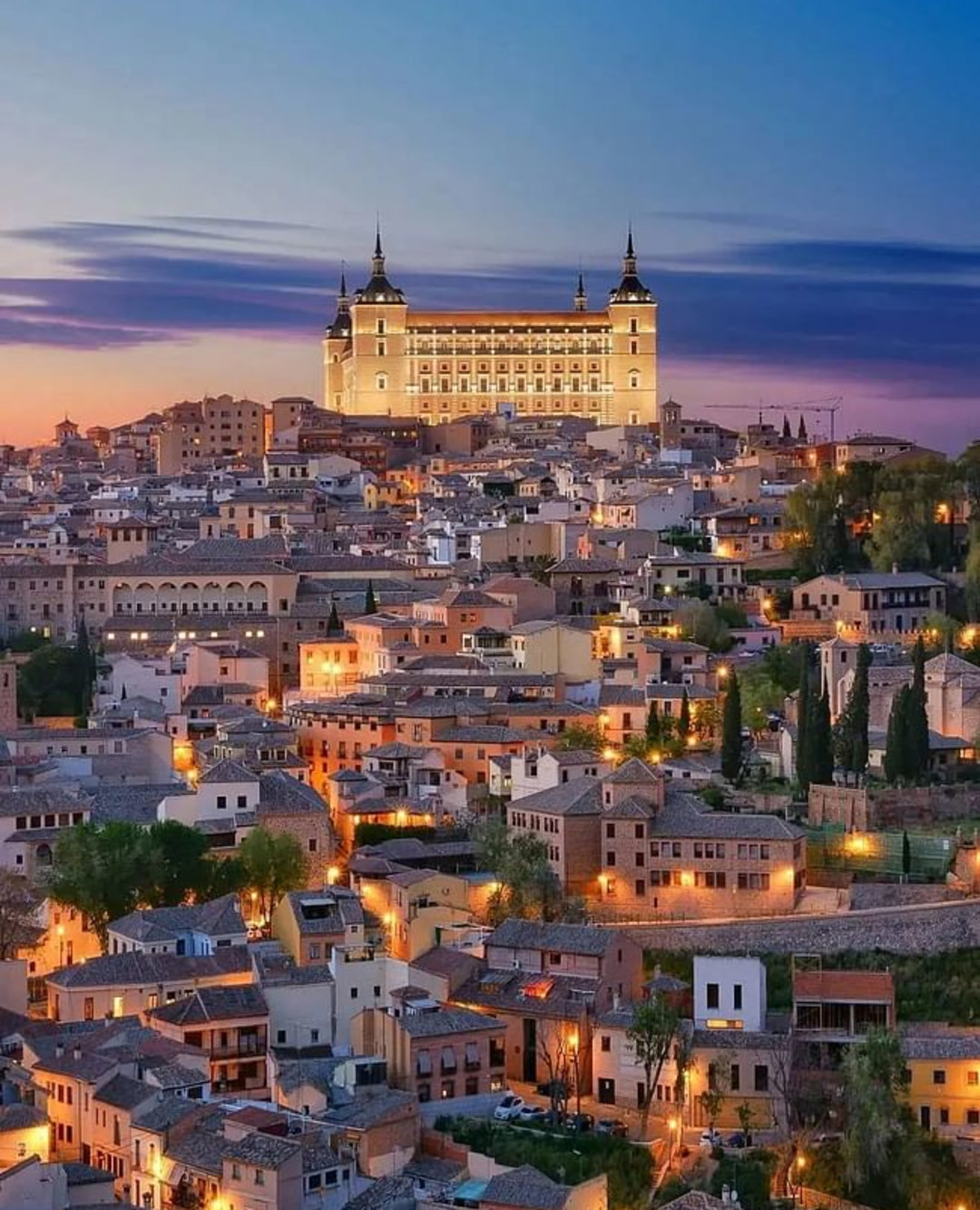


Background adapted from Wikipedia (CC BY-SA) · map data © OpenStreetMap contributors · ratings & place photos via Google · other photos with per-image credit. Ticket links may earn us a commission at no extra cost to you.