Region

Aragon

Aragon
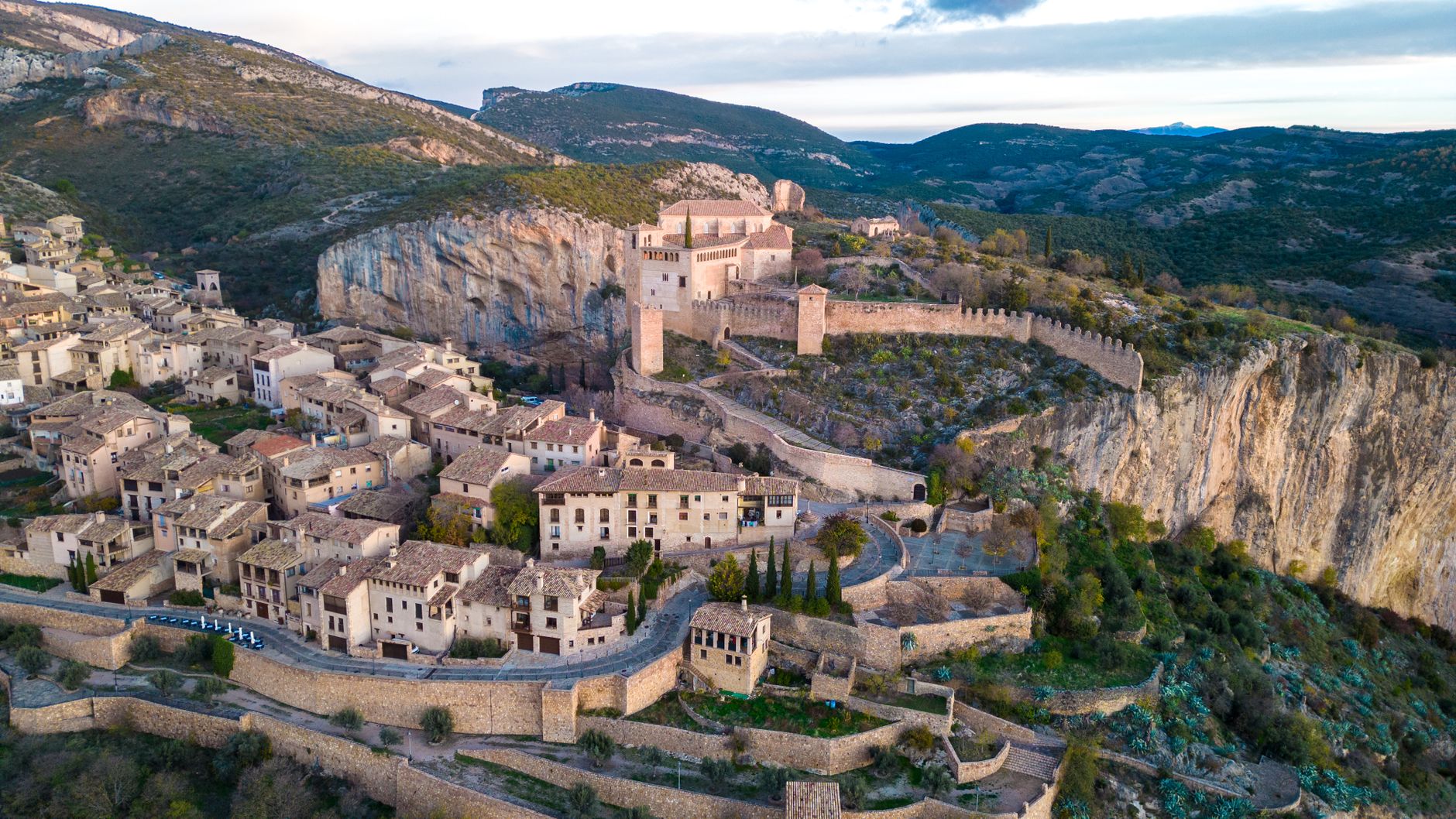
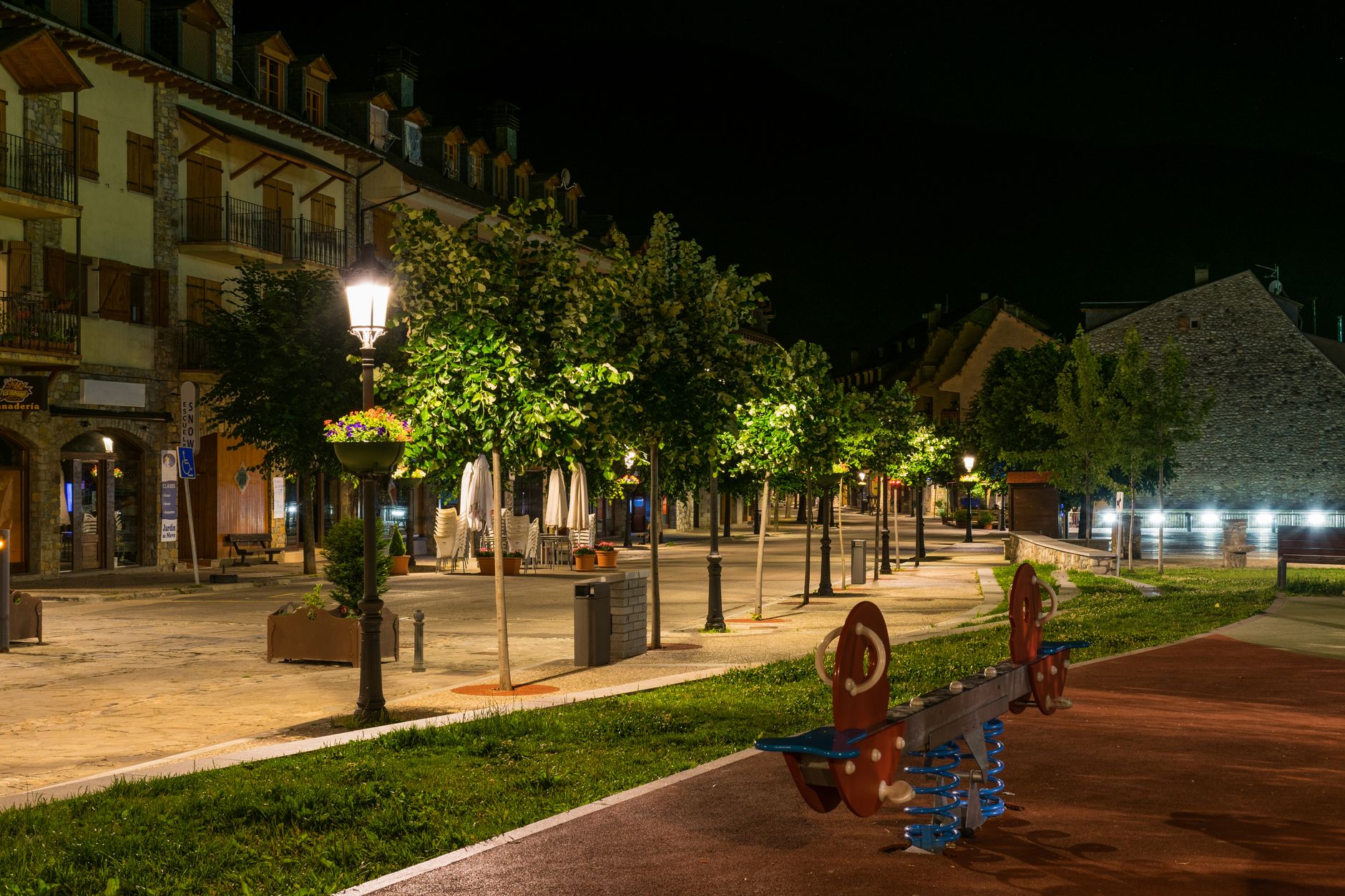
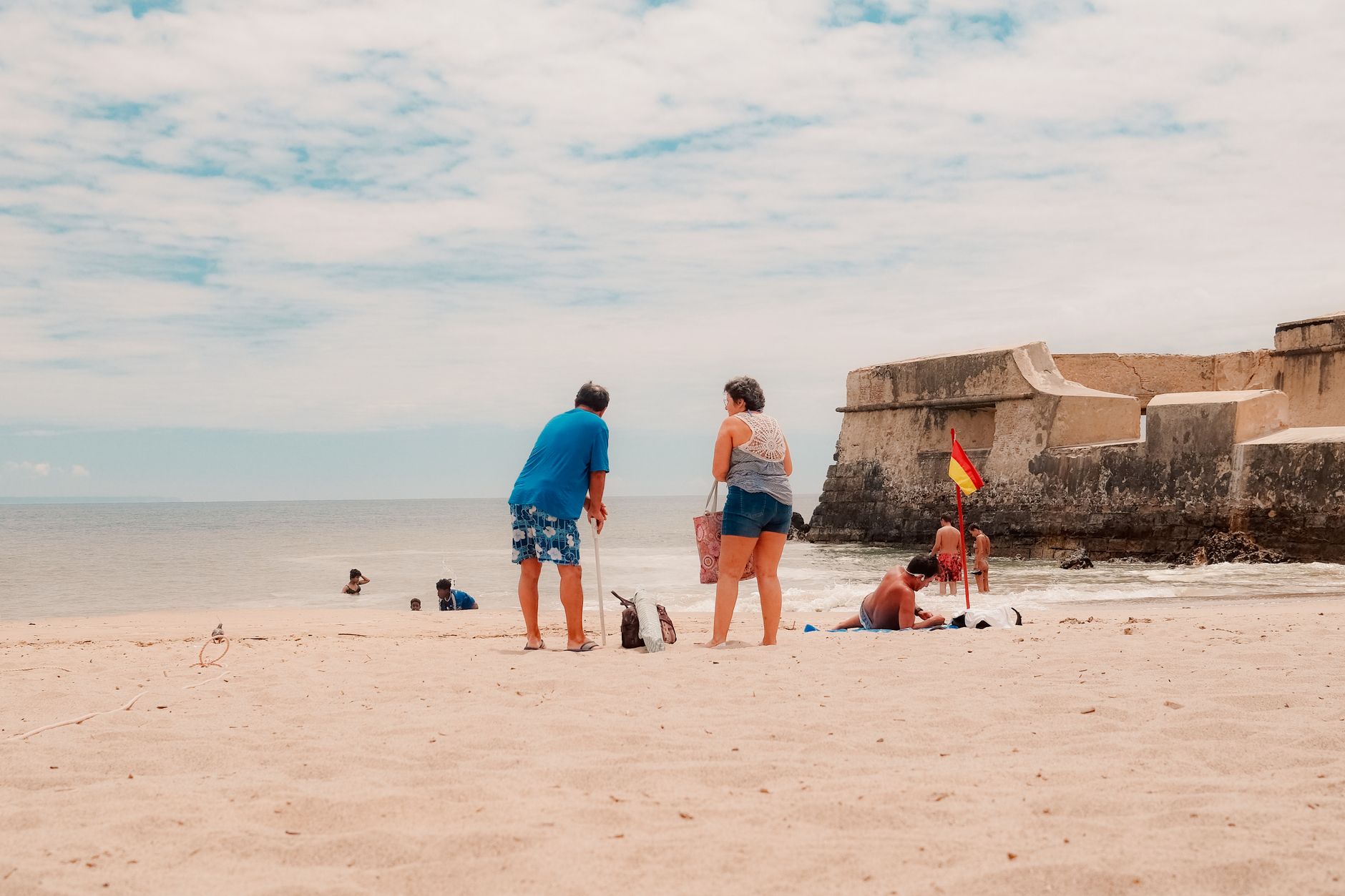
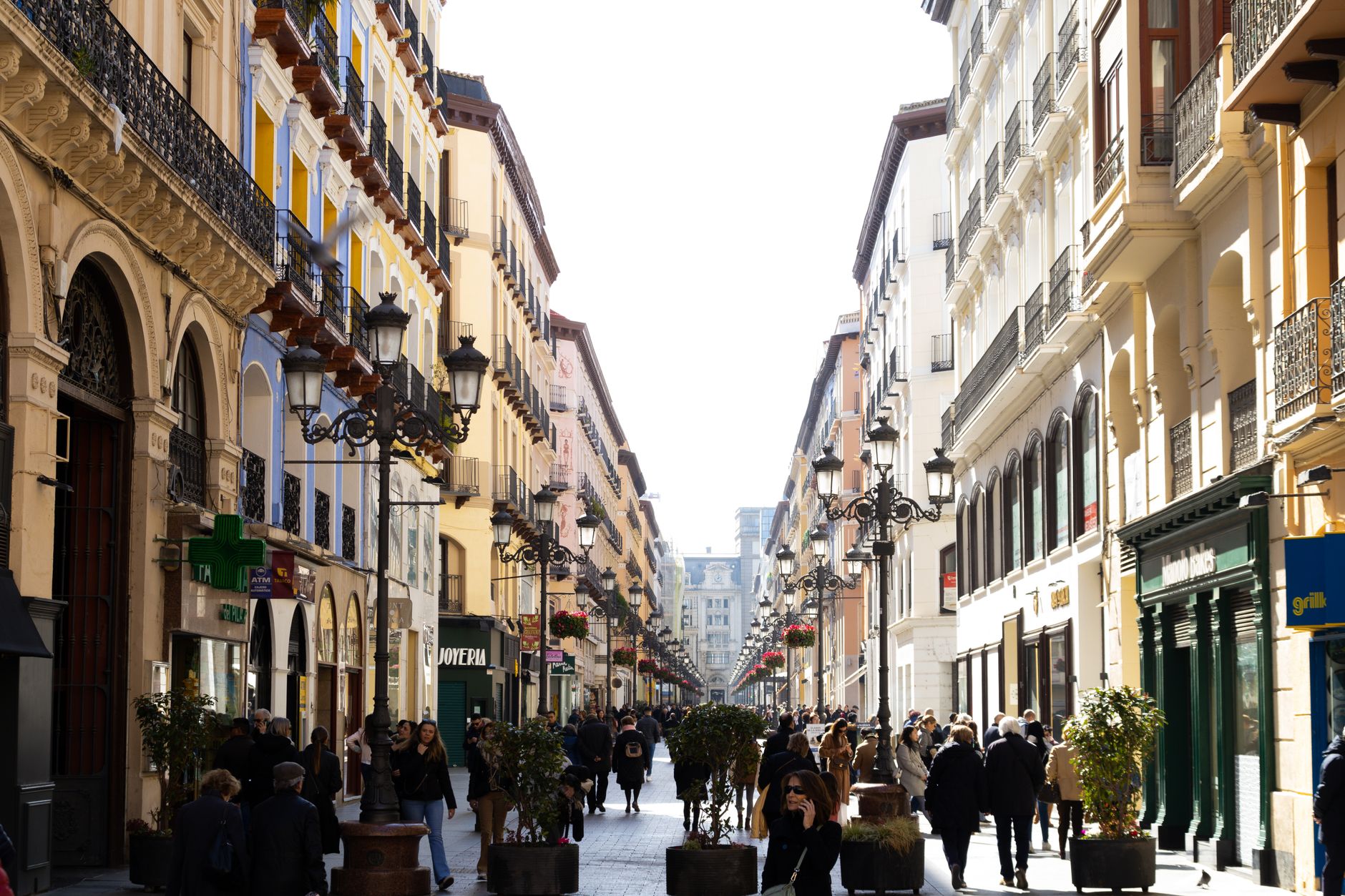
Photo by Sebastián Valencia Pineda on Pexels
Aragon
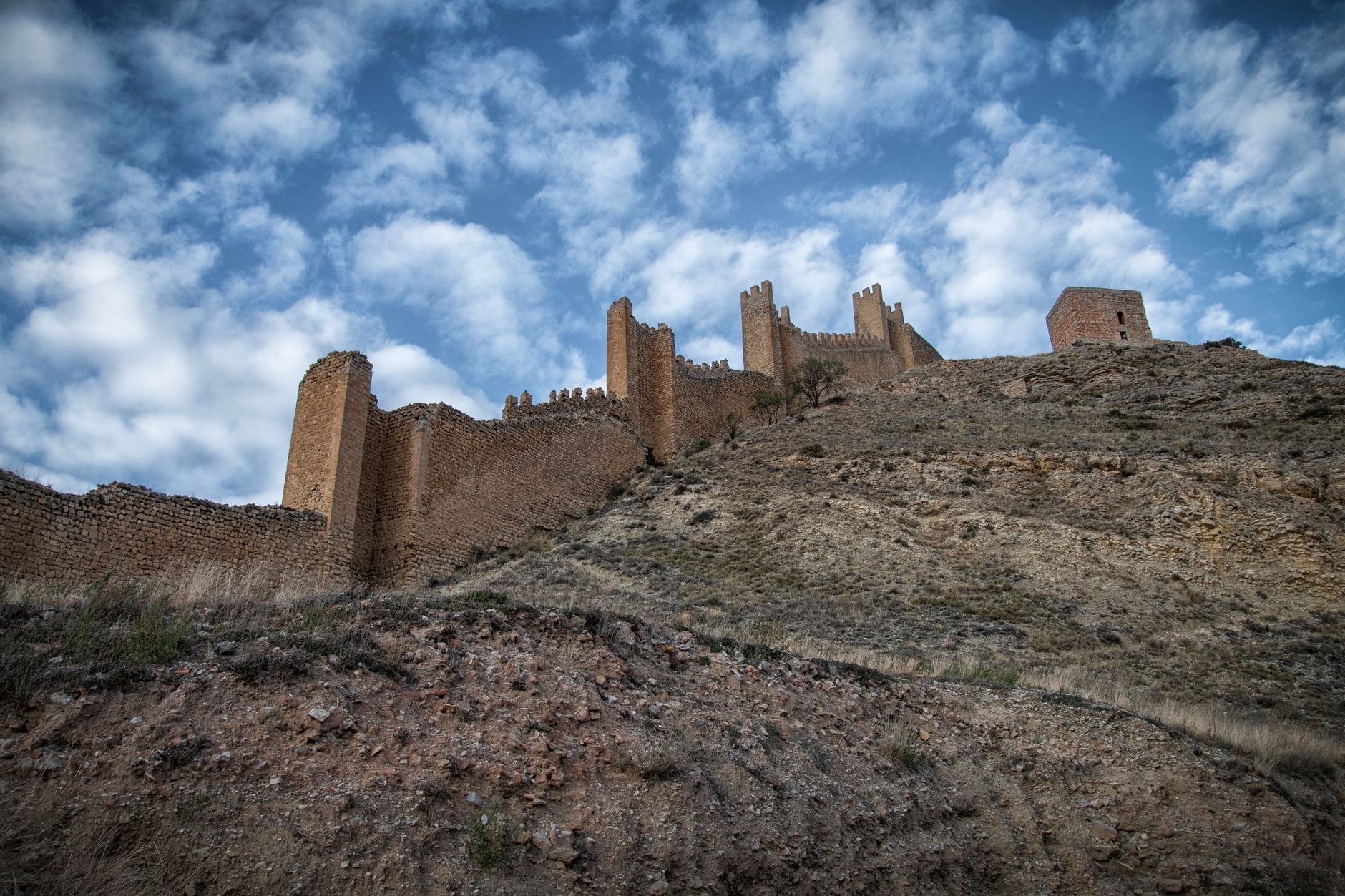
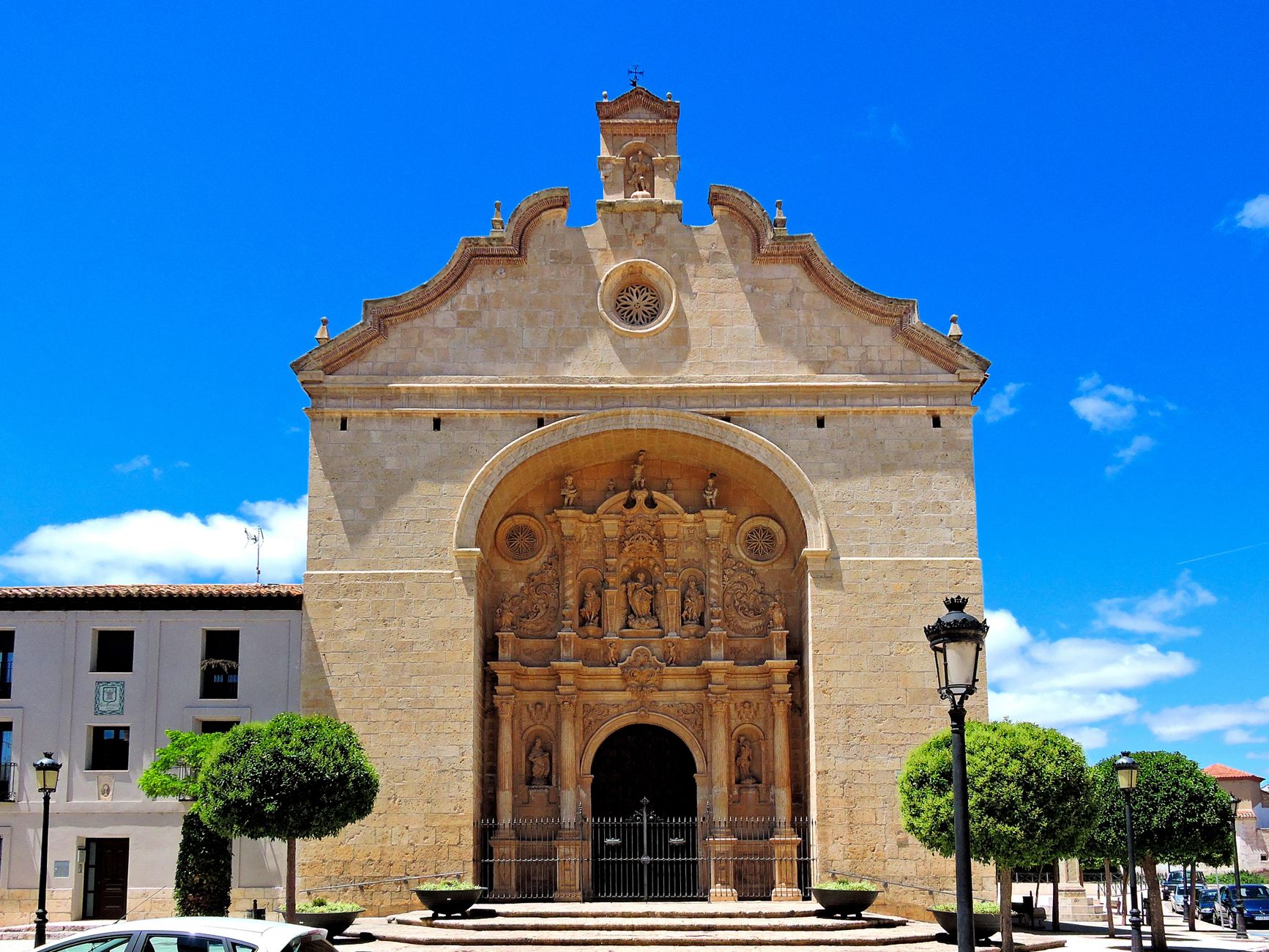
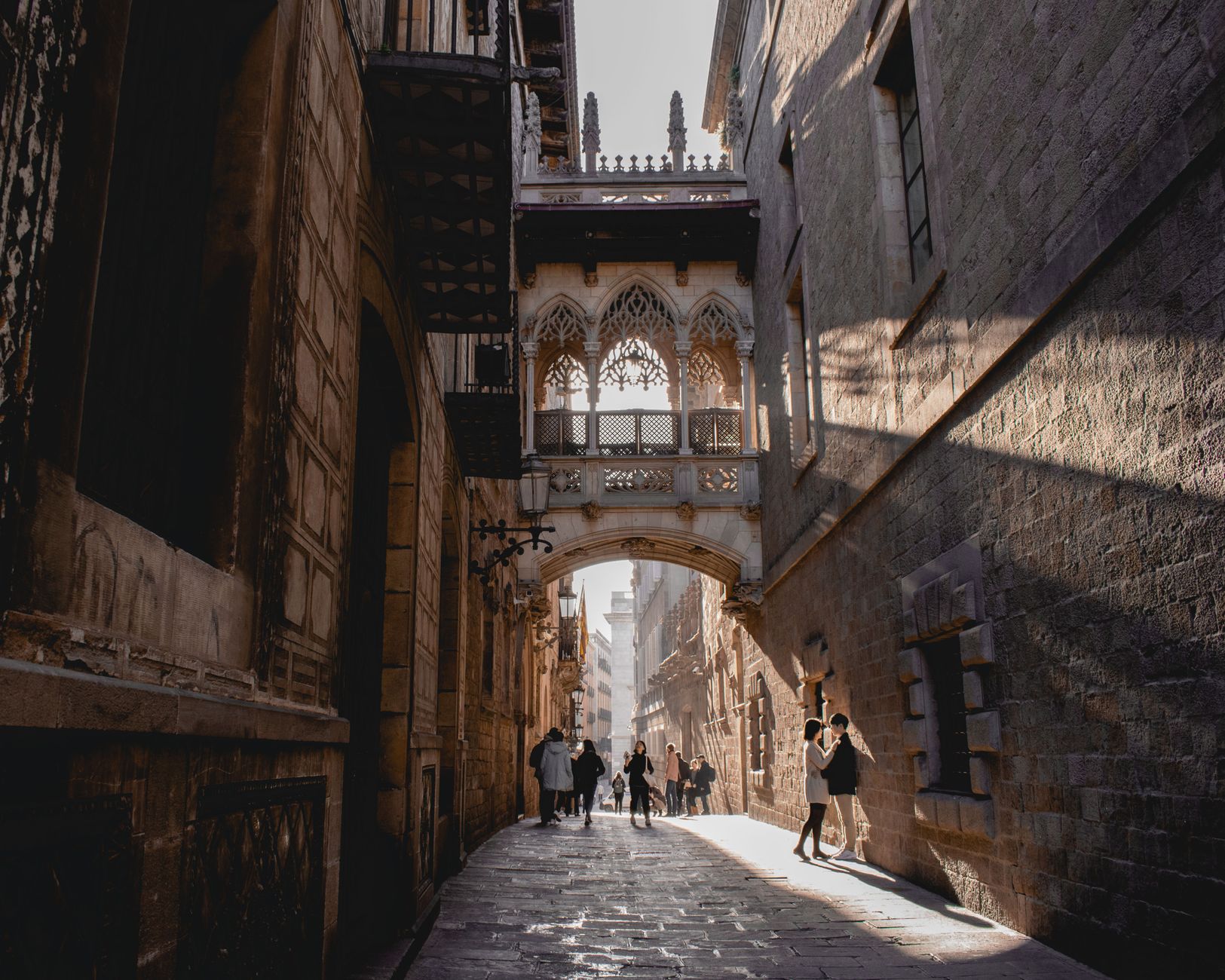
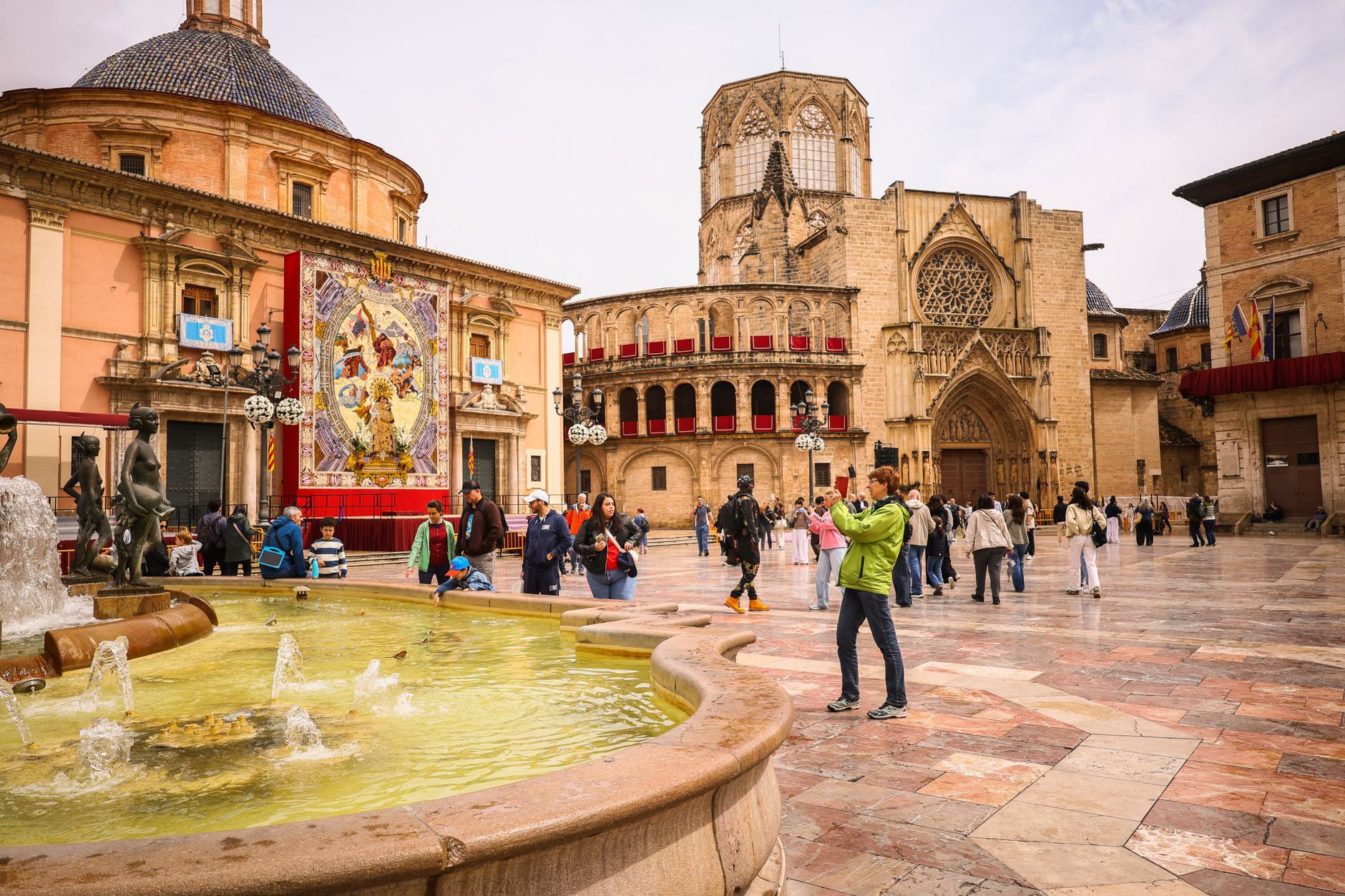
Photo by Monika Szypuła-Bilska on Pexels
Aragon
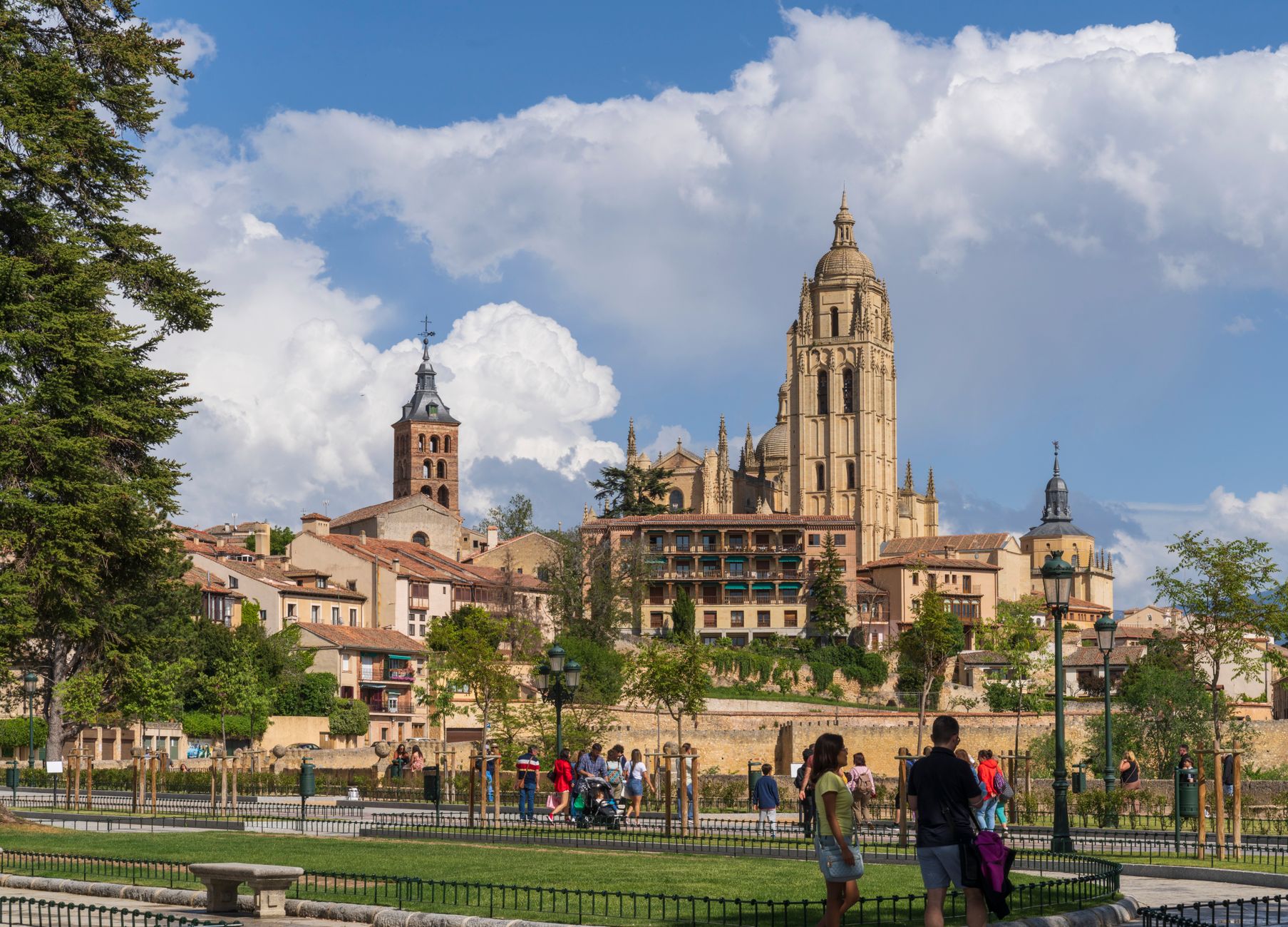
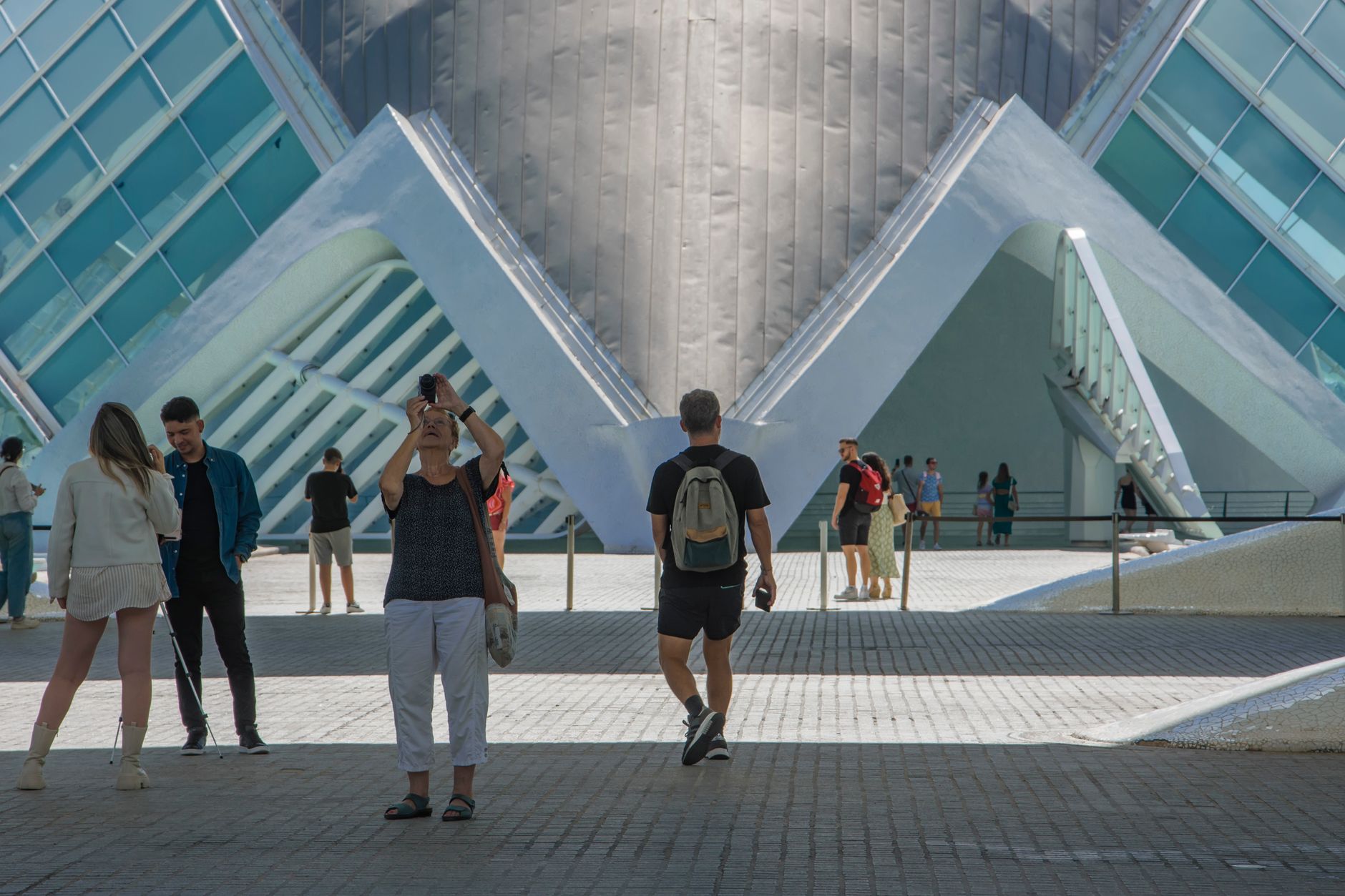
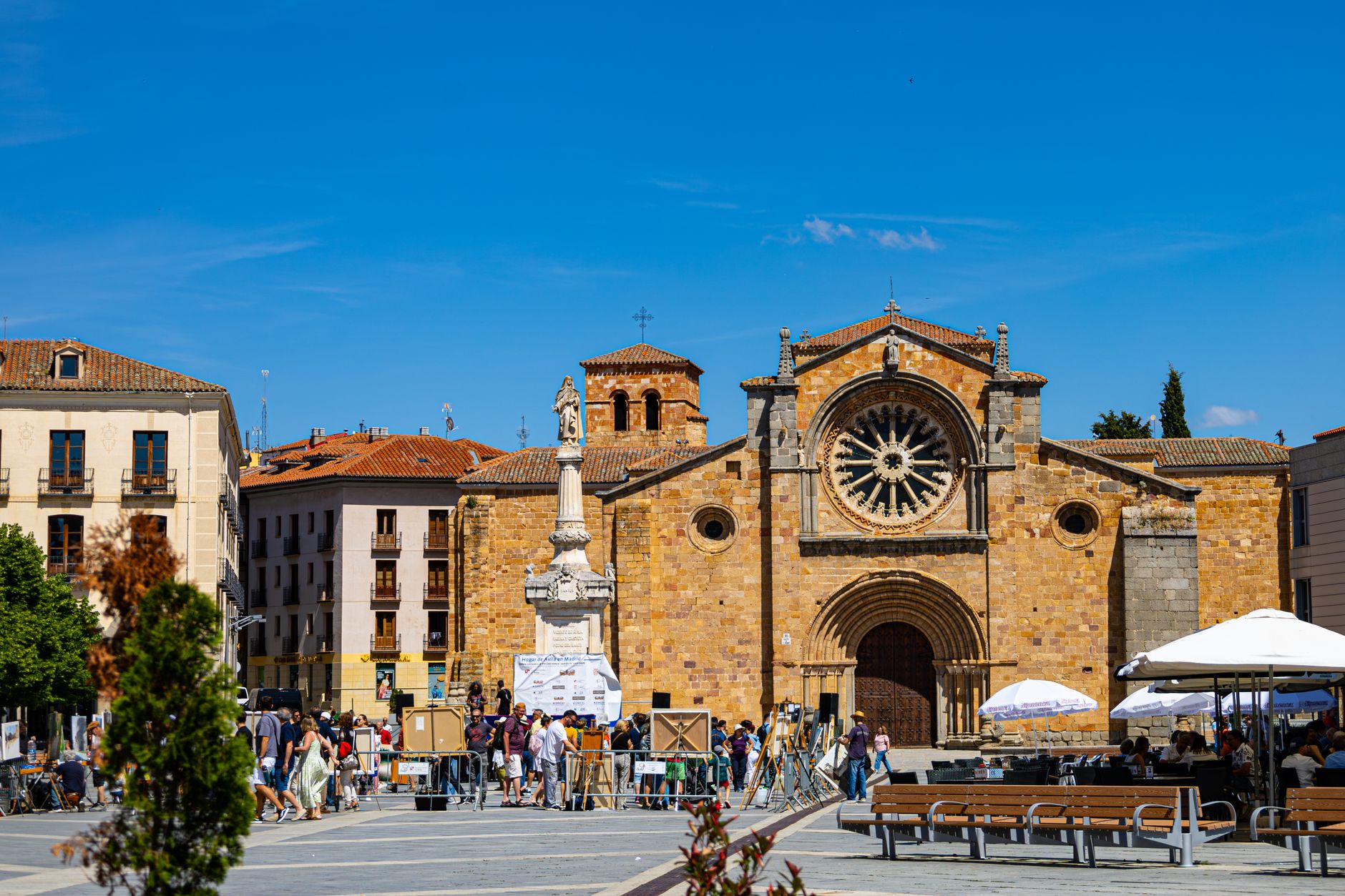
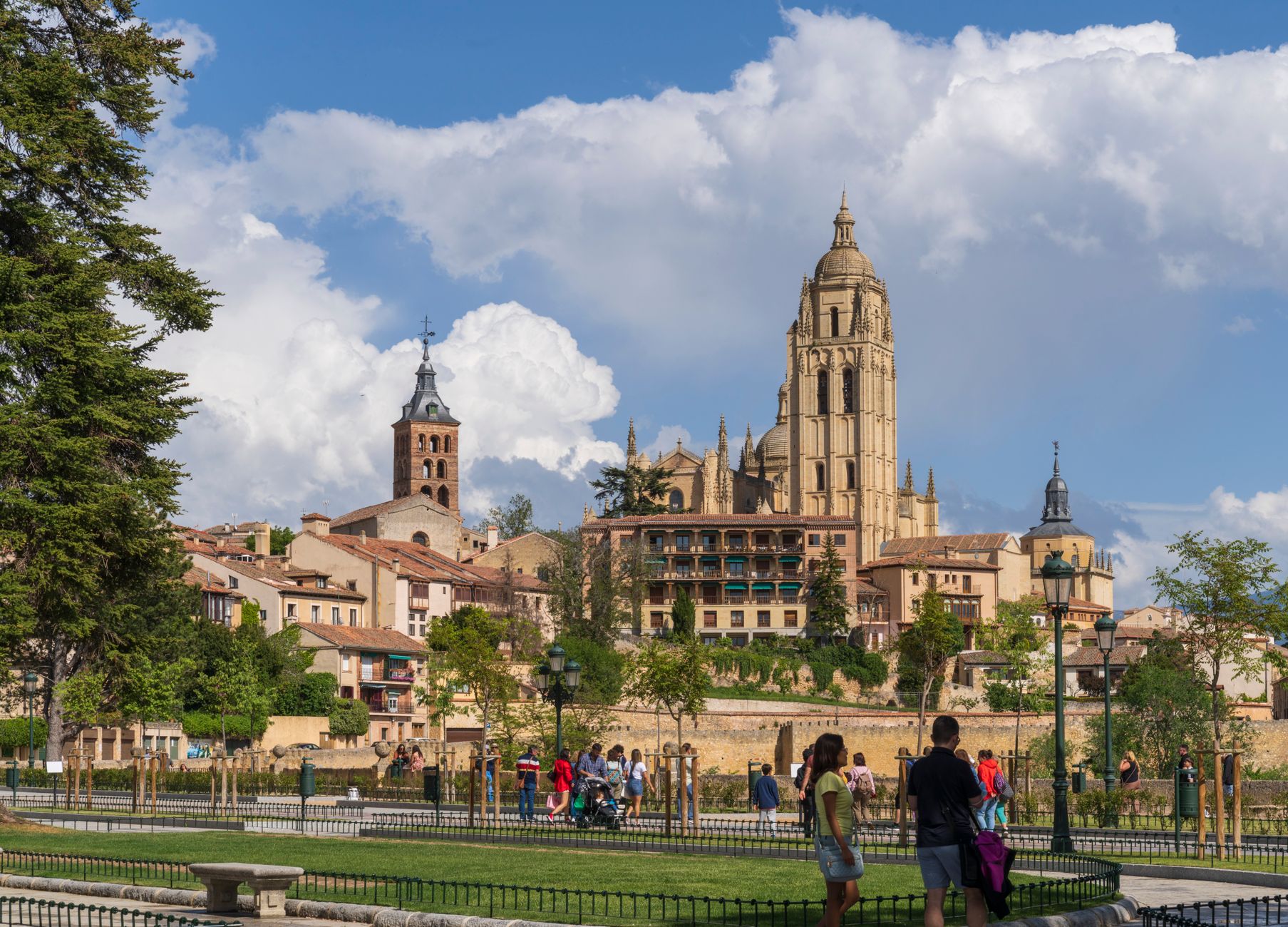
Photo by Ryan Carignan on Pexels
Aragon
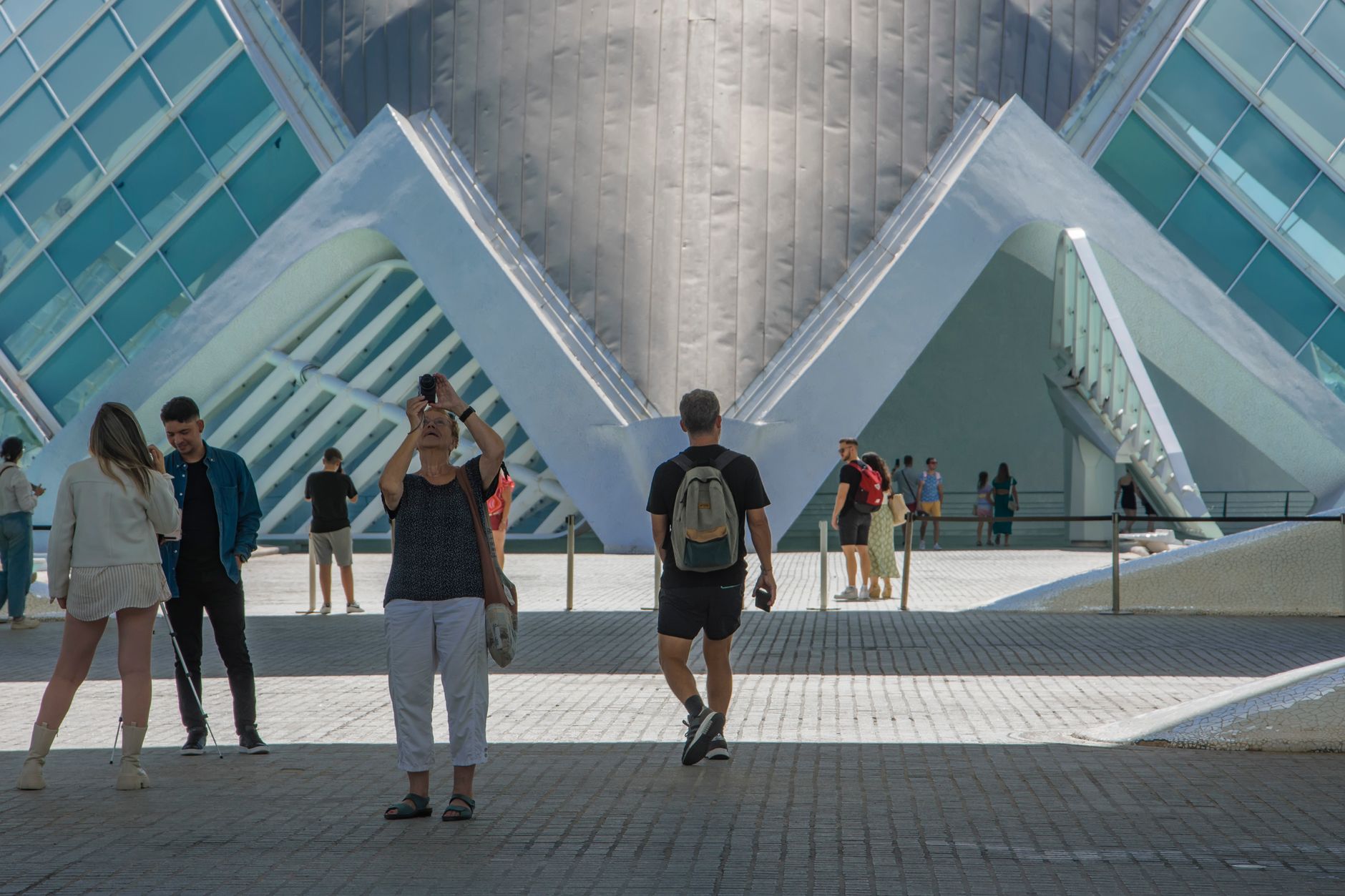
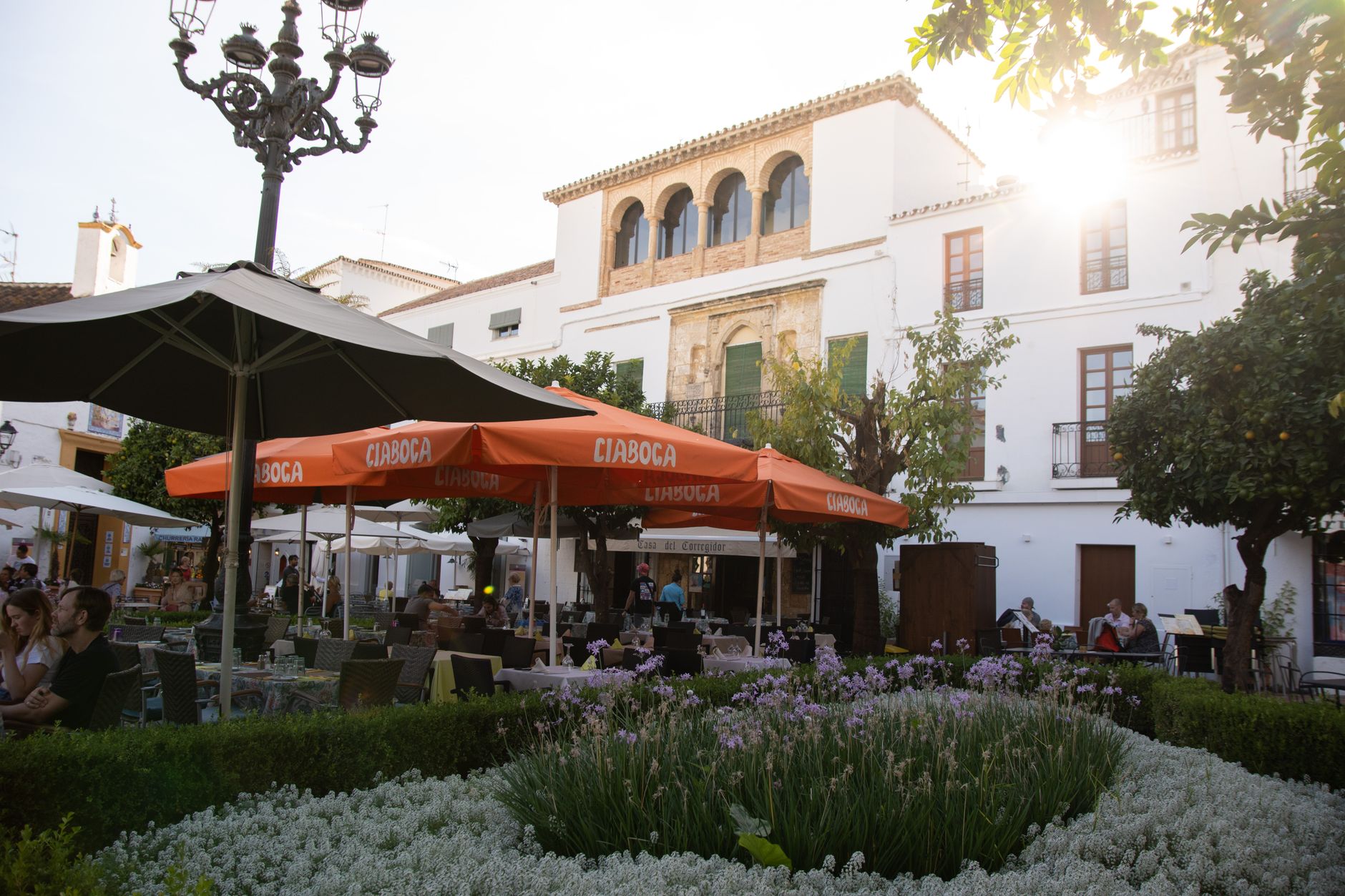
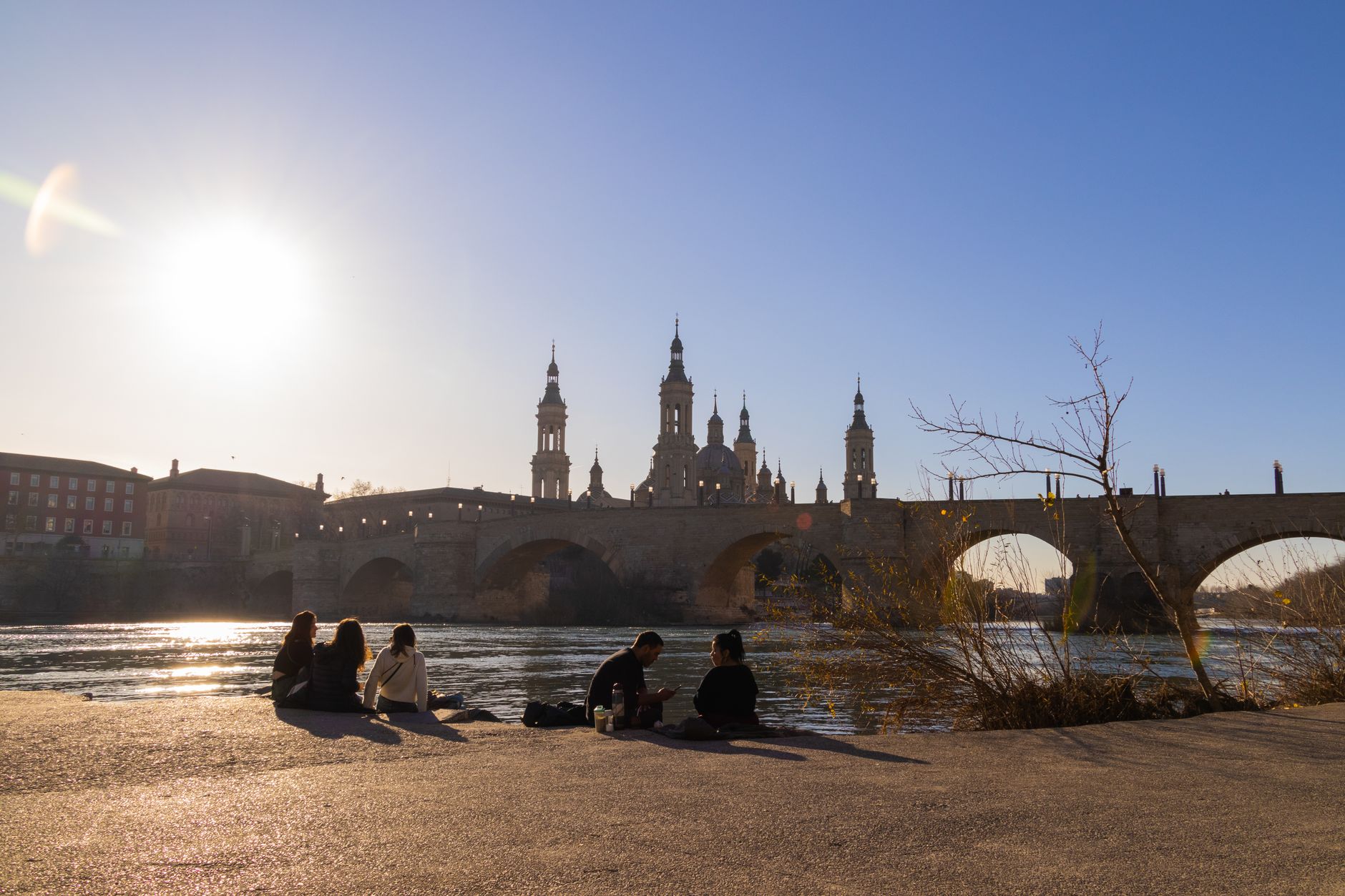
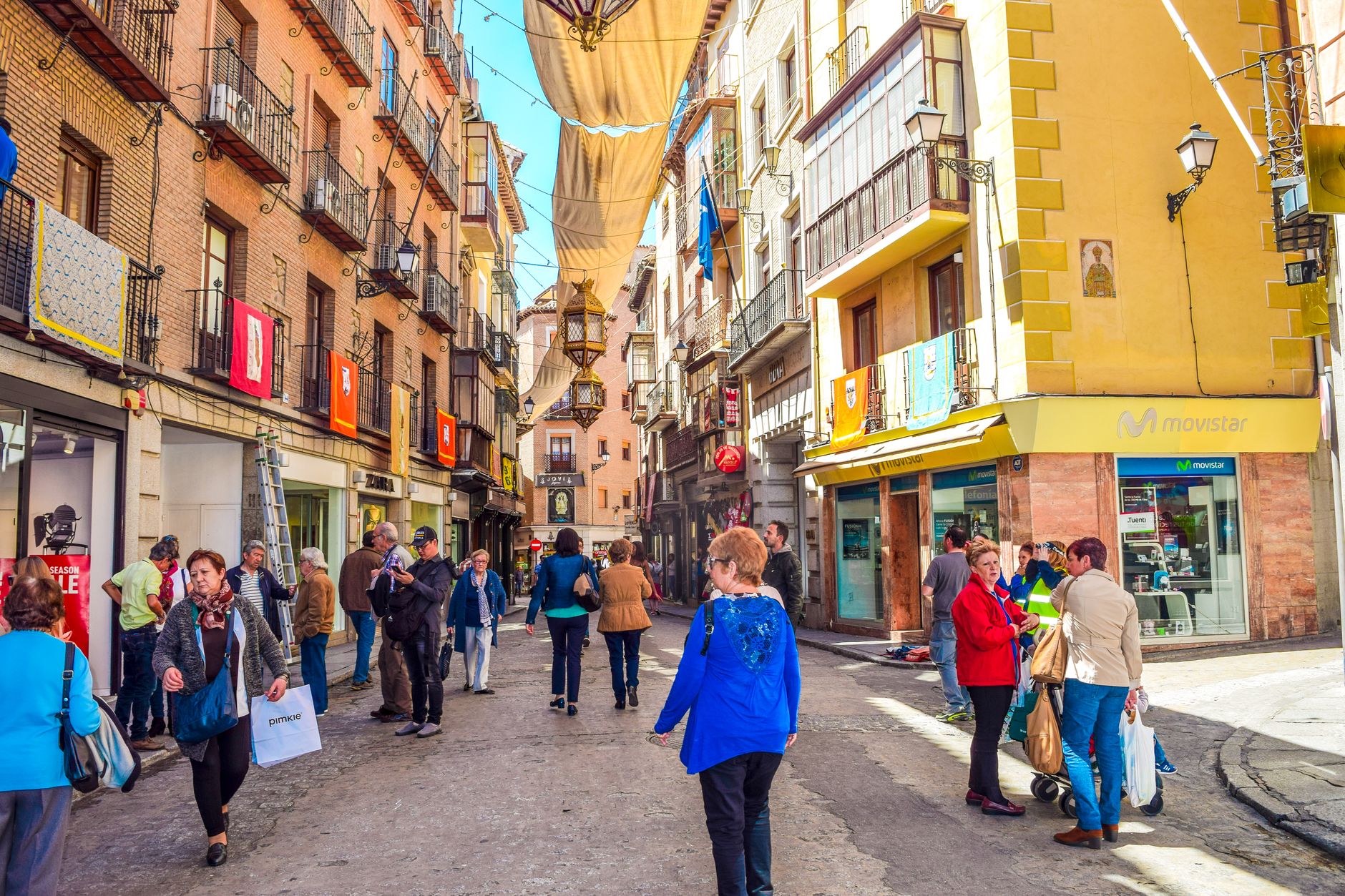
Photo by John Finkelstein on Pexels
Aragon
Photo by Tanhauser Vázquez R. on Pexels
Aragon
Photo by Ana Hidalgo Burgos on Pexels
Nature & outdoors Hiking & mountains Road trip & touring

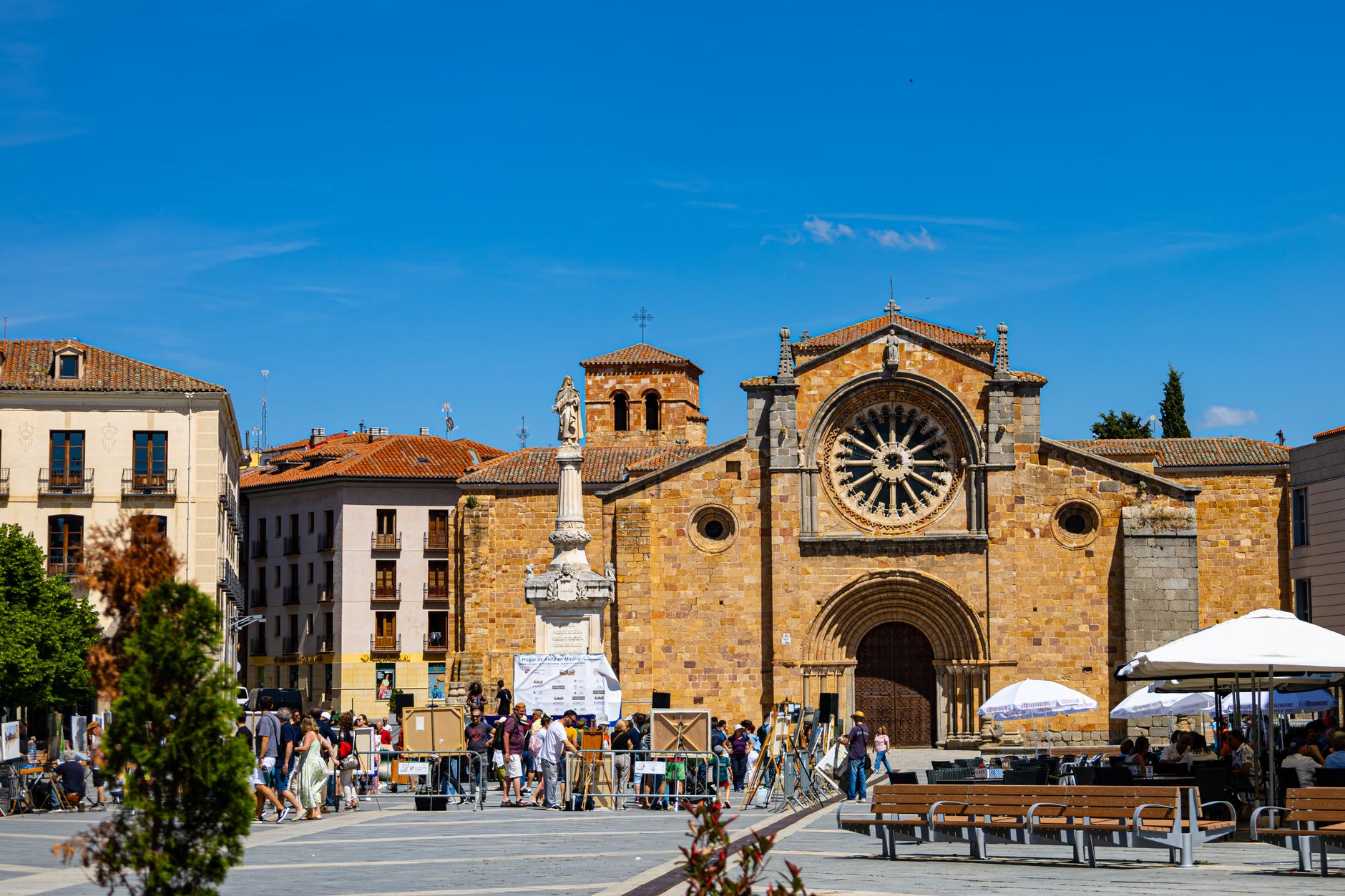
Aragon is the wide middle of Spain — a landlocked region that stretches from the Pyrenean peaks along the French border down through semi-arid plateau to the sun-baked south. Its capital, Zaragoza, sits at the centre of it all, where the Ebro bends and two cathedrals face each other across the old city. What gives Aragon its particular character is Mudéjar architecture: the brick-and-glazed-tile belfries that emerged after the Reconquista, shaped by Islamic craft and Gothic structure in the same breath.

Beyond Zaragoza, the region opens into genuinely varied country. You can walk the cloisters of a monastery carved into a cliff face at San Juan de la Peña, stand inside the pentagonal walls of Jaca's citadel, or look up at the medieval roofline of Albarracín, a small town perched above the Guadalaviar River on near-vertical rock.

Good to know
Zaragoza sits on the Madrid–Barcelona high-speed rail line — roughly 90 minutes from either city — making it an easy entry point. Spring and autumn are the most comfortable seasons for travelling across the region. The Pyrenean north and the southern plains run on very different climates, so plan accordingly if you're crossing both.
The story

How Aragon came to be

Aragon began as a Carolingian county around Jaca in the 9th century, later a vassal of the kingdom of Pamplona. It became an independent kingdom in 1035, when Sancho III of Navarre carved it out for his son Ramiro I. As the Reconquista pushed south, the capital shifted — first to Huesca in 1096, then to Zaragoza in 1118. A marriage in 1137 between Aragon's heiress and the Count of Catalonia, Ramon Berenguer IV, set in motion a Mediterranean empire.

The union of Ferdinand II of Aragon with Isabella I of Castile in 1479 effectively created modern Spain. Aragon retained its own laws and institutions until the War of the Spanish Succession, after which Philip V's Nueva Planta decrees centralised power in Madrid. The old kingdom survived as an administrative unit until 1833, when it was divided into the three provinces — Huesca, Zaragoza, Teruel — that still exist today. Aragon became an autonomous community in 1982.

People & landmarks

Who and what shaped it

People who shaped it

King Ferdinand II of Aragon
Ruled 1452–1516; married Isabella I of Castile, uniting Aragon and Castile to form modern Spain.
Michael Servetus
Theologian and physician born 1509/11 in Aragon; executed for heresy in Geneva in 1552.
Joseph Calasanz
Catholic priest (1557–1648) from Aragon; founded a society dedicated to educating poor boys.
Baltasar Gracián
Spanish Baroque writer (1601–1658) from Aragon.
Pablo Bruna
Blind composer and organist (1611–1679) from Aragon.
Gaspar Sanz
Composer, guitarist and organist (1640–1710) from Aragon.
Rocque Joaquin de Alcubierre
Military engineer (1702–1780) from Aragon; discovered the ruins of Pompeii.
Francisco Garcés
Missionary priest (1738–1781) from Aragon; founded two pueblo missions in North America.
Francisco de Goya
Born in the village of Fuendetodos in Aragon; painted frescoes in Zaragoza's Catedral-Basílica del Pilar.

Landmark buildings

Mudejar Architecture of Aragon
UNESCO World Heritage Site (1986); refined use of brick and glazed tiles in 12th–17th century buildings, blending Islamic and Gothic styles.
Catedral-Basílica de Nuestra Señora del Pilar
Zaragoza cathedral famous for frescoes painted by Francisco de Goya.
La Seo
Zaragoza cathedral built in 12th century; Gothic with Romanesque, Mudéjar and Baroque elements; houses one of Spain's finest tapestry collections.
La Lonja
Zaragoza exchange building (1541–1551); considered the finest example of civil architecture in the city.
Alfajería Palace
Zaragoza palace with parts dating to the 11th century.
Jaca Citadel
16th-century pentagonal fortress in Jaca; contains the Museum of Military Miniatures.
San Pedro Cathedral
11th-century cathedral in Jaca with Romanesque and Gothic frescoes.
Loarre Castle
Built in 1085; fortified castle in Aragon.
Monastery of San Juan de la Peña
Unique sanctuary carved into a mountain; now a museum.
Canfranc International Station
Station with significant historical importance; inaugurated in 1928.
Cathedral of Teruel
Major landmark in Teruel.
Albarracín
Medieval town perched on vertical cliffs above the Guadalaviar River; built at the strategic border of Castilla, Aragon, and Valencia.
Ordesa y Monte Perdido National Park
Mountain national park accessible from Torla; described as one of Europe's best-kept secrets.
Watch

See Aragon in motion

Practical

Plan your visit

On the map

When to go

The Pyrenean north is cool and wet year-round, with heavy snow in winter. Central Aragon around Zaragoza is drier and windier than most of Spain — the Cierzo, a cold north-westerly, can cut through the city in winter. Summers across the southern plateau are hot and arid; April to June and September to October offer the most forgiving conditions for travelling the region end to end.

Right now

☀️
25°C
Clear
Sat
36°
21°
Sun
37°
22°
Mon
39°
24°
Tue
36°
22°
Weather data: Open-Meteo

↡ Cities


Background & history adapted from Wikipedia (CC BY-SA) · specs from Wikidata (CC0) · weather from Open-Meteo · map data © OpenStreetMap contributors · photos from Wikimedia Commons / Unsplash with per-image credit. No third-party reviews or social posts reproduced.

Top