
Zaragoza
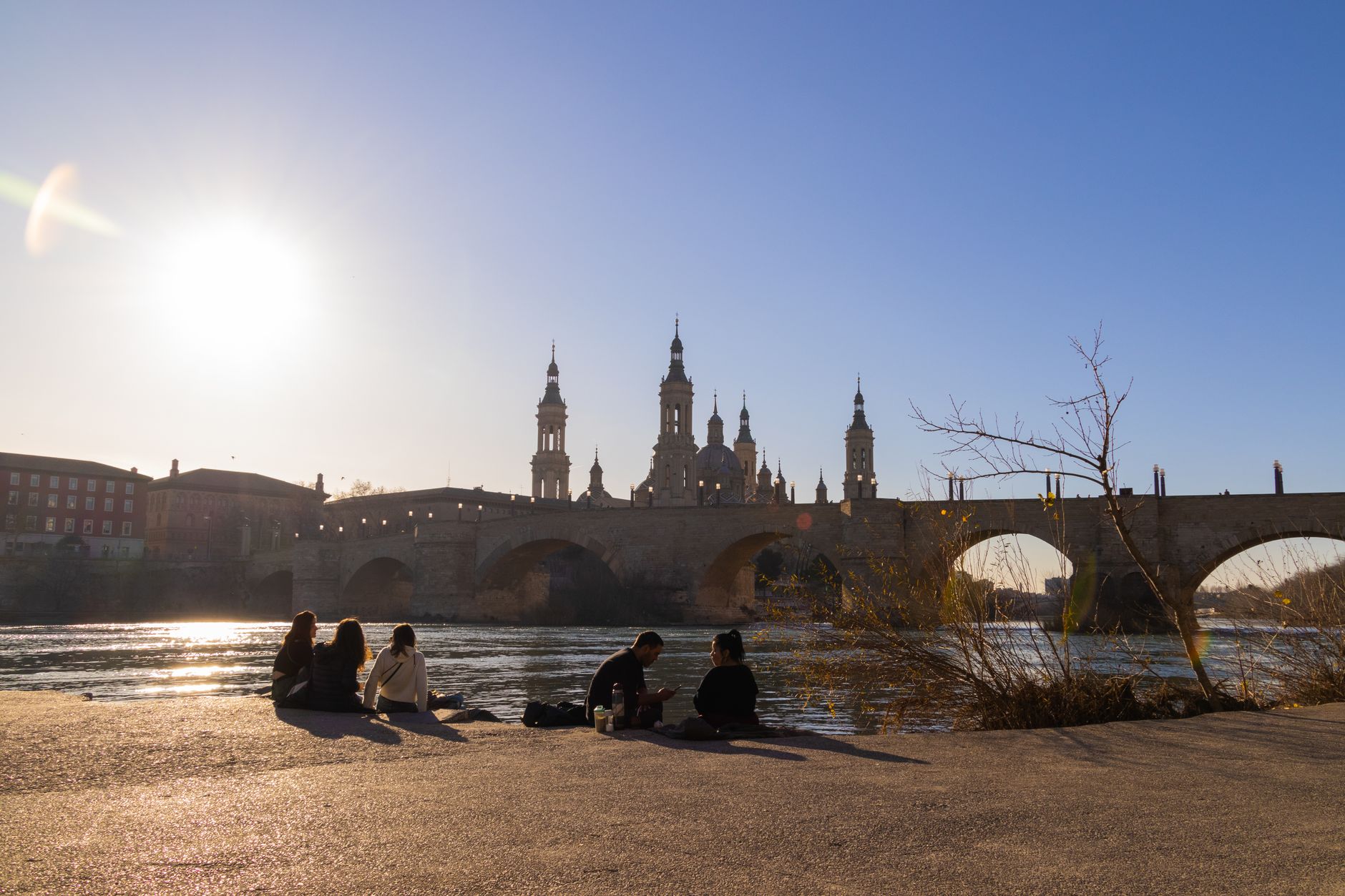
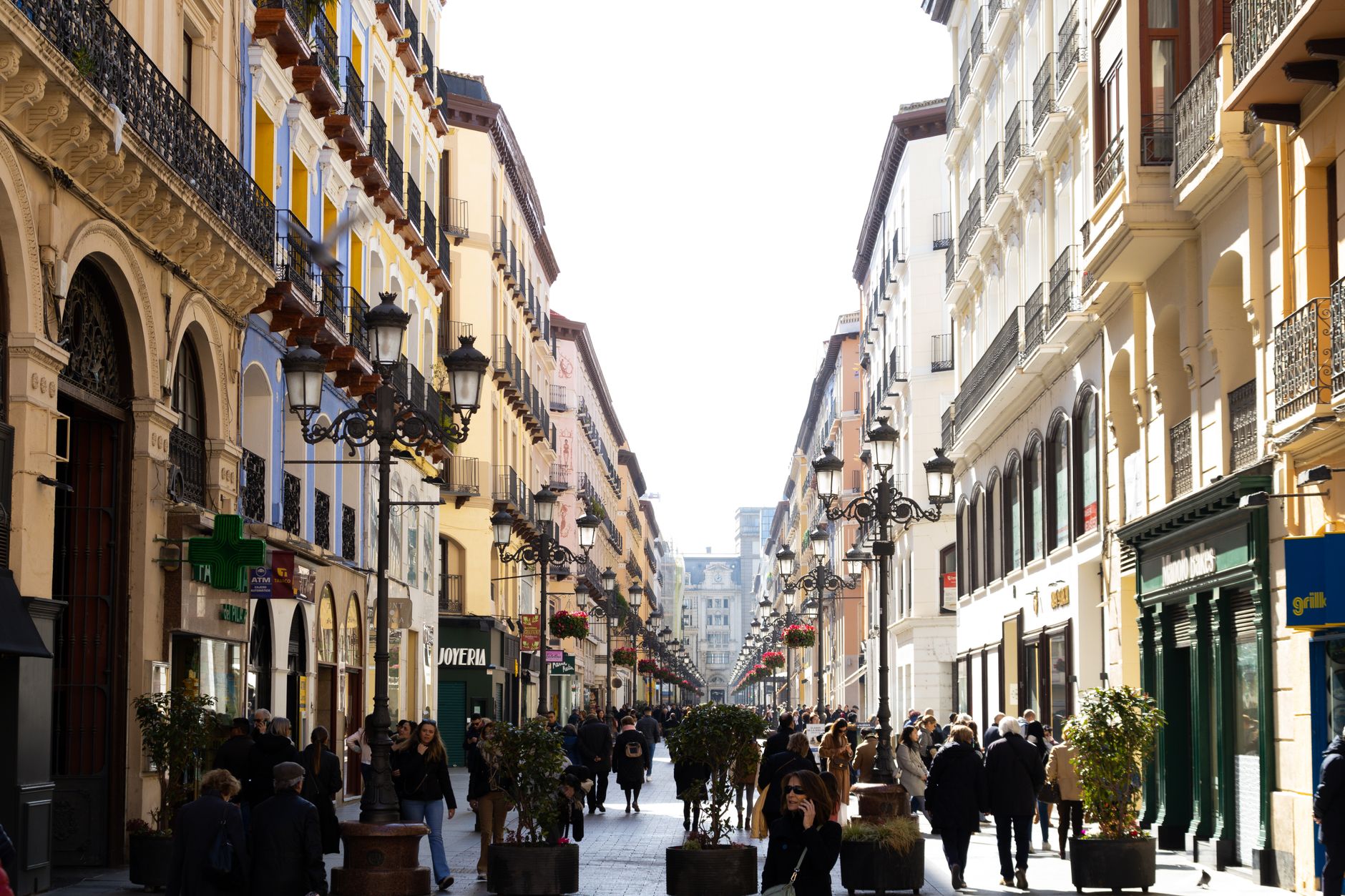
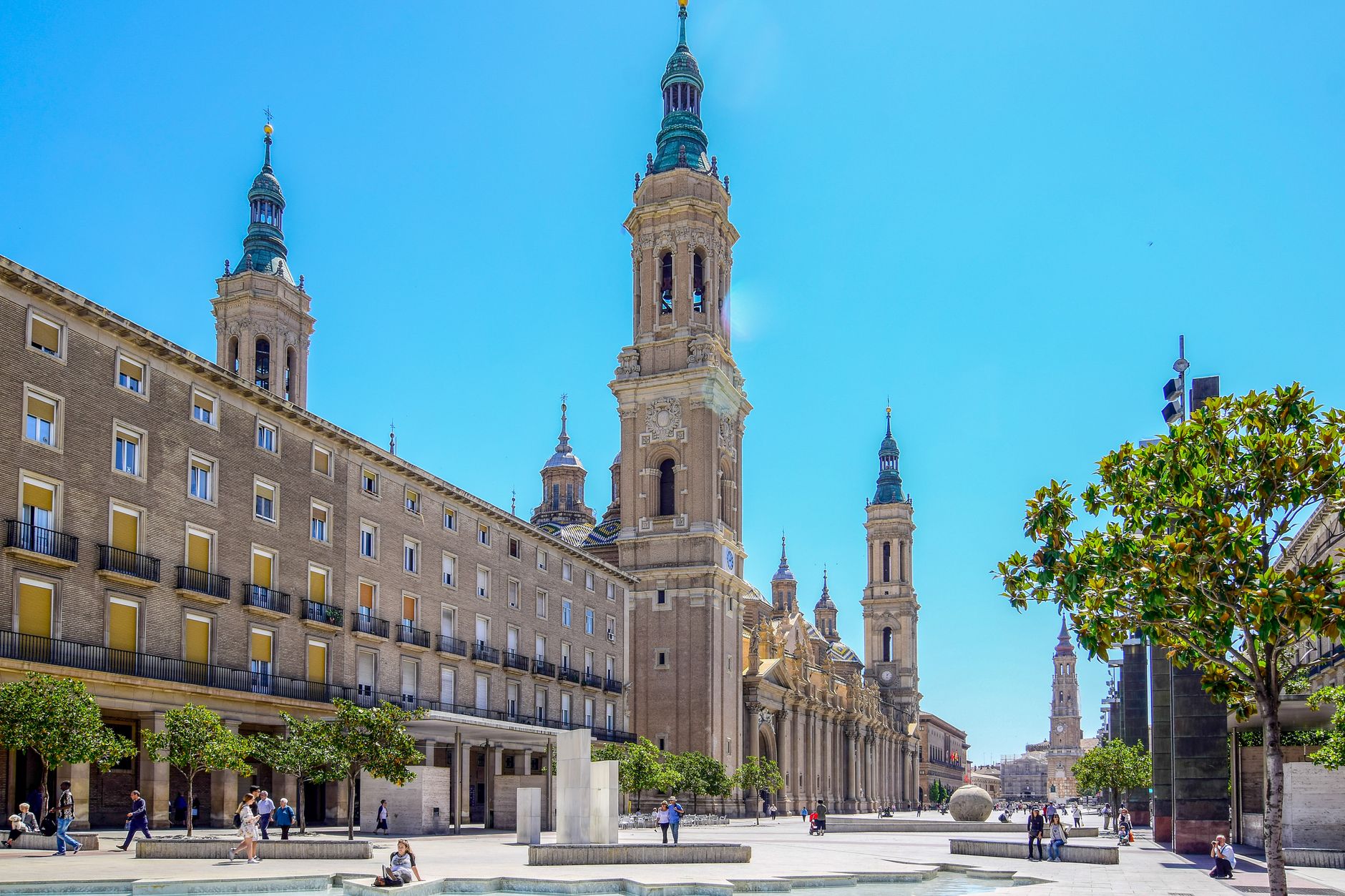
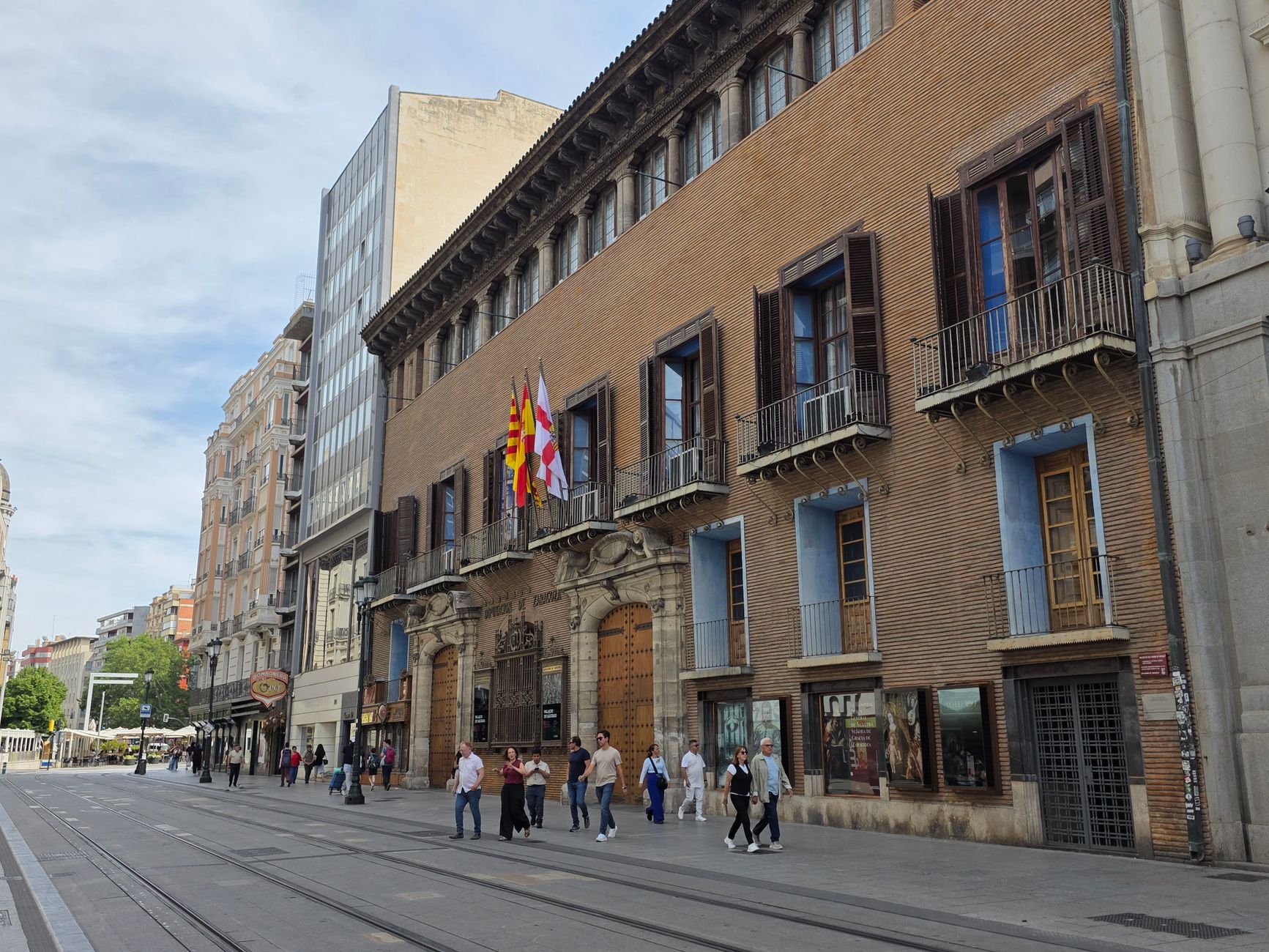
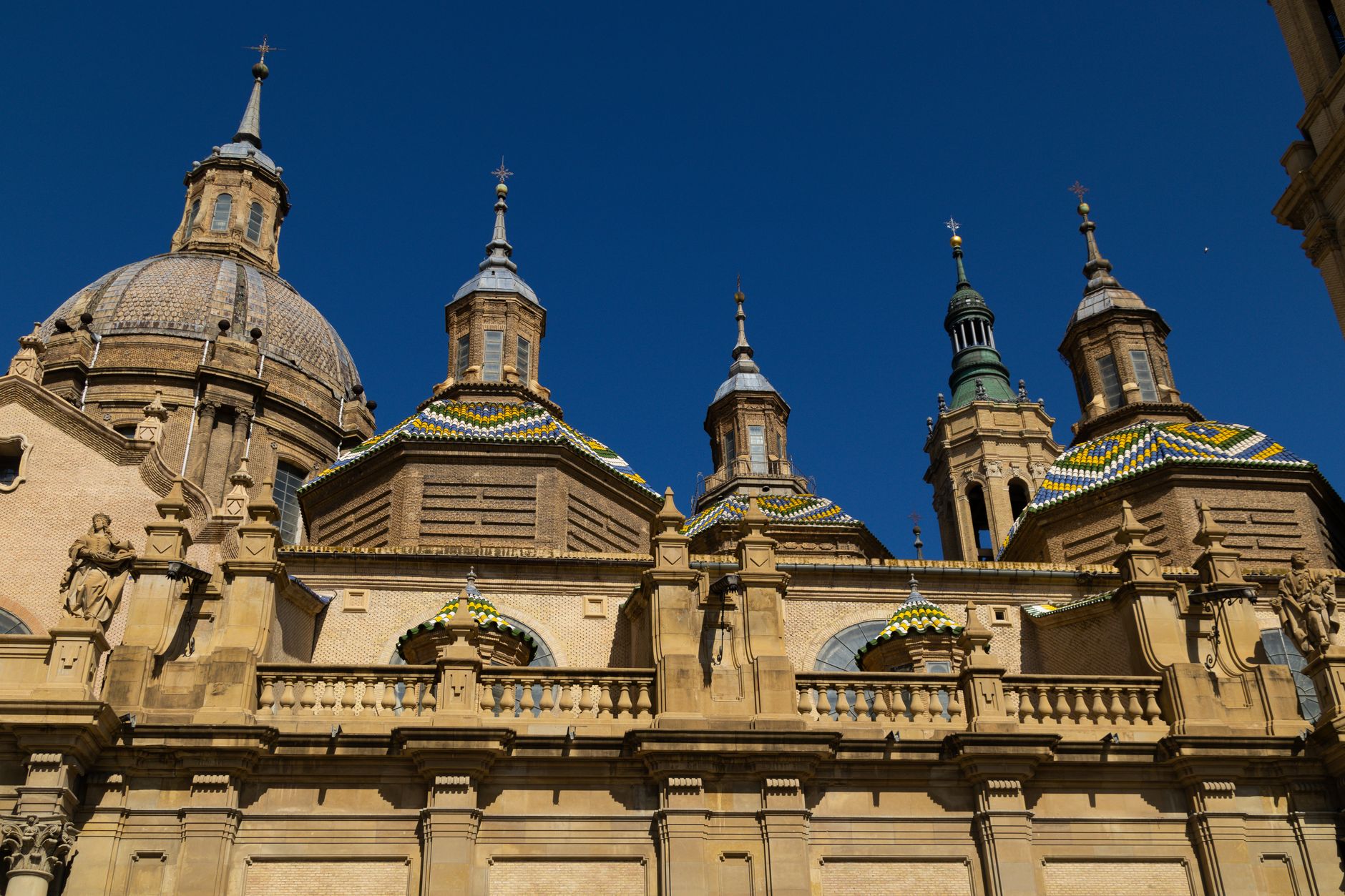
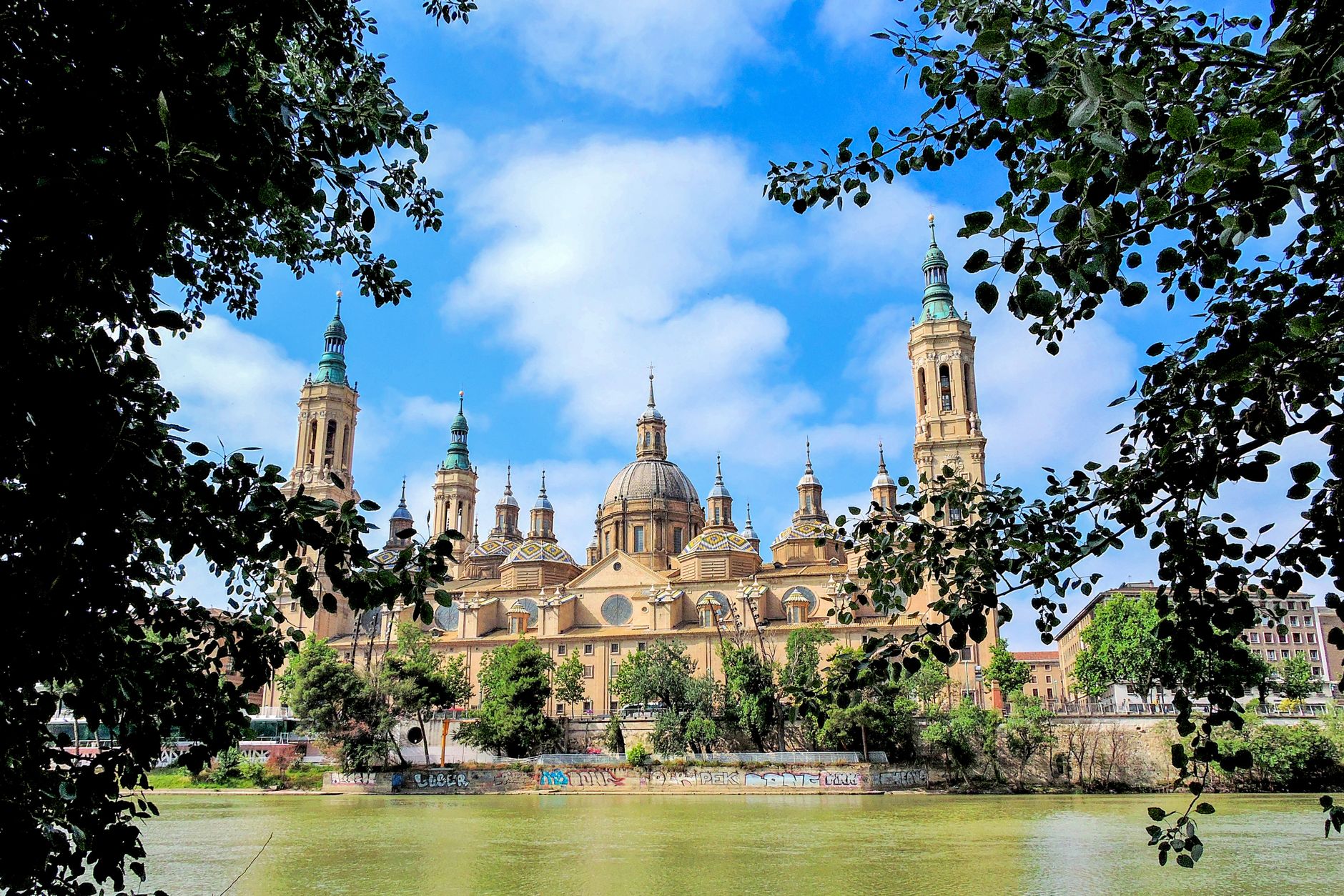
Stand on Plaza del Pilar on a clear morning and the scale of the place registers slowly: one of Europe's largest pedestrian squares, flanked on one side by a Baroque basilica whose eleven tiled domes catch the light in green, yellow and blue, and on the other by La Seo, a cathedral whose single exterior wall carries Mudéjar brickwork from a different century entirely. Zaragoza has been a Roman colony, an Arab taifa capital, the political heart of the Kingdom of Aragon, and a city that held off Napoleon's armies long enough to earn the permanent title "Always Heroic." All of that is still legible in the stone.
The city sits at the confluence of the Ebro, Huerva and Jalón rivers, roughly halfway between Madrid and Barcelona on the high-speed rail line — which means many people pass through without stopping. That is their loss.
💛 What travellers fall for
People who return tend to mention the Aljafería at dusk, when the guided tour ends and the horseshoe arches of the interior courtyard hold the last of the afternoon light. They also mention the Mercado Central on a weekday morning — the 1903 iron-and-glass hall is a National Historic Monument, but it functions as a working market, not a performance of one.
Experiences you don't want to miss




Deals in Zaragoza
Book directly at the provider


How Zaragoza came to be
Romans planted Caesaraugusta here between 25 BC and 11 BC, settling veterans from the Cantabrian wars on a bend of the Ebro. The name eroded through centuries of use — through Arabic Saraqusṭah — into the Zaragoza on today's maps. Moorish forces took the city around 714, and it became the capital of the Upper March of Al-Andalus, later the seat of its own taifa kingdom. The Aljafería Palace, built in 1045 for Sultan Abu Jafar Moctadir, is what that era left behind.
In 1118, Alfonso I of Aragon took the city back and made it the kingdom's capital. The University of Zaragoza followed in 1474. When Napoleon's forces besieged the city in 1808 and again in 1809, the resistance was fierce enough — and costly enough — that Spain awarded Zaragoza a title it still carries.
Who and what shaped it
People who shaped it
Landmark buildings
See Zaragoza in motion
Plan your visit
On the map
When to go
Zaragoza sits in a semi-arid continental zone and the Cierzo, a cold dry wind off the Pyrenees, can make winters feel sharper than the temperature suggests. Spring and autumn are the most comfortable seasons for walking the old city; summers are hot and dry, often exceeding 35°C in July and August.
Right now
Background & history adapted from Wikipedia (CC BY-SA) · specs from Wikidata (CC0) · weather from Open-Meteo · map data © OpenStreetMap contributors · photos from Wikimedia Commons / Unsplash with per-image credit. No third-party reviews or social posts reproduced.