
Jaca
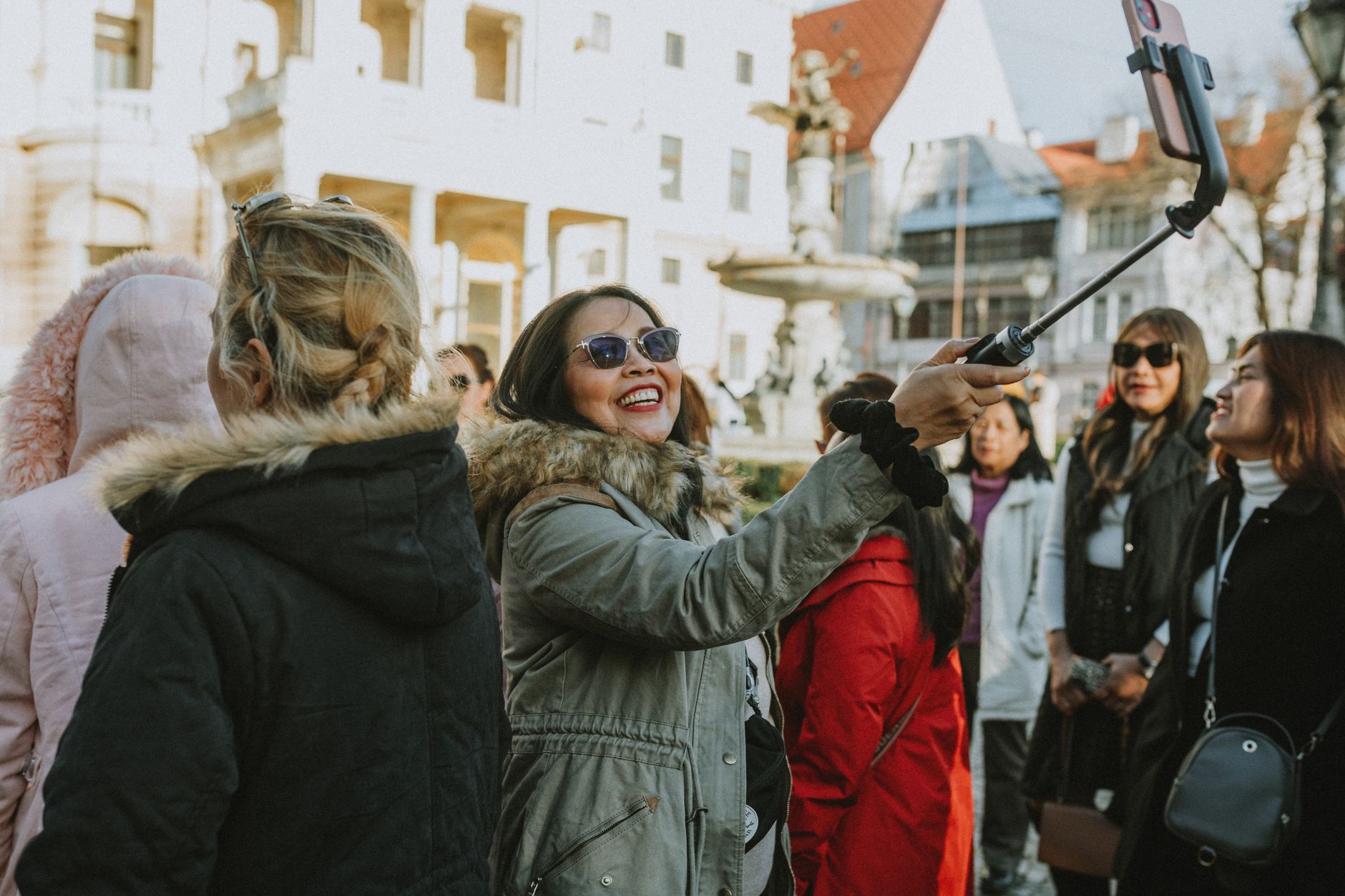
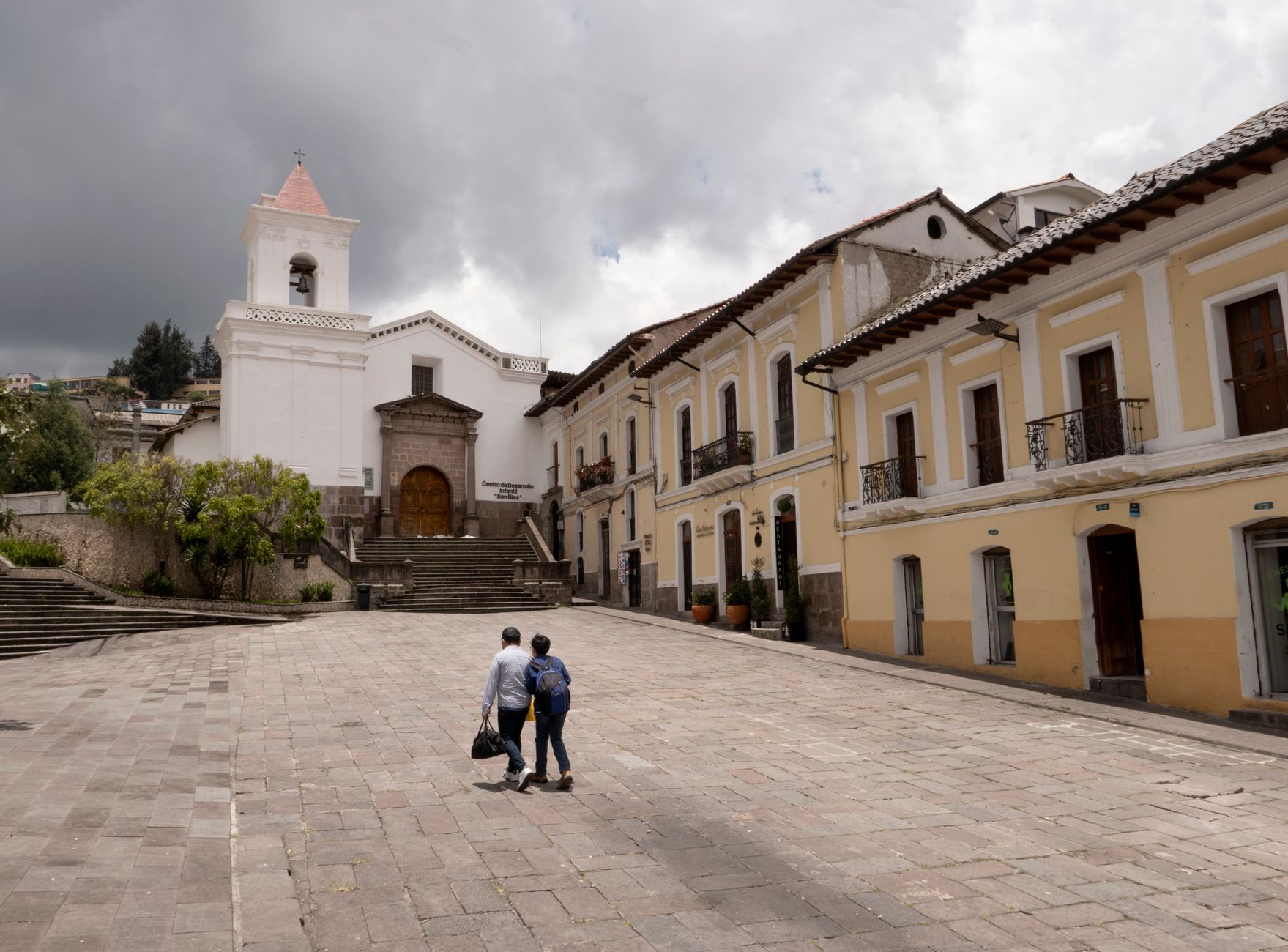
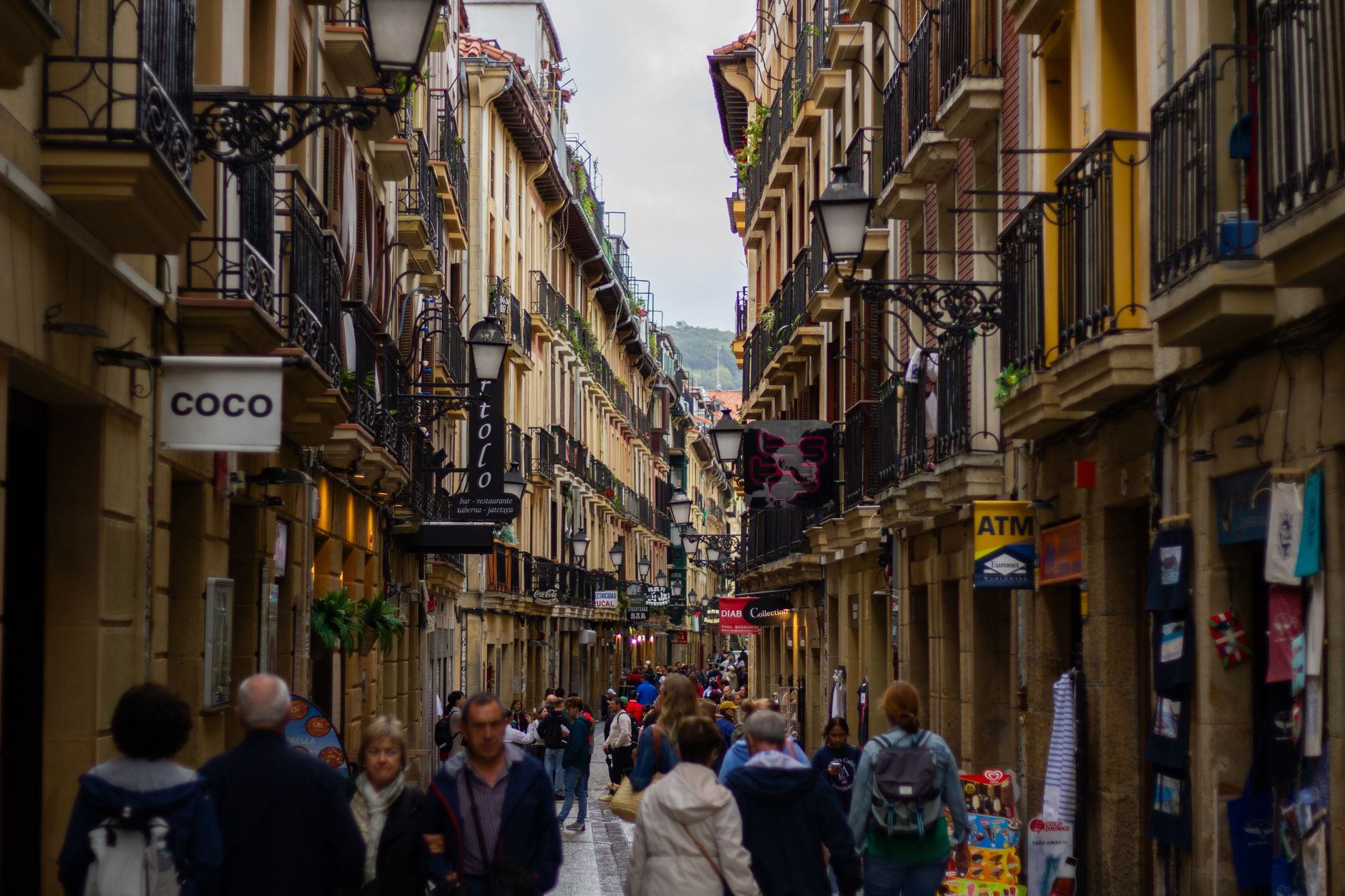
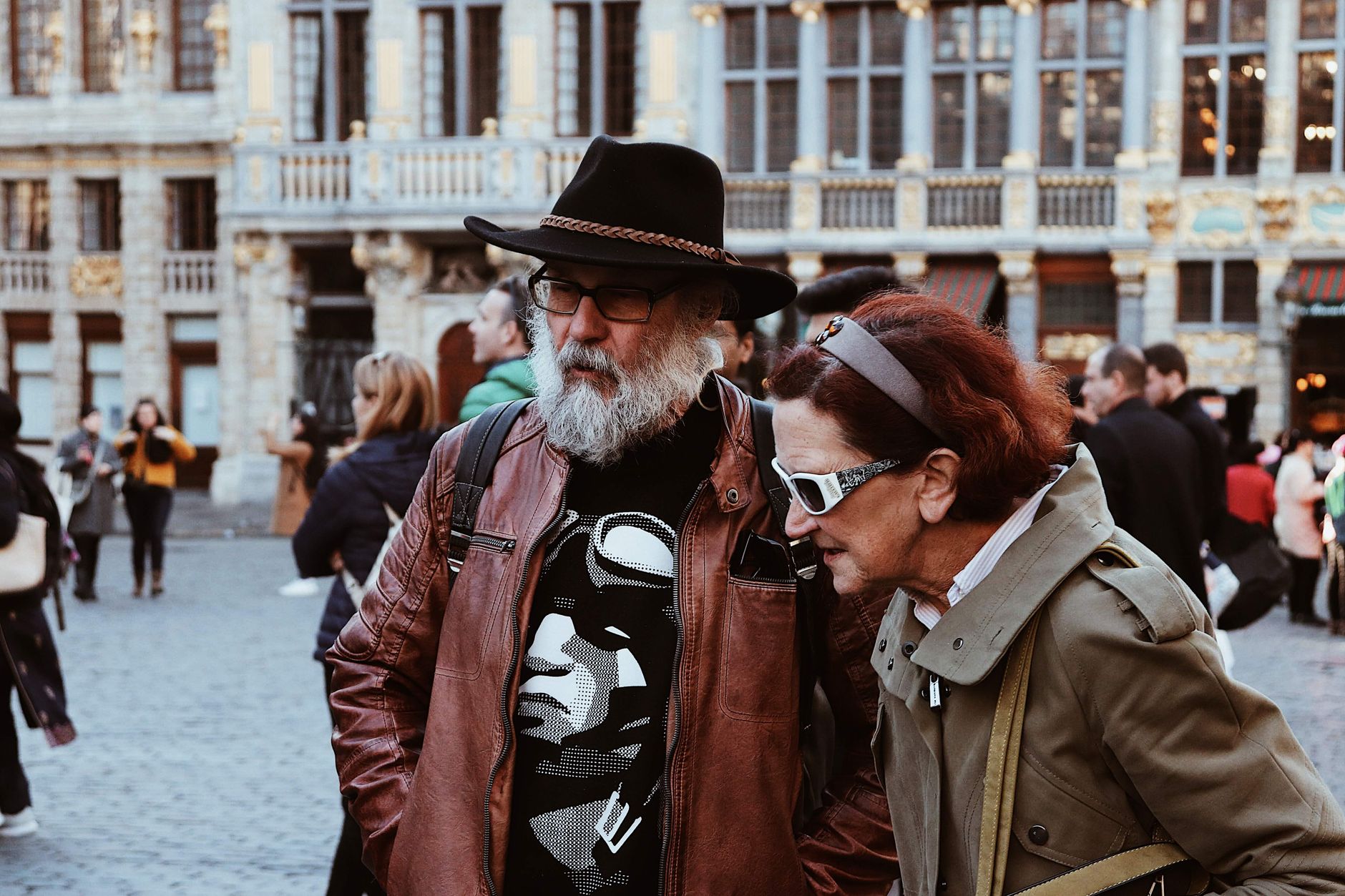
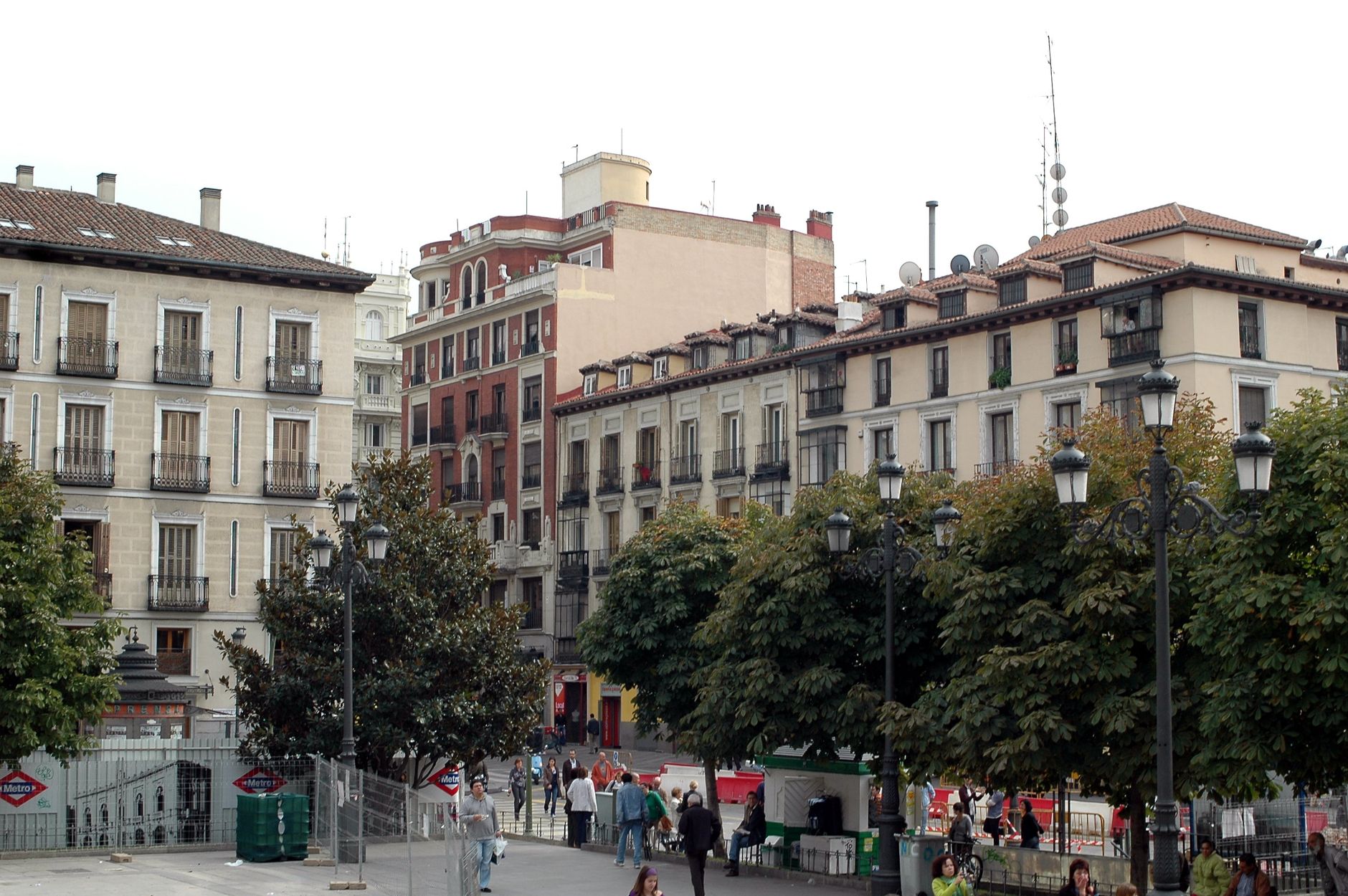
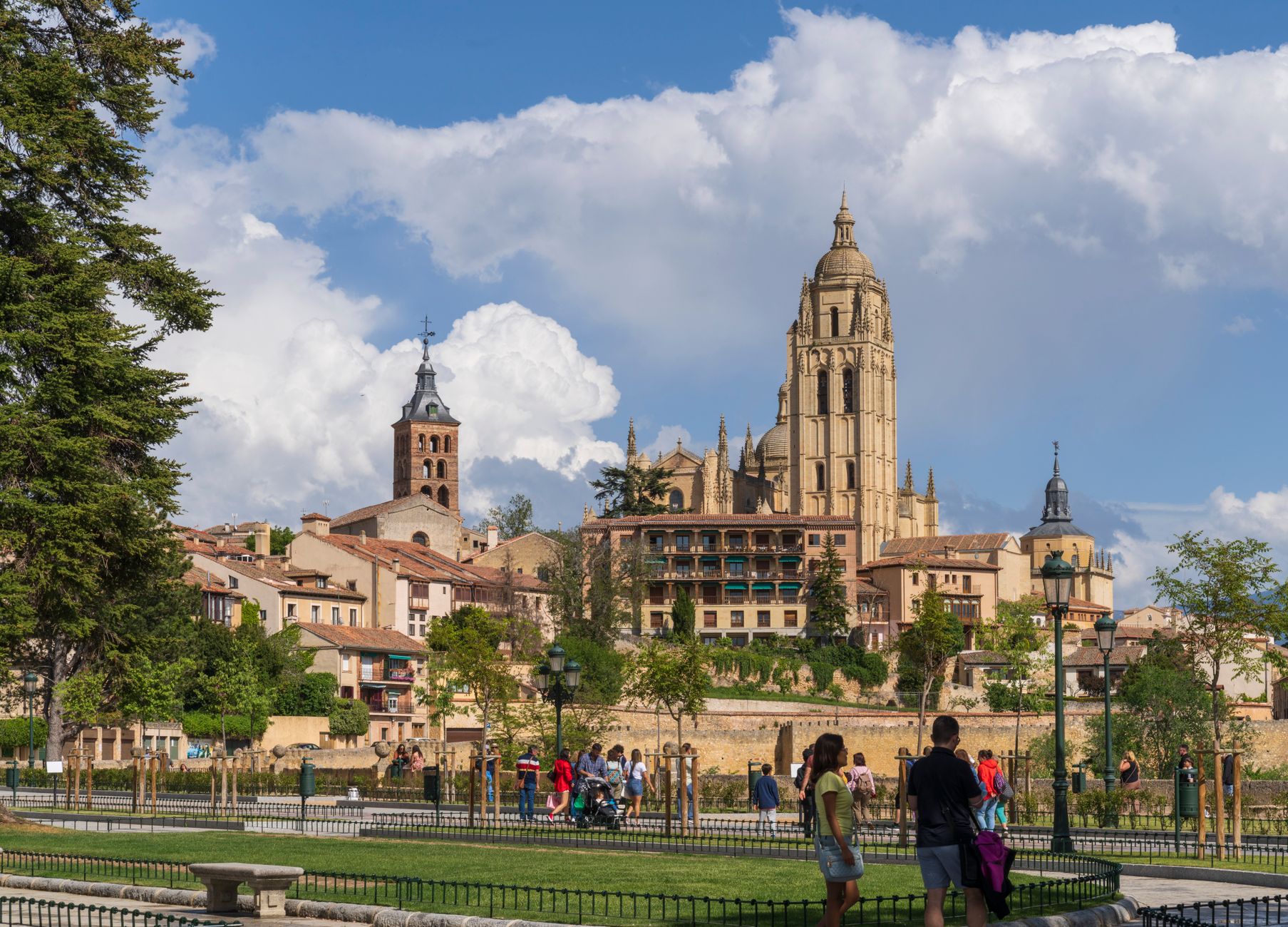
Jaca sits at the foot of the Pyrenees with the quiet confidence of a place that was briefly the centre of everything. In the 11th century this was the first capital of the Kingdom of Aragon, and the Cathedral of San Pedro — begun in 1076 and the first Romanesque cathedral in Aragon — still anchors the old town like a statement that was never taken back.
The city is small enough to read in a morning, but the layers repay slower attention. Pilgrims on the Camino Francés have been passing through for nearly a thousand years, and the roads show it — worn smooth between a pentagonal star fort that Philip II ordered in 1592 and a Gothic clock tower that became a prison a decade after its bells were cast.
💛 What travellers fall for
People who come back tend to mention the same sequence: arrive by the early Zaragoza train, drop bags, go straight to the cathedral cloister before the tour groups arrive. The Diocesan Museum inside holds medieval frescoes pulled from village churches across the diocese — the kind of thing you'd travel to a capital city to see, quietly waiting here.
Experiences you don't want to miss


Deals in Jaca
Book directly at the provider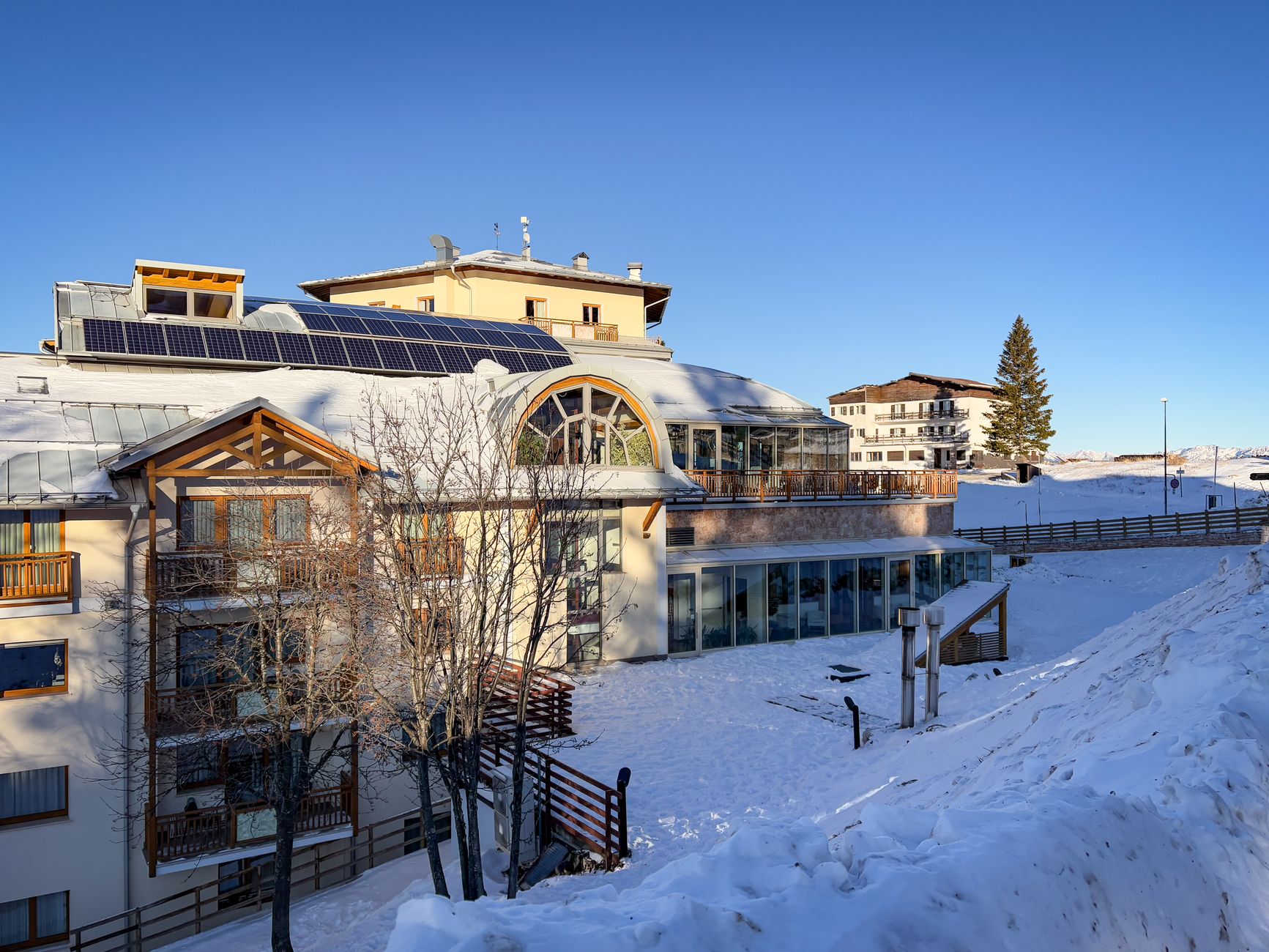
How Jaca came to be
The Iacetani, an Iberian tribe, gave Jaca its name and were minting coins here by the second half of the 2nd century BC. Rome arrived in force in 194 BC under Cato the Elder. The Moors took the town in 716 and called it Dyaka; Christians reclaimed it around 760. Three centuries later, Ramiro I made Jaca the first capital of the newly formed Kingdom of Aragon.
The city's defining moment came under Sancho Ramírez, who designated it an episcopal see in 1077 and ordered construction of the cathedral the same year. That primacy lasted until 1096, when the reconquest of Huesca shifted the centre of gravity south — and eventually to Zaragoza. Jaca never grew into a metropolis, which is precisely why so much of what Sancho Ramírez set in motion is still standing.
Who and what shaped it
People who shaped it
Landmark buildings
See Jaca in motion
Plan your visit
On the map
When to go
Summers are warm and dry with cool evenings at this altitude — the Pyrenees keep July and August pleasant compared to the Aragonese lowlands. Winters bring cold and snow to the surrounding mountains; the town itself is manageable but quiet, with shorter daylight hours and some reduced opening times.
Right now
Background & history adapted from Wikipedia (CC BY-SA) · specs from Wikidata (CC0) · weather from Open-Meteo · map data © OpenStreetMap contributors · photos from Wikimedia Commons / Unsplash with per-image credit. No third-party reviews or social posts reproduced.