
Teruel
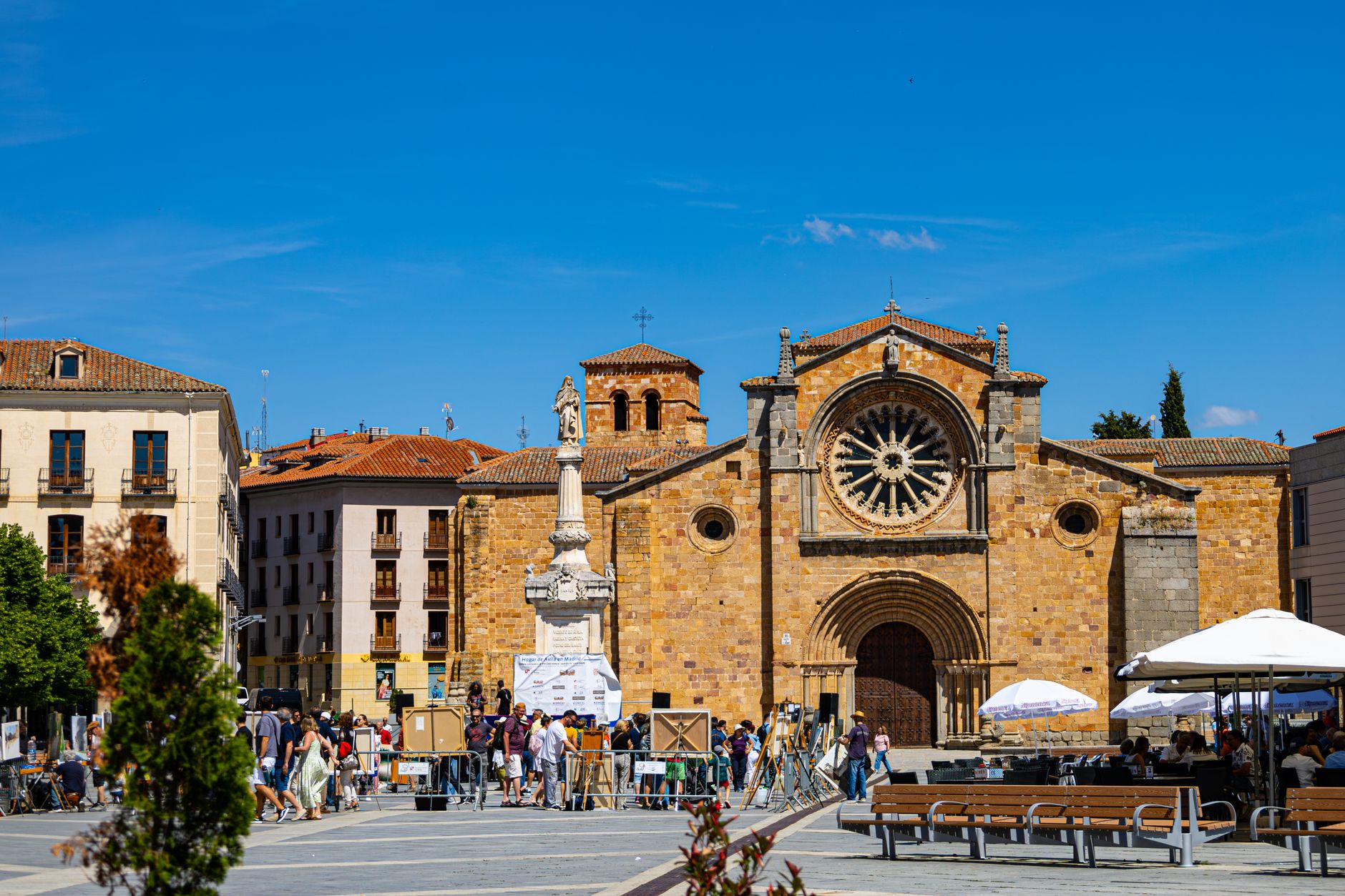
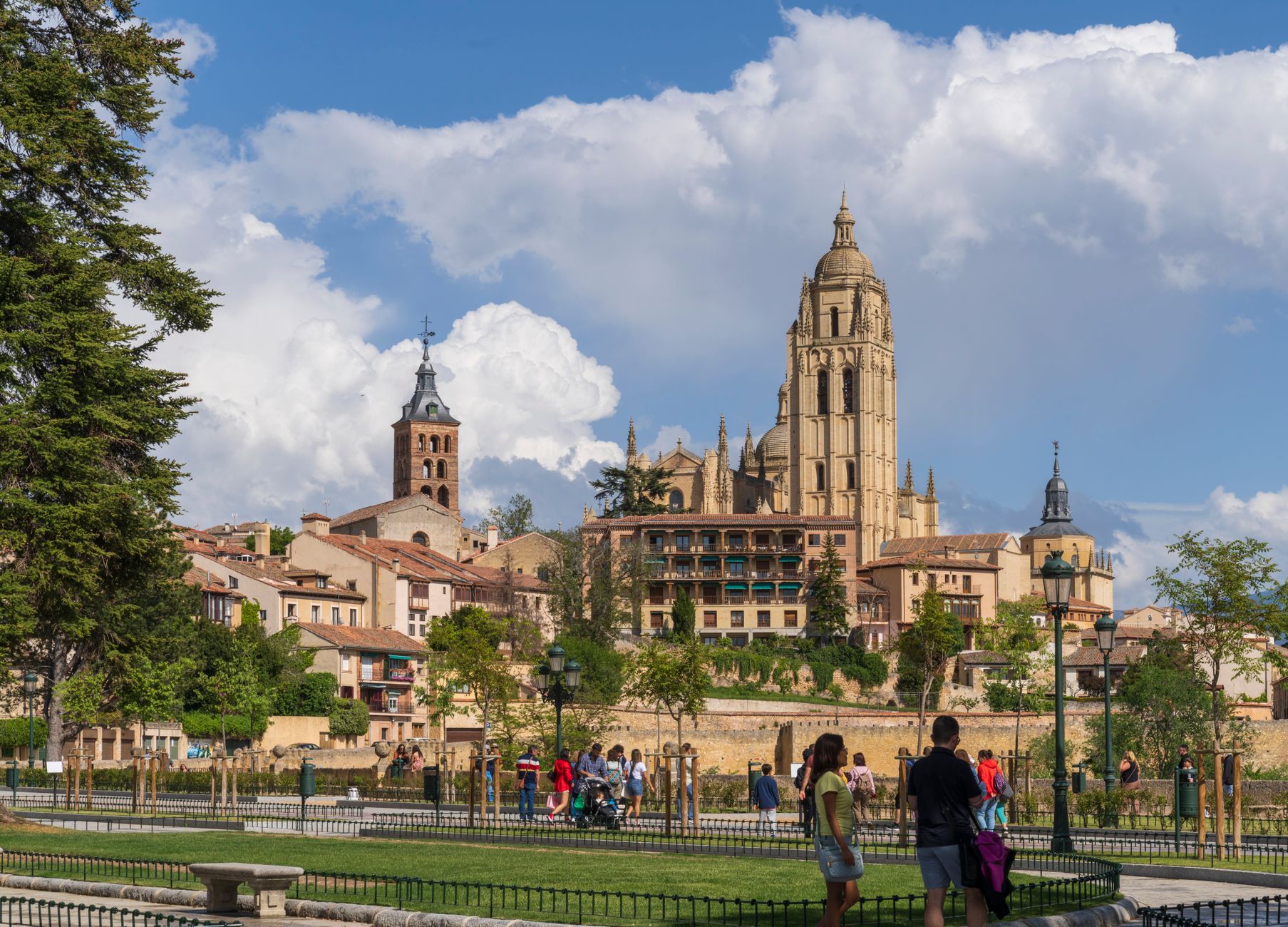
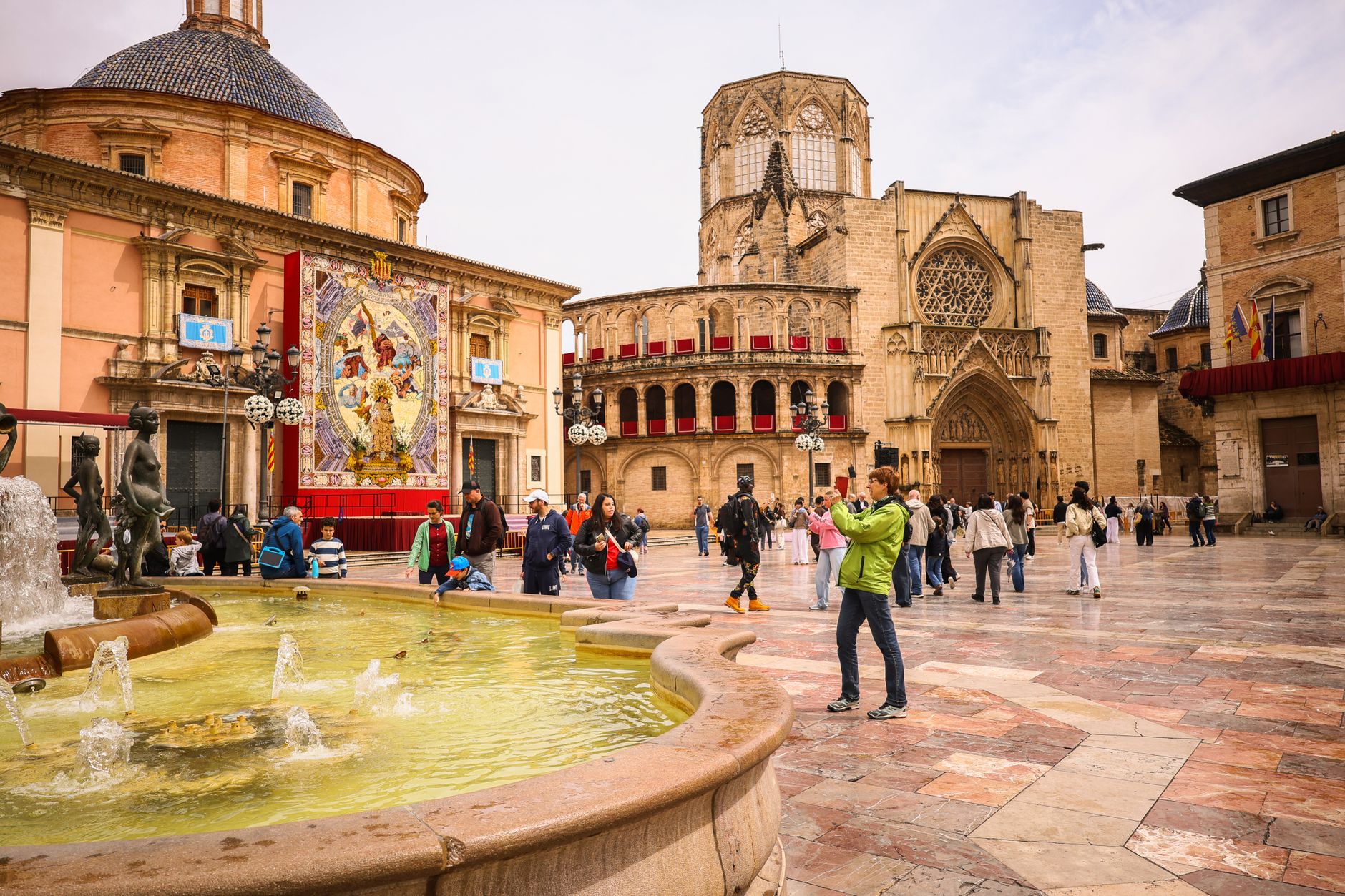
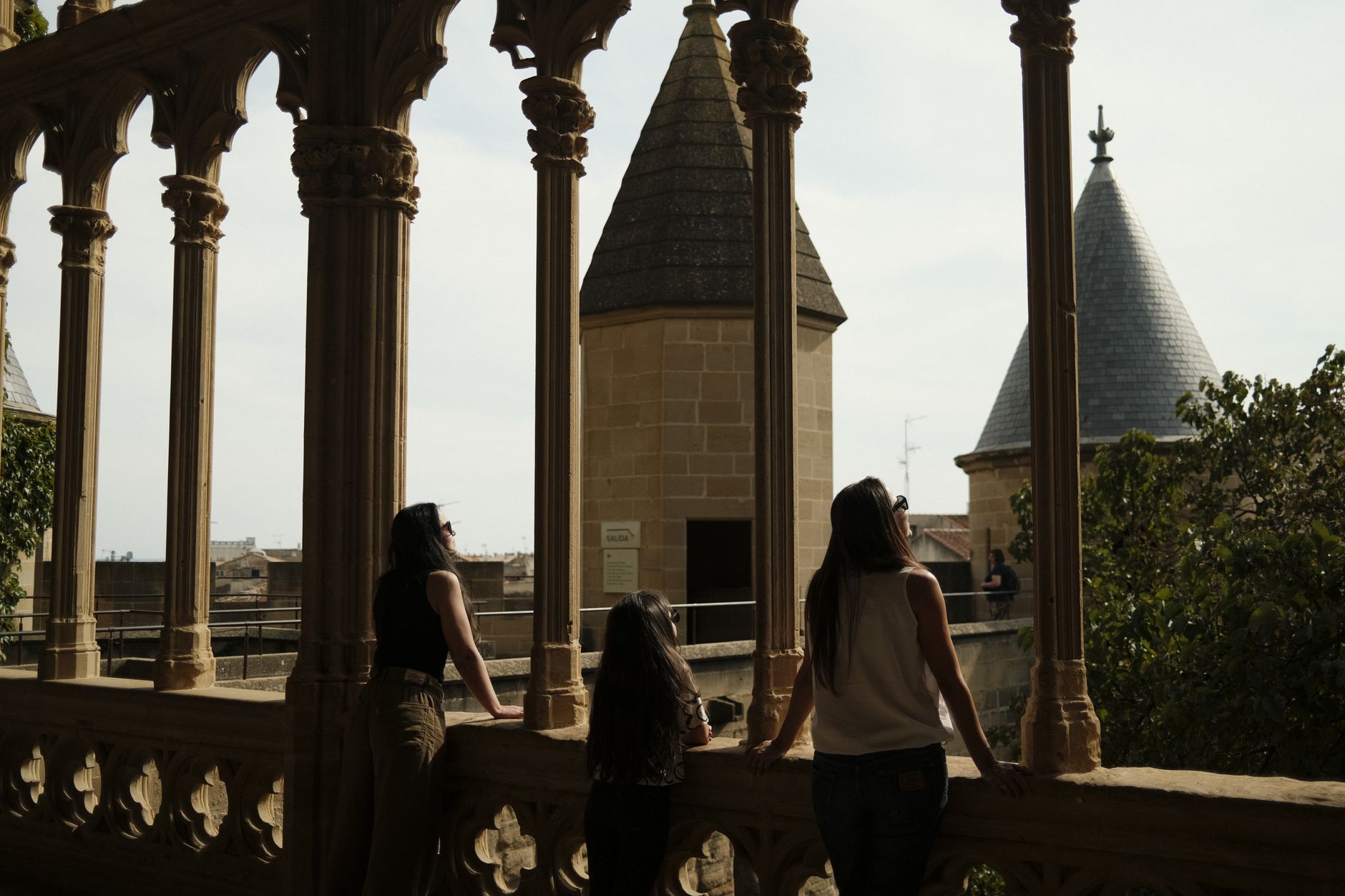
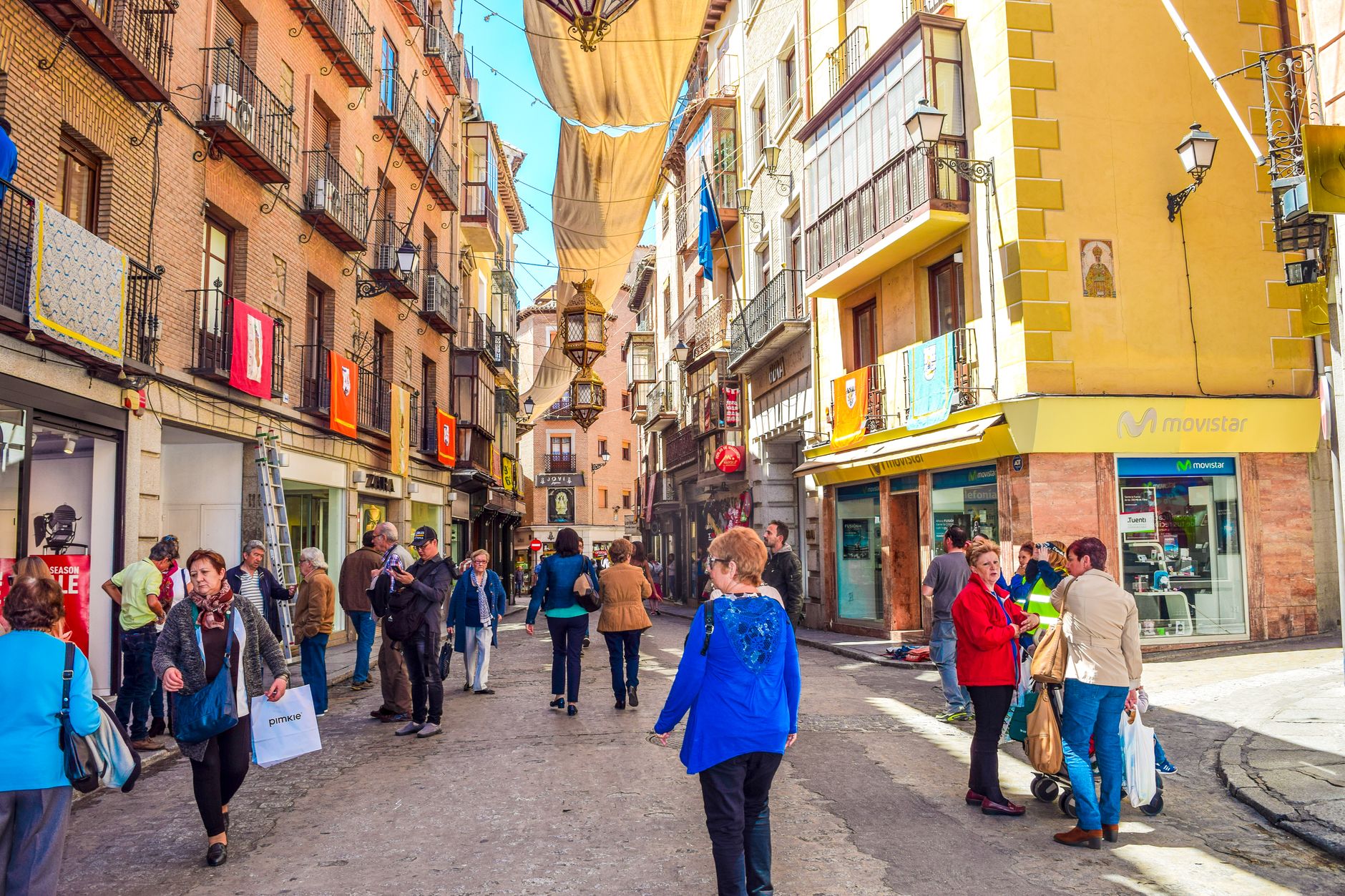
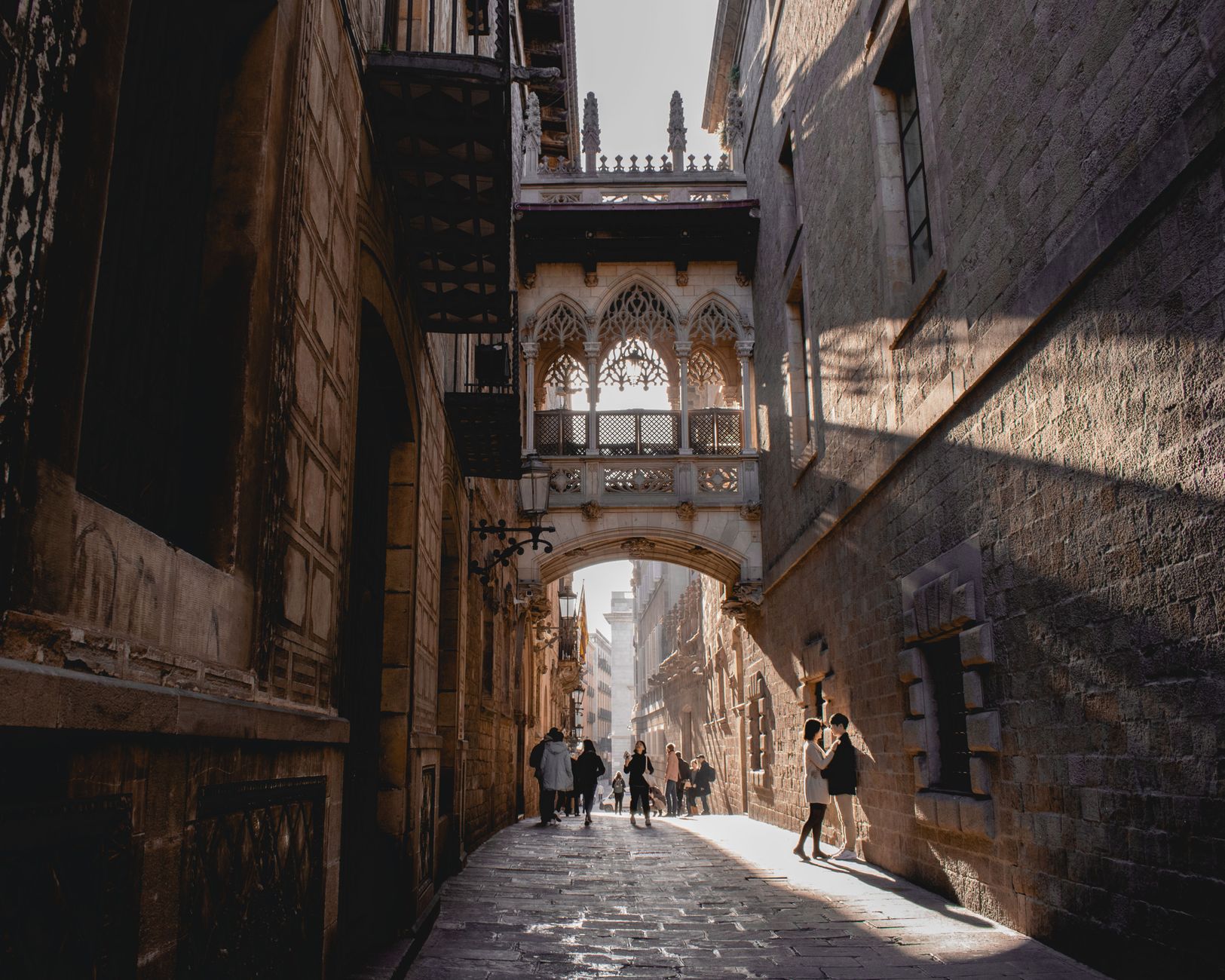
The small bronze bull on its tall column in Plaza del Torico is almost comically modest — barely the size of a cat — yet it anchors one of the most architecturally layered provincial squares in Spain. Teruel sits on a high mesa in southern Aragon, and the city that grew up here after Alfonso II seized it from a Muslim enclave in 1171 left behind a concentration of Mudejar towers that UNESCO recognised in 1986.
What makes Teruel worth the detour is the texture of it: Moorish geometry in fired brick and glazed tile pressed against Art Nouveau wrought iron, a Roman-era legend carved in alabaster, and a civil-war battlefield memory that the city carries quietly, without theatrics.
💛 What travellers fall for
People who come back tend to arrive early at El Salvador tower — open from 11:00, emptier before noon — and spend the time they saved on a slow circuit of the Modernista facades Pablo Monguió scattered through the old quarter. The alabaster tombs in the Mausoleum of the Lovers, lit low and cool, reward a second look more than a first.
Experiences you don't want to miss


Deals in Teruel
Book directly at the provider
How Teruel came to be
Alfonso II of Aragon took the site — then a Muslim settlement possibly called Tirwal, meaning tower — on 1 October 1171, granting fueros to draw settlers south into contested territory. The cathedral bell tower went up within a century (1257–1258), setting the template for the Mudejar style that would define the city: brick and ceramic tile, Islamic geometry in a Christian frame.
By 1347 Pedro IV elevated Teruel to a city in gratitude for loyalty at the Battle of Épila. The 1558 aqueduct and a 1577 bishopric marked its early modern peak. Then, in the winter of 1937–38, the city became the site of one of the Spanish Civil War's bloodiest engagements. The campaign group Teruel Existe, founded in 1999, is a reminder that the city still fights, more quietly now, for recognition on the national map.
Who and what shaped it
People who shaped it
Landmark buildings
See Teruel in motion
Plan your visit
On the map
When to go
Teruel sits above 900 metres and the continental climate is unforgiving at the extremes — winters are genuinely cold and snowy, summers dry and hot. April through June and September through October offer the most comfortable conditions for walking the old quarter.
Right now
Background & history adapted from Wikipedia (CC BY-SA) · specs from Wikidata (CC0) · weather from Open-Meteo · map data © OpenStreetMap contributors · photos from Wikimedia Commons / Unsplash with per-image credit. No third-party reviews or social posts reproduced.