
Tarazona
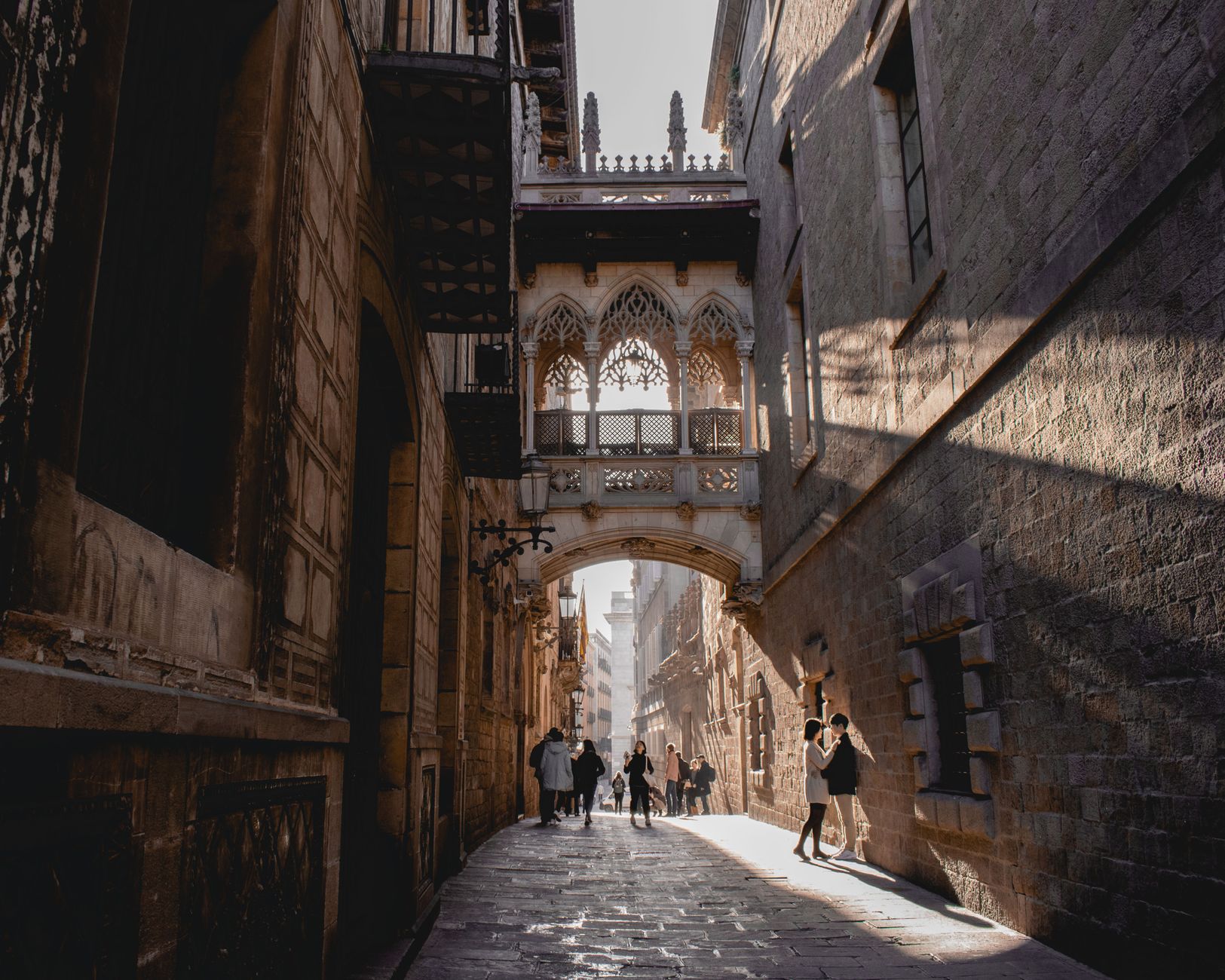
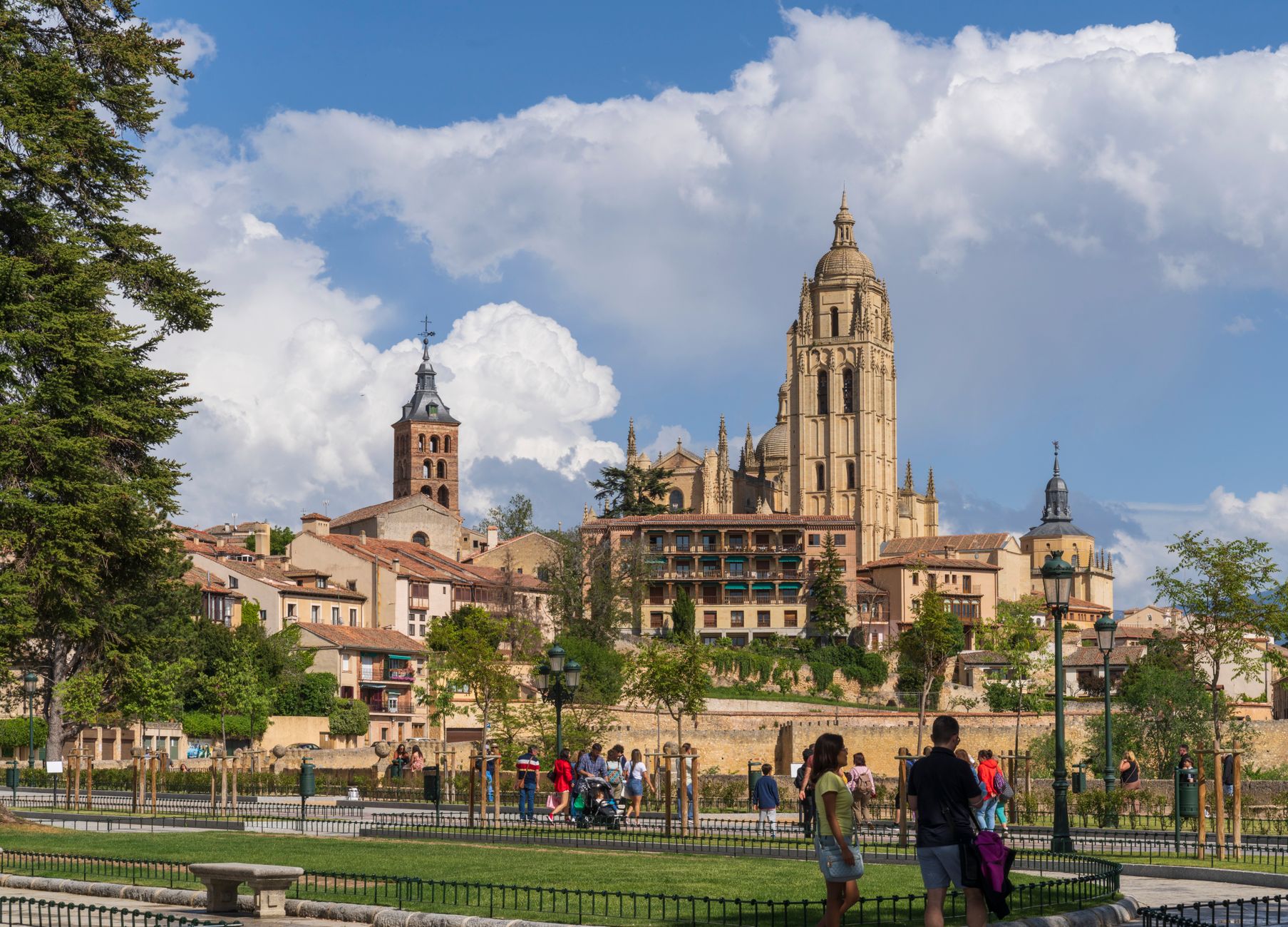
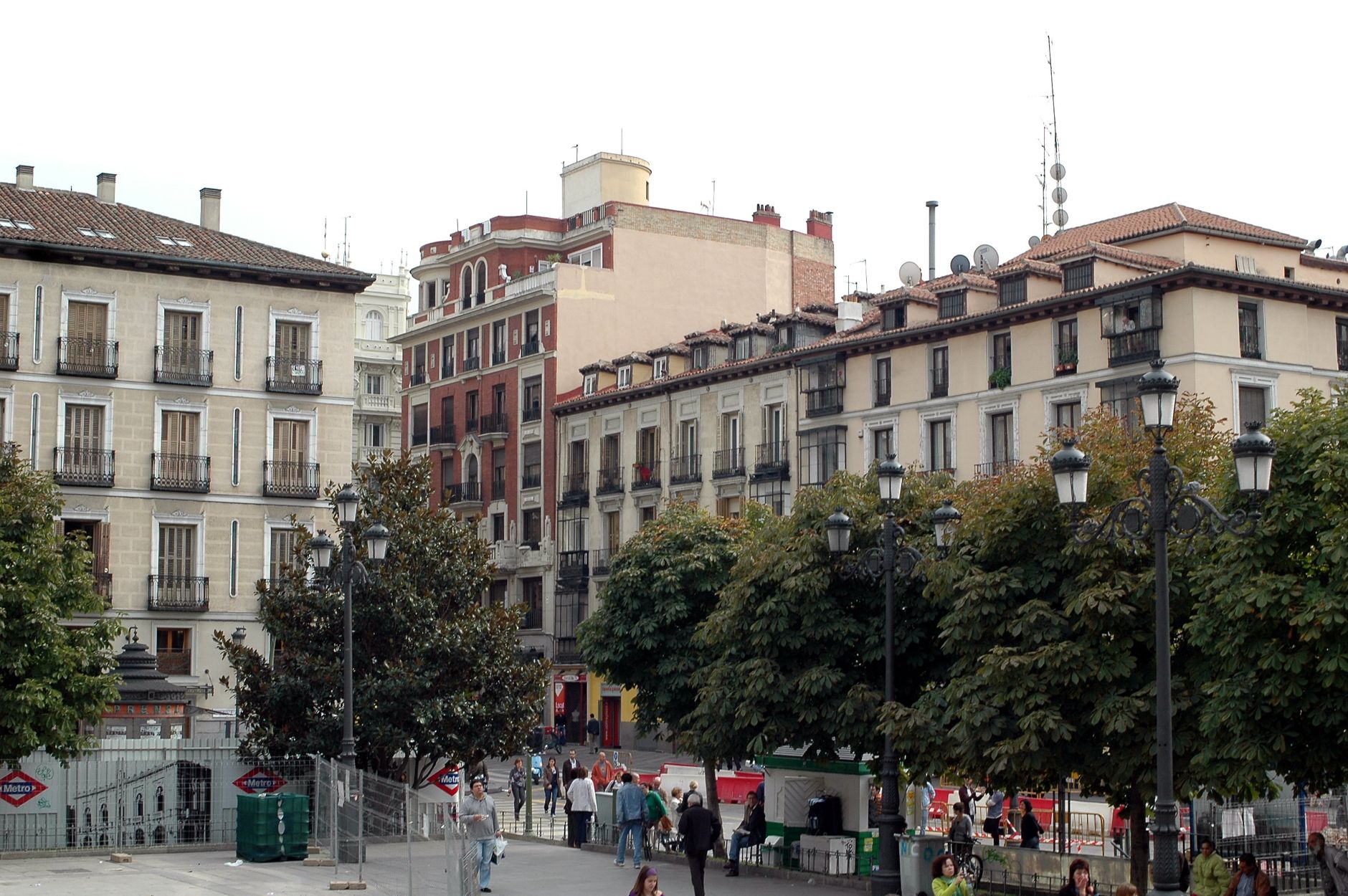
The River Queiles cuts Tarazona in two — the lower town with its peculiar octagonal bullring, built in 1792 with 32 houses whose owners rented their balconies to spectators, and the upper medieval city climbing toward a cathedral that took centuries to finish. People still live in those bullring apartments. That detail tells you something about how this place works: history here is not cordoned off behind ropes.
Tarazona sits in Aragon about 90 kilometres from Zaragoza, and its old Jewish quarter — one of the most significant in the region — threads through cobbled lanes barely wide enough for two people. The cathedral alone, with its Gothic nave, Mudéjar tower and dome, and a €1.50 entrance fee, could anchor a morning without trying.
💛 What travellers fall for
People who come back tend to mention the same small things: climbing the cathedral tower for the extra €1.50, walking the Judería streets in the early morning before anyone else is out, and finding the Hermitage of San Juan — a 17th-century chapel built directly into a natural cave in the rock, easy to miss and quietly remarkable.
Experiences you don't want to miss



Deals in Tarazona
Book directly at the provider

How Tarazona came to be
The Romans knew this place as Turiaso, a substantial settlement in the Ebro valley. After Rome's decline it passed through Visigothic and then Muslim rule before Alfonso I of Aragon took it in 1119, establishing it as a bishopric. The centuries that followed were shaped by three communities — Christian, Jewish, and Muslim — living in close proximity, which is why Mudéjar architecture runs through so much of what you see, including the cathedral rebuilt in that style after damage during the War of the Two Peters.
The Jewish community produced figures like Moshe de Portella, financier to the Aragonese crown. The town's 18th-century loyalty to Philip V during the War of Succession earned it fiscal privileges and briefly made it the second city of Aragon. By the 20th century it was producing matches and textiles; those industries faded from the 1980s onward. In 1988, translator Francisco Uriz founded the Casa del Traductor here, consciously reviving a tradition of translation that the town had practised eight centuries earlier.
Who and what shaped it
People who shaped it
Landmark buildings
See Tarazona in motion
Plan your visit
On the map
When to go
Summers are warm and mostly clear, with July and August temperatures reaching around 31°C — the most comfortable season to walk the upper city. Winters are cold and often windy, dropping close to freezing, with the dry continental air making the cold feel sharper than the numbers suggest.
Right now
Background & history adapted from Wikipedia (CC BY-SA) · specs from Wikidata (CC0) · weather from Open-Meteo · map data © OpenStreetMap contributors · photos from Wikimedia Commons / Unsplash with per-image credit. No third-party reviews or social posts reproduced.