
Huesca
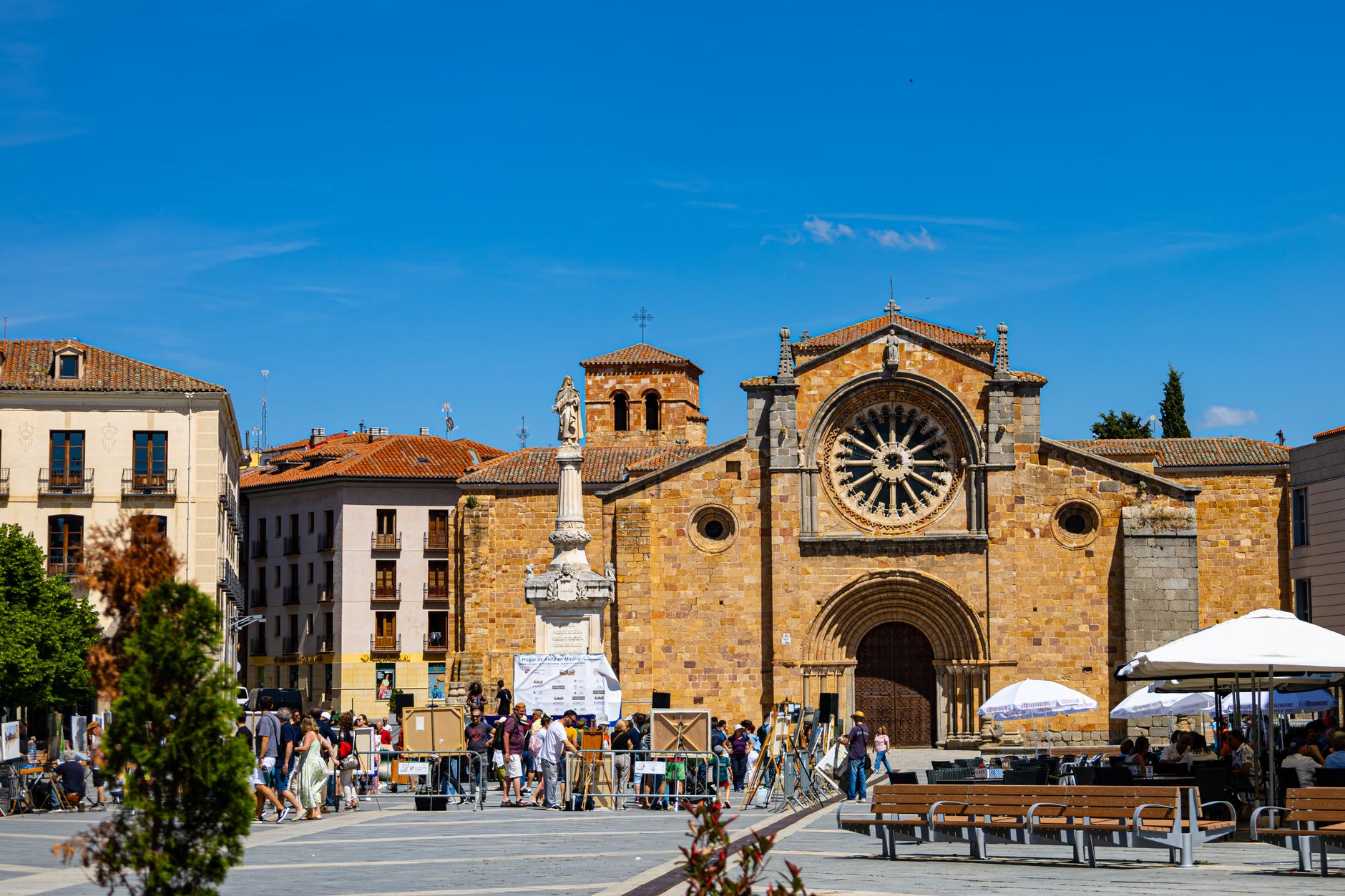
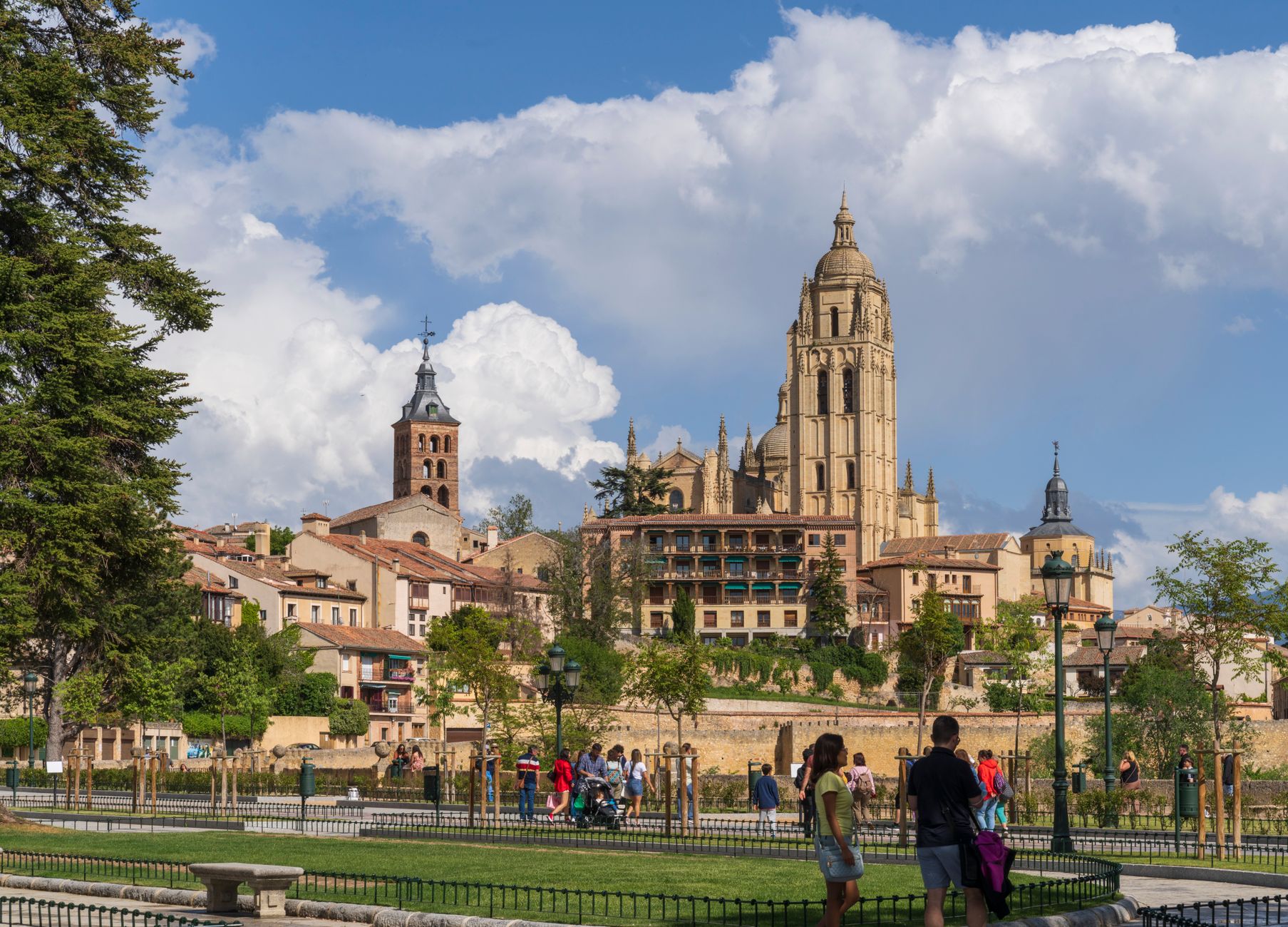
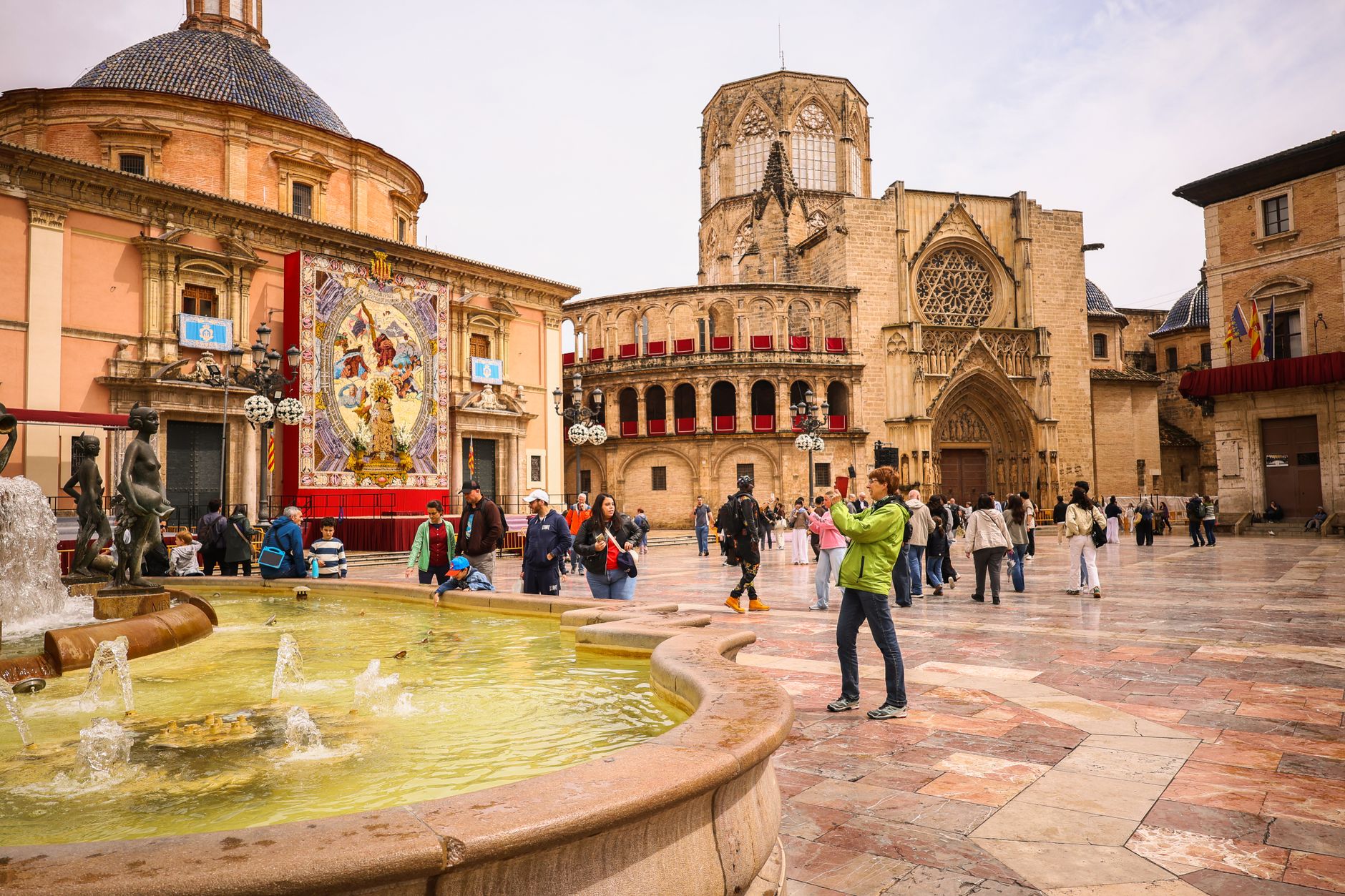
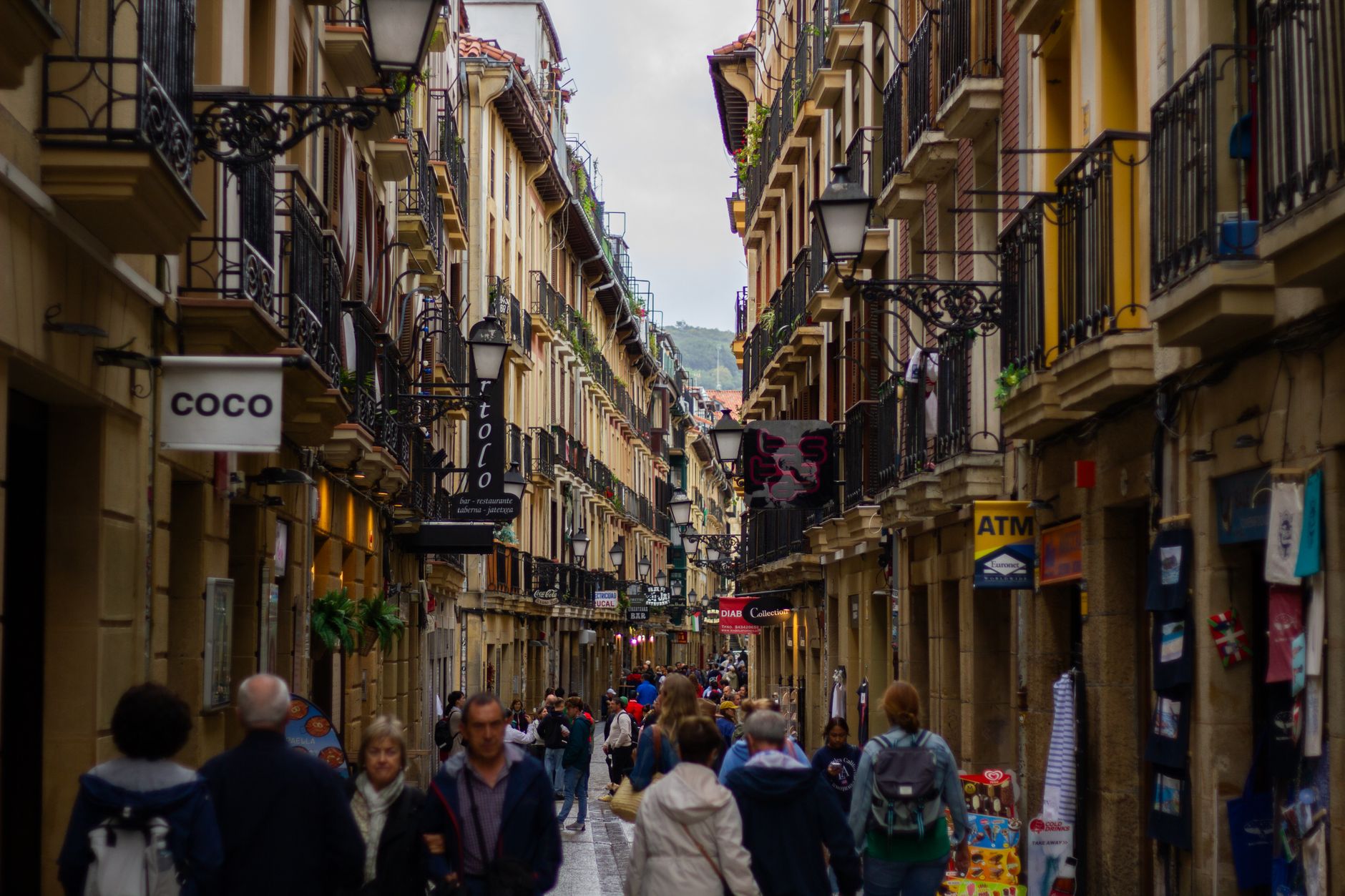
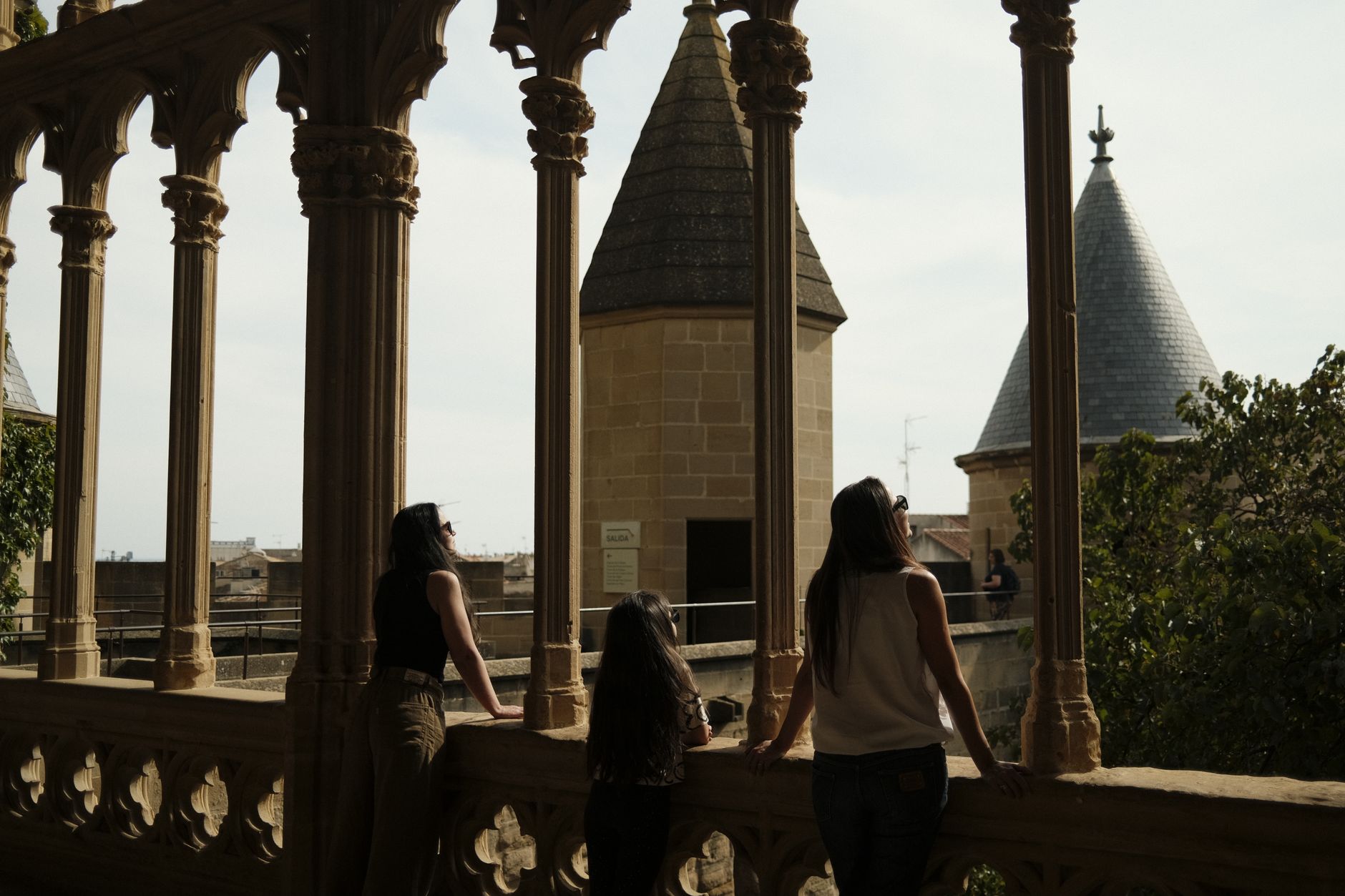
Huesca sits at the foot of the Pyrenees with the unhurried air of a city that was once important and has made its peace with that. The cathedral's alabaster high altar — carved by Damián Forment between 1520 and 1533 — catches the light in a way that stops you mid-step, the stone almost translucent where figures press toward the crucifixion scene at the centre.
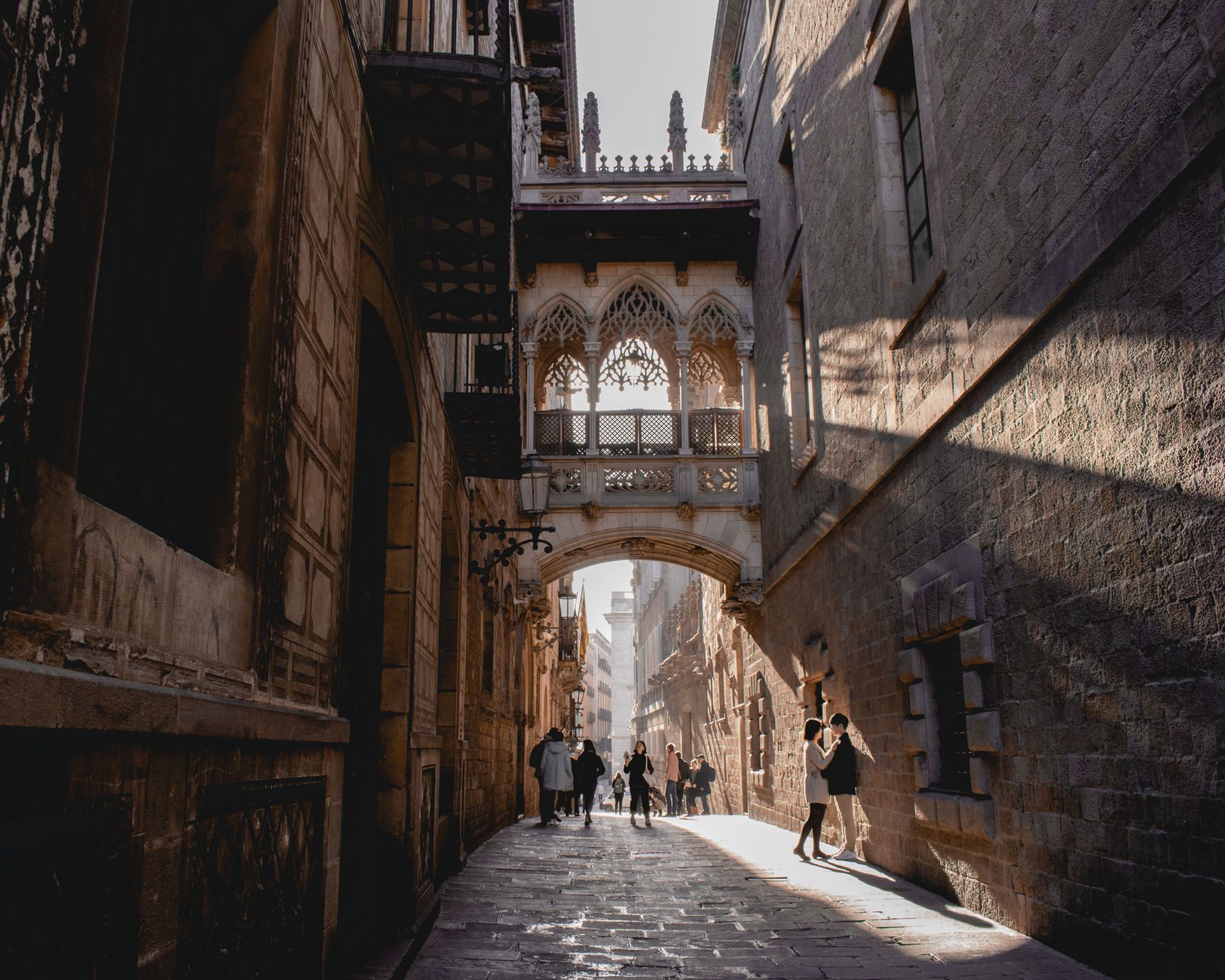
This was the first capital of the Kingdom of Aragon, a city with Roman bones and a medieval skin, compact enough to walk in a morning but layered enough to slow you down. The old quarter folds in on itself around the cathedral and the Abbey of San Pedro el Viejo, and the modern city barely intrudes.
💛 What travellers fall for
People who come back tend to mention the combined ticket for the cathedral and the monastery — it nudges you into San Pedro el Viejo's 12th-century cloister, which most visitors walk past. The intermodal station is genuinely close to the centre, and the Route C1 bus makes day-tripping from Zaragoza straightforward if you want a lighter footprint.
Experiences you don't want to miss



Deals in Huesca
Book directly at the provider


How Huesca came to be
Before Rome arrived, this was Bolskan, an Iberian settlement. The Roman general Quintus Sertorius made it his base in the first century BC, founding what is considered the first school on the Iberian Peninsula — a calculated move to educate local nobility in Roman ways and bind them to his cause. The city passed through Visigothic and Moorish hands before Peter I of Aragon retook it in 1096, and for a time Huesca was the kingdom's capital.
King James I began the cathedral around 1273 on the foundations of a mosque. Construction stretched over two centuries, the doorway finished in 1313, the bell tower completed in 1423. A university followed in 1354, founded by Peter IV, though it was abolished in 1845 — the same year the old Royal Palace was reconstructed.
Who and what shaped it
People who shaped it
Landmark buildings
See Huesca in motion
Plan your visit
On the map
When to go
Winters are cold and occasionally foggy, with light snowfall possible from November through March; summers push past 30°C in July and August, dry and sunny. Spring and early autumn — particularly May and the weeks around mid-September to mid-October — offer mild days and the lowest chance of rain.
Right now
Background & history adapted from Wikipedia (CC BY-SA) · specs from Wikidata (CC0) · weather from Open-Meteo · map data © OpenStreetMap contributors · photos from Wikimedia Commons / Unsplash with per-image credit. No third-party reviews or social posts reproduced.