
Barbastro
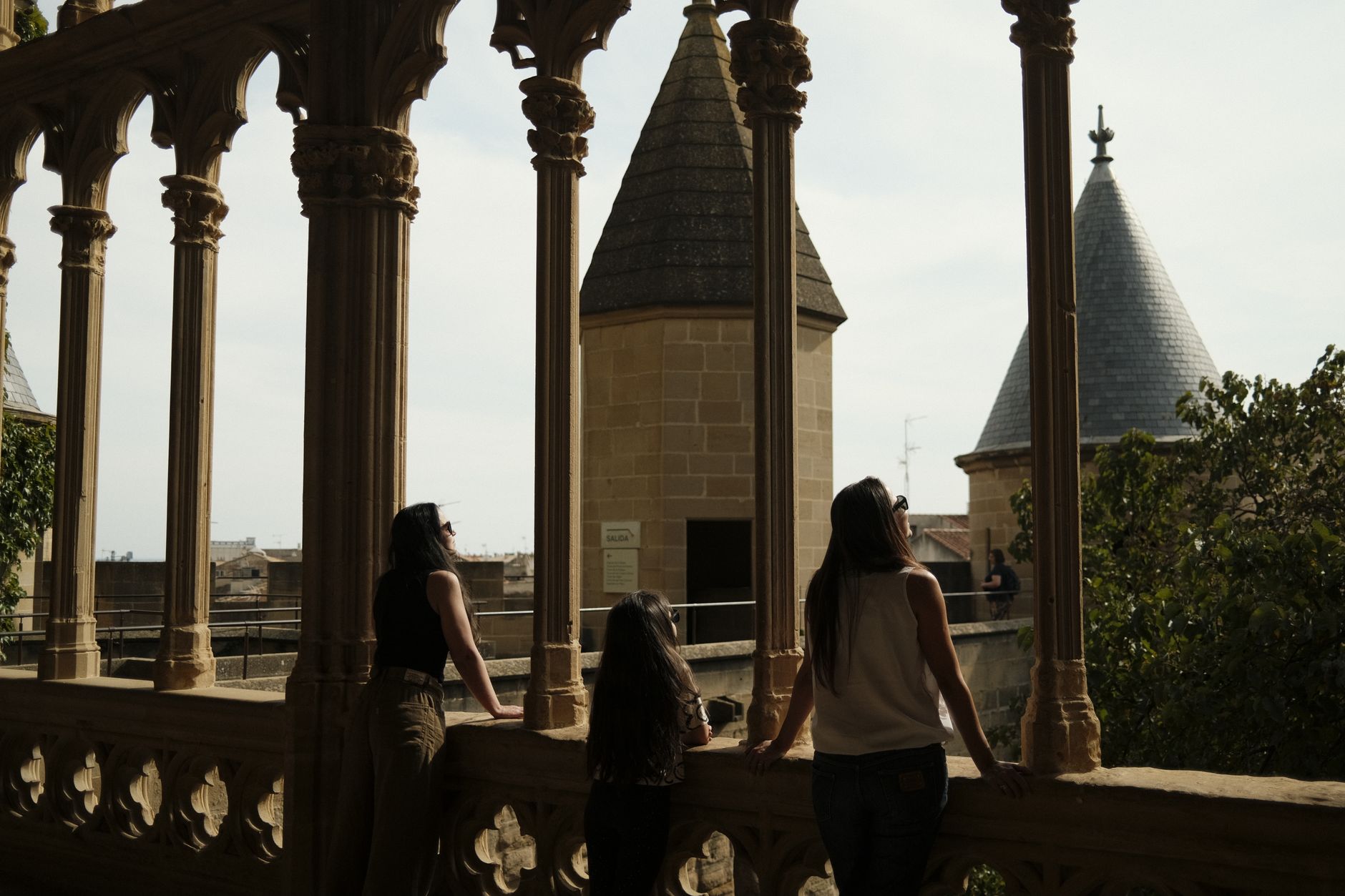
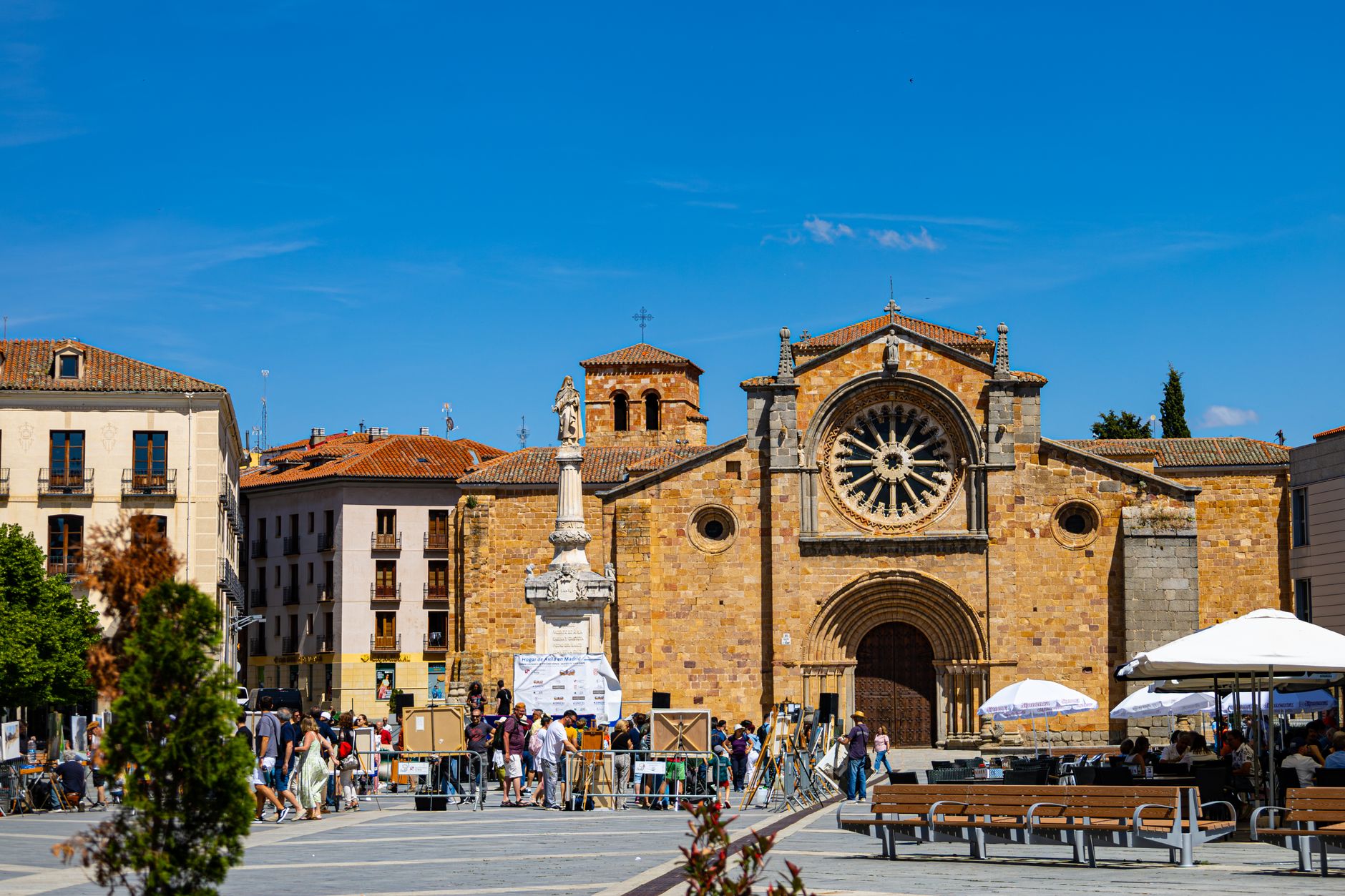
Barbastro earns its place on the map quietly. Walk into the Cathedral of Santa María de la Asunción and look up: 485 polychromed and gilded wooden roses hang from ribbed vaults, dropping down toward slender 15-metre pillars each carved with the city's crest. It's the kind of detail that takes a moment to absorb.
This small Aragonese city sits where the Pyrenean foothills begin to flatten into the Ebro plain, and its layered past — Roman, Moorish, medieval Christian — shows in the stone at every turn. It's also wine country, producing Somontano DO wines, and the old San Julián hospital has been turned into a museum dedicated to exactly that.
💛 What travellers fall for
People who come back tend to mention the Albarda bridge — a single-arch span from the 13th century in surprisingly good shape — and the Monastery of El Pueyo, six kilometres out, where the views over the valley repay the short drive. The cathedral's Damián Forment altarpiece, with its alabaster Plateresque base, rewards a second, slower look.
Experiences you don't want to miss


Deals in Barbastro
Book directly at the provider

How Barbastro came to be
Barbastro's recorded story begins well before the name: a Celtiberian settlement, then a Roman town in Hispania Tarraconensis, then a Visigothic one. In 717 Umayyad forces took it, and it became the capital of a small emirate for much of the 9th century. The Siege of Barbastro in 1064 — led by Sancho Ramírez of Aragon alongside Frankish forces under William VIII of Aquitaine — was one of the early, contested moments of the Reconquista, though the Moors retook the city the following year.
Peter I of Aragon captured it permanently in 1101 and immediately established a bishopric, setting the ecclesiastical tone the city has kept ever since. A Sephardic Jewish community documented here from 1144 survived into the 15th century, when the last members converted and their synagogue became the hermitage of San Salvador.
Who and what shaped it
People who shaped it
Landmark buildings
See Barbastro in motion
Plan your visit
On the map
When to go
Barbastro averages 14.2 °C annually with around 600 mm of rainfall spread across the year — warm, dry summers and cool winters. April through June and September through October offer the most temperate conditions for walking the old streets.
Right now
Background & history adapted from Wikipedia (CC BY-SA) · specs from Wikidata (CC0) · weather from Open-Meteo · map data © OpenStreetMap contributors · photos from Wikimedia Commons / Unsplash with per-image credit. No third-party reviews or social posts reproduced.