
Alcañiz
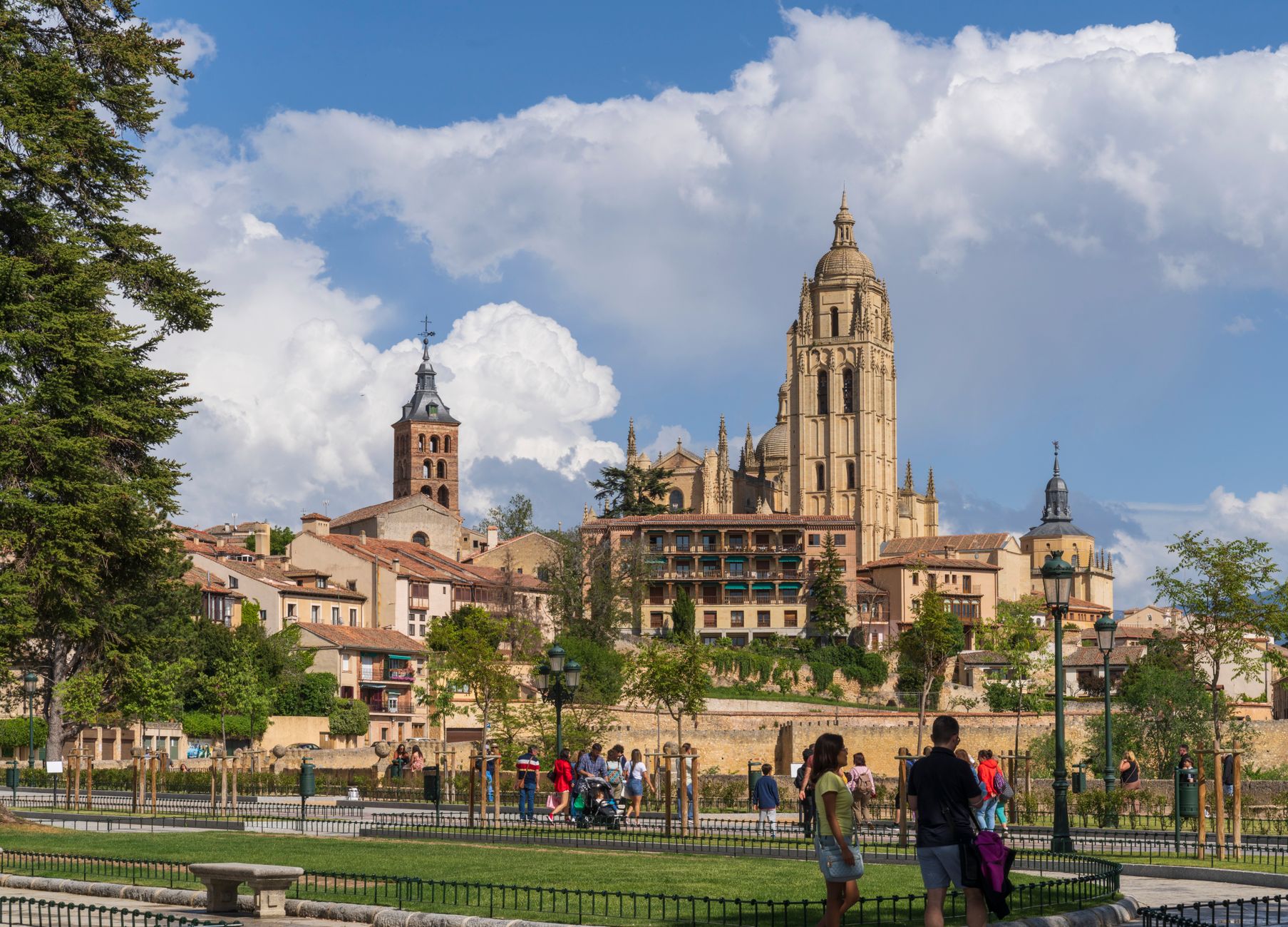
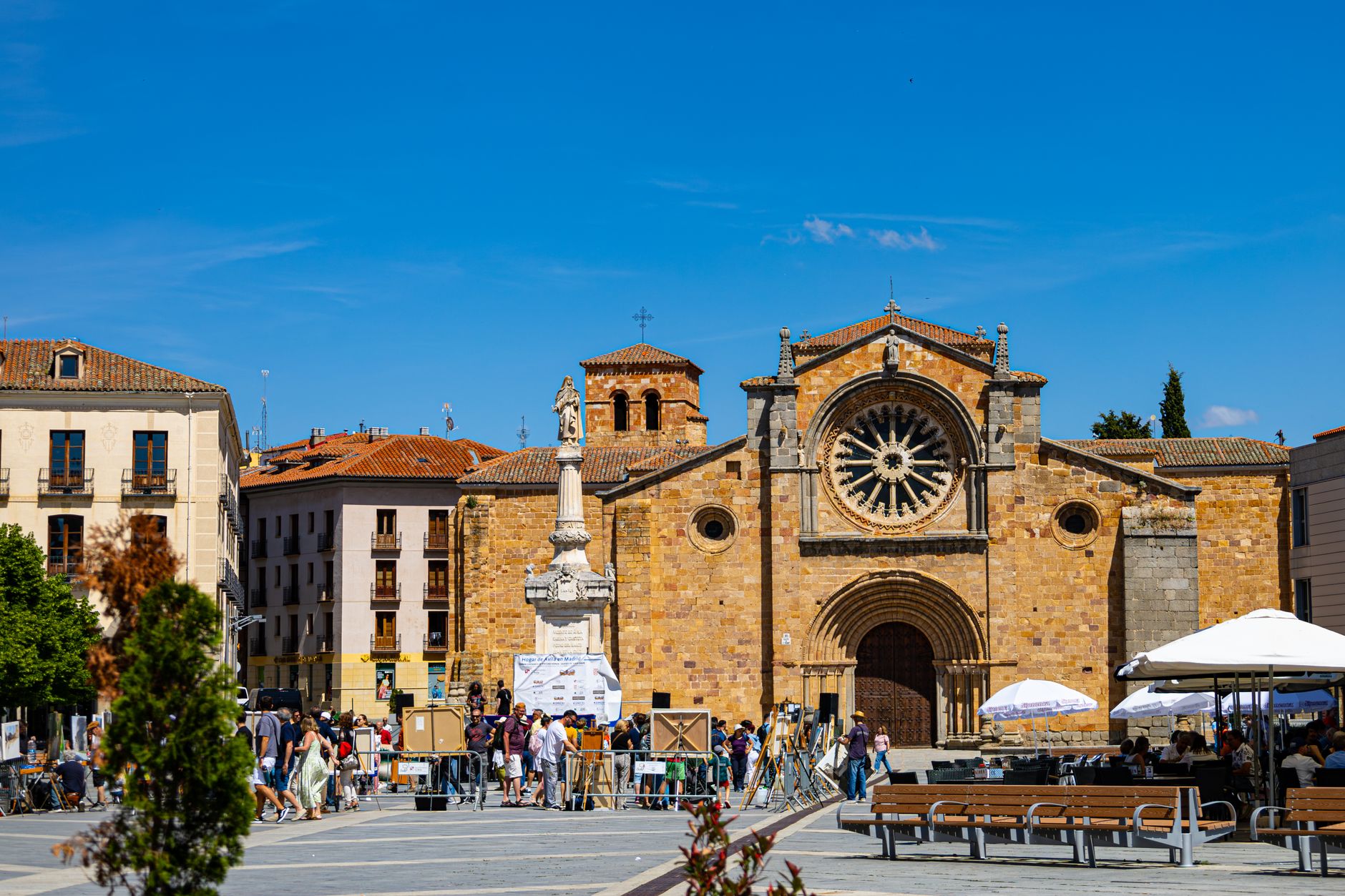
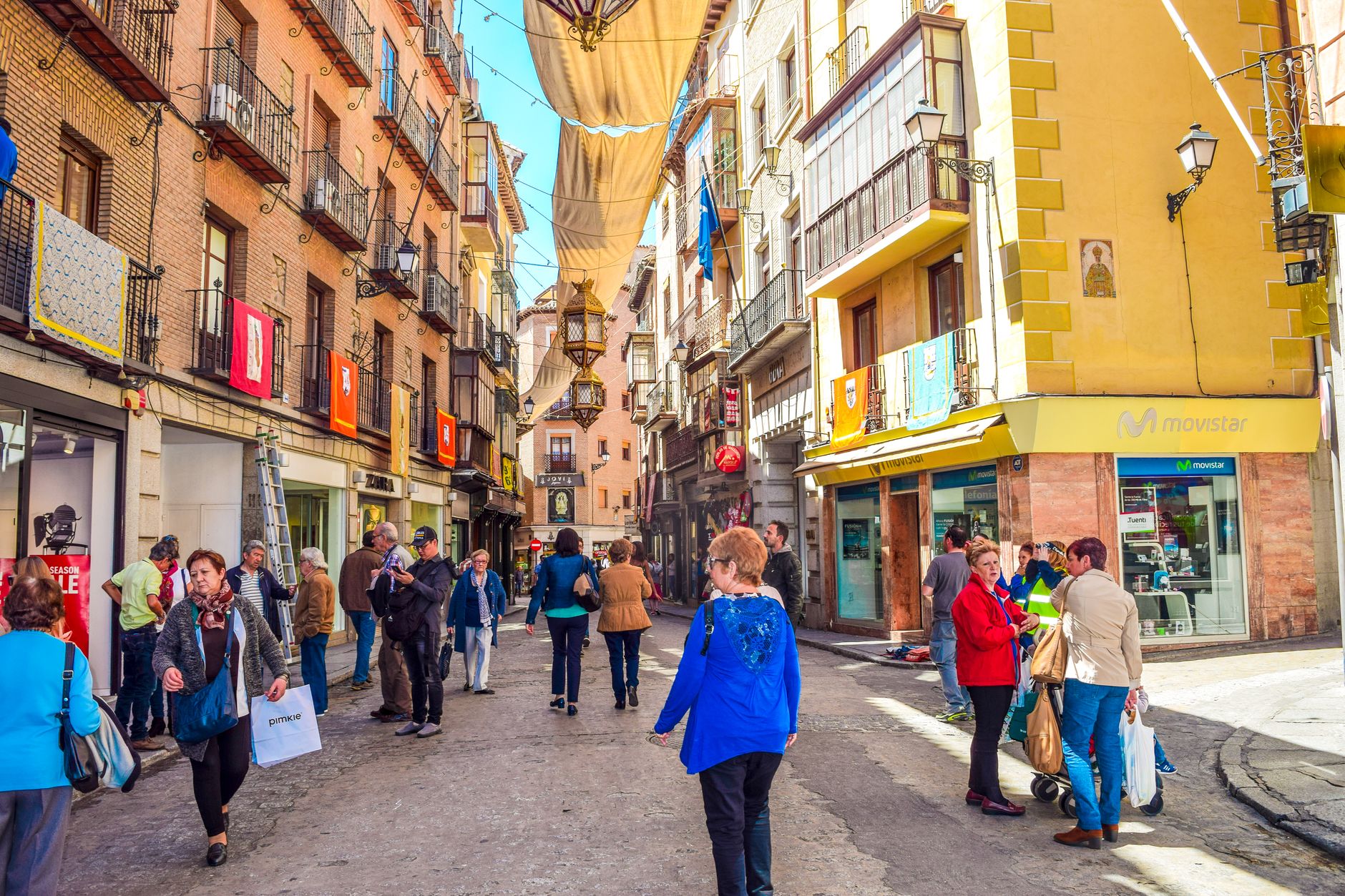
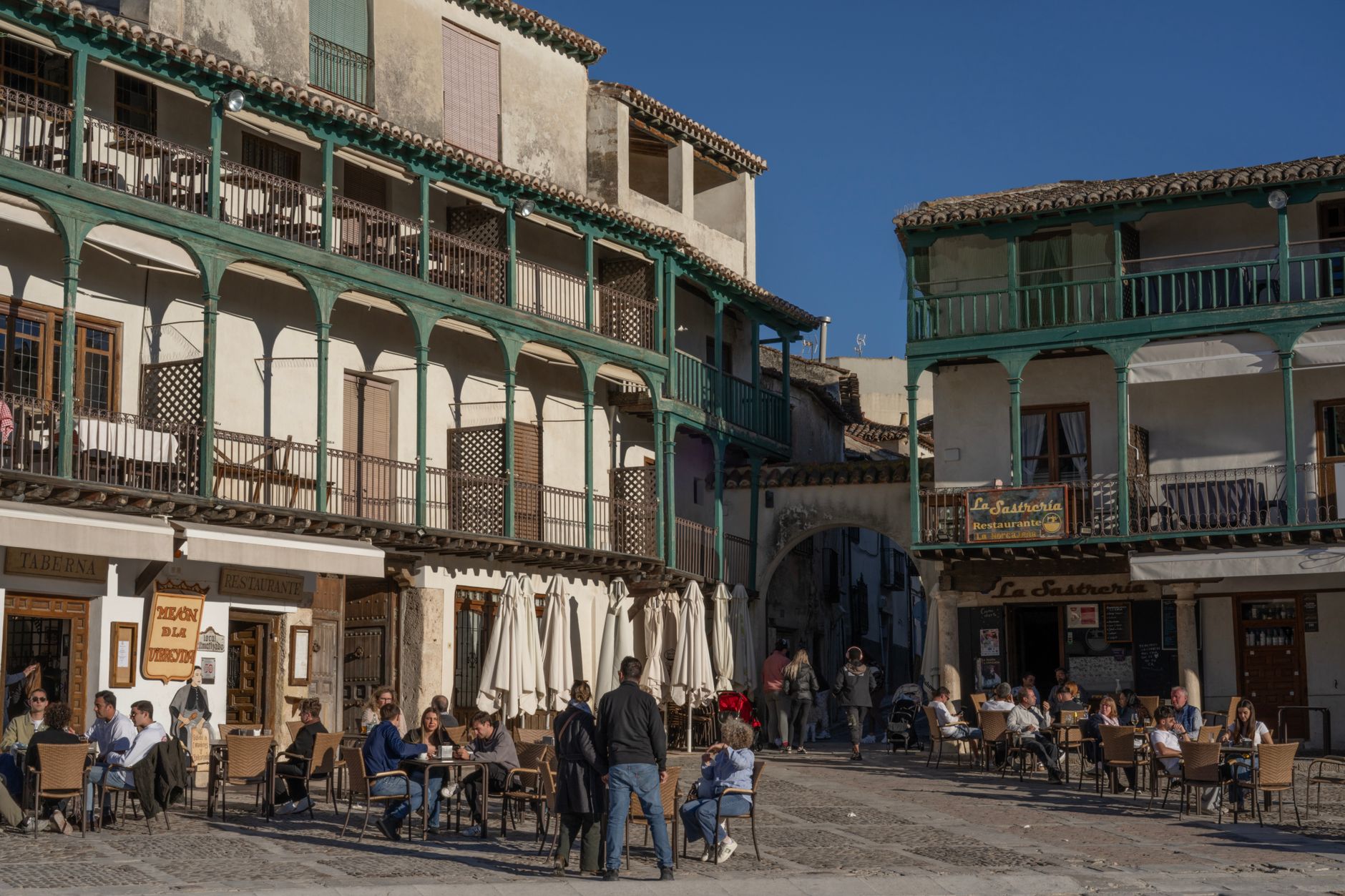
Alcañiz announces itself with a castle on a hill — the kind that has been a fortress, a Calatrava commandery, and now a Parador hotel, all without losing its authority over the terracotta rooflines below. The town sits in the Bajo Aragón, where the Guadalope river flattens the land enough to grow olives and peaches, and where the Plaza de España holds a Renaissance town hall and a Gothic exchange in the kind of easy proximity that only centuries of slow accumulation produce.
What makes Alcañiz worth a proper stop rather than a glance from the motorway is density: medieval murals painted in Franco-Gothic style inside a castle you can sleep in, prehistoric rock art seventeen kilometres out in the scrub, and a street grid that rewards walking slowly.
💛 What travellers fall for
People who come back tend to mention the same two things: breakfast on the plaza before the tour groups arrive, and the mural room in the castle — the civil scenes, not the religious ones, which feel genuinely strange and specific in the best way. Book the guided visit at 11 AM and reserve a room in the Parador the night before.
Experiences you don't want to miss


Deals in Alcañiz
Book directly at the provider

How Alcañiz came to be
The site was already a significant Islamic settlement, Al-Quannis, before Alfonso I of Aragon took it in 1119. It changed hands again before Count Ramon Berenguer IV secured it in 1157 and formalised settlement with a Carta Puebla. In 1179, Alfonso II handed the town and its castle to the Order of Calatrava, who would shape its character for centuries — adding Mudéjar ornament in the 14th and 15th centuries, and leaving the tomb of Juan de Lanuza, carved in alabaster by Damián Forment in 1537.
The church of Santa María la Mayor, begun in 1736, stands on ground that once hosted the Cortes of Aragon before the Compromise of Caspe of 1412. During the Napoleonic period, Alcañiz briefly became a provincial capital under Marshal Suchet's reorganisation — one of those administrative footnotes that left no monuments but explains a certain civic self-possession.
Who and what shaped it
People who shaped it
Landmark buildings
See Alcañiz in motion
Plan your visit
On the map
When to go
Summers are hot and dry, with July highs around 33°C — the castle's thick walls earn their keep in August. Spring (April–May) and September offer mild days and manageable crowds; January is cold enough for frost but rarely severe at 338 metres.
Right now
Background & history adapted from Wikipedia (CC BY-SA) · specs from Wikidata (CC0) · weather from Open-Meteo · map data © OpenStreetMap contributors · photos from Wikimedia Commons / Unsplash with per-image credit. No third-party reviews or social posts reproduced.