
Calatayud
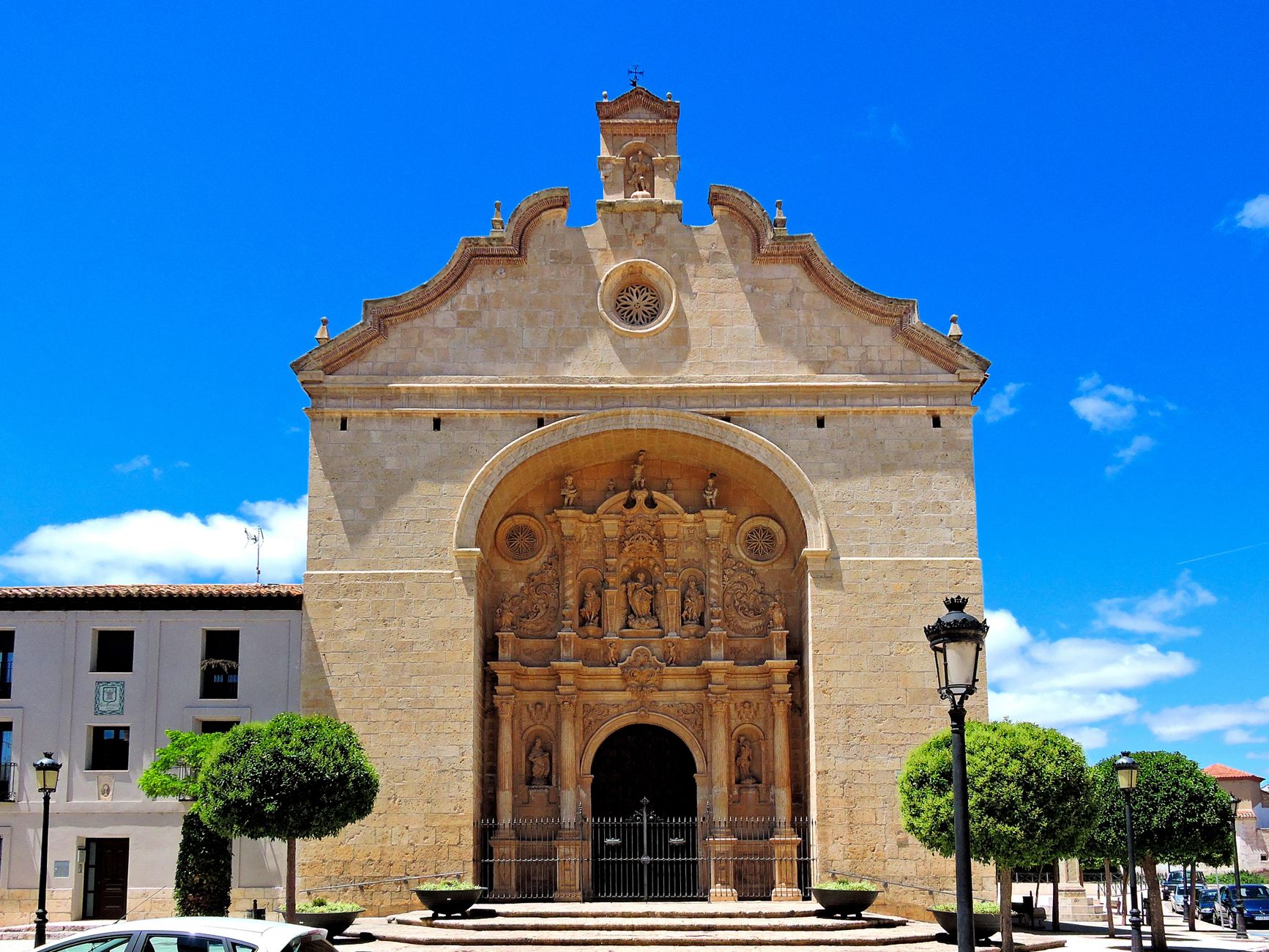
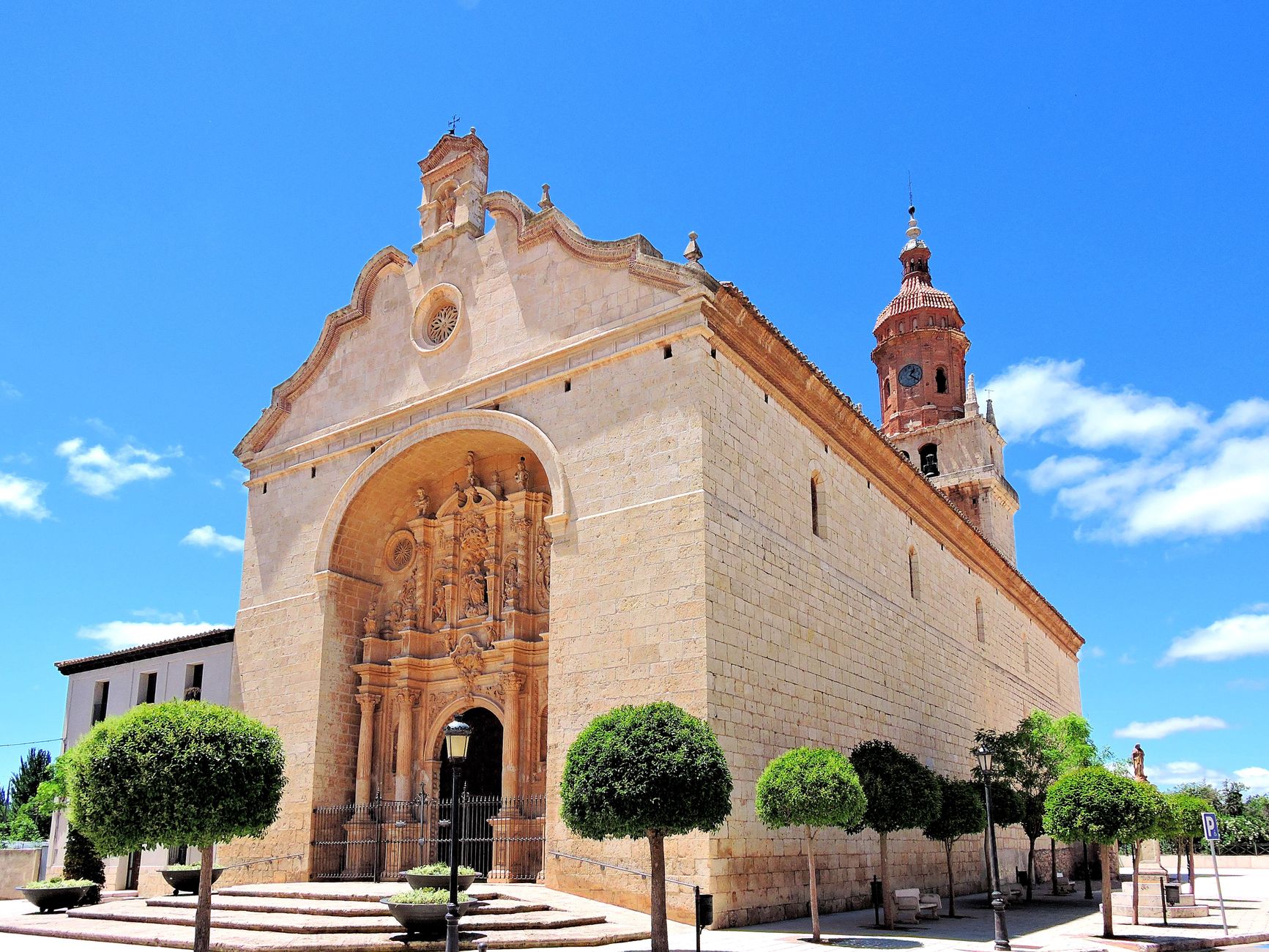
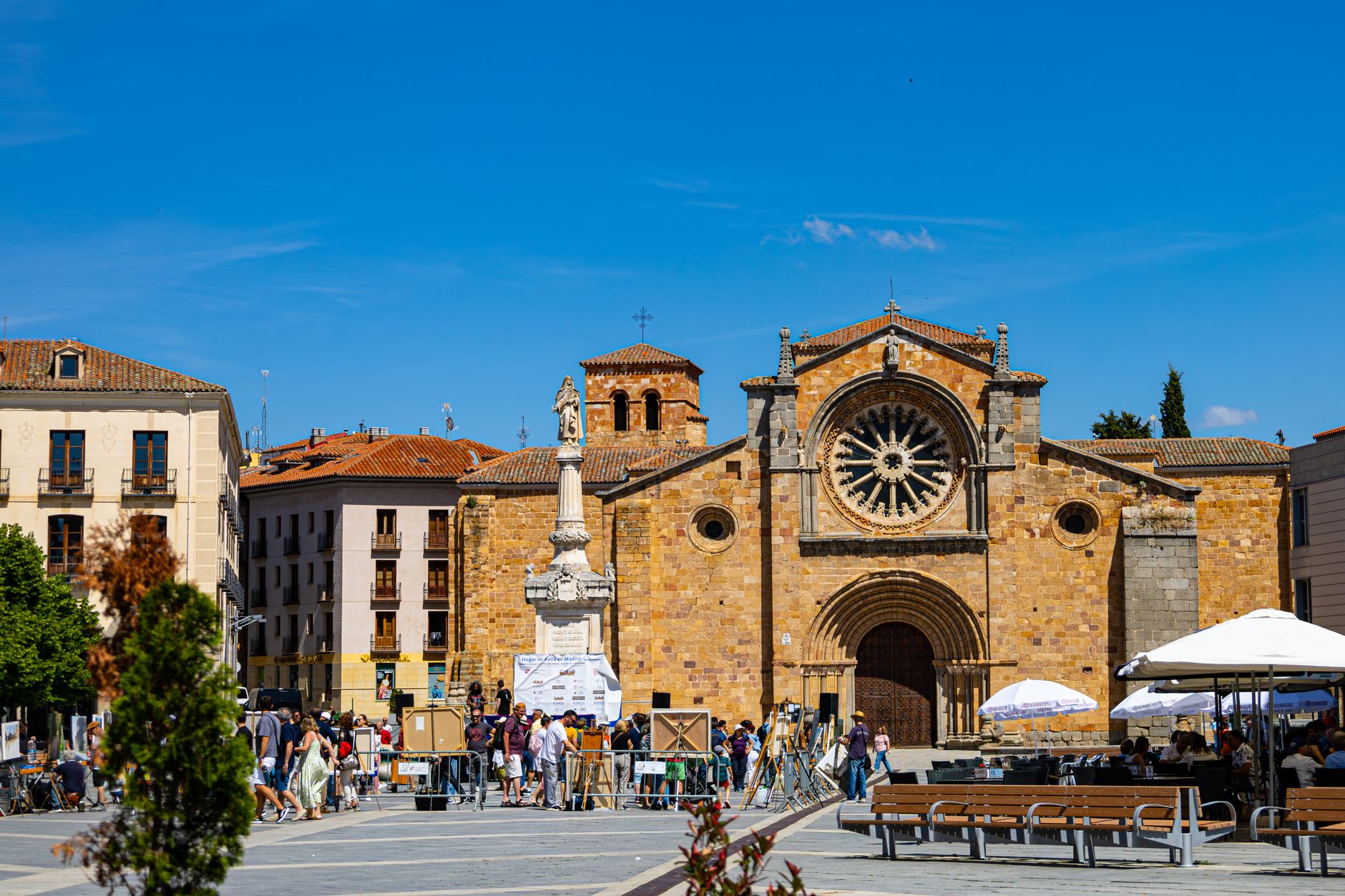
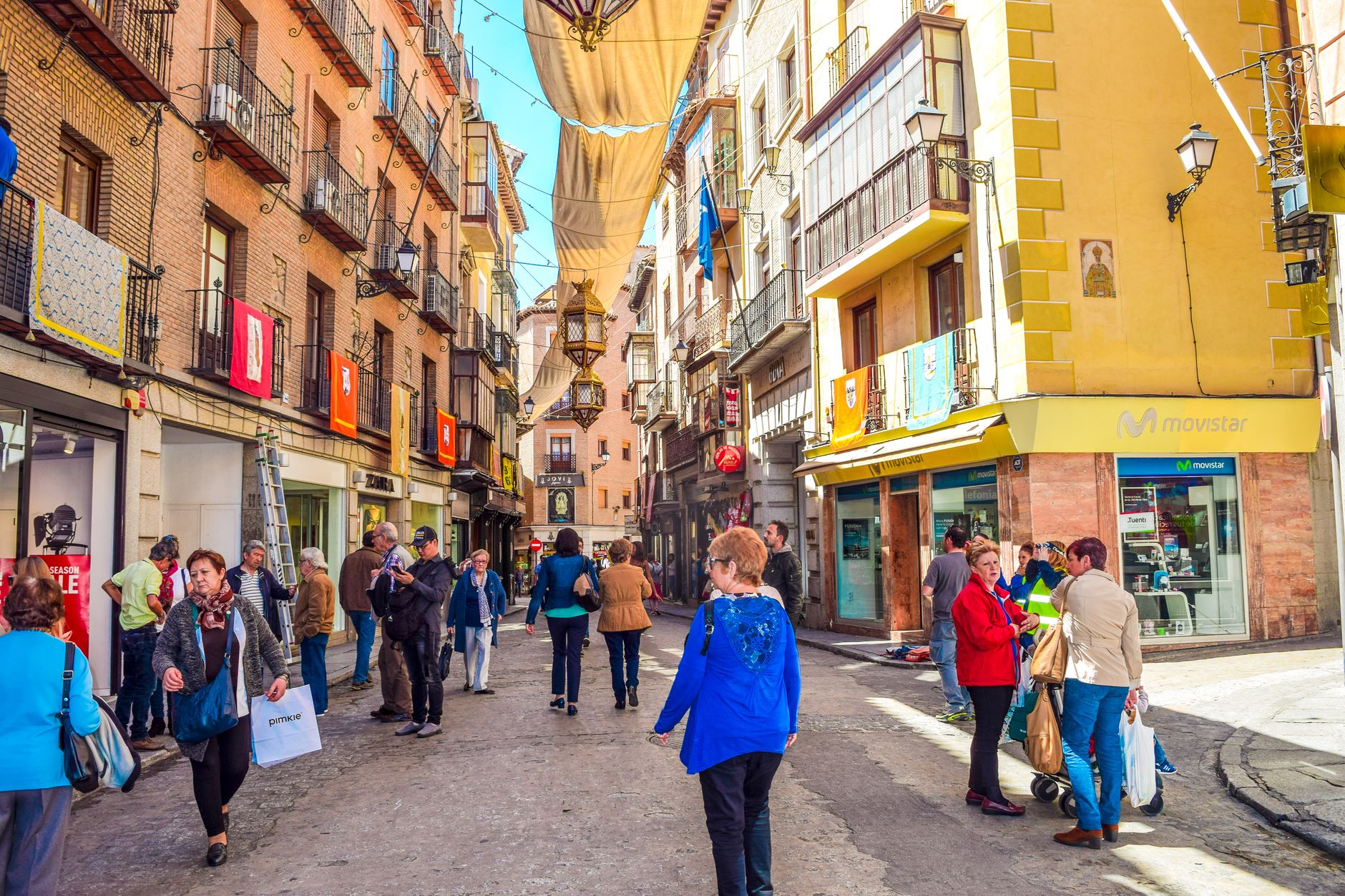
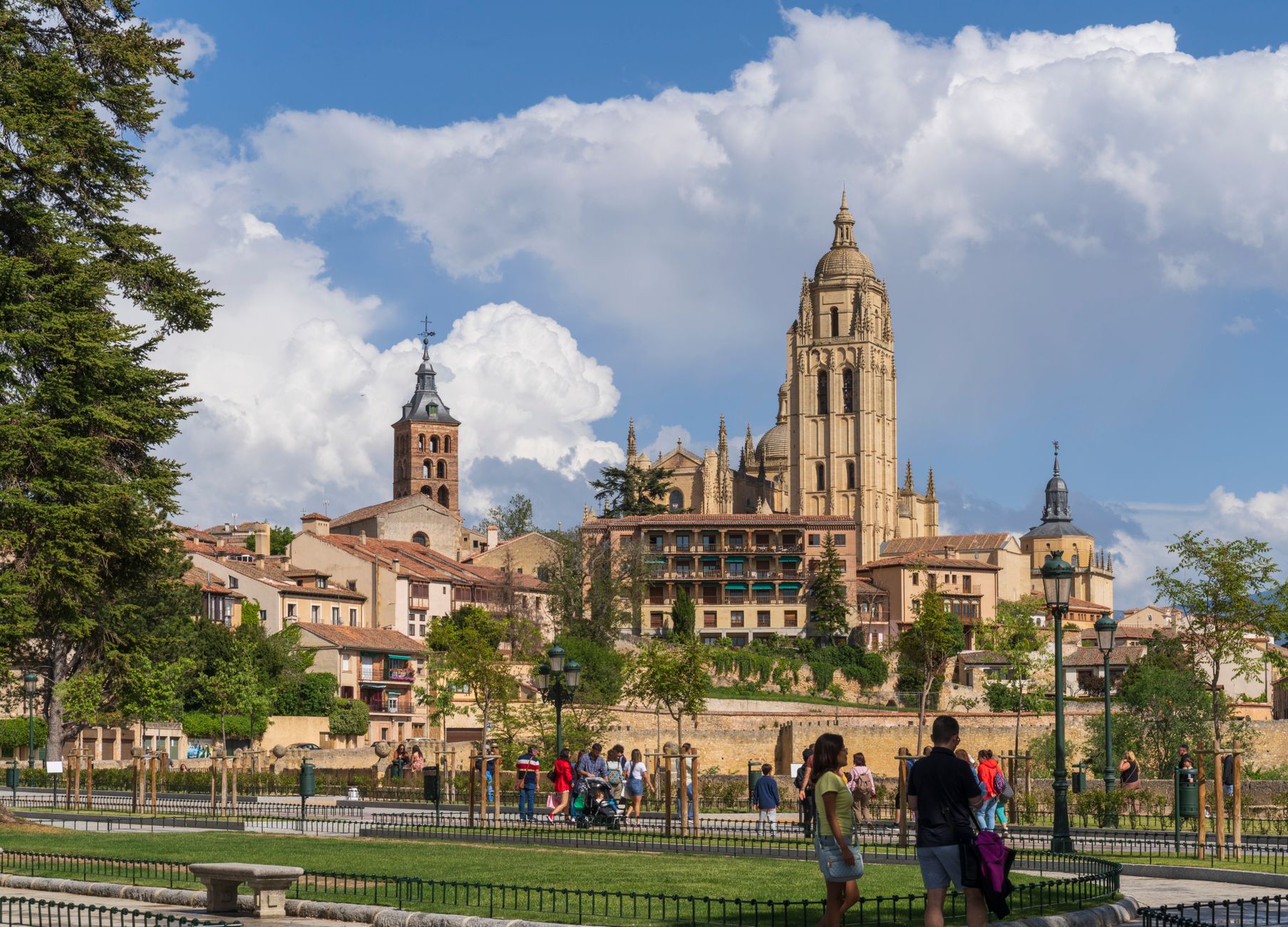
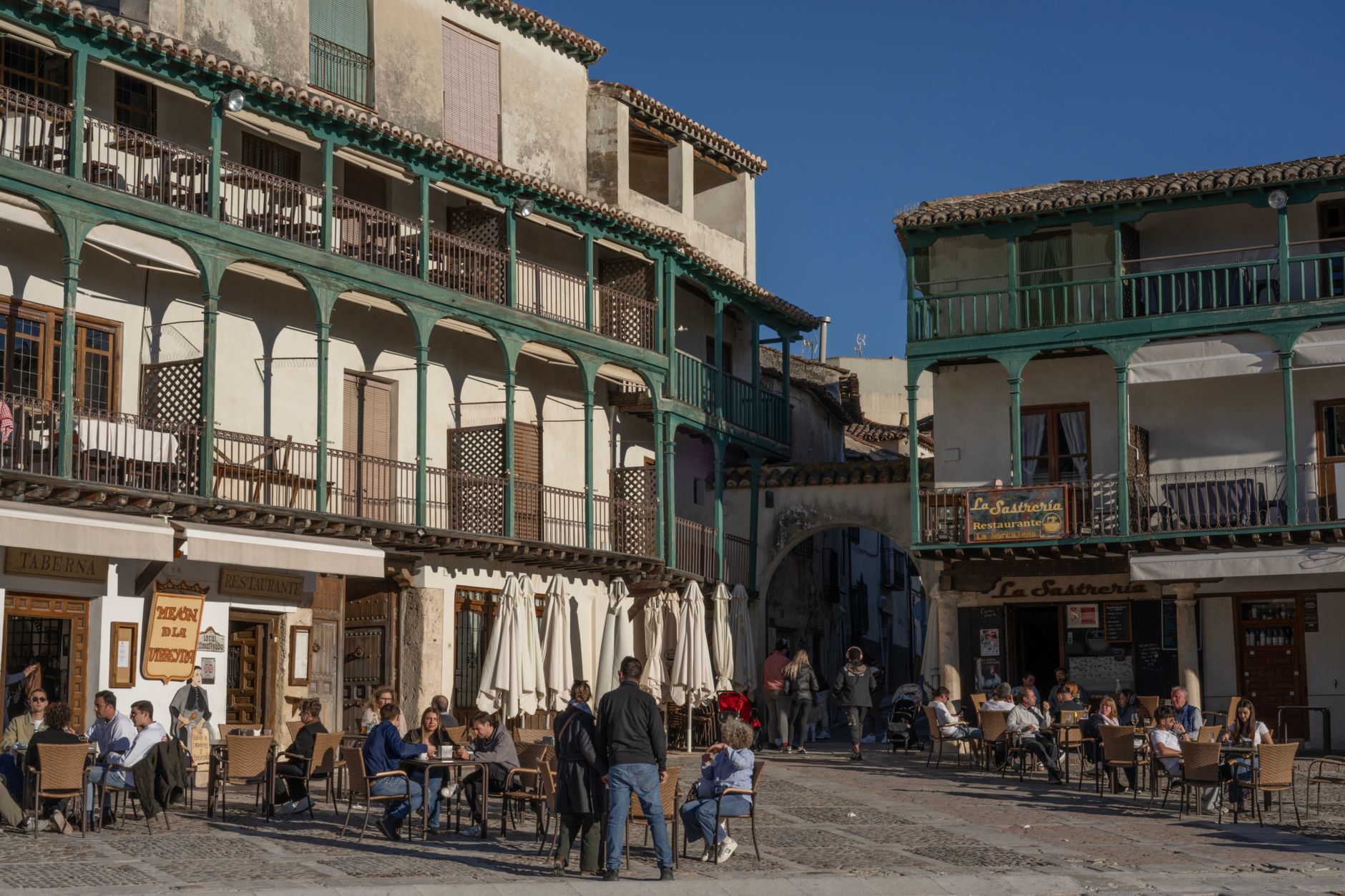
The name gives it away before you even arrive: Calatayud comes from Qal'at Ayyub, the fortress of Ayyub, and the Moorish castle that gave the city its identity still crowns the ridge above the rooftops — three octagonal towers standing against the sky, the oldest preserved Arab fortified enclosure on the Iberian Peninsula. Below it, the octagonal Mudéjar tower of Santa María la Mayor rises with the unhurried confidence of a building that has been the tallest thing in the valley for six centuries.
Calatayud sits in the Jalón river valley in Aragón, two thousand years of settlement compressed into a compact city that most trains pass through on the Madrid–Barcelona line. The ones that stop find a place worth the detour: Roman ruins a few kilometres north, Mudéjar brickwork on half a dozen churches, and a municipal museum installed in a 17th-century Carmelite convent.
💛 What travellers fall for
People who come back tend to mention the same two things: arriving on the AVE and being surprised how quickly the castle ridge fills the window, and finding the Museum of Calatayud quieter than it deserves to be. The recreated Roman lararium with its wall paintings, pulled from the ruins of Augusta Bilbilis, is genuinely worth the stop.
Experiences you don't want to miss





Deals in Calatayud
Book directly at the provider

How Calatayud came to be
Before Calatayud, there was Augusta Bilbilis — a Roman city built on a Celt-Iberian settlement about four kilometres north of where the modern city stands. It is best remembered now as the birthplace, in 40 CE, of the poet Martial, whose sharp, satirical epigrams about Roman life remain in print. The Roman site has never been fully excavated, and the museum holds what has come out of it: coins, imperial sculptures, fragments of domestic life.
The city as it exists today was founded around 716 CE by Moorish settlers who built the fortress of Ayyub on the ridge. Alfonso I of Aragón took it in 1119 during the Reconquista, and under Aragonese rule the city grew into a place of enough importance that Ferdinand II founded the Church of San Pedro de los Francos there — and the first Cortes of Aragon met within its walls in 1411. The Mudéjar towers that define the skyline are the most visible legacy of those layered centuries.
Who and what shaped it
People who shaped it
Landmark buildings
See Calatayud in motion
Plan your visit
On the map
When to go
Calatayud has a continental climate: hot, dry summers where temperatures push well above 30°C, and cold winters with occasional frost. April through June and September through October are the most comfortable months for walking the old town and the castle ridge.
Right now
Background & history adapted from Wikipedia (CC BY-SA) · specs from Wikidata (CC0) · weather from Open-Meteo · map data © OpenStreetMap contributors · photos from Wikimedia Commons / Unsplash with per-image credit. No third-party reviews or social posts reproduced.