
Fraga
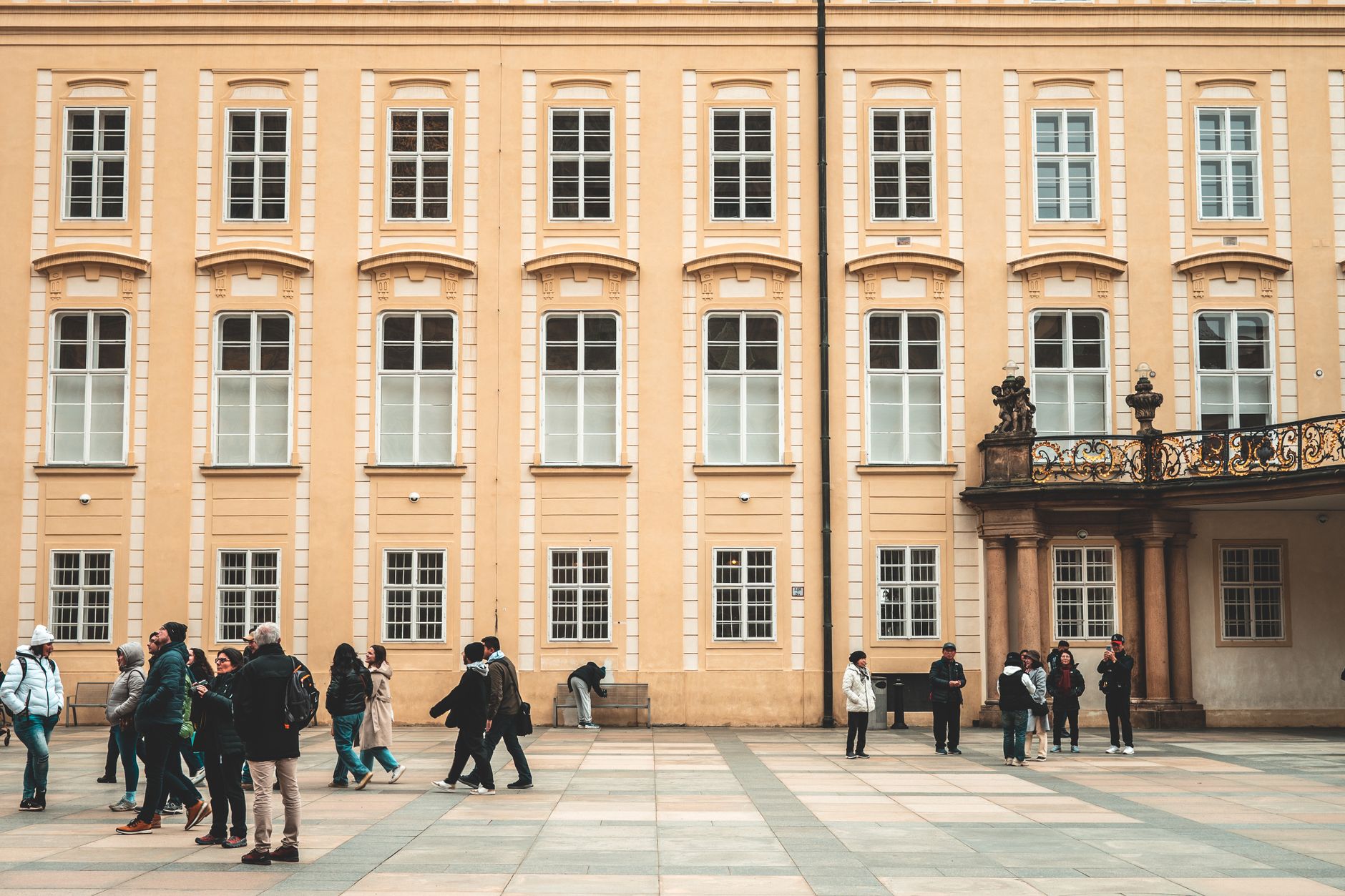
Fraga sits on the banks of the River Cinca, its old quarter climbing a hill that has been fought over, traded, and quietly farmed for the better part of a thousand years. The local language here is Fragatí, a western Catalan dialect, and the surrounding municipal land — one of the largest in Spain — runs from irrigated orchards of fruit and vegetables down to dryland almond groves and fields of sunflowers.
The Governor's Palace, an Arab mansion turned royal residence turned cultural centre, is where Velázquez painted Philip IV in 1644. That single fact tells you something about where Fraga sits in the longer story of the peninsula: not a footnote, but a place where things actually happened.
💛 What travellers fall for
People who come back tend to go straight to the hilltop — the castle first for the view over the Cinca valley, then down through the old streets to the Governor's Palace before it closes at midday. The fruit from the irrigated plains around town shows up in the local markets and it's worth timing a visit around that.
Experiences you don't want to miss



Deals in Fraga
Book directly at the provider

How Fraga came to be
Fraga was known in Arabic as Afrāghah, and its position on the Cinca made it worth holding. In 1134, King Alfonso I of Aragon died at its walls trying to take it. The city finally fell to Count Ramon Berenguer IV of Barcelona in 1149, passing into Christian hands as part of the slow reshaping of the peninsula.
A Jewish community of around 40 families lived here through the 1380s. The 1391 persecutions destroyed the synagogue and scattered or converted much of the community; by 1415 it had effectively disappeared. A new settlement was permitted in 1436, and records suggest a small community persisted until the general expulsion of 1492. Among those who converted earlier was the physician and poet Astruc Rimoch, who took the name Franciscus de Sant Jordi in 1414.
Who and what shaped it
People who shaped it
Landmark buildings
See Fraga in motion
Plan your visit
On the map
When to go
Summers are long and genuinely hot — July averages a high of 32°C with little rain — while winters are cold and partly cloudy, with January lows around 2°C. The year is dry throughout, with annual rainfall sitting at roughly 400 mm, so almost any season is walkable; May offers the best balance of warmth and clear skies.
Right now
Background & history adapted from Wikipedia (CC BY-SA) · specs from Wikidata (CC0) · weather from Open-Meteo · map data © OpenStreetMap contributors · photos from Wikimedia Commons / Unsplash with per-image credit. No third-party reviews or social posts reproduced.