
Albarracín
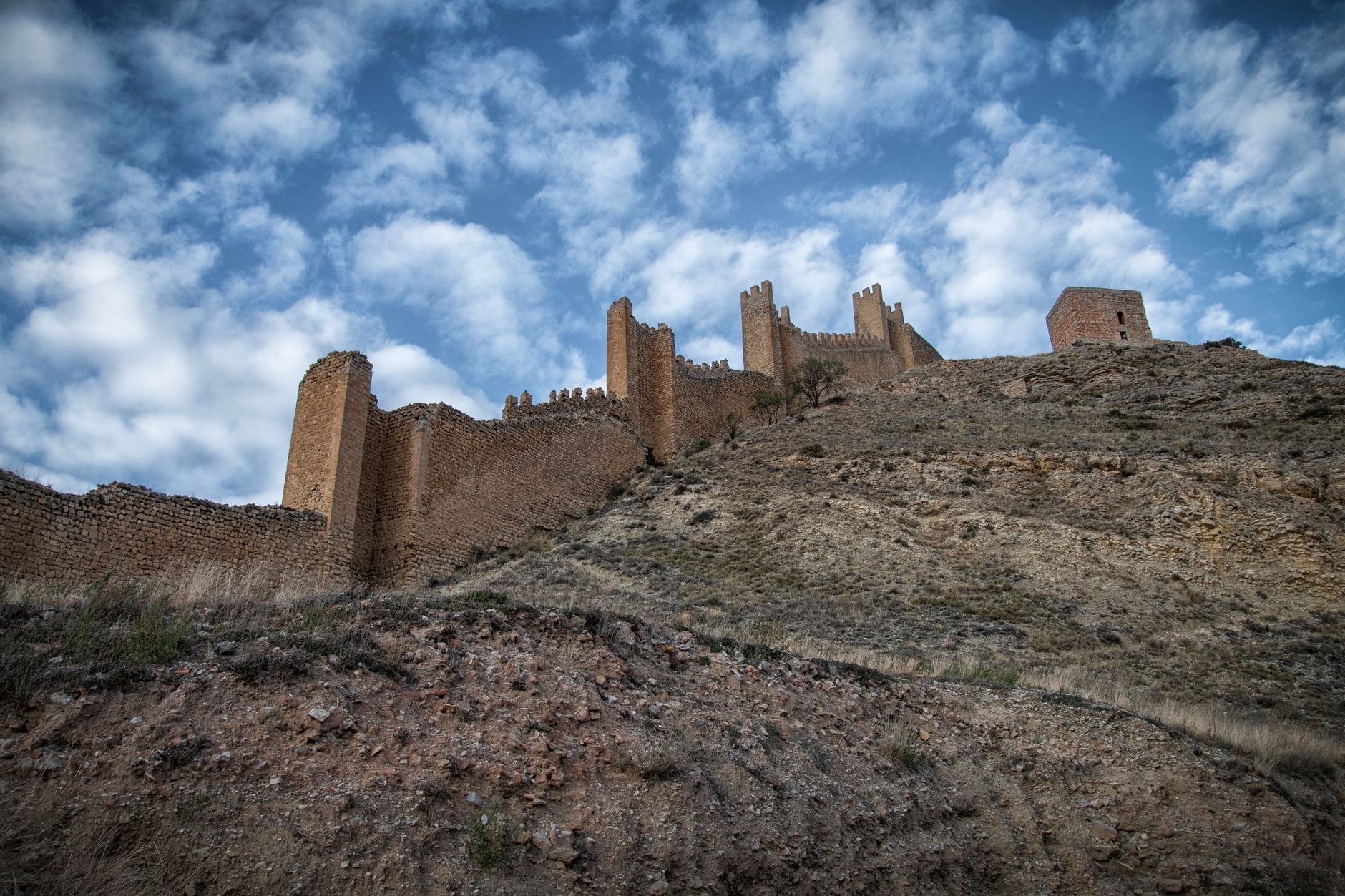
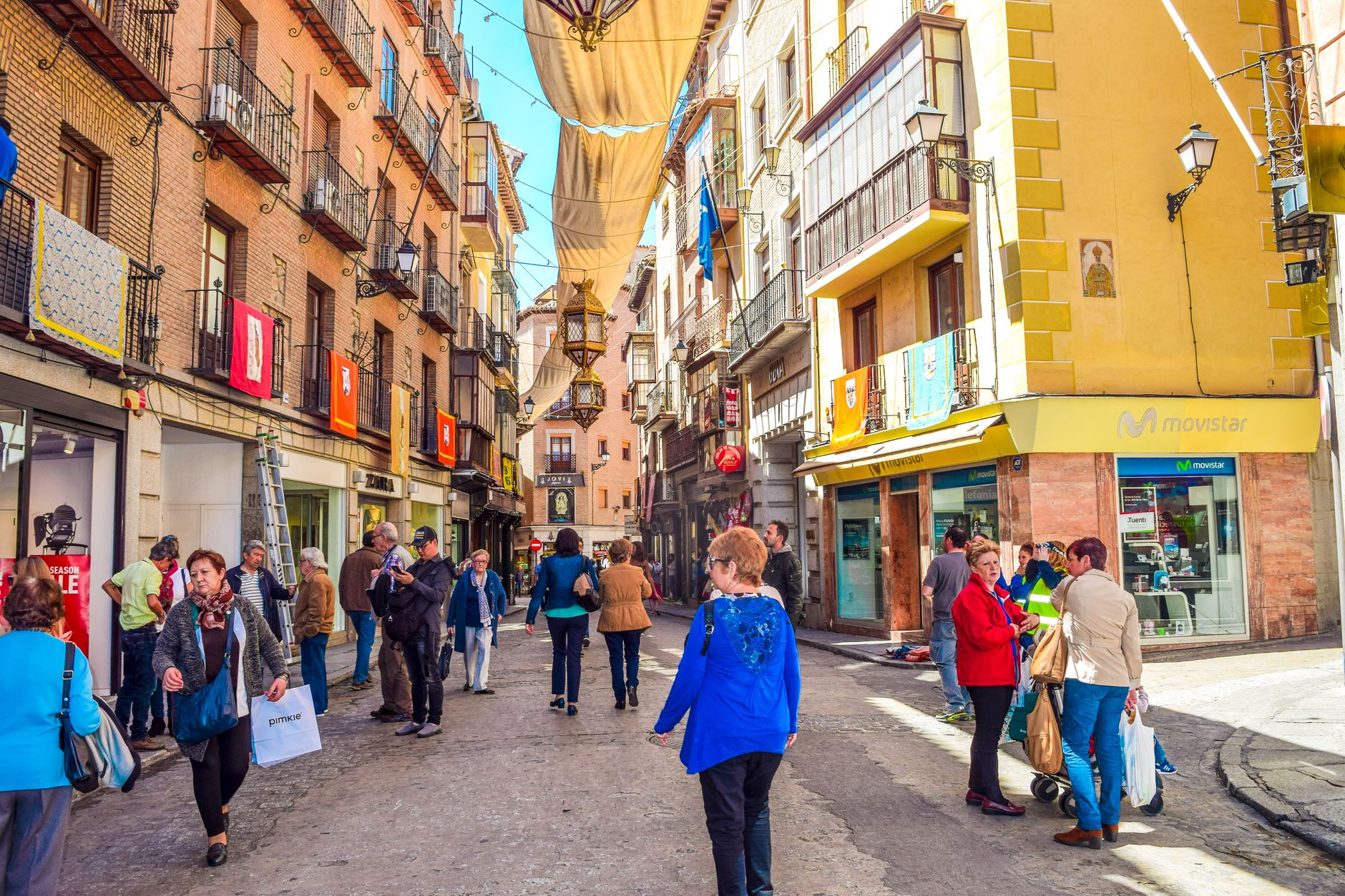
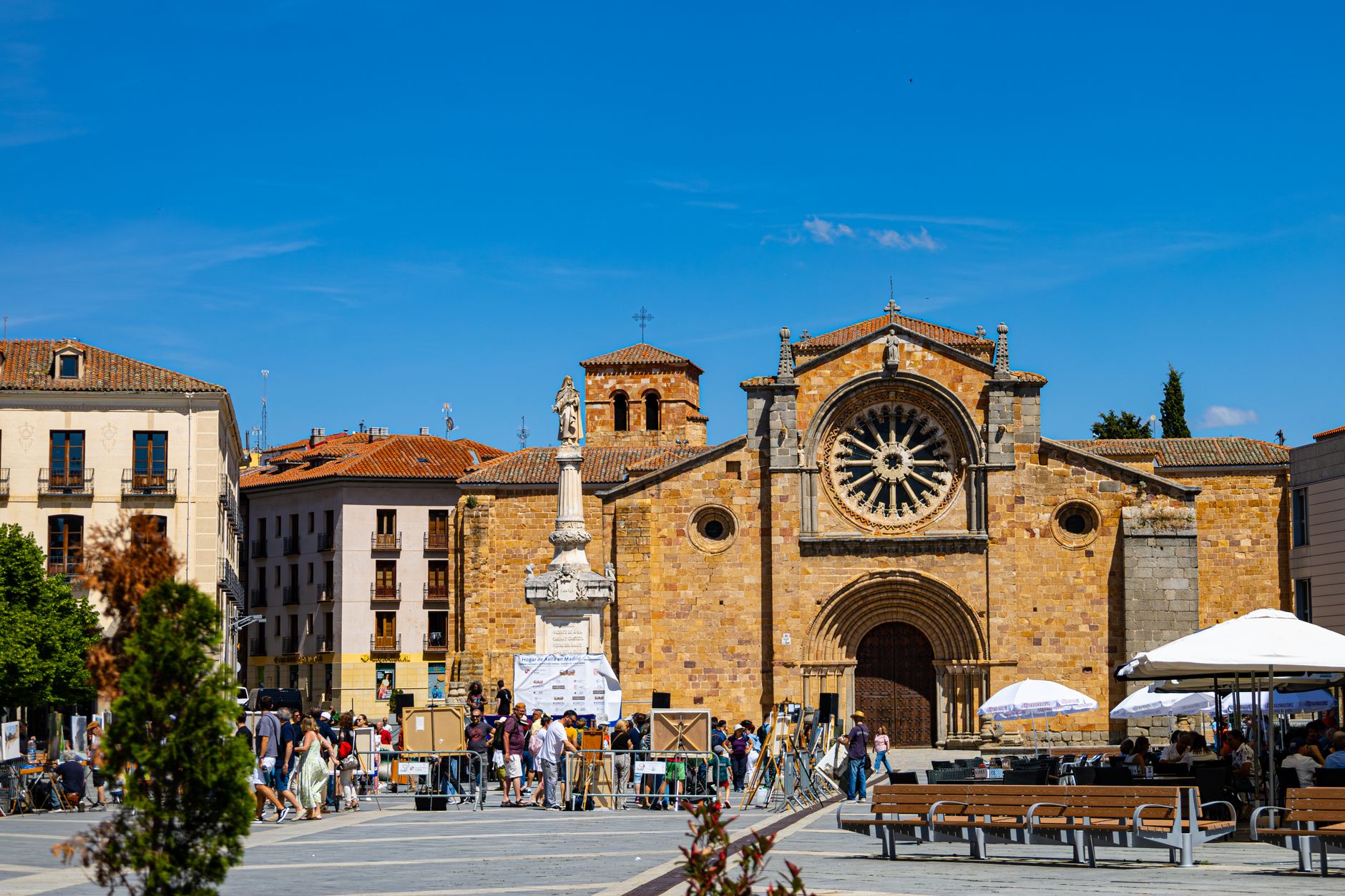
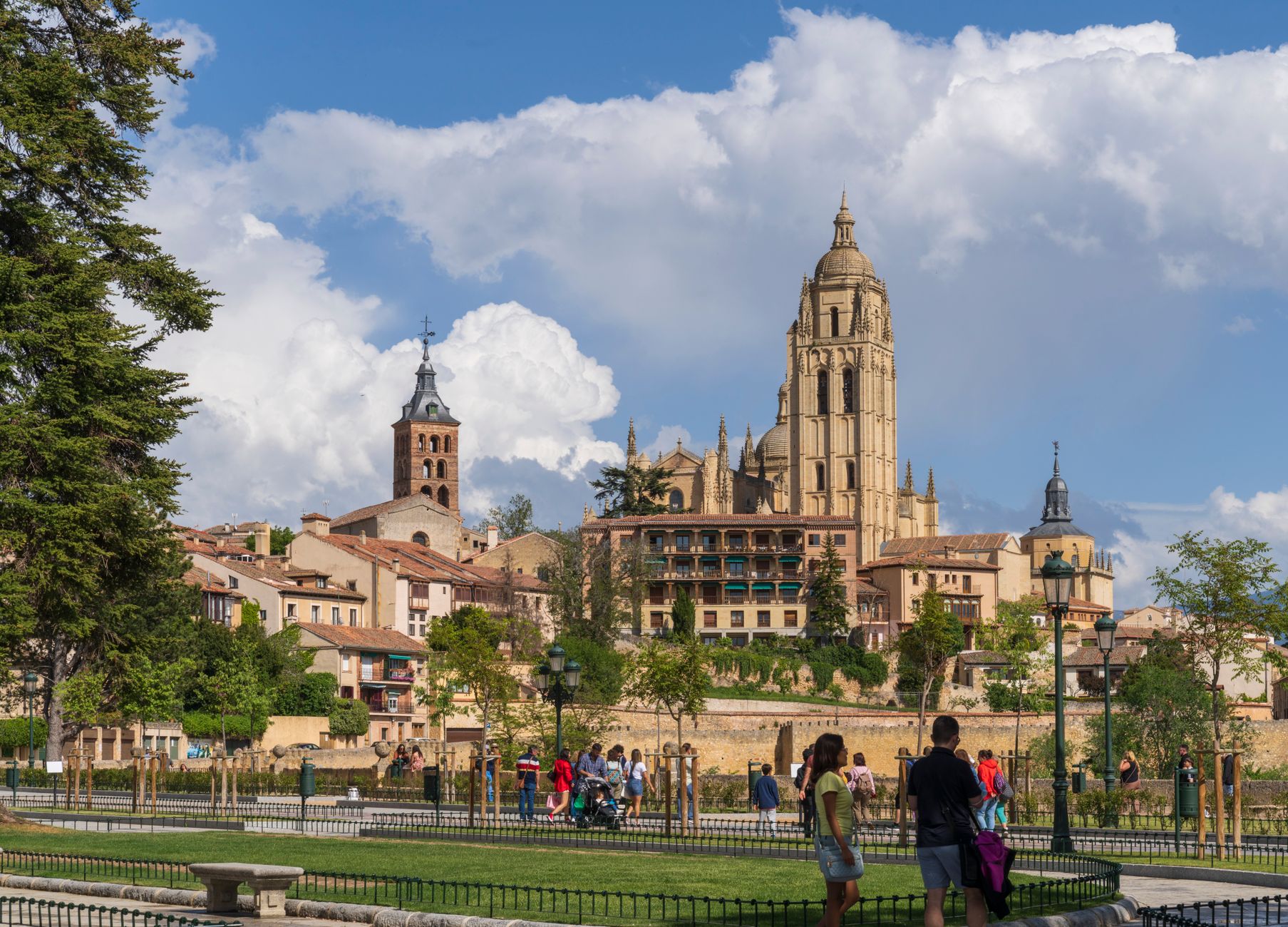
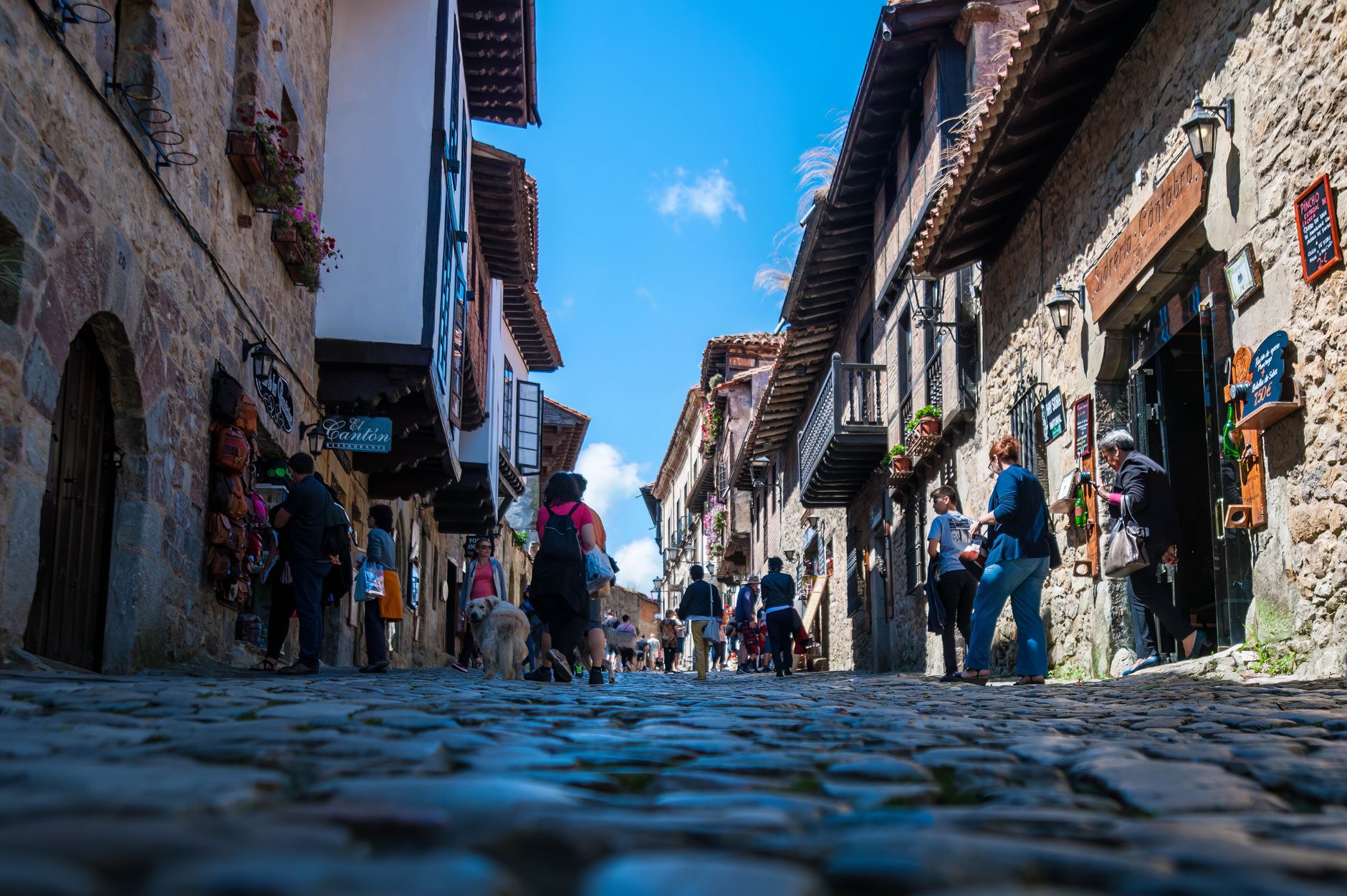
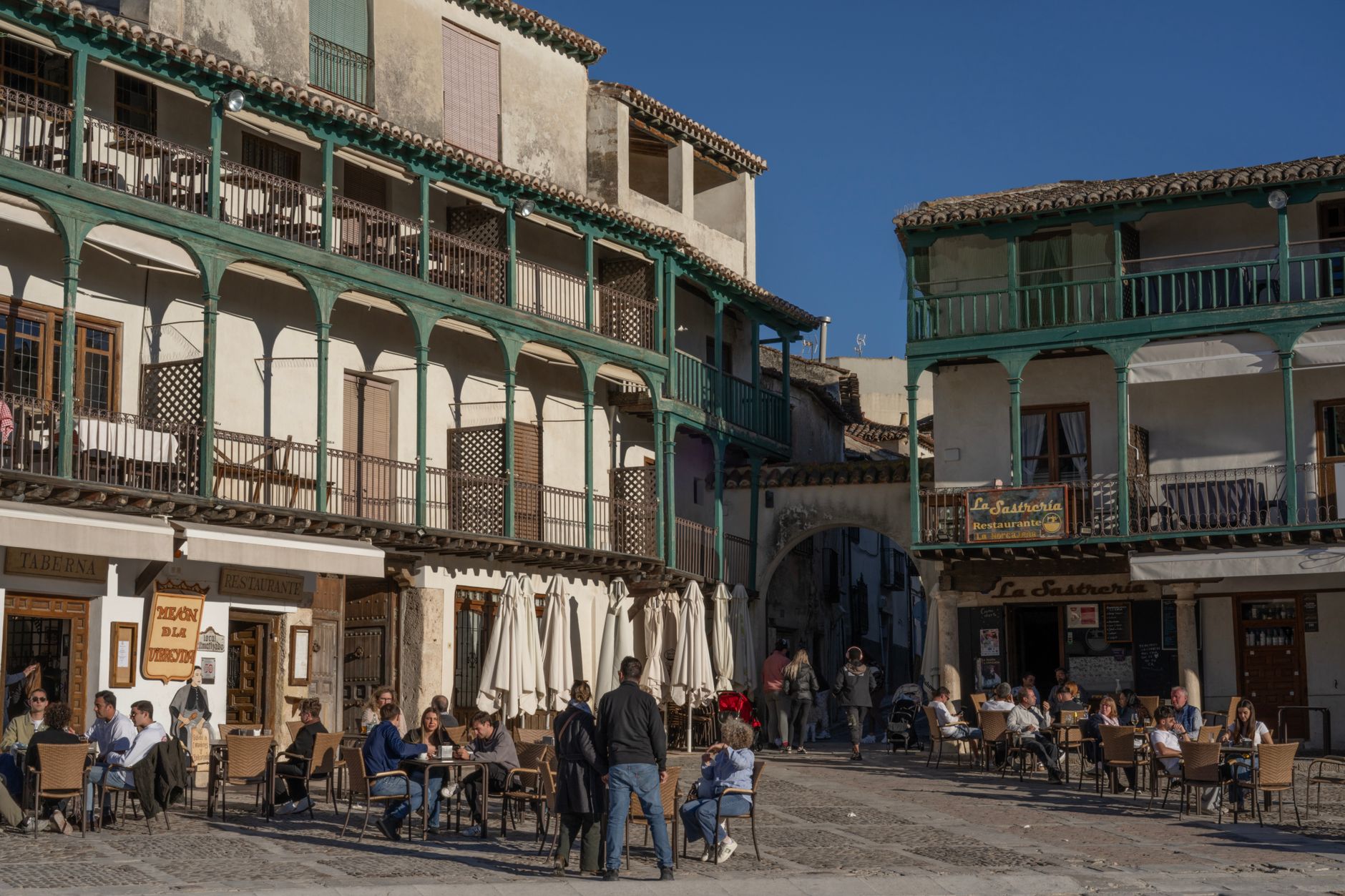
The first thing you notice in Albarracín is the colour — a deep, oxidised red-pink that runs through the stone of every wall, tower and roofline, as if the city were quarried from the same iron-rich earth it sits on. The Guadalaviar river bends almost completely around the old town, and the medieval walls climb the ridge above it in long, uneven lines that have been standing since the tenth century.
This is a small city — you can walk its lanes in an hour — but the layers are dense. Berber dynasty, Christian lordship, Aragonese crown, a Jewish quarter whose synagogue became a hermitage: the place has changed hands enough times that almost every building holds more than one story.
💛 What travellers fall for
People who come back tend to arrive midweek, after the weekend crowds thin. The guided visit through the Cathedral of El Salvador is the one worth booking ahead — it's the only way in, and the tapestries inside are genuinely arresting. The Casa de la Julianeta near the Portal de Molina rewards a slow look: almost no vertical line in its facade runs true.
Experiences you don't want to miss




Deals in Albarracín
Book directly at the providerHow Albarracín came to be
The name comes from the Banu Razin, a Hawwara Berber dynasty that ruled here from the early eleventh century — Albarracín is a Spanish rendering of Ibn Razin. Before them, Visigoths called the place Santa María de Oriente; Romans had a city, Lobetum, nearby. The Almoravids displaced the Banu Razin in 1104, but the town's most unusual chapter came in 1167, when Pedro Ruiz de Azagra established an independent lordship — the Sinyoría d'Albarrazín — answering to neither Castile nor Aragon.
That independence lasted until 1284, when Peter III of Aragon took the city and deposed the House of Azagra. The Jewish community, present before the twelfth century, was expelled in 1492 along with Jewish communities across Spain. Albarracín was declared a National Monument in 1961 and received the Gold Medal for Merit in Fine Arts in 1996.
Who and what shaped it
People who shaped it
Landmark buildings
See Albarracín in motion
Plan your visit
On the map
When to go
Albarracín sits at around 1,170 metres altitude, which means proper cold winters — snow is common from December through February — and summers that stay cool enough at night to need a layer. April through June and September through October are the most reliably pleasant months for walking the exterior walls and lanes.
Background & history adapted from Wikipedia (CC BY-SA) · specs from Wikidata (CC0) · weather from Open-Meteo · map data © OpenStreetMap contributors · photos from Wikimedia Commons / Unsplash with per-image credit. No third-party reviews or social posts reproduced.