
Málaga
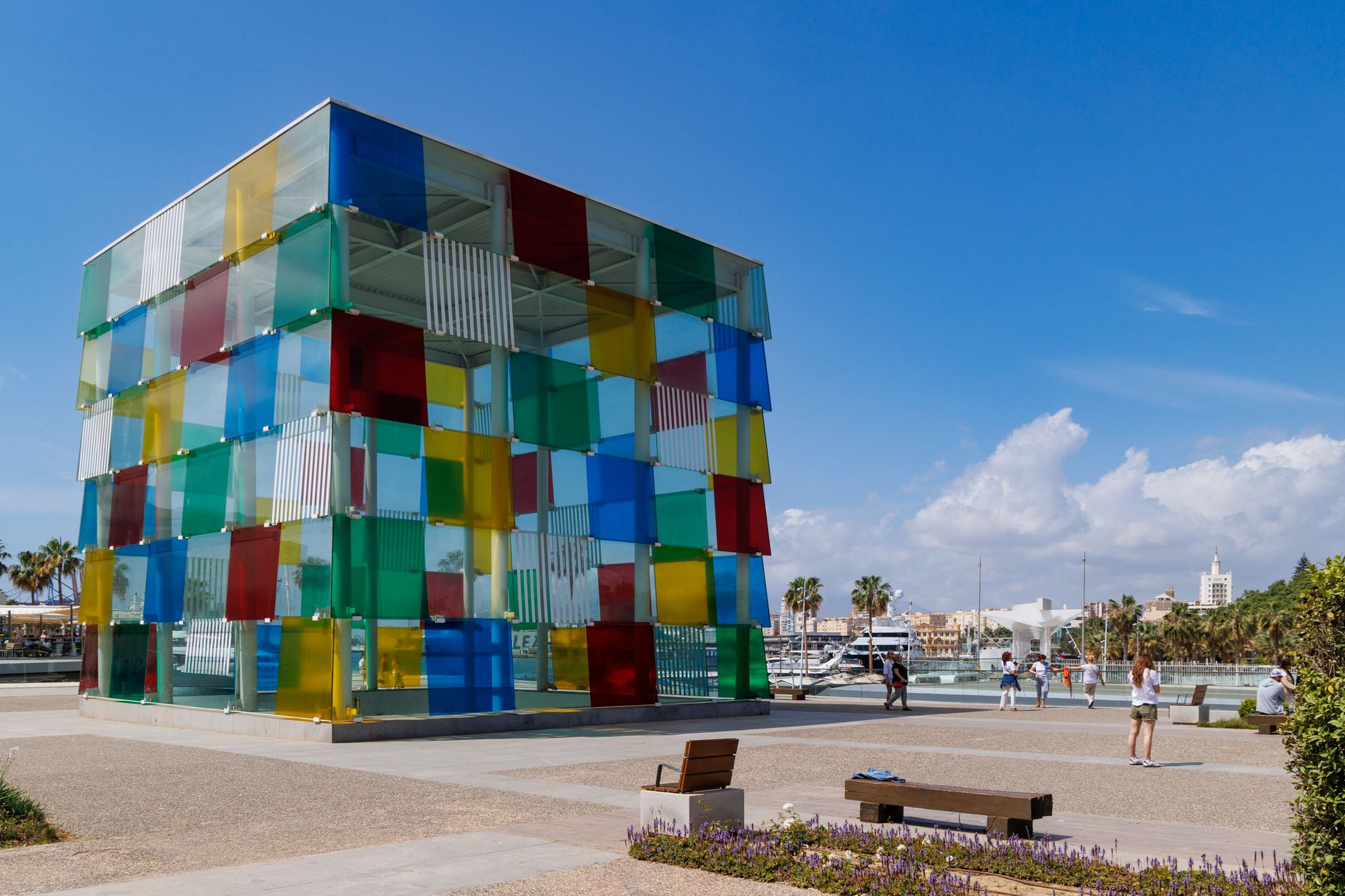
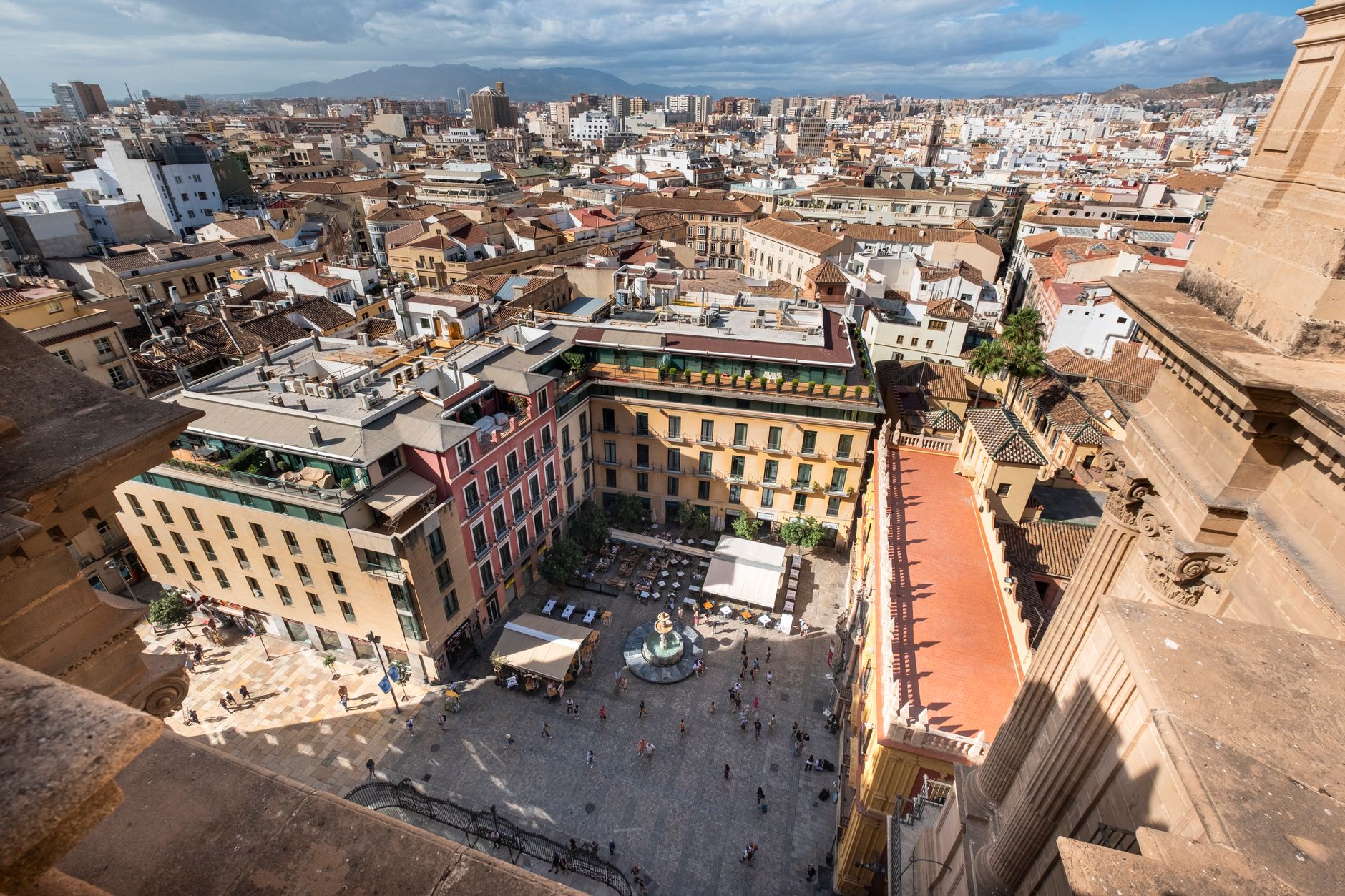
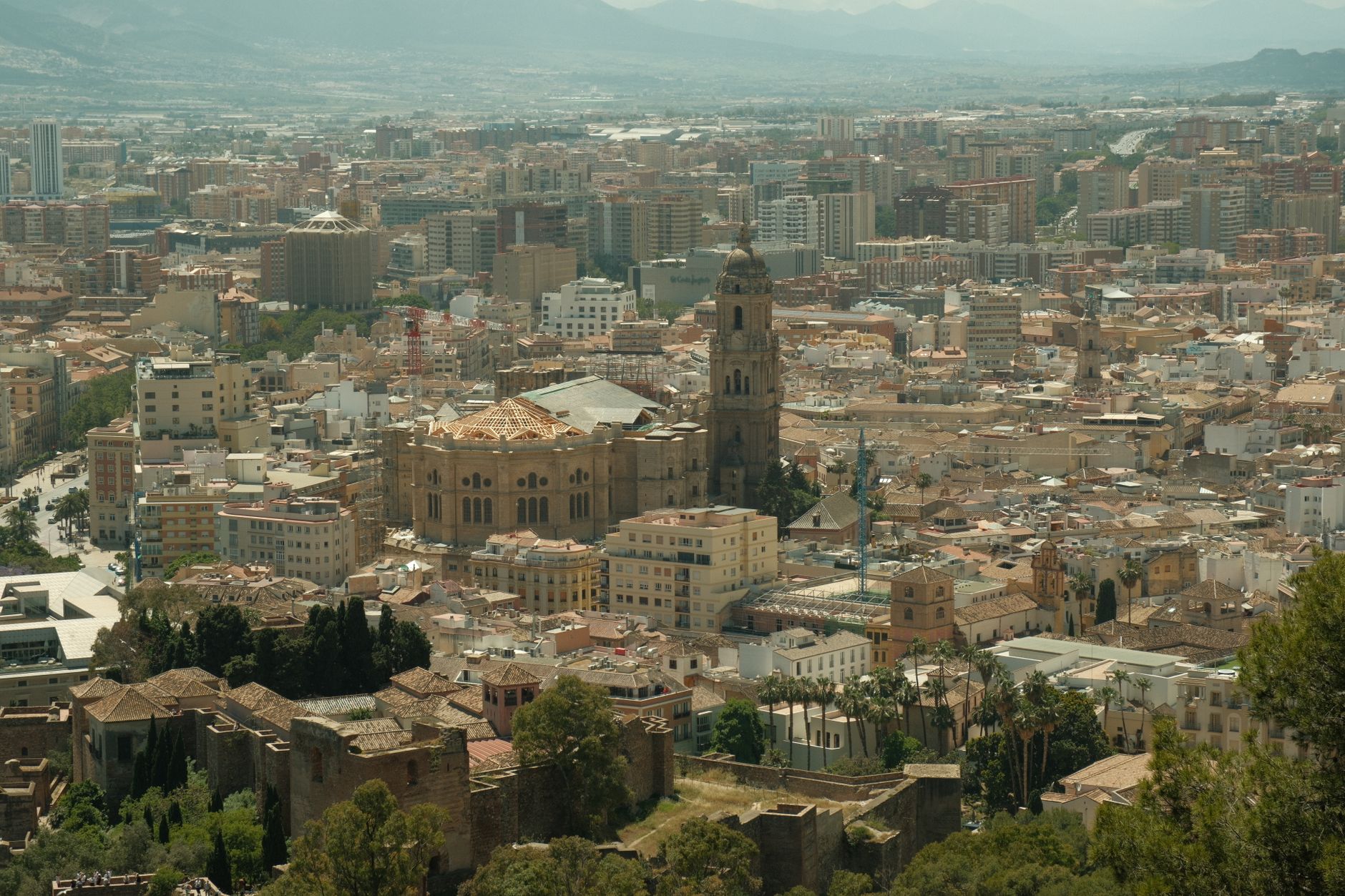
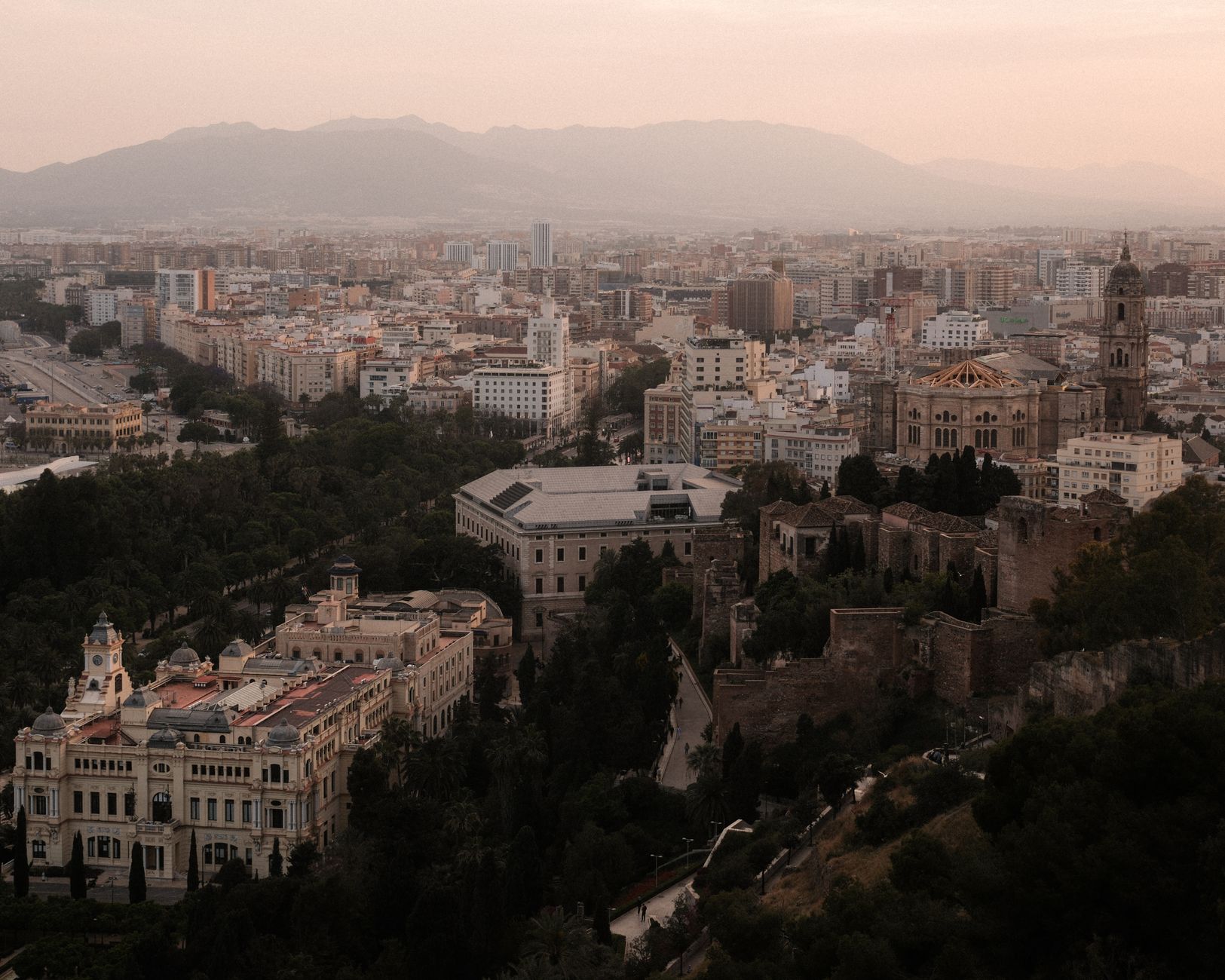
Stand at the Plaza de la Merced on a weekday morning and you're standing where Pablo Picasso was born — No. 16, a plain apartment block that the city has quietly kept in its original skin. That's Málaga's way: layers of enormous history worn without ceremony. The Phoenicians arrived around 770 BC, the Romans after them, then the Byzantines, then eight centuries of Islamic rule, then Isabella and Ferdinand's long siege of 1487. Each left something standing.
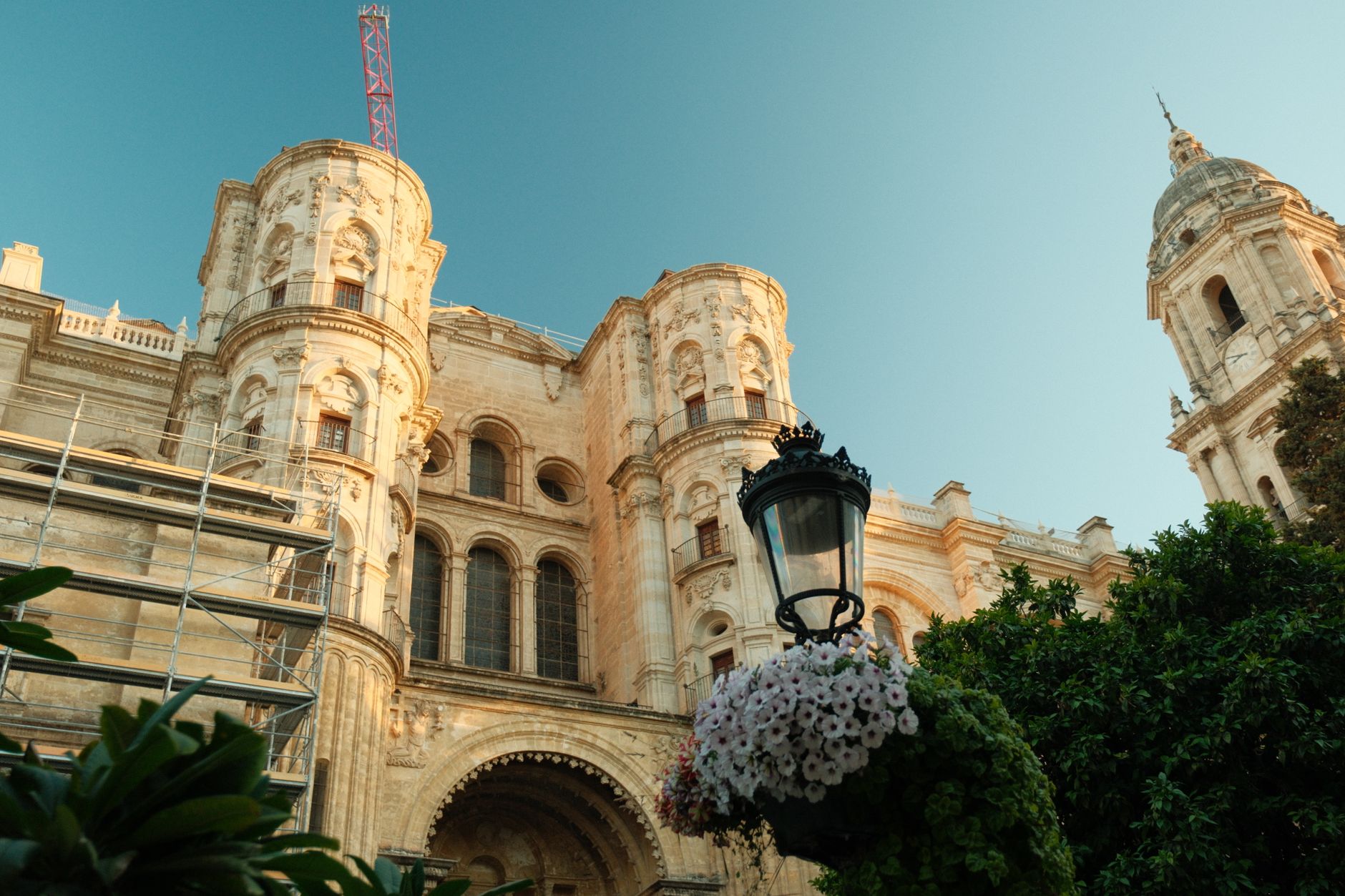
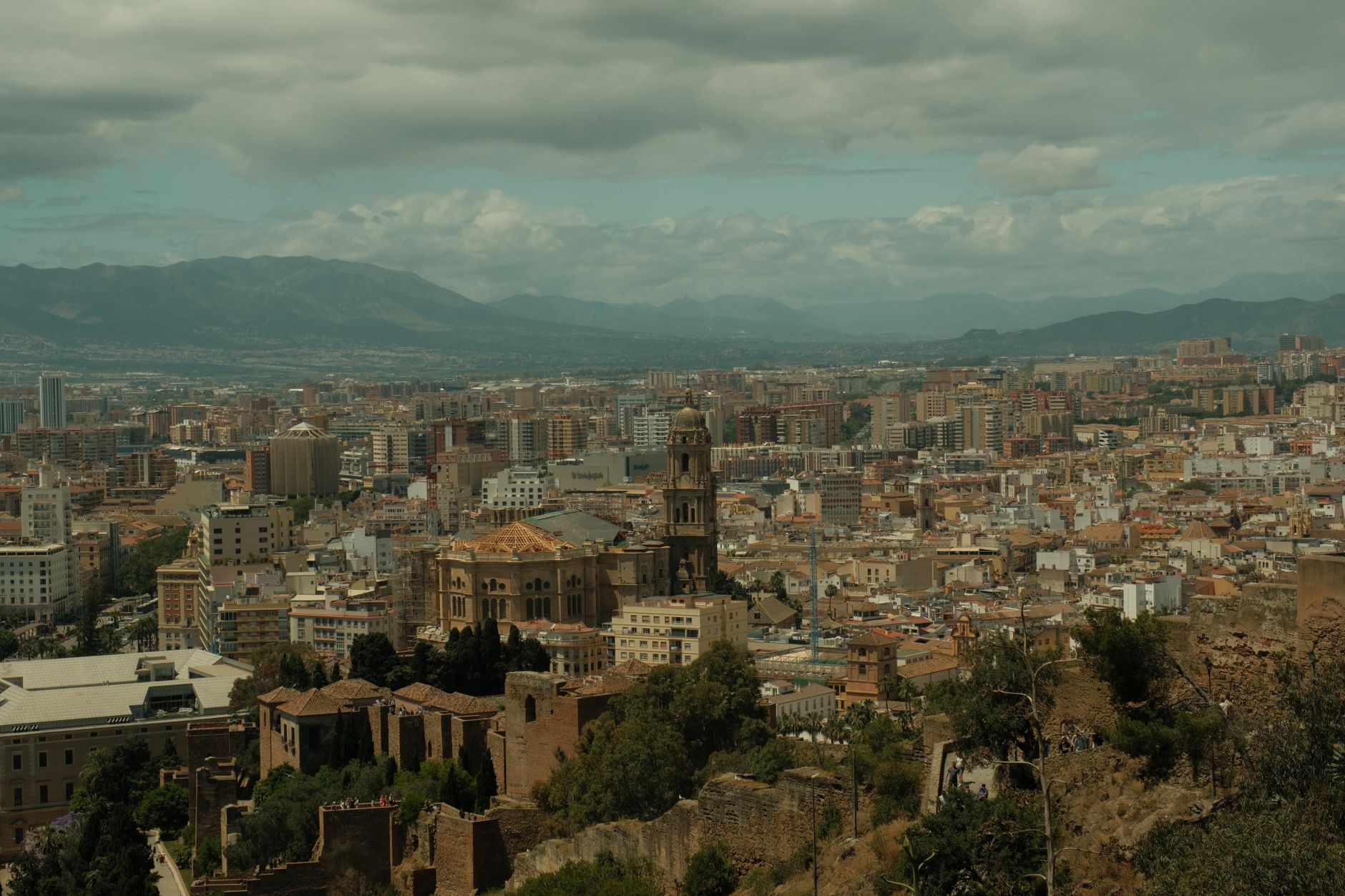
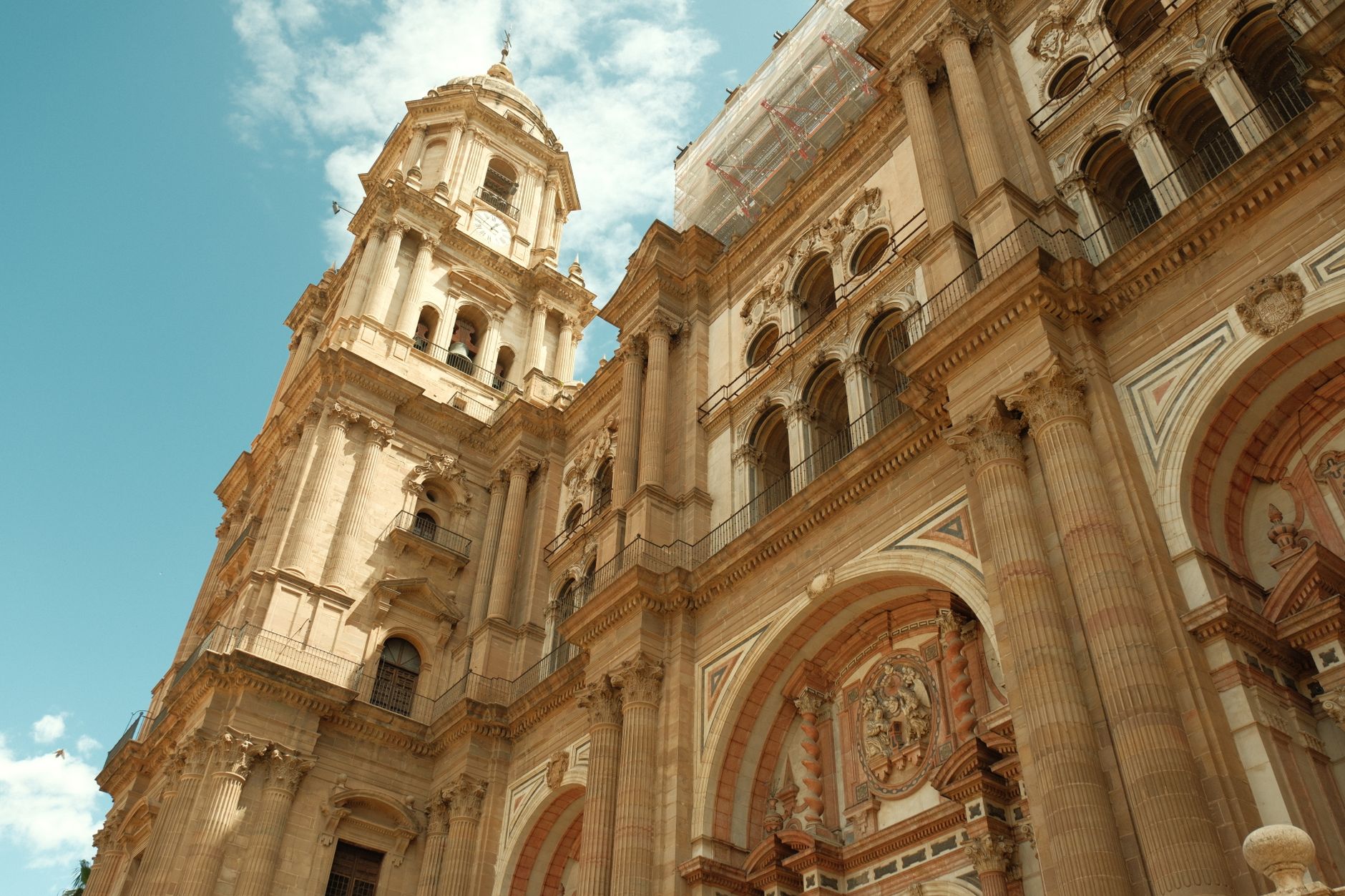
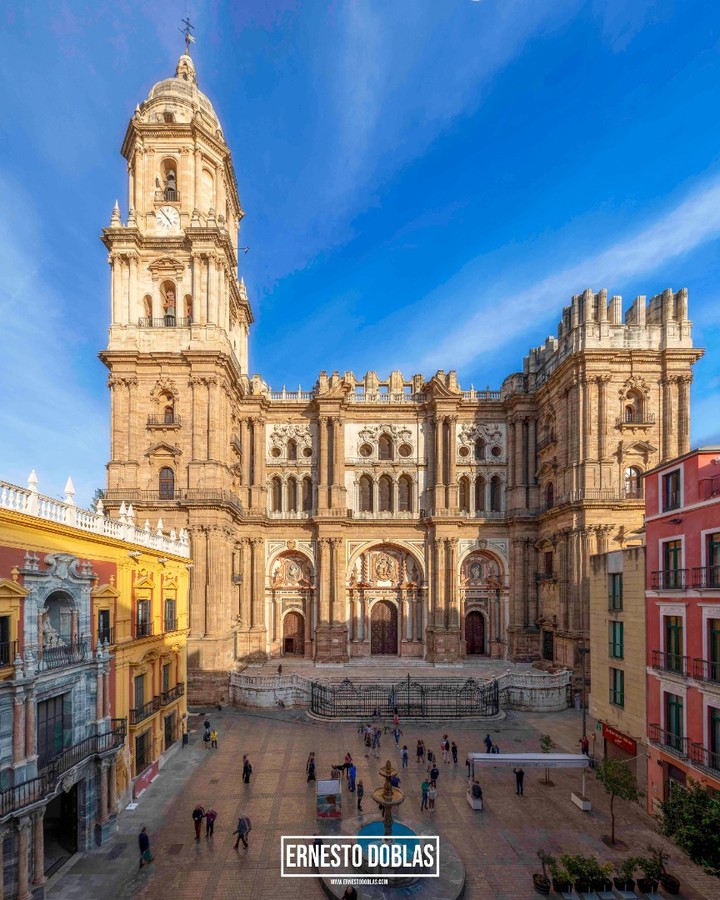
What makes the city distinct among Andalusian ports is how industrially serious it became. By the 19th century it was the first industrialised city in Spain — a fact its cathedral, its unfinished south tower still reaching for nothing, somehow makes believable.
💛 What travellers fall for
People who return tend to figure out the Cercanías train early: €1.80 from the airport, eleven minutes, contactless tap at the barrier. They also learn to avoid the ticket machines' 'Sobretasa' button, which silently bumps the fare to €7 or €8. Get that sorted once and the city opens up considerably.
Experiences you don't want to miss



Deals in Málaga
Book directly at the provider


How Málaga came to be
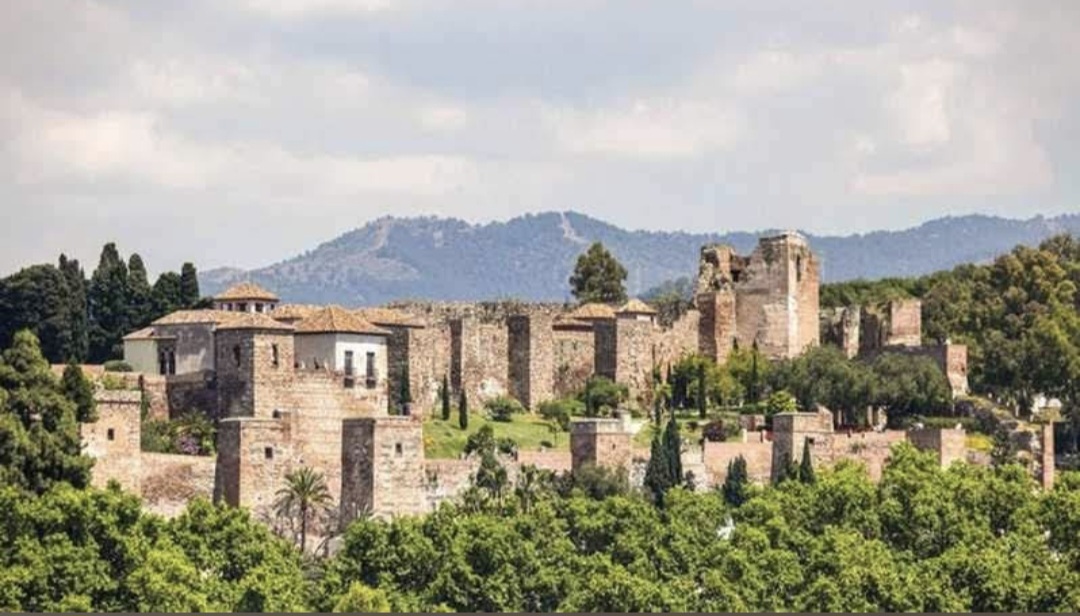
Málaga's founding goes back to around 770 BC, when Phoenician traders established the colony of Malaka on this stretch of southern coast — the same site where the Buenavista Palace now stands over Phoenician ruins. Romans federated the city into their empire by the late 1st century; Byzantines held it briefly from 552 until 624. Then came the Muslim conquest, and for several centuries the city flourished as Mālaqah, becoming capital of the Taifa of Málaga under the Hammudid dynasty from 1026.
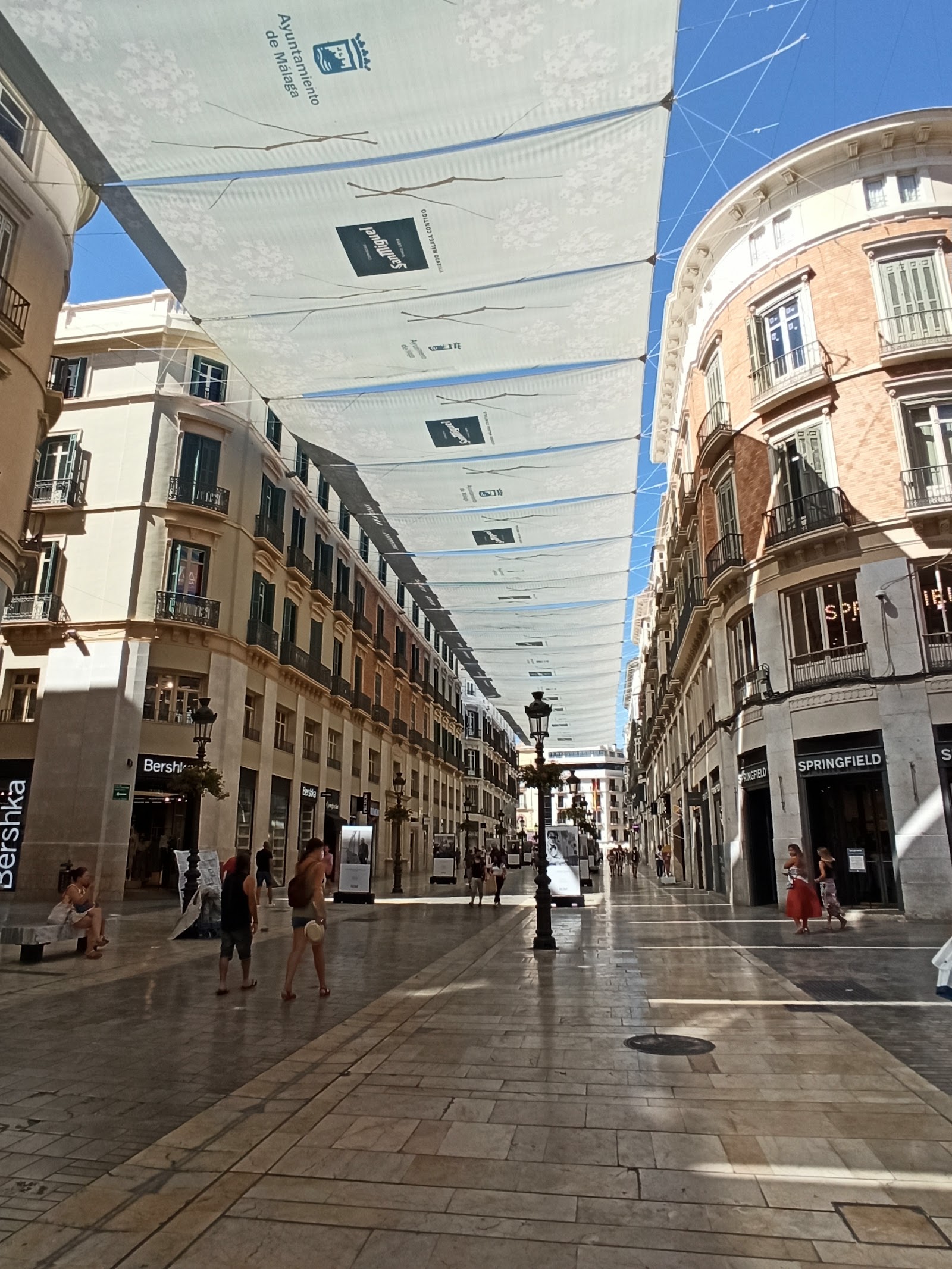
The Reconquista siege of 1487 — one of the longest of the entire campaign — ended that era. What followed was unexpected: by the 18th and 19th centuries, Málaga had reinvented itself as Spain's first industrialised city, its wealthy families, the Larios and the Lorings among them, reshaping the urban fabric in ways still legible on streets like Calle Larios, inaugurated in 1891.
Who and what shaped it
People who shaped it
Landmark buildings
See Málaga in motion
Plan your visit
On the map
When to go
Summers are long, dry, and genuinely hot — the city sits on the Mediterranean and the mountains behind it trap the heat. Spring and autumn are the more comfortable seasons for walking the old centre; winters are mild and mostly rain-free, though the occasional Atlantic front moves through.
Right now
↡ Attractions

Background & history adapted from Wikipedia (CC BY-SA) · specs from Wikidata (CC0) · weather from Open-Meteo · map data © OpenStreetMap contributors · photos from Wikimedia Commons / Unsplash with per-image credit. No third-party reviews or social posts reproduced.