
Málaga Museum (Museo de Málaga)
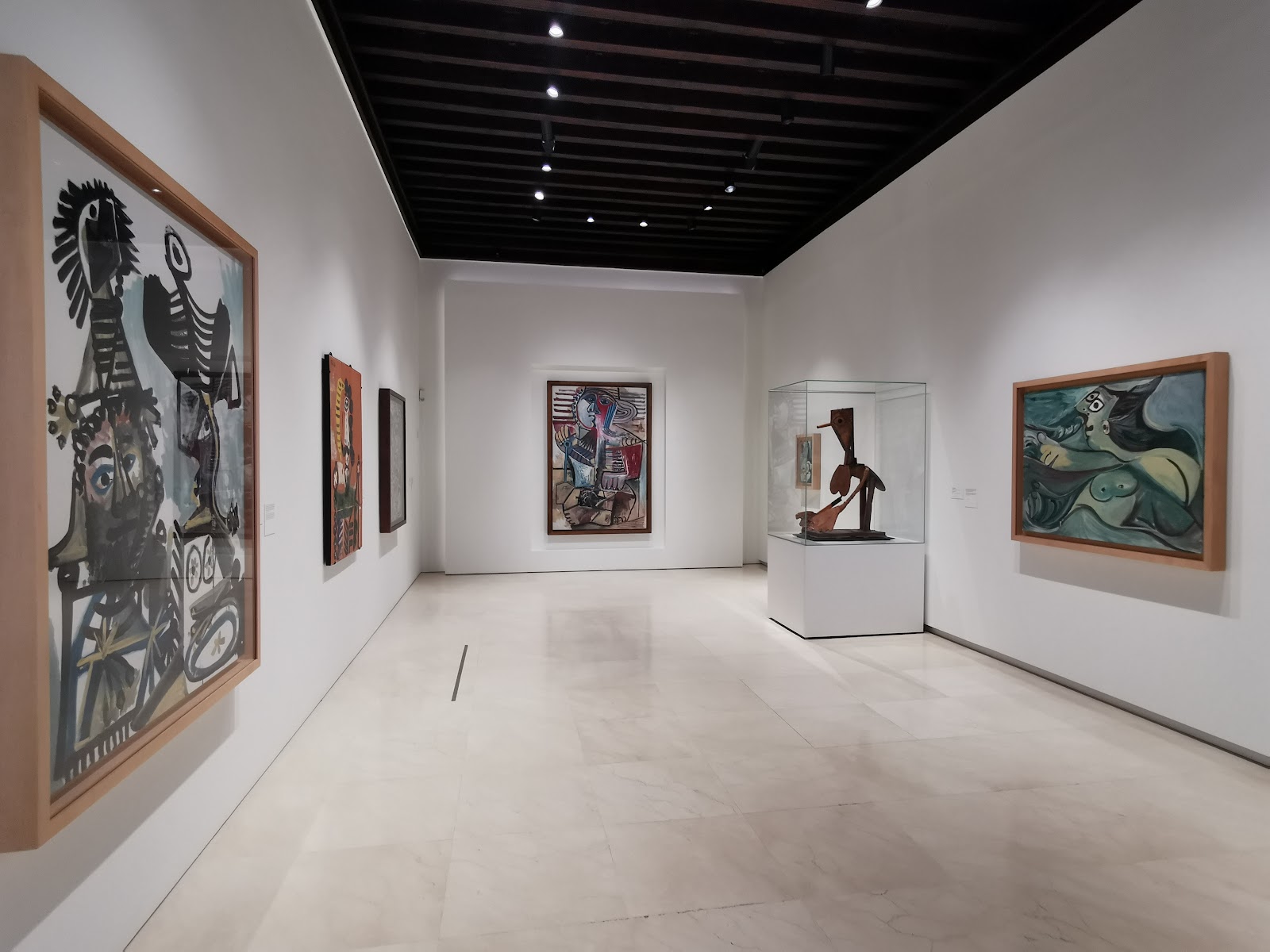
A 2nd-century Roman woman stands at the entrance of the Palacio de la Aduana — known as La Dama de la Aduana — and she sets the tone for everything inside: this is a place where time stacks up in layers. The Málaga Museum holds more than 15,000 archaeological objects alongside some 2,000 fine-arts pieces, making it the largest museum in Andalusia.
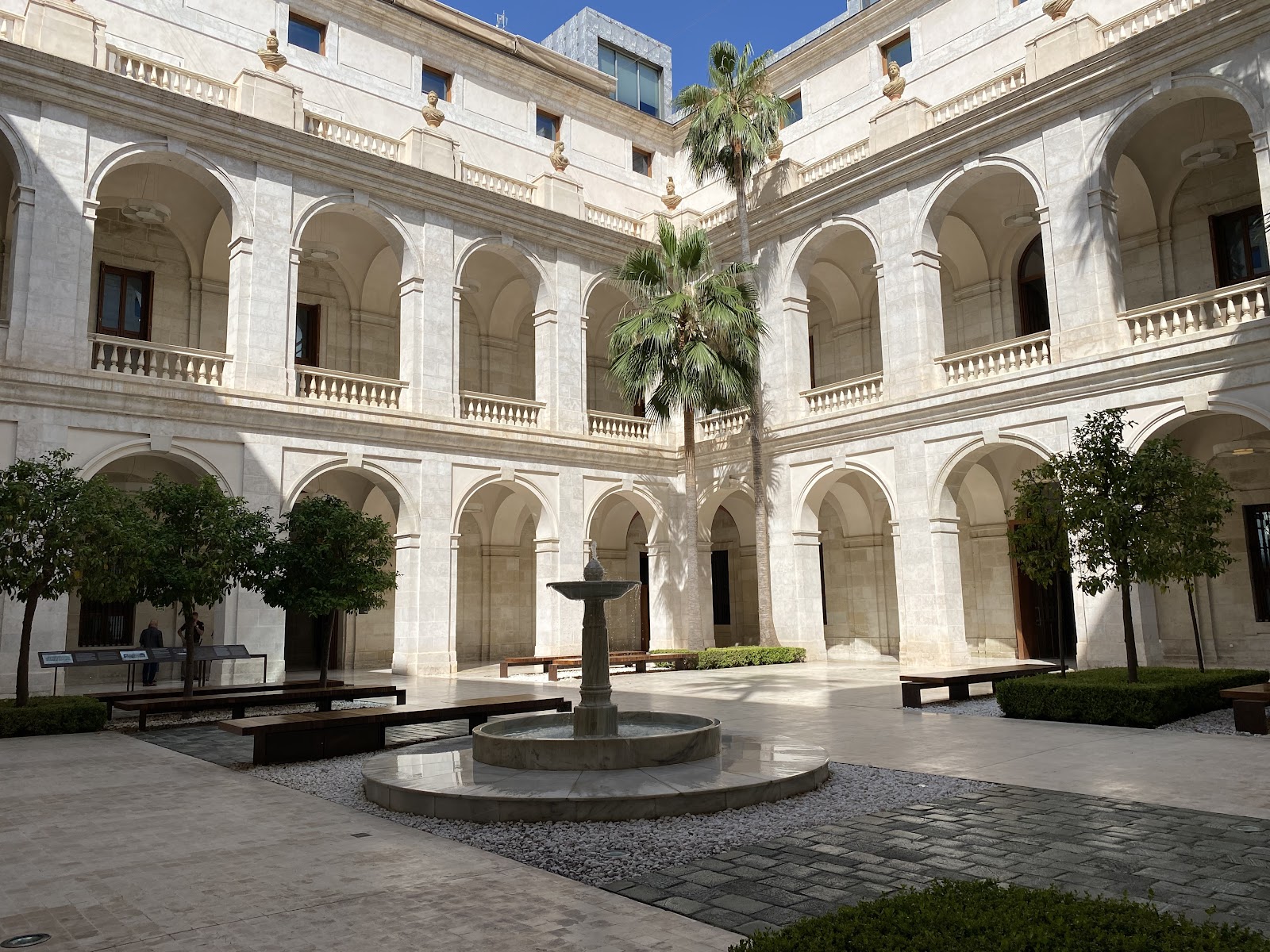
The building itself earns attention before you reach a single exhibit. The neoclassical Palacio de la Aduana was conceived in the late 18th century, spent decades as a tobacco factory, survived a major fire in 1923, and served as a police station well into the 21st century. It opened as a museum only in December 2016.
💛 What travellers fall for
The rooftop terrace is the detail regulars mention most — a view across the Alcazaba and up to Gibralfaro Castle that most visitors walk past without knowing it exists. Also worth finding: the ground-floor visitable warehouse, where artworks in mid-restoration sit in open storage, which gives the whole enterprise an honest, behind-the-scenes quality.
The story behind Málaga Museum (Museo de Málaga)
The museum's collections have two distinct origins. A Royal Decree of 1913 established the Museo Provincial de Bellas Artes, which opened its doors in 1916. The archaeology side came later: a 1947 decree merged the holdings of the old Museo Loringiano — assembled by the 19th-century Marquesses of Casa-Loring — with the fine-arts museum's archaeological pieces, and the resulting Museo Arqueológico Provincial opened in 1949 inside the Alcazaba. The two institutions were formally united in 1973.
The building they now share has its own complicated biography. Manuel Martínez Rodríguez — nephew and disciple of the celebrated architect Ventura Rodríguez — designed the Palacio de la Aduana at the end of the 18th century, though construction stretched from 1788 to 1826. After the 1923 fire destroyed its roofs, the palace cycled through uses — civil government headquarters, police station, museum warehouse — before Pardo Tapia Arquitectos completed its conversion and the museum opened there on 12 December 2016.
Good to know
Entry is free for EU citizens; non-EU visitors pay around €1.50. Open Tuesday to Saturday 9am–9pm, Sundays and holidays until 3pm, closed Mondays. The historic centre location means walking is the easiest approach. Budget two to three hours minimum; the archaeology floors alone reward slow looking.
Where is Málaga Museum (Museo de Málaga)?
More tickets & tours for Málaga Museum (Museo de Málaga)
Book directly at the provider
What travellers say about Málaga Museum (Museo de Málaga)
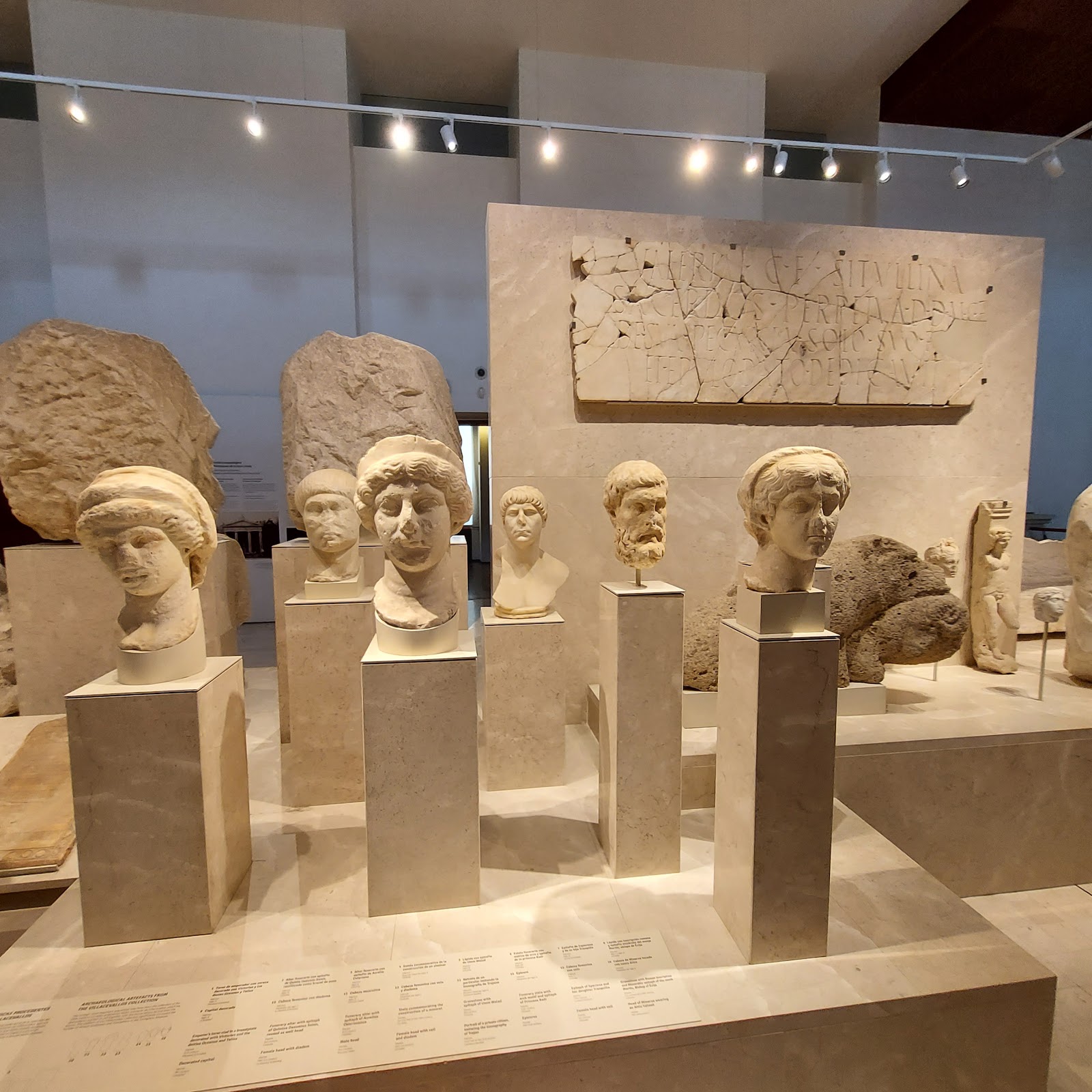
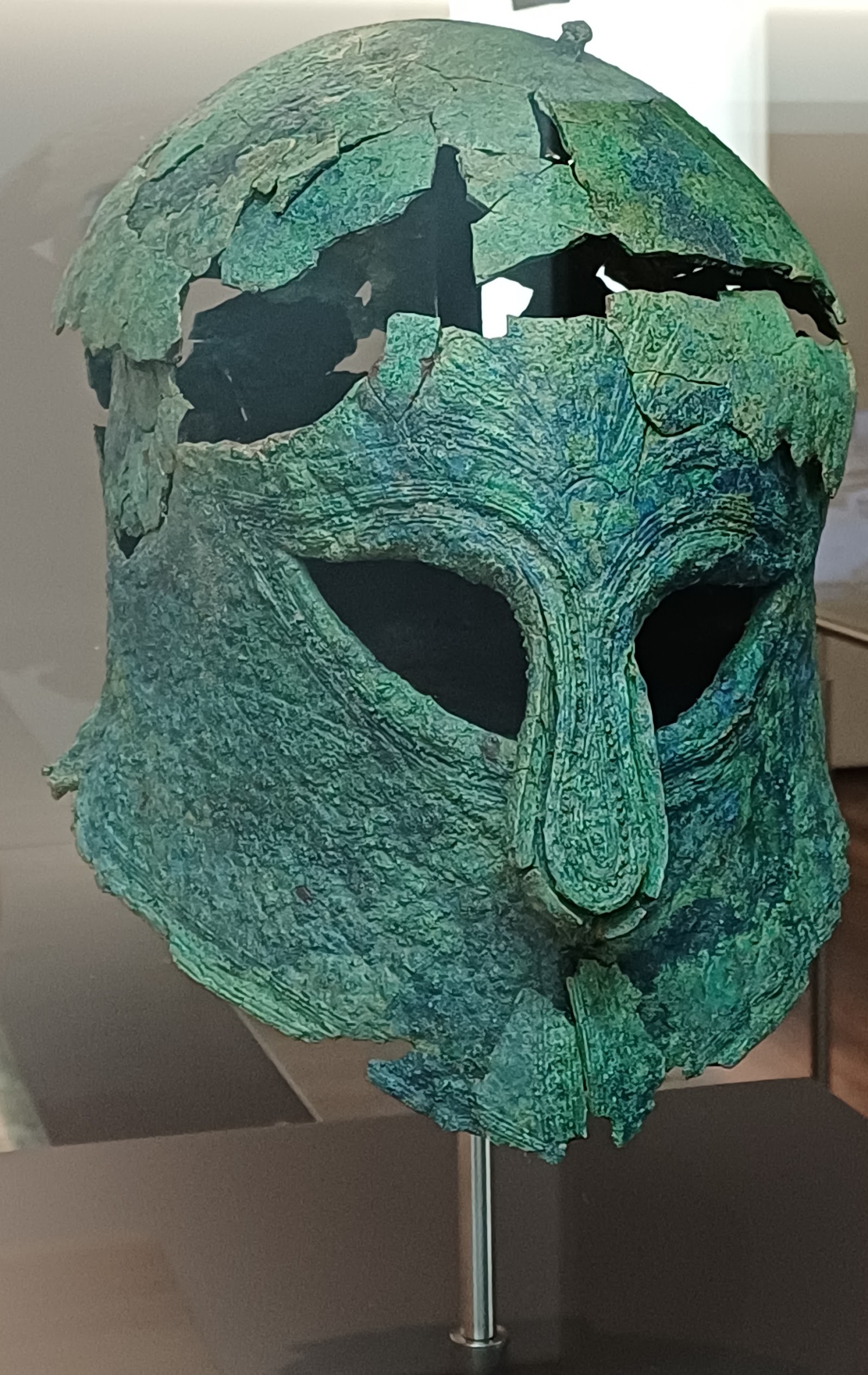
We had a great visit at the Museo de Málaga and were honestly surprised by how impressive the archaeological collection is. The region has been a crossroads of Mediterranean cultures for more than 2,500 years. The museum presents this history through a fascinating range of objects from the Punic, Roman and Moorish periods. Beautifully preserved ceramics, sculptures, ritual vessels, weapons and everyday items give a vivid impression of the people who once lived and traded along this coast. The presentation is modern, clear and very immersive. One highlight are the large visible storage areas where hundreds of artifacts are displayed together, giving a rare sense of the depth of the collection. We also want to mention the very friendly and welcoming staff, who made the visit even more enjoyable. A fantastic museum and absolutely worth visiting if you are interested in ancient history.
A must see museum if you’re interested in local history and art. A beautiful collection with great exhibition designs. We were especially surprised with illustrations in the prehistoric and ancient history exhibits. So much work!! You can tell it’s pretty recent and we were glad to see so much care taken in creating the exhibitions. A very laid back and chill place to dive deep. There’re also temporary exhibitions worth checking out. Free entrance for European citizens. Otherwise payments are only in cash.
Very large beautiful building. Good art collection. The archeological exhibit feels smaller. Interesting pieces but spread out in the space. Very inexpensive entrance fees--less than a coffee--so worth a visit.
Surely one of the best things to do in Malaga. The building itself it’s worth a visit and the collection, both fine arts and archaeology, are superb. Free for European citizens. They have also a Michelin star restaurant on the roof to wrap up your visit. If not, you can always go to their cafe at the ground floor with and have one of their special cakes.
One of the most beautiful city museums I've ever seen. Meticulously renovated building with aibeautiful architectural details and a very cosy courtyard. Comprehensive archeological department. Impressive paintings from renowned Spanish painters including Picasso. And all that for FREE for EU citizens (and very cheap for everyone else)!
More of Málaga
Discover where to stay, what to do and the best deals for your trip.
Explore Málaga →More attractions in Málaga
All of Málaga →

Background adapted from Wikipedia (CC BY-SA) · map data © OpenStreetMap contributors · ratings & place photos via Google · other photos with per-image credit. Ticket links may earn us a commission at no extra cost to you.