
Málaga Port (Muelle Uno)
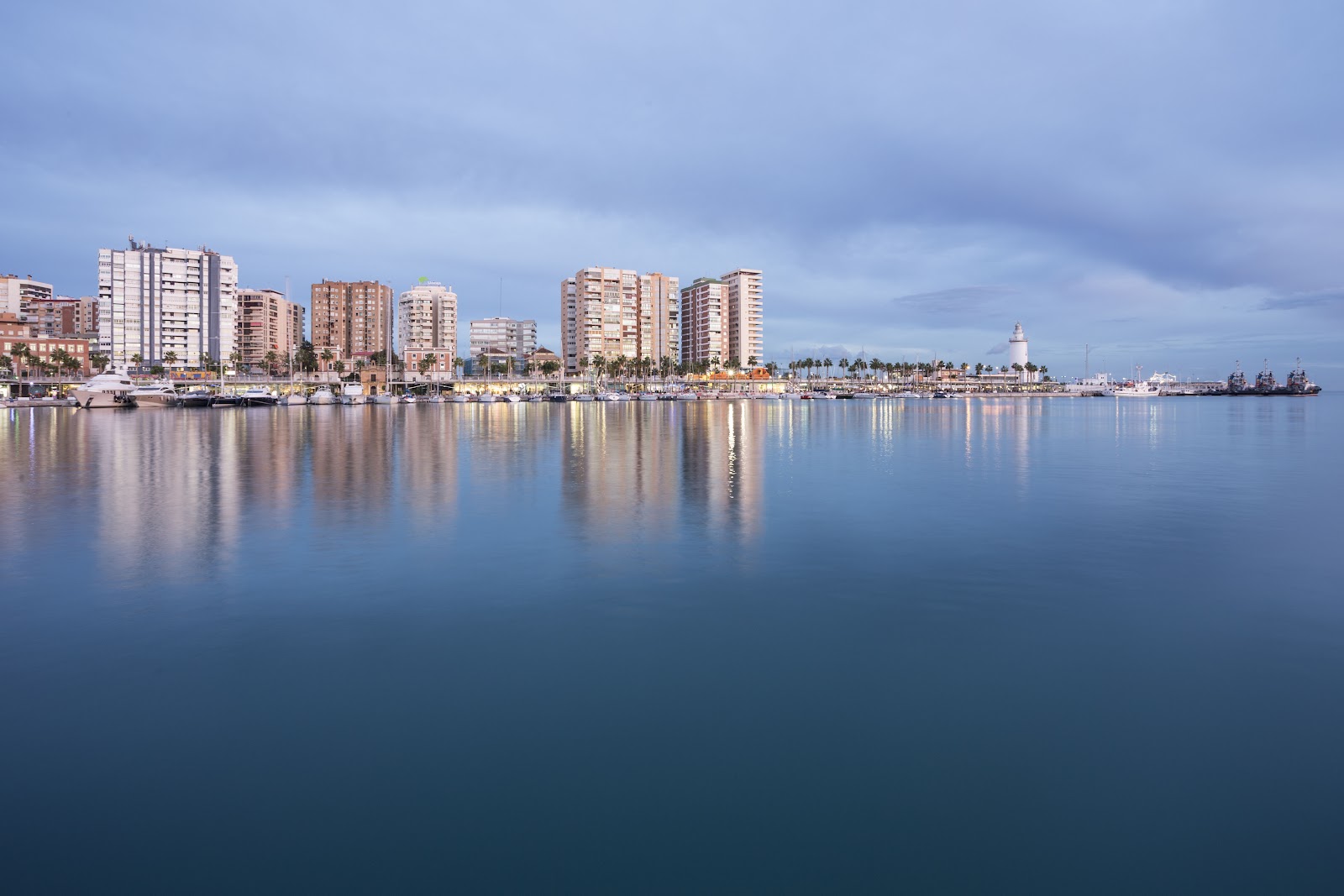
The first thing you notice at Muelle Uno is the pergola — a long, undulating wooden canopy that ripples above the waterfront like something between a wave and a ribcage, casting dappled shade over orange trees and the people walking beneath them. On one side, superyachts sit quietly in their berths. On the other, restaurants spill onto the promenade.
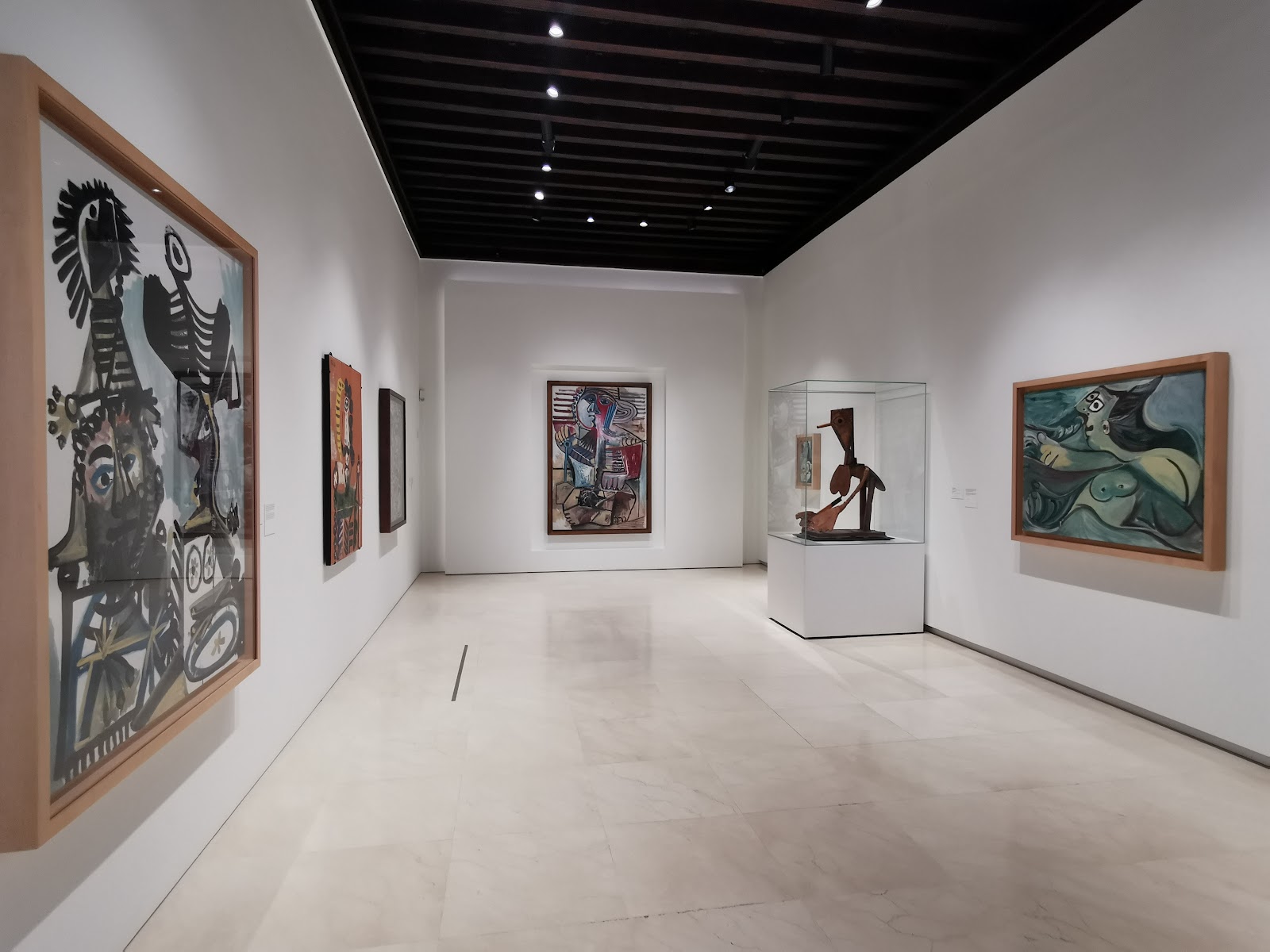
Opened in 2011 after 13 years of planning, this redeveloped pier reconnected Málaga's city centre with a harbour it had been edging toward for centuries. The Centre Pompidou's glass cube anchors one end; the 1817 lighthouse, La Farola, marks the other. Between them, the port manages to feel both purposeful and unhurried.
💛 What travellers fall for
Regulars tend to time Sunday visits around the monthly zoco — nearly 100 stalls of handmade jewellery, vintage clothing and local olive oil, running 11:00 to 18:00 on the first three Sundays of the month. The pergola's shade makes midday browsing genuinely comfortable even in July, when the rest of the city is searching for cover.
The story behind Málaga Port (Muelle Uno)
The port's origins go back to 1 January 1588, when the first stone was laid. For most of its life it remained cut off from the city by a wall — until the 18th century, when King Carlos III ordered the wall sold, returning Málaga's residents to their own waterfront. In 1817, engineer Joaquín María Pery completed La Farola, the 38-metre lighthouse that still stands at the pier's tip.
The 1876 extension project by R. Yagüe added reclaimed land that eventually became Parque de Málaga, pushing the city gently seaward. The chapel known as La Capilla, inaugurated in 1725, was dismantled and relocated multiple times as the port evolved around it. The current Muelle Uno promenade — including the wave-form pergola by Félix Hernández, completed by Junquera Arquitectos — opened in November 2011 on an 80-million-euro budget.
Good to know
Walk from Calle Larios in five minutes through Parque de Málaga. Shops open 10:00–22:00; bars and restaurants until midnight daily. No entry fee for the promenade itself. Underground parking runs 24 hours. Skip the car on summer evenings — the walk in is part of it.
Summer (June–September) brings almost no rain and July averages around 30–31°C — the pergola earns its keep. Winter days are mild, often reaching 18°C, with most of the year's modest rainfall arriving between October and March.
Where is Málaga Port (Muelle Uno)?
More tickets & tours for Málaga Port (Muelle Uno)
Book directly at the provider
What travellers say about Málaga Port (Muelle Uno)
Beautiful sight and so many places you can sit and enjoy it, have lunch or whatever. Even shopping. Worth the walk.
This has nothing to do with Muelle Uno Location: Held in the Málaga Arena, close to the city center and the harbor – a beautiful setting for a gastronomic festival. Concept: The festival was meant to promote top restaurants, including Michelin-starred ones. Unfortunately, this goal was not achieved. Food: - Tapas did not really invite ordering. Simple in flavor, lacking creativity and presentation. - Expectations were clearly much higher; chefs and their restaurants were poorly promoted. - It felt like “fighting” at the long bar just to get a tapa. Drinks: - The bar was a disaster. Twice we had to wait over 30 minutes to get a drink. Organization: - Far too few standing tables, leaving people wandering around with a drink in one hand and a tapa in the other. Eating like this was very inconvenient. - The DJ played on old-fashioned turntables, which felt amateurish with skipping records – reminded me of my youth when I did the same in my bedroom with friends. Conclusion: Overall, the event came across as amateurish and poorly organized. The chefs and their restaurants did not stand out at all. Beautiful location, but disappointing execution.
Perfect spot for a stroll. Very charming connecting boulevard between the historical city, SOHO and the la Malagueta (beach).
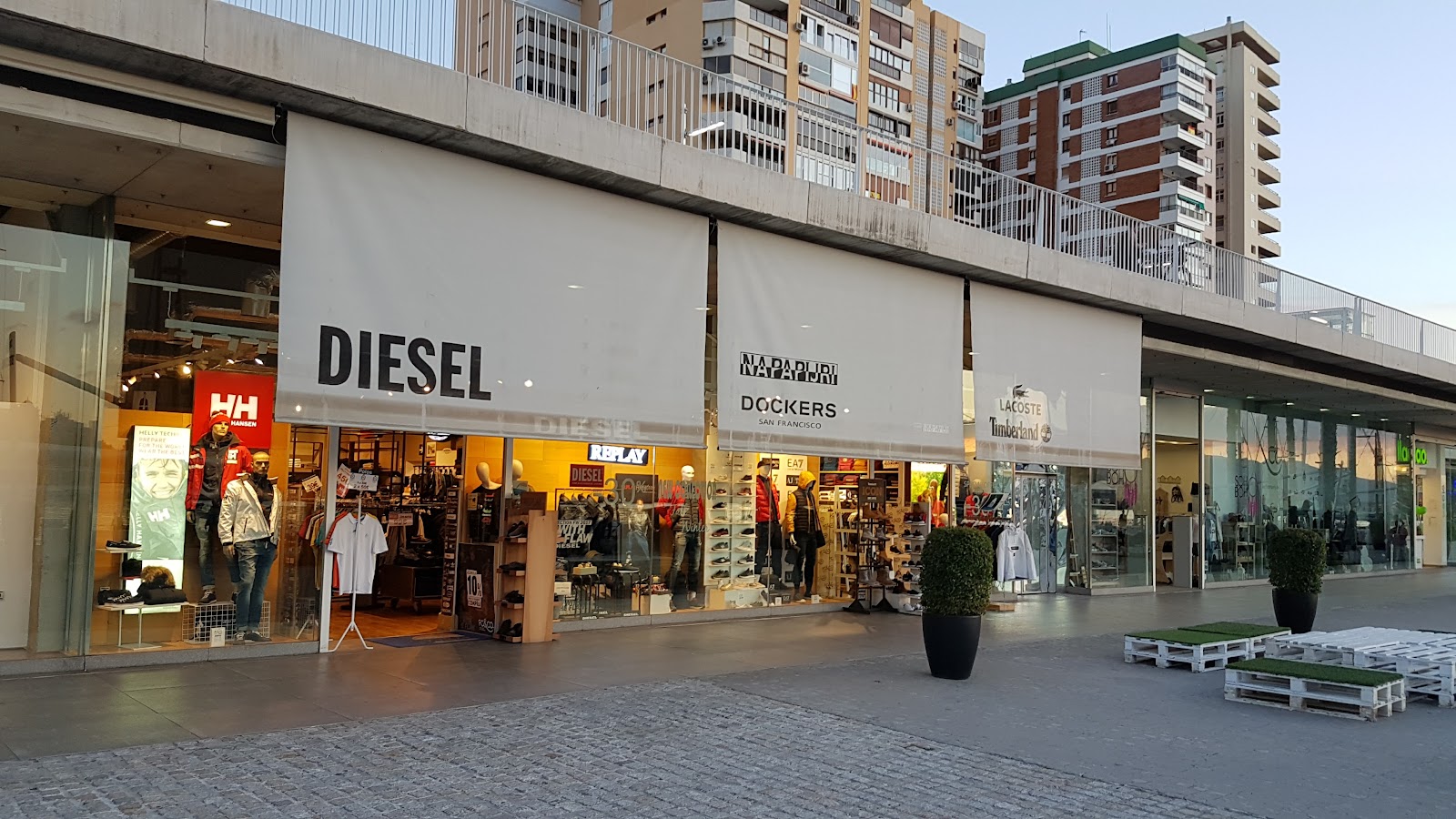
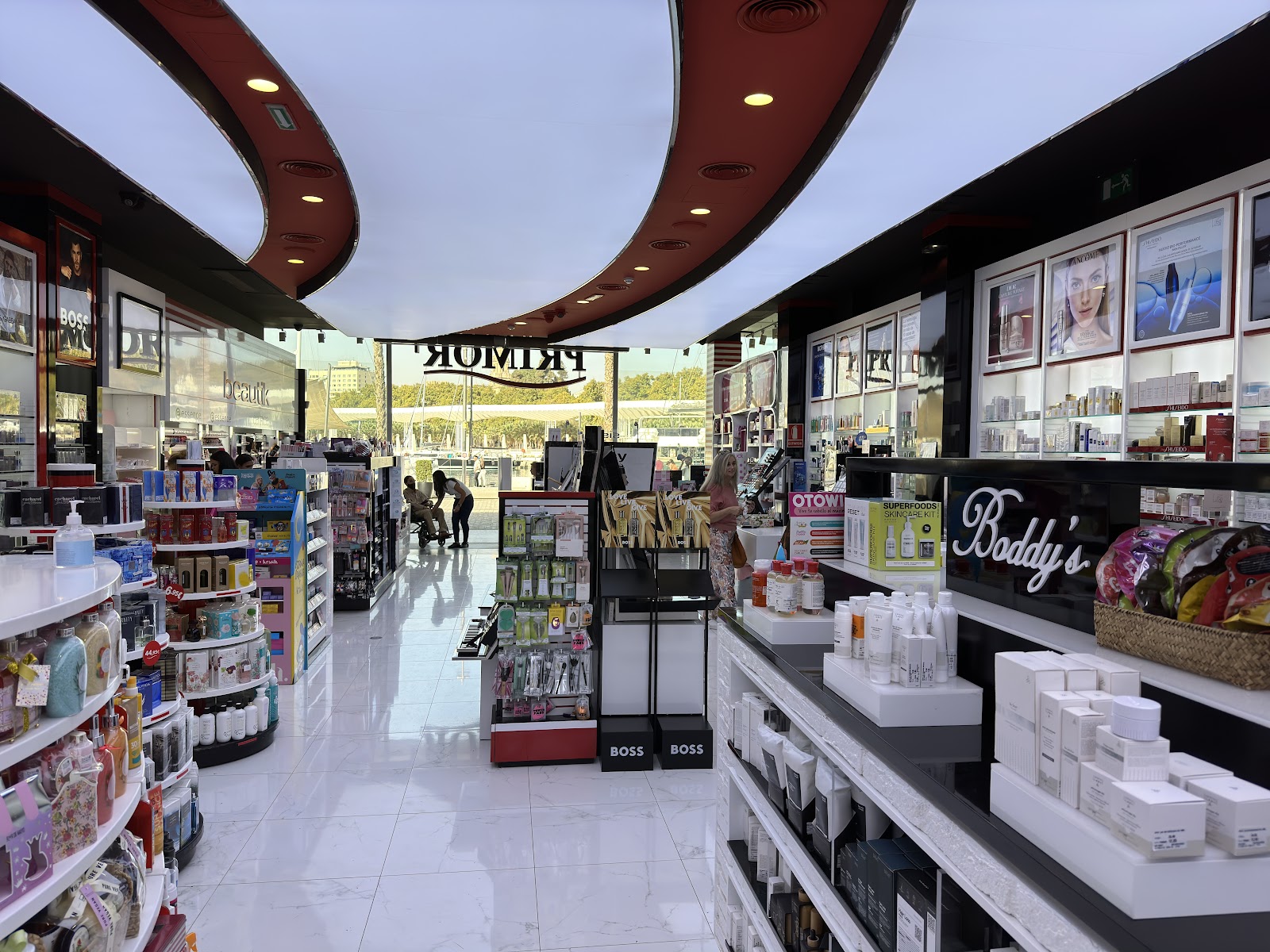
It’s a wonderful place whether you want to take a walk or enjoy a meal or a drink. There’s a wide selection of restaurants offering various cuisines and price ranges—from elegant dining spots to affordable fast-food options. The view of the moored yachts adds to the relaxing atmosphere as you sit at the restaurant tables. In this promenade, you’ll also find several clothing and shoe stores, shops for fans of Spanish sports clubs, and souvenir stores. Regularly, various artisan markets are held here, showcasing unique regional products. And just a few steps away, you’ll find yourself at the iconic Malagueta.
Great service and atmosphere. Wine was amazing and Russian salad great but paella was dried and felt overcooked and prawns not cresh
More of Málaga
Discover where to stay, what to do and the best deals for your trip.
Explore Málaga →More attractions in Málaga
All of Málaga →

Background adapted from Wikipedia (CC BY-SA) · map data © OpenStreetMap contributors · ratings & place photos via Google · other photos with per-image credit. Ticket links may earn us a commission at no extra cost to you.