
Calle Larios
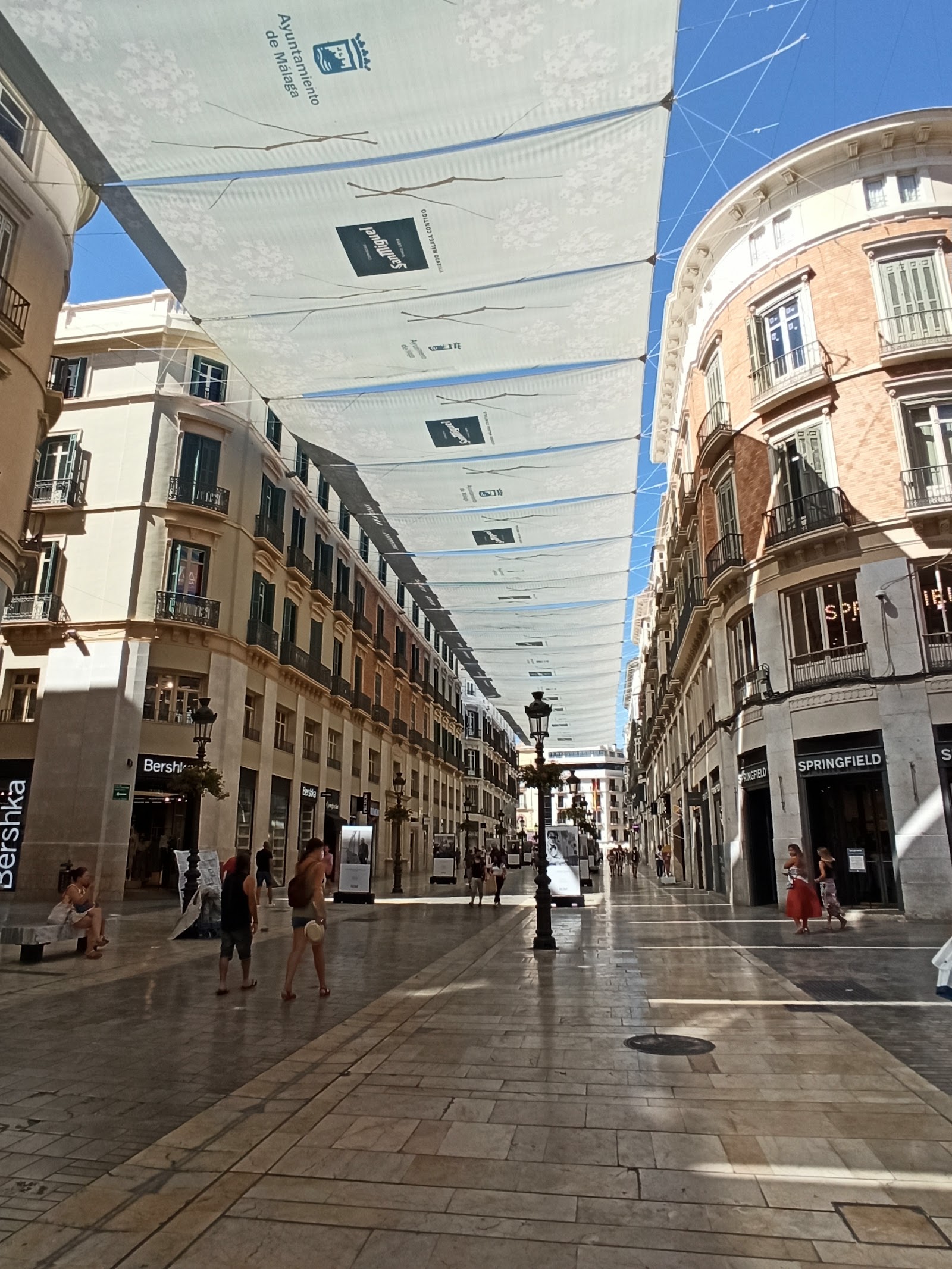
Three hundred metres of pale stone running straight from the Alameda Principal toward the cathedral quarter — Calle Larios is the spine Málaga organises itself around. The buildings on either side stand at an identical height, their continuous balconies and rounded corner façades giving the street a composed, almost theatrical symmetry that owes something to Haussmann's Paris and something to the Chicago School, filtered through a very Andalusian sense of occasion.
At the southern end, a bronze Marqués de Larios by sculptor Mariano Benlliure presides over the foot traffic. The granite underfoot replaced wooden paving in 1907 after the Guadalmedina river flooded and lifted the original boards. Some of what you're walking on has been here ever since.
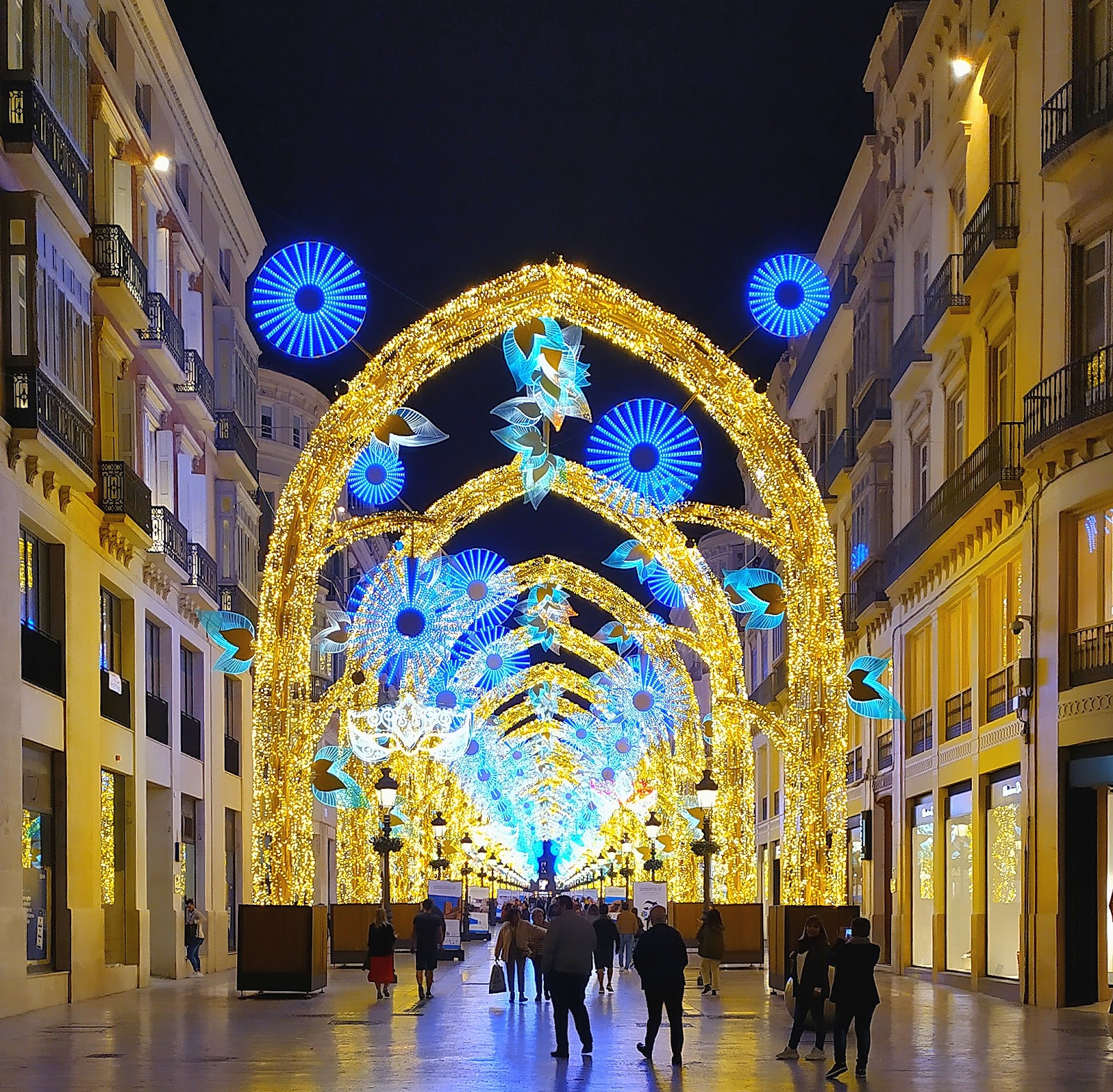
💛 What travellers fall for
People who come back tend to time it for early morning, before the shops open and the street belongs mostly to delivery workers and dog-walkers. The rounded chaflán corners at the Alameda end — Buildings 1 and 2, with their decorative columns and curved façades — read differently without a crowd in front of them. The Palacio de la Equitativa, now a hotel, is worth a slow look up.
The story behind Calle Larios
The street was born from a corporation formed by Málaga's local government on 1 May 1880, created specifically to fund its construction. The Larios family — industrialists whose name already marked much of the city — purchased a majority of shares and took formal responsibility for the project in 1887. Three designers shaped it: José María Sancha drew the initial plans, Manuel Rivera revised them, and Fernando Guerrero Strachan delivered the final design. More than 1,200 labourers built it. It opened on 27 August 1891.
During the Second Republic it was briefly renamed Calle 14 de abril. It was bombed in the Civil War but suffered no significant structural damage. In 2002, vehicles were removed entirely and it became the pedestrian corridor it is today.
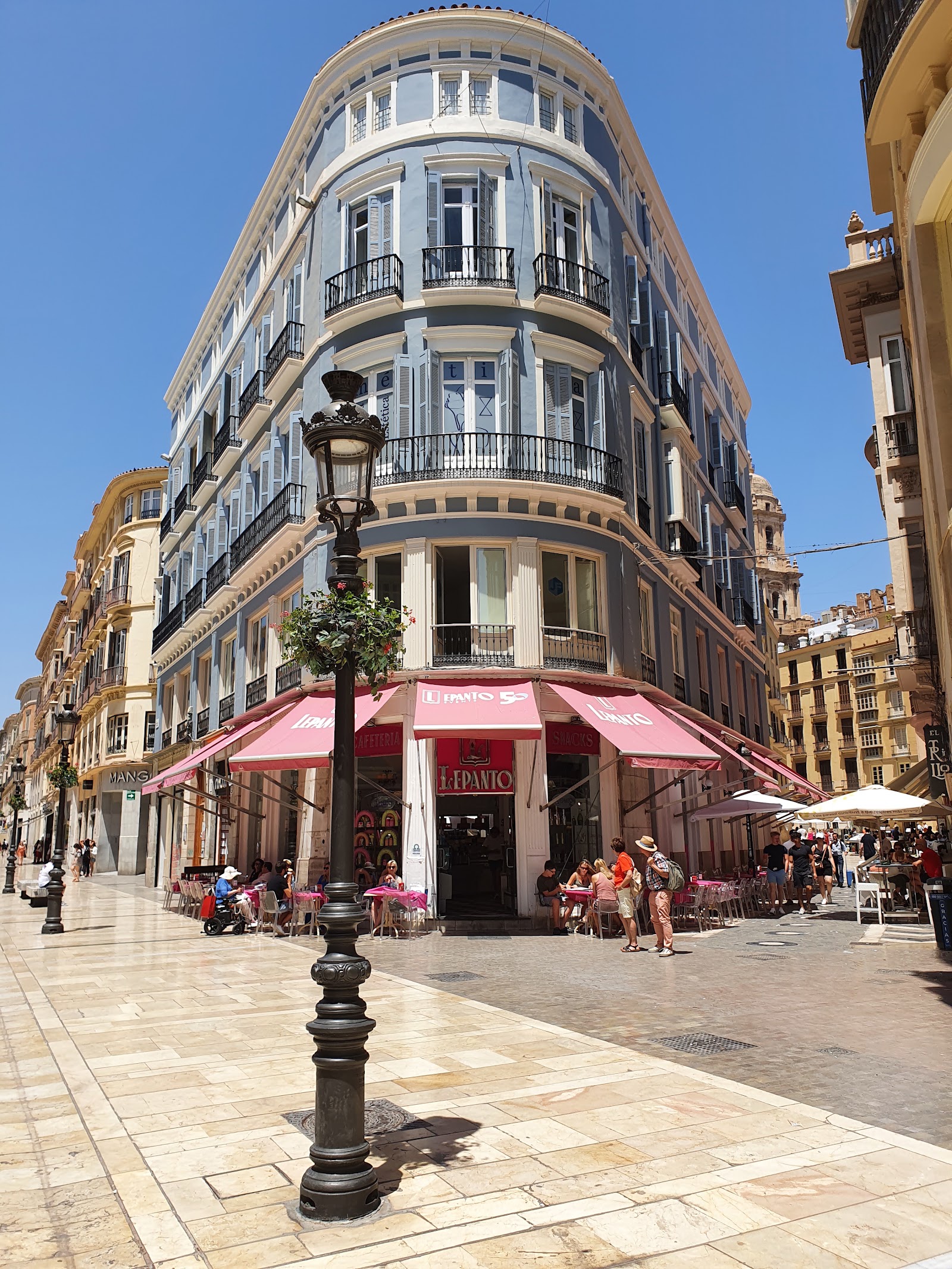
Good to know
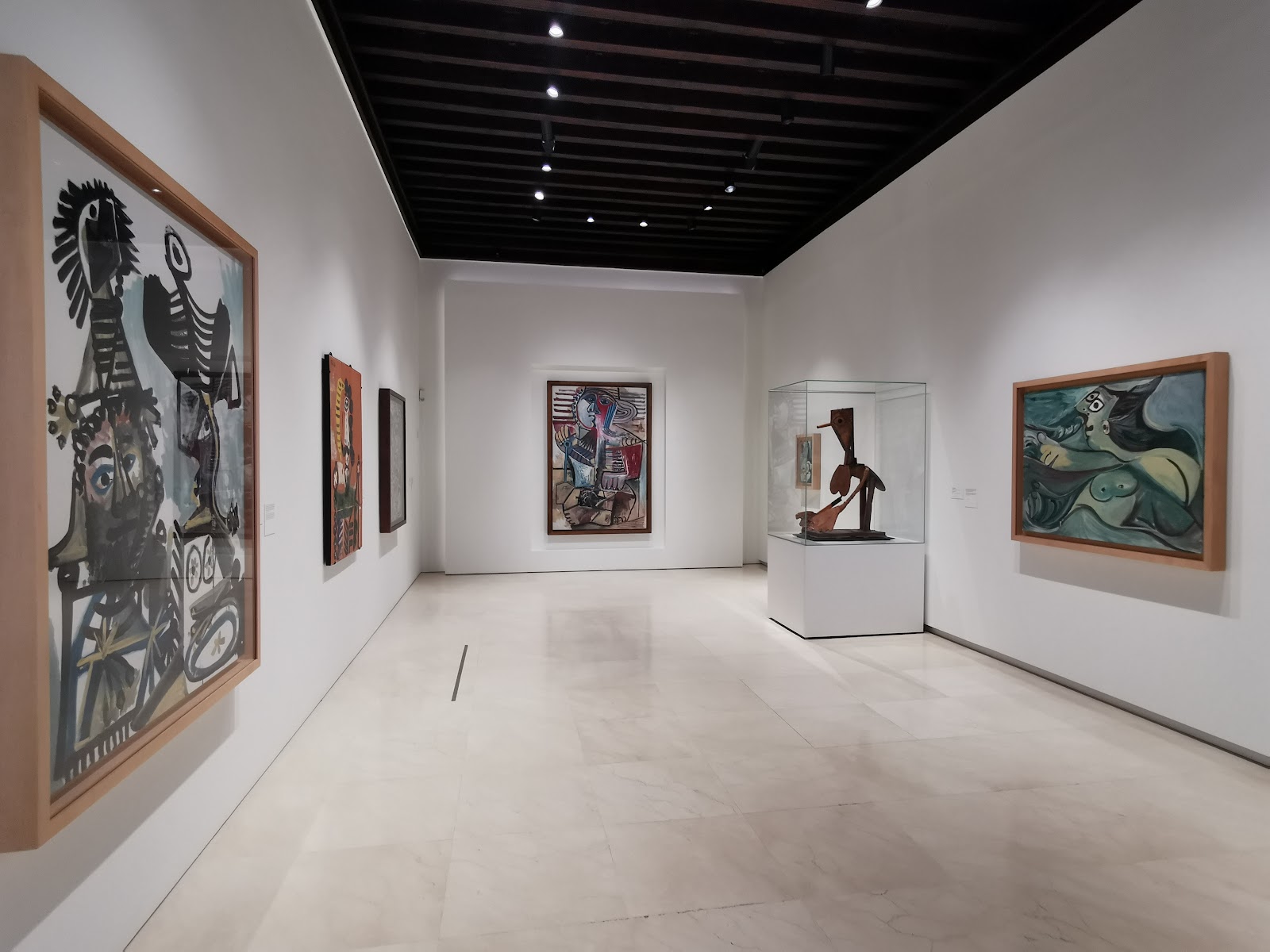
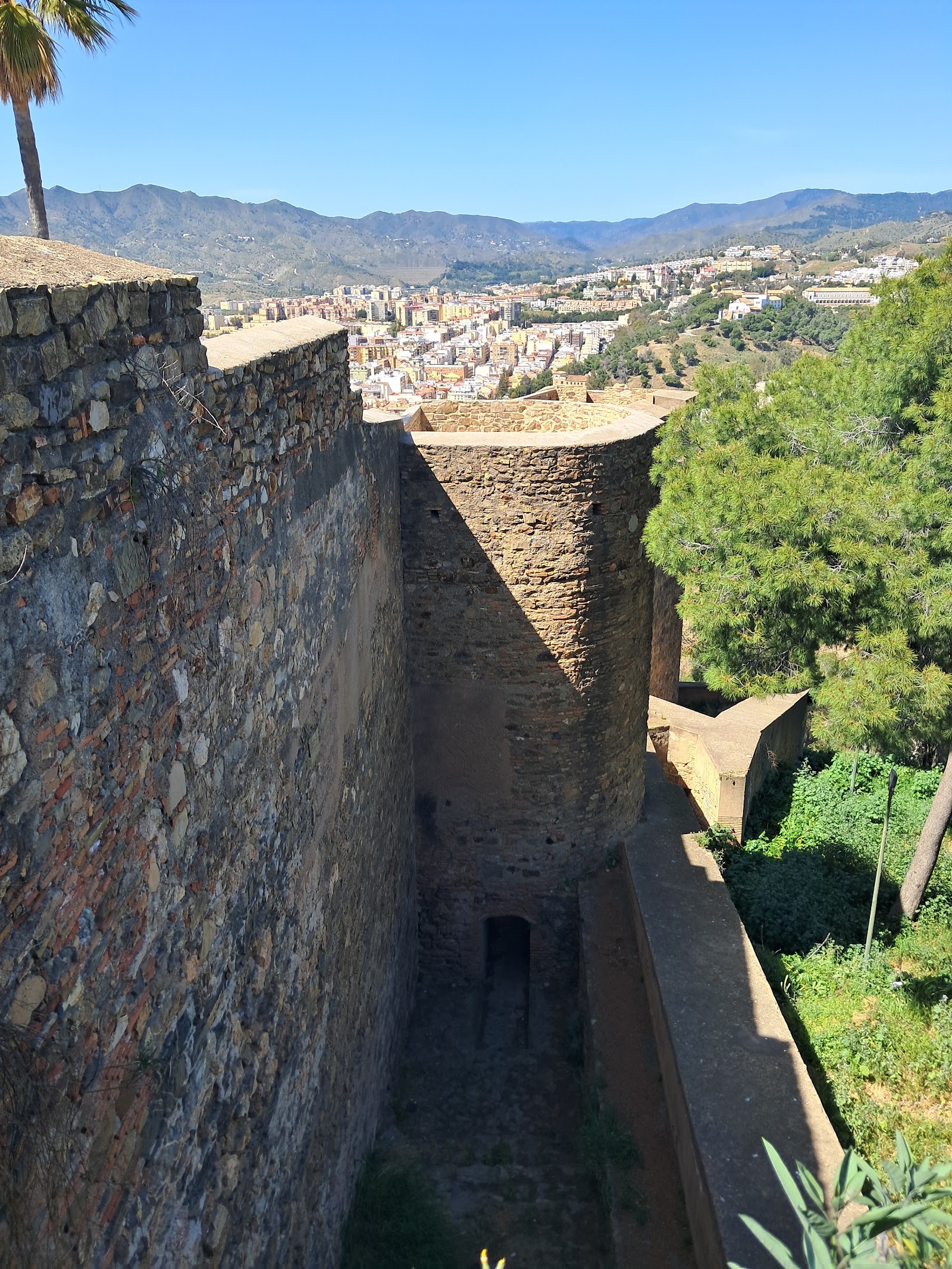
No entry fee; it's a public pedestrian street, open around the clock. The nearest metro stop is Atarazanas, a five-minute walk. In high summer a canopy of awnings is stretched overhead against the heat. The Alcazaba, the Cathedral and the Picasso Museum are all within easy walking distance.
Summer afternoons push past 30°C and the street is at its most crowded; the seasonal awnings cut the glare but not the warmth, so mornings are far easier. Spring and autumn offer mild days around 15–20°C with occasional rain. Winters are gentle by northern European standards — daytime temperatures often reach 18°C — and the street sees far fewer visitors.
Where is Calle Larios?
Location
- In Málaga
- 36.7207, -4.4213
- Open in Google Maps
More tickets & tours for Calle Larios
Book directly at the provider
More of Málaga
Discover where to stay, what to do and the best deals for your trip.
Explore Málaga →More attractions in Málaga
All of Málaga →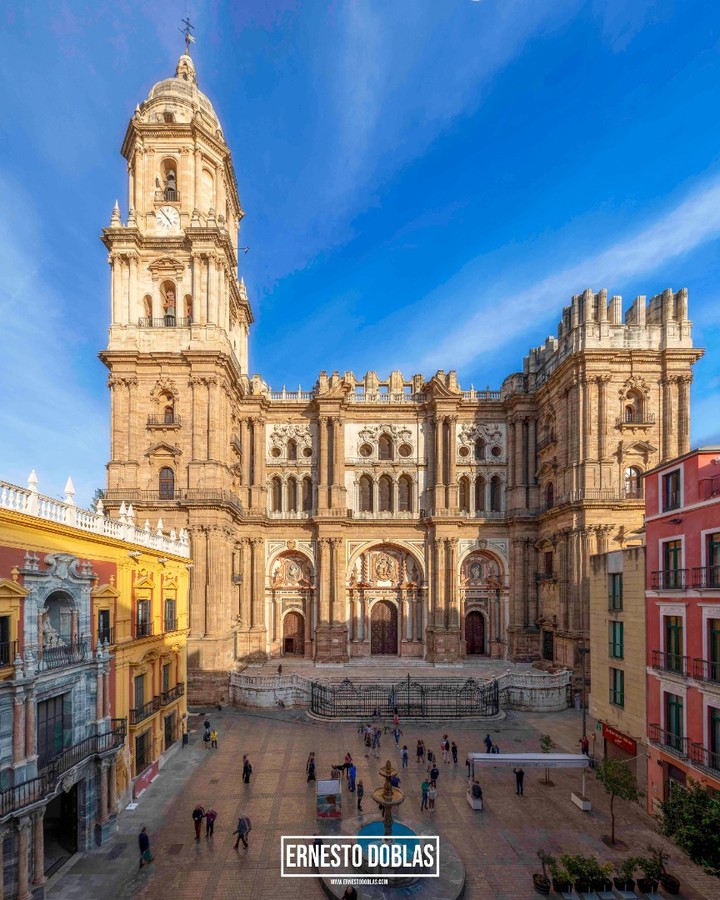

Background adapted from Wikipedia (CC BY-SA) · map data © OpenStreetMap contributors · ratings & place photos via Google · other photos with per-image credit. Ticket links may earn us a commission at no extra cost to you.