
La Malagueta Beach
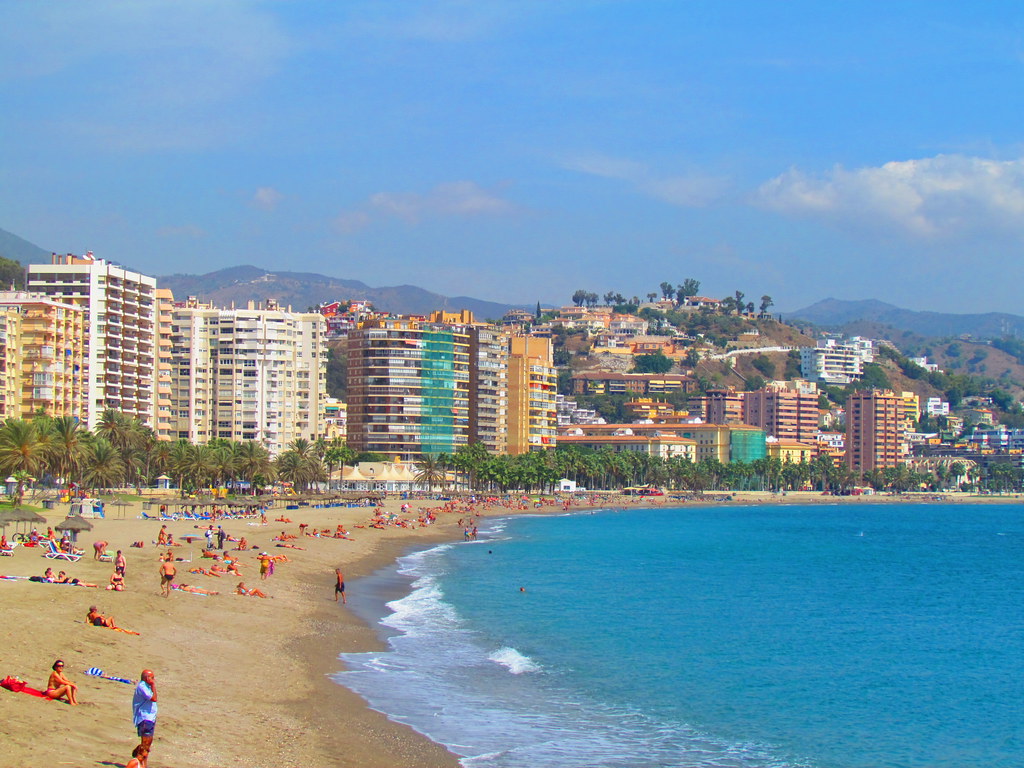
La Malagueta sits at the eastern edge of the city centre, close enough that you can walk here from the cathedral in twenty minutes and arrive with sand between your toes before noon. It's a proper urban beach — dark volcanic sand, the lighthouse called La Farola standing at the far end, and the Neo-Mudéjar bullring visible from the waterline, its sixteen-sided facade rising above the palms on Paseo de Reding.
The water is Mediterranean in the best sense: calm, clear, warm by September. Sun loungers rent for around nine euros, chiringuitos open early, and the whole stretch is free to enter. No booking, no gates.
💛 What travellers fall for
People who come back tend to time it carefully. June and September are the local favourites — the water is fine, the sand isn't wall-to-wall. If you're going in July or August, arriving before ten in the morning makes the difference between choosing your spot and taking what's left. The EMT bus 11 along Alameda Principal is cheap and drops you close.
The story behind La Malagueta Beach
Through most of the nineteenth century, the La Malagueta district was working waterfront: sugar factories, warehouses, and shipyards occupied the land where people now sunbathe. The transformation began toward the end of that century with two significant buildings. The bullring, designed by architect Joaquín Rucoba and opened on June 11, 1876, brought a new civic anchor to the area — a Neo-Mudéjar ring seating over nine thousand, declared an Asset of Cultural Interest in 1981. Hospital Noble arrived around the same period, built in honour of Dr Joseph William Noble, an English doctor and former mayor of Leicester who died of cholera in Málaga.
The early twentieth century added more architectural weight: the Palacio de la Tinta on Paseo de Reding, built in 1908 in Parisian style by Julio O'Brien, and the Miramar Palace, inaugurated as a hotel by King Alfonso XIII in 1926. The beach itself was progressively developed through the mid-twentieth century, with the 1960s bringing vertical construction that reshaped the coastal skyline.
Good to know
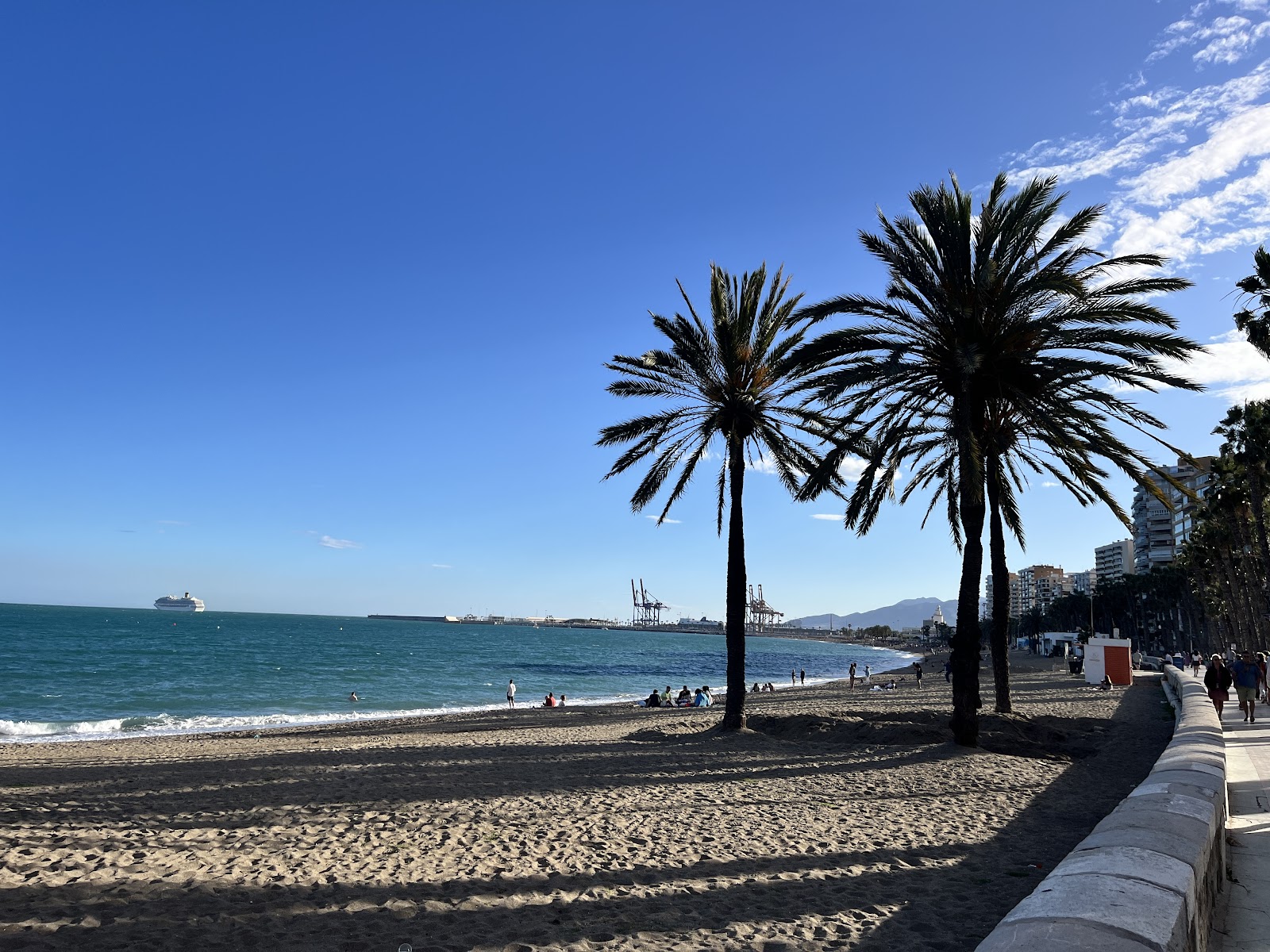
Bus 11 from Alameda Principal runs frequently along the coast; bus 14 from Plaza de la Marina gets you to Paseo de la Farola, then a ten-minute walk. The beach is free and open year-round. Lifeguards and lounger rentals operate summer season only. No dedicated parking nearby.
Summer runs hot — July and August average around 30–31°C — with sea breezes doing the work that shade can't. Rain is essentially absent from June through mid-September. For swimming, September and October are the sweet spot: the sea holds its warmth from summer while the crowds thin and the air softens.
Where is La Malagueta Beach?
More tickets & tours for La Malagueta Beach
Book directly at the provider
What travellers say about La Malagueta Beach
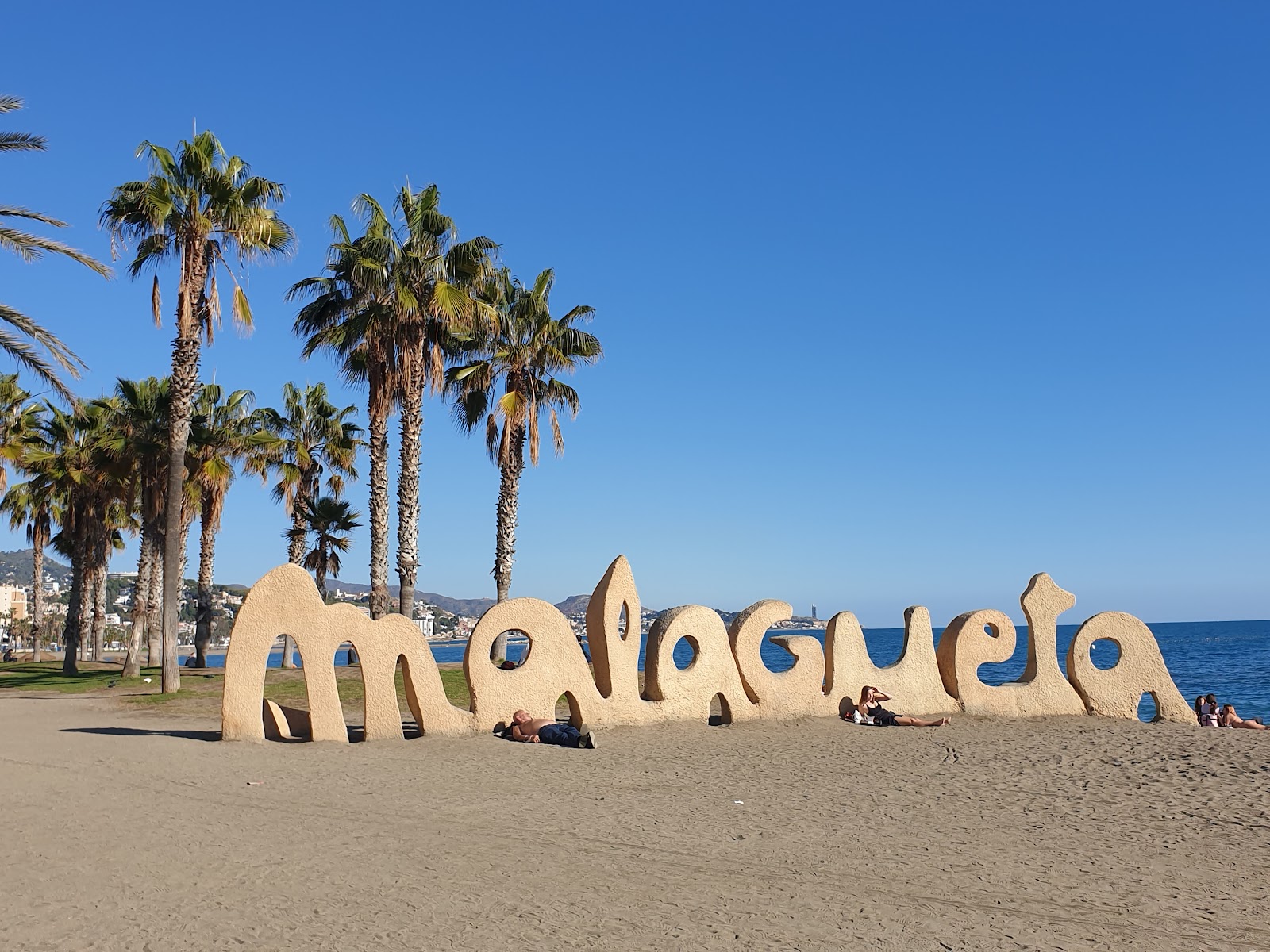
A Perfect Mix of City Vibes and Mediterranean Coast Overall Impression: Playa de la Malagueta is the quintessential city beach of Málaga. It’s incredibly easy to reach from the historic center, making it the perfect spot to combine morning sightseeing with an afternoon by the sea. The iconic "Malagueta" letter monument is a great touch and a must-have photo for anyone visiting the city. What makes it stand out: Location & Convenience: Located just a short walk from the vibrant Muelle Uno port area, the beach is lined with a beautiful promenade perfect for walking, cycling, or jogging. Everything you need is within arm's reach. The "Chiringuitos": One of the best features of this beach is the abundance of traditional beach restaurants right on the sand. Trying the famous "espetos" (grilled sardines on skewers) is an absolute must-do for an authentic local experience. Amenities: The beach is well-equipped with palm trees offering natural shade, sunbed rentals, showers, and plenty of space. The sand is dark and coarse, typical of the Costa del Sol, and the water enters smoothly, though it can get deep fairly quickly. Verdict: While it can get busy during peak hours, its energetic atmosphere, accessibility, and excellent dining options make it a fantastic urban beach experience. Highly recommended for a relaxed break while exploring Málaga!
Playa de la Malagueta is a great city beach, perfect for relaxing while staying close to the center of Málaga. The beach is clean, well-maintained, and easily accessible, which makes it very convenient for visitors. The sand is dark and a bit coarse, but there is plenty of space to sunbathe and enjoy the sea. The water is usually calm and pleasant for swimming. There are also many restaurants and beach bars nearby where you can try fresh seafood and local dishes. It’s a lively place with a nice atmosphere, but not too overwhelming. You can enjoy both relaxation and a bit of city energy at the same time. A great choice if you want a quick beach escape without leaving Málaga.
A very nice place to escape the hot Málaga weather and cool down with a refreshing swim in the cold sea water. The beach has a relaxed atmosphere, beautiful views, and plenty of space to enjoy the sun and the sea. Perfect for a refreshing break during a warm day in the city. 🌊☀️😊
I visited the beach in the evening of 7 March and in the morning of 8 March 2026. When I was there in the evening, the weather was cloudy. As the sea view was not very nice, there were only a few people on the beach. However, the weather improved next day morning and the beach became more crowded with people. It is free to enter and hence it is nice to come and have a look.
So peaceful and relaxing. Although we were there in December, the water was calm... A bit chilly for swimming, but overall very nice just to lie on the sand and soak up the sun. And the sunrise was spectacular!
More of Málaga
Discover where to stay, what to do and the best deals for your trip.
Explore Málaga →More attractions in Málaga
All of Málaga →


Background adapted from Wikipedia (CC BY-SA) · map data © OpenStreetMap contributors · ratings & place photos via Google · other photos with per-image credit. Ticket links may earn us a commission at no extra cost to you.