
Alcazaba of Málaga
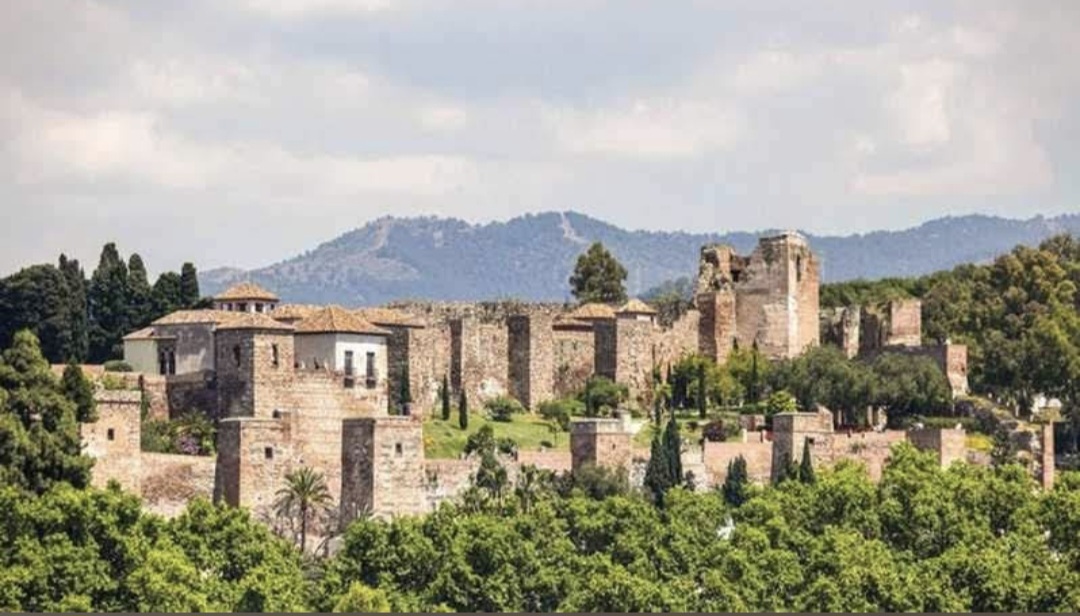
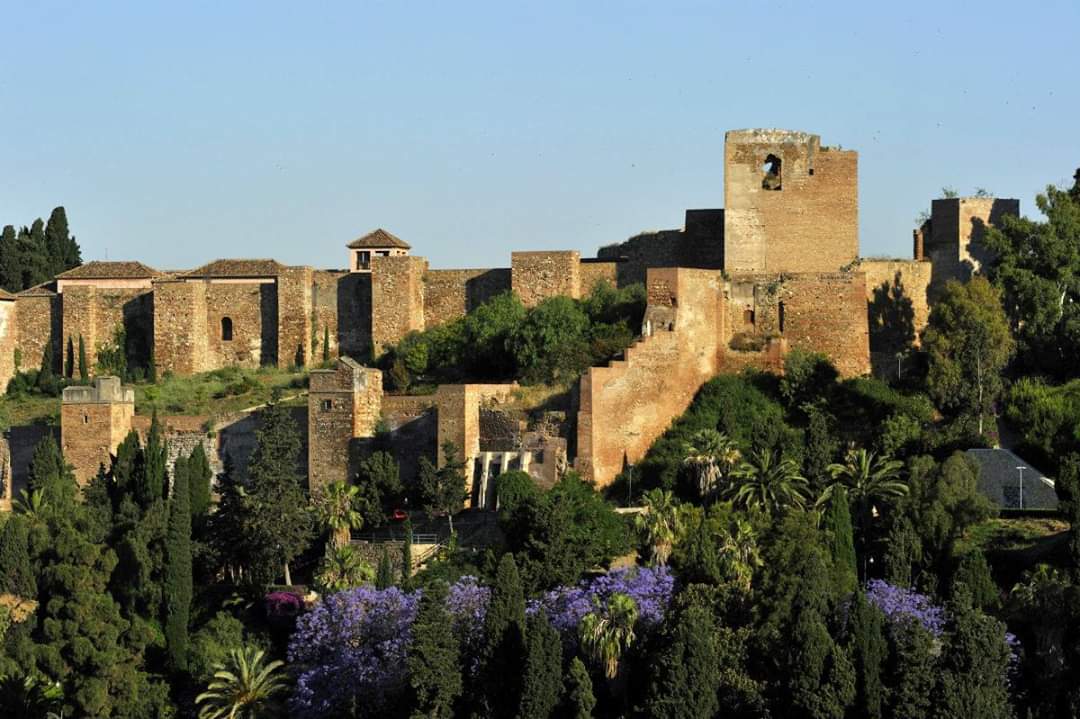
At the base of Cerro de la Coracha, a Roman theatre sits in the open air — and directly above it, the Alcazaba rises in two concentric rings of walls and towers, each layer built by a different dynasty over a span of three centuries. The Roman columns flanking the Puerta de las Columnas were lifted straight from that theatre below, reused without ceremony, which tells you something about how this hill has always been treated: as a working place, not a monument.
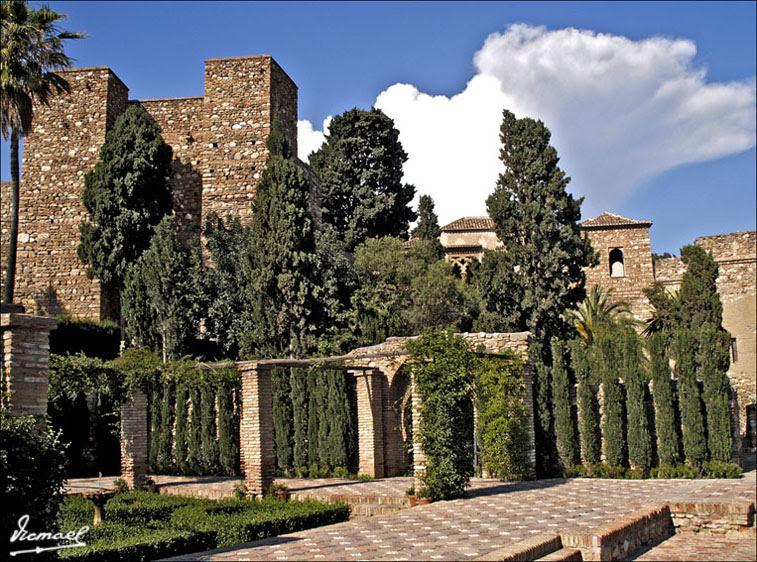
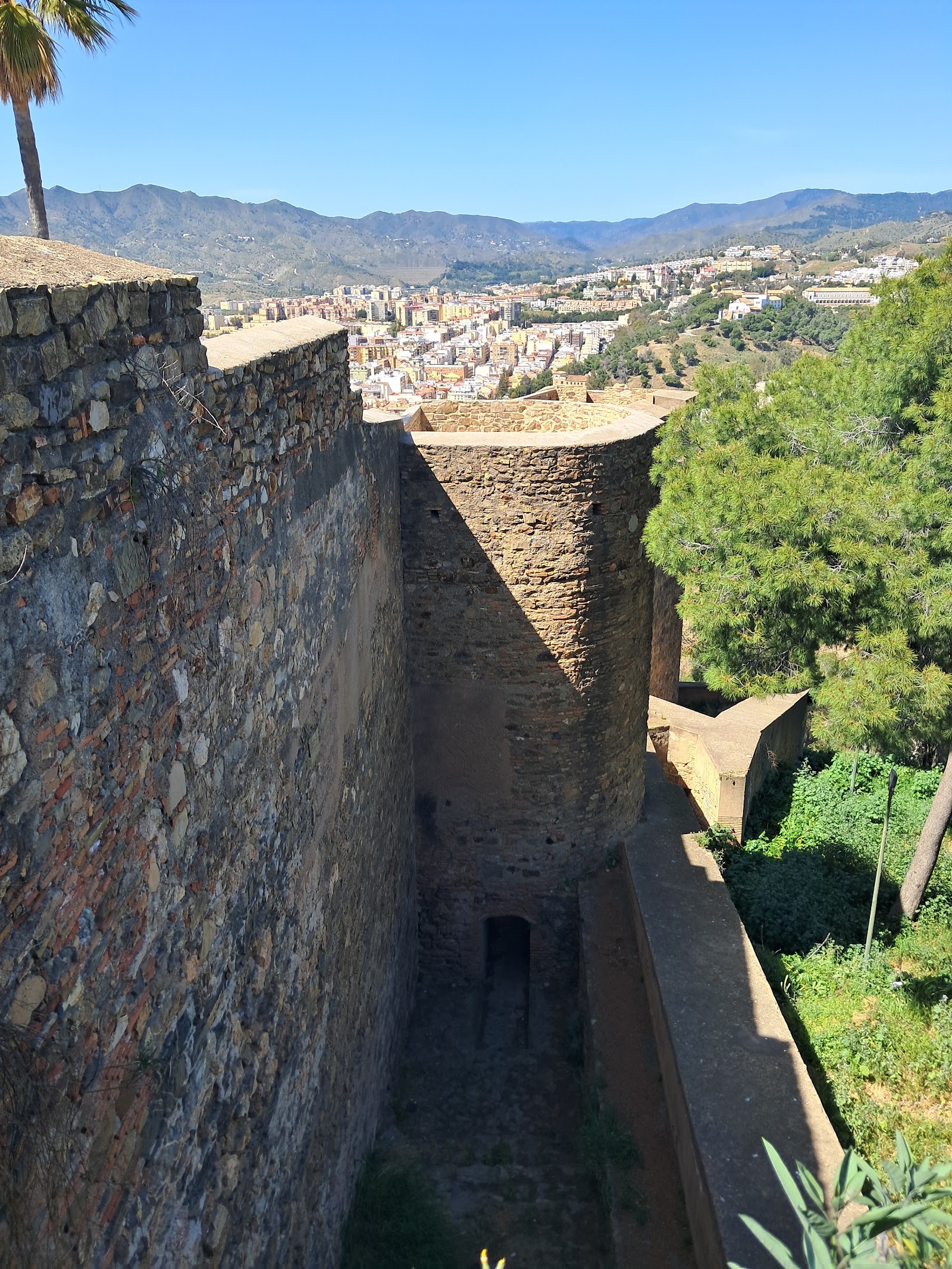
Inside, the path winds through five successive gates before opening onto palace courtyards with central fountains and Nasrid arches. The Armadura Mudéjar Tower holds a wooden coffered ceiling from the 16th century. The Maldonado Tower looks out over the city and port.
💛 What travellers fall for
People who come back tend to time it for a Sunday afternoon — free entry from 2pm, and the light on the Orange Tree Courtyard of the Nasrid Palace is softer by then. The elevator on Calle Guillén Sotelo is worth knowing about if the hill looks steep from street level. The Pozo Airón, a 30-metre well that once supplied the entire fortress, is easy to walk past without noticing.
The story behind Alcazaba of Málaga
An early fortress stood here under Abd ar-Rahman I in the late 8th century, but the Alcazaba as it exists today was begun under the Hammudid dynasty around 1021–1036, then substantially built out between 1057 and 1063 under Badis, the Zirid ruler of Granada, who added the double-walled fortifications after taking Málaga. The Nasrid emir Muhammad II rebuilt much of it in the early 14th century, and Yusuf I — who also raised Gibralfaro Castle above — constructed the walled corridor linking the two.
The city fell to Ferdinand and Isabella in August 1487 after a three-month siege. The Alcazaba gradually lost its military function, was subdivided into civilian housing, and by the early 20th century had become a marginal neighbourhood. Systematic restoration began in 1933 under architect Leopoldo Torres Balbás, who cleared the site and initiated the archaeological work that uncovered what visitors walk through today.
Good to know
Open every day; summer hours run to 8pm, winter to 6pm. A joint ticket with Gibralfaro Castle costs €5.50 and covers the walled corridor connecting the two. Wheelchair access is very limited — the lift reaches the upper area but much of the route involves steps and slopes. Budget 90 minutes.
Málaga runs hot and dry from June through September — the Alcazaba's stone walls hold heat, so mornings are noticeably more comfortable than afternoons in high summer. Spring and autumn are the most forgiving seasons for an outdoor site with this much uphill walking; winters are mild and rarely wet.
Where is Alcazaba of Málaga?
More tickets & tours for Alcazaba of Málaga
Book directly at the provider
What travellers say about Alcazaba of Málaga
Nice medieval castle/fortress. Only thing I would like to see is more description about what we see, there are almost non-existent. Anyway, buildings in this complies are beautiful and the view as well. If you buy advance ticket= Alcazaba + Castle there is discount. No need to bidit both in the same visit but must be done in 48 hours.
The Alcazaba is definitely one of Málaga’s iconic landmarks and well worth a visit. The entrance fee is very reasonable, and the site offers a fascinating glimpse into the city’s history. The full visit takes around an hour, and there are beautiful viewpoints throughout the complex with great views over Málaga. There is also a small place inside where you can grab a pizza or a drink if you need a break, although the nearby restrooms were in poor condition during our visit. If you’re visiting with young children, be aware that strollers are not allowed in many areas, so you may need to carry them. Overall, it’s a must-see attraction and one of the highlights of any trip to Málaga.
5/5 ⭐️ The Alcazaba of Málaga was one of the highlights of the trip. The whole place is beautifully preserved, with a real sense of history as you walk through it. The architecture, courtyards, and pathways give you a glimpse into its Muslim heritage, and you can feel that influence throughout. It’s peaceful in parts, especially as you move away from the busier sections. The views from the top are incredible. You get a full look over Málaga city and the coastline, which makes the walk up completely worth it. It’s also surprisingly well laid out, with shaded areas and gardens that make it a comfortable visit even when it’s warm. You can take your time exploring without feeling rushed. Overall, a really enjoyable experience. Great mix of history, views, and atmosphere. Definitely worth visiting if you’re in Málaga.
Good experience overall with some lovely views. The walk around is quite short and the site itself is fairly small, so don’t expect to spend too much time here. You can buy tickets on arrival. Worth a visit if you’re nearby and want to enjoy the scenery.
a beautiful and well‑preserved castle. Its stone walls, towers, gardens, and courtyards reflect the Islamic history of Andalusia. From the top, you can enjoy amazing views of Málaga, the port, and the Mediterranean Sea. A must‑visit landmark when exploring Málaga.
More of Málaga
Discover where to stay, what to do and the best deals for your trip.
Explore Málaga →More attractions in Málaga
All of Málaga →


Background adapted from Wikipedia (CC BY-SA) · map data © OpenStreetMap contributors · ratings & place photos via Google · other photos with per-image credit. Ticket links may earn us a commission at no extra cost to you.