
Picasso Museum Málaga
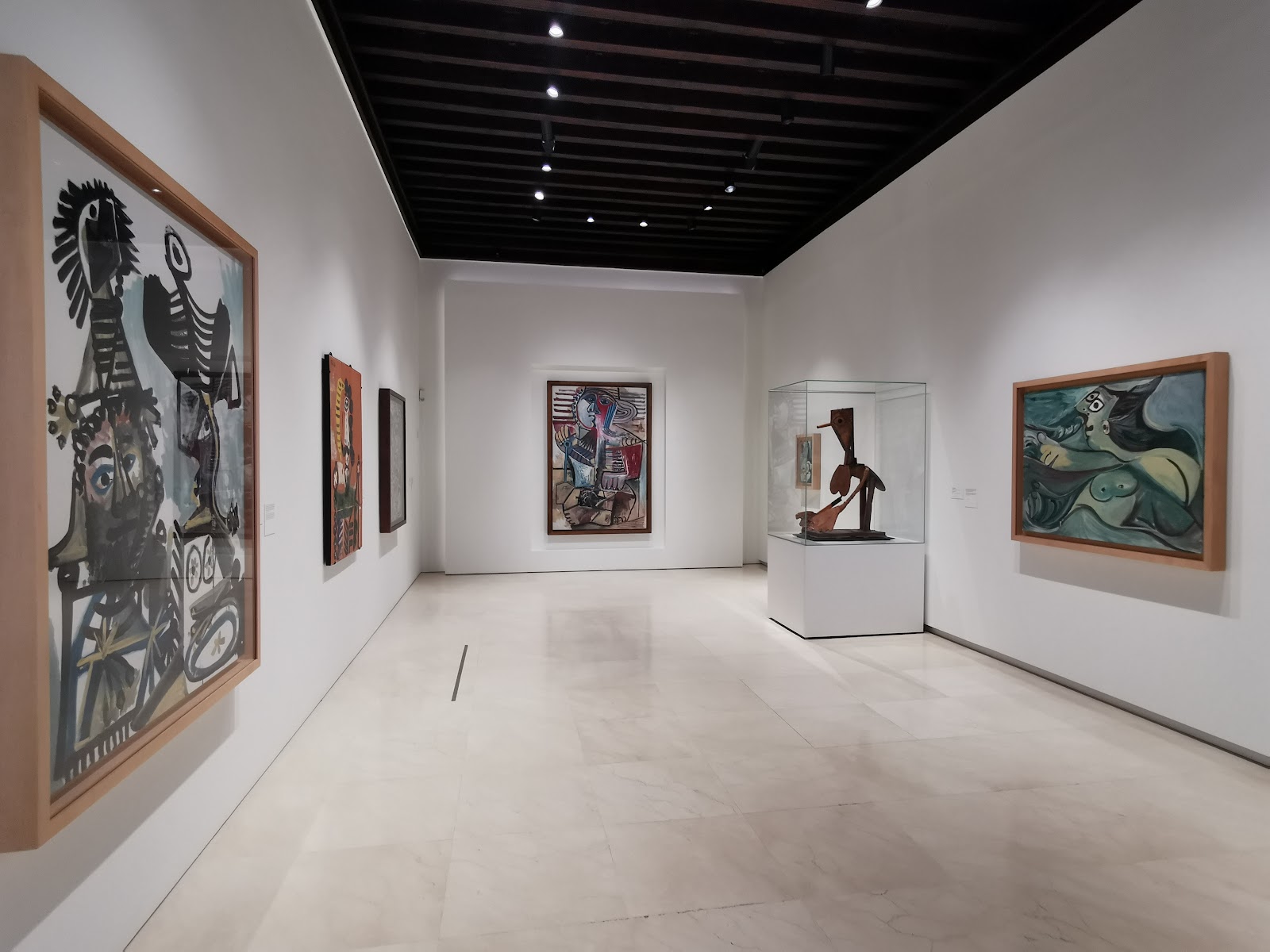
The museum sits on Calle San Agustín, the very street where Picasso attended nursery school and where his father once served as curator of the city's art collection. That proximity is not incidental — it shapes everything about the place. The 288 works here came not from auction houses or government acquisitions but from Christine Ruiz-Picasso, widow of Picasso's eldest son Paulo, and his grandson Bernard: paintings, sculptures, ceramics and drawings held within the family for decades before they arrived home.
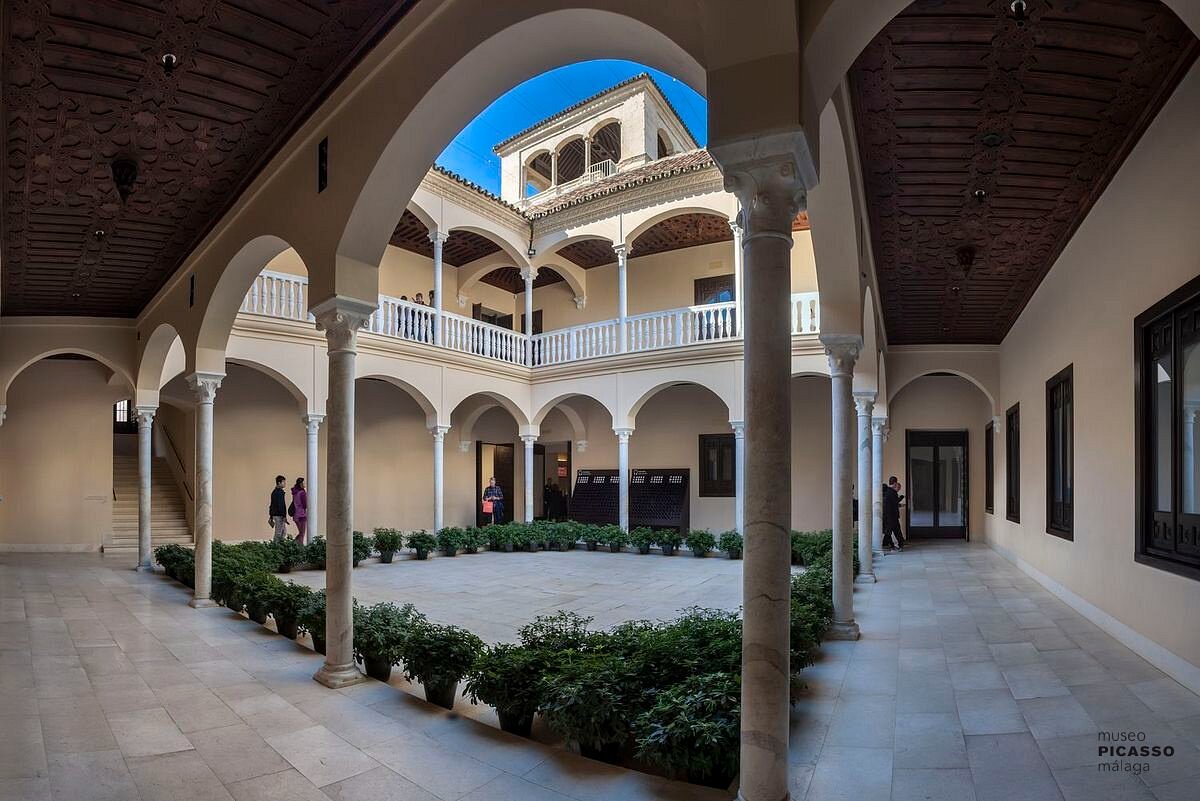
The building itself is the 16th-century Buenavista Palace, a blend of Renaissance and Mudéjar architecture raised over the ruins of a Nasrid palace — fragments of which you can still see in the east tower. Beneath the galleries, a basement of Phoenician, Roman and Visigothic remains has been worked into the visitor route, so the experience moves through several thousand years without making a fuss about it.
💛 What travellers fall for
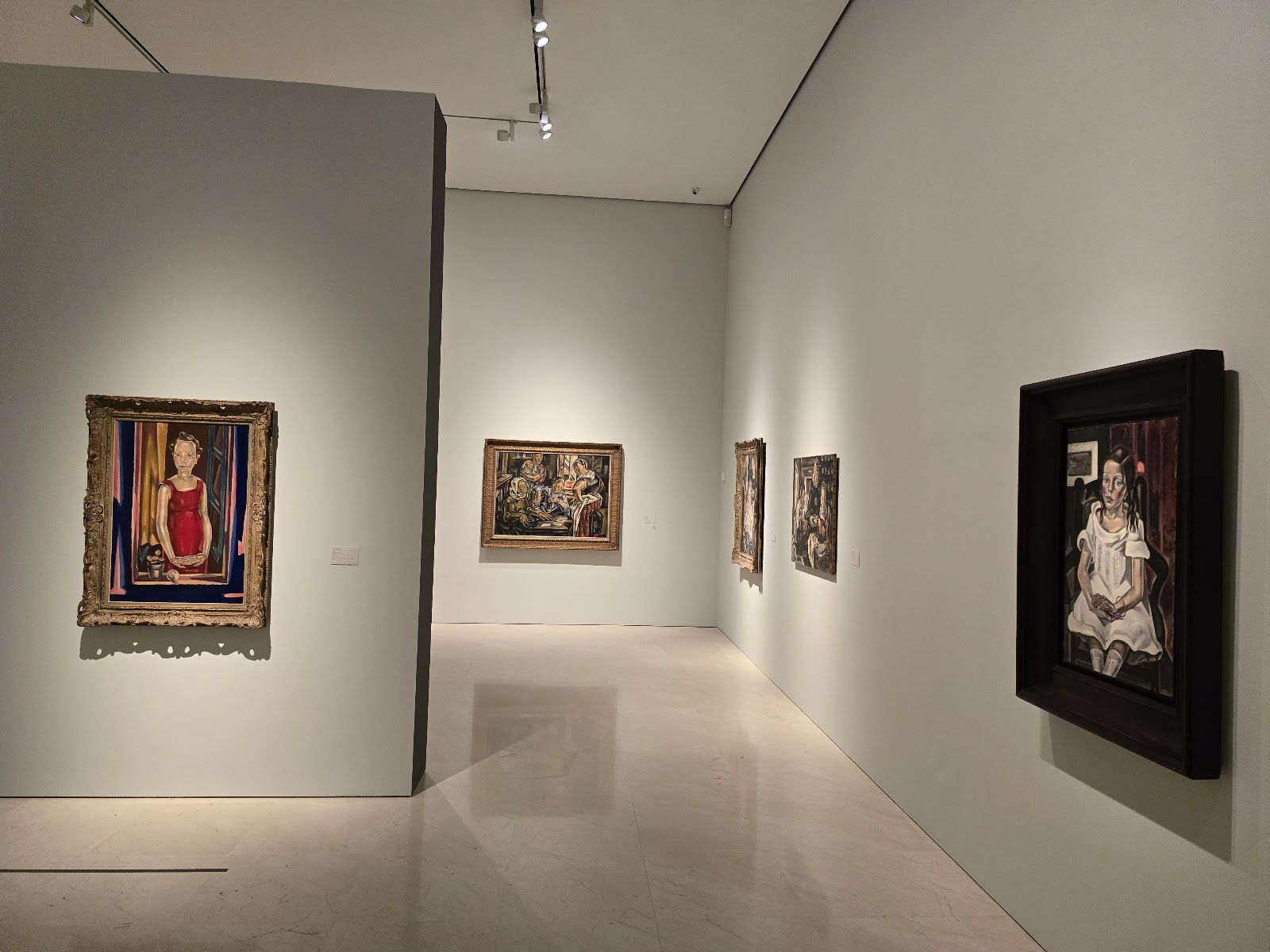
People who come back tend to do the permanent collection without the temporary exhibition on a first visit, then reverse it. The audio guide — included in admission, available in nine languages — is worth taking: it fills in which works the family chose to keep and why. The last two hours on any Sunday are free, but the rooms are noticeably quieter on weekday mornings.
The story behind Picasso Museum Málaga
The idea of bringing Picasso's work back to Málaga was first raised seriously in 1953, during the Franco era, but went nowhere for decades. It was Christine Ruiz-Picasso who revived it, organising two exhibitions in the early 1990s that rebuilt momentum. By 1996 the project had formal backing, and on 17 October 2003 the museum opened with the King and Queen of Spain present. The combined donation from Christine and Bernard Ruiz-Picasso totalled 288 works.
The palace they chose for the collection had its own layered past. Diego de Cazalla — paymaster of the royal navy and army, participant in the Christian conquest of Málaga in 1487 — commissioned the original structure, designed by Andrés de Vandelvira. It was declared a National Monument in 1939 and housed a fine arts museum until 1997. American architect Richard Gluckman led the conversion, incorporating 18 houses from the old Jewish quarter into a building that now covers 8,300 square metres.
Good to know
Metro line L1 to Atarazanas, then a five-minute walk, is the easiest approach. Book a timed entry slot in advance — re-entry isn't permitted once you leave. The permanent collection alone runs €9; combined with a temporary exhibition it's €12. Budget one to two hours. Free on the last two Sundays hours and on several civic holidays including 18 May and 27 October.
Where is Picasso Museum Málaga?
More tickets & tours for Picasso Museum Málaga
Book directly at the provider
What travellers say about Picasso Museum Málaga
It was a great choice to visit Museo Picasso Málaga and I didn't miss it. It was an opportunity to refrsh my familiaryty with Picasso life and work. I was alwas curious what motivated his choices and kept him to stubbornly following his ideas and experimenting. At least, he had a busy and fruitful life.
Had a lovely time visiting Museo Picasso Málaga over the weekend. The collection is well presented, and it was a great way to spend a few hours exploring Picasso’s work and artistic development. I’d recommend booking tickets online in advance, as it makes the visit much smoother. Overall, a very good experience and definitely worth a visit if you’re in Málaga.
A must see, the museum is fairly small but beautiful, easy to navigate, includes a wonderful gift shop and modest outdoor cafe. The collection is not huge but more than makes up for its size in the extraordinary glimpse it provides into the life, the art, the process of the greatest artist of the 20th century. From Picasso's work as a young student, paintings of his family, early blue period, cubism, surrealism, sculpture, pottery, sketchbooks, all the way into his powerful 1970's work near the end of his life. Overall a small but magnificent peek into his enormous unparalleled work.
A must-see if you’re in Málaga. We bought our tickets online and visited on a weekday afternoon. There was a short queue to get in—around a 15-minute wait. If you’re carrying a bag, you’ll need to leave it in the lockers, and you’re not allowed to bring water inside. The museum itself is rich with Picasso’s works from different periods, including both paintings and sculptures. It also provides insight into how ongoing political events, both local and global, influenced his creations. Overall, it’s genuinely educational and very interesting. All information is available in both Spanish and English, which makes the experience accessible and easy to follow.
The Picasso Museum is very beautiful and features artworks of great value, offering a rich cultural experience. However, the visit was affected by heavy crowds, and better capacity management would make it more enjoyable. Additionally, the presence of many children, sometimes with toys, made the atmosphere less calm and less suitable for appreciating the art. Considering the value of the paintings, more attention and regulation would be expected to protect the works and improve the visitor experience. Overall, a fascinating museum that could benefit from better organization.
More of Málaga
Discover where to stay, what to do and the best deals for your trip.
Explore Málaga →More attractions in Málaga
All of Málaga →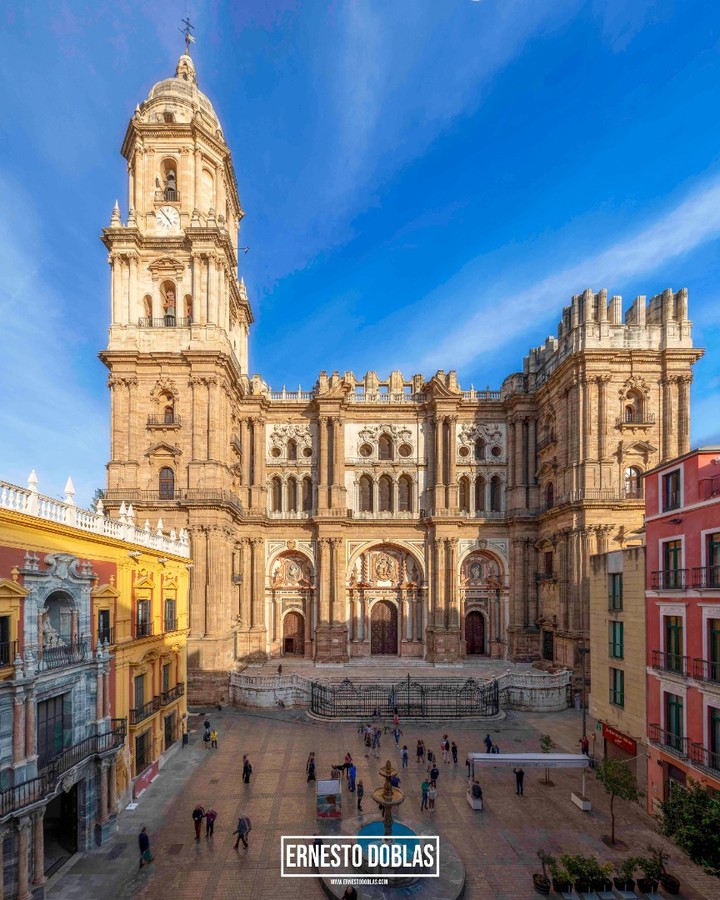

Background adapted from Wikipedia (CC BY-SA) · map data © OpenStreetMap contributors · ratings & place photos via Google · other photos with per-image credit. Ticket links may earn us a commission at no extra cost to you.