
Castilla-La Mancha
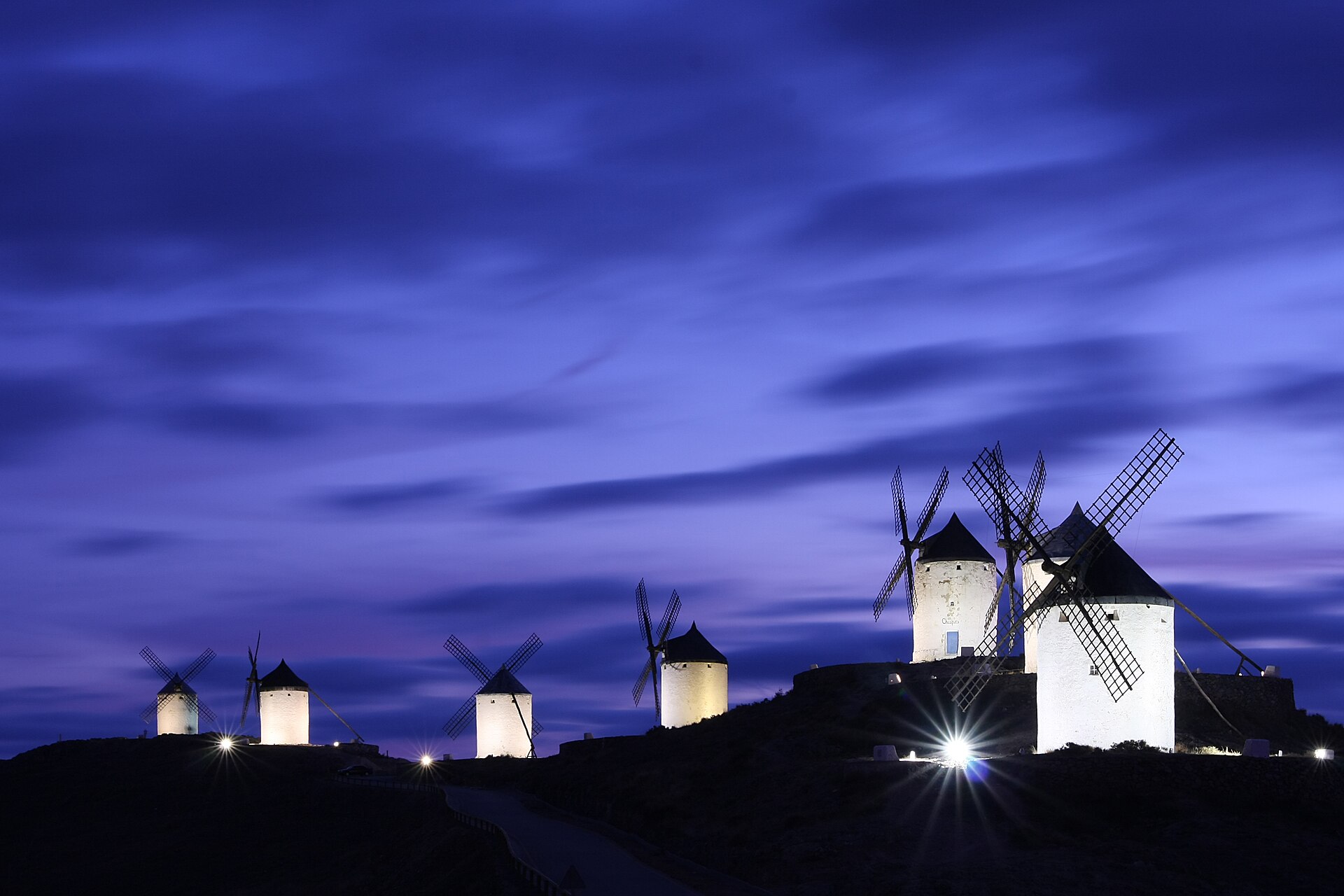
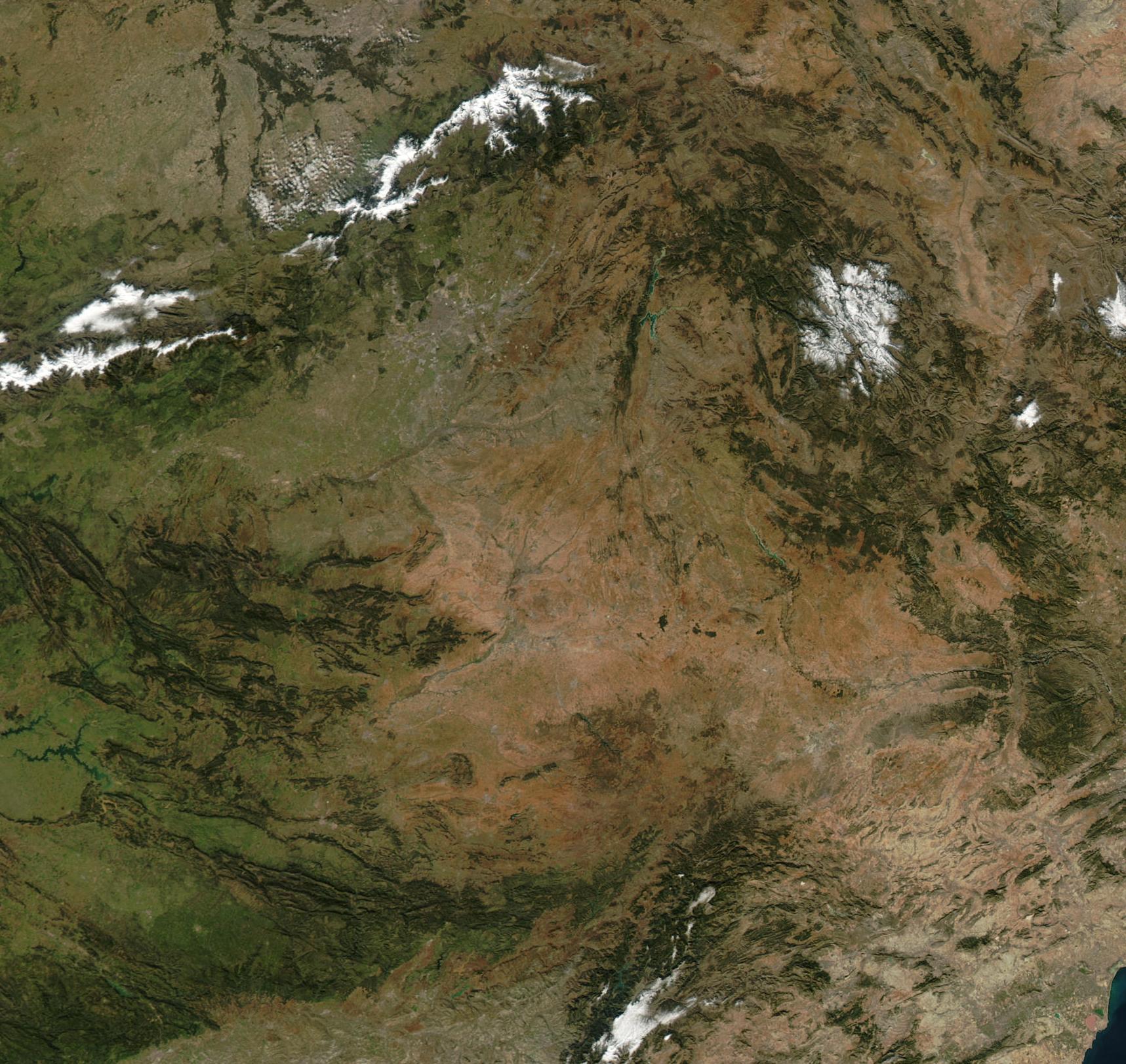
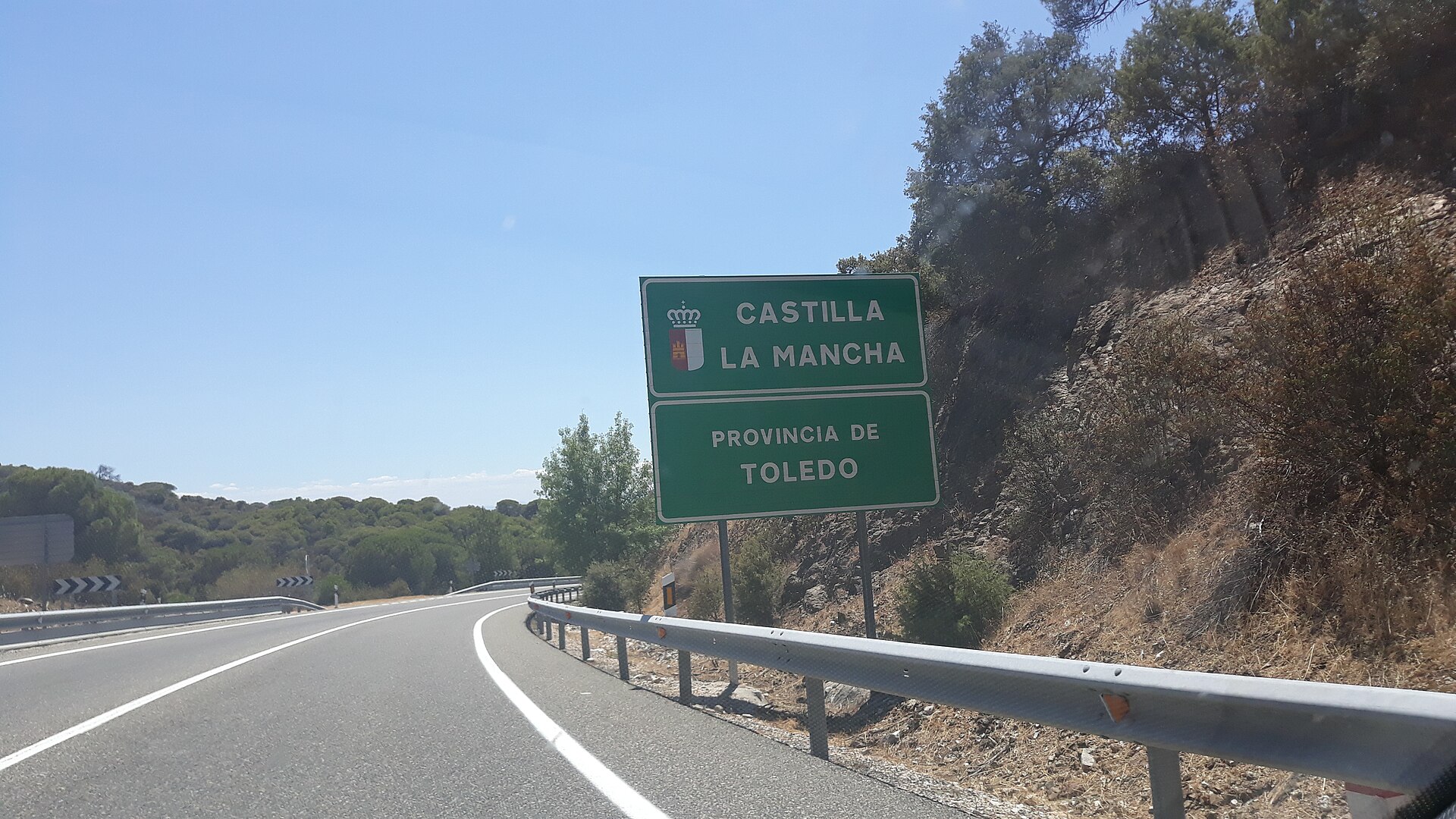
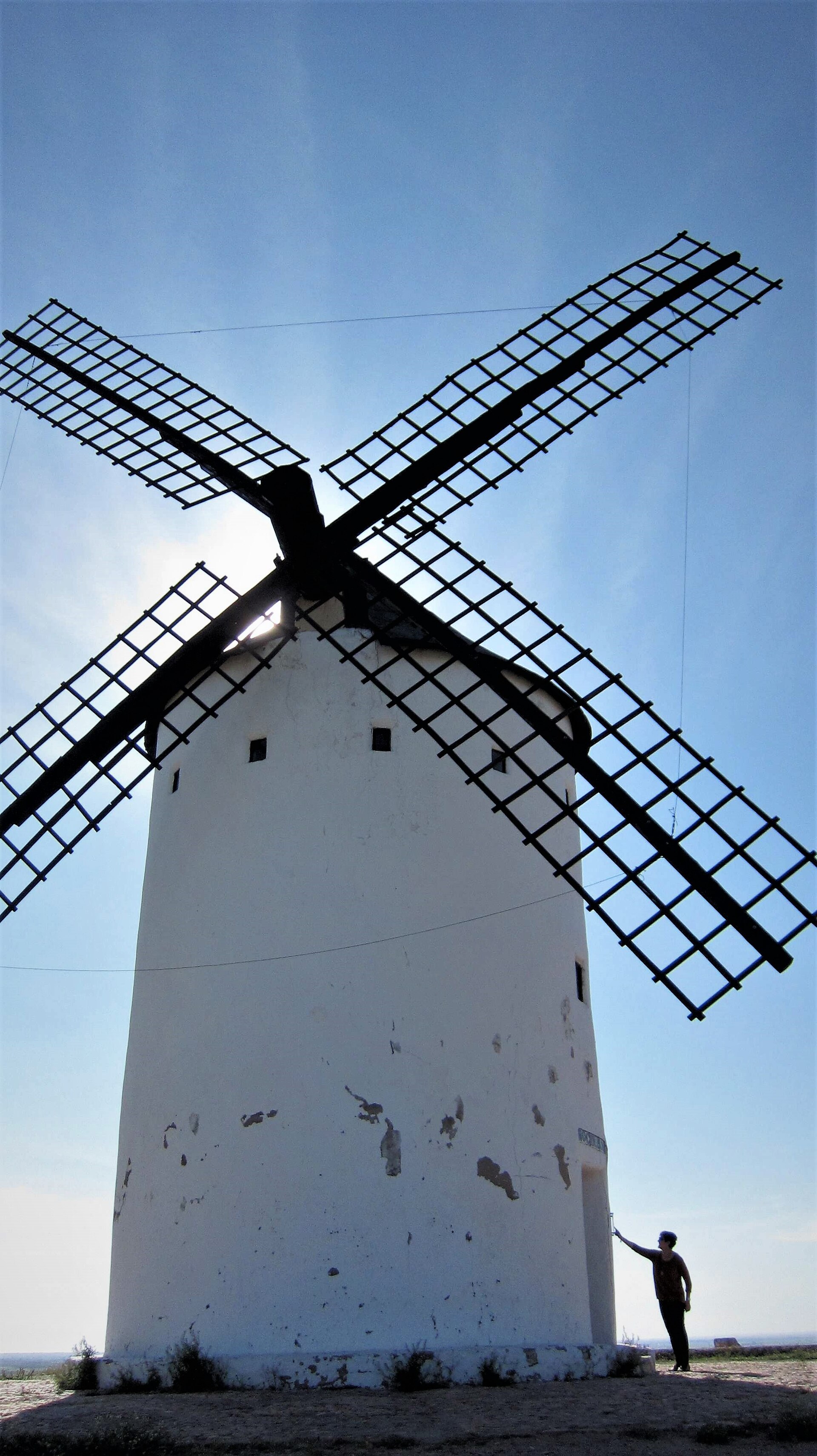
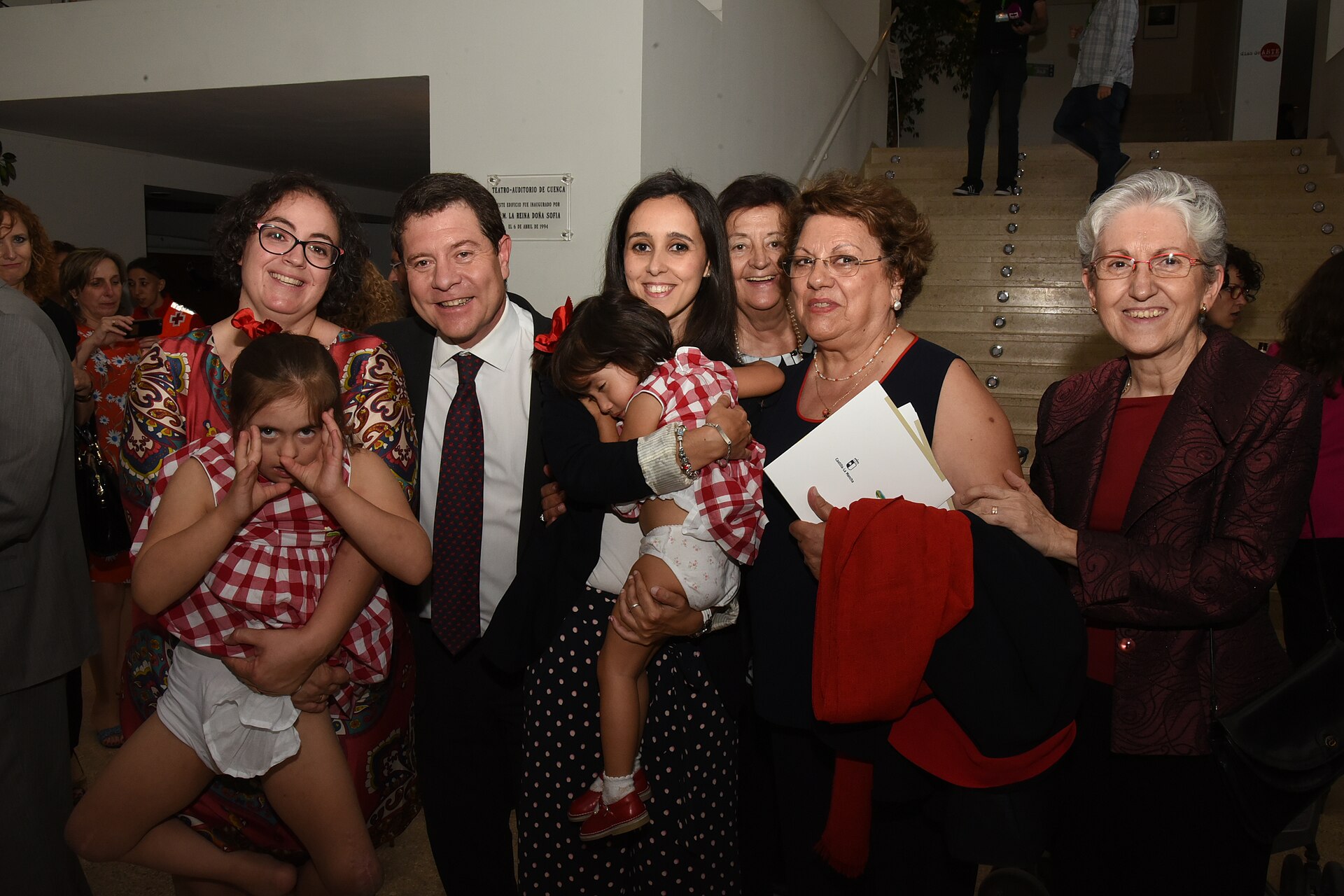
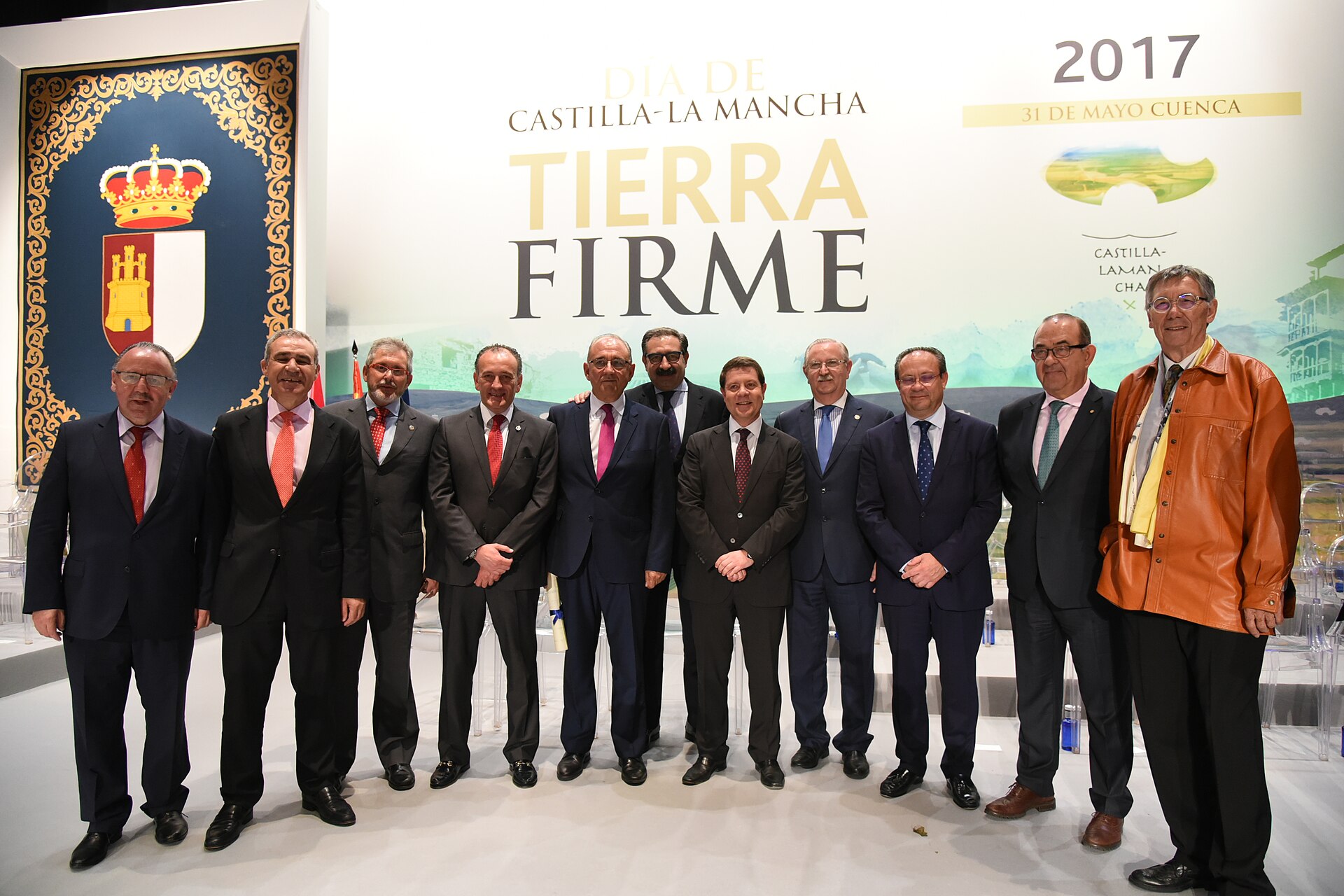
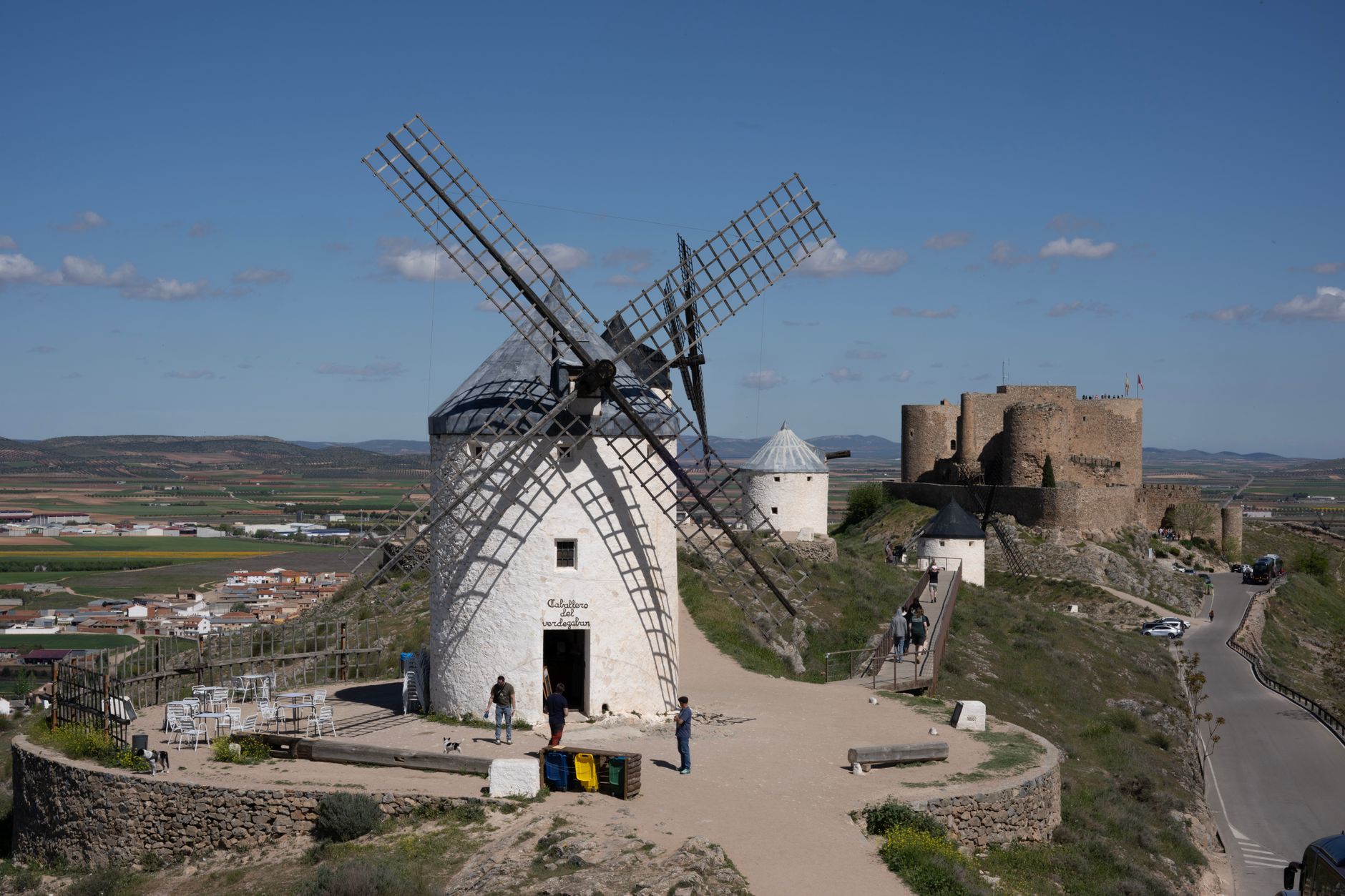
Castilla-La Mancha is the plateau at the centre of things — a wide, sun-baked tableland where the light in summer turns everything the colour of straw and the horizon seems to go on longer than it should. Windmills stand on ridges above Consuegra and Campo de Criptana, Toledo's cathedral rises over a river bend, and somewhere in the dusty archive of a village house, Miguel Cervantes was doing his tax rounds and taking notes.
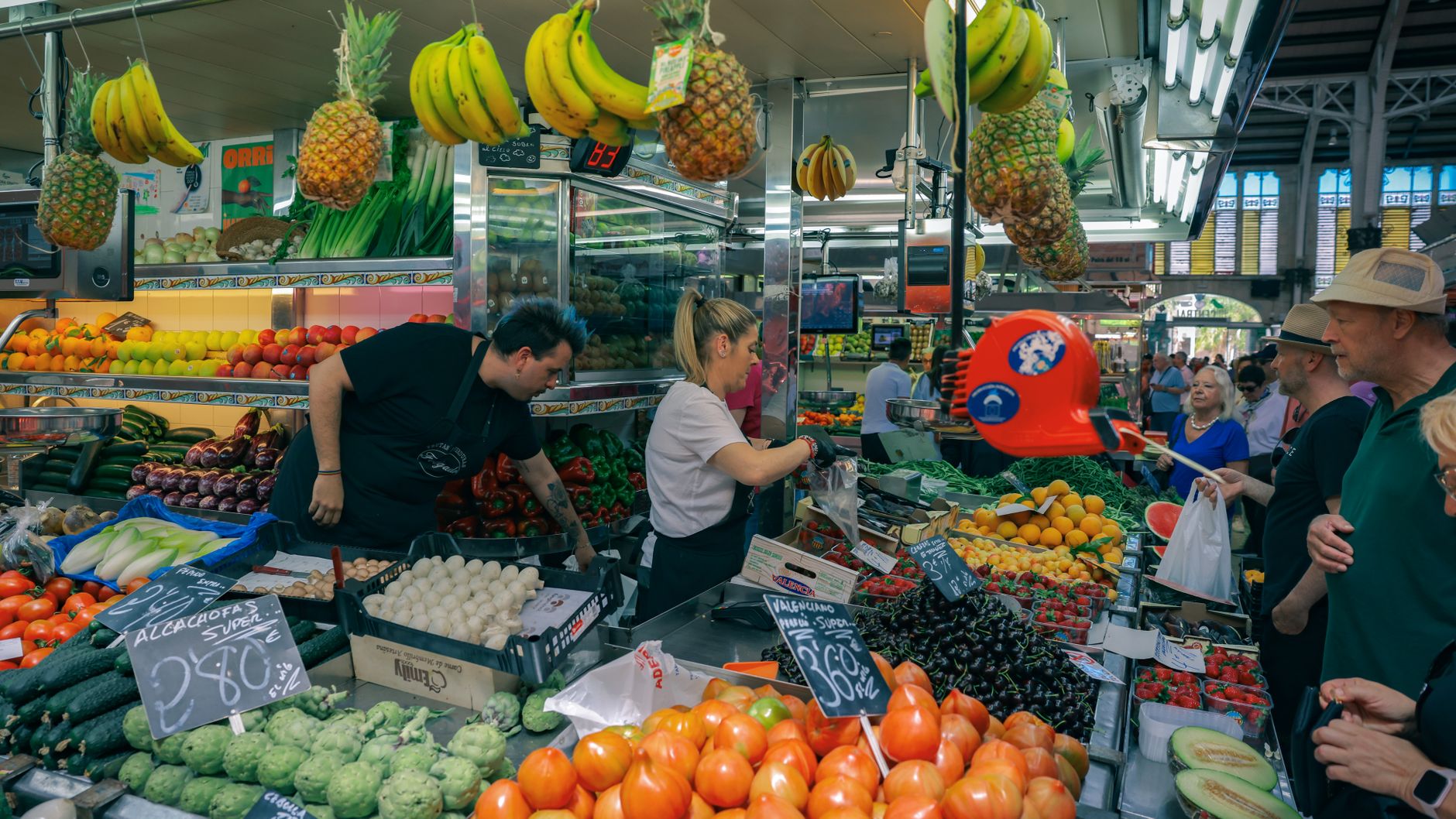
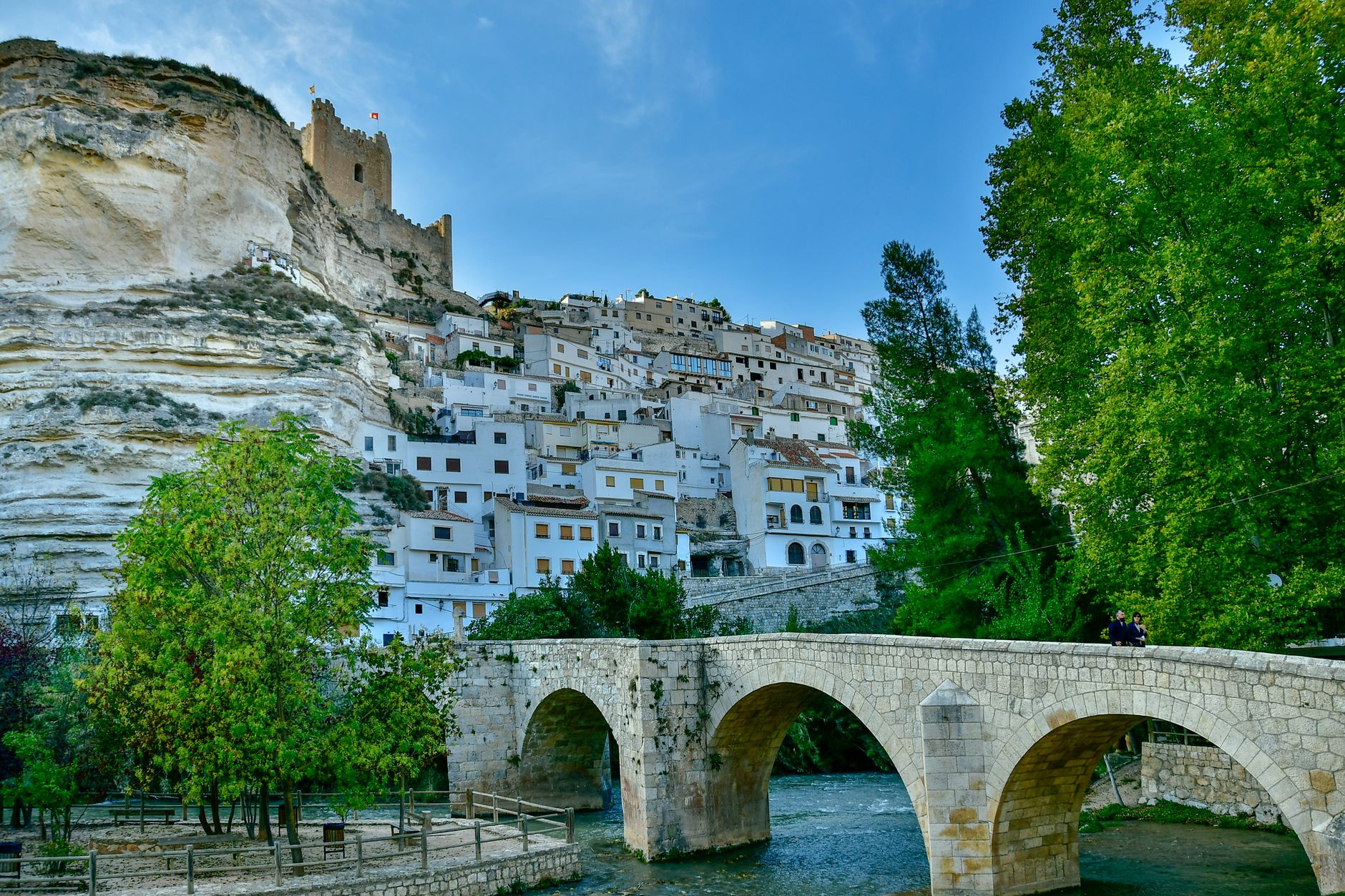
Three of the region's cities — Toledo, Cuenca, and Almadén — carry UNESCO World Heritage status, yet the land between them stays quietly itself: olive groves, saffron fields, castles on limestone outcrops, and the occasional Pedro Almodóvar film crew.
Popular cities in Castilla-La Mancha
Experiences you don't want to miss



How Castilla-La Mancha came to be
The plateau has been fought over for a long time. Muslim armies crossed into Iberia in 711 CE, and La Mancha became part of the Umayyad Caliphate of Córdoba. The Reconquista moved through slowly: Alfonso VI took Toledo in 1085, Cuenca fell to Castilian forces in 1177, and the Battle of Las Navas de Tolosa in 1212 consolidated Christian control across the region. Toledo had already been the capital of Visigothic Hispania since 567, and between 1519 and 1561 it served as capital of the Spanish Empire under Carlos I. Philip II moved the court to Madrid in 1561, and Toledo's political moment passed — leaving behind a cathedral, a layered old city, and a particular kind of preserved silence.
Castilla-La Mancha as an administrative entity is recent: the autonomous community was formally established on 10 August 1982, carved from the historic territory of New Castile.
Who and what shaped it
People who shaped it
Landmark buildings
See Castilla-La Mancha in motion
Plan your visit
On the map
When to go
Summers are long and genuinely hot — 35°C is common across the plateau, and some areas push beyond that. Spring and autumn are the more comfortable seasons for walking between sites; winters can be cold and dry, especially at altitude.
Right now
↡ Cities

No places match these filters.
Background & history adapted from Wikipedia (CC BY-SA) · specs from Wikidata (CC0) · weather from Open-Meteo · map data © OpenStreetMap contributors · photos from Wikimedia Commons / Unsplash with per-image credit. No third-party reviews or social posts reproduced.