
Talavera de la Reina

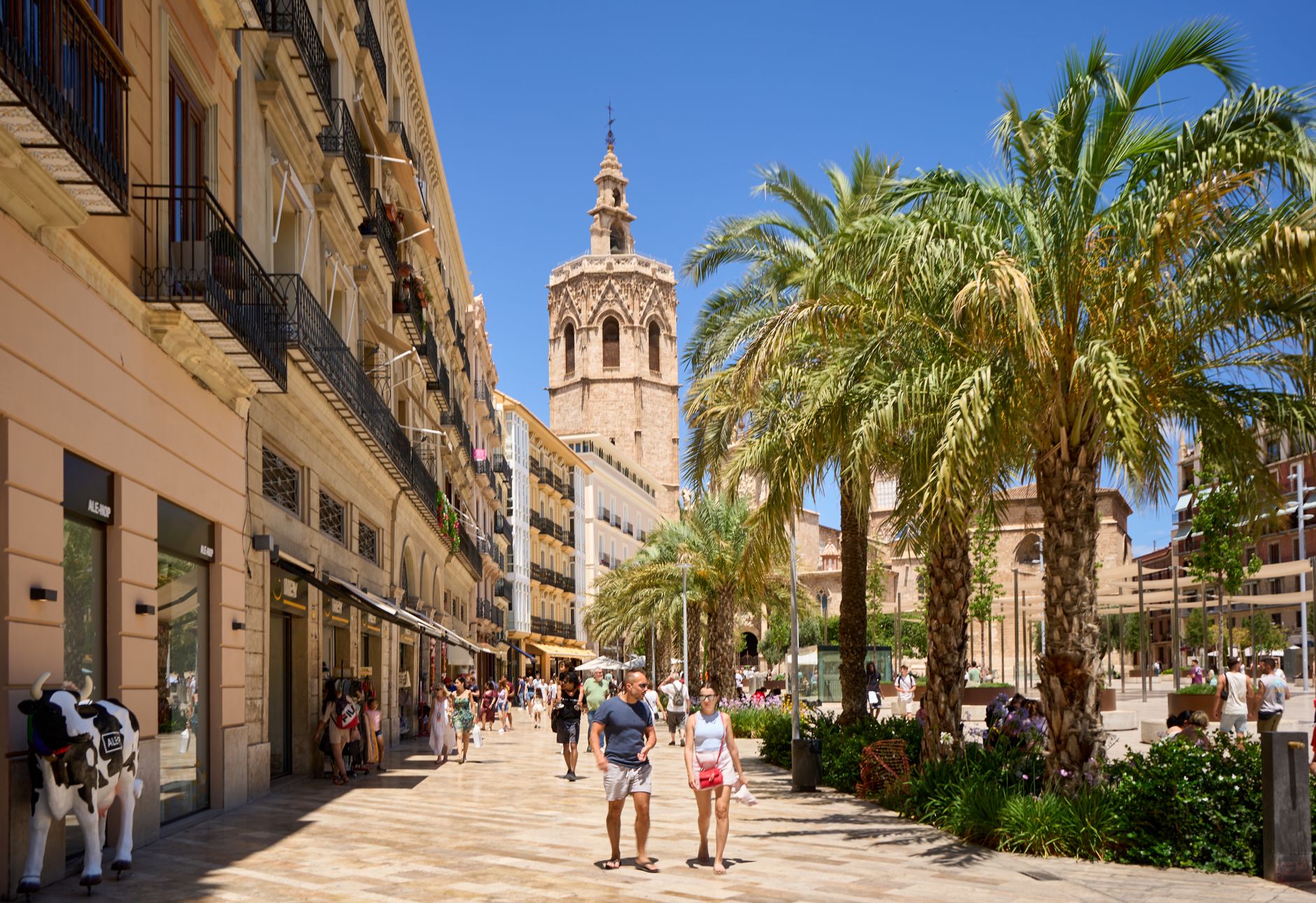
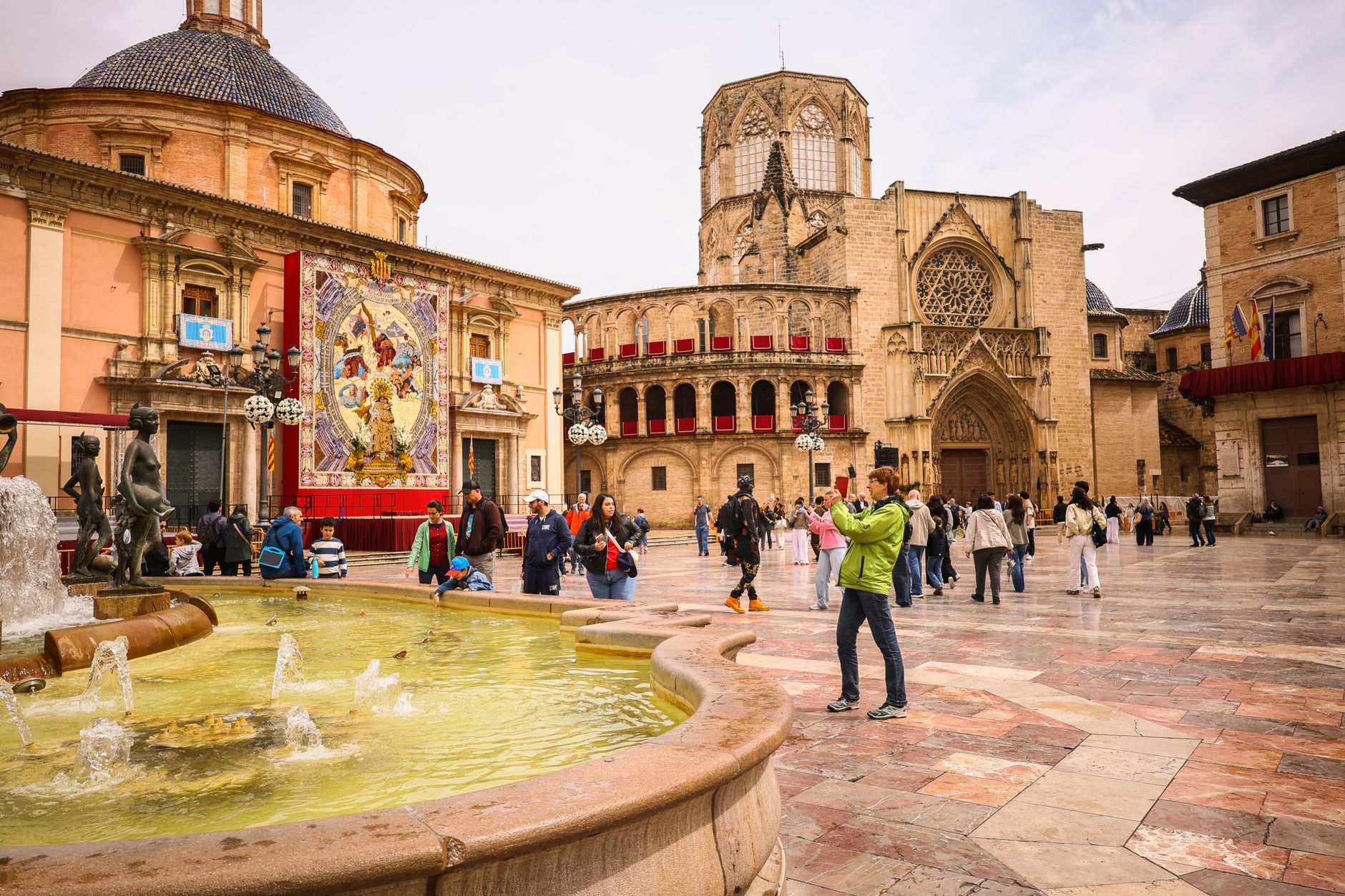
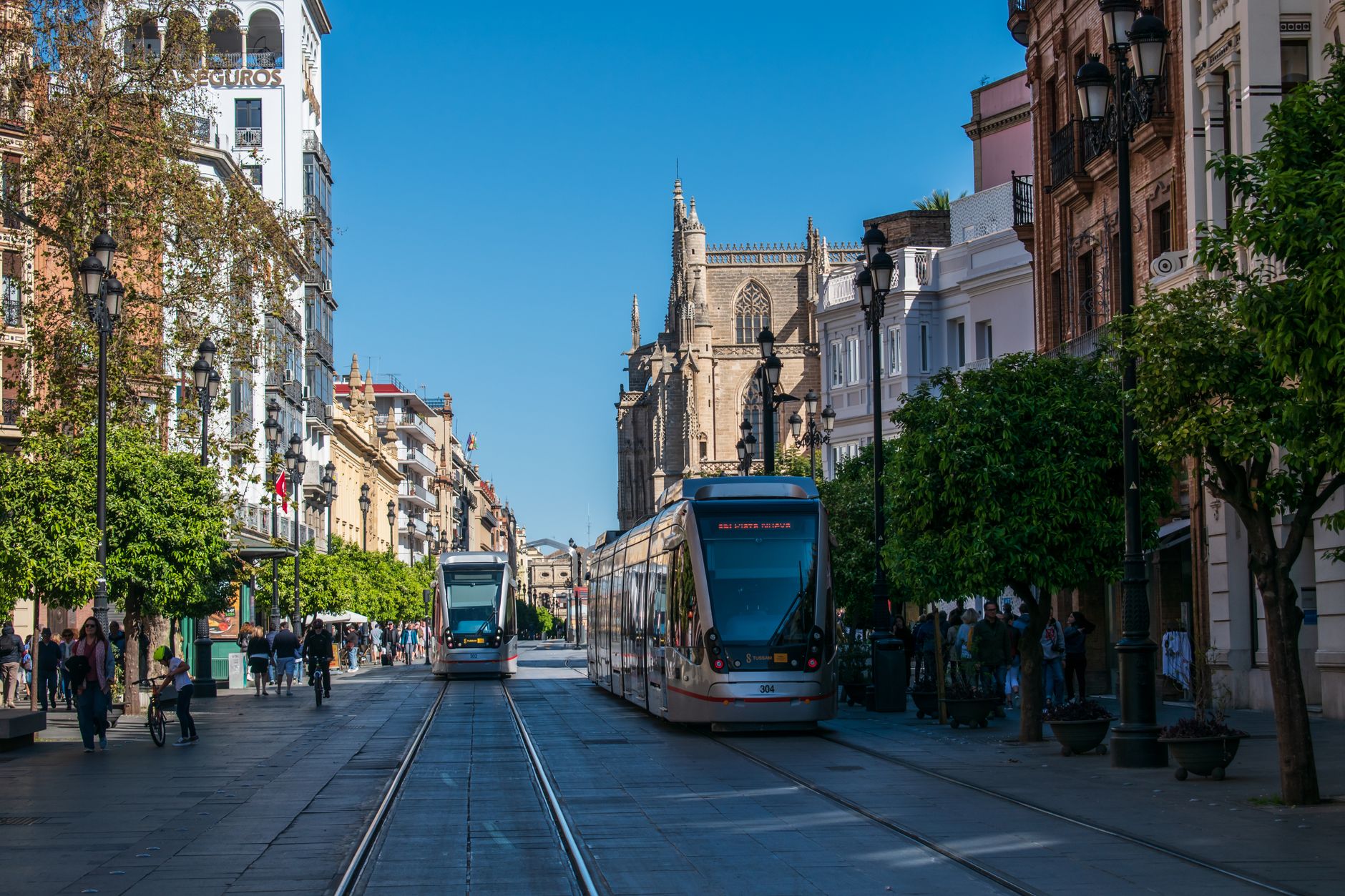
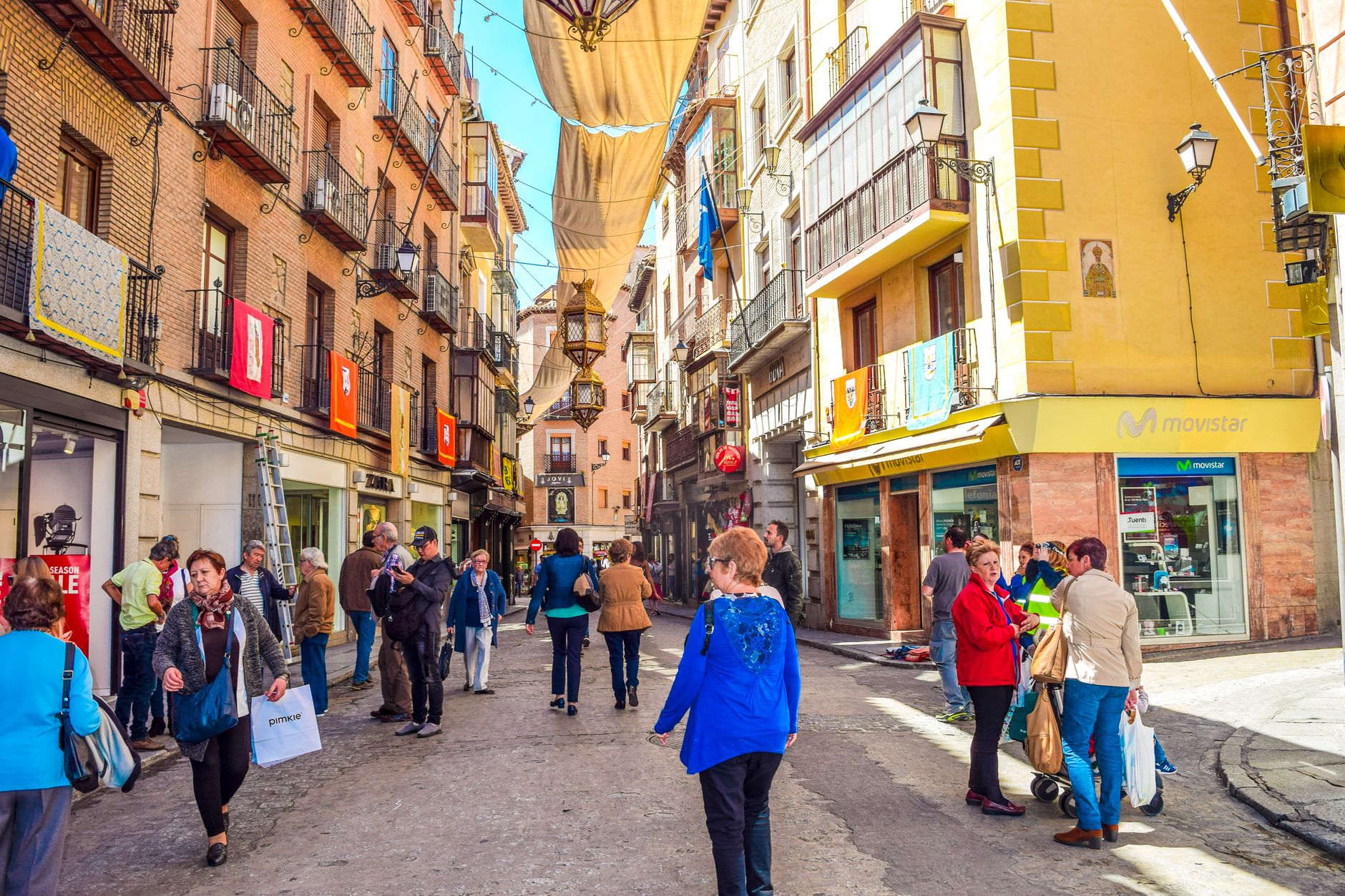
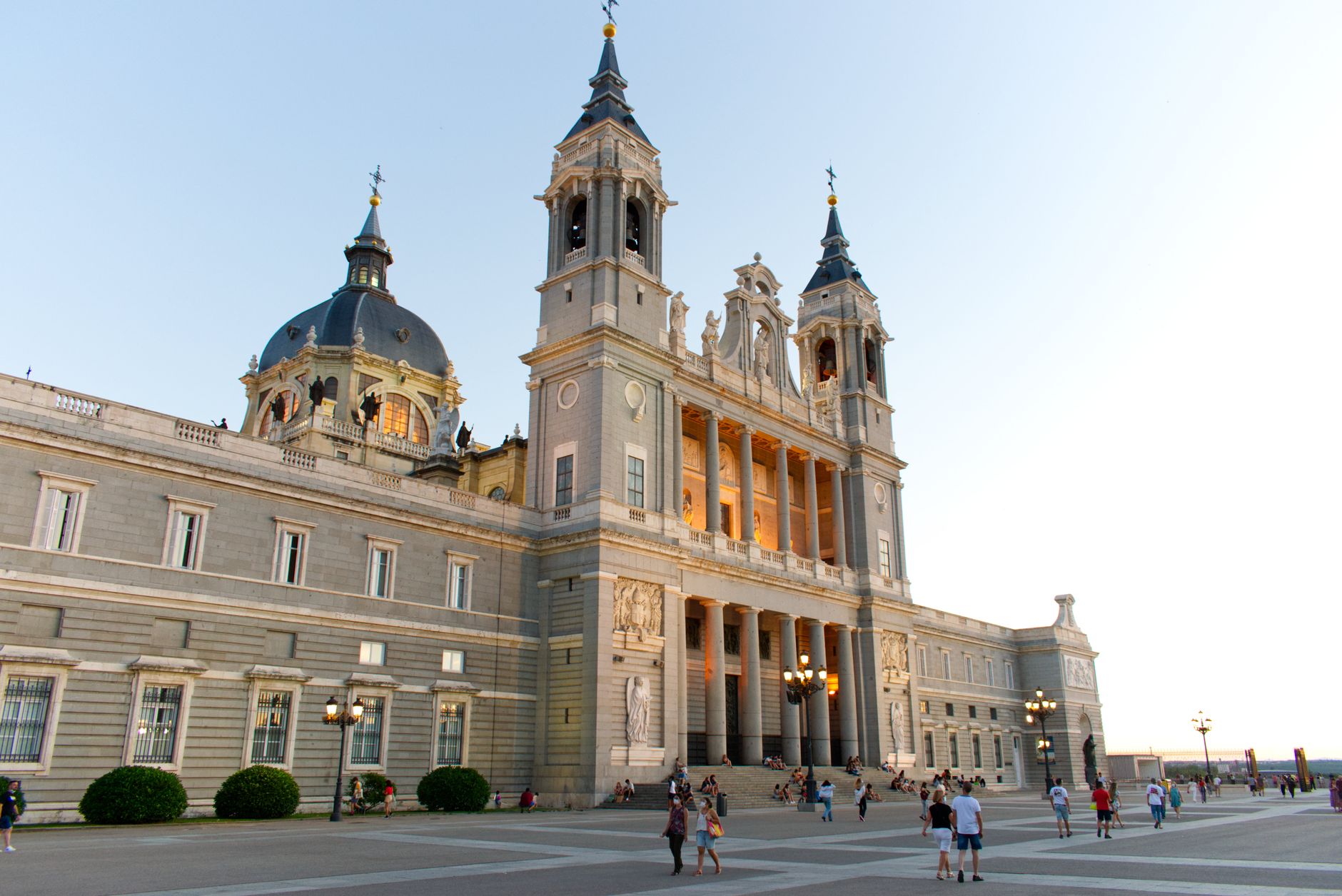
Stand at the edge of the Tagus in Talavera de la Reina and the river looks like it has been crossed here forever — because it has. Celts forded it, Romans renamed the town Caesarobriga, and a 15th-century stone bridge still carries people over the same water. What holds the city together across all those layers is clay: the glazed tilework that covered its basilicas, lined its palaces, and gave Talavera a reputation that ran from the royal workshops of the 16th century to the ceramics museums of today.
The city sits about 80 kilometres southwest of Madrid on the Renfe line, close enough for a long day but rewarding enough to stay. The old walls — twelve centuries of stone, eighteen watchtowers — ring a centre where the Plaza del Pan functions as the true living room of the place, baroque Archiepiscopal Palace on one side, the rhythm of daily life on the other.
💛 What travellers fall for
People who come back tend to spend a slow hour inside the Basilica of the Virgen del Prado, where the tile panels cover the walls floor to ceiling like a ceramic archive of the town's own craft. Then lunch somewhere near the plaza before the afternoon heat sets in — the summers here are genuinely fierce.
Experiences you don't want to miss


Deals in Talavera de la Reina
Book directly at the provider

How Talavera de la Reina came to be
The site is old enough that Livy recorded a battle here in 182 BCE, when the Roman general Quintus Fulvius Flaccus defeated the Carpetanoi and absorbed the settlement — then called Aebura — into the province of Lusitania. Visigoths held it, Muslims took it in 712, and Alfonso VI reclaimed it in 1082. The surname de la Reina came from Alfonso XI, who gave the city to his queen, Maria of Portugal. Henry II of Castile later handed it to the Archbishop of Toledo, Gómez Manrique, on 25 June 1369, as a reward for supporting him through the Castilian Civil War.
From the 16th century Talavera was known across Spain for silk, wool, pottery and tiles — a royal silk factory ran from 1748 until 1851. In 1809 it became a battlefield again when the French were defeated here in a significant engagement of the Peninsular War.
Who and what shaped it
People who shaped it
Landmark buildings
See Talavera de la Reina in motion
Plan your visit
On the map
When to go
Spring (April–May) and autumn (September–October) offer warm days and cool evenings — the most comfortable windows for walking the walls or the old centre. June through August is genuinely hot, with July maxima around 35°C and almost no rain; if you visit then, mornings are your friend.
Right now
Background & history adapted from Wikipedia (CC BY-SA) · specs from Wikidata (CC0) · weather from Open-Meteo · map data © OpenStreetMap contributors · photos from Wikimedia Commons / Unsplash with per-image credit. No third-party reviews or social posts reproduced.