
Hellín
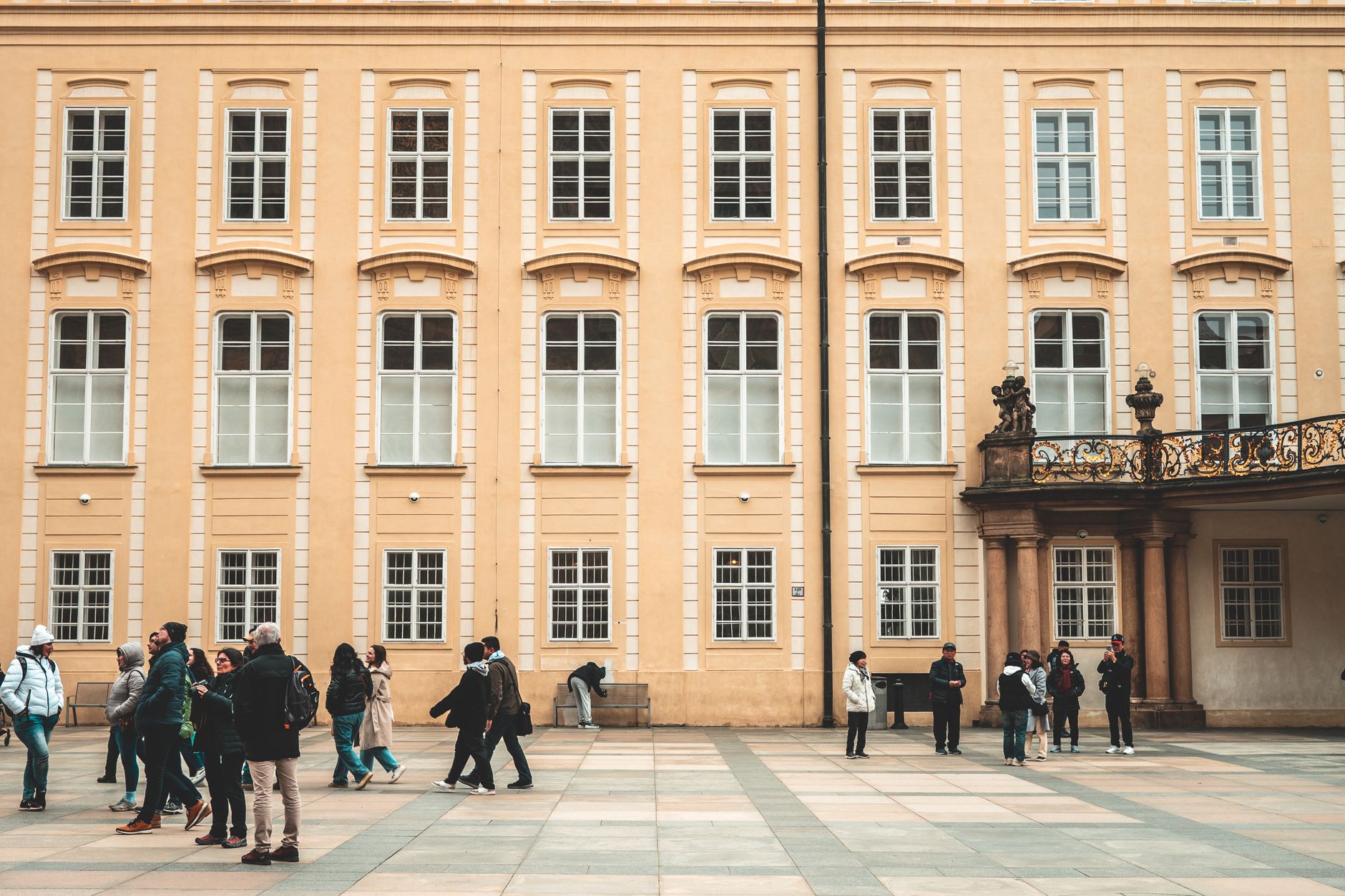
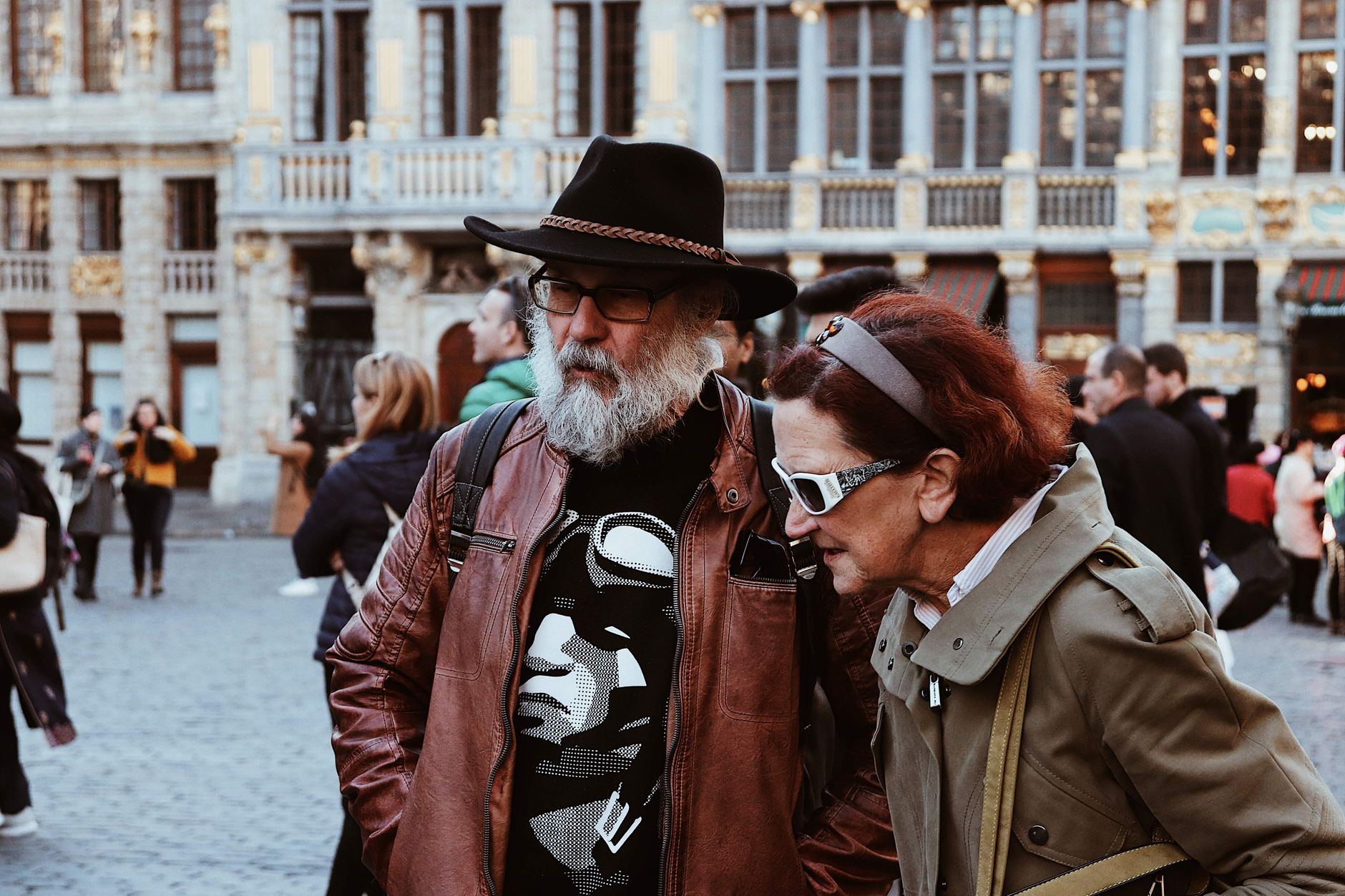
Stand at the top of Hellín on a clear morning and you can see why people have been settling this corner of Castilla-La Mancha for thousands of years — the light is particular here, dry and flat and honest, and the land opens up in every direction. The city takes its name from a chain of languages: Roman Ilunum became Arabic Falyān, softened into Felín, and eventually arrived at Hellín. That layering runs through the place itself, from the Iberian and Visigoth traces on the Tolmo de Minateda hill to the Gothic church on the main square to the 2011 monument celebrating esparto weavers.
💛 What travellers fall for
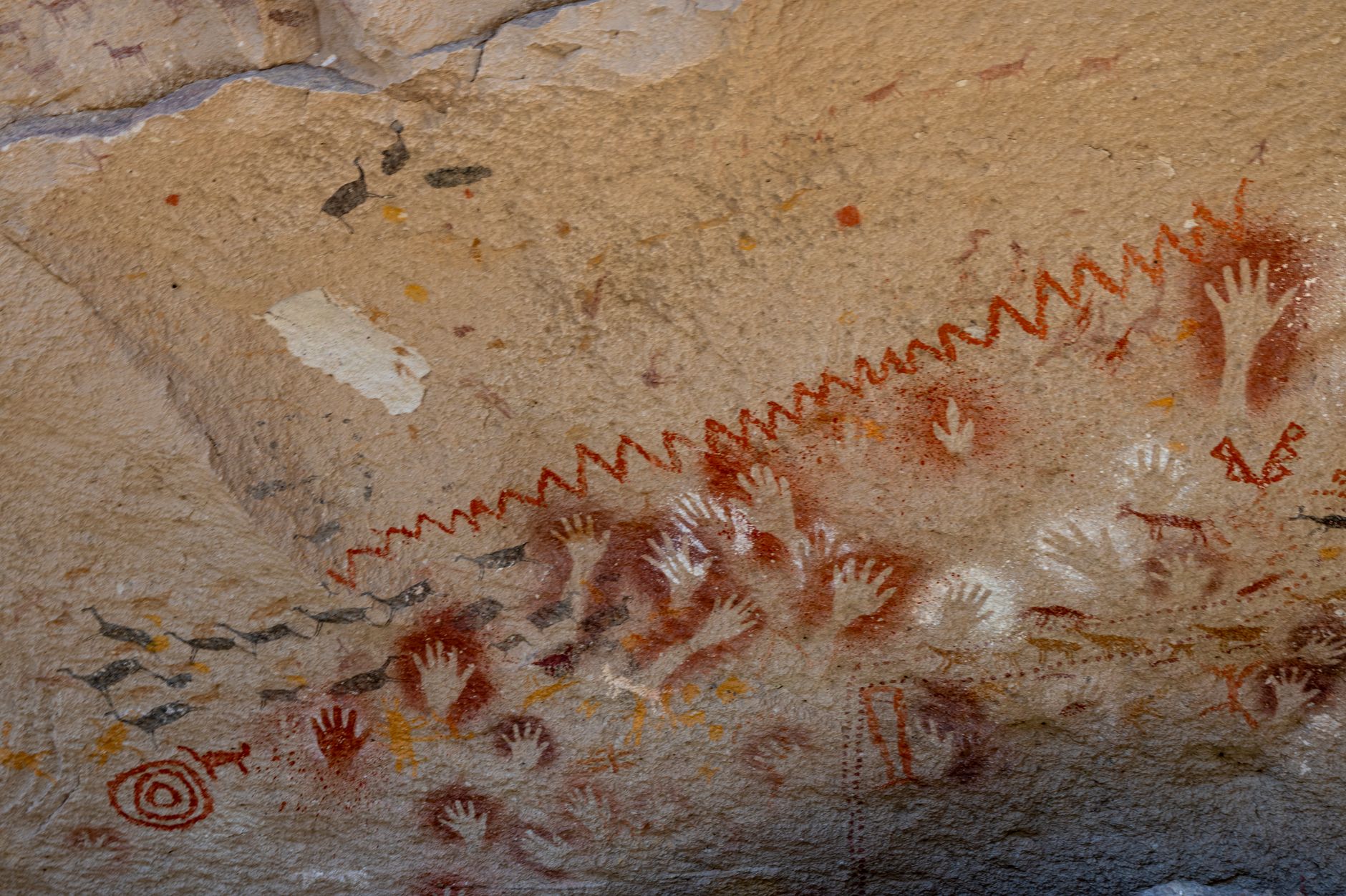
People who come back tend to make time for El Tolmo de Minateda before the midday heat sets in — the UNESCO-listed cave paintings reward an early start. The old Jewish and Muslim quarters repay slow walking; the streets are genuinely maze-like, and the iron balconies and heraldic shields on the manor houses are easy to miss if you're moving quickly.
Experiences you don't want to miss



Deals in Hellín
Book directly at the provider

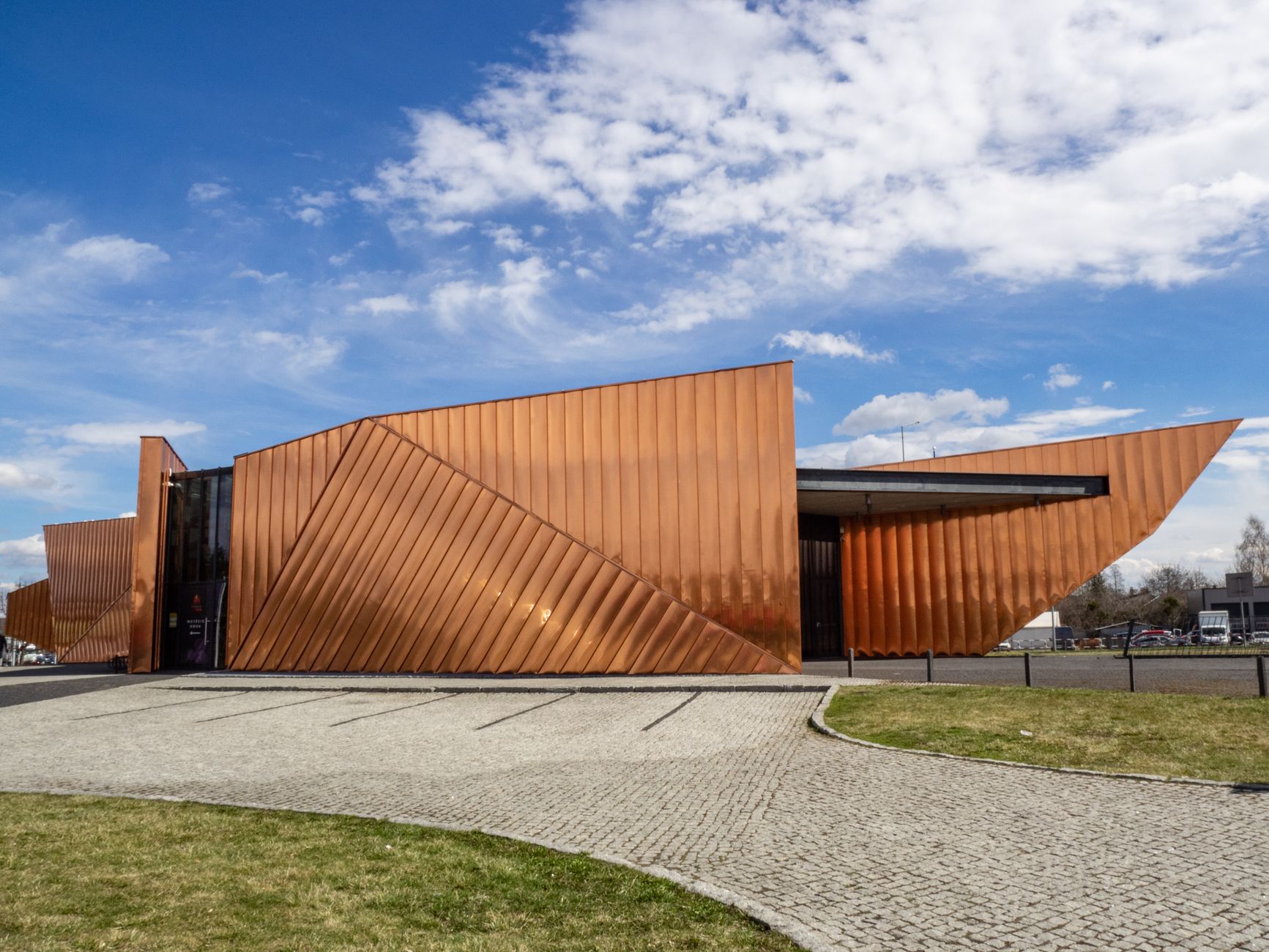
How Hellín came to be
The hill of Tolmo de Minateda tells the longest part of the story: Iberian settlement, then Roman occupation under the name Ilunum, then Visigoth layers, all stacked on the same defensible rise above the plain. The Moors held the town as Falyān for centuries before it passed into Castilian hands, and the name gradually shifted toward its current form.
The 19th century brought the railway — the Chinchilla–Hellín stretch opened on 18 January 1864, followed by the Hellín–Agramón section later that same year — and with it a modest industrial life built around esparto grass, hemp, resin, turpentine, and fruit canning. Hellín was granted the title of city in 1898, and esparto cultivation expanded further under the Francoist autarky of the mid-20th century, leaving behind the 2011 Monumento al Espartero as a late acknowledgement of that labour.
Who and what shaped it
Landmark buildings
See Hellín in motion
Plan your visit
On the map
When to go
Hellín sits in one of the driest corners of Castilla-La Mancha, with a cold semi-arid climate: summers run genuinely hot (the city holds Spain's all-time February temperature record of 33.8°C), while January and February dip to around 3°C. March and September bring the most rain, and both months are reasonable times to visit if you want mild temperatures without the summer intensity.
Right now
Background & history adapted from Wikipedia (CC BY-SA) · specs from Wikidata (CC0) · weather from Open-Meteo · map data © OpenStreetMap contributors · photos from Wikimedia Commons / Unsplash with per-image credit. No third-party reviews or social posts reproduced.