
Almagro
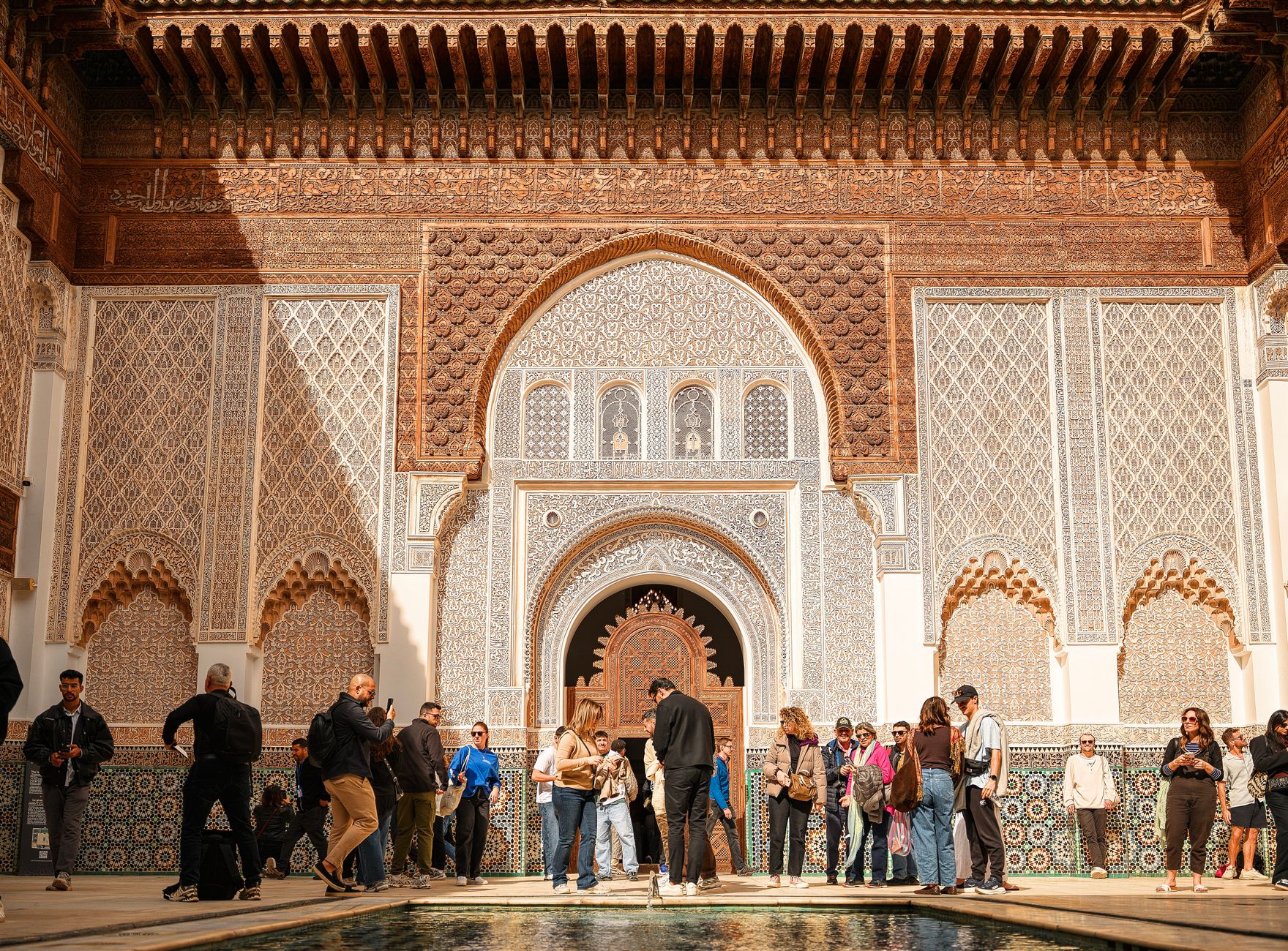
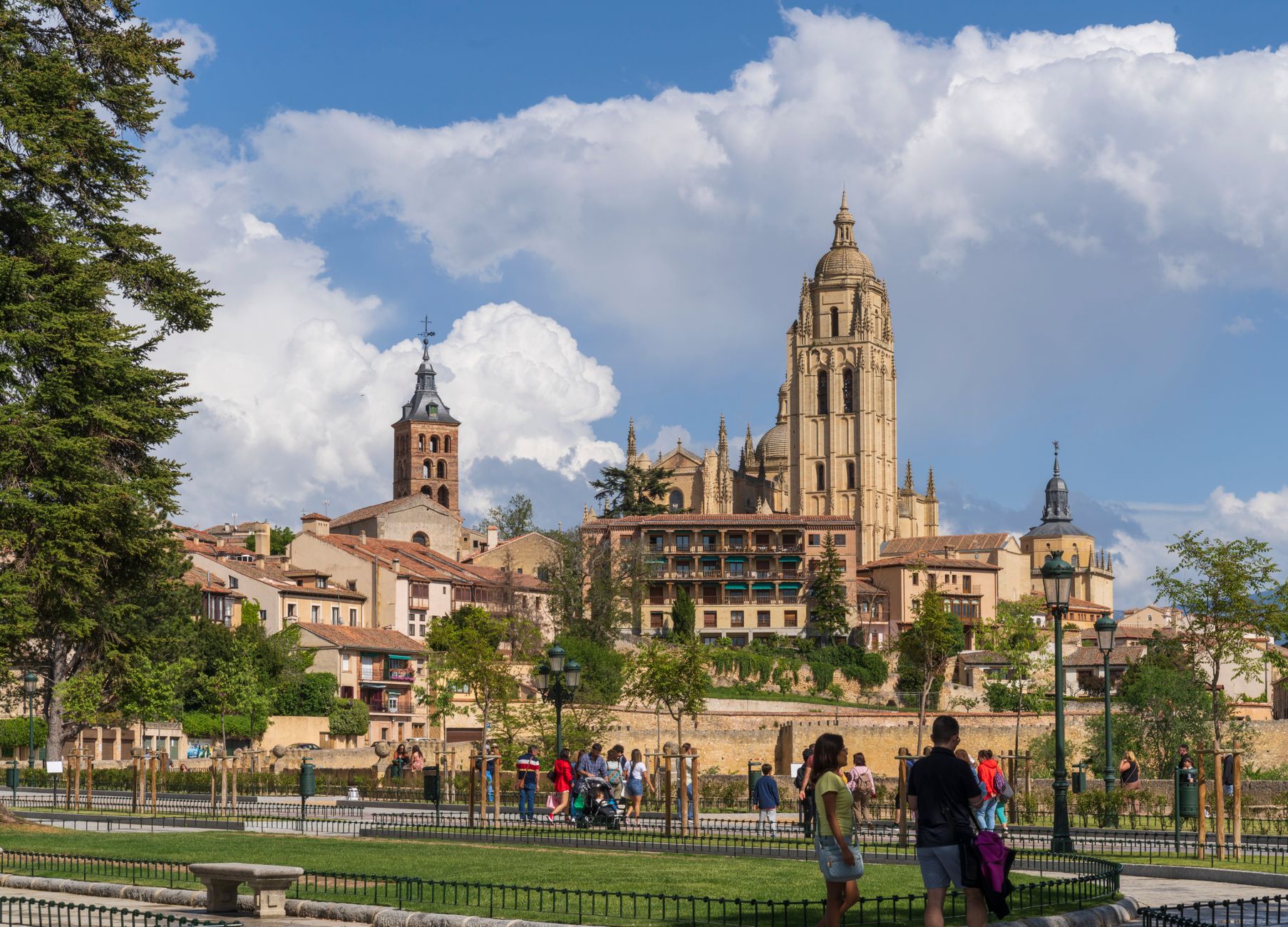
The name comes from Arabic — al-magra, red clay — and on certain afternoons the stone of Almagro's Plaza Mayor takes on exactly that colour, warm and slightly ruddy under the Castilian light. The plaza is the reason most people come: a long rectangle of stone arcades and two-storey wooden balconies with glazed green galleries that belong, visually, somewhere much further north. Tucked into the southern arcade is the Corral de Comedias, a 17th-century open-air theatre so intact it still seats 300 people on the same wooden tiers where Golden Age audiences once sat.
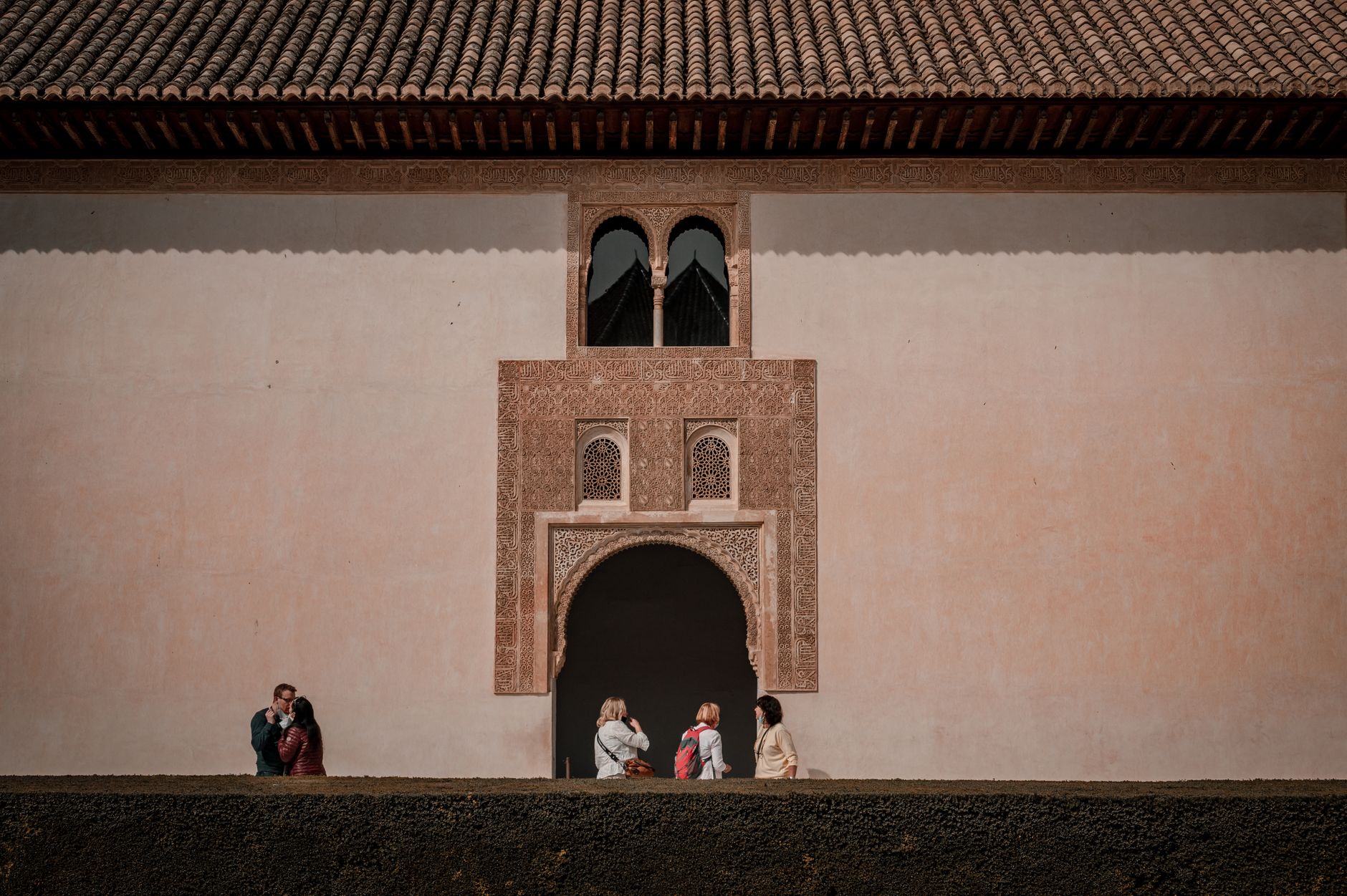
Almagro is a small city that accumulated an outsized number of convents, palaces and churches during the centuries when it served as capital of Campo de Calatrava. That accumulation is still legible in the streets today — stone facades, quiet courtyards, a parador installed in a former Franciscan convent.
💛 What travellers fall for
People who return tend to time a visit around the International Classical Theatre Festival, when the Corral de Comedias and the repurposed church of San Blas both run programmes. Outside festival season, a late-afternoon walk from the Plaza Mayor toward the Asunción de Calatrava convent, founded between 1519 and 1544, gives you the town nearly to yourself.
Experiences you don't want to miss


Deals in Almagro
Book directly at the provider

How Almagro came to be
The Order of the Knights of Calatrava made Almagro their capital in the 13th century, and the town's architecture still carries the weight of that institutional patronage — monasteries, hospitals and convents funded by commanders and clerics whose names are still attached to the buildings. In the 16th century a new layer arrived: the Fugger family, German bankers who had financed Charles I of Spain, became beneficiaries of the mercury mines at Almadén and maintained a presence in Almagro, leaving behind a grain and mercury warehouse that stands to this day.
By the mid-18th century Almagro briefly held the status of provincial capital of La Mancha, from 1750 to 1761. The Corral de Comedias, built in 1628 when a cleric named Don Leonardo de Oviedo paid 5,000 ducats to expand a tavern into a theatre, was rediscovered and restored in the 1950s, and declared a National Monument in 1955. The Plaza Mayor restoration followed, completed in 1967 under architect Francisco Pons Sorolla.
Who and what shaped it
People who shaped it
Landmark buildings
See Almagro in motion
Plan your visit
On the map
When to go
Summers in Almagro are hot and dry — regularly above 35°C in July and August — while winters are cold and often sharp. Spring and early autumn, roughly April to June and September to October, offer the most comfortable conditions for walking the streets and sitting in the plaza.
Right now
Background & history adapted from Wikipedia (CC BY-SA) · specs from Wikidata (CC0) · weather from Open-Meteo · map data © OpenStreetMap contributors · photos from Wikimedia Commons / Unsplash with per-image credit. No third-party reviews or social posts reproduced.