
Sigüenza
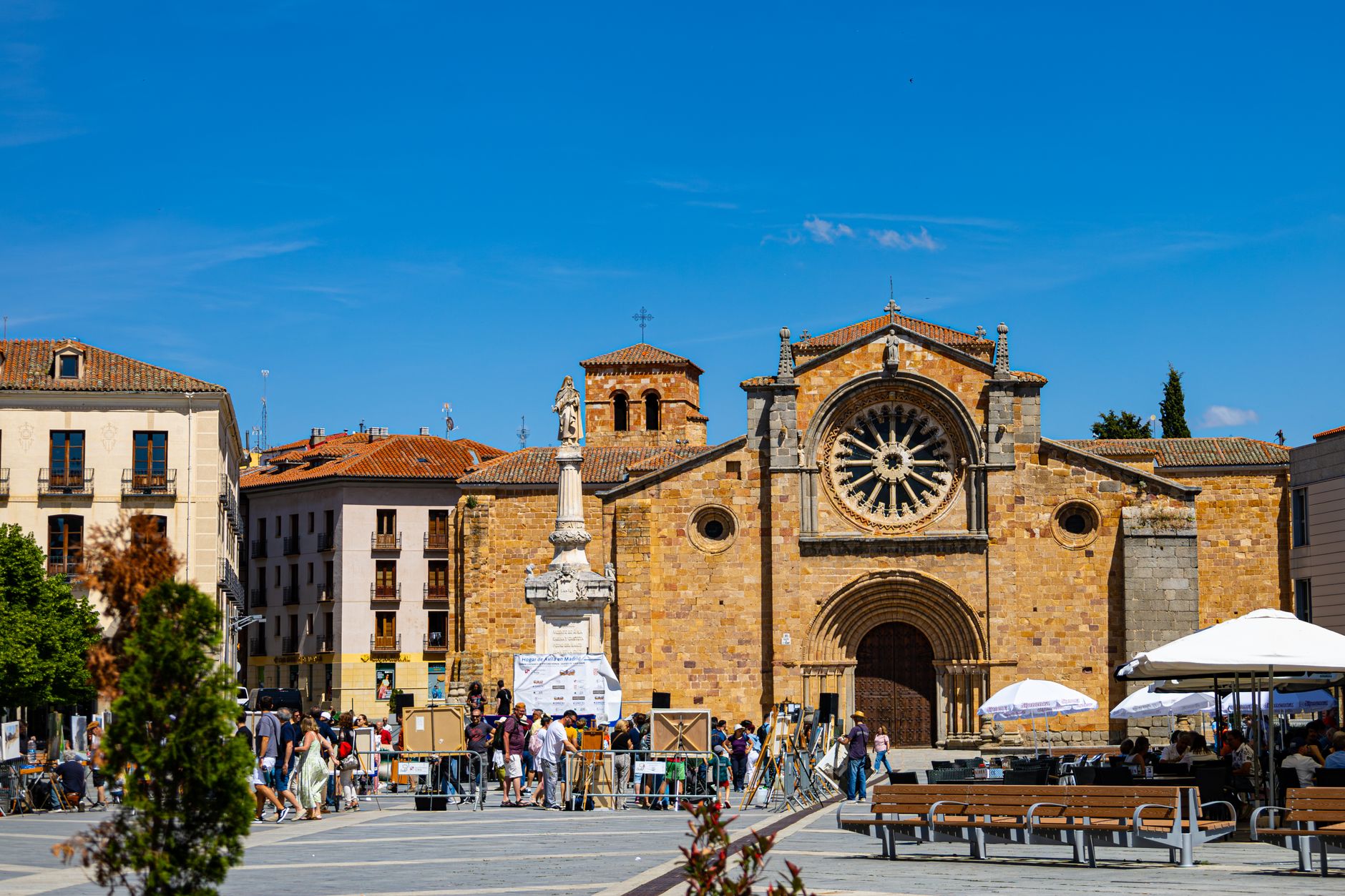
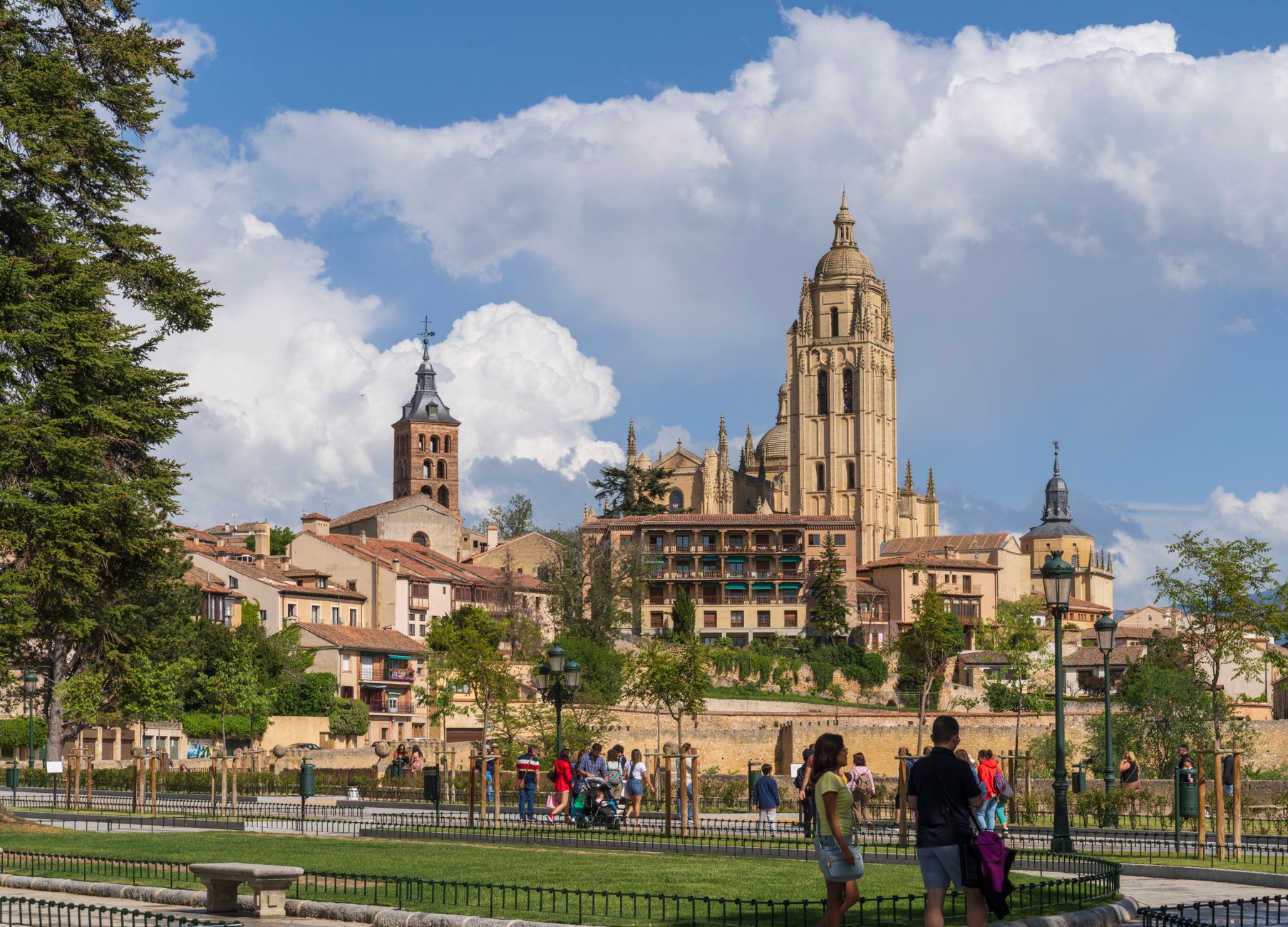
Sigüenza announces itself with stone. The cathedral rises above the Plaza Mayor — Romanesque at its bones, with four centuries of additions layered on top — and the castle on the hill opposite has been, in its long life, a Moorish fortress, a bishop's palace and a French garrison before becoming a Parador hotel where you can sleep inside the same walls El Empecinado's forces recaptured in 1808.
The town sits in the high Castilian plateau, close enough to Madrid for a day trip but far enough to feel like another era. Walk the cathedral's nave slowly: the 15th-century mortuary statue of Martín Vázquez de Arce — El Doncel, the young knight who died at twenty-five in the War of Granada — is one of the most quietly affecting sculptures in Spain.
💛 What travellers fall for
People who come back tend to stay at the Parador at least once — not for luxury's sake but for the specific strangeness of sleeping in a 5th-century castle. They also mention the Museo Diocesano, included in the €8 cathedral ticket, which most first-timers skip. The Plaza Mayor on a weekday afternoon, nearly empty, is the other thing they keep describing.
Experiences you don't want to miss


Deals in Sigüenza
Book directly at the provider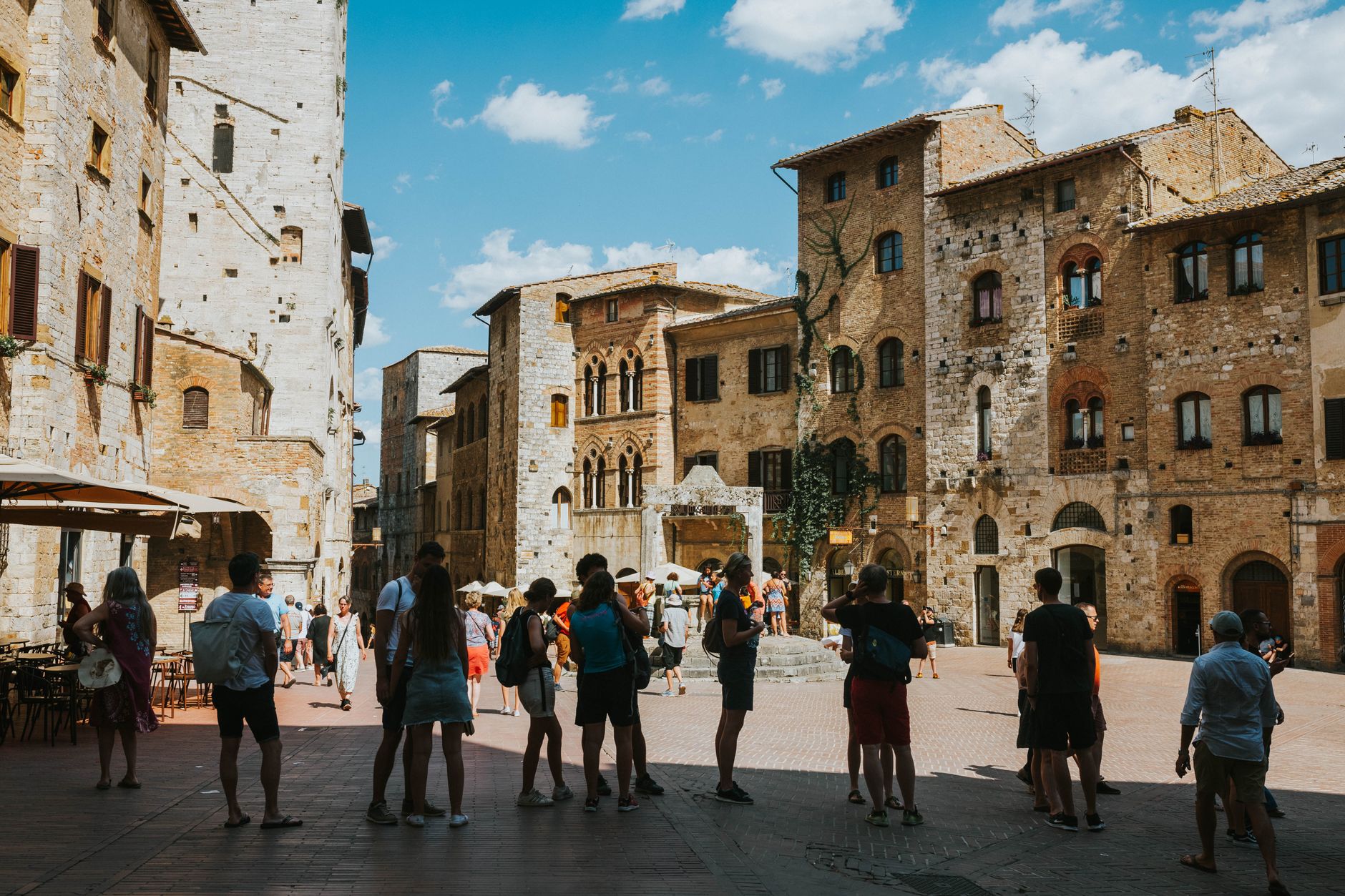
How Sigüenza came to be
The site has been inhabited since Celtiberian times, when it was known as Segontia and stood slightly apart from where the present city sits. Romans, Visigoths and Moors each held it in turn before Bishop Bernard of Agen retook it from Muslim control in January 1124 and immediately ordered construction of the cathedral. That building process ran for four centuries, which is why you can read Romanesque, Gothic and Renaissance in the same walls.
The College of San Antonio el Grande, founded in 1476 by archdeacon Juan López de Medina, gave the city a period of intellectual weight — Cardinal Cisneros studied Hebrew here. The French occupation of 1808 gutted the castle, and it spent the better part of two centuries in disrepair before a restoration project returned it to use as a Parador, formally inaugurated in 1978 when King Juan Carlos and Queen Sofía visited.
Who and what shaped it
People who shaped it
Landmark buildings
See Sigüenza in motion
Plan your visit
On the map
When to go
Summers run hot — July averages 31°C — and the plateau altitude means winters are cold, with January highs around 9°C. Spring and early autumn are the most comfortable seasons for walking the old town, and they align with the seasonal Medieval Train departures from Madrid.
Right now
Background & history adapted from Wikipedia (CC BY-SA) · specs from Wikidata (CC0) · weather from Open-Meteo · map data © OpenStreetMap contributors · photos from Wikimedia Commons / Unsplash with per-image credit. No third-party reviews or social posts reproduced.