
Albacete
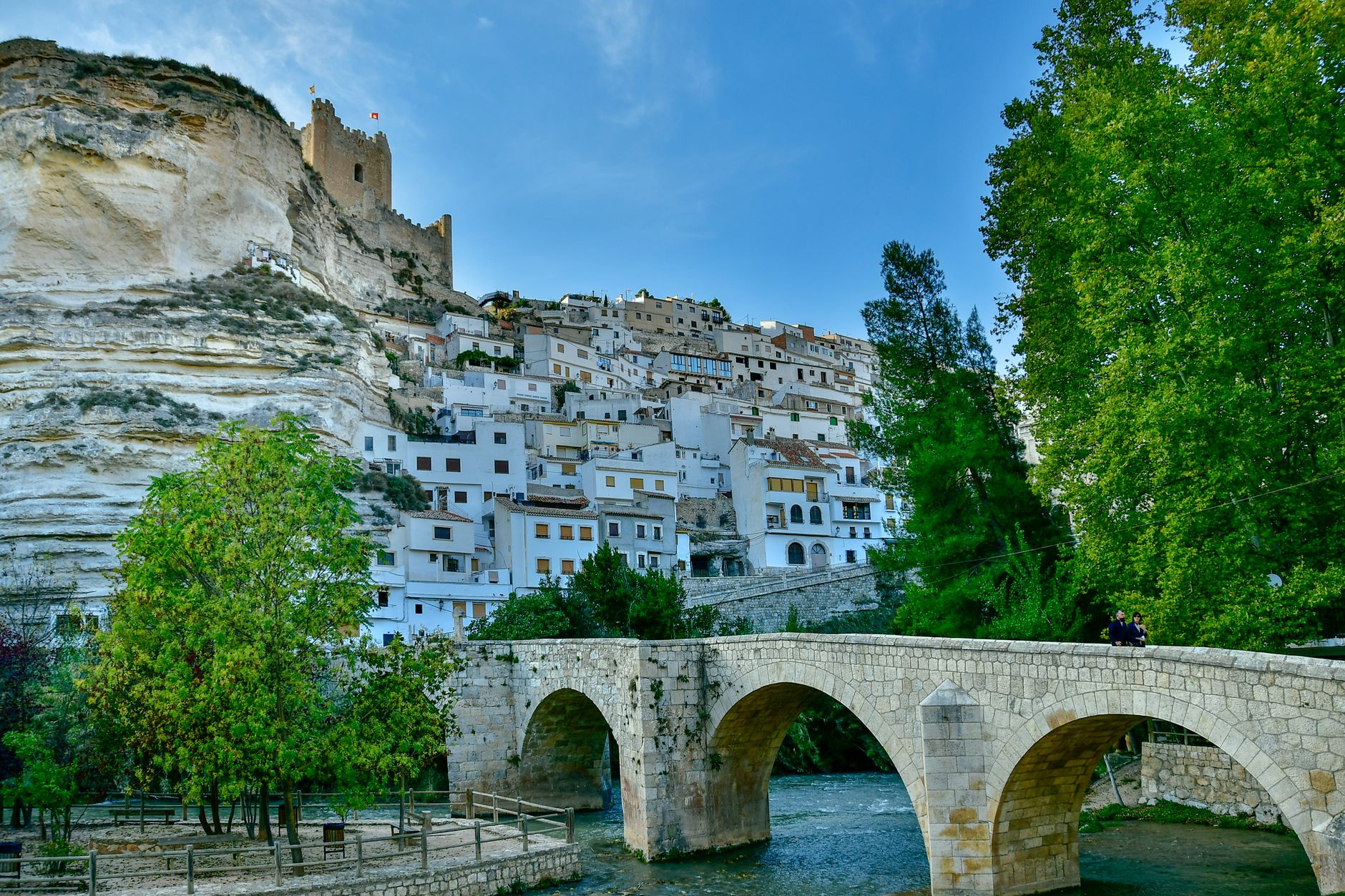
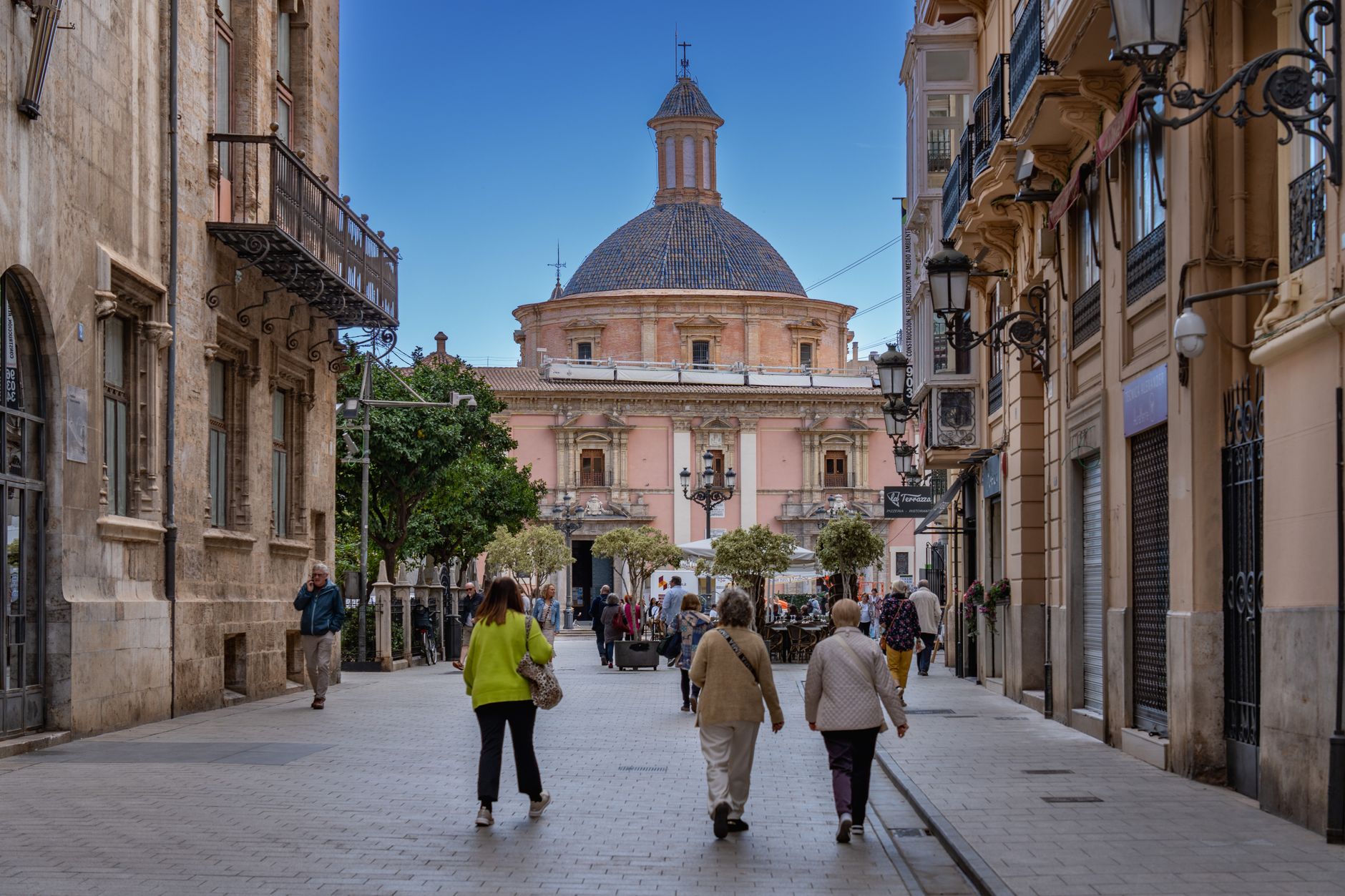
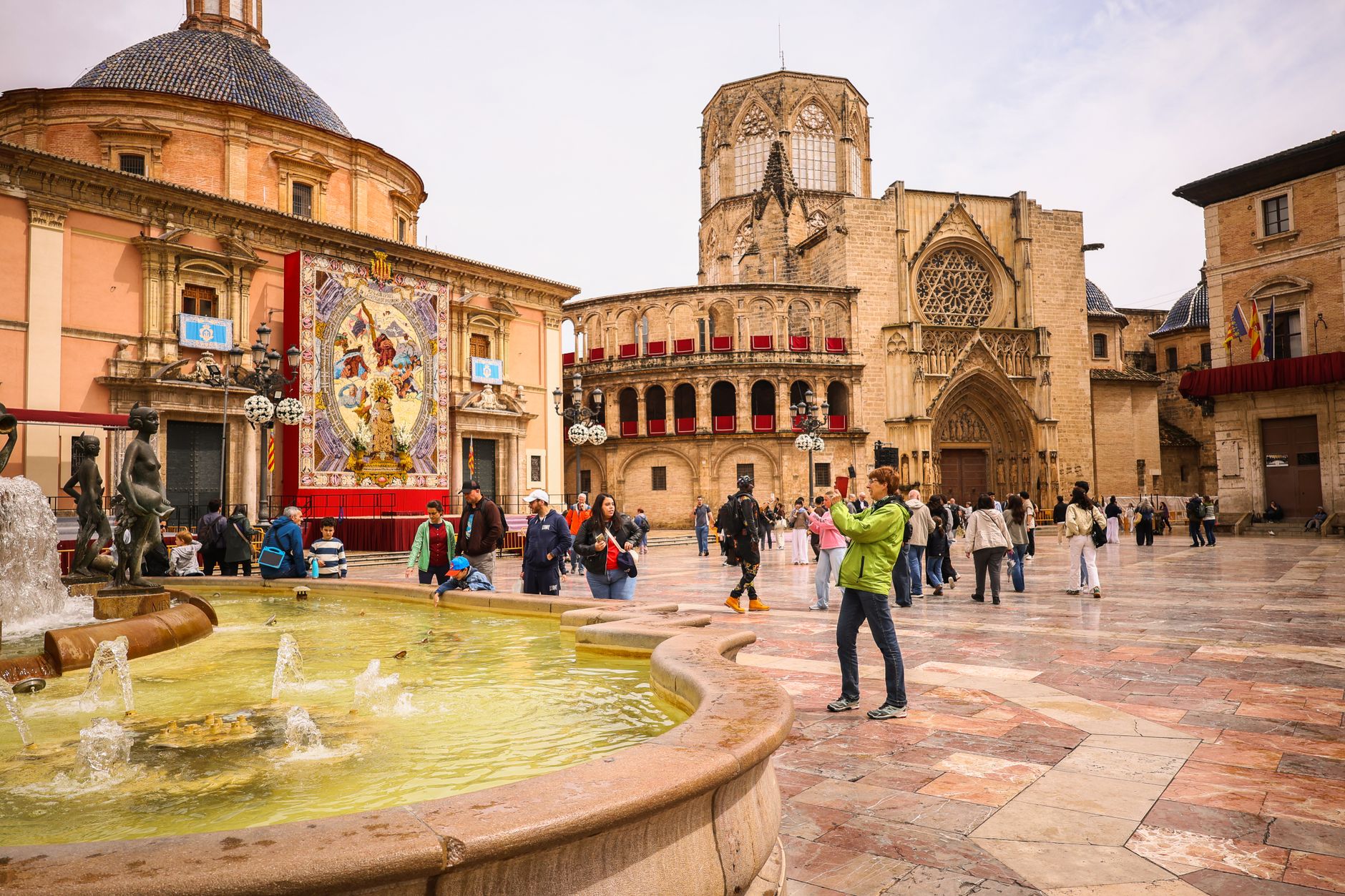
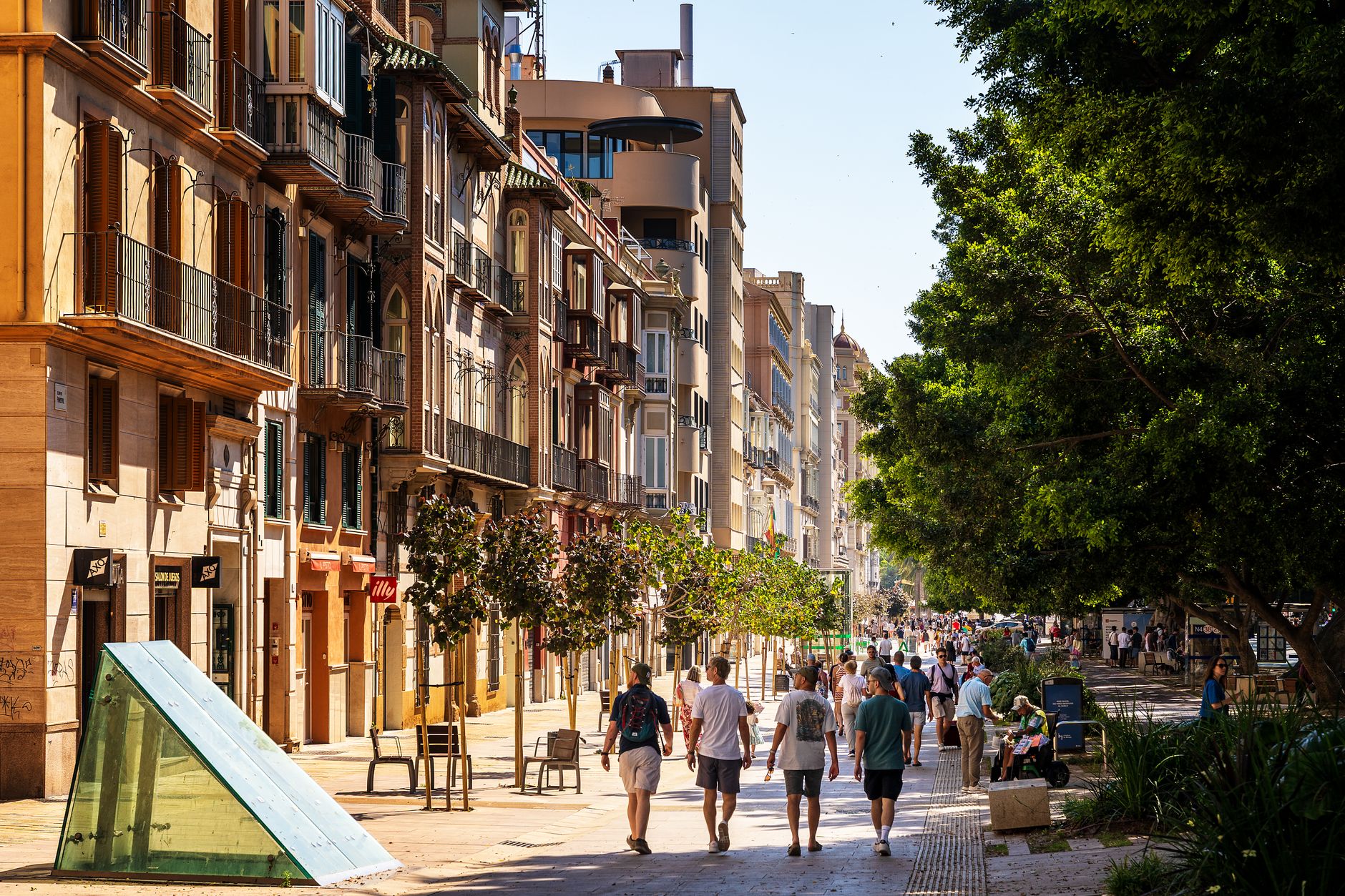
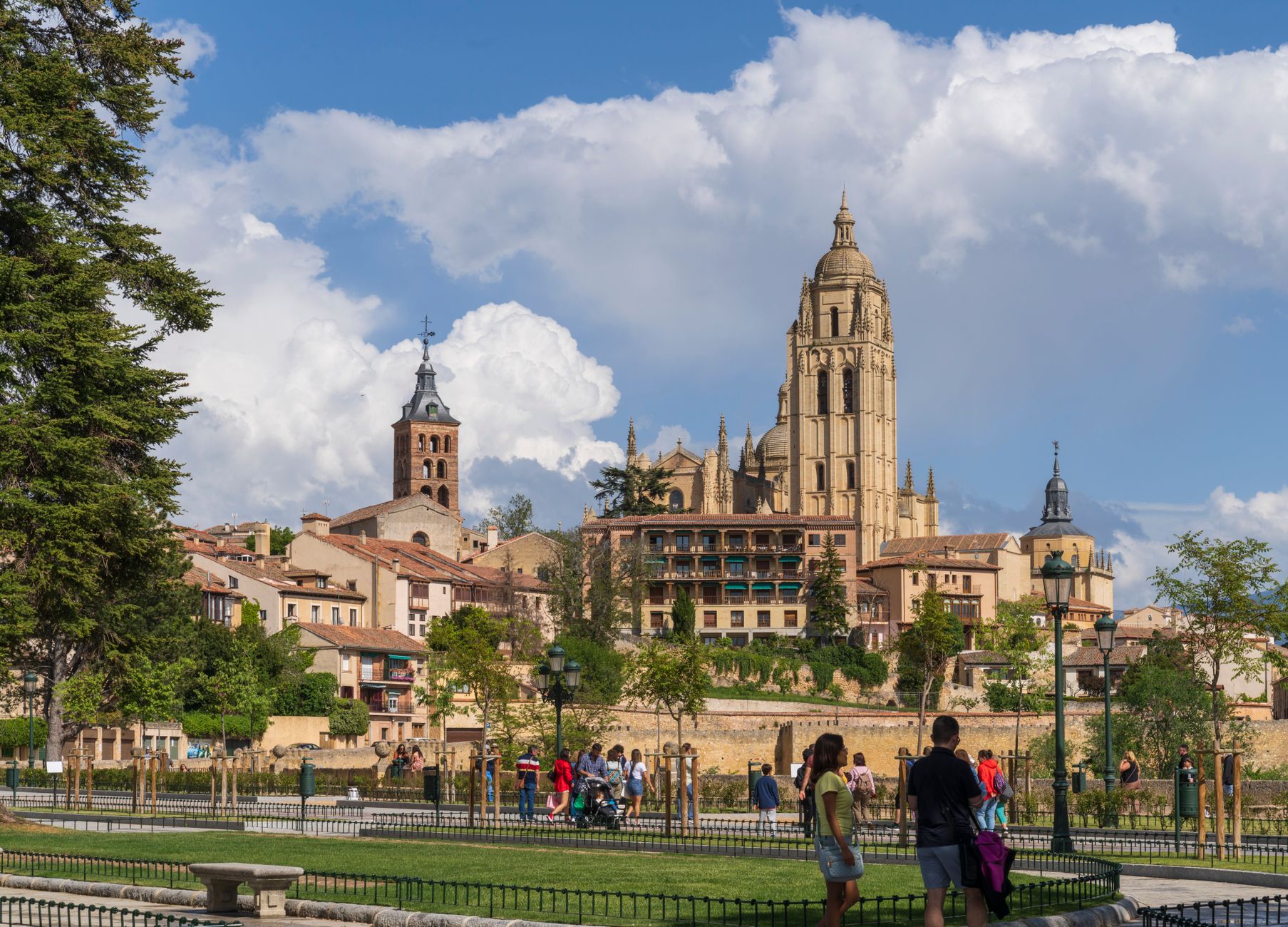
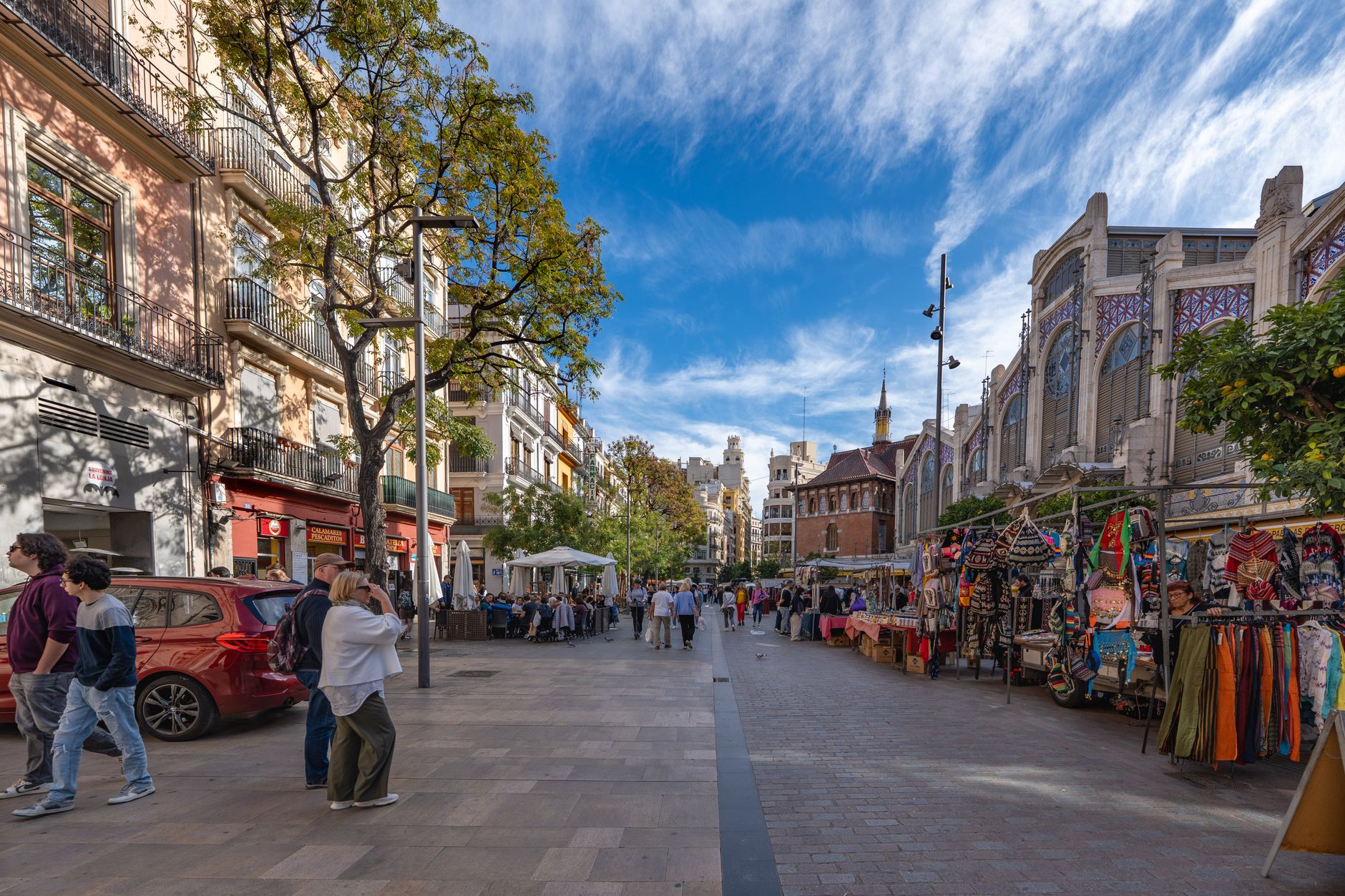
The name says it plainly: Al-Basīṭ, the flat land. Stand anywhere in Albacete and the horizon is uninterrupted — a wide, pale plateau that stretches toward La Mancha and makes the sky feel outsized. The city grew up on that flatness, drained its malarial swamps with a canal in the 19th century, laid down railway tracks in 1855, and got on with becoming a working provincial capital.
What you find here is a city that earns its own attention: a Modernist arcade with an iron-and-glass ceiling running between two streets, a circus theatre from 1887 that still holds performances, and a small museum dedicated entirely to the knife-making craft that put Albacete on maps it might otherwise never have reached.
💛 What travellers fall for
People who come back tend to mention the Pasaje de Lodares at odd hours — early morning before the shops open, when the light through the skylight hits the ironwork at a low angle. They also mention the Abelardo Sánchez Park as the place to orient yourself before anything else: 120,000 square metres of green in the dead centre of a city this size is not something you expect.
Experiences you don't want to miss



Deals in Albacete
Book directly at the provider
How Albacete came to be
Albacete began as an Arab settlement called Al-Basīṭ — the flat place — and changed hands violently in the 1140s during the wars between Christian and Moorish forces. It was formally refounded in 1365, and its modern provincial shape was drawn in 1833 by the administrator Javier de Burgos during Spain's reorganisation of its territories.
Two moments reshaped the city more than any political decree: the draining of the southern swamps via the María Cristina Canal, which made the land liveable, and the arrival of the railway in 1855, which connected it to the rest of Spain. Queen Isabella II granted it the official status of city in 1862. During the Spanish Civil War, Albacete served as the main headquarters of the International Brigades — a fact the city carries quietly but does not forget.
Who and what shaped it
People who shaped it
Landmark buildings
See Albacete in motion
Plan your visit
On the map
When to go
Summers are long and genuinely hot, with little cloud cover and scarce rain; if you visit July or August, mornings are the time to move. Winters turn cold — sharper than the latitude suggests, thanks to the altitude of the plateau — so pack accordingly if you're coming between November and February. Spring and autumn are the most straightforward seasons to visit.
Right now
Background & history adapted from Wikipedia (CC BY-SA) · specs from Wikidata (CC0) · weather from Open-Meteo · map data © OpenStreetMap contributors · photos from Wikimedia Commons / Unsplash with per-image credit. No third-party reviews or social posts reproduced.