
Alcázar de San Juan
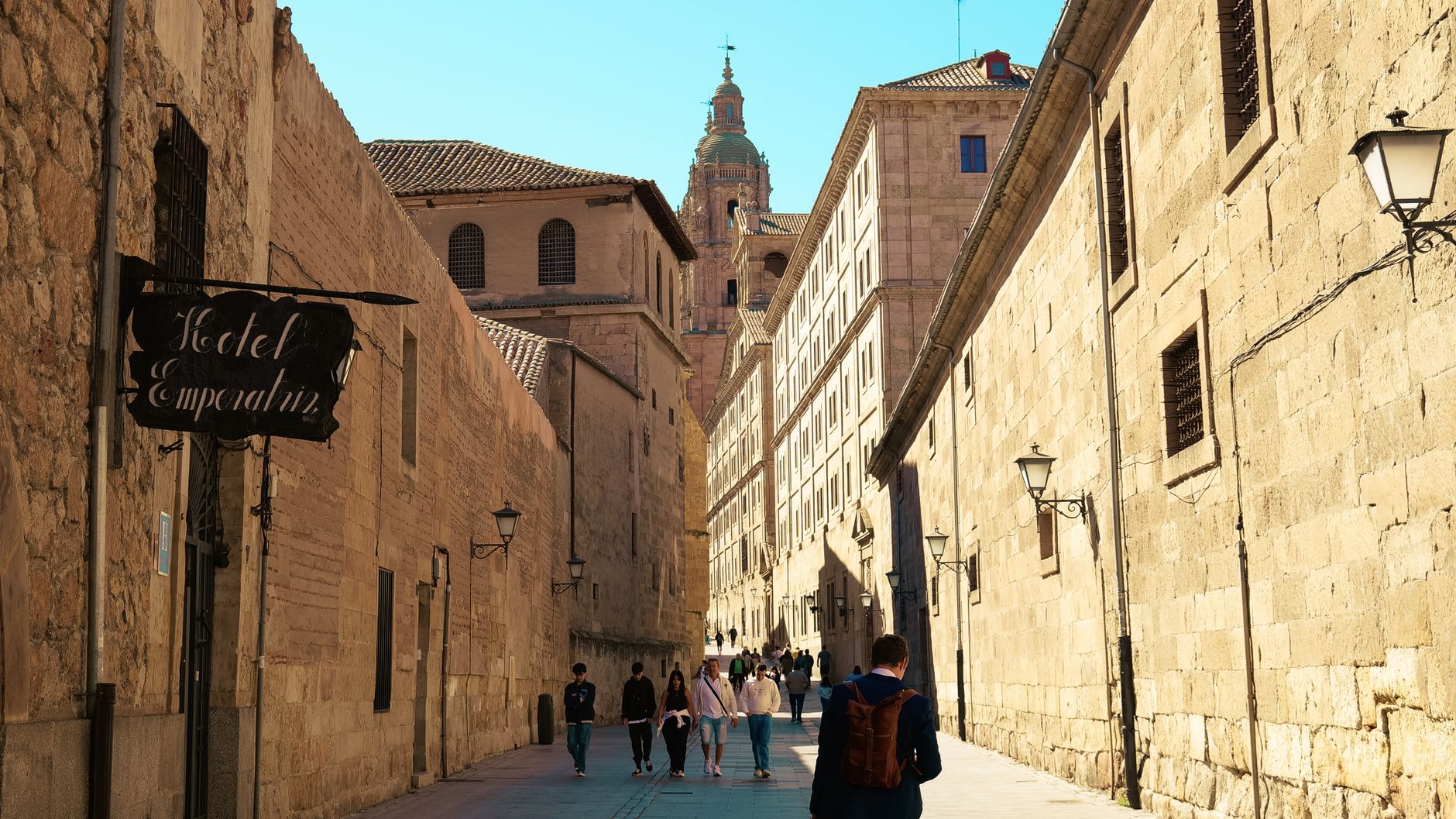
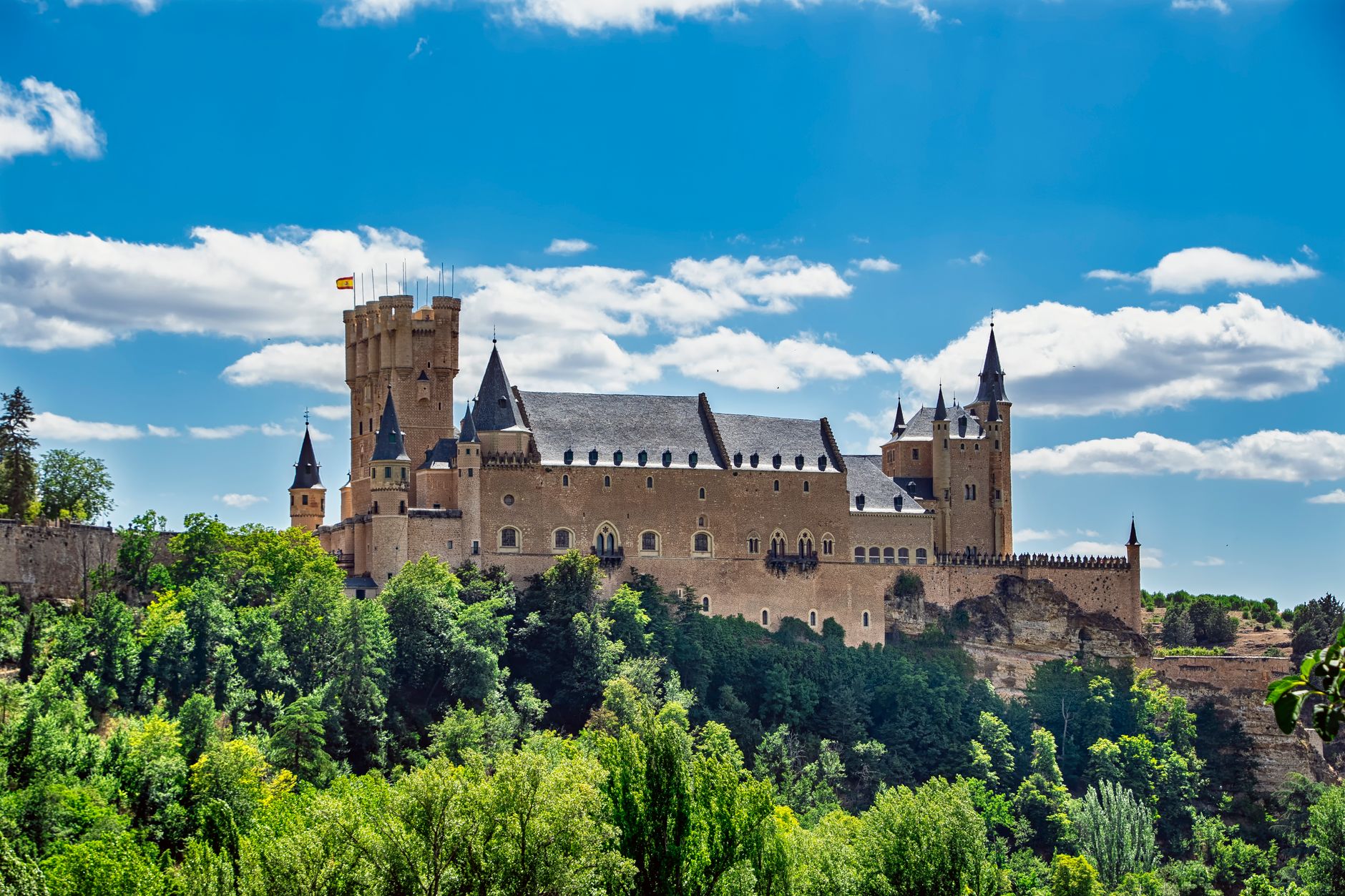

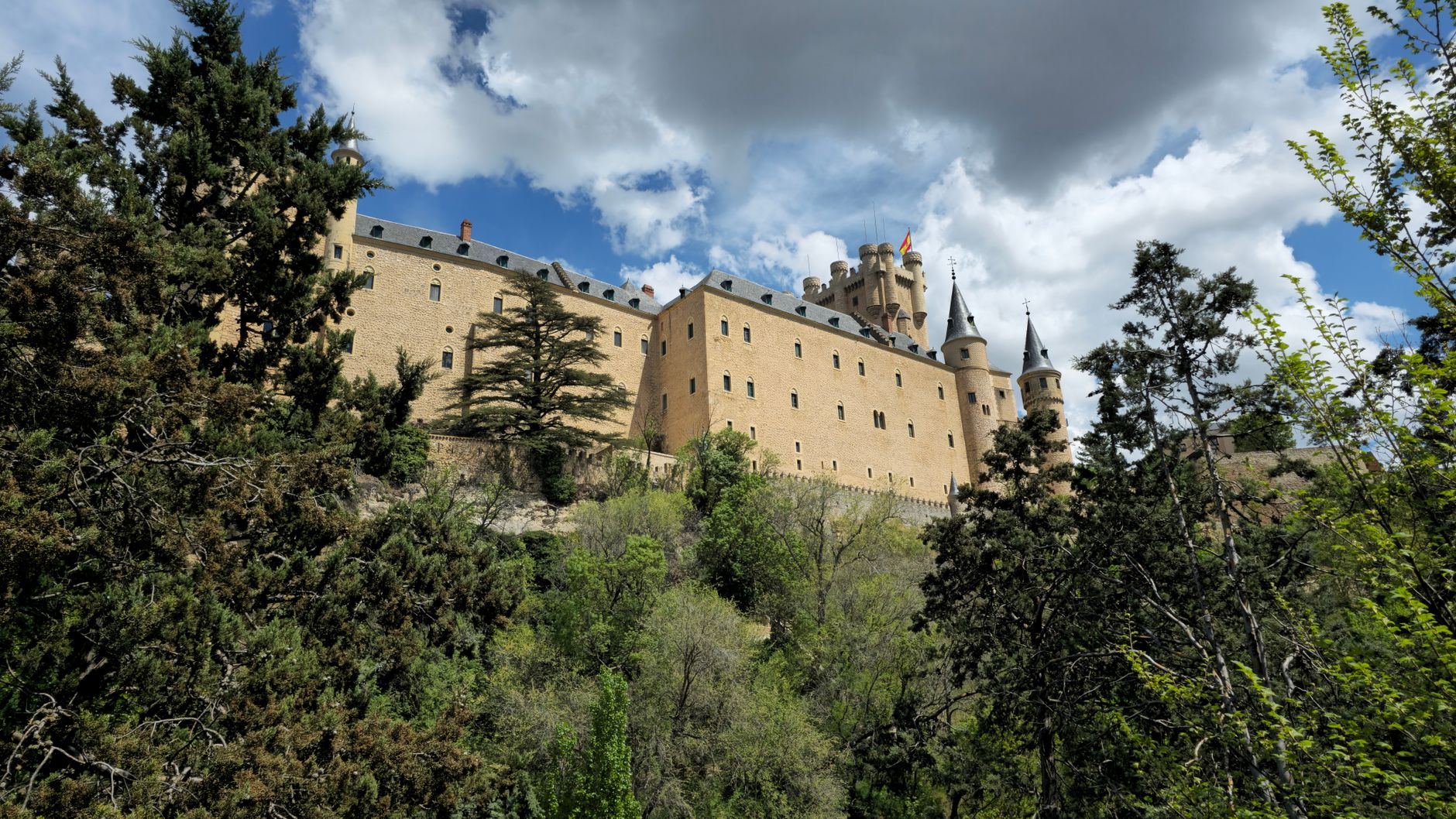
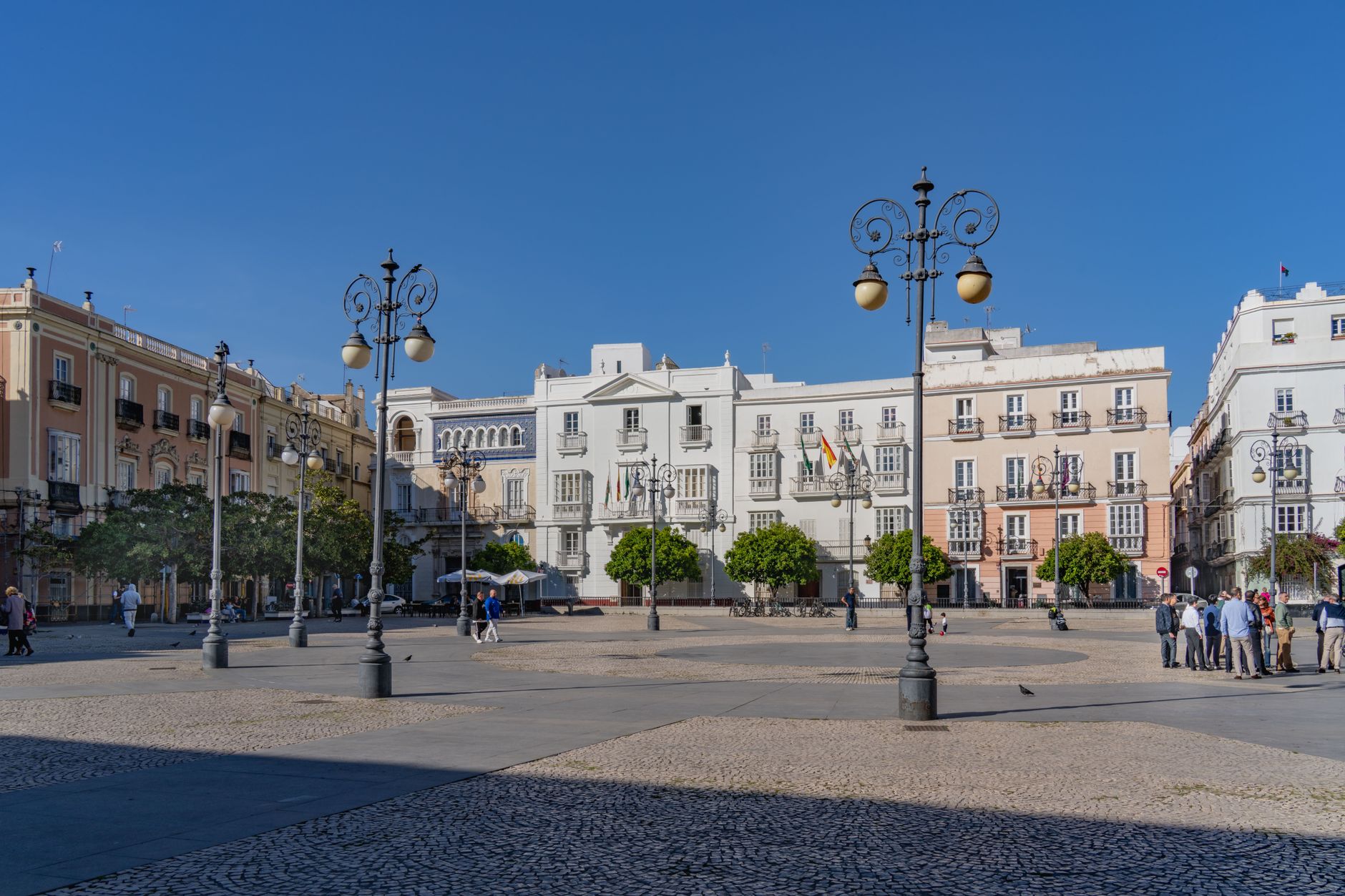
Alcázar de San Juan sits at the rail crossroads of central Spain, a fact that shaped it as decisively as the knights who came before the trains. The station — still served by lines toward Madrid, Valencia and Cádiz — gave the town a second life in the 19th century, and the Railway Museum that grew from that era holds nearly 900 objects: switchboards, station lamps, locomotive parts, the quiet archaeology of a working network.
Before the railways, this was Hospitaller country. The Knights of St. John held the town from 1186, lost it to Castile a century later, and left behind a Grand Prior's Palace, an Almohad keep and a 14th-century tower that still anchor the old centre around Santa María square.
💛 What travellers fall for
People who come back tend to linger in the municipal archaeological museum longer than they planned — the Roman mosaics from the 2nd and 3rd centuries are the kind of thing that stops a conversation. The Hidalgo House Museum, small and specific, rewards anyone who arrived thinking Cervantes was purely a Castilian abstraction.
Experiences you don't want to miss




Deals in Alcázar de San Juan
Book directly at the providerHow Alcázar de San Juan came to be
The Romans knew this place as Alces; the Arabs renamed it al-Qaṣr, meaning the palace or the castle, and the name stuck. Christian knights received the town in 1150, and by 1186 the Hospitallers — the Order of St. John of Jerusalem — had taken formal possession. They lost it to King Sancho IV of Castile in 1292, but the Order's grip on the region remained strong enough that Alcázar served as the centre of their Spanish operations through the 14th, 15th and 16th centuries. The Grand Prior's Palace, built between 1235 and 1237, and the Almohad keep beside it are what that long chapter left behind.
The 19th century brought a different kind of transformation. The Aranjuez–Almansa railway reached Alcázar in 1854, and a second line followed in 1861. The town was granted city status in April 1877. During the Spanish Civil War, the Republican Army established its Third Mixed Brigade here in 1936 — one more layer in a place that has repeatedly found itself at the centre of larger events.
Who and what shaped it
People who shaped it
Landmark buildings
See Alcázar de San Juan in motion
Plan your visit
On the map
When to go
Summers run hot and dry, with July daytime highs around 36°C and barely any rain; winters are cold, with January nights dropping to around 2°C. Spring and early autumn sit in between — warm days, manageable evenings — and are the most comfortable seasons to walk the old centre.
Right now
Background & history adapted from Wikipedia (CC BY-SA) · specs from Wikidata (CC0) · weather from Open-Meteo · map data © OpenStreetMap contributors · photos from Wikimedia Commons / Unsplash with per-image credit. No third-party reviews or social posts reproduced.