
Basque Country
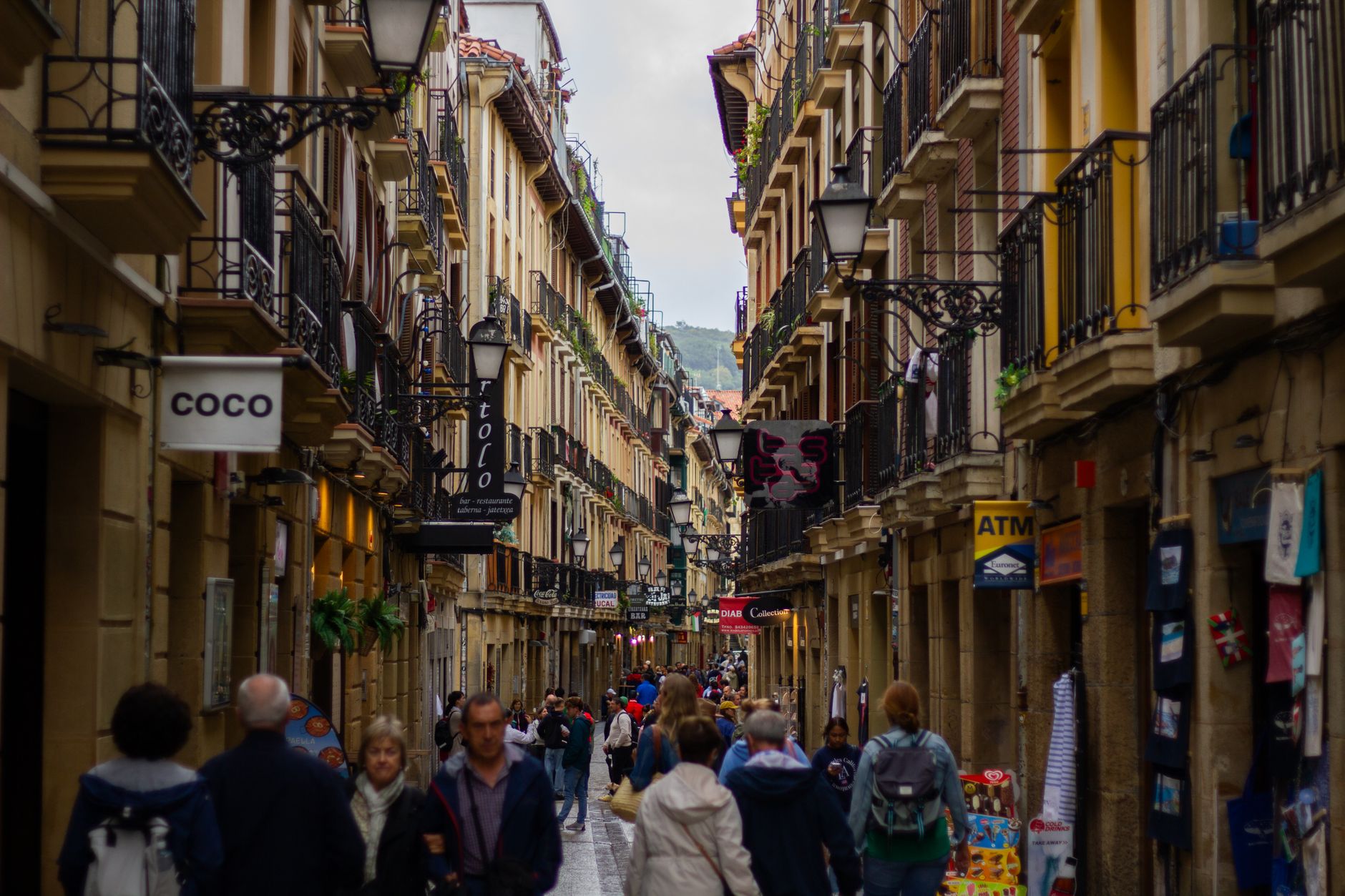
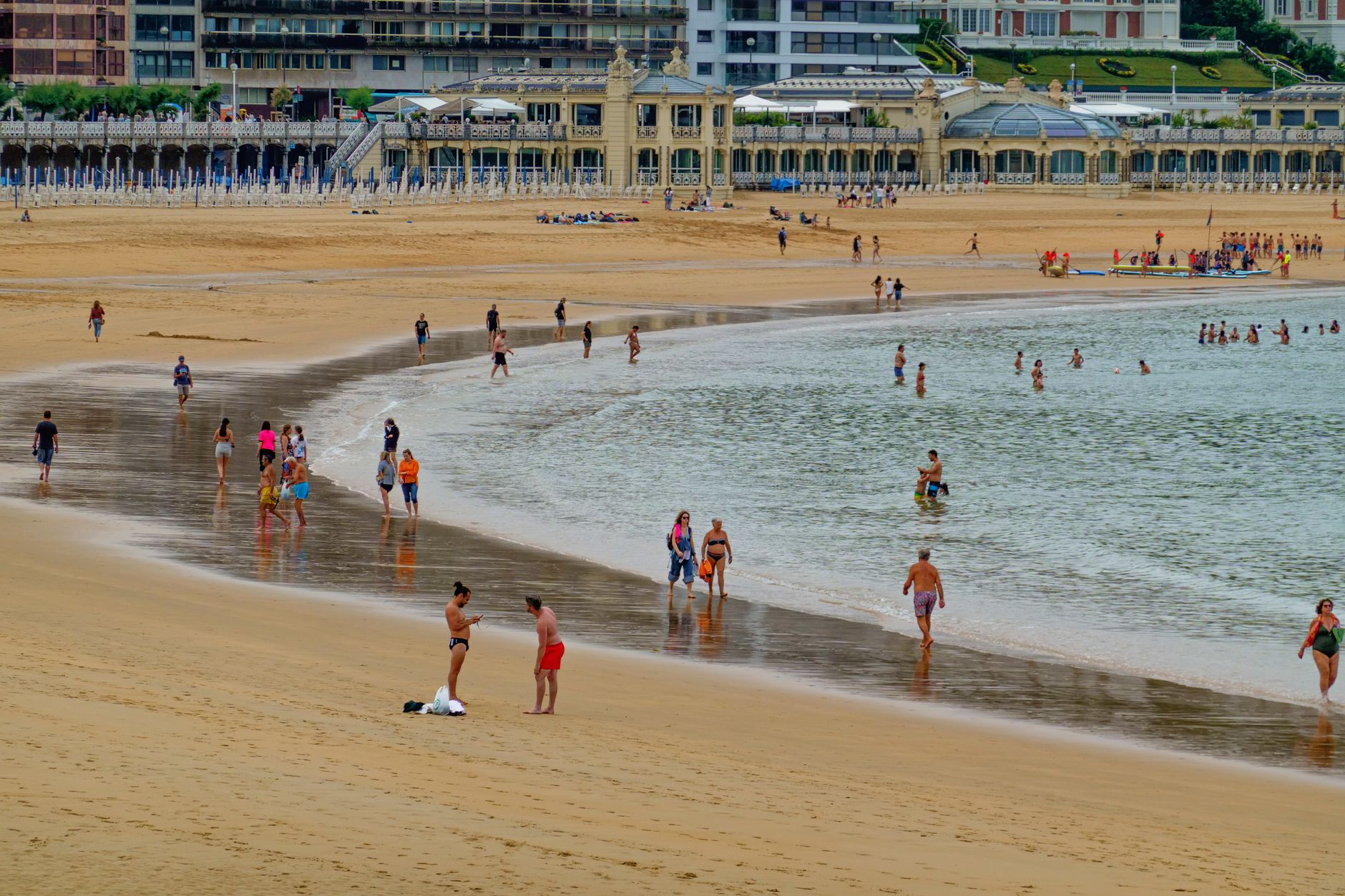
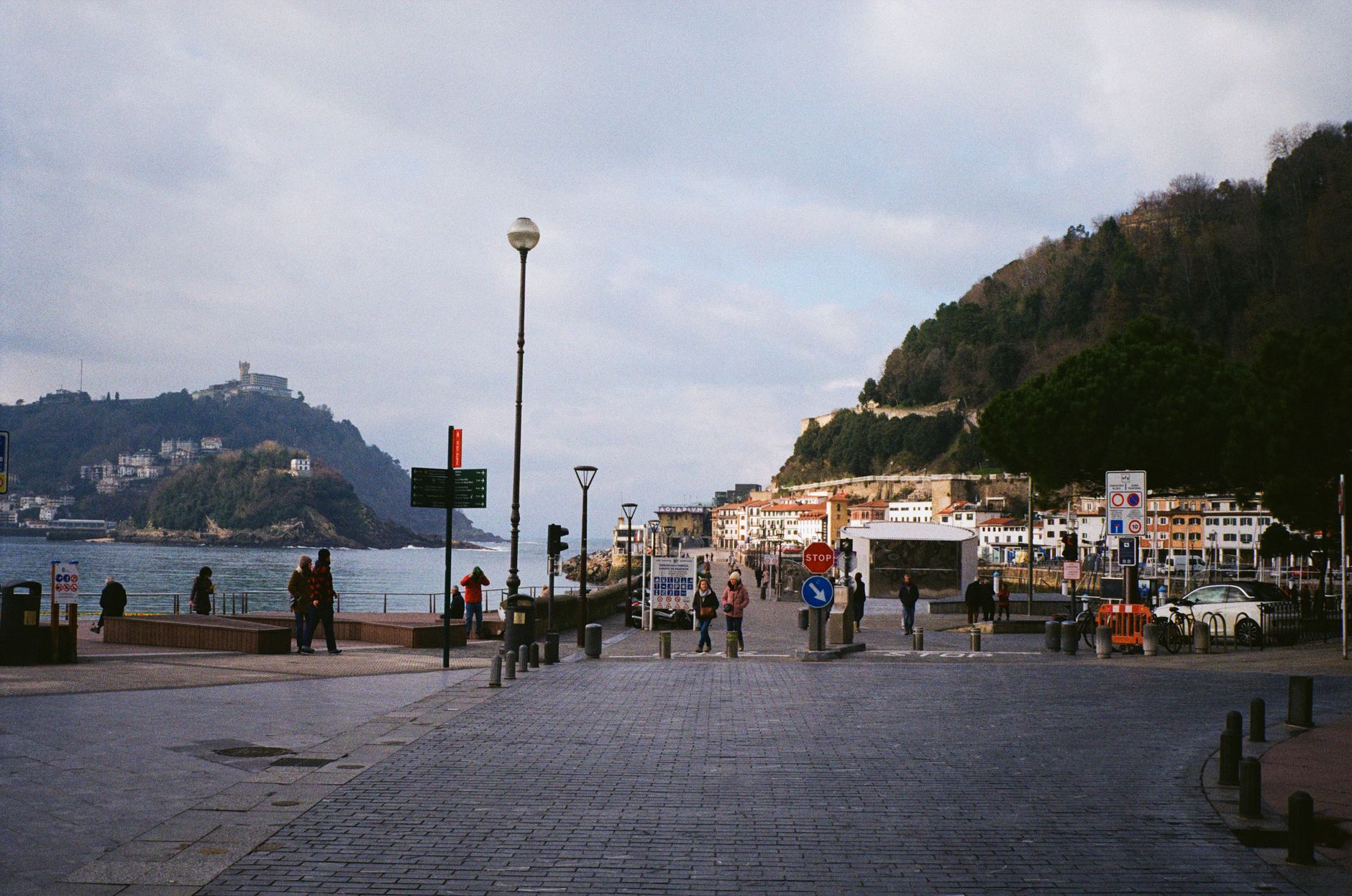
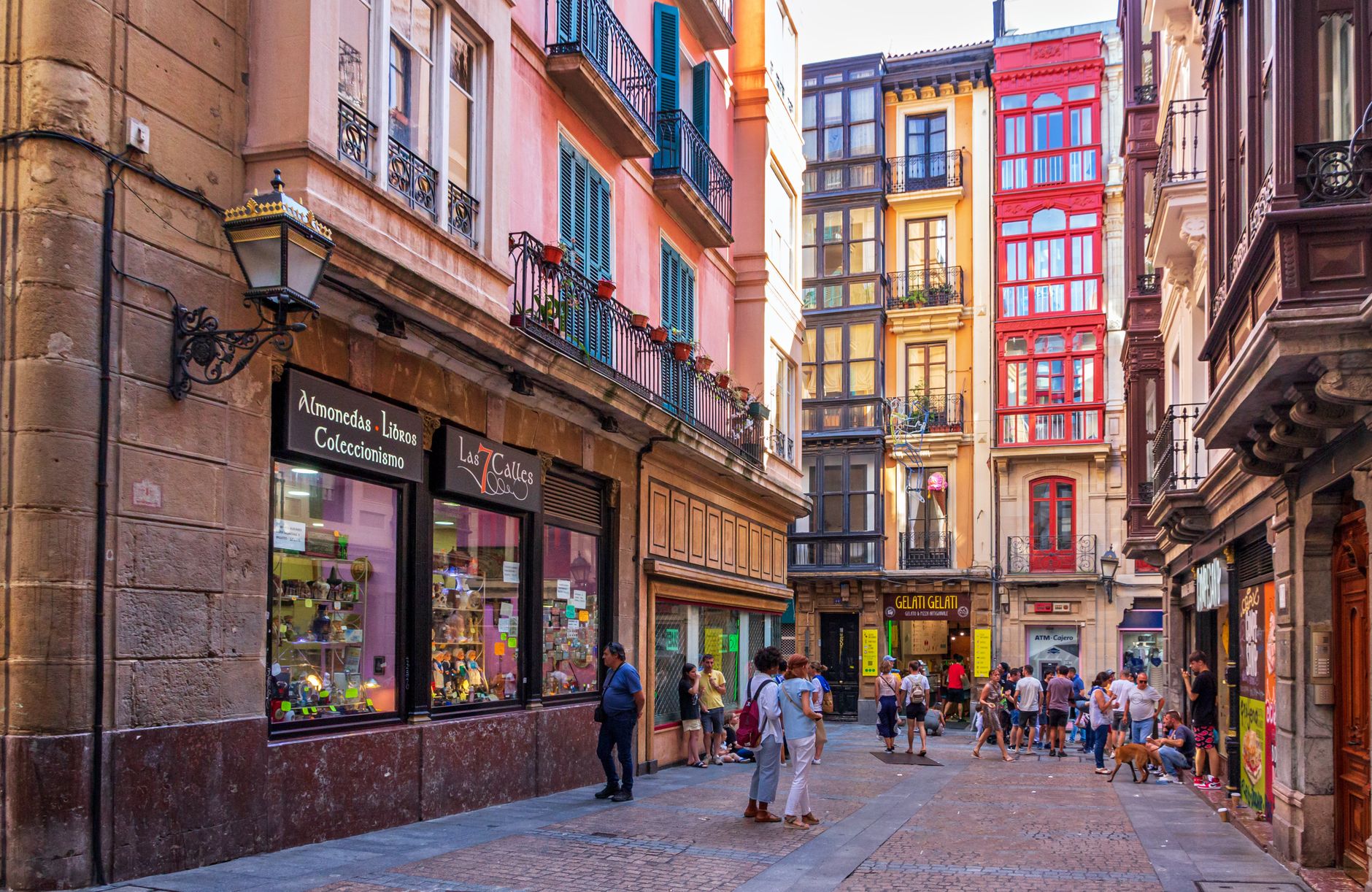
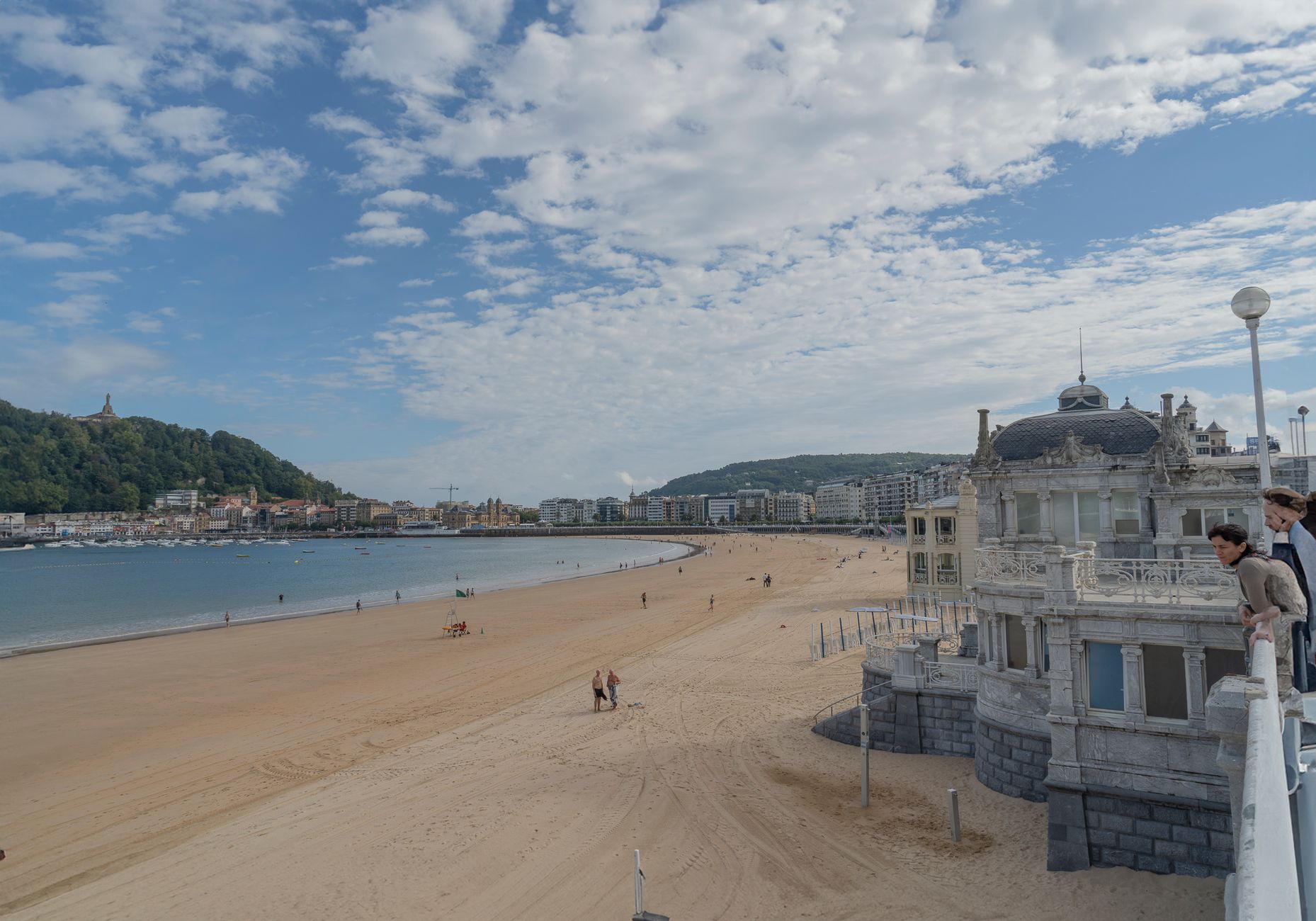
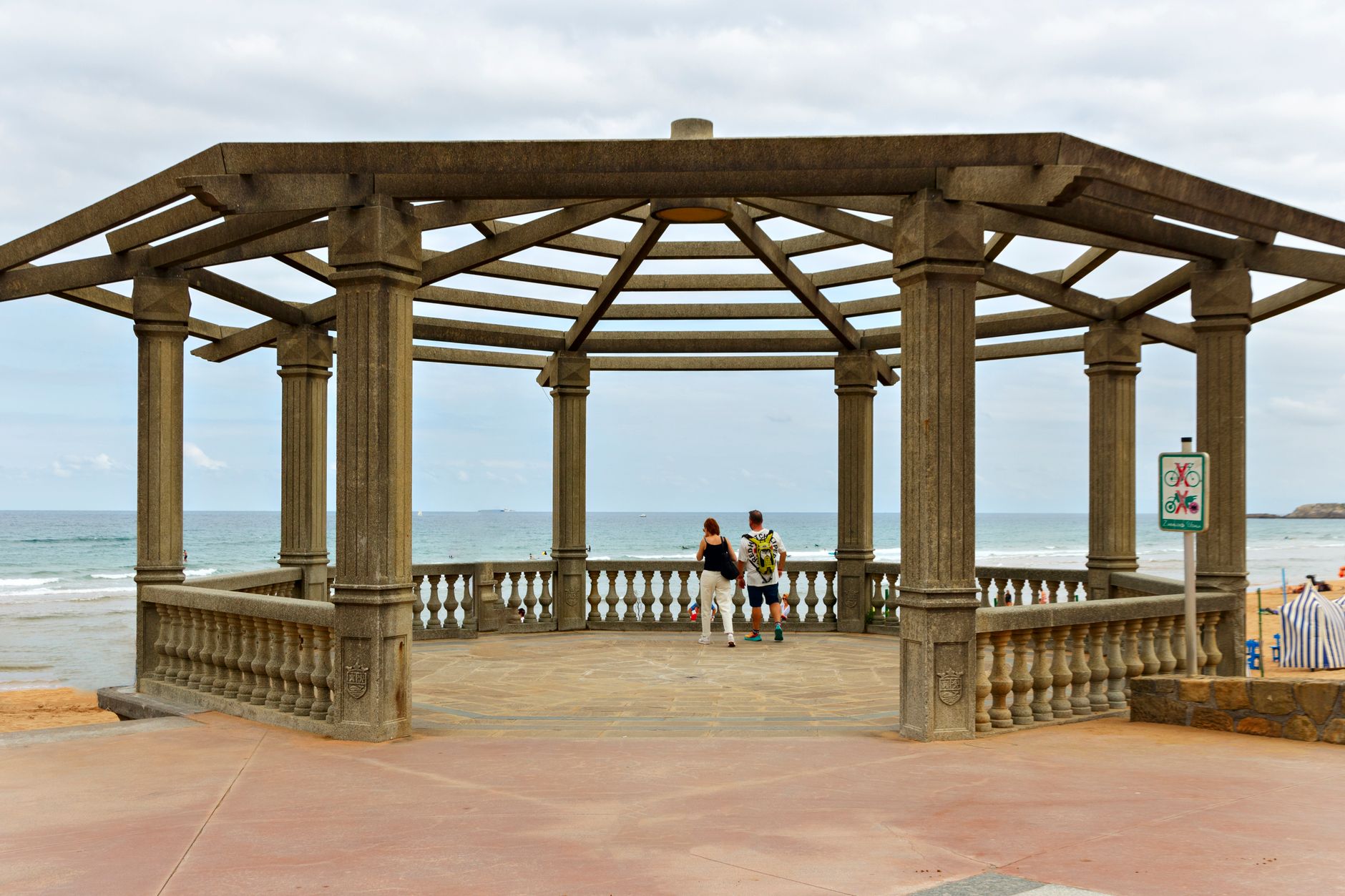
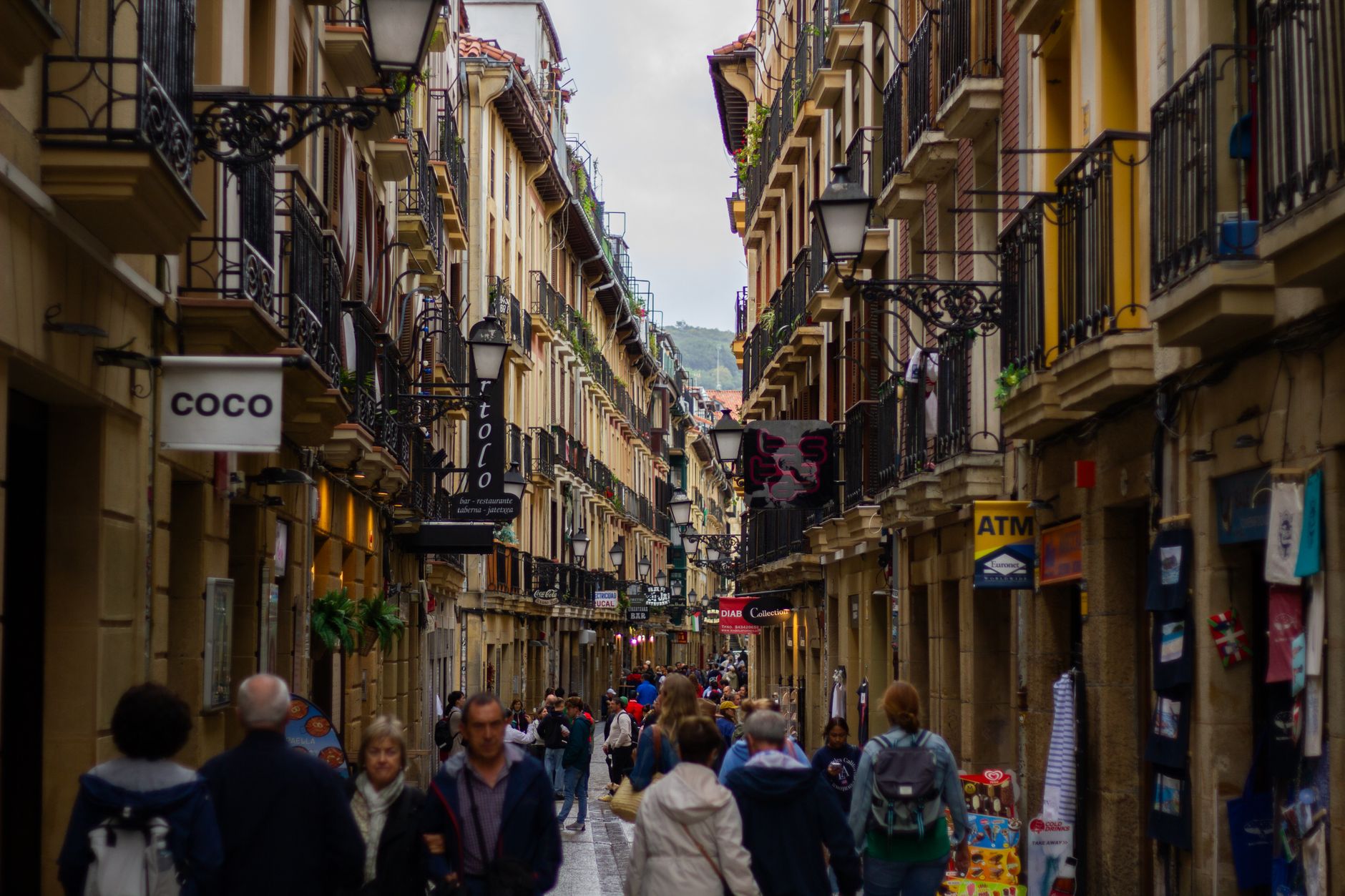
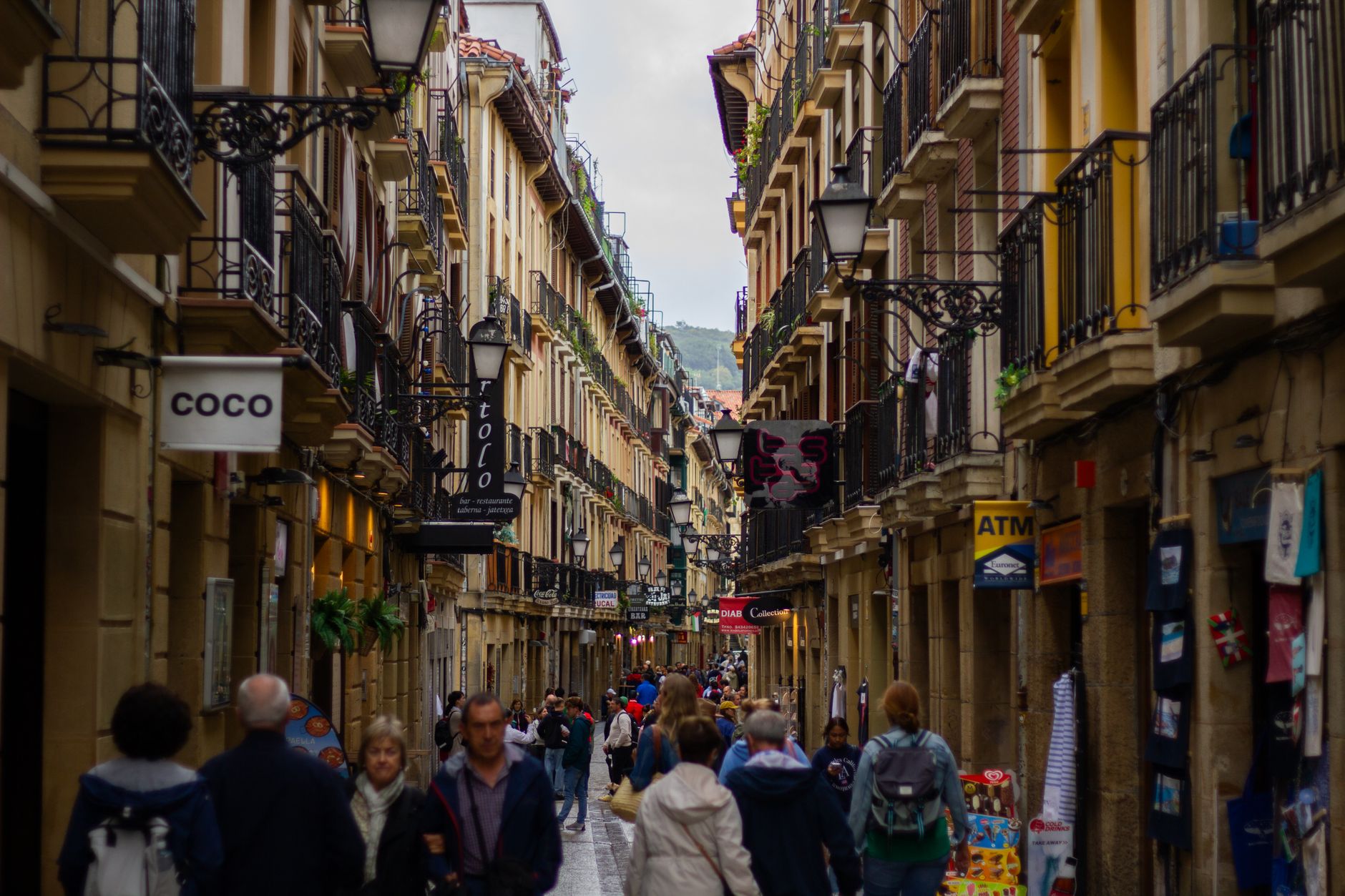
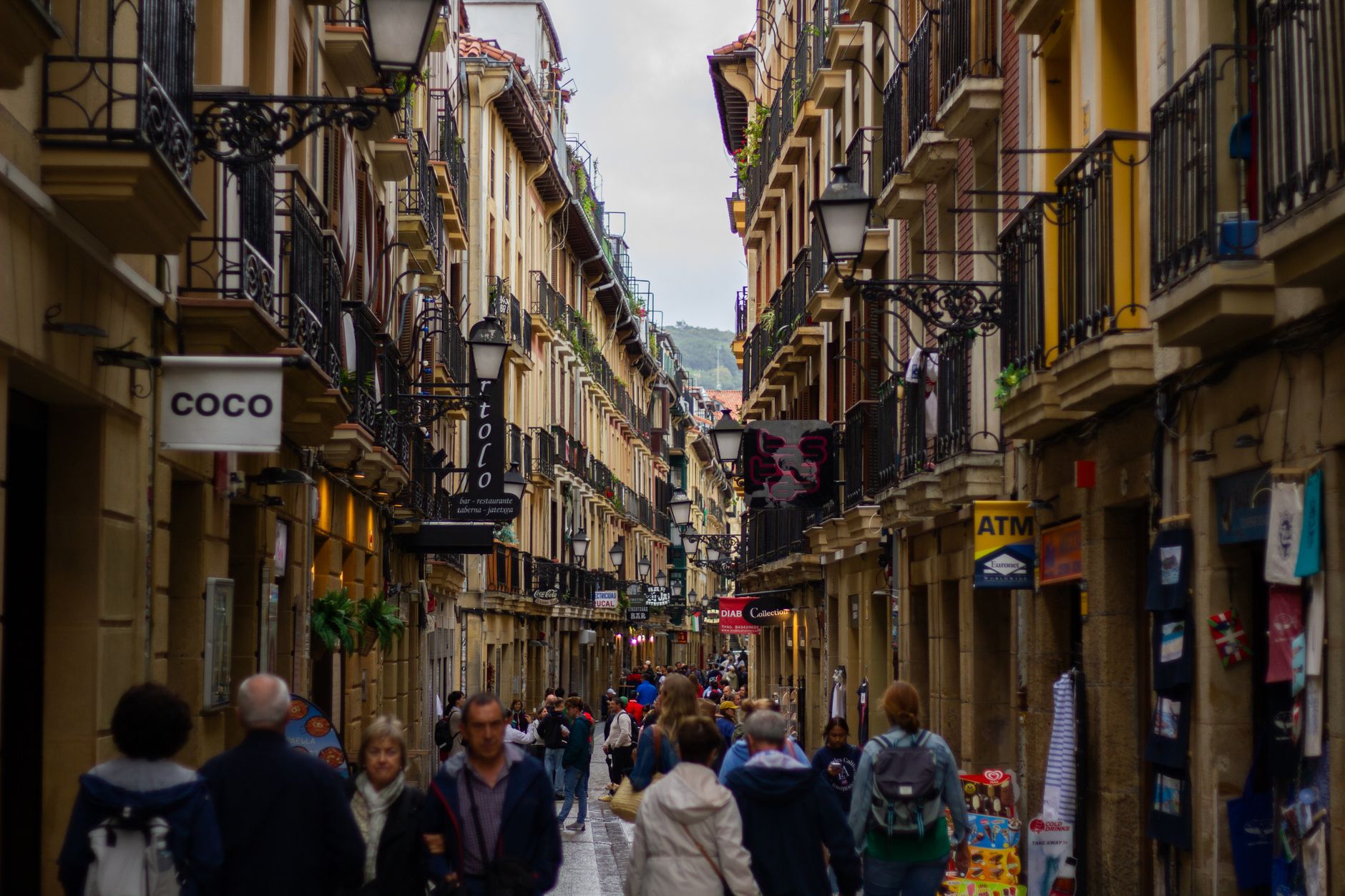
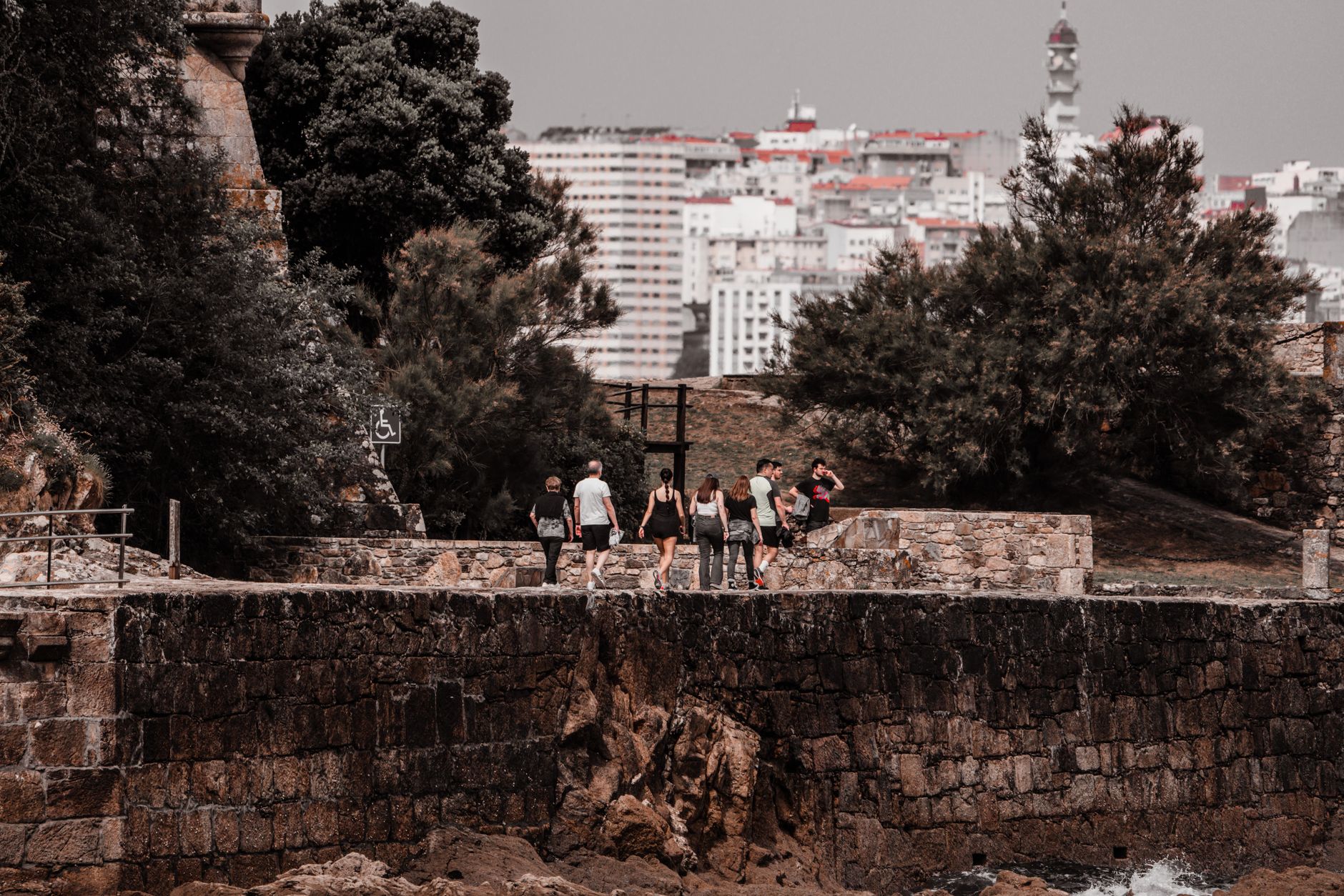
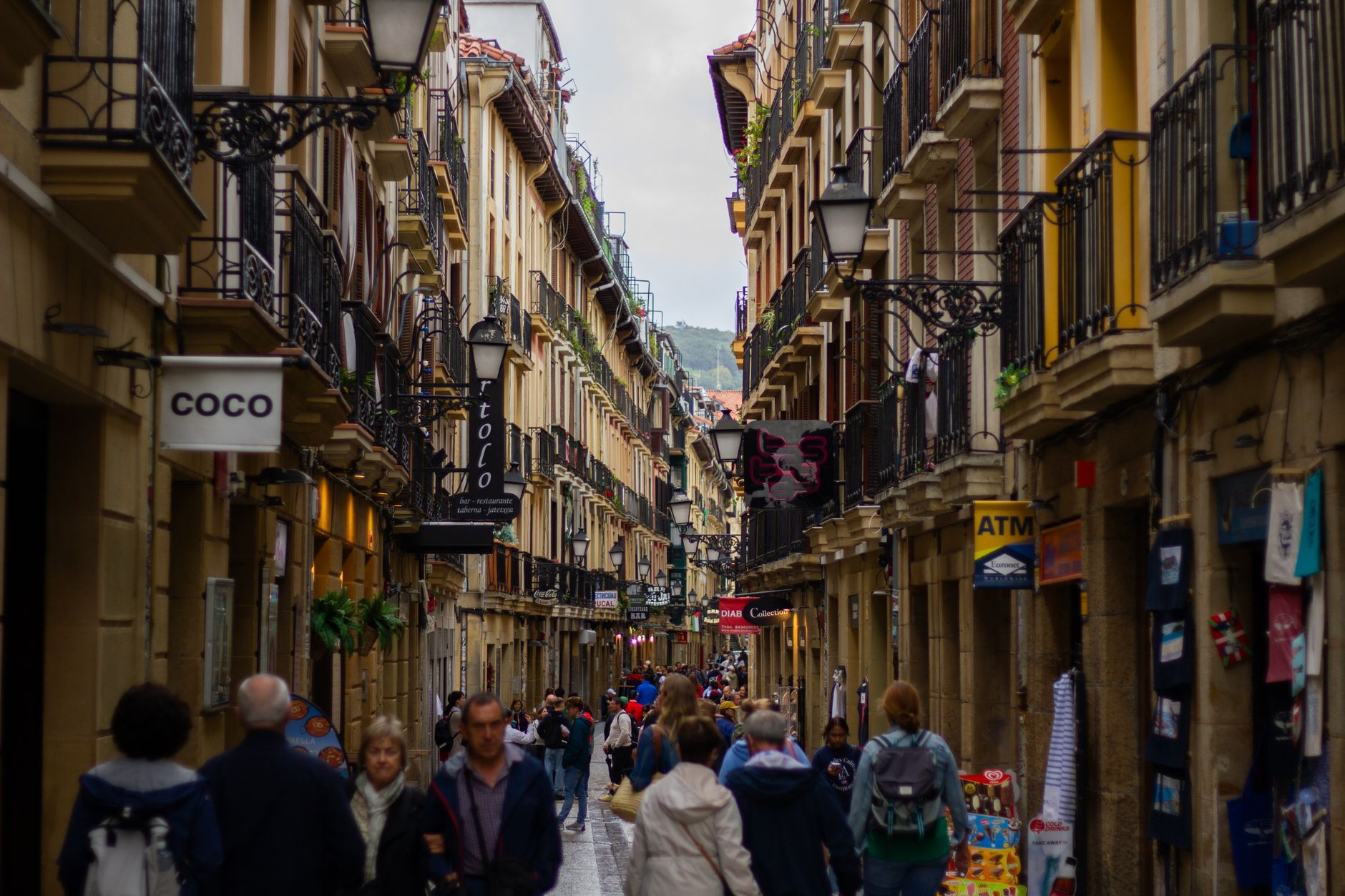
The Basque Country runs from the Atlantic coast down into the Pyrenean foothills, and it operates on its own logic. The language — Euskara — predates every other tongue in Europe and belongs to no known family. The food alone draws people across continents: pintxos bars in San Sebastián's Parte Vieja, where a single counter can hold more culinary invention than most restaurant menus. Three Spanish provinces — Araba, Bizkaia, Gipuzkoa — form the autonomous community; three more sit across the border in France.
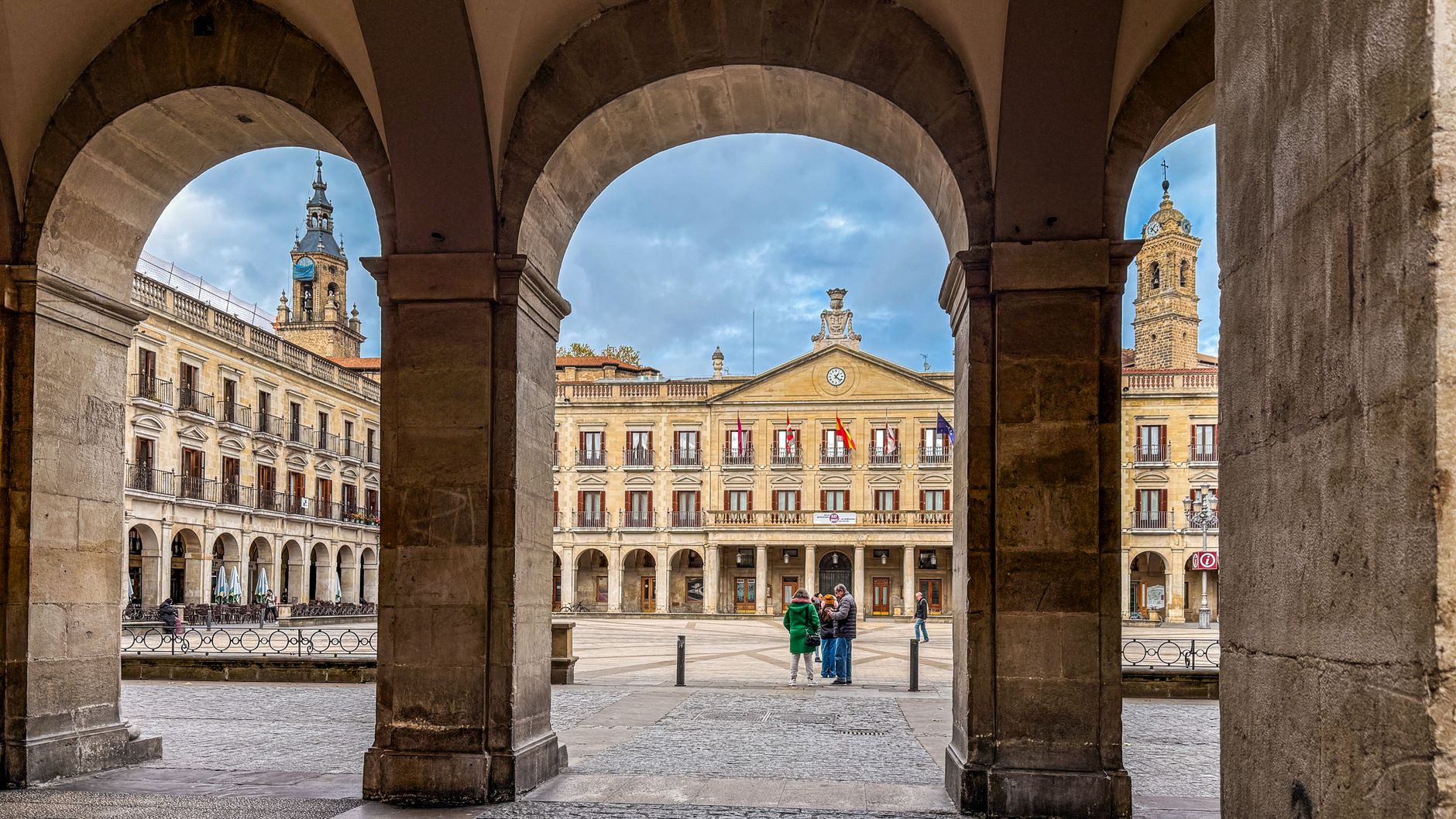
Bilbao anchors the west, its post-industrial riverfront now defined by Frank Gehry's titanium-clad Guggenheim and Santiago Calatrava's arching Zubizuri bridge. San Sebastián curves around La Concha Bay to the east. Vitoria-Gasteiz, the quiet capital, sits inland. Each city has a distinct tempo, and the countryside between them — green, steep, frequently misted — is a region in itself.
Popular cities in Basque Country
💛 What travellers fall for
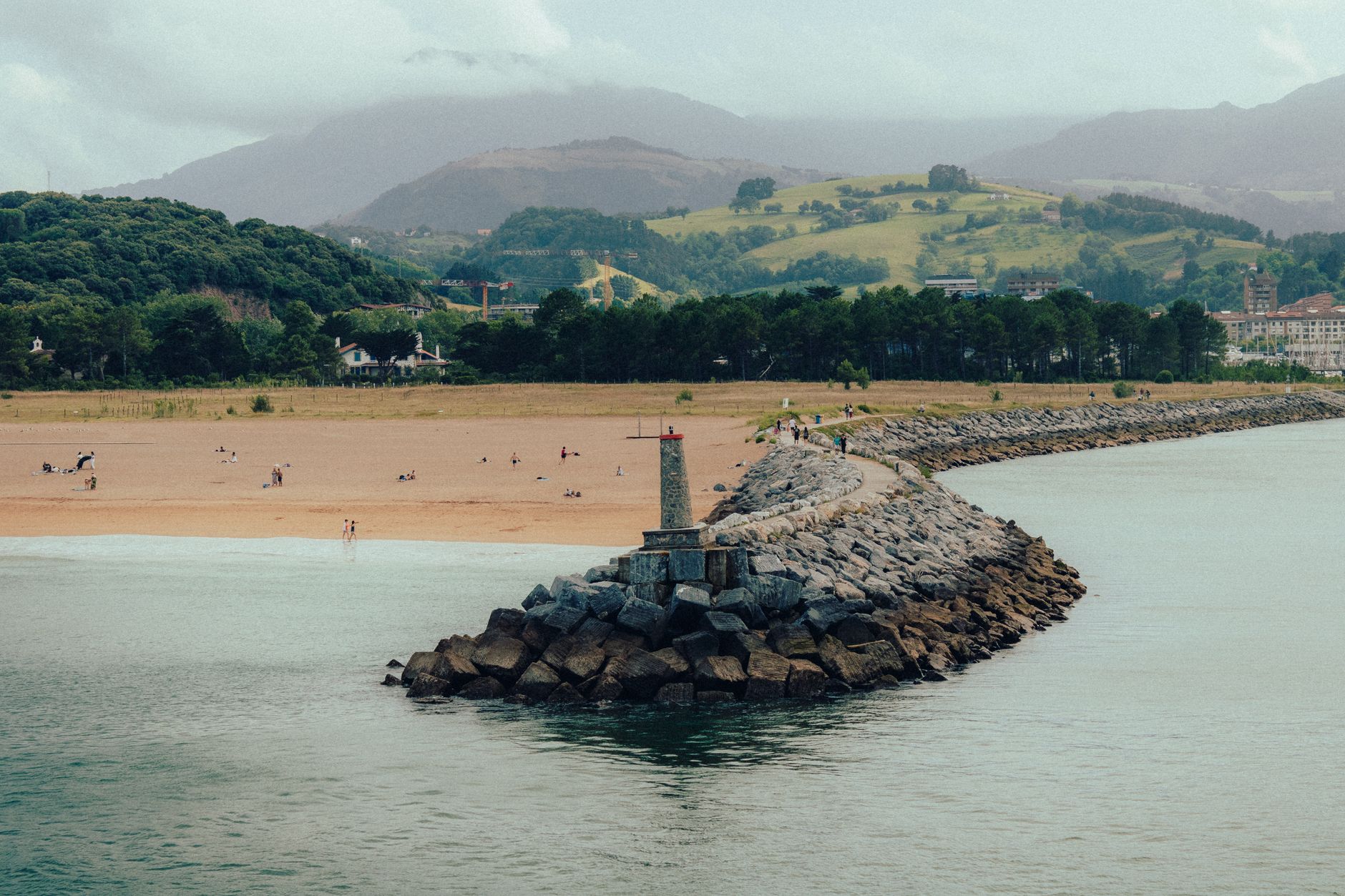
People who come back tend to split their time differently on return: less city-hopping, more time on the Euskotren coastal line watching the Atlantic appear between tunnels. They also stop skipping Vitoria-Gasteiz — the Gothic cathedral there runs scaffolding tours that let you into the walls themselves, which is stranger and better than it sounds.
Experiences you don't want to miss


How Basque Country came to be
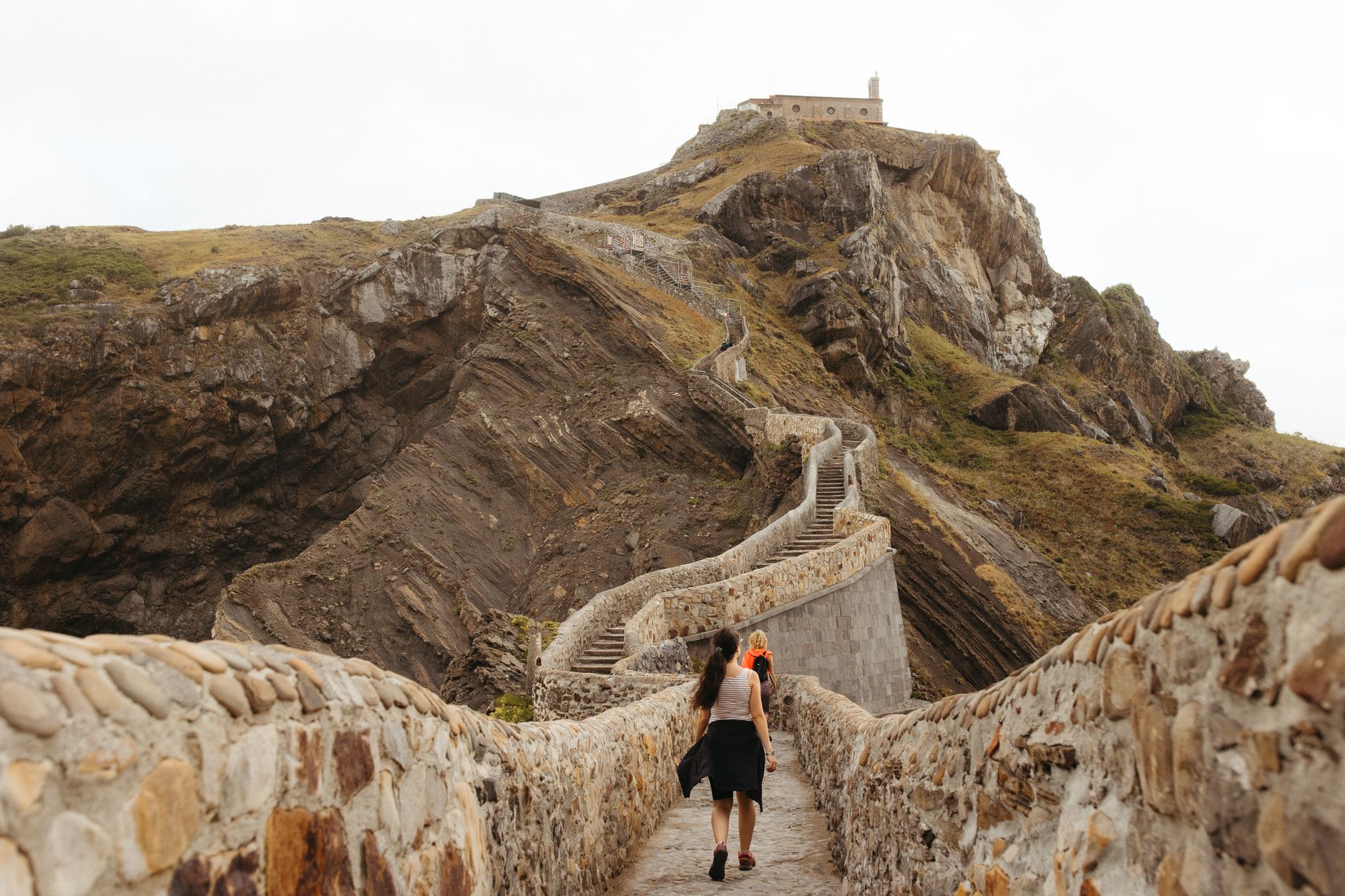
People have lived here for roughly 200,000 years, and the Santimamiñe caves outside Gernika hold traces of culture going back 20,000. When Rome moved into the Iberian Peninsula in 196 B.C., the Basques absorbed the occupation without surrendering their laws or language — a pattern that would repeat across centuries. From around A.D. 824 the region fell within the Kingdom of Navarre; by 1515, much of Navarre had been folded into the Crown of Castile. Madrid abolished Basque self-government in 1839. The current borders between the Spanish and French provinces trace back to the Treaty of the Pyrenees in 1659.
The 20th century was harder. ETA, the armed separatist organisation formed in 1959, killed more than 800 people over decades before disbanding in 2018. The Basque Government itself was only established in 1981, when the three Spanish provinces ratified the Gernika Statute of Autonomy. The Guggenheim Bilbao, which opened in 1997, arrived at a moment when the region was actively rebuilding — economically and symbolically — and the building became shorthand for that transformation worldwide.
Who and what shaped it
People who shaped it
Landmark buildings
See Basque Country in motion
Plan your visit
On the map
When to go
The Atlantic coast is genuinely green because it genuinely rains — expect mild, wet weather much of the year, with summers warm but rarely hot and winters cool rather than cold. Inland around Vitoria-Gasteiz the climate is drier and more continental, with colder winters and hotter summers than the coast.
Right now
↡ Cities
No places match these filters.
Background & history adapted from Wikipedia (CC BY-SA) · specs from Wikidata (CC0) · weather from Open-Meteo · map data © OpenStreetMap contributors · photos from Wikimedia Commons / Unsplash with per-image credit. No third-party reviews or social posts reproduced.