
Lekeitio
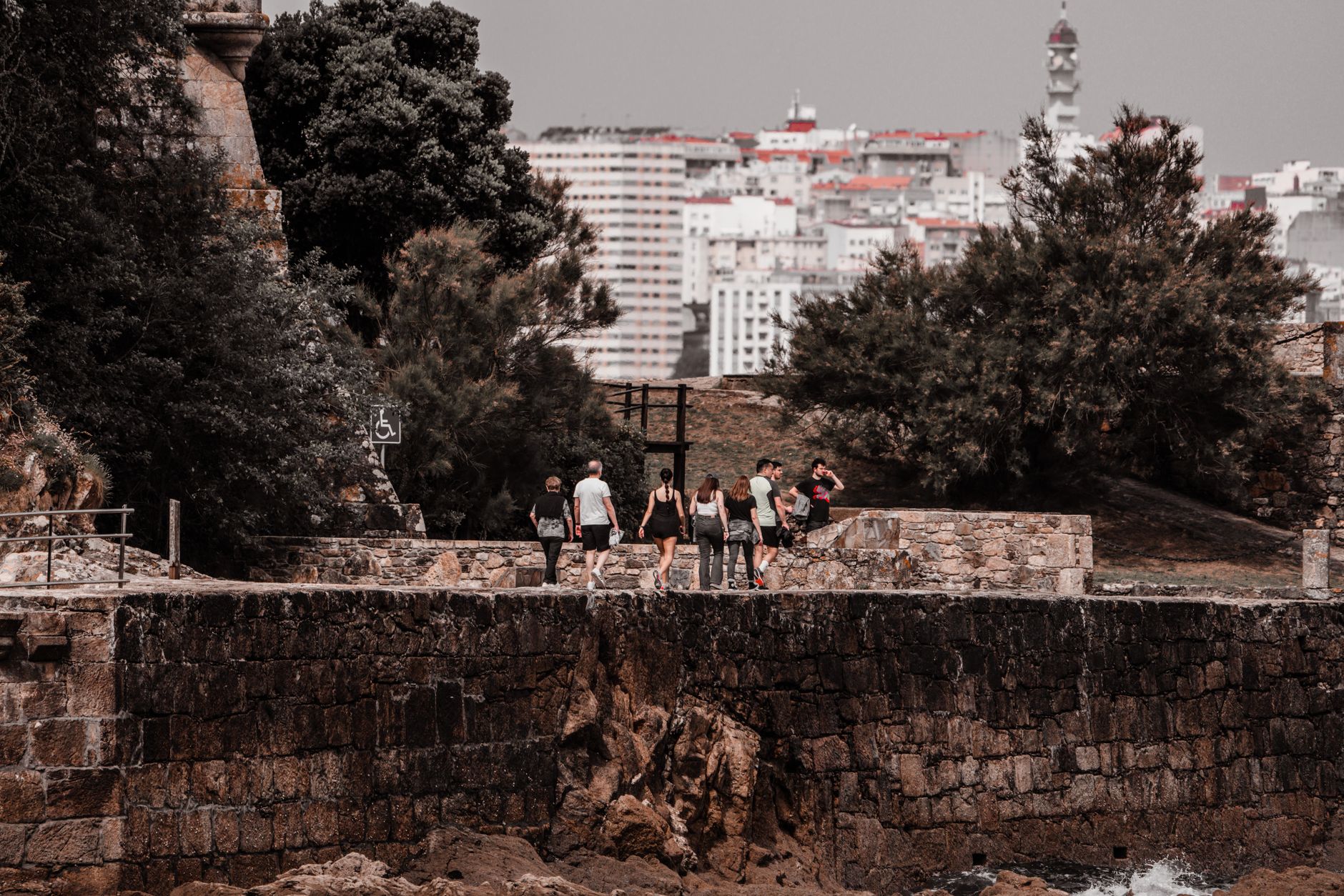
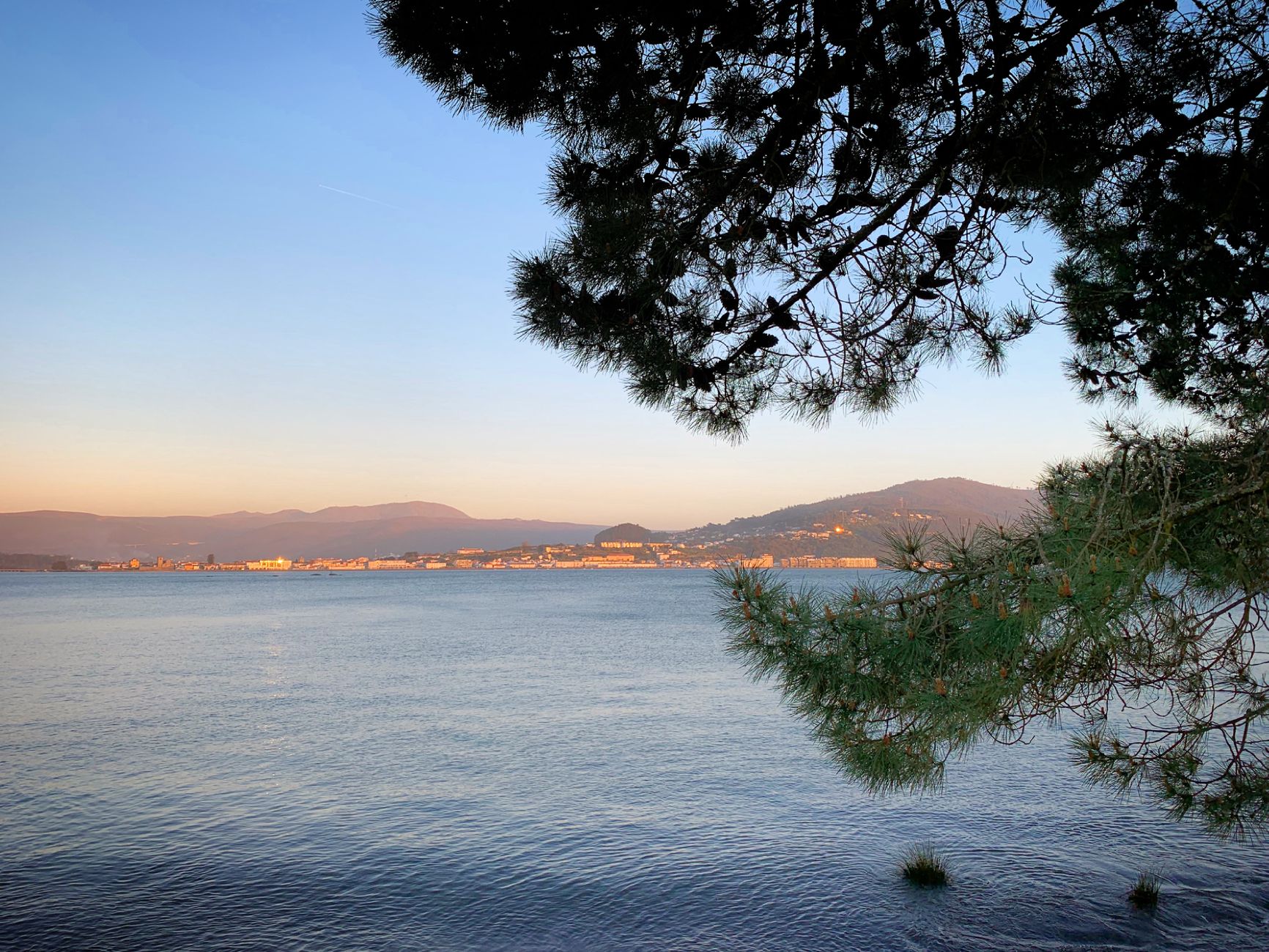
Stand on Lekeitio's harbour wall at low tide and you can walk out to the island of San Nicolás — a small, grassy hump in the middle of the bay that the sea reclaims every few hours. It's the kind of thing that makes this Basque fishing town feel slightly unreal, as if the rules of geography are loosely applied here.
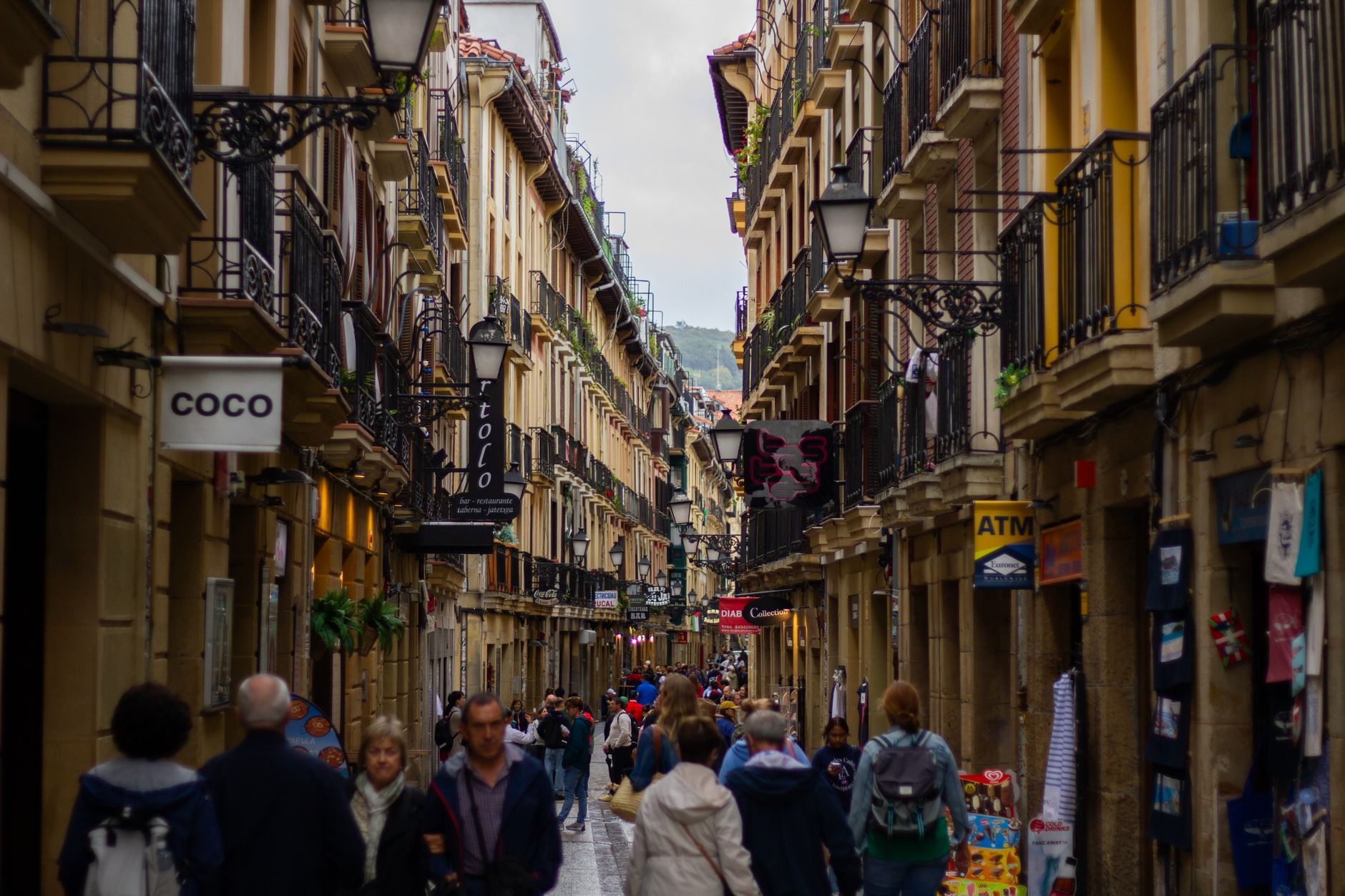
With just over seven thousand people, Lekeitio punches well above its size in architectural terms. The old quarter's narrow streets give onto a working port, and behind it rises a Gothic basilica whose gilded altarpiece — finished in 1514, one of the largest in Spain — would look more at home in a cathedral city than a town this small.
💛 What travellers fall for
People who keep coming back tend to mention the same sequence: morning coffee somewhere near the port, the walk up to the Santa Catalina lighthouse (the only one in the Basque Country you can actually go inside), and the choice between Isuntza beach for a calm swim or Karraspio across the Lea River when there's wind enough for something more active.
Experiences you don't want to miss



Deals in Lekeitio
Book directly at the provider
How Lekeitio came to be
Lekeitio received its founding charter in 1325 from María Díaz de Haro, and within a decade Alfonso XI had ordered walls built around it — a sign of how quickly the settlement mattered strategically. The town's early economy ran on whaling, and that maritime identity shaped everything from its architecture to its social structure through the medieval period.
The basilica of the Assumption was built between the fifteenth and sixteenth centuries on the site of an earlier Romanesque church, its Dutch gilded altarpiece completed in 1514. The Convent of Santo Domingo followed in 1396. Centuries later, in 1978, Lekeitio entered a different kind of history when Herri Batasuna held its founding convention here. The town's shift toward tourism came gradually through the twentieth century, without entirely displacing the fishing life that still anchors the port.
Who and what shaped it
People who shaped it
Landmark buildings
See Lekeitio in motion
Plan your visit
On the map
When to go
Summers are mild and comfortable, peaking around 24°C in August, with July offering the most sunshine — about six hours a day on average. Winters are long and wet, with November the rainiest month; over 1,300mm of rain falls across the year, so waterproofs earn their place in your bag regardless of the season.
Right now
Background & history adapted from Wikipedia (CC BY-SA) · specs from Wikidata (CC0) · weather from Open-Meteo · map data © OpenStreetMap contributors · photos from Wikimedia Commons / Unsplash with per-image credit. No third-party reviews or social posts reproduced.