
Irún
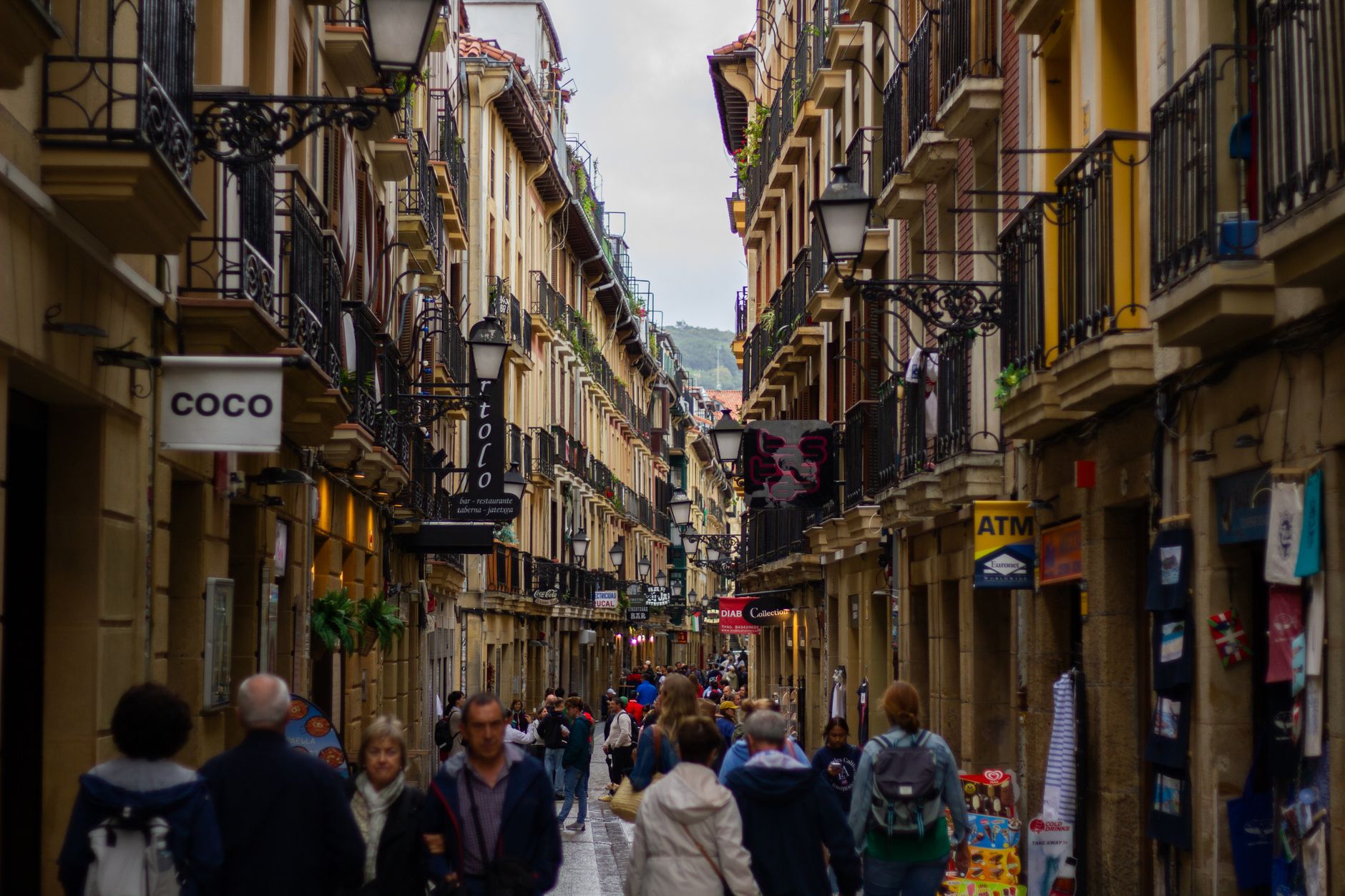
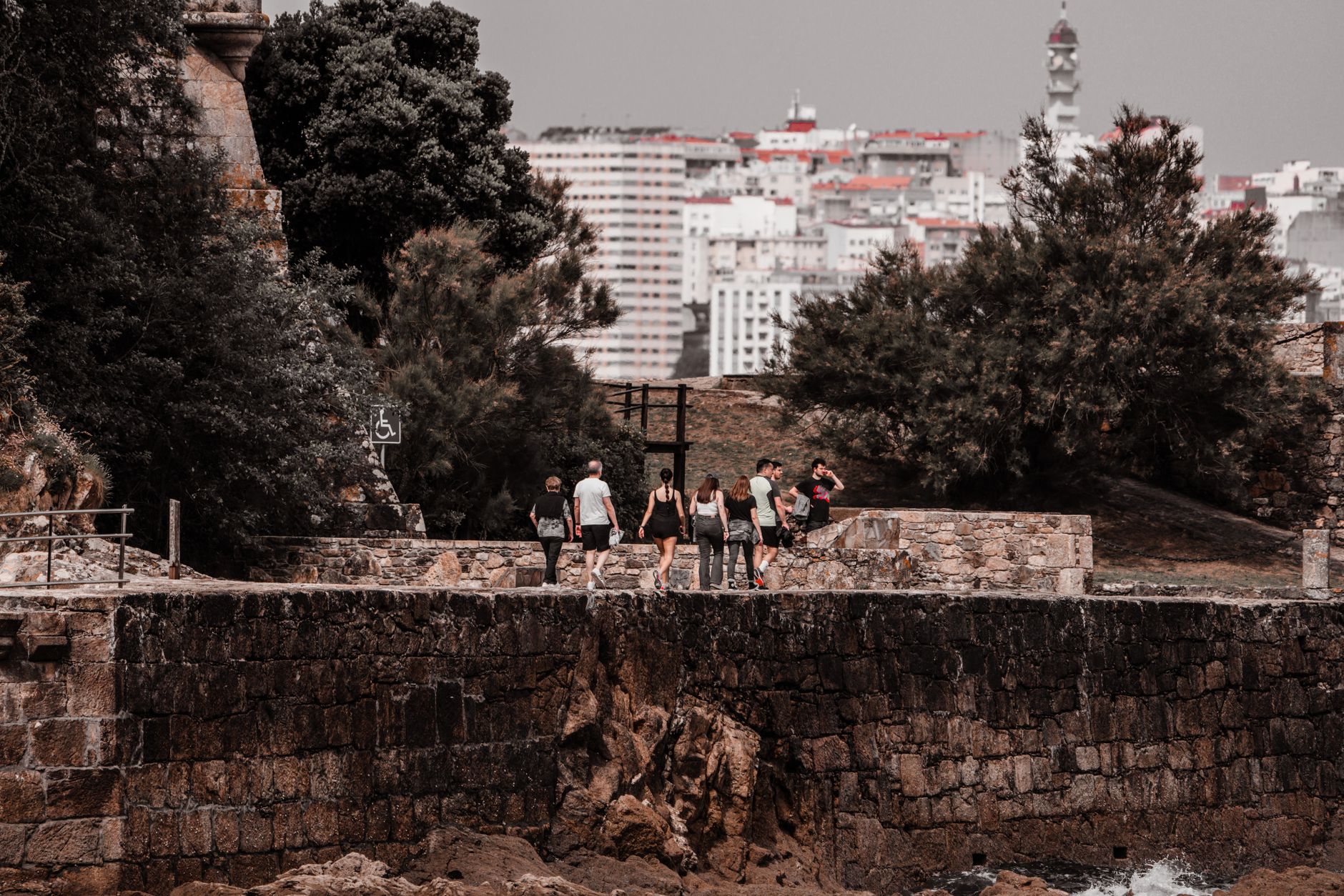
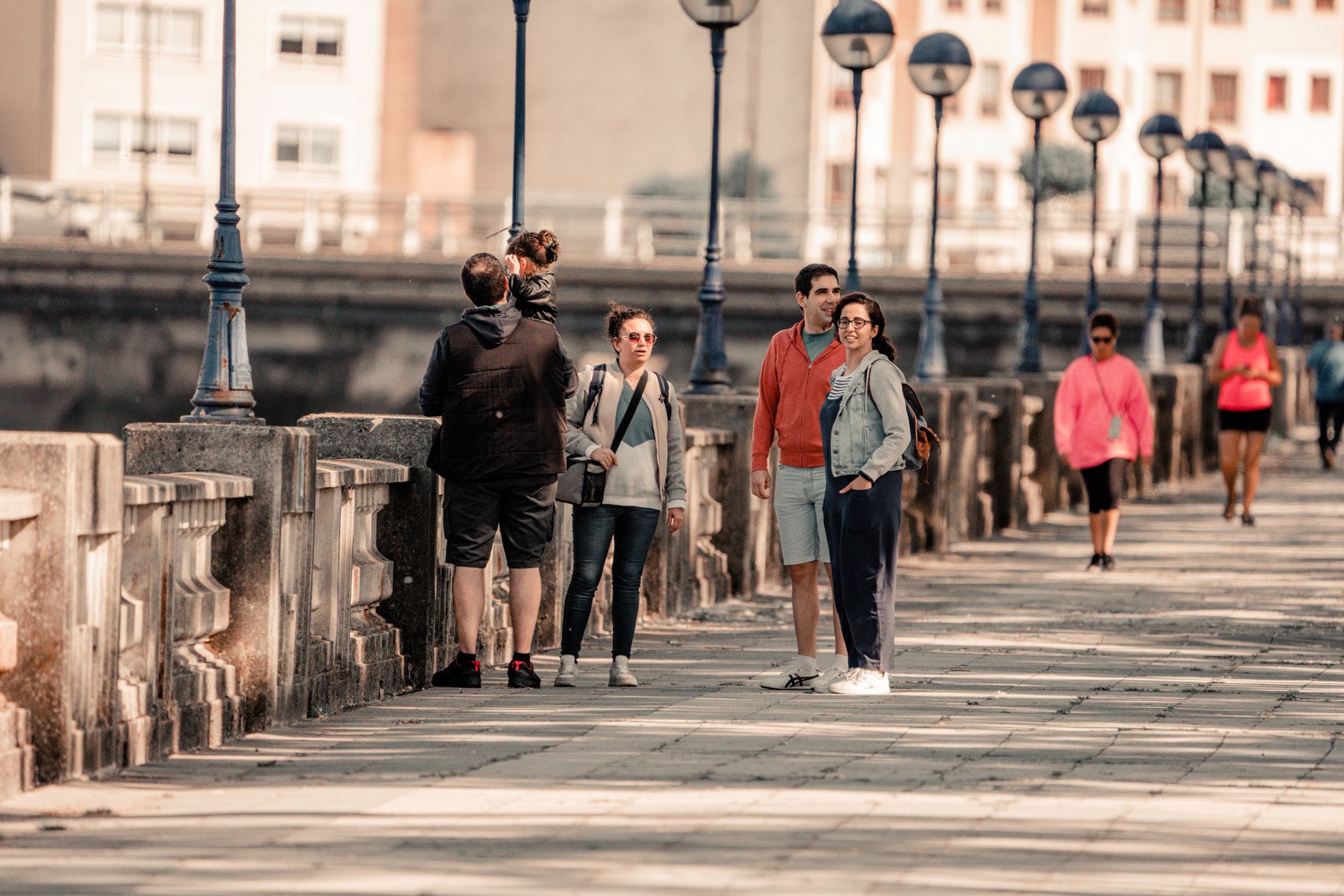
Irún is the last Spanish city before France, and it wears that border identity plainly. Trains stop here because the rail gauge changes — Iberian to standard — and that small engineering fact has shaped the town for over a century and a half. Goods, people, and ideas have passed through since the Romans built a port here called Oiasso, one of the Atlantic arc's significant early cities.
What that history leaves behind is layered and walkable: a Gothic church that took a full century to finish, a lone Renaissance column that became the town's civic symbol, and a Roman museum opened in 2006 on the ground where the ancient port once stood.
💛 What travellers fall for
People who pass through more than once tend to linger at the Oiasso Roman Museum longer than planned — the port and baths section especially. The Euskotren to Hendaye runs every twenty minutes for about a euro, so a quick cross-border afternoon is easy. The Church of Santa María del Juncal is quieter on weekday mornings.
Experiences you don't want to miss




Deals in Irún
Book directly at the provider

How Irún came to be
Long before the current city took administrative shape, this ground was Oiasso — a Roman-Vasconic port active from roughly the 1st to the 3rd century, connecting the Iberian Peninsula to the rest of the empire by sea. The Santa Elena Hermitage nearby has served as a place of worship for over twenty centuries, and its site has yielded some of the most telling archaeological finds.
The town's modern story carries harder edges. In the summer of 1936, from August 19 to September 5, the Battle of Irún was fought here — one of the early engagements of the Spanish Civil War, ending in a Nationalist victory that closed the French border to the Republican side. The railway station, opened in 1863, has outlasted every political rupture, remaining one of the country's key transit junctions.
Who and what shaped it
People who shaped it
Landmark buildings
See Irún in motion
Plan your visit
On the map
When to go
Irún's oceanic climate means rain is possible in any month — nearly 1,650 mm falls across the year, with November the wettest. June through September is the most settled stretch, with temperatures between 20°C and 26°C; February is the coldest, averaging around 12°C.
Right now
Background & history adapted from Wikipedia (CC BY-SA) · specs from Wikidata (CC0) · weather from Open-Meteo · map data © OpenStreetMap contributors · photos from Wikimedia Commons / Unsplash with per-image credit. No third-party reviews or social posts reproduced.