
Zarautz
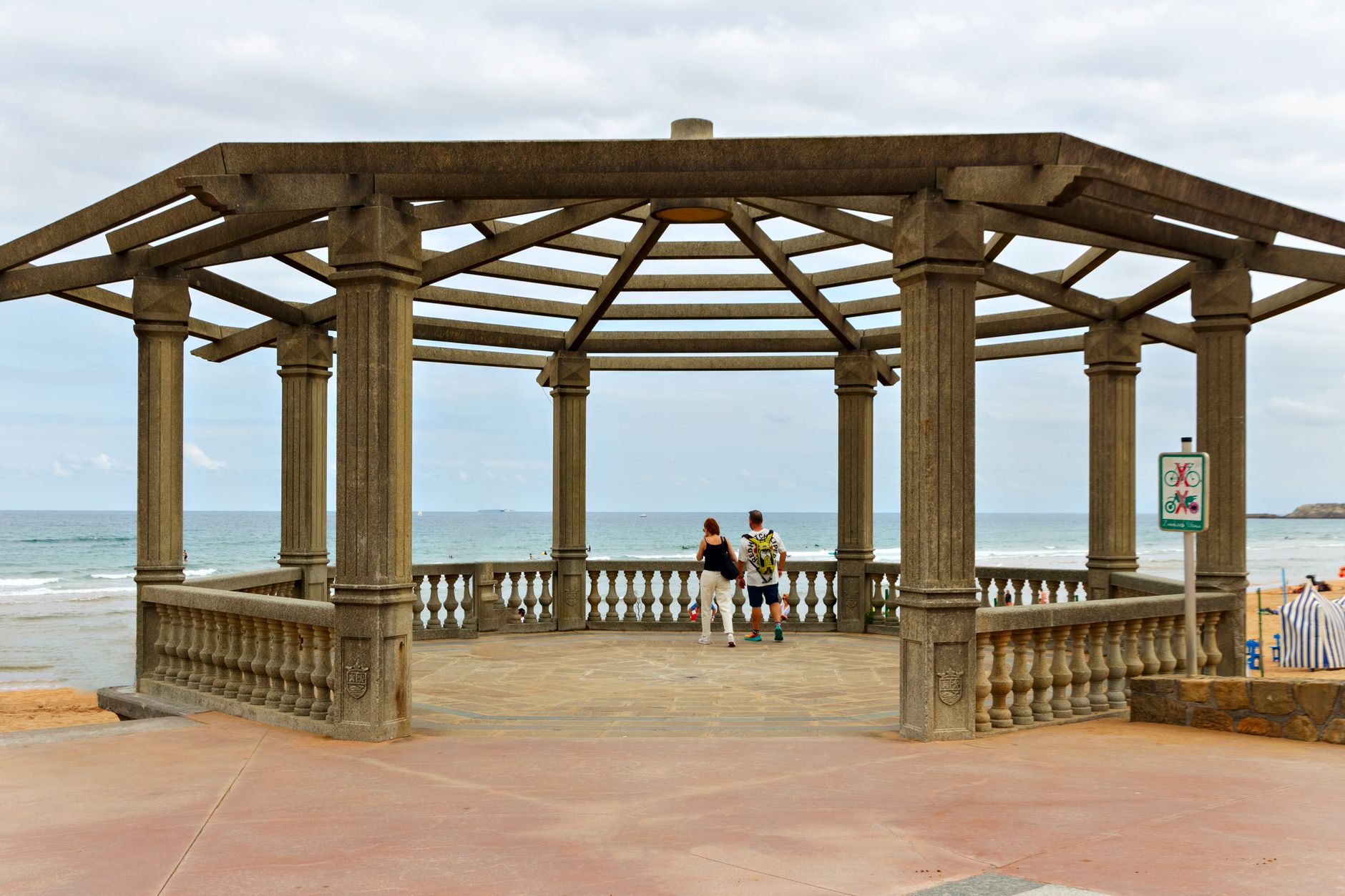
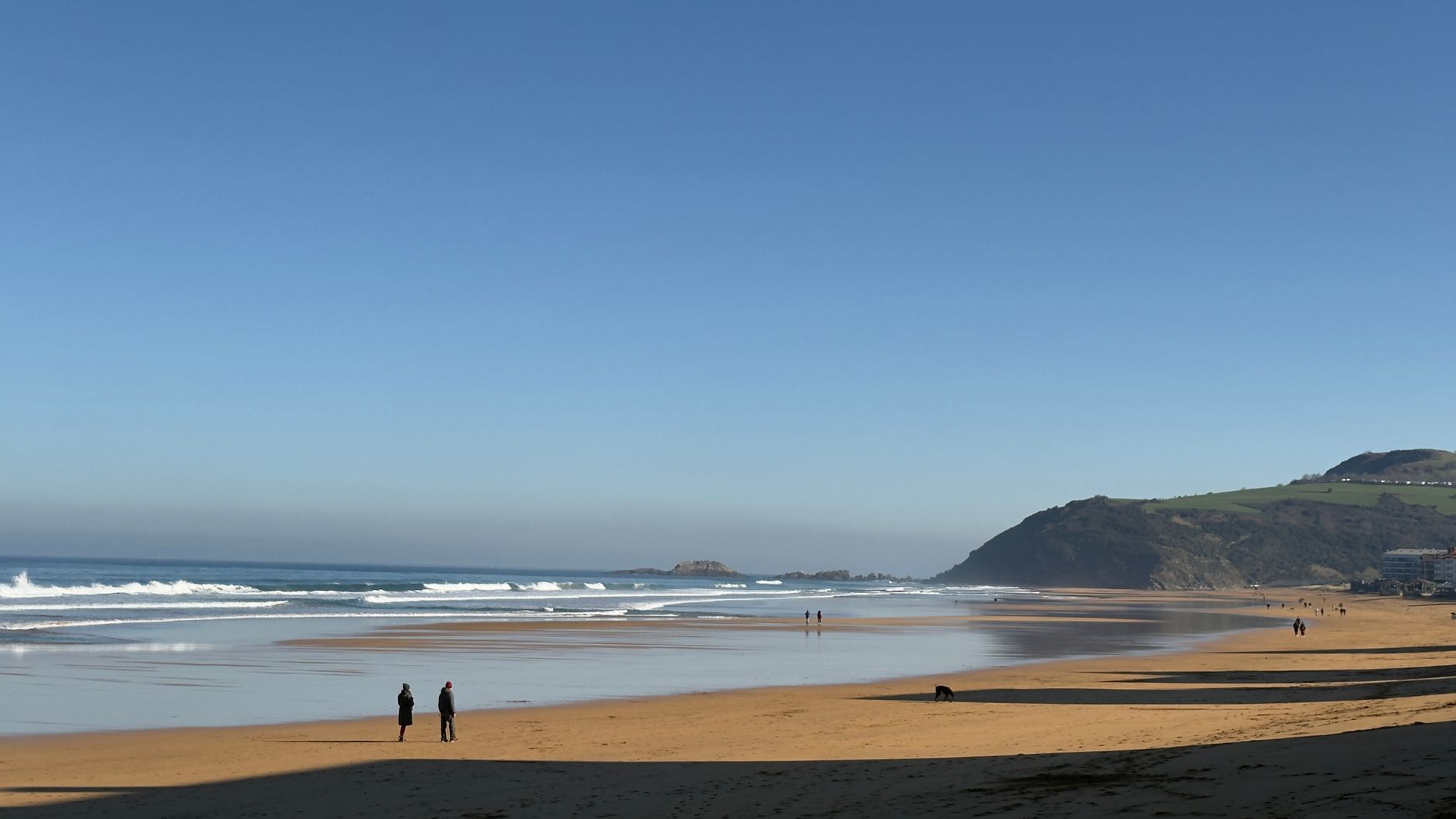
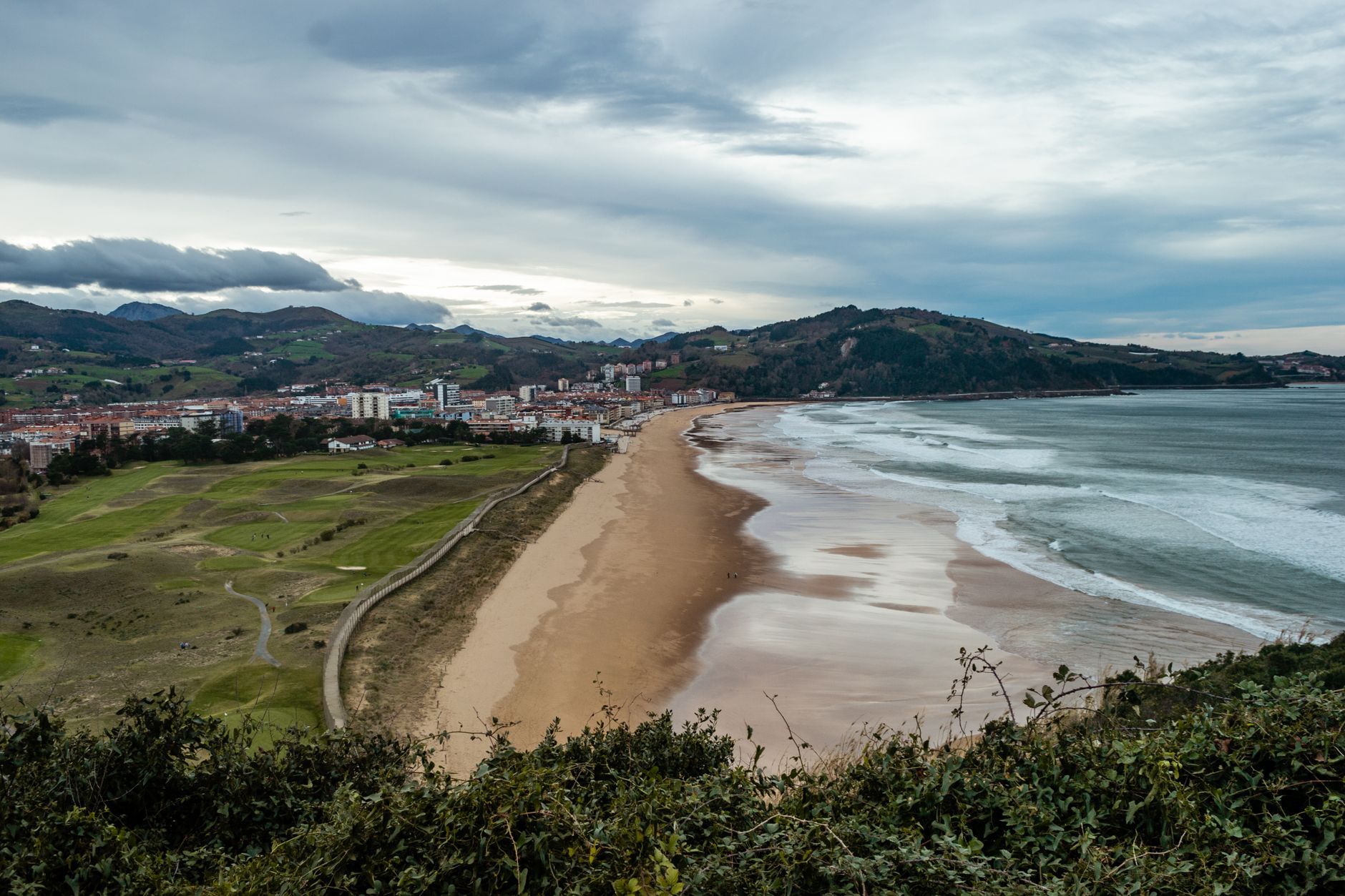
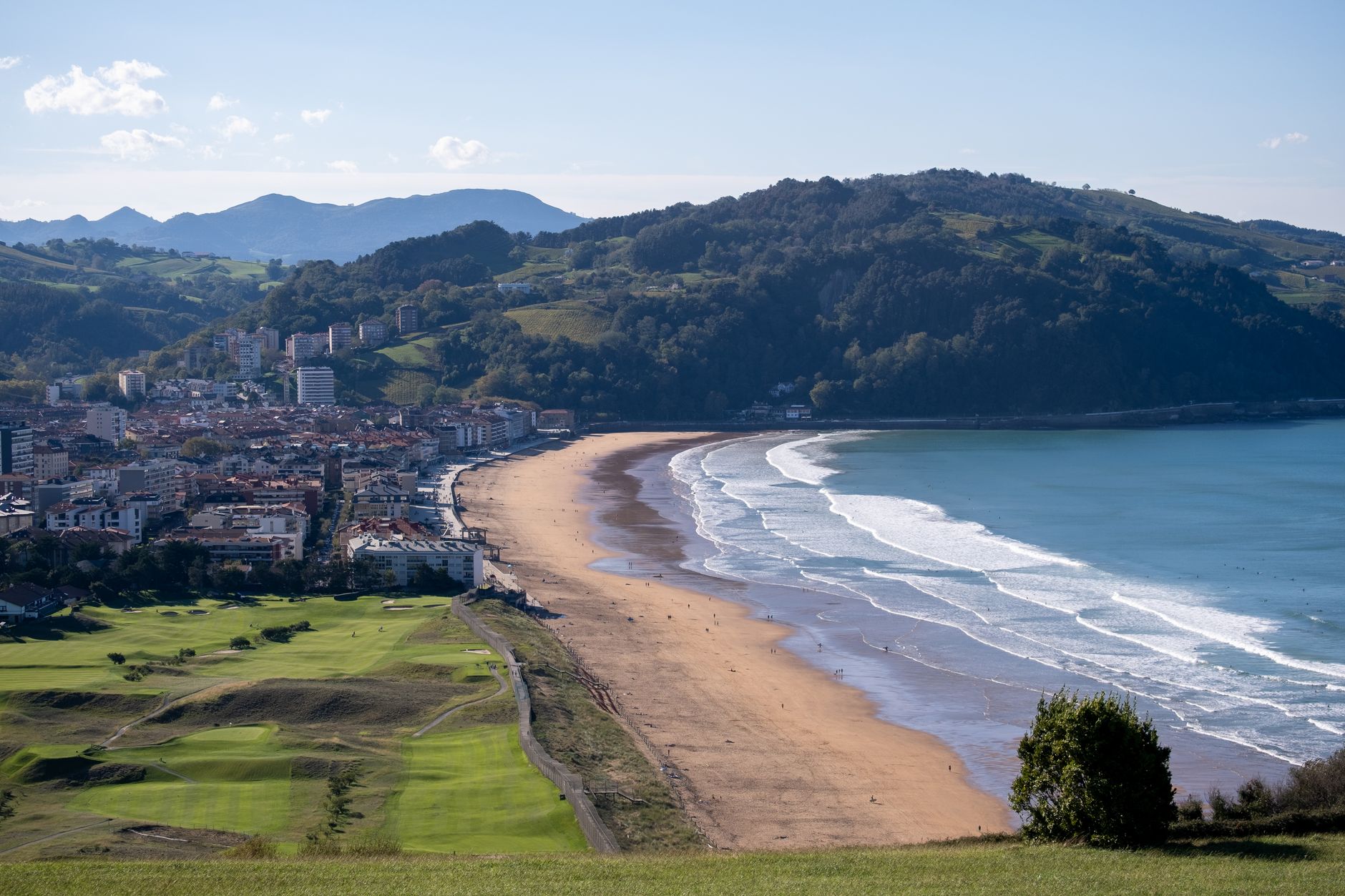
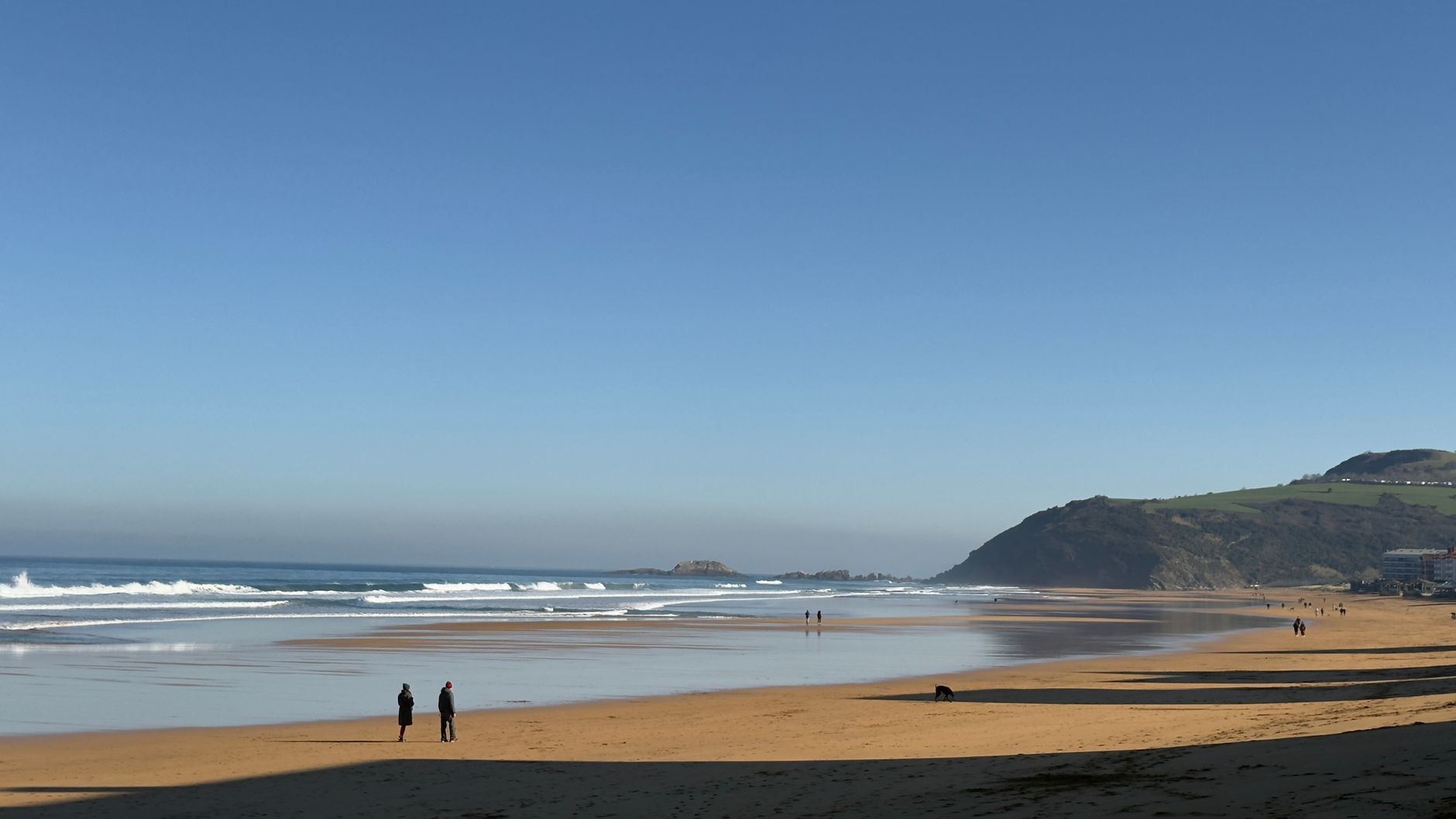
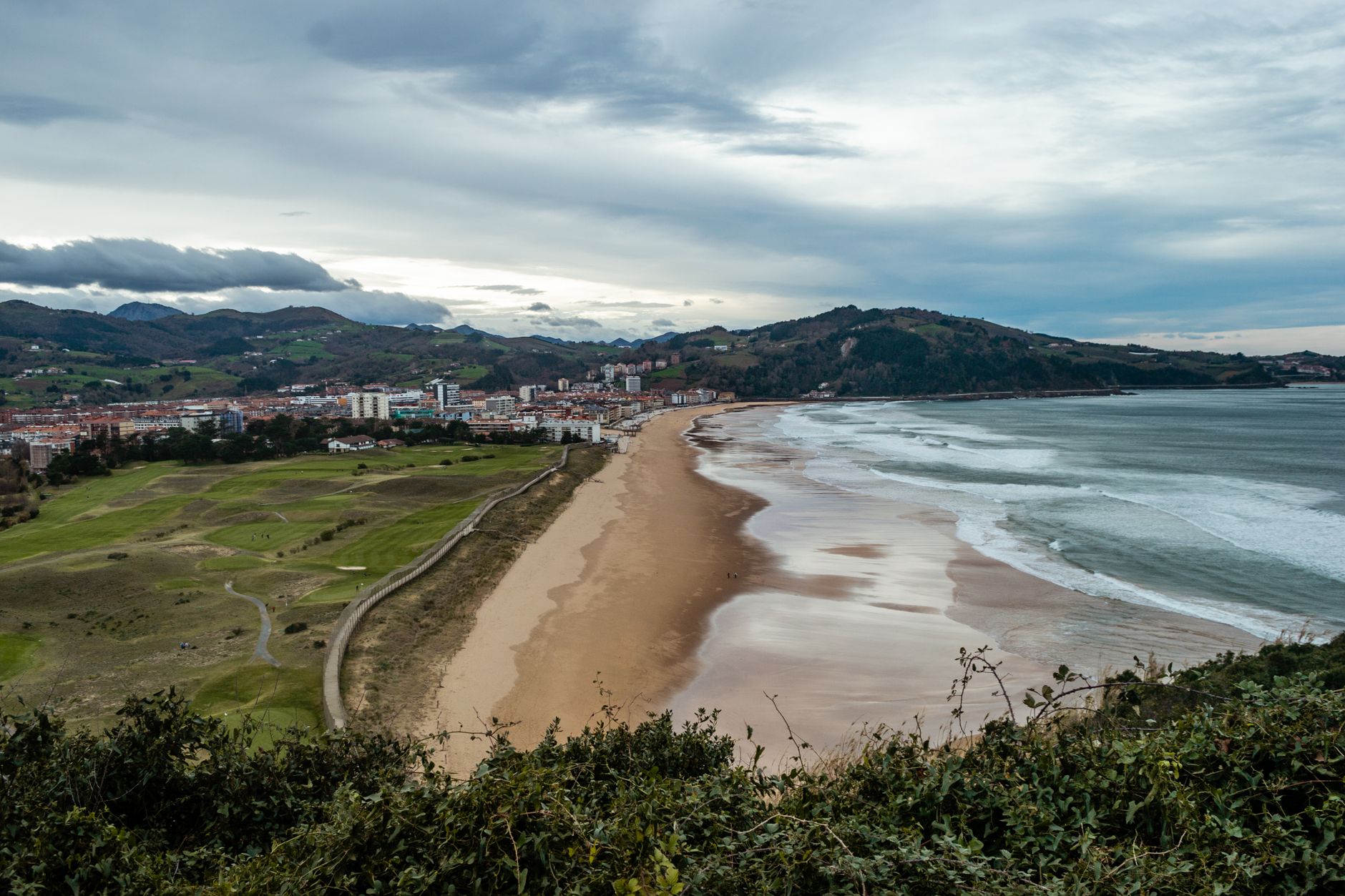
Zarautz announces itself with 2.8 kilometres of Atlantic sand — the longest beach in the Basque Country — and a wave quality that has drawn surfers from across Europe since the 1980s. The town behind it is compact and layered: a 15th-century Gothic church at one end of the main street, a medieval defensive tower at the other, and a Photomuseum somewhere in between that has quietly become one of the better photography collections on the continent.
Karlos Arguiñano, the chef whose face became synonymous with Spanish television cooking for a generation, grew up here and still runs his hotel and restaurant on the seafront. The painter Ignacio Zuloaga was born here. The surfer Aritz Aranburu competed on the World Surf League circuit from here. Zarautz earns its reputation through specifics.
💛 What travellers fall for
People who come back tend to mention the same things: the walk up to the Torreón — that white lookout on the hill, the first reinforced-concrete building in Gipuzkoa, built by a father so his daughter could see the panorama — and the dune system at Iñurritza on the eastern end of the beach, which most visitors walk straight past without realising it's a protected biotope.
Experiences you don't want to miss

Deals in Zarautz
Book directly at the providerHow Zarautz came to be
The town received its founding charter in 1237, though archaeological evidence beneath the church of Santa María la Real traces settlement back to the 5th century BC. For centuries the economy ran on fishing, but when Cantabrian whales disappeared from these waters around the 16th century, Zarautz shifted toward agriculture and shipbuilding. The Industrial Revolution arrived in 1857 with a linen mill called Fabril Linera, pulling the town into a new economic era.
The 20th century left harder marks. Zarautz supported the Republican cause during the Civil War and suffered Falangist reprisals after the province fell. In November 1980, ETA gunmen killed five Spanish police officers in the town — a moment that sits in local memory alongside the broader trauma of those years. The pivot toward tourism came after 1975, accelerating as surfing culture reached the Basque coast in the following decade.
Who and what shaped it
People who shaped it
Landmark buildings
See Zarautz in motion
Plan your visit
On the map
When to go
Summers are mild rather than hot — August peaks around 24°C — and July is technically the driest month, though 'driest' here still means rain on roughly 12 days. Come in winter and you're looking at 10°C and frequent Atlantic downpours; November is the wettest month by some margin, with nearly 180mm of rain.
Right now
Background & history adapted from Wikipedia (CC BY-SA) · specs from Wikidata (CC0) · weather from Open-Meteo · map data © OpenStreetMap contributors · photos from Wikimedia Commons / Unsplash with per-image credit. No third-party reviews or social posts reproduced.