
Hondarribia
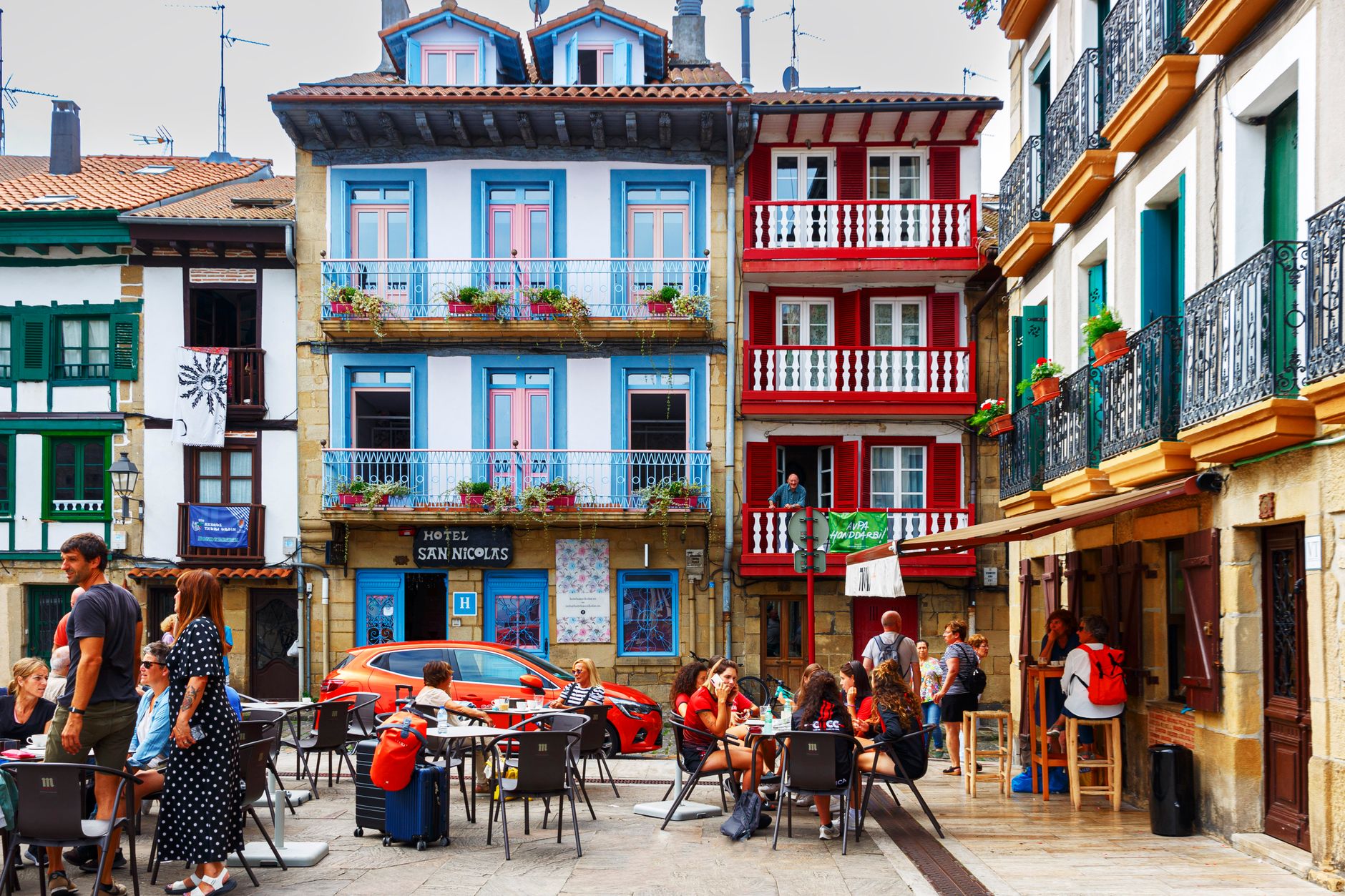
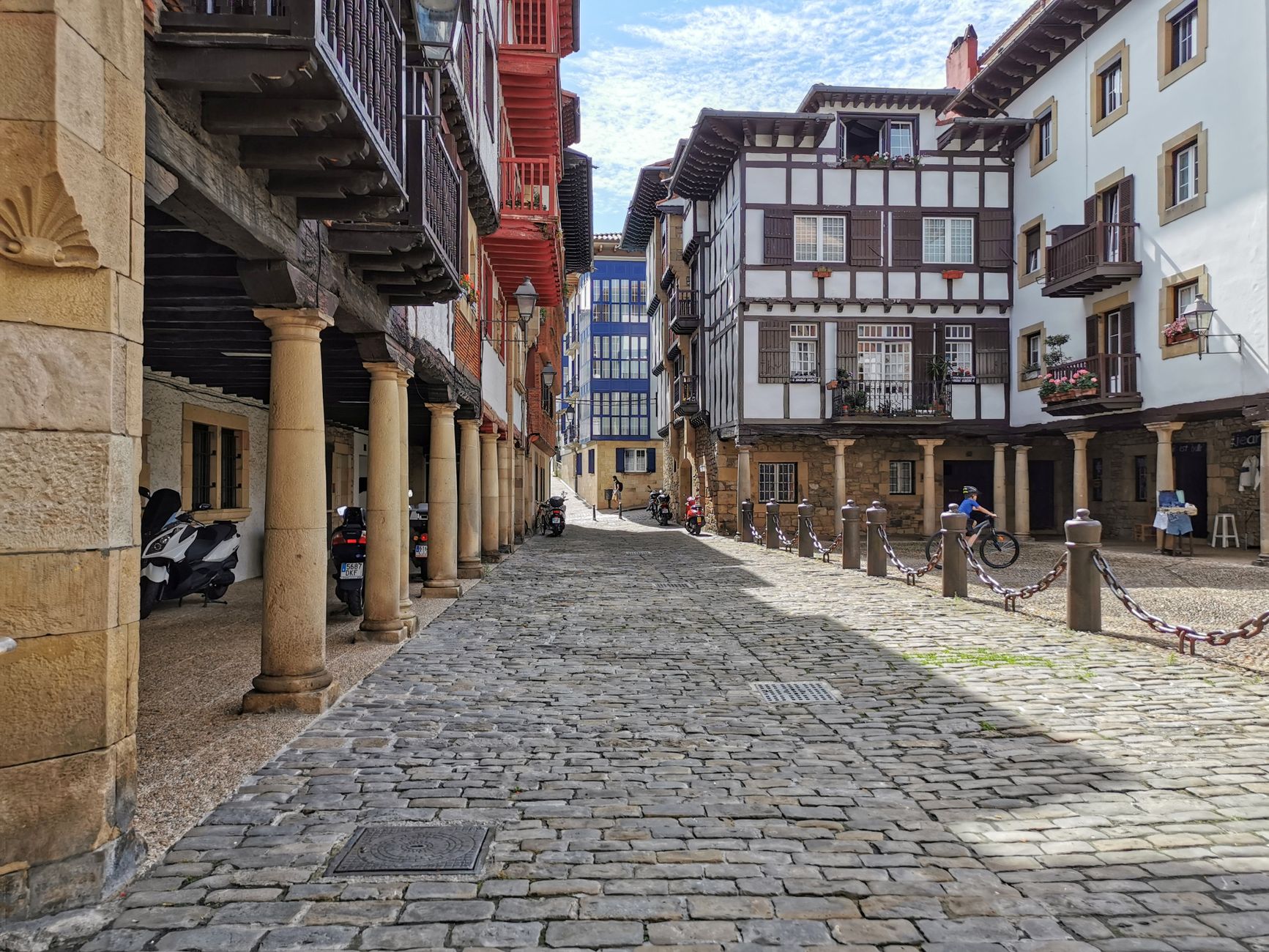
Stand at the Puerta de Santa María and you're looking at a gate built for war — its semicircular arch and Renaissance stonework designed to slow armies, not welcome tourists. That tension between fortress and fishing village is what makes Hondarribia worth your time. The old town sits behind 15th-century walls on the mouth of the Bidasoa River, which has marked a national border for as long as anyone has bothered to write it down.
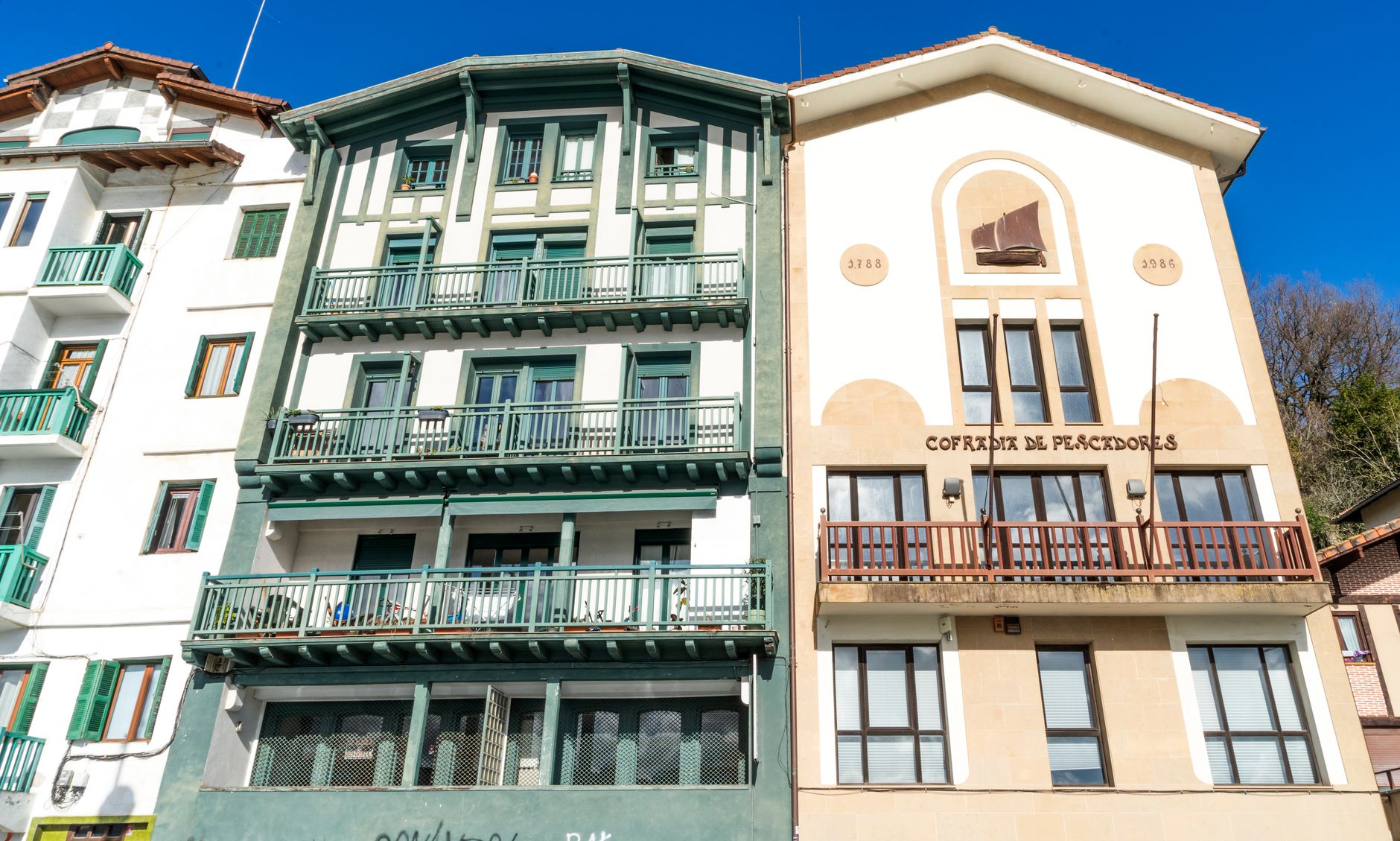
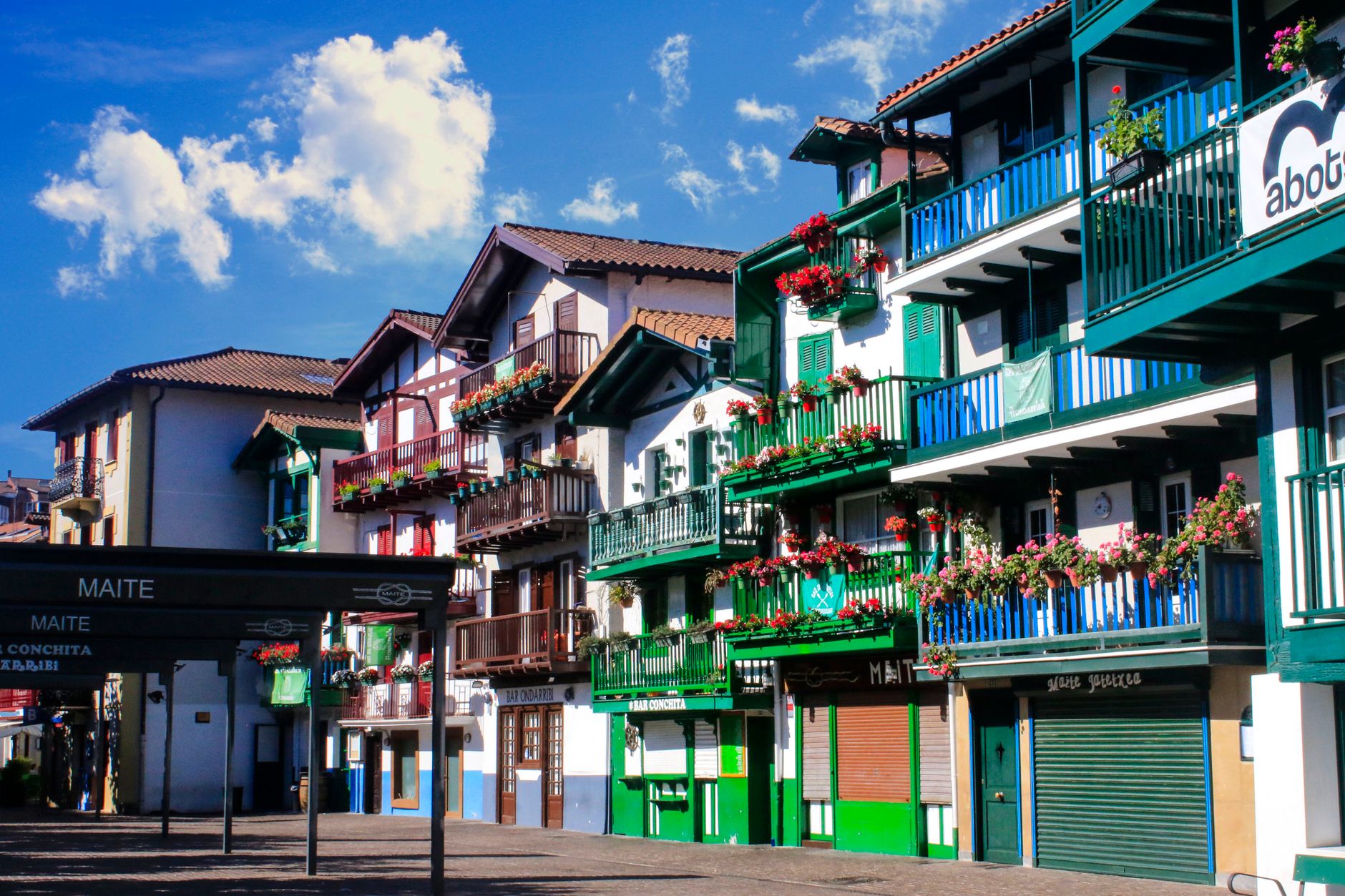
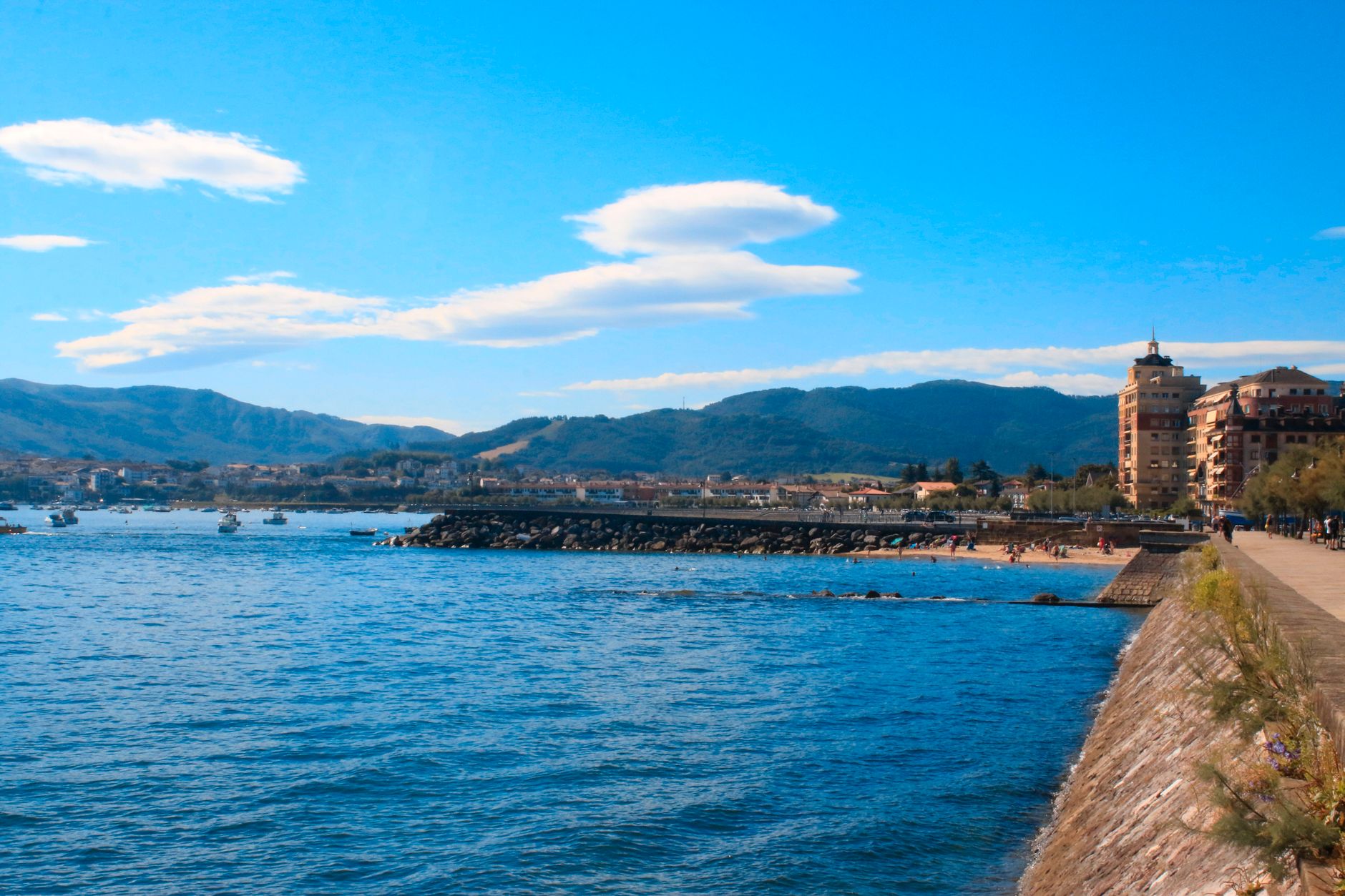
Below the walled quarter, the Marina district — all colorful shutters and salt-bleached balconies — runs along the old port where fishermen lived for centuries. France is visible across the water; a small ferry connects you to Hendaye in minutes. The whole place is compact enough to cover on foot in an afternoon, but specific enough to reward a longer look.
💛 What travellers fall for
People who come back tend to time it around the morning market, then walk the walls before the tour groups arrive. The free parking in front of the Santa María gate fills fast in summer — get there early. And most regulars end up on the ferry to Hendaye at least once, just because the crossing is so absurdly short and the view of the old town from the water is the best you'll get.
Experiences you don't want to miss


Deals in Hondarribia
Book directly at the provider
How Hondarribia came to be
Hondarribia's reason for existing was always strategic. The Bidasoa River at its feet marked the edge of kingdoms, and whoever held this bank held the crossing. A Navarrese charter from 1150 mentions the settlement by name, but it was Alfonso VIII of Castile who formally founded the town in 1203, granting it a charter three years after occupying Gipuzkoa — a deliberate act of fortification as much as civic founding. The tradition that Visigoth King Recaredo established something here in the 6th century suggests the site's importance predates even that.
The centuries that followed brought sieges — the most dramatic in the 17th century — and the Castle of Charles V, built on 10th-century foundations and expanded by the emperor himself, bears the scars of French troops who damaged it badly at the end of the 18th century. It sat as a ruin until 1968, when it reopened as a Parador. The town's name itself has two layers: Fuenterrabía, the Spanish version, was the official name until 1989, when the Basque Hondarribia took over entirely.
Who and what shaped it
People who shaped it
Landmark buildings
See Hondarribia in motion
Plan your visit
On the map
When to go
Summers are mild and comfortable, rarely climbing above 84°F — good walking weather, though the beach parking fills quickly in July and August. Winters are long, wet and often windy; the walls and the old stone streets hold the damp, so pack accordingly if you visit between November and March.
Right now
Background & history adapted from Wikipedia (CC BY-SA) · specs from Wikidata (CC0) · weather from Open-Meteo · map data © OpenStreetMap contributors · photos from Wikimedia Commons / Unsplash with per-image credit. No third-party reviews or social posts reproduced.